Cholesterol 2: Cardiology's Nonfatal Mistake
About this episode
This episode discusses the historical misinterpretations in cardiology regarding cholesterol and heart attacks, emphasizing the importance of recognizing nonfatal myocardial infarctions as indicators of future health risks.
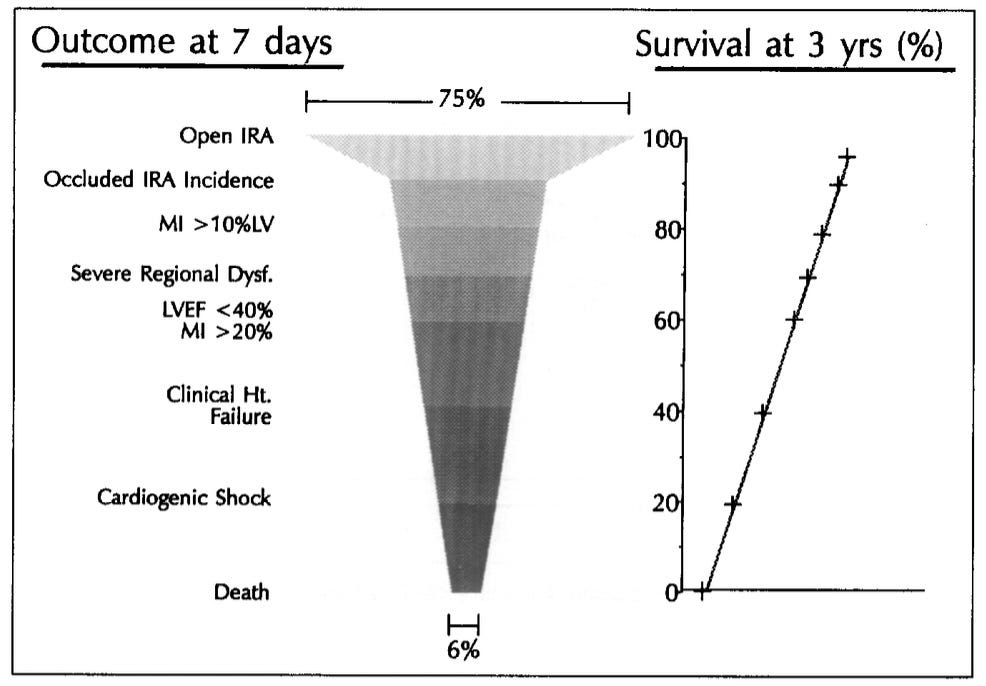
Author note: What follows is part 2 of a series intended to summarize and explain just how, historically, we went off the rails with cholesterol. Check out part 1 here . In the early 1990s, Eugene Braunwald and the cardiology community had a problem. In the throes of a major heart attack new clot-buster drugs and angioplasty procedures were working—saving lives. Cardiologists could see it even months later, in the clinic. But they couldn’t see it in the data. Published trials were short, lasting weeks or months. But reperfusion—re-opening occluded arteries with drugs or procedures—didn’t just prevent instant deaths. It also halted and reversed massive heart attacks, rescuing enough heart muscle to prevent heart failure and deaths that result months or even years later. The benefit was real, but delayed. And therefore invisible in trials. Braunwald and his colleagues therefore fashioned a solution. They noted: Not all myocardial infarctions, i.e. heart attacks, are equal. While small MIs often pass without danger, big ones that damage lots of heart muscle can cripple a heart, leading to failure, decline, and death. In these cases even supposedly ‘nonfatal’ ones are a harbinger—a…
People in this episode
Host: David Newman
Topics covered
- cholesterol
- cardiology
- heart attack
- medical research
- health outcomes
Keywords
- cholesterol
- cardiology
- heart attack
- myocardial infarction
- medical trials
- health outcomes
- Eugene Braunwald
Mentioned in this episode
Organizations: cardiology community, Braunwald and his colleagues
Books & works: landmark paper
More episodes of Research Translation Podcast
- Paxlovid: A Requiem
- Checking The Math in New Statin Guidelines
- Cholesterol 4: What Went Wrong
- Cholesterol 3b: A Study Straight Out Of Central Casting
- Cholesterol 3: The Big Mistake
- Cholesterol 1: The First Mistake
Explore listener stats, chart rankings, contacts and more on the Research Translation Podcast podcast page.