
The Art Angle
by Artnet News
Is this your podcast?On the show
From 29 epsHosts
Recent guests
Recent episodes
Inside the Scrappy SoHo Gallery That Made Art History in the Aughts
Oct 15, 2026
36m 21s
Let’s Talk About Lee Krasner (and Jackson Pollock)
Oct 8, 2026
52m 37s
The Past, Present, and Future (??) of Website Art
Oct 1, 2026
39m 37s
NYC Gallery Blitz, the Lucas Museum Arrives, a Messy Art Divorce
Sep 24, 2026
45m 22s
Re-Air: Arthur Jafa's Radical Theory of Readymade Art
Sep 17, 2026
47m 08s
Insights from recent episode analysis
Audience Interest
Podcast Focus
Publishing Consistency
Platform Reach
Insights are generated by CastFox AI using publicly available data, episode content, and proprietary models.
Most discussed topics
Brands & references
Total monthly reach
Based on 1 signal.
Built from
By chart position
- 🇺🇸United States · Visual ArtsHOME#41.5M to 7.9M
- 🇬🇧United Kingdom · Visual Arts#851K to 268K
- 🇸🇪Sweden · Visual Arts#143K to 230K
- 🇰🇷South Korea · Visual Arts#339K to 207K
- 🇧🇪BE · Visual Arts#133K to 173K
- Per-Episode Audience
Est. listeners per new episode within ~30 days
1.9M to 9.9M🎙 ~2x weekly·377 episodes·Last published 4d ago - Monthly Reach
Unique listeners across all episodes (30 days)
3.8M to 20M🇺🇸80%🇬🇧3%🇸🇪2%+12 more - Active Followers
Loyal subscribers who consistently listen
2.1M to 11M
Market Insights
Platform Distribution
Reach across major podcast platforms, updated hourly
Total Followers
—
Total Plays
—
Total Reviews
—
* Data sourced directly from platform APIs and aggregated hourly across all major podcast directories.
Social Links & Contact
Official channels & resources
Official Website
Login
RSS Feed
Login
| Date | Episode | Topics | Guests | Brands | Places | Keywords | Sponsor | Length | |
|---|---|---|---|---|---|---|---|---|---|
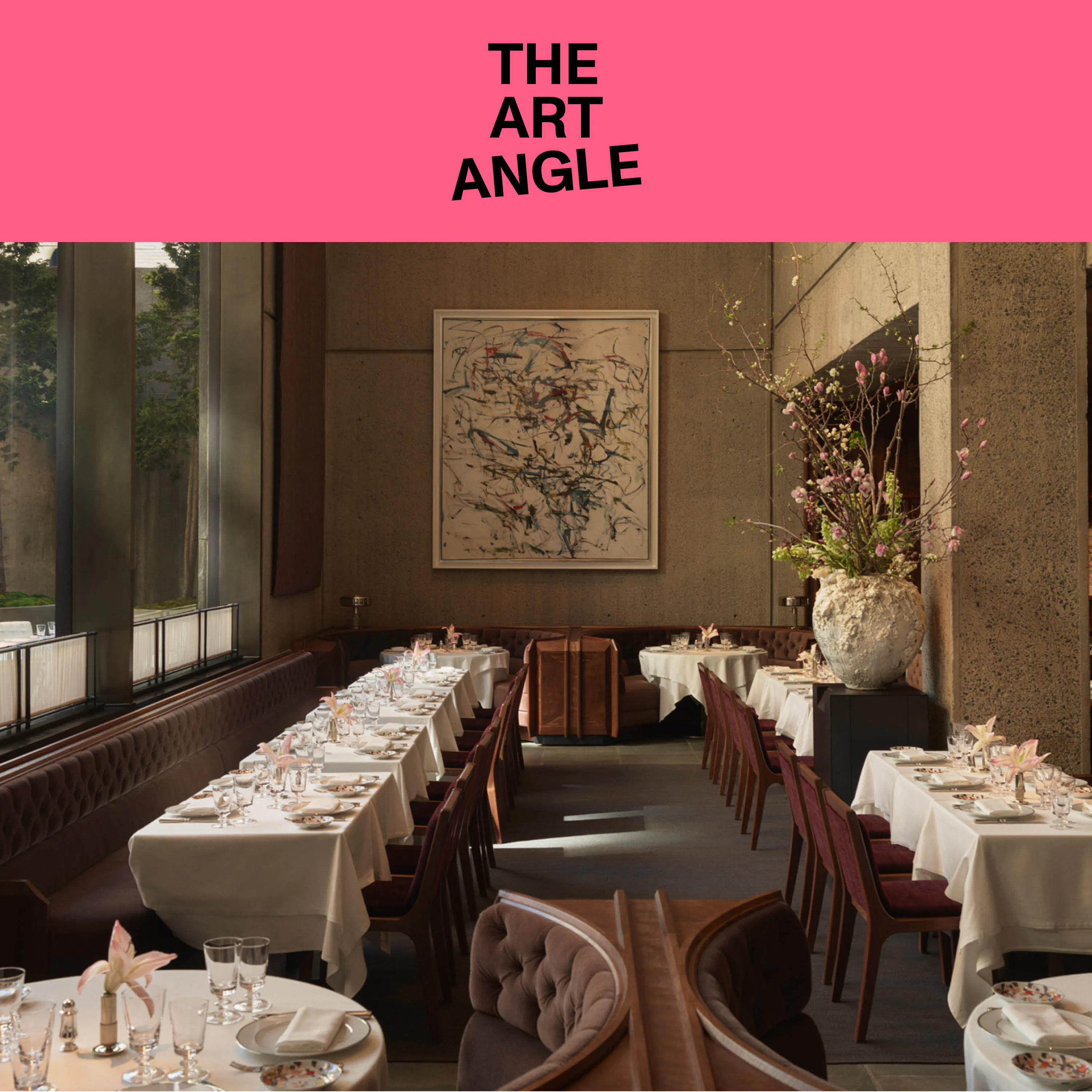
| 10/15/26 | 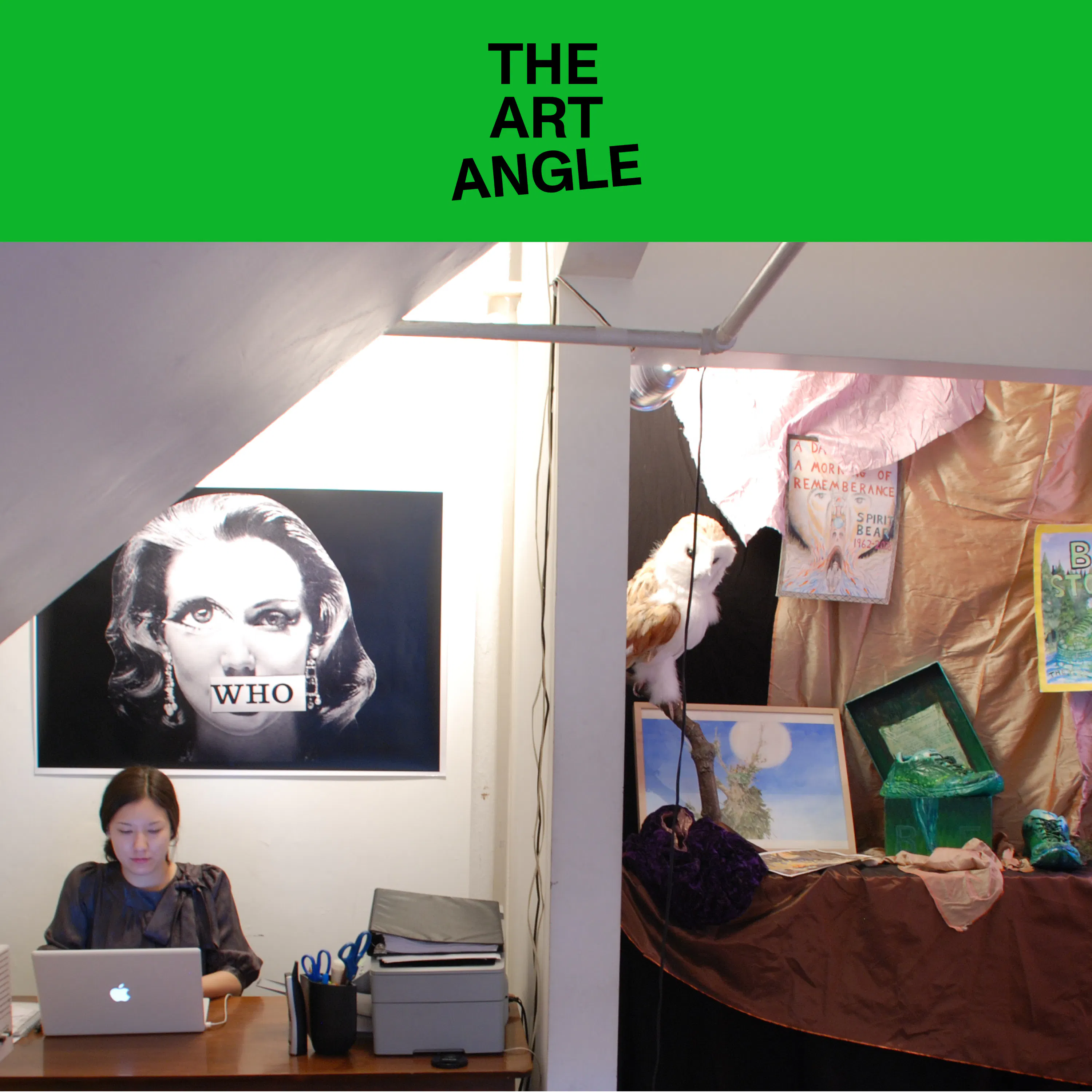 Inside the Scrappy SoHo Gallery That Made Art History in the Aughts | If you are in New York this month, I have to insist that you make it over to the 41 Cooper Gallery at Cooper Union in the East Village, where an absolutely thrilling group show is on view through October 31. The exhibition looks at the history and continued resonance of Guild & Greyshkul, a storied gallery that operated from 2003 to 2009 in SoHo. It features work by more than 70 artists, famous and obscure, younger and older, including Mariah Robertson, Dana Schutz, Sara Greenberger Rafferty, Ryan Johnson, B. Wurtz, Ryan Muller, and Valerie Hegarty. Some exhibited at the gallery, and others were part of its extended network. The show was organized by Guild & Greyshkul’s three intrepid artist founders, Anya Kielar, Johannes VanDerBeek, and Sara VanDerBeek, at the invitation of Adriana Farmiga, the dean of the Cooper Union School of Art, and Yuri Masnyj, its associate dean. All five have work in the show. Sara VanDerBeek recently came by the Artnet News offices to discuss how she and her colleagues built Guild & Greyshkul as young artists in New York. She spoke with Andrew Russeth about how they made ends meet (spoiler alert: it was not always easy), why they decided to pull the plug, and the advice she would offer to someone opening a space today. It’s a conversation about a brief moment in time that I think gets at issues that many artists, curators, and dealers are confronting as New York becomes increasingly expensive and its art scene in some ways becomes more and more averse to risk. | 36m 21s | ||||||
| 10/8/26 |  Let’s Talk About Lee Krasner (and Jackson Pollock) | One of the major museum events of the fall is called "Krasner and Pollock, Past Continuous," at the Metropolitan Museum of Art in New York. It brings together 120 artworks by two of the titans of 20th-century American painting: Lee Krasner and Jackson Pollock. The two famously were a couple, and this show claims to be the first to look at their artworks specifically together as a dialogue. Jackson Pollock was, and is, known as the indispensable abstract expressionist. His expansive style of drip painting, made by throwing paint across a canvas on the ground, caught the media and the public's imagination in the early 1950s. The sensation around these paintings remade U.S. art. For many years, Krasner's reputation was in his shadow. Pollock died tragically in a car crash in 1956. Krasner lived on until 1984, and the Met show illustrates how she continued to experiment. These days, museums are featuring Krasner's inventive and varied paintings as much as Pollock's. A rebalancing, this show seems bound to continue. The title of the show even comes from a collage painting by Krasner from the 1970s. Having just returned from the exhibition, Ben Davis was inspired to talk specifically about Lee Krasner, who she was, where she came from, and what makes her art unique and lasting. And so we reached out to the art historian Mary Gabriel, author of the very engaging 2018 bestseller, Ninth Street Women: Lee Krasner, Elaine de Kooning, Grace Hartigan, Joan Mitchell, and Helen Frankenthaler, Five Painters and the Movement That Changed Modern Art. | 52m 37s | ||||||
| 10/1/26 | 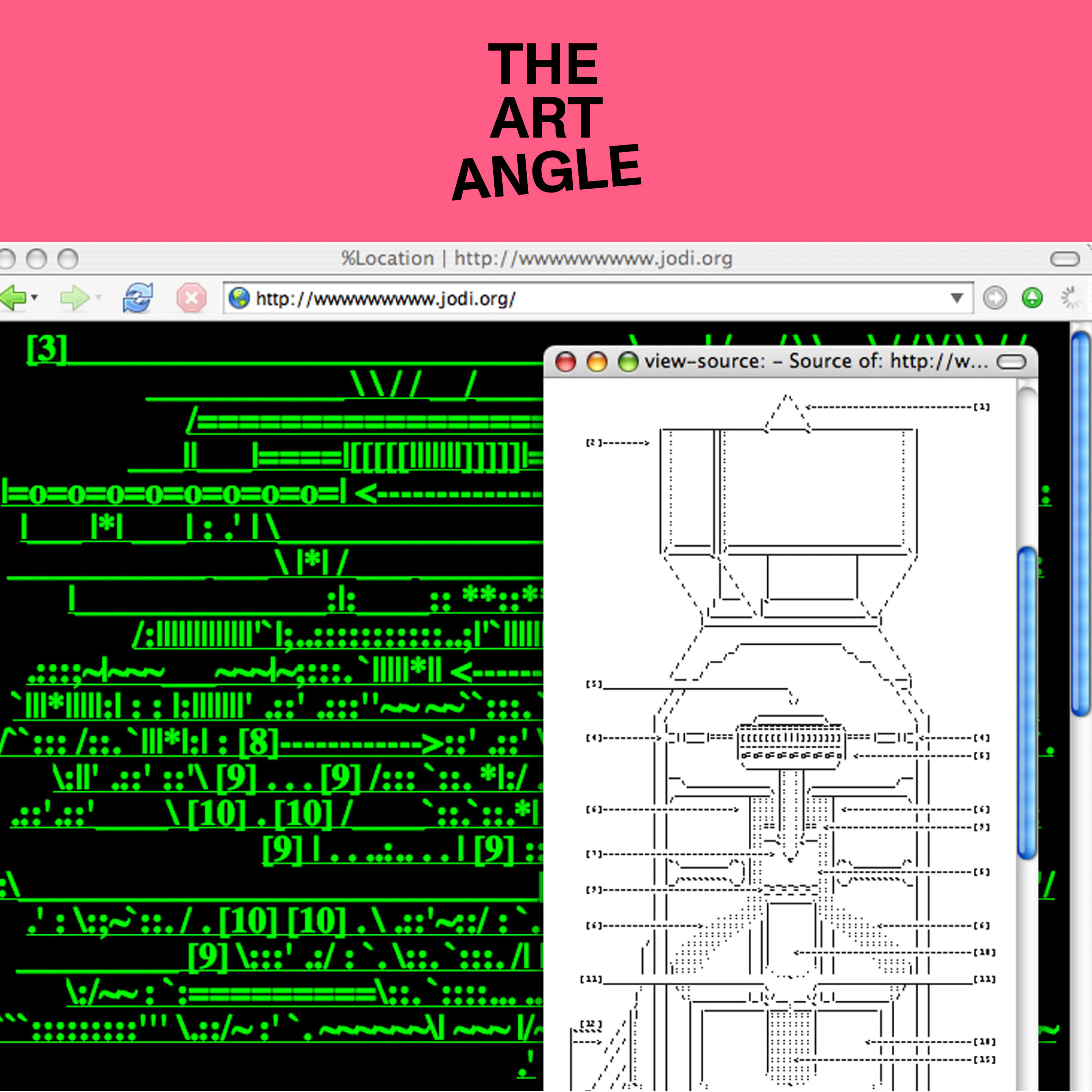 The Past, Present, and Future (??) of Website Art | What does it mean to make art on the internet? It's not a new question, but it's far from a settled question. From very early on in the history of the World Wide Web, artists leapt in to start experimenting, and very shortly after that, the organization Rhizome was born. Dedicated to digital art, it quickly became one of the most important advocates and keepers of its history. Last week, Rhizome celebrated its 30th birthday with a gala that brought together the luminaries of online art, both present and historical, and an art show titled "WEBSITES WEBSITES WEBSITES!" showing web-based work by Lorna Mills, Rafaël Rozendaal, Maya Man, Kim Asendorf, Luke Shannon, and many other names you either know or should know. This was the perfect time to talk to Michael Connor, longtime co-director of Rhizome. Ben Davis speaks with him to get the history of art online in all its chaos, and to asks him where he thinks it might be going next. | 39m 37s | ||||||
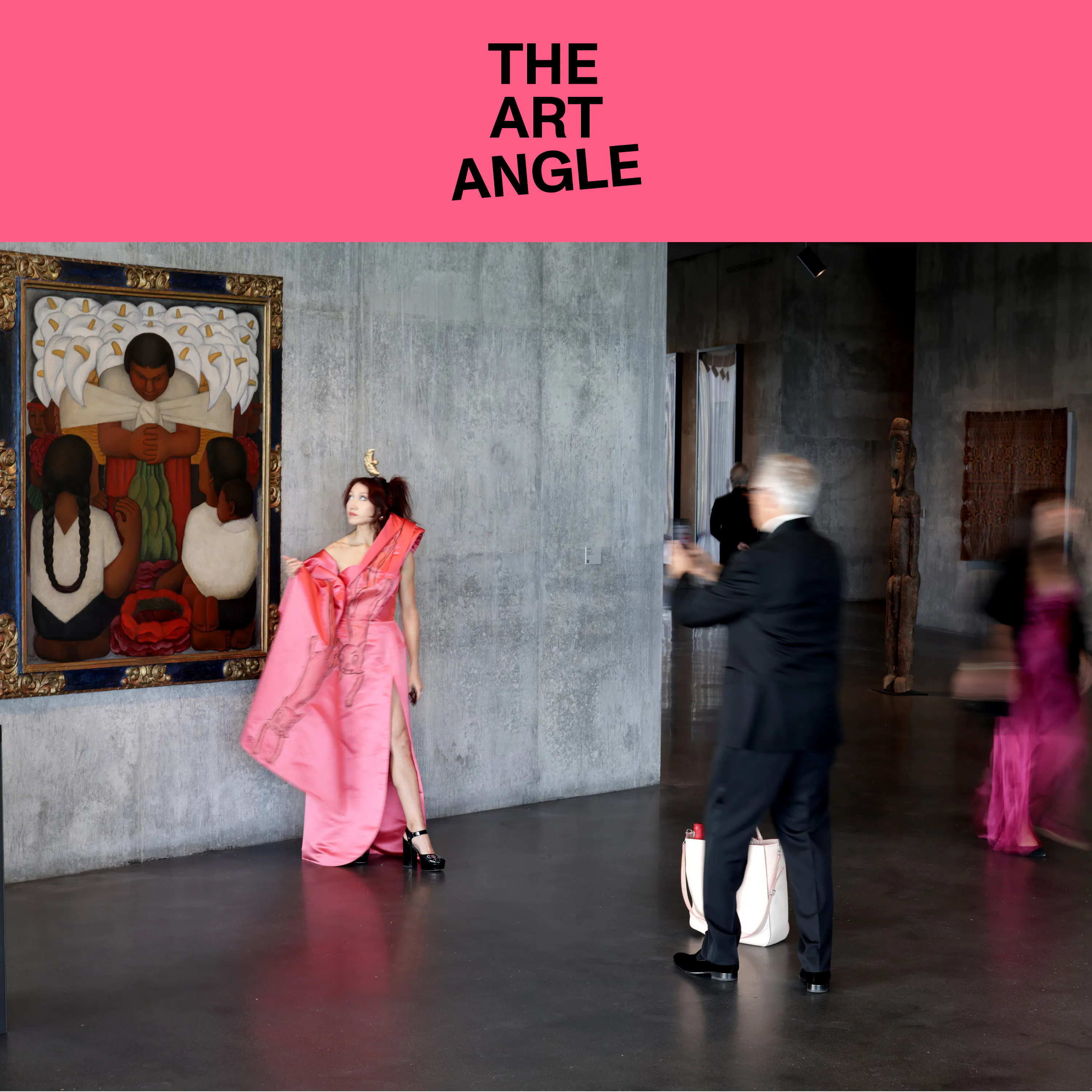
| 9/24/26 |  NYC Gallery Blitz, the Lucas Museum Arrives, a Messy Art Divorce | For many, many reasons, it has been several months since we have done one of our Art Angle chat-casts, where we assemble writers to talk about a few different news stories on the site. But it's September, and we're finally back at it. Today we'll be talking about three topics: First, here in New York, the fall art season kicked off with literally hundreds of gallery openings, followed by a bunch of fairs this week. The fall openings are always an event. This year, they're even more closely scrutinized, given how uncertain business has felt behind the scenes. We'll talk about highlights and observations from the galleries. Second, on the other side of the country, in Los Angeles, the Lucas Museum of Narrative Art has finally debuted. The brainchild of Star Wars maestro George Lucas and his wife Mellody Hobson, the long-in-the-works, billion-dollar institution has its own quirky vision of art. We'll talk about what that is and whether it works. And finally, we'll talk about developments in the truly epic divorce of Libbie and David Mugrabi, which touches on hundreds of millions, if not billions, of dollars of art. I don't know if we'll even get to all the details, but the story involves a very important Jean-Michel Basquiat painting, allegations of someone hiring a Russian hitman, and a dog named Botox. | 45m 22s | ||||||
| 9/17/26 |  Re-Air: Arthur Jafa's Radical Theory of Readymade Art | This is a re-air of my interview with the artist Arthur Jafa. It came out earlier in the year, but with his much-anticipated career retrospective, Arthur Jafa, I Am Tony, now about to open at the New Museum in New York. It's very much worth another listen. Jafa is probably the most revered artist of the last decade. Born in 1960, in Tupelo, Mississippi, he came up through the world of cinema. But Jafa also found his way into the art world with his difficult video work and strange objects. In art, his reputation went vertical in 2016 with the video, Love Is the Message, the Message Is Death. It is a collage of found footage from social media that included police violence against Black people and also moments of viral celebration and joy. It was both experimental and accessible, and drew huge crowds when it was first shown at Gavin Brown’s Enterprise in New York. A follow-up film, called The White Album, won the Golden Lion for Best Artist as part of the main show of the Venice Biennale back in 2019. And this month, Jafa is back in Venice, this time in a two-person show called “Helter Skelter,” curated by Nancy Spector, pairing him with the famous artist Richard Prince, also known for using found and appropriated imagery to disorienting effect. That show opened alongside the Venice Biennale at the Prada Foundation, and was one of the few things during the opening weekend that everyone could agree was a must-see event. Jafa has also curated a show currently on view at the Museum of Modern Art, called “Less Is Morbid,” a deliberately packed display of his favorite art. He is also one of the winners of this year’s Art Basel Award, to be honored at that fair. In the middle of all this intense activity, Jafa sat down with Ben Davis to discuss his art, his view of art history, and what comes next. | 47m 08s | ||||||
| 9/11/26 | 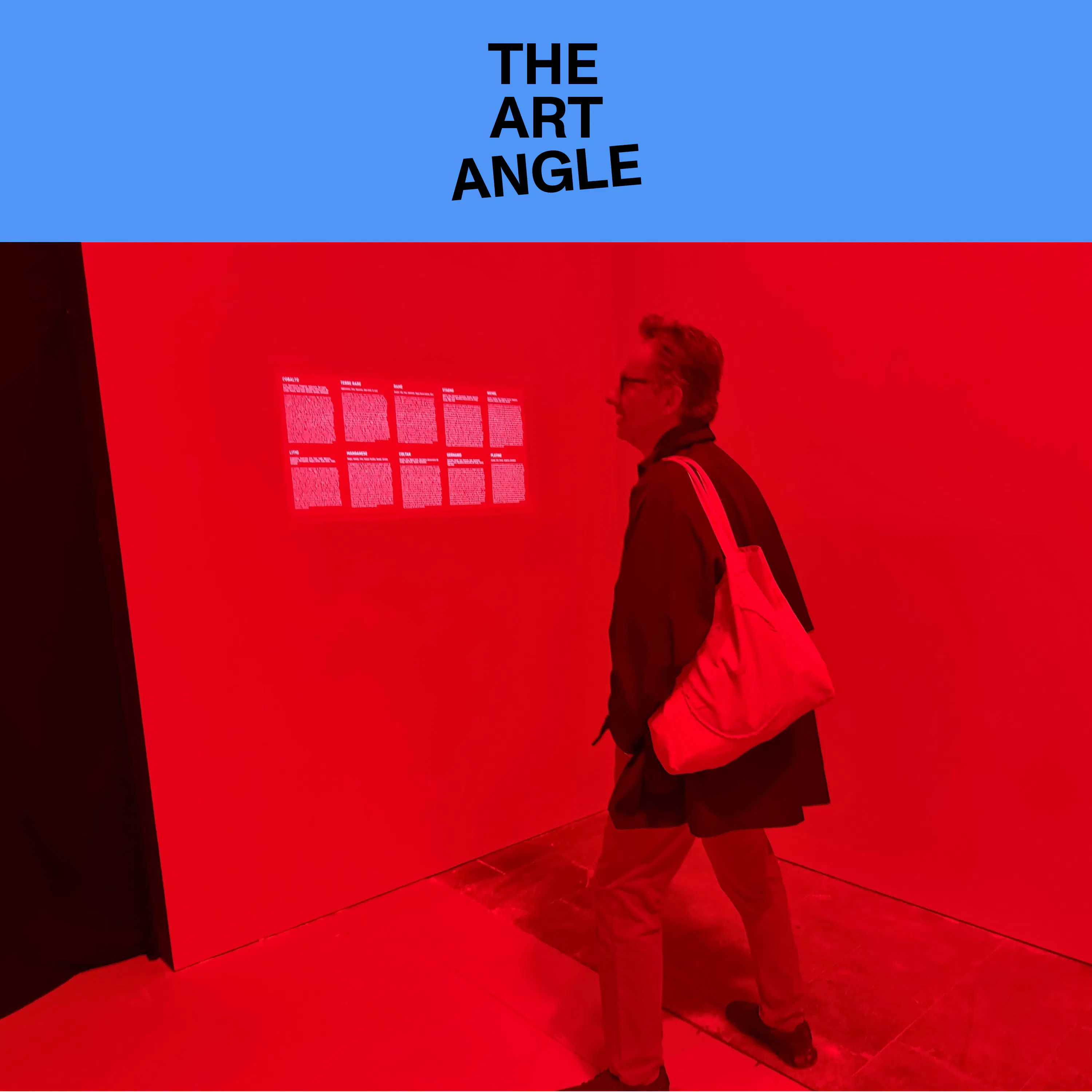 Why Are Museum Wall Texts So Bad? | The humble wall label at an art exhibition has a funny status. It feels, on the one hand, like a side note or an afterthought. On the other, it is a first point of contact and literal guide for a visitor looking to know more. There is an entire undersung discipline, Visitor Studies, which has put a lot of time into thinking about how museums communicate. And yet, even so, some of the most prestigious exhibitions in the world are crawling with texts that I can barely understand. As a matter of fact, I’ve griped so much about bad text at art biennials and shows that I try not to do it anymore, just to avoid repeating myself. But recently, I decided I would get it out of my system for good and be constructive and write an essay about where I think these texts go wrong and what I think works. Katherine Whitney thinks about museum texts professionally, she has worked with a number of museums and with Beverly Serrell on the 2024 edition of Serrell’s Exhibit Labels: An Interpretive Approach, a standard resource on this subject. So, let’s talk about texts. This is a nerdy topic, maybe, but it’s also an essential topic, one that helps clear your mind about what you want from a museum in the first place. Unlike a lot of problems facing art right now, the problem of bad texts is one that can be fixed. | 42m 15s | ||||||
| 9/3/26 | Etruscan artancient civilizations+3 | Renée Dreyfus | Fine Arts Museums of San FranciscoLegion of Honor | ItalySan Francisco | Etruscansart+5 | — | 35m 41s | ||
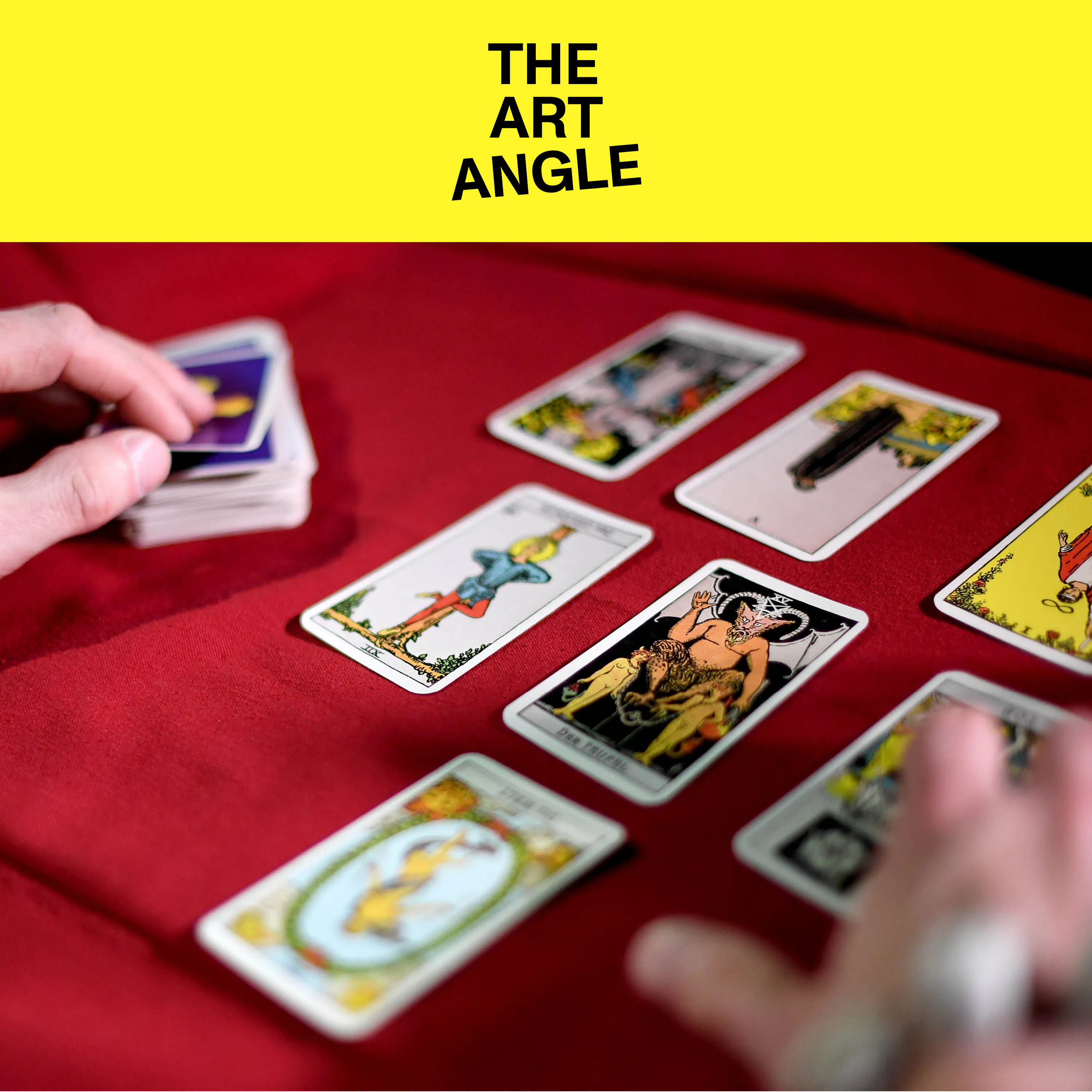
| 8/27/26 | tarotart+4 | — | Morgan Library and MuseumArtnet | — | tarotartists+5 | — | 36m 36s | ||
| 8/20/26 | performance artabsurdist logic+4 | Julio TorresMartine Gutierrez | Saturday Night LiveMarina+7 | — | Julio TorresMartine Gutierrez+7 | — | 37m 51s | ||
| 8/13/26 | New York artmuseum shows+3 | Danielle Jackson | MoMA PS1Bronx Museum of the Arts+2 | — | New York artMoMA PS1+5 | — | 38m 16s | ||
| 8/6/26 | art worldrestaurants+3 | Annie Armstrong | Caper MediaSotheby's+3 | New YorkBrooklyn | artrestaurants+6 | — | 43m 53s | ||
| 7/30/26 | art markethistory+4 | Valentina Castellani | Sotheby'sGagosian+2 | — | art markethistory+6 | — | 43m 37s | ||
| 7/23/26 | creative self-discoveryartistic blocks+3 | Julia Cameron | The Artist's WayThe Daily Artist’s Way | — | The Artist's WayJulia Cameron+5 | — | 29m 17s | ||
| 7/16/26 | artpolitics+4 | Trevor Paglen | VersoHow to See Like a Machine: Images After A.I.+1 | Venice | Trevor Paglenart+5 | — | 47m 09s | ||
| 7/9/26 | M.C. Escherart history+3 | Jo Lawson-TancredBen Davis | Artnet NewsDrawing Hands+1 | Somerset House | M.C. Escherart+3 | — | 27m 50s | ||
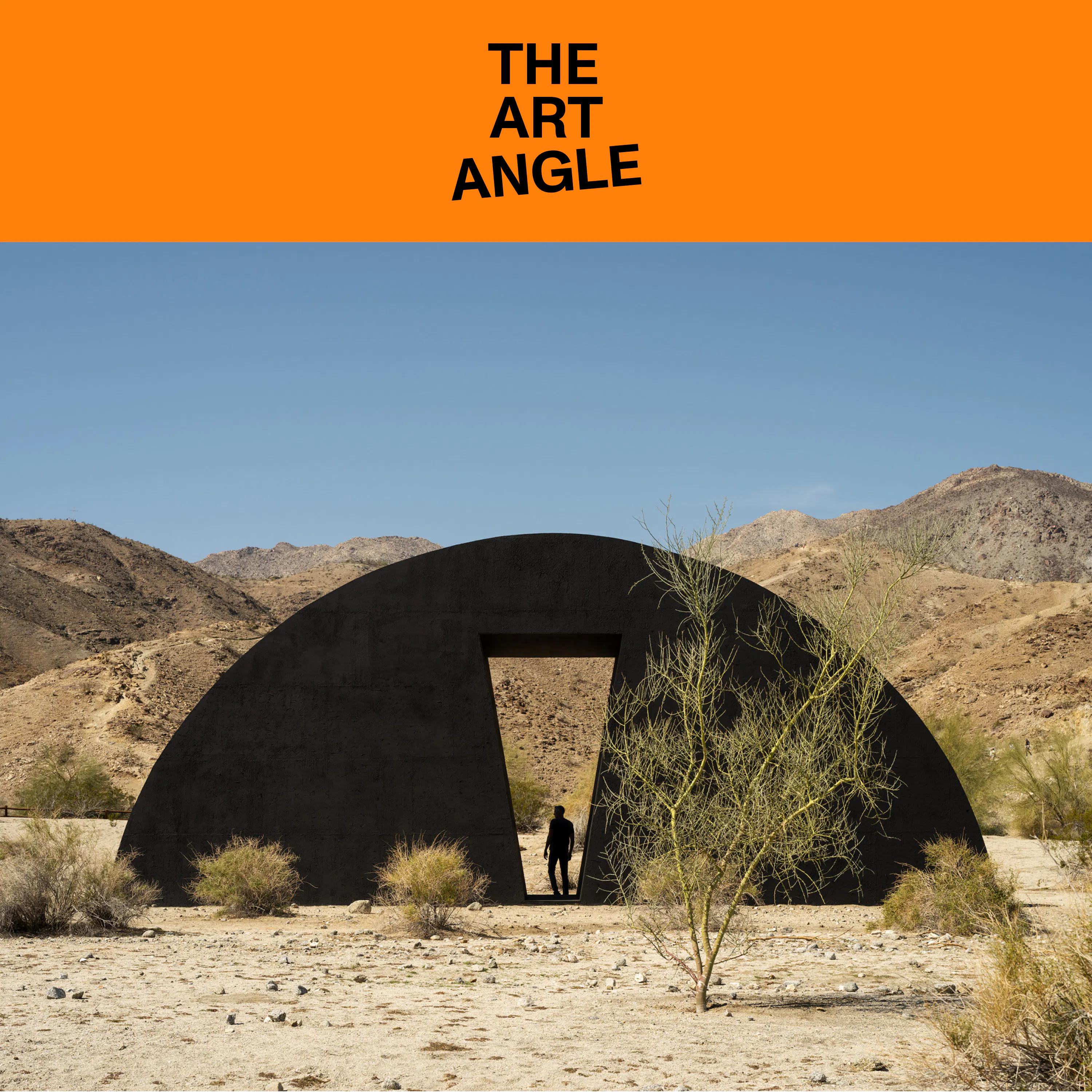
| 7/2/26 | art installationmusic+3 | Doug Aitken | Los Angeles PhilharmonicLos Angeles Master Chorale+6 | — | Doug AitkenLightscape+5 | — | 27m 34s | ||
| 6/25/26 | sound artsculpture+4 | Tarek Atoui | Qatar PavilionTate Modern+1 | LebanonParis+1 | sound artistssculptures+5 | — | 35m 49s | ||
| 6/18/26 | Art Baselmodern art+4 | Noah Horowitz | Art BaselSotheby's+1 | BaselMiami Beach | Art BaselNoah Horowitz+6 | — | 49m 26s | ||
| 6/11/26 | art criticismRoberta Smith+4 | Roberta Smith | New York TimesMuseum of Modern Art+5 | — | Roberta Smithart criticism+5 | — | 40m 12s | ||
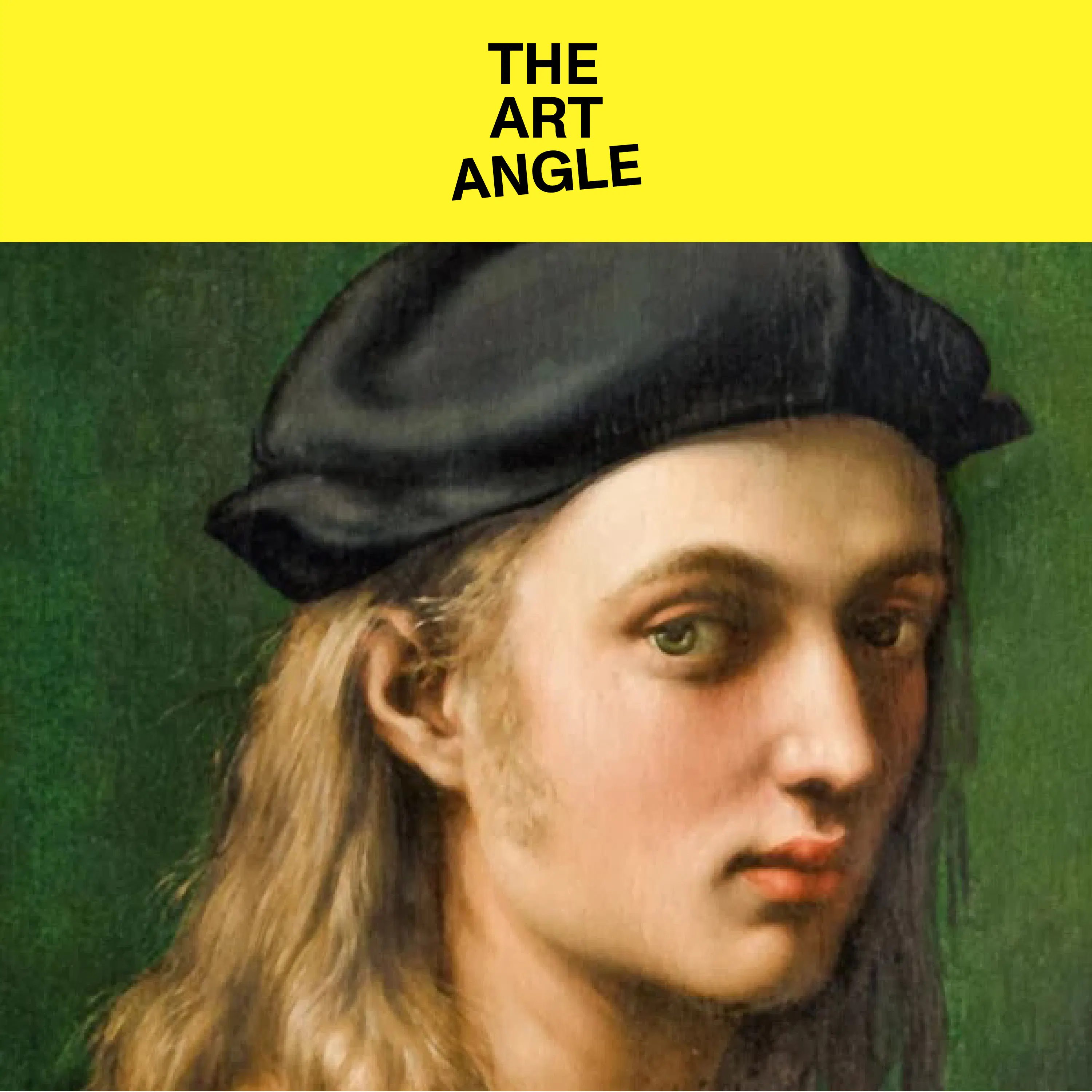
| 6/4/26 | RaphaelRenaissance+4 | Ben Davis | Metropolitan Museum of ArtLouvre+6 | — | RaphaelRenaissance+6 | — | 39m 20s | ||
| 5/28/26 | Arthur Jafareadymade art+4 | Arthur Jafa | Museum of Modern ArtPrada Foundation+4 | — | Arthur Jafavideo art+5 | — | 46m 39s | ||
| 5/21/26 | arts patronagephilanthropy+3 | Sarah ArisonMichi Jigarjian | Museum of Modern ArtArison Arts Foundation+7 | Rockaway HotelQueens | arts philanthropypatronage+3 | — | 37m 46s | ||
| 5/14/26 | LACMAmuseum architecture+3 | Carolina Miranda | Los Angeles County Museum of ArtCityLab+1 | — | LACMAPeter Zumthor+5 | — | 39m 21s | ||
| 5/7/26 | performance artVenice Biennale+3 | Florentina Holzinger | AustriaSeaworld Venice | VeniceGiardini | Florentina HolzingerVenice Biennale+4 | — | 50m 06s | ||
| 4/30/26 | biennialsglobal art conversation+3 | Jo Lawson-TancredBen Davis | Venice BiennaleGwangju+4 | — | biennialsVenice Biennale+6 | — | 31m 15s | ||
| 4/23/26 | young artistspainting+5 | Taina H. Cruz | Whitney BiennialMoMA PS1+1 | — | Taina H. CruzWhitney Biennial+5 | — | 40m 45s | ||
| 4/16/26 | art marketprivate auctions+5 | Katya Kazakina | Artnet ProArtnet+2 | — | art marketprivate auctions+5 | — | 37m 00s | ||
| 4/9/26 | media culturephilosophy+4 | Martha Schwendener | MIT PressNew York Times | PragueSão Paulo | Vilém Flussermedia saturation+5 | — | 44m 05s | ||
| 4/2/26 | RaphaelHigh Renaissance+4 | Ben Davis | Metropolitan Museum of ArtLouvre+5 | — | RaphaelRenaissance+6 | — | 38m 39s | ||
| 3/26/26 | Whitney Biennialart trends+3 | Eileen Kinsella | Whitney Biennial | — | Whitney BiennialMichaelina Wautier+3 | — | 42m 39s | ||
| 3/19/26 | post-individual arttechnology and art+4 | Christopher Kulendran Thomas | New MuseumMuseum of Modern Art+2 | New YorkL.A.+1 | arttechnology+7 | — | 44m 41s | ||
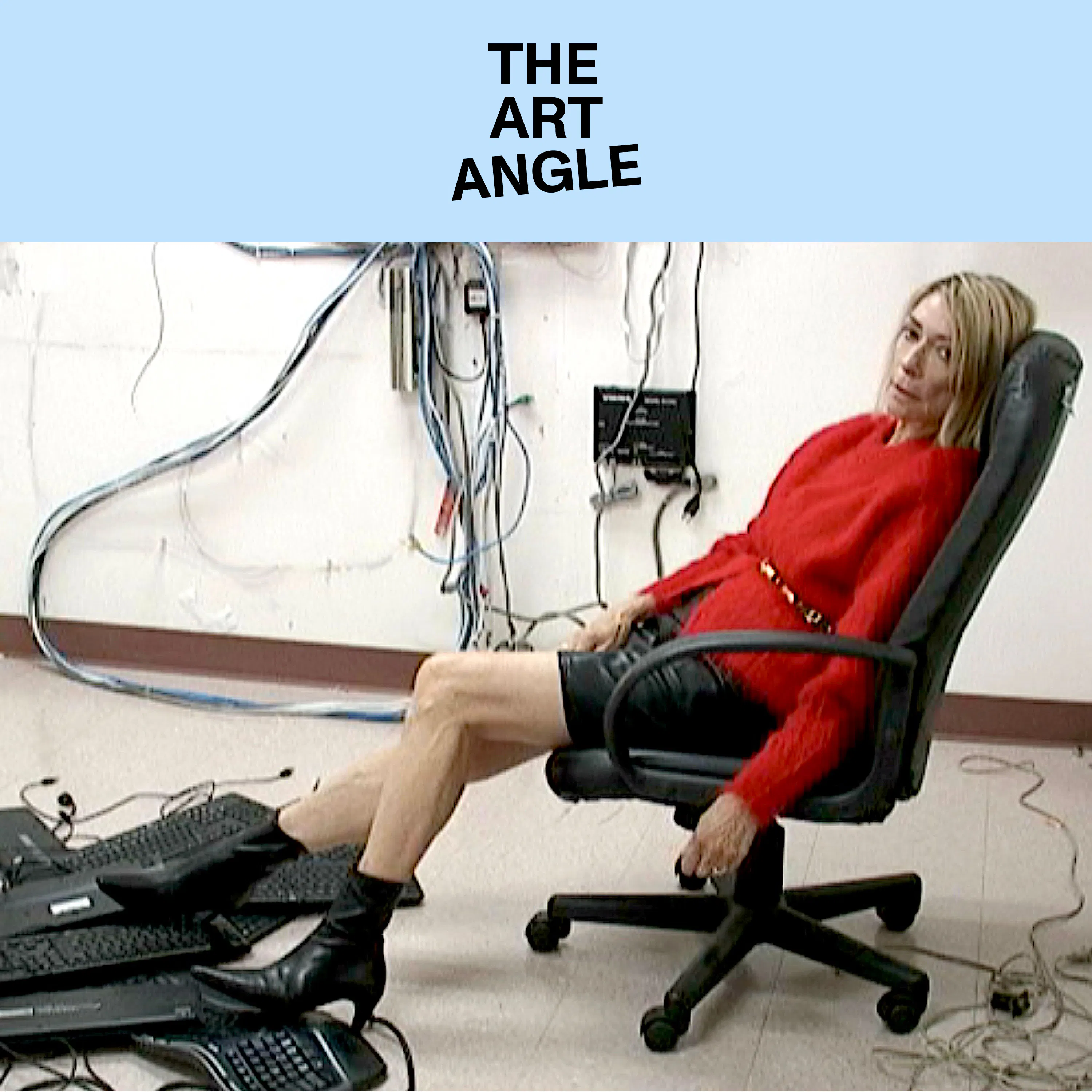
| 3/12/26 | artmusic+4 | Kim Gordon | Girl in a BandThe Collective+6 | — | Kim GordonSonic Youth+7 | — | 35m 39s | ||
| 3/5/26 | Whitney BiennialMoMA PS1+3 | Taína H. Cruz | Whitney MuseumMoMA PS1+2 | — | Whitney BiennialMoMA PS1+5 | — | 40m 08s | ||
| 2/26/26 | Middle Eastern art marketOld Masters+5 | Margaret Carrigan | Artnet News | Middle EastRome | art marketOld Masters+5 | — | 36m 58s | ||
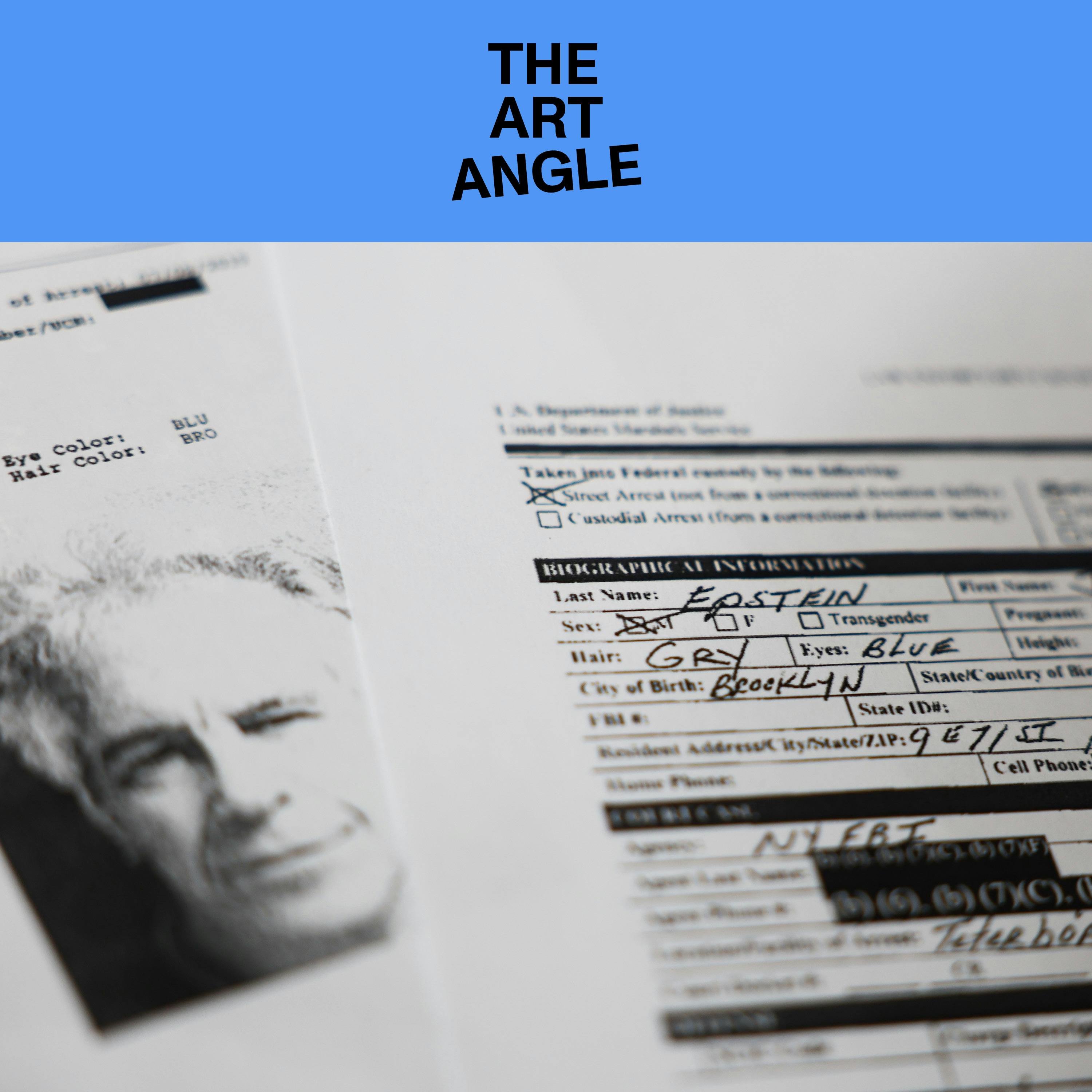
| 2/19/26 | art marketJeffrey Epstein+4 | — | U.S. Department of JusticeMuseum of Modern Art+2 | — | Epstein emailsart market+6 | — | 42m 25s | ||










Showing 35 of 377
Pitch Fit is a Pro feature
See how bookable this show is for guests, which brands already advertise, the per-episode ad value, and the best-fit guest and sponsor profile. The numbers are blurred on the free plan.
How readily this show books outside guests like you.
How proven this show is for host-read sponsorships.
For Guests
ProFor Advertisers
ProUpgrade to Pro to unlock guest cadence, sponsor categories, fit scores, and per-episode ad value for this show.
Similar Audience Demographics
Podcasts that attract a similar listener profile



Chart history for The Art Angle
Peaked at #1 in BE, top 10 in 16 of 50 tracked markets, currently #1 in BE.
| Market | Genre | Peak | Current | Trend |
|---|---|---|---|---|
| BE | — | #1 | #1 | — |
| Sweden | — | #1 | #1 | — |
| South Korea | — | #3 | #3 | — |
| HK | — | #3 | #3 | — |
| TH | — | #3 | #3 | — |
| United States | — | #4 | #4 | — |
| GR | — | #4 | #4 | — |
| Spain | — | #6 | #6 | — |
| TR | — | #6 | #6 | — |
| United Kingdom | — | #8 | #8 | — |
| Italy | — | #8 | #8 | — |
| IS | — | #8 | #8 | — |
| Australia | — | #9 | #9 | — |
| PL | — | #9 | #9 | — |
| IL | — | #10 | #10 | — |
| PH | — | #10 | #10 | — |
| Finland | — | #11 | #11 | — |
| South Africa | — | #11 | #11 | — |
| Mexico | — | #12 | #12 | — |
| Canada | — | #13 | #13 | — |
Chart Positions
50 placements across 45 markets.
Chart Positions
50 placements across 45 markets.