The Clarity Shift Podcast
by Miriam Raquel Sands | Clarity + Cacao
Is this your podcast?Insights from recent episode analysis
Audience Interest
Podcast Focus
Publishing Consistency
Platform Reach
Insights are generated by CastFox AI using publicly available data, episode content, and proprietary models.
Most discussed topics
Brands & references
Est. Listeners
Insufficient chart data. Estimates will improve as the show charts.
- Per-Episode Audience
Est. listeners per new episode within ~30 days
N/A🎙 Daily cadence·72 episodes·Last published 2w ago - Monthly Reach
Unique listeners across all episodes (30 days)
N/A - Active Followers
Loyal subscribers who consistently listen
N/A
Market Insights
Platform Distribution
Reach across major podcast platforms, updated hourly
Total Followers
—
Total Plays
—
Total Reviews
—
* Data sourced directly from platform APIs and aggregated hourly across all major podcast directories.
On the show
From 16 epsHosts
Recent guests
Recent episodes
The Last: What a Year of Building Resilience Actually Looked Like
Aug 17, 2026
1h 49m 06s
Season 3 EP 6 Appropriation, Ethics, and the Cacao Lineage: What It Means to Tend to Something With Integrity
Aug 3, 2026
49m 55s
The Penultimate: Beginning of the End and the Cost of Definition
Jul 20, 2026
2h 03m 19s
Season 3 episode 5: What Culture Actually Means — And Why It Changes Everything
Jul 6, 2026
35m 26s
What Is an Edge, Anyway? On Limits, Capacity, and the Luxury of Knowing What You Want
Jun 18, 2026
48m 47s
Social Links & Contact
Official channels & resources
Official Website
Login
RSS Feed
Login
| Date | Episode | Topics | Guests | Brands | Places | Keywords | Sponsor | Length | |
|---|---|---|---|---|---|---|---|---|---|
| 8/17/26 |  The Last: What a Year of Building Resilience Actually Looked Like | The word edge comes from Old English, and it carries two meanings folded into one: the cutting side of a blade, and a point — a tip, a limit, a place where something ends.I find that distinction worth sitting with longer than we usually do. An edge is both a tool and a boundary. It’s the thing that can sever, and it’s also the place where something simply stops. We use the word constantly without touching either of its original meanings — I’m at the edge of something; this is an edge for me to push through — but we rarely ask what we’re actually invoking when we say it. A blade. A limit. Something that can cut, and something that contains.This is the real question underneath capacity: how do you define how much you have, in any given moment, with any given person? And once you know — or even if you don’t fully know, even if you can’t articulate it — are you willing to act on that information? This is a public episode. If you would like to discuss this with other subscribers or get access to bonus episodes, visit www.miriamraquelsands.com | 1h 49m 06s | ||||||
| 8/3/26 |  Season 3 EP 6 Appropriation, Ethics, and the Cacao Lineage: What It Means to Tend to Something With Integrity | Hello, hello — and welcome back to The Cacao Series.This corner of my larger podcast is where I sit with the cacao plant — its medicine, its history, its agriculture, its sociology, its ancestry, and my own. It’s where I talk about what makes my cacao blends different (emphasis on blends, because I don’t grow cacao, I don’t own a farm, and I don’t pay farmers in the global South directly). I do my best to ethically source from Mexico, Ecuador, Peru, and Guatemala — and one day, I hope to collaborate deeply with the people, the farms, and the land. Maybe one day I’ll even have a farm of my own.But today’s conversation is heavier. Necessary, but heavy.We’re talking about appropriation. We’re talking about ethics. We’re talking about culture, power, history, and the invisible threads that shape how we consume, create, and build businesses in 2026.And we’re talking about cacao — not as a trend, not as a “ceremonial” marketing buzzword, but as a plant with lineage, land, people, and memory.Why This Conversation Matters (Especially Now)We’re living in a time of deep division, deep denial, and deep anger. A time of I’m right, you’re wrong rhetoric. A time when people cling to identity as a shield instead of a doorway.And when we talk about appropriation, discrimination, capitalism — these massive forces that shape entire cultures — it’s easy to collapse everything into individual blame. But I don’t blame individuals for the entirety of history. I don’t blame my white friends for Jim Crow. I don’t blame every white person for the KKK.What I do acknowledge is that cultures — not individuals — create patterns. Cultures create systems. Cultures create the conditions that allow extraction, exploitation, and entitlement to flourish.And cacao sits right in the middle of that conversation.Where the Word “Appropriation” Even Comes FromI always start with etymology because the root always grounds hard conversations.Appropriation comes from the Latin appropriare — to make one’s own.To own. To possess. Someone sees something. They like it. They want it. They take it. They reshape it. They profit from it.That’s the lineage of the word.Cultural appropriation, as a term, didn’t even exist until the 1970s, when British historian Kenneth Coutts‑Smith wrote about cultural colonialism. And we’ve been trying to define, refine, and understand it ever since.Culture is not just food, clothing, music, or rituals. It’s not just what you can taste, touch, see, or hear.Culture is also:- values - mannerisms - invisible codes - inherited ways of being - the things you feel but can’t always name In Latin America, you greet everyone when you enter a home — with a hug or a kiss on the cheek. In the U.S., you don’t. In Europe or the Middle East, it’s two kisses. Culture is embodied. It’s lived. It’s practiced.So when we talk about appropriating culture, we’re talking about taking something that is lived and embodied — and removing it from its context, its people, its meaning.Appreciation vs. Appropriation: The Line Is CommodificationThere’s a version of this conversation that says:Appreciation is fine. Appropriation is not. But the line between them is not “liking something.” The line is commodification.I can appreciate Holi — the Indian festival of color — without selling it. I can practice yoga for my own healing without turning it into a brand. I can meditate with mala beads without pretending I’m a lineage holder.The moment you:- extract - distort - profit - whitewash - remove context - erase the people who created it …you’ve crossed into appropriation.And that’s where cacao is being mishandled today.The Yoga Example: When Appreciation Turns Into IndustryYoga changed my life. It found me when I was a self‑conscious high schooler shelving books in a library. It gave me breath, softness, community — something that wasn’t punishment or diet culture. But when I went deeper, I saw the commodification:- no national regulation - Yoga Alliance as a membership badge, not a lineage - studios selling certifications like products - white‑washed versions of ancient practices - people becoming “experts” in traditions they didn’t descend from And something in me said: I don’t have the right to teach this.Not because I’m unworthy — but because I refuse to extract from something that isn’t mine to sell.That same instinct guides me with cacao.Because appropriation isn’t just “taking.” It’s stripping.Stripping the meaning. Stripping the lineage. Stripping the people. Stripping the context. Stripping the power.It’s turning something sacred, cultural, or ancestral into a commodity — often for the benefit of people who were never harmed by its history. And that brings me to cacao companies in the U.S. that market cacao as:- mystical - magical - otherworldly - a spiritual portal - a euphoric experience …while hiding the farmers, the wages, the land, the lineage, and the truth.The NIMBY Effect: Not In My BackyardThere’s a term in environmental justice: NIMBY — Not In My Backyard.People want:- the products - the convenience - the consumption …but they don’t want to see the landfill, the factory, the prison, the pollution, the exploitation.Cacao is the same. People want:- the “ceremonial” experience - the spiritual branding - the aesthetic - the wellness identity …but not the reality of:- farmer poverty - land extraction - colonial histories - racial hierarchies - Global South labor That’s NIMBY. And it’s everywhere in the cacao industry.Argentina, Whiteness, and the Erasure of BlacknessThis part is uncomfortable, but necessary. Argentina is a Latin American country, but culturally, it is deeply European. White‑skinned. Spanish‑speaking. Italian last names. European architecture. And historically, Argentina systematically erased Black people from its population — through policy, census manipulation, and cultural rewriting.So when I see cacao companies founded by Argentinian siblings selling “spiritual cacao experiences” to white Americans, I have questions.Not because individuals are bad. But because culture matters. And when a country that erased Blackness profits from Indigenous and Afro‑descendant plant traditions… I have to talk about it.Especially when, in 2024, Argentina was one of only three countries — alongside the U.S. and Israel — that voted against the UN resolution condemning the transatlantic slave trade. History is not the past. It’s the present time, wearing different clothes.Ethics: From the Greek Ethos — Character, Habit, Way of BeingEthics isn’t a policy. It’s not a marketing statement. It’s not a sustainability badge.Ethics is:- what you do when no one is watching - how you walk your path - what you refuse to step on - what you refuse to exploit - what you refuse to distort Ethics is character. And sometimes, ethics means not making something yours. Sometimes ethics is restraint.Cacao has been part of my life for years — not as a mystical portal, but as a plant I respect, a plant I descend from, a plant that is woven into my ancestry. Half of my lineage — if not more — is Indigenous and specifically Mesoamerican. Cacao is not a trend for me. It is a return. And because of that, I refuse to:- use the phrase “ceremonial cacao” (it’s a marketing invention) - sell euphoric fantasies - whitewash the plant - extract from cultures that have already been extracted from for centuries - pretend cacao is a spiritual awakening tool for people who don’t know its history My business is not built on mystique. It’s built on relationships. On ancestry. On ethics. On character.Questions to Carry With YouAs you build your business, drink cacao, or interact with any cultural practice, ask yourself:- What am I tending to?- What am I honest about? - Where am I acting from character, not performance?- What are my ethics — and how do I practice them?- Am I appreciating, or am I extracting? - Am I honoring the lineage, or am I commodifying it? Because sometimes the most ethical thing you can do is simply: Let things be.Thanks for reading Sands & Semilla! This post is public so feel free to share it. This is a public episode. If you would like to discuss this with other subscribers or get access to bonus episodes, visit www.miriamraquelsands.com | 49m 55s | ||||||
| 7/20/26 | definitioncapacity+3 | — | — | — | edgedefinition+3 | — | 2h 03m 19s | ||
| 7/6/26 | cultureidentity+3 | — | — | — | culturefirst-generation+5 | — | 35m 26s | ||
| 6/18/26 | limitscapacity+3 | — | — | — | edgelimits+3 | — | 48m 47s | ||
| 6/1/26 | nourishmentself-reflection+4 | — | — | — | nourishingjournaling exercise+5 | — | 15m 01s | ||
| 5/25/26 | self-trusttransformation+3 | Sarah Liljegren | — | USA | capacityself-trust+5 | — | 1h 21m 08s | ||
| 5/18/26 | cacao historyplant medicine+4 | — | — | Ecuadornorthern Peru+5 | cacaoplant medicine+6 | — | 41m 54s | ||
| 5/5/26 | cacaoincome sovereignty+3 | — | Librarynonprofits+3 | — | cacaoincome sovereignty+3 | — | 30m 42s | ||
| 4/30/26 | faithreligion+4 | — | The Capacity Conversations series | VirginiaWashington | faithreligion+5 | — | 2h 35m 42s | ||
Want analysis for the episodes below?Free for Pro Submit a request, we'll have your selected episodes analyzed within an hour. Free, at no cost to you, for Pro users. | |||||||||
| 4/16/26 | self-caremindfulness+3 | — | — | — | cacaomindfulness+3 | — | 4m 22s | ||
| 4/10/26 | spiritualitycreativity+4 | Anna Schmunk | The Clarity Shift Podcast | — | spiritualitycreativity+5 | — | 1h 07m 41s | ||
| 4/1/26 | businessincome sovereignty+4 | — | — | United StatesEast Coast | income sovereigntysustainability+4 | — | 39m 23s | ||
| 3/17/26 | transformationrest+4 | — | — | — | faithfear+5 | — | 1h 35m 28s | ||
| 3/3/26 | transformationwinter+4 | — | — | — | transformationwinter+6 | — | 2h 13m 48s | ||
| 2/17/26 | political correctnesssovereignty+5 | Sarah | — | — | political correctnesssovereignty+6 | — | 2h 20m 33s | ||
| 2/3/26 | identity sheddingemotional shifts+4 | Sarah | — | — | sheddingclarity+6 | — | 1h 47m 34s | ||
| 1/28/26 | work-life clarityresilience+4 | — | — | — | work-life balancechaos+5 | — | 22m 09s | ||
| 1/19/26 |  Are We Becoming Zombies? On Balance, Burnout, Boundaries, and the Fight to Stay Human | Zombies, Balance, and the Fight to Stay HumanIn this episode, Raquel and Sarah explore the surprising connection between zombification, burnout, balance, and the millennial search for meaning. Starting with the Haitian origins of the word zombie, they trace how a concept rooted in soul‑loss and forced servitude evolved into a modern metaphor for exhaustion, numbness, and the extraction economy we’re all navigating.Together, they unpack:The erasure of humanity in modern work and cultureWhy millennials feel like they’re “alive but not living”How environment shapes mindset more than mindset shapes environmentCOVID as a portal that revealed how disconnected we were from ourselvesThe difference between humans and humanityPolitical polarization, propaganda fatigue, and the grief of losing nuanceVampires vs. zombies — and why some archetypes feel safer than othersThe Five Survival Skills for staying human in a draining worldRewilding vs. becoming feralBoundaries as the antidote to numbness and soul‑lossThis episode is a deep, nonlinear, emotionally intelligent exploration of what it means to stay human in a world designed to drain us — and how to reclaim capacity, clarity, and connection. This is a public episode. If you would like to discuss this with other subscribers or get access to bonus episodes, visit www.miriamraquelsands.com | 1h 47m 14s | ||||||
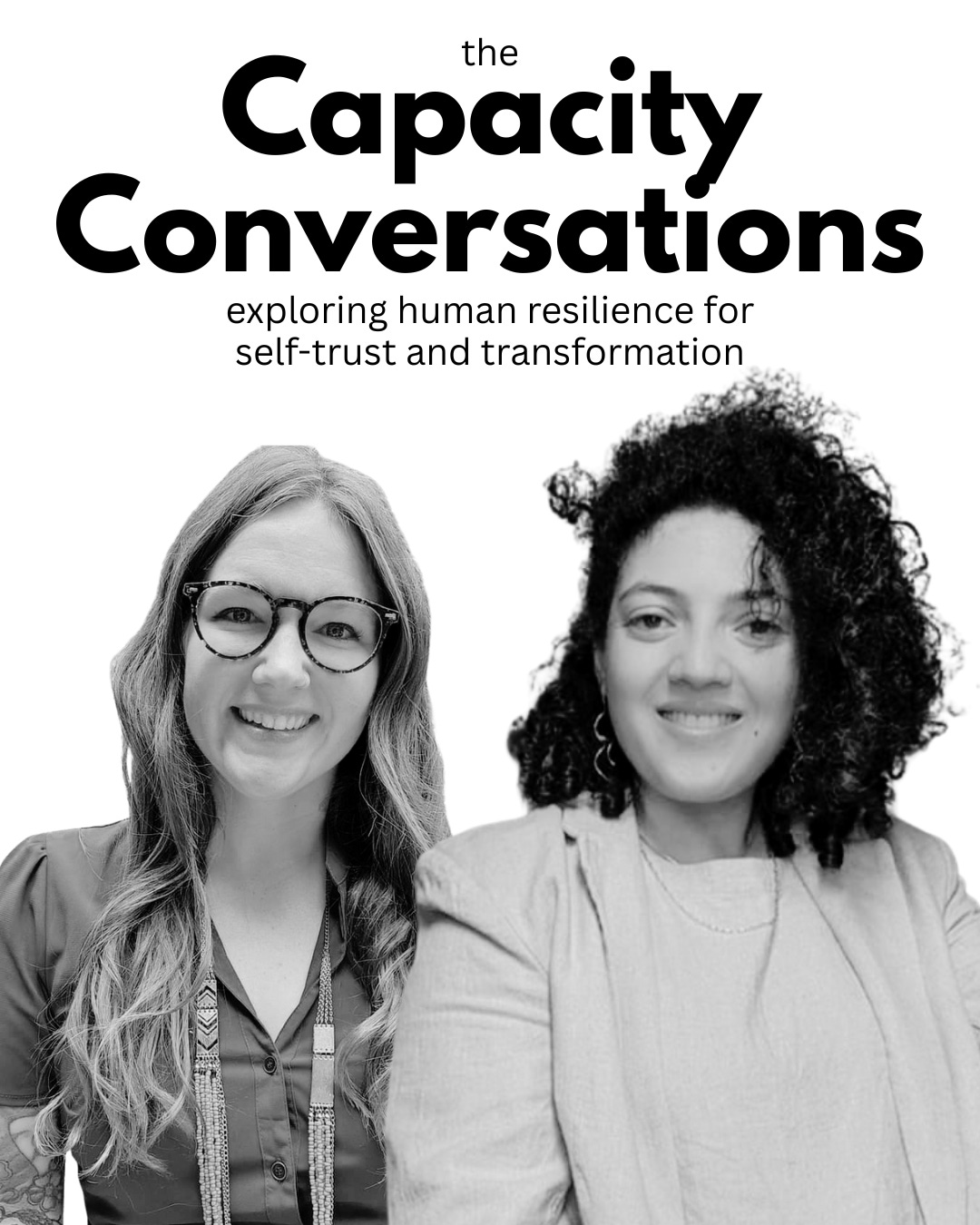
| 1/5/26 | 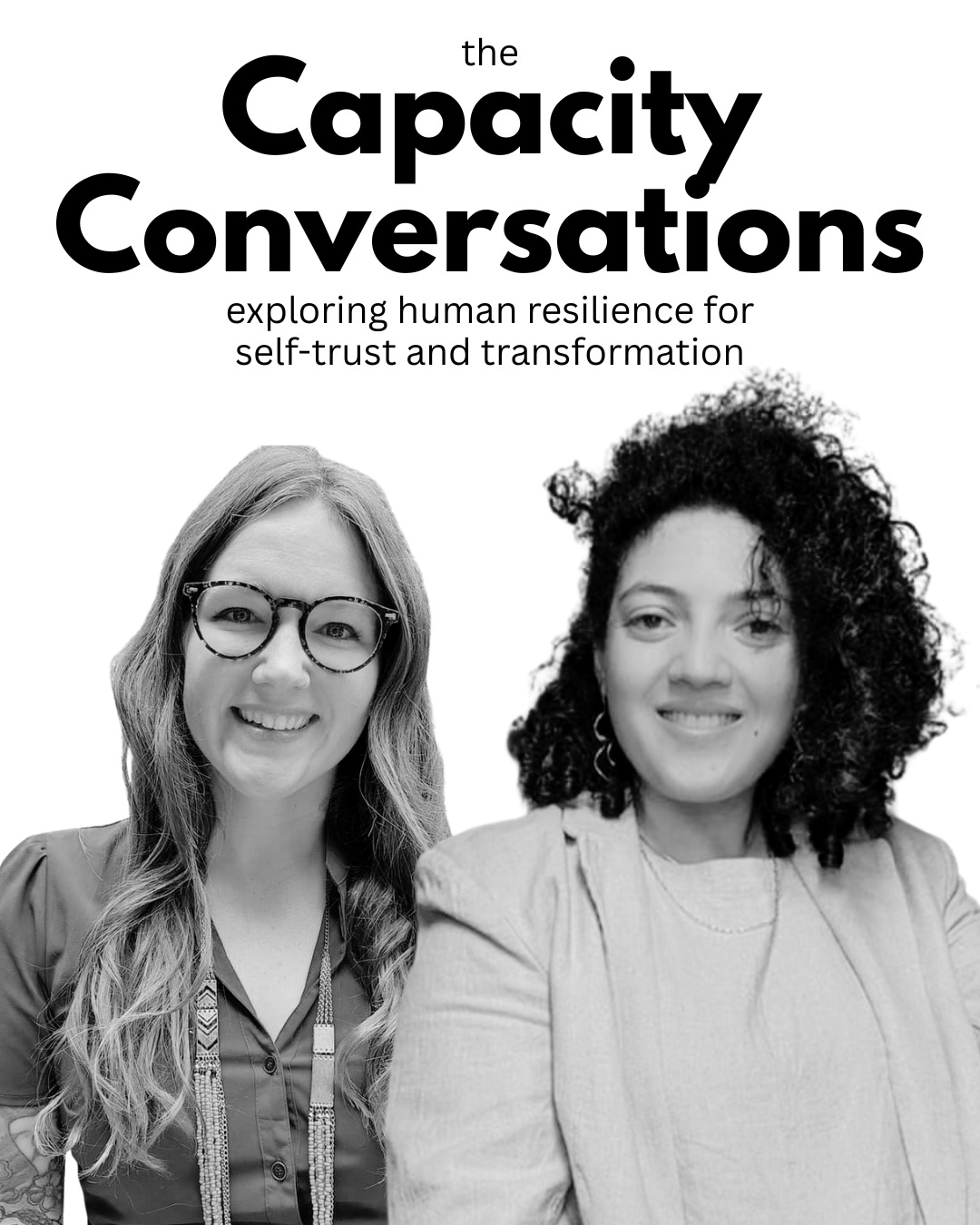 It’s Not Your Fault: Navigating the Global "Capacity Crisis" and the Myth of Deficiency | The Great Capacity ParadoxDo we actually have the capacity to do all the things we want to do? If you’ve been feeling chronically tired, stretched thin, or like you’re constantly “failing,” you aren’t alone. In the third episode of Capacity Conversations, hosts Raquel Sands and Sarah Liljegren dive into the “polluted waters” of modern life to deconstruct the concept of deficiency and why our current systems are designed to make us feel perpetually “less than”.Key Takeaways from the Episode1. Deficiency is a “Falling Away,” Not a Personal FailureRaquel explores the etymology of “deficiency,” which stems from the Latin deficere, meaning a failing or a “falling away from doing”.* The Reframing: A deficiency isn’t an innate lack within you. It is often a natural part of balance—choosing not to do one thing so you can focus on another.* The Systemic Root: Often, the lack is in our environment or structures, not our character. We have inherited systems of capitalism and extraction that are designed to keep us in a state of “continuous hunger”.2. The Trap of “Hustle Culture” and IdentityIn the U.S., identity is often wrapped up in professional titles. Sarah and Raquel discuss how we are conditioned to believe we should “do it all,” which Sarah identifies as a logical fallacy.* The Natural Law: You cannot give more than you have.* The Reckoning: Many millennials reach their 30s and realize they’ve been following a “funnel” of societal expectations without ever truly knowing themselves.3. Reclaiming Self-Mastery and BoundariesTo possess yourself is to reclaim agency over your time and energy.* The Power of Practice: Modern culture lacks a “practice of practice”—the dedication to honing a skill or routine (like meditation or writing) over a long period.* The Truce: Raquel highlights that the word “trust” is rooted in the same origin as “tree” and “truce”. Finding capacity requires making a truce with yourself—accepting what you can actually do right now without shame.4. Finding Nourishment in NatureSarah, a naturalist and real estate professional, emphasizes the need to bridge the gap between our modern lives and natural cycles.* Mother Nature’s Mirror: Just as we feel burnt out, the earth is attempting to find its own reciprocity and balance.* True Self-Care: Sometimes self-care is a bubble bath; other times, it is the discomfort of a hard conversation or setting a firm boundary at work.The “Capacity” Action List* Audit Your “Inheritance”: Recognize which pressures are yours and which were inherited from previous generations or systemic structures.* Practice Personal Inquiry: Ask yourself daily: “What do I need in this moment?” Be honest and “naked” with your answer.* Embrace the “Freefall”: Like a baby bird leaving the nest, you don’t always need to know how to fly before you take the leap. Trust that your curiosity and self-discovery have prepared you for the edge.🎧 Listen to the Full Series: Check out our Spotify Playlist for music that is uplifting, nurturing, and nourishing to accompany your journey through these challenging dialogues.Raquel SandsClarity Strategist | Writer | Systems DecoderExploring the intersection of identity, clarity, and capacity in modern life.Sarah LiljegrenHolistic Realtor® | Nature Connection FacilitatorMapping how global events and ancestral trauma shape the nervous system and sense of self.Thanks for reading The Clarity Shift ! This post is public so feel free to share it. This is a public episode. If you would like to discuss this with other subscribers or get access to bonus episodes, visit www.miriamraquelsands.com | 2h 19m 06s | ||||||
| 12/30/25 |  Season 2 Wrap-Up: Gratitude, Growth, and What’s Coming in Season 3 | Season 2 of The Clarity Shift was all about freedom, creativity, and navigating the messy middle. This wrap-up reflects on key themes, lessons learned, and what’s coming in Season 3—including new mini-series and collaborations. This is a public episode. If you would like to discuss this with other subscribers or get access to bonus episodes, visit www.miriamraquelsands.com | 23m 53s | ||||||
| 12/22/25 | 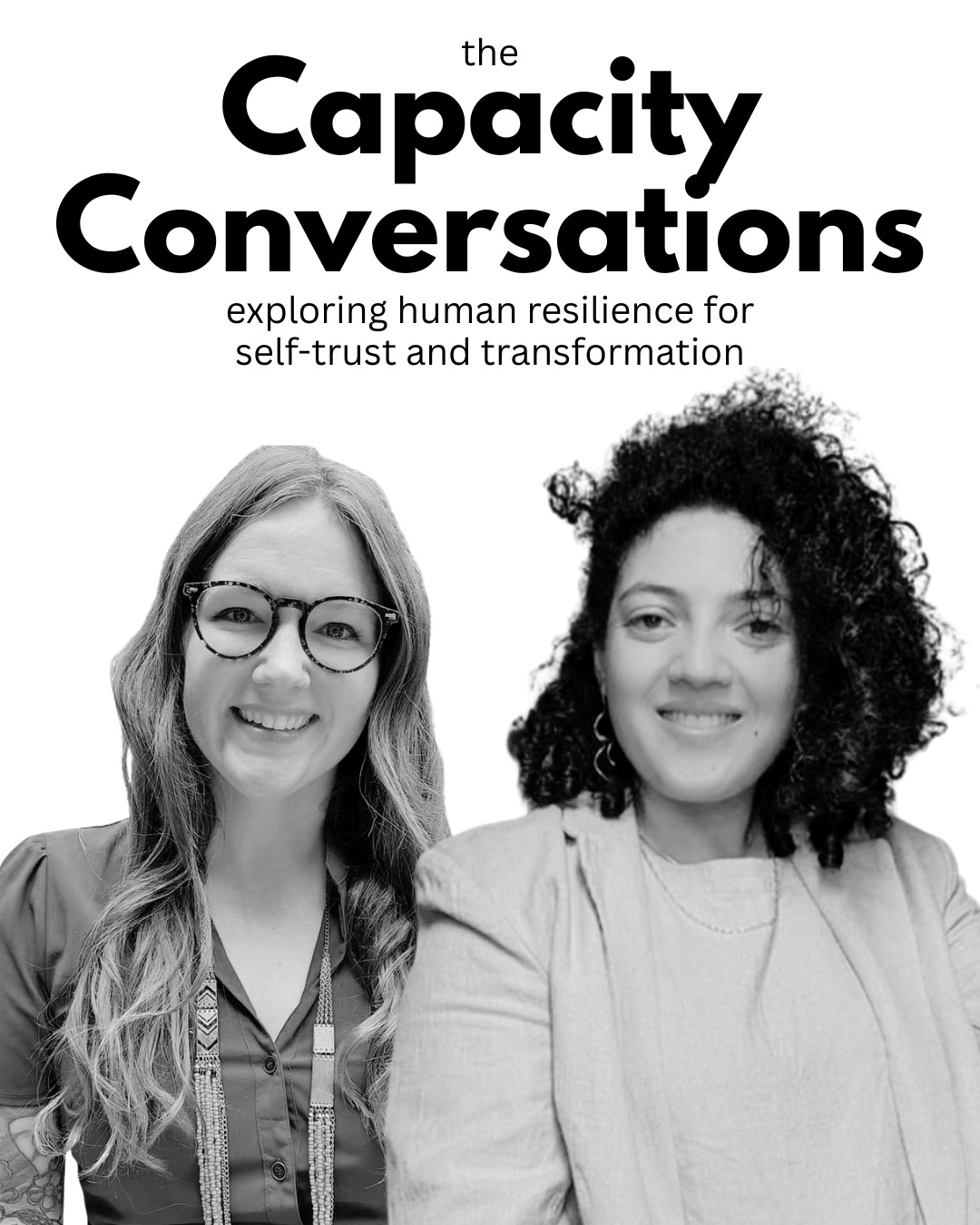 Global Capacity Theft: How the World We Inherited Shaped Our Burnout | What happened to the world that left an entire generation drained, overwhelmed, and under-resourced?We move beyond self-blame and individual narratives to look at the global conditions that fractured our collective ability to thrive.This is not about doom — it’s about context, and context creates compassion.Why This Episode MattersBecause you cannot rebuild your personal capacity until you understand the collective wound around capacity.This episode is designed to help listeners:release shame around burnoutunderstand why they’re so tiredcontextualize their emotional statesee their exhaustion as valid, not weakreclaim agency by naming the forces shaping themWhen you understand the world you inherited, you can make different choices about the world you want to build. This is a public episode. If you would like to discuss this with other subscribers or get access to bonus episodes, visit www.miriamraquelsands.com | 1h 57m 41s | ||||||
| 12/17/25 | 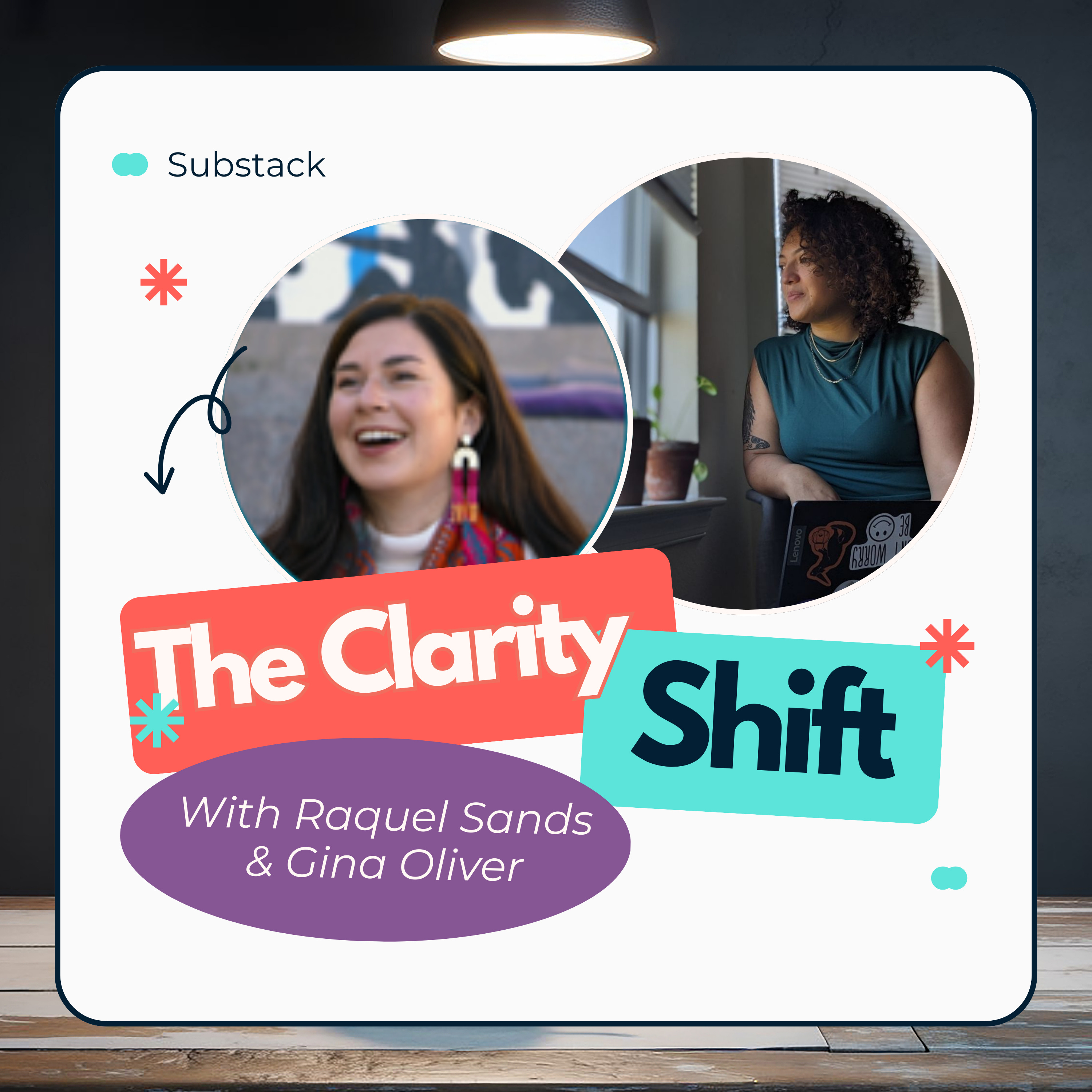 Season 2 EP 28: From Burnout to Reinvention | Every episode of The Clarity Shift is an exploration of what it really takes to change your life from the inside out. In this conversation, Gina Oliver—founder of Wave Enterprise Co. and host of Ripple FX—offers one of the clearest examples of what a true clarity shift looks like. She went from teaching third graders in Atlanta to helping women share their stories online… all while traveling the world as a digital nomad with her husband and their cat.But the real story isn’t the travel. It’s the inner permission it takes to transition, to start over at any age, and to trust that a calling is worth following even when you don’t have the full map yet. This is a public episode. If you would like to discuss this with other subscribers or get access to bonus episodes, visit www.miriamraquelsands.com | 41m 43s | ||||||
| 12/10/25 | 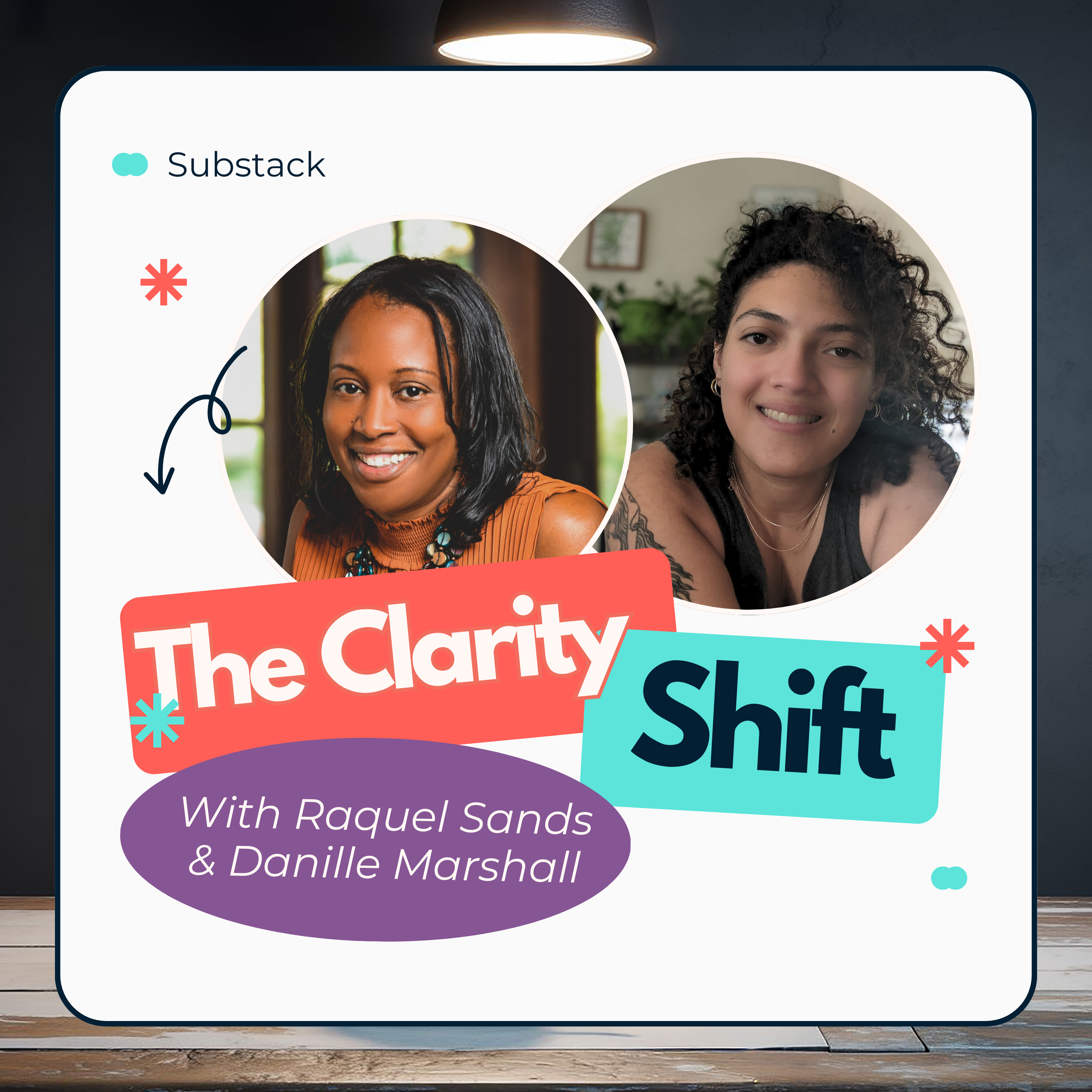 Season 2 Ep 27: Leading Across Difference with Danielle Marshall | Today’s episode is a powerful one. I sat down with Danielle Marshall, an equity strategist and ICF-certified executive coach with more than 20 years of leadership experience across the nonprofit sector. Danielle is the founder of Culture Principles and a TEDx speaker whose work centers on leading across difference, navigating complex conversations, and building high-trust inclusive cultures. Her signature style blends compassion, candor, and deep clarity — and this conversation reflects all of that. This is a public episode. If you would like to discuss this with other subscribers or get access to bonus episodes, visit www.miriamraquelsands.com | 54m 24s | ||||||
| 12/8/25 | 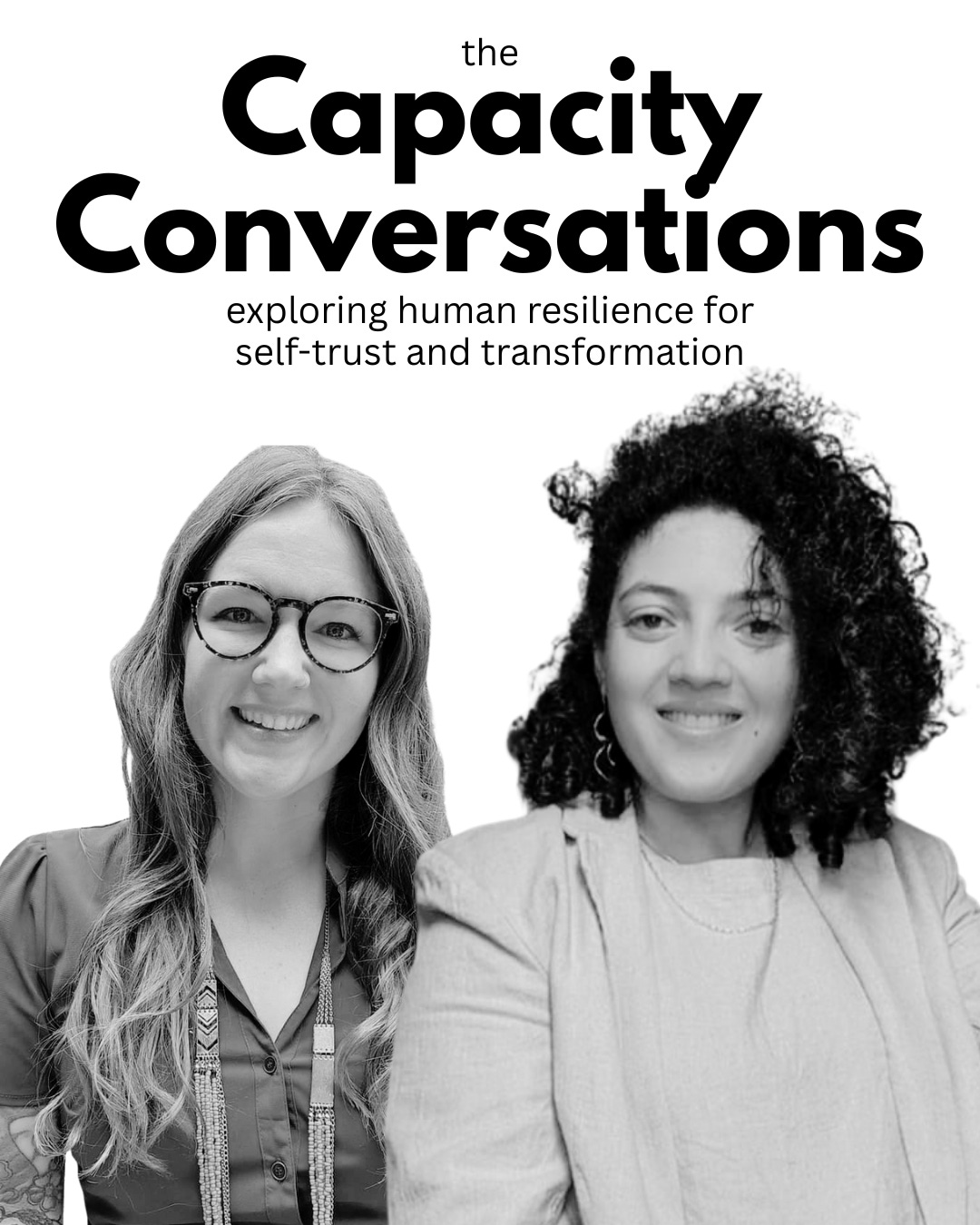 Introducing The Capacity Conversations | 🌿 EPISODE 1 — Origin Story: What Shapes Our Capacity?Capacity Conversations: A Podcast for the Millennial SoulIn our very first episode, we explore the question at the center of this entire series:Where does our sense of capacity actually come from — and who taught us what we were allowed to want, need, or become?This conversation begins with our origin stories:the identities we inherited, the roles we were shaped into, the cultural expectations we absorbed, and the silent rules of survival we learned before we ever understood the word “capacity.”Together, Raquel and Sarah unpack:🌱 What we inherit from our lineagesHow our families, cultures, and early environments decide what we believe is “possible,” “too much,” or “not enough.”How immigrant stories, millennial pressures, and generational survival strategies shape our self-concept.🌱 The gap between who we were told to be vs. who we actually areThe earliest moments where we learned to shrink, overperform, self-sacrifice, or hyper-independently cope.Why millennial identity feels fractured — and how to begin reclaiming the lost pieces.🌱 The nervous system as storytellerWhy your capacity is not just emotional or mental — it’s physiological.How your body keeps track of your history even when your mind has moved on.🌱 Identity as scaffoldingHow our origin stories create the blueprint for how we show up in relationships, career, self-worth, money, creativity, and purpose.Why understanding your origin story is the first step toward expanding your capacity.🌱 The myths we absorbed growing upThe “good girl,” the “responsible one,” the “fixer,” the “overachiever,” the “strong one,” the “first-gen achiever,” the “invisible one,” and more.How these identities protected us — and how they limit us now.🌱 The real purpose of an origin storyNot to blame the past, but to understand why our present looks the way it does — and how to create a different future from a place of choice, not conditioning.---------------------------------------Raquel Sands: Clarity Strategist & Digital Designer helping freedom-seekers create and sustain peace, purpose, and prosperity on their terms.Substack: raquelsands.substack.comSarah Liljegren: Holistic Realtor® and Nature Connection Facilitator exploring ancestral connection, nervous system capacity, and modern millennial survival.Substack: rewildingrealestate.substack.com This is a public episode. If you would like to discuss this with other subscribers or get access to bonus episodes, visit www.miriamraquelsands.com | 1h 48m 40s | ||||||
Showing 25 of 82
Pitch Fit is a Pro feature
See how bookable this show is for guests, which brands already advertise, the per-episode ad value, and the best-fit guest and sponsor profile. The numbers are blurred on the free plan.
How readily this show books outside guests like you.
How proven this show is for host-read sponsorships.
For Guests
ProFor Advertisers
ProUpgrade to Pro to unlock guest cadence, sponsor categories, fit scores, and per-episode ad value for this show.