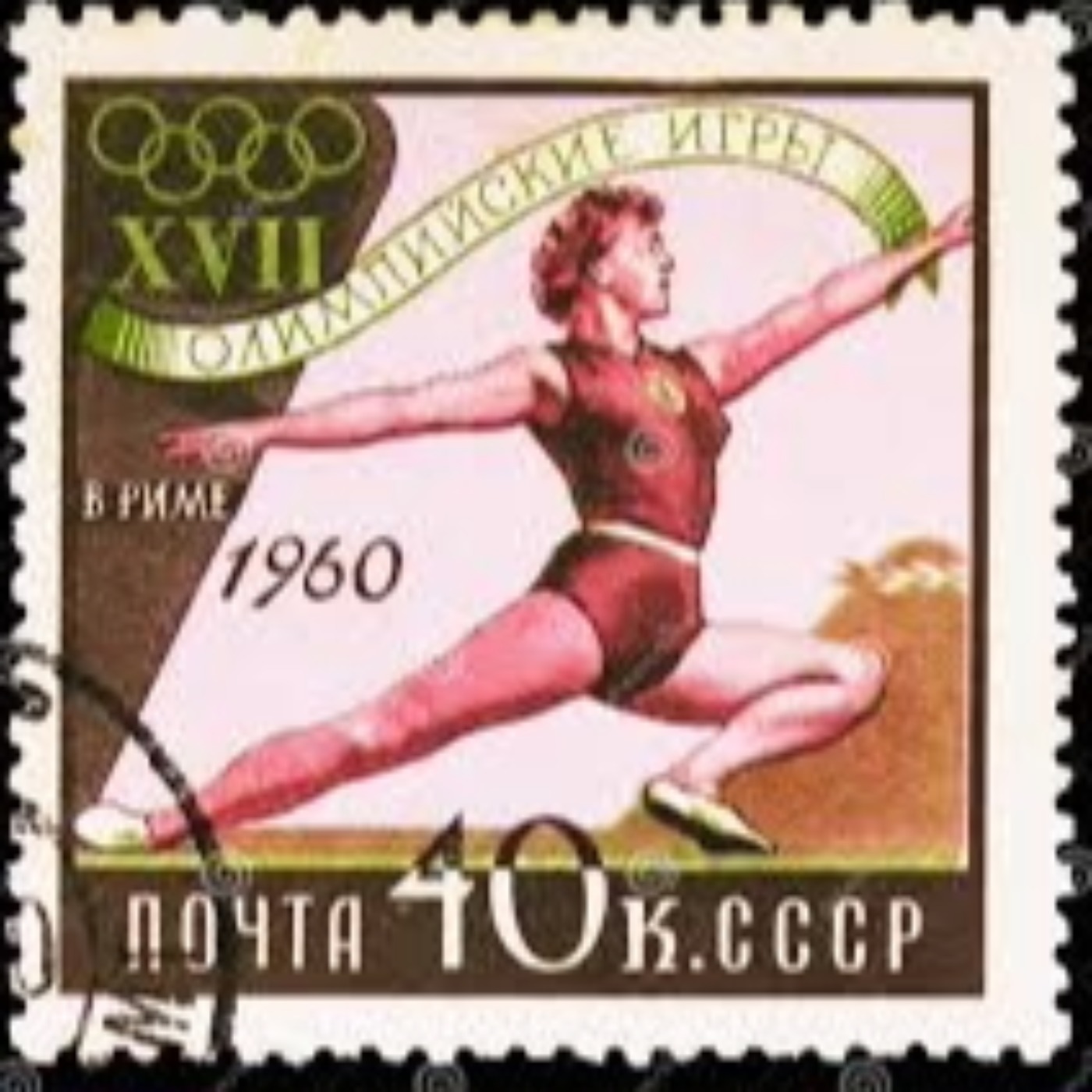
Moscow's Hunt for Olympic Gold
About this episode
The episode explores the intense rivalry between the US and USSR during the Olympics and the significance of winning for Moscow.
As a Cold War kid, I remember the intense rivalry between the United States and USSR during the Olympics. Of course, we remember the US’ boycott in 1980 because of the Soviet invasion of Afghanistan. And the Soviet boycott in 1984 in response to the American boycott. Who bested who was not just about national pride. It was a testament as to who had the better system: communism or capitalism. What I didn’t know then was that for Moscow, winning was everything. Losing came with consequences. Why was it so important for the Russians to win? So much so, as we saw a few years ago, at the risk of being banned for a state-run doping operation? These are just a few questions the Eurasian Knot posed to Bruce Berglund, author of The Moscow Playbook: How Russia Used, Abused, and Transformed Sports in the Hunt for Gold . I’ve never been much of an Olympic watcher (my sport is the NBA), but now I better understand why that hunt for gold is such a Kremlin obsession. Guest: Bruce Berglund is a historian of Europe, Russia, and world sports and teaches at Charles University in Prague. He’s written several books on sports, including The Fastest Game in the World, a global history of hockey. His…
People in this episode
Guest: Bruce Berglund
Topics covered
- Cold War
- Olympics
- sports history
- national pride
- doping
- Russia
- USSR
Keywords
- national pride
- Olympics
- Cold War
- Bruce Berglund
- sports
- doping
- USSR
- United States
Mentioned in this episode
Organizations: Charles University
Books & works: The Moscow Playbook: How Russia Used, Abused, and Transformed Sports in the Hunt for Gold
Places: USSR, United States
More episodes of The Eurasian Knot
- The Edge of Sports
- Russian and American Internal Colonization
- Everyday Politics in Russia
- Ukraine's Euromaidan
- KGB Same-Sex Honey Traps
- The Bolshevik Rank and File
Explore listener stats, chart rankings, contacts and more on the The Eurasian Knot podcast page.