
The Materialist : A Podcast from At Present
by At Present
Is this your podcast?Insights from recent episode analysis
Audience Interest
Podcast Focus
Publishing Consistency
Platform Reach
Insights are generated by CastFox AI using publicly available data, episode content, and proprietary models.
Most discussed topics
Brands & references
Total monthly reach
Estimated from 6 chart positions in 6 markets.
By chart position
- 🇮🇹IT · Design#1551K to 10K
- 🇵🇹PT · Design#4410K to 30K
- 🇨🇭CH · Design#4610K to 30K
- 🇩🇰DK · Design#963K to 10K
- 🇦🇹AT · Design#125500 to 3K
- Per-Episode Audience
Est. listeners per new episode within ~30 days
13K to 43K🎙 Weekly cadence·37 episodes·Last published 3w ago - Monthly Reach
Unique listeners across all episodes (30 days)
25K to 86K🇵🇹35%🇨🇭35%🇮🇹12%+3 more - Active Followers
Loyal subscribers who consistently listen
7.5K to 26K
Market Insights
Platform Distribution
Reach across major podcast platforms, updated hourly
Total Followers
—
Total Plays
—
Total Reviews
—
* Data sourced directly from platform APIs and aggregated hourly across all major podcast directories.
On the show
From 12 epsHosts
Recent guests
Recent episodes
The Materialist : Erin Sachse Nathan
Aug 13, 2026
35m 00s
The Materialist : Lauren Sherman
Jul 30, 2026
56m 45s
The Materialist : Ivette Stephanopoulos
Jun 17, 2026
45m 34s
The Materialist : Rob Bates
Jun 3, 2026
43m 31s
The Materialist : Spicy Dan
Apr 2, 2026
37m 56s
Social Links & Contact
Official channels & resources
Official Website
Login
RSS Feed
Login
| Date | Episode | Topics | Guests | Brands | Places | Keywords | Sponsor | Length | |
|---|---|---|---|---|---|---|---|---|---|
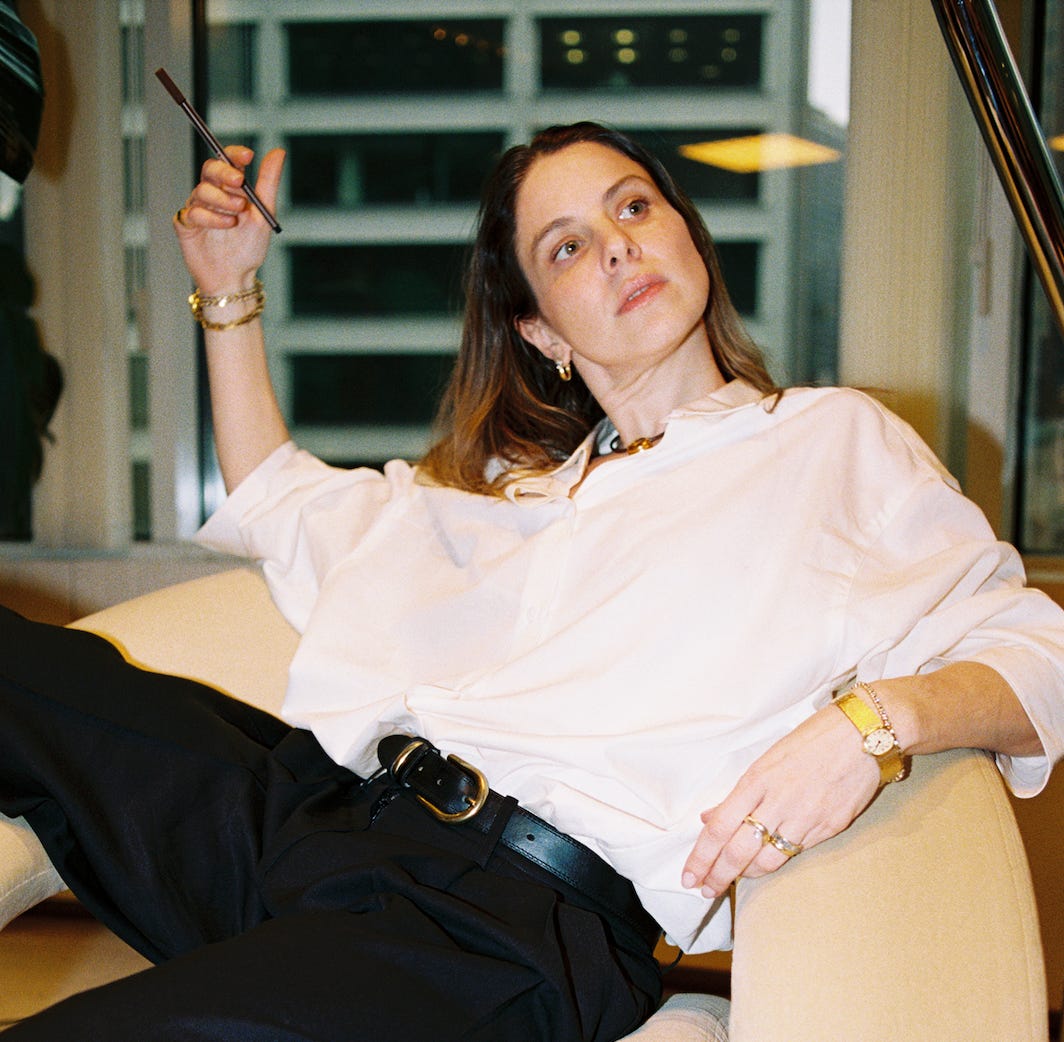
| 8/13/26 | 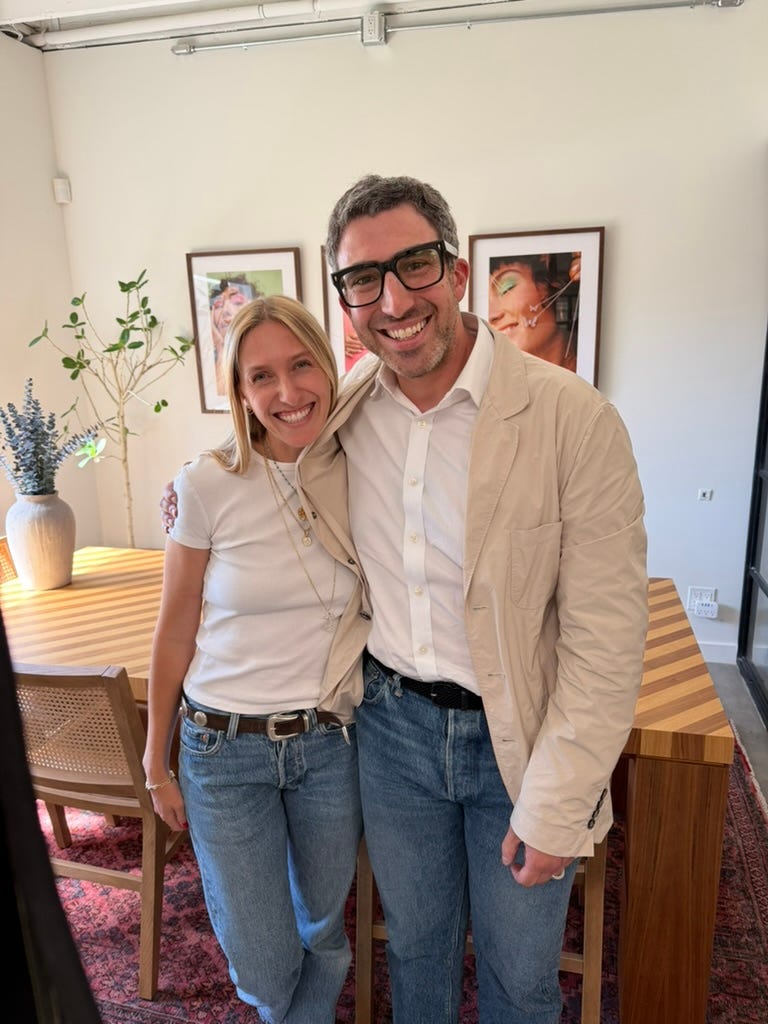 The Materialist : Erin Sachse Nathan | The designer behind ERINESS talks about getting discovered at 18, finding meaning in ladybugs, balancing creativity with commerce, and building a jewelry brand on her own terms.Erin Sachse Nathan never intended to start a jewelry company.She had been making things for as long as she could remember—knitting, building a camera out of wood and a drawer, and, beginning in seventh grade, making jewelry by hand. It was simply what she did: a way to work with her hands and create objects that made people happy.Then, at 18, while working at Fred Segal before starting college, a jewelry buyer noticed one of Erin’s handmade bracelets.The buyer asked Erin to make one for her and offered a deal: if she received ten compliments while wearing it, she would carry the bracelets at Fred Segal. The next day, she got her ten compliments—and asked Erin for her brand name and wholesale prices.Erin had neither.“I was like, ‘What’s wholesale?’” she remembers.That unexpected encounter became the beginning of ERINESS. Erin spent the money she earned working at Fred Segal on gemstones and began producing wire-wrapped “daisy chains”—delicate hand chains made by wrapping individual beads in wire. Fred Segal became her first retailer. By the time she graduated from college, she was selling through roughly ten stores, filling reorders between exams and occasionally selling jewelry directly off her body to people who stopped her on the street.There was no grand business plan behind it. The jewelry worked because it was unmistakably hers.“I think because it was so authentic to who I am and who I was at the time, people really gravitated toward it,” she says.From a Side Project to a Fine-Jewelry BrandAs graduation approached and Erin’s friends began accepting conventional jobs, she faced a decision: treat the business as a college side project or find out what it could become.“This is the time to try it,” she decided.She returned to Los Angeles, found an office near the Jewelry District and began searching for production partners. Using everything she had earned from her gemstone jewelry, she financed the transition into fine jewelry herself.ERINESS has remained self-funded ever since.That independence has shaped Erin’s approach to growth. She is ambitious, but uninterested in building at the expense of the life—or the company—she wants to have.“My motto has always been slow and steady,” she says. “I don’t need to be the biggest brand in the world. I want to be my brand.”For Erin, thoughtful growth means being ready when an important retailer comes calling, rather than chasing distribution before the company can support it. It means finding exceptional production, protecting the quality of the work and surrounding herself with people who are better than she is at the parts of the business that do not come naturally to her.Her mind is most at home with the next collection: the colors, gemstones, drawings and campaign imagery. Pricing models and operational spreadsheets are necessary, but they are not where she wants to spend her creative energy.That division is one of the central tensions of building an independent brand. Vision may give a company its reason to exist, but execution determines whether it survives. The jewelry still has to be priced correctly, produced beautifully and delivered when promised.Erin has learned to let other people help carry that responsibility.The Collection That Changed EverythingThe emotional center of ERINESS can be found in its Ladybug Collection.While Erin’s mother was in hospice, Erin dreamed that her room was filled with ladybugs. The dream felt comforting rather than frightening. The following day, while sitting with her mother, Erin received a news alert reporting that an enormous swarm of ladybugs had flown over Los Angeles the previous night.That evening, she went home and drew an entire collection.“It was like someone took over my hand,” she says.Erin initially doubted that anyone would want to wear ladybug jewelry. Instead, the collection sold immediately—and customers began sharing their own stories. For many, ladybugs represented a mother, grandmother, grandfather or another loved one who had died.The collection revealed something fundamental about jewelry: its meaning does not end with the designer. Once a piece leaves the studio, its owner gives it a new history.“You know where you got that ring,” Erin says. “You know who gave you those earrings. You know, when you bought that necklace, what you were going through in your life.”The Ladybug Collection helped establish a deeper creative language for ERINESS. The jewelry could be joyful and colorful while still holding grief, memory and connection. A motif could be visually charming and emotionally profound at the same time.The World Doesn’t Need More Jewelry. It Needs More Perspectives.For Erin, building a brand means creating a coherent world—one in which every photograph, piece of jewelry and physical detail feels unmistakably like ERINESS.That requires resisting the temptation to imitate what appears to be working for everyone else. Social media makes other brands’ worlds constantly visible, creating endless opportunities for comparison and second-guessing. Erin has learned that the only useful response is to become more specific, rather than more broadly appealing.“There are so many brands,” she says. “There’s no point to doing something that someone else is doing.”ERINESS is not intended to be everything to everyone. It is colorful, playful, sentimental and optimistic because that is what Erin herself wants to wear. Her customers come to her for that point of view—not for a generic gold bar necklace they could find anywhere.In fact, the pieces Erin wears most consistently are often the ones that sell best. Her enthusiasm becomes a form of market research.The lesson is not that commercial feedback is irrelevant. It is that a designer’s distinctiveness is often the most commercially valuable thing she possesses. The world may not need more jewelry, but it always has room for a perspective it has not seen before.Designing From MemoryErin’s latest flower collection took nearly two years to resolve. At one point, it included almost every flower she could imagine and threatened to grow to 50 pieces. Eventually, she narrowed the idea around wildflowers.The collection drew on memories of growing up in Southern California: flowers along the bluffs of the Pacific Palisades, picking blooms from neighborhood yards and watching her mother return from the farmers market each Sunday to arrange flowers throughout their home.Like so much of Erin’s work, the collection became a way of turning memory into something tangible.That connection became even more poignant after Erin’s childhood home burned down. At nearly the same time, she became a mother herself—two life-altering experiences that forced her to reconsider what mattered and how she wanted to spend her time.Balancing a company and a young family remains unresolved. Some days she feels like a great boss and an inadequate mother; on others, the equation reverses. She tries to be fully at home when she is home, even if the mind is harder to silence than the phone.Both the business and her son, she says, are her babies.Jewelry’s Life After the DesignerErin is now returning to one-of-a-kind pieces, sourcing unusual stones and designing around them—a reversal of her usual process. The work is creatively gratifying but emotionally difficult. She falls in love with the pieces and struggles to let them go.When a retailer sells one, she wants to know who bought it. She imagines the life it will have after leaving her hands.That life can extend far beyond a single customer. Erin remembers a woman who had purchased a butterfly necklace for her daughter and later called, urgently looking for another before Mother’s Day. The customer sent Erin a note to include with the gift for her own mother: now there would be three generations wearing the butterflies.For Erin, that is the ultimate purpose of the work.She had created an object that became part of a family’s history—something made in her Los Angeles studio that could carry love and memory through three generations, and perhaps more.It is hard to imagine a better definition of extraordinary jewelry. This is a public episode. If you would like to discuss this with other subscribers or get access to bonus episodes, visit atpresent.substack.com | 35m 00s | ||||||
| 7/30/26 |  The Materialist : Lauren Sherman | Lauren Sherman, of Puck and The Fashion People podcast, knows exactly how the fashion trick works. She understands the margins, the mythology and the machinery that turns a jacket into an object of desire. Amazingly, the trick still works on her.The most recent object to break through her professional defenses was a Chanel jacket from Matthieu Blazy’s first collection. Lauren wanted it since she saw it on the runway. When she finally tried it on, it connected her to the 13-year-old in Pittsburgh who dreamed of becoming a fashion journalist and covering the shows in Paris.“That jacket is what I imagined I would wear if I was a fashion journalist as a grownup,” she tells me.It wasn’t just a jacket. It was proof that she had become the person she once imagined wearing it.Lauren’s fashion education started early. Her parents met while working at a denim store in Columbus, where they also served as buyers. Her mother loved Halston and Calvin Klein; both parents loved Ralph Lauren. Lauren remembers staging photographs of herself in a leotard and red tights, what she wore on the first day of first grade and the exact color combinations that excited her as a child.Brands entered the picture almost as quickly. Lauren grew up without much money and remembers her mother declaring that the Gap was too expensive, even though a similar outfit from TJ Maxx might have cost just as much. In high school, she bought a fake Kate Spade bag on eBay before anyone around her knew what Kate Spade was. She ordered clothes from the J.Crew catalog and arrived at school in a sweater and tweed cargo pants, prompting her classmates to tell her she looked like she was in college.Long before she wrote about the business of fashion, Lauren understood that clothes could make you appear older, richer, cooler—or simply like someone who knew something other people didn’t.After college, she moved to London to work for Quintessentially, the concierge service for the extremely wealthy. There, she encountered a class system far more explicit than the American version. Money could buy the country house and the impossible restaurant reservation, but it could not fix the wrong accent. At the same time, some of the richest people she met wore inexpensive clothes. As I put it, theirs was the world of a 19-pound shirt and a 19,000-acre estate.Seeing how luxury worked from the inside did not cure Lauren of wanting things. If anything, it made her numb to extraordinary prices. She knows buying a Chanel jacket is a slightly crazy thing to do, but she can also make the case: adjust the price for inflation, buy only a few things each year and keep them forever. Voilà—practically responsible.What knowledge has changed is her threshold. She still loves shopping, but she wants fewer, better things: the perfect sandal, the perfect button-down, the perfect black dress.Her disinterest in fast fashion is not, she readily admits, primarily an ethical position. Once you understand how many copies of something exist, it becomes less exciting. Seeing the machinery has not eliminated her materialism. It has simply made the machinery work harder.So what separates a beautiful construct from a con?“It is all a con,” Lauren says, before arriving at a more useful distinction. The enduring brands tend to be built by people who are also under fashion’s spell. The designers and executives are not merely fooling the customer; they believe in the creativity and fantasy themselves. When something is manufactured simply because a spreadsheet says there is demand, consumers can usually feel it.The magic requires talent, hard work, timing and a product strong enough to carry the story.Charvet is Lauren’s favorite example. The mythology is excellent: a discreet Parisian shirtmaker on Place Vendôme, established in the nineteenth century and supposedly uninterested in marketing—which is, of course, the best marketing imaginable.But the shirts also deliver. Lauren loves the way the fabric falls, the way they fit and how easily she can throw one over almost anything. At around 400 euros, a Charvet shirt is objectively expensive. But beside the $1,000 shirts sold by designer brands in department stores, it begins to look almost sensible.This is what Lauren calls the “price-value equation”: not whether something is cheap, but whether it gives you enough for what it costs. Charvet’s colors, fabrics, history and French production all add to that equation. The occasional imperfection does not bother her. Human beings made the shirts; they are not supposed to emerge from a laboratory.The online quality police may count loose threads. Lauren cares about how the shirt makes her feel.She is similarly skeptical that consumers express much morality through shopping. People like to say they vote with their dollars, but if a bra fits well, they are probably going to buy it.Victoria’s Secret proves the point. The company became a symbol of everything supposedly wrong with the old fashion system. Its recovery did not come from becoming especially virtuous. Under female leadership, it returned to sexy products without quite as much leering or corporate self-flagellation.As I put it, “Vicky went to therapy.”The company also caught the return of the underwire bra at exactly the right moment. The turnaround was not ideological. Victoria’s Secret rediscovered what people wanted, improved the way it delivered it and stopped apologizing for being Victoria’s Secret.The bigger challenge for fashion is that status spending has moved elsewhere. Lauren recalls visiting an affluent shopping center in La Jolla and realizing that she and her husband were the only people wearing “hard pants.” Everyone else was in leggings or sweatpants.These consumers have not stopped spending. The money has migrated to $50 exercise classes, lymphatic drainage, cosmetic procedures, teeth whitening and the full-body renovation that can follow a GLP-1 prescription.The body, in other words, is the new handbag.Americans see much of this spending as virtuous because it is framed as an investment in oneself. But it is still consumption. Jewelry may benefit from the shift because it feels more permanent. A bag gets beaten up. Shoes become dated. A diamond necklace can be understood as an asset or heirloom—even when it is also something beautiful that you simply want.Lauren sees the cooling of the luxury market as a story of consolidation and saturation. For years, consumers around the world signaled taste through the same handful of objects from the same enormous European houses. The pandemic extended the cycle: with nowhere to go, people bought more stuff. Now the monoculture is finally weakening.That creates an opening for independent brands, although not an easy one. Lauren points out that a fashion company producing $100 million or $200 million a year can be an excellent business without becoming a global conglomerate. The difficulty is reaching customers as multibrand retailers disappear and brands are forced to finance their own stores.The Row demonstrates the power of patient capital. Its founders had enough security to remain disciplined, choose investors carefully and survive the moment when the whole world moved on to another aesthetic. Most independent designers do not have that luxury. Lauren’s advice is to start small, accept how much is outside your control and understand that most brands do not work out.People start them anyway because they feel possessed by an idea.The same dynamics are reshaping Lauren’s own industry. Media is becoming increasingly divided between enormous institutions such as The New York Times and smaller publications built around distinctive individual voices. Puck’s insight was to build its business around its journalists rather than treating them as interchangeable content producers.As artificial intelligence takes over more commodity news, readers will still pay for expertise, access, taste and personality. I don’t really think about subscribing to Puck. I subscribe to Lauren.Her recommendations at the end of the conversation reflect that affection for singular voices: Caitlin Phillips’s wonderfully idiosyncratic Gift Guide; artist Sophie Treppendahl; and independent jewelers including Charlotte Chesnais, Sophie Bille Brahe, Danielle Sherman and Sophie Buhai. Lauren reserves special praise for Buhai, whose work consistently passes the price-value test and who, after years of quietly making excellent things, “deserves her flowers.”We close with one last object.If Lauren’s son had to understand her through a single possession, she would choose a secondhand red Hermès Bolide given to her by her husband. It is beautiful and deeply coded, but discreet enough to carry to soccer practice without anyone realizing it is Hermès.The bag contains both versions of Lauren: the 14-year-old who dreamed of attending Paris Fashion Week and the adult who made that dream real while remaining, in her words, “a normal human being.”She knows exactly what the bag signifies. She knows how its value was manufactured and how the mythology works. She loves it anyway.She hasn’t been fooled. She has simply decided that some things are still worth believing in. This is a public episode. If you would like to discuss this with other subscribers or get access to bonus episodes, visit atpresent.substack.com | 56m 45s | ||||||
| 6/17/26 | jewelry industryengagement rings+4 | Ivette Stephanopoulos | GIADe Beers+2 | — | jewelrydiamonds+8 | — | 45m 34s | ||
| 6/3/26 | jewelry industryjournalism+4 | Rob Bates | JCKNational Jeweler | — | jewelryRob Bates+5 | — | 43m 31s | ||
| 4/2/26 | creativitycommerce+4 | Danielle Meyer | Spicy Dan | The Dominick HotelNYC | Spicy Dancreativity+6 | — | 37m 56s | ||
| 2/26/26 | flex culturegatekeeping+4 | Malaika Crawford | Hodinkee Magazine | — | watchesfashion+5 | — | 1h 06m 26s | ||
| 12/30/25 | jewelryartisanal gems+4 | Monica Stephenson | Anza Gems WorldwideUniversity of Iowa | Seattle, WALake Union+2 | jewelryart history+5 | — | 57m 43s | ||
| 12/13/25 | jewelrydesign+3 | Randi Molofsky | National Jeweler | Beverly HillsMaryland+1 | jewelrydesign+6 | — | 56m 29s | ||
| 11/12/25 | celebrity culturehair artistry+3 | Jenna Perry | New York | — | Jenna Perryhair colorist+5 | — | 35m 31s | ||
| 10/21/25 | modern watch culturewomen in watches+4 | Brynn Wallner | CartierPaul Newman Daytona+3 | — | watchesDimepiece+5 | — | 1h 04m 21s | ||
Want analysis for the episodes below?Free for Pro Submit a request, we'll have your selected episodes analyzed within an hour. Free, at no cost to you, for Pro users. | |||||||||
| 10/8/25 | jewelry designsister partnership+3 | Joy HaugaardSarah Haugaard | LionheartThe Brothers Lionheart | DenmarkNew York | Lionheartjewelry+5 | — | 50m 51s | ||
| 9/23/25 | fashion bloggingcreator economy+5 | Charlotte Groeneveld | ALMADA LabelAt Present+1 | New York | Charlotte Groeneveldfashion blogging+6 | — | 54m 32s | ||
| 9/16/25 | fashionmaterial culture+4 | Sommyyah Awan | HermèsSergio Hudson | Hotel ChelseaNew York City+2 | Sommyyah Awanfashion influencer+5 | — | 55m 40s | ||
| 9/5/25 | digital brandingluxury fashion+4 | Ruthie Friedlander | MediaiteChanel+4 | — | digital strategyluxury brands+5 | — | 54m 46s | ||
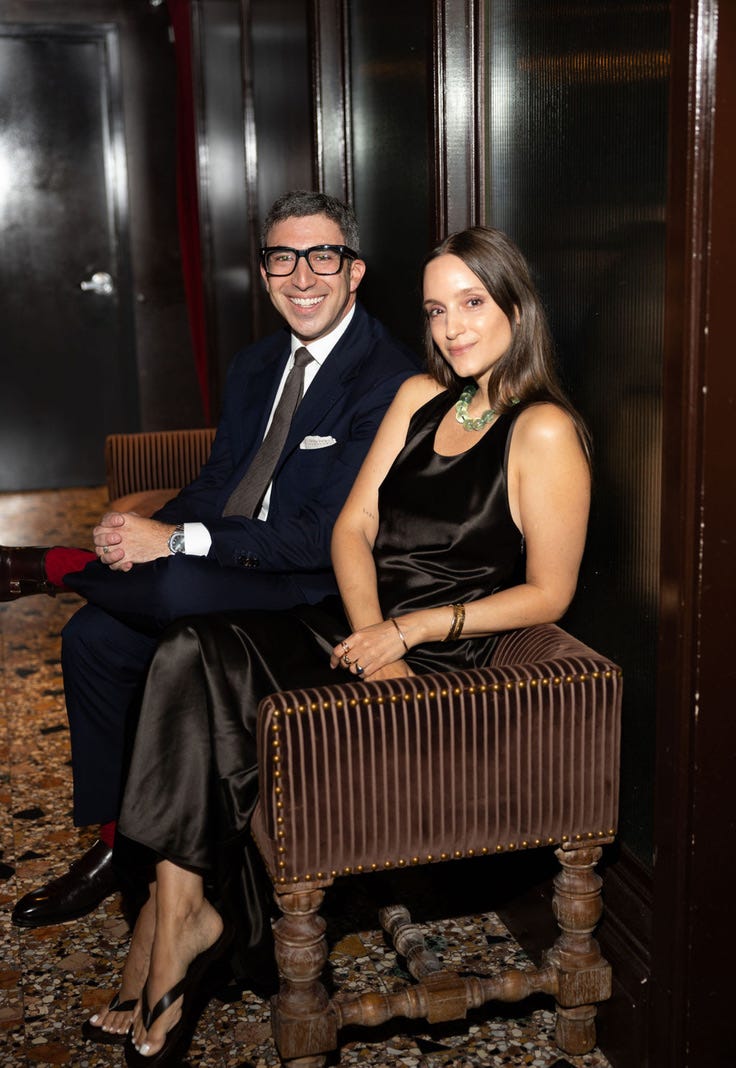
| 9/2/25 | 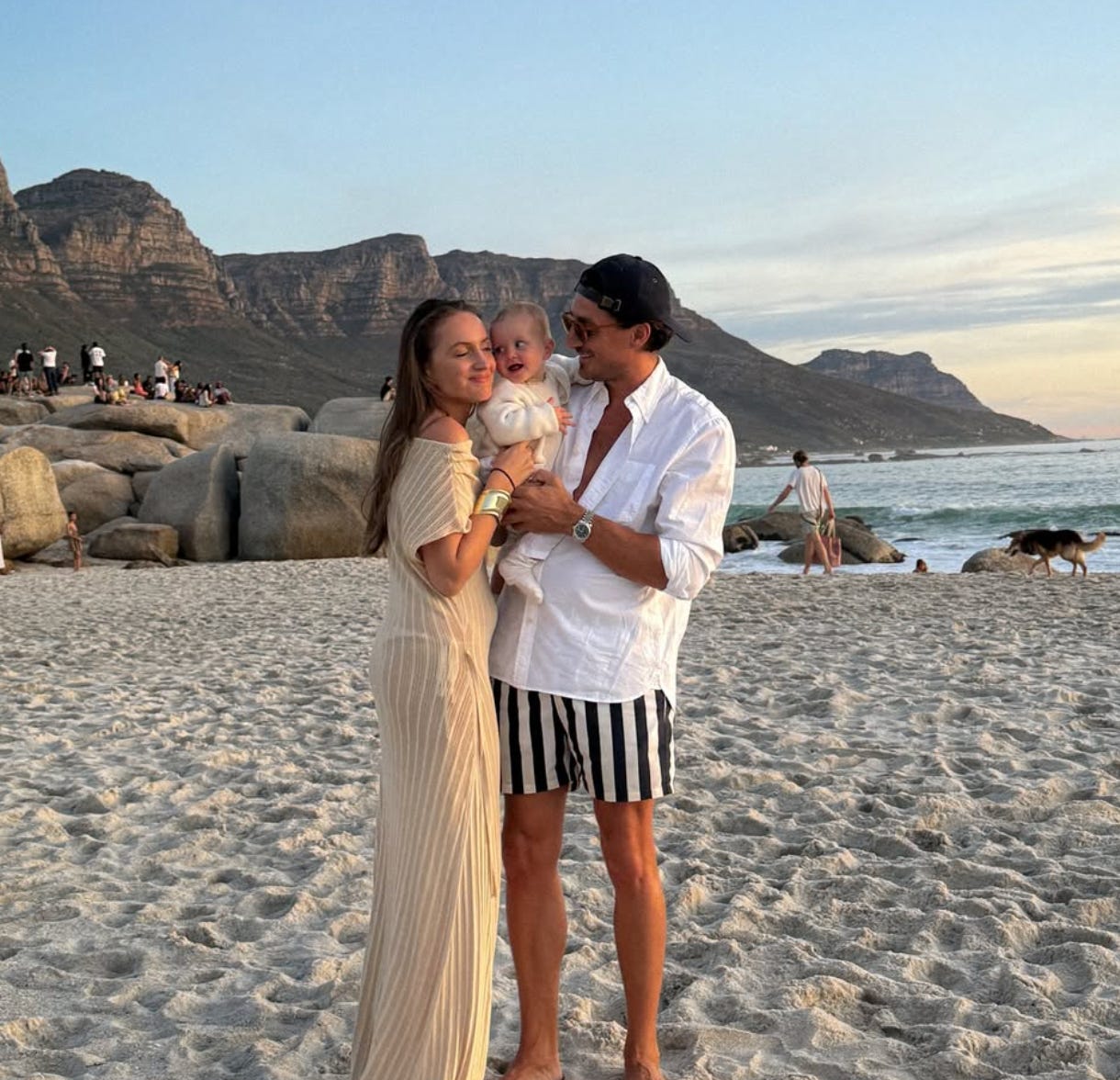 The Materialist : Laura Herbert | On Instagram, it looks effortless: the infinity pools in the Maldives, the safari sunsets in South Africa, the couture fit checks against a perfect backdrop. Laura and Nicolas Herbert — known to their hundreds of thousands of followers as @laurandnicolas — seem to embody the ultimate lifestyle: global travel, editorial style, and a business powered by beauty.But as Laura reveals in this week’s episode of The Materialist, the dream is much more complicated.From Antwerp to EverywhereLaura began her career in Antwerp’s fashion world. But a six-month trip with Nicolas — meant as a sabbatical — changed everything. They started an Instagram account to document their travels, posted every single day (sometimes setting alarms for 2 a.m. to catch the right window), and slowly transformed a personal experiment into a professional platform. Hotels began reaching out. Fashion brands followed. And eventually, the couple built a dual business: influencer distribution and commercial photography for luxury clients.The Cost of BeautyWhat looks like vacation is actually work. For every perfect sunrise photo, there’s a wake-up call at dawn. For every dreamy campaign, there are countless emails, logistics puzzles, and the stress of feeding an algorithm that rewards relentless output. Laura admits to burnout, to losing the ability to see some destinations as “vacations,” and to the ongoing negotiation of how much intimacy to share with an audience that feels they know you.“It’s our job to make it look like a vacation — but it rarely is.”Style, Mystery, and the Magazine MagicLaura also reflects on how Instagram has changed. Once it was about editorial photography, thoughtful composition, and images that felt like magazine spreads. Now, the push is toward photo dumps, immediacy, and intimacy. Laura misses the mystery and magic of the editorial era — and wonders if there’s a way back. Her own style, she says, is classic but playful: she dresses to the destination, and she believes accessories and jewelry turn an outfit into a statement.The Places That Still Take Her Breath AwayDespite the grind, there is still wonder. For Laura and Nicolas, South Africa remains the most magical place they’ve ever been — from the conservation-driven safaris at Royal Malewane and Tswalu to the light and food of Cape Town. Namibia, just an hour away, is another favorite, with landscapes that feel cinematic. These are the places where the dream and the reality align.Listen NowThis conversation is about more than travel and style — it’s about the costs and rewards of turning passion into profession. Laura Herbert shares what it really takes to live the life that looks like a dream.Laura Herbert and Marc Bridge, The Hotel Chelsea, August 26, 2025 This is a public episode. If you would like to discuss this with other subscribers or get access to bonus episodes, visit atpresent.substack.com | 50m 20s | ||||||
| 7/23/25 | 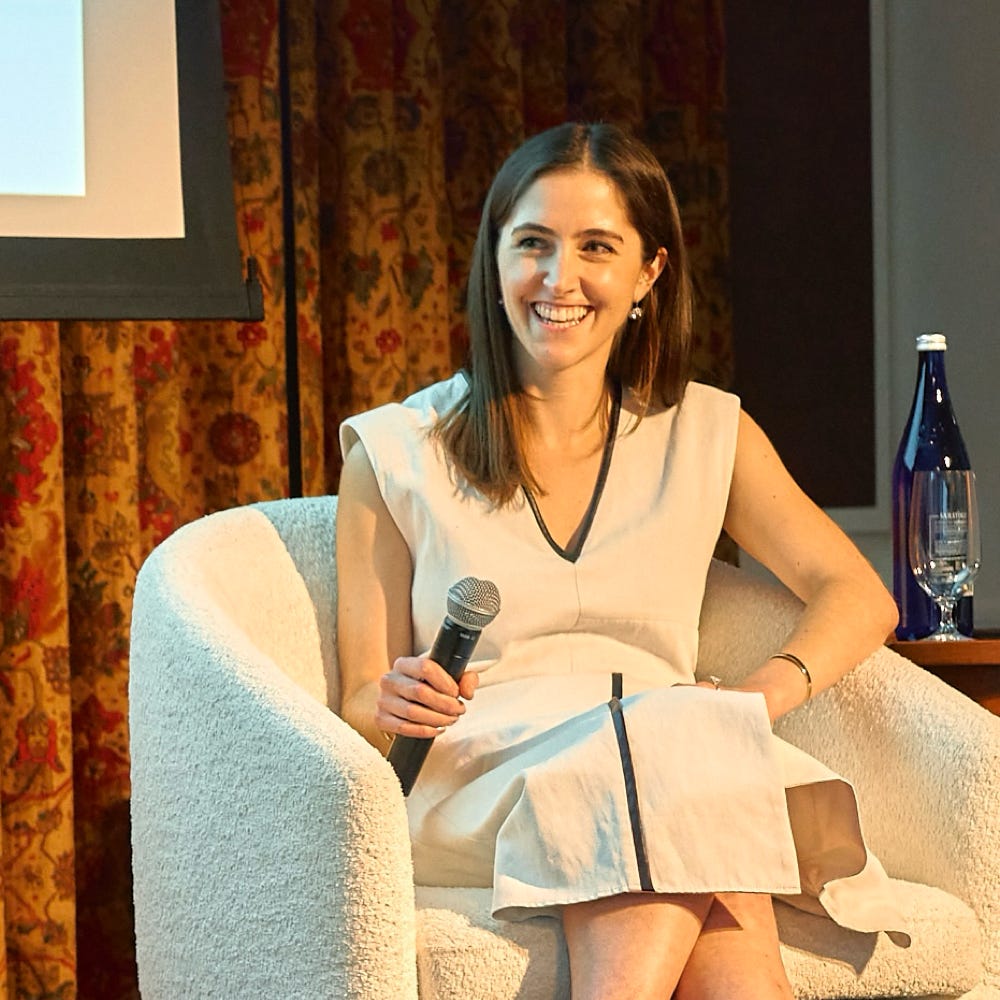 The Materialist : Tiffany Lopinsky | This week on The Materialist, I’m joined by Tiffany Lopinsky — co-founder and president of ShopMy, the platform quietly powering your favorite creators.We cover a lot of ground: the evolution of influencer marketing, why affiliate and subscription revenue might just save the creator economy, and what it takes to build something useful, without a playbook.Tiffany speaks with the clarity of someone who’s seen behind the curtain — first as a content creator herself (shout out to Boston Foodies), and now as the operator behind a platform with 175,000 creators and 30,000 brands.“There’s no playbook for something that hasn’t been done before. Otherwise, you’d have to write the playbook once you do it.”That could be the ShopMy manifesto — and it wouldn’t be a bad one for the rest of us, either.📌 Highlights from Our Conversation• The 3 ways creators make money todayFlat-fee partnerships, affiliate revenue, and subscriptions. (Spoiler: Tiffany thinks the second and third are where freedom — and taste — live.)• Why micro-influence isn’t just a buzzwordThe power isn’t always in scale — it's in specificity. Smart brands know that the right creator with 10k followers can outperform a scripted macro-influencer with a million.• The changing role of press & retailLegacy media and department stores are losing ground. Creators now function like boutique editors and independent shopkeepers — and they’re often better at it.• The invisible architecture of tasteShopMy isn’t just helping brands find creators — it’s helping good taste scale.🛍 Brands Tiffany Loves (and Why)Here are a few brands Tiffany mentions in the episode — all discoverable (and shoppable) through ShopMy:* Le Monde Beryl — Elegant flats rooted in timeless design.* Emme Parsons — Sandals and refined footwear with a minimalist soul.* Porta NYC — Brooklyn-based earthenware shop she can’t stop talking about. This is a public episode. If you would like to discuss this with other subscribers or get access to bonus episodes, visit atpresent.substack.com | 58m 46s | ||||||
| 7/9/25 | 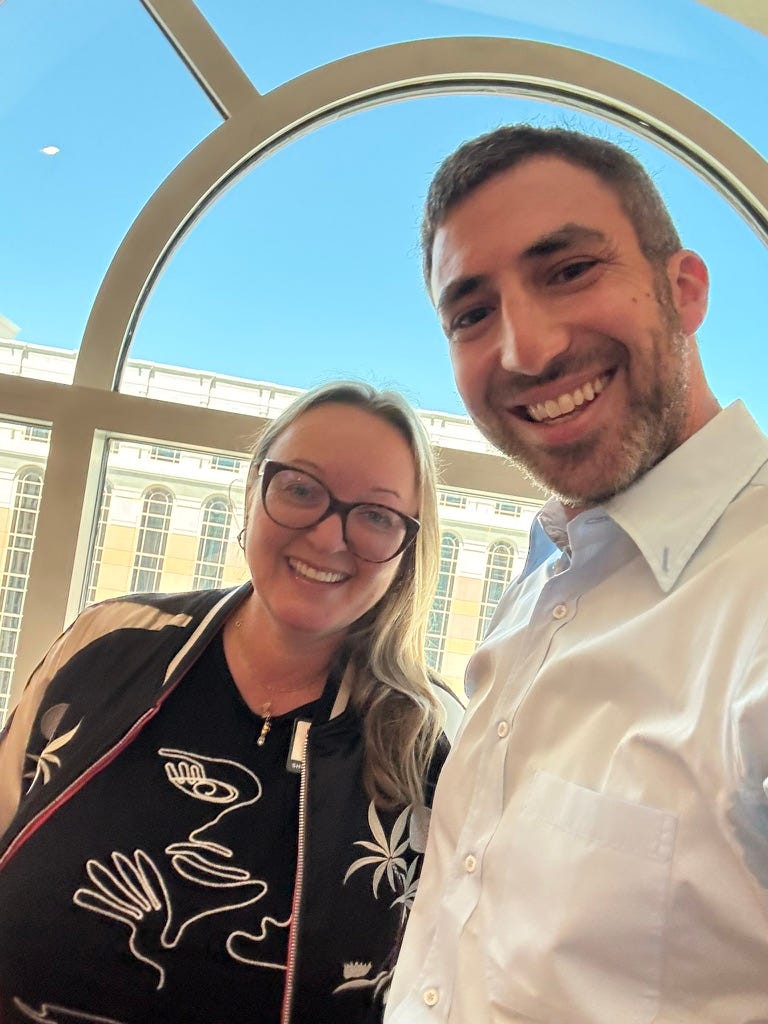 The Materialist : Victoria Gomelsky | Victoria Gomelsky and Marc Bridge Live from the Fabulous Venetian Hotel and Casino, Las Vegas.Welcome back to The Materialist. I recorded this special episode live from the jewelry shows in Las Vegas—the annual gathering point for the industry’s global village. Fittingly, I sat down with Victoria Gomelsky, Editor-in-Chief of JCK Magazine, contributor to The New York Times, and one of the most thoughtful chroniclers of the jewelry world for over two decades.Victoria and I talked about what keeps her coming back to JCK after 23 years, why jewelry is still a face-to-face business in a screen-filled world, and how she ended up with a watch named after her—literally, The Gomelsky.Some highlights:"This business runs on trust—millennia ago, you only traded gems with people you knew. That legacy still shapes the industry today.""Of all industries, jewelry is the most intimate—and the most global. You walk one aisle and you’ve met people from China, India, Botswana, Sri Lanka… it’s like the U.N. in diamonds.""Shinola’s CEO said, ‘We can’t come up with a name for this watch—what’s your name?’ I said Gomelsky. And that’s how I got a watch line named after me.""Trade press may not be glamorous, but it's where you learn the real business—the players, the politics, the paradoxes."We also get into:* The evolution of women buying jewelry for themselves* Why trade shows still matter in the age of Instagram* How the jewelry press balances journalism with brand hospitality* Her accidental path from Soviet émigré to New York Times travel writer to gemstone editorVictoria’s storytelling reminds to stay open to serendipity as the best experiences—and the best careers—are rarely planned. You can read her latest New York Times stories here and find her on Instagram at @vikavickyvictoria. This is a public episode. If you would like to discuss this with other subscribers or get access to bonus episodes, visit atpresent.substack.com | 43m 31s | ||||||
| 7/2/25 | 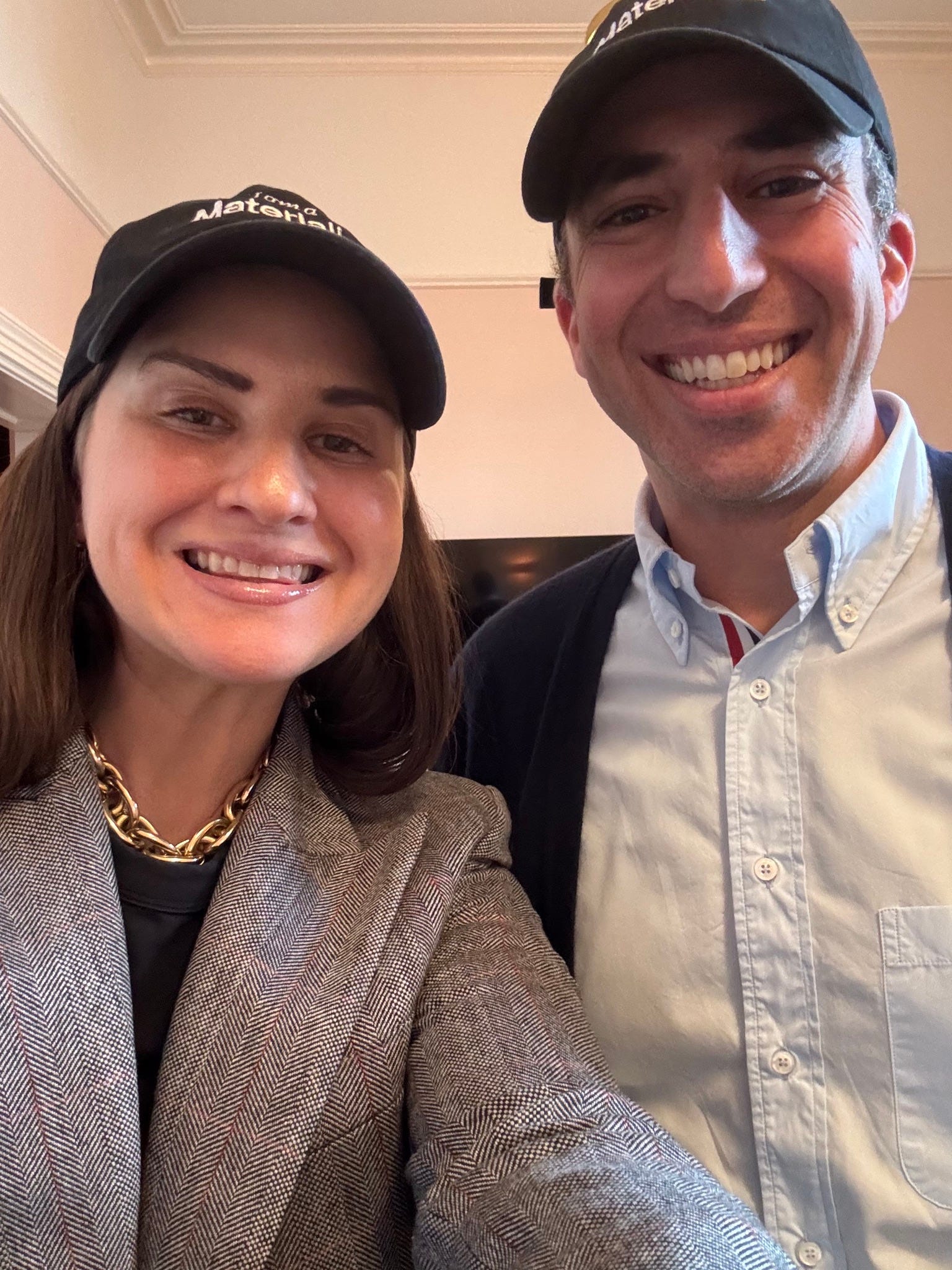 The Materialist : Alysa Teichman | What do you get when a journalism grad, Dallas native, and self-described jewelry “nepo baby” builds a piercing empire in the middle of a pandemic? You get Wildlike—a brand that’s as much about identity, memory, and reinvention as it is about sparkle.This week on The Materialist, I sit down with my friend Alysa Teichman—co-owner of Ylang 23 and founder of Wildlike—to talk about the deeply personal reasons people get pierced (divorce, fertility, “hot girl summer”), the role jewelry plays in our emotional lives, and what it means to grow up inside a family business and then start your own. Alysa is witty, warm, candid, and sharp.We talk:* 🧠 Why piercings are more than aesthetic—they're ritual, rebellion, release* ✨ What it means to treat retail as a form of public service* 🛠️ The real work of “making it happen” when you're spinning 18 plates (and wearing 18 earrings)* 💎 Natural vs lab diamonds: is a lab diamond like a fake Birkin?* 📈 Rising gold prices, TikTok brains, and why “perfection is the enemy of good”* 💬 Scott Galloway quotes, “hey guys” videos, and the elusive balance between authenticity and content fatigueAnd yes, we also talk about her dog. And her favorite piercing (hint: SEO gold).📍Find Alysa at alysa teichman or IRL at her Wildlike stores in NYC and Dallas, and her family’s store, Ylang 23. This is a public episode. If you would like to discuss this with other subscribers or get access to bonus episodes, visit atpresent.substack.com | 46m 25s | ||||||
| 6/20/25 | 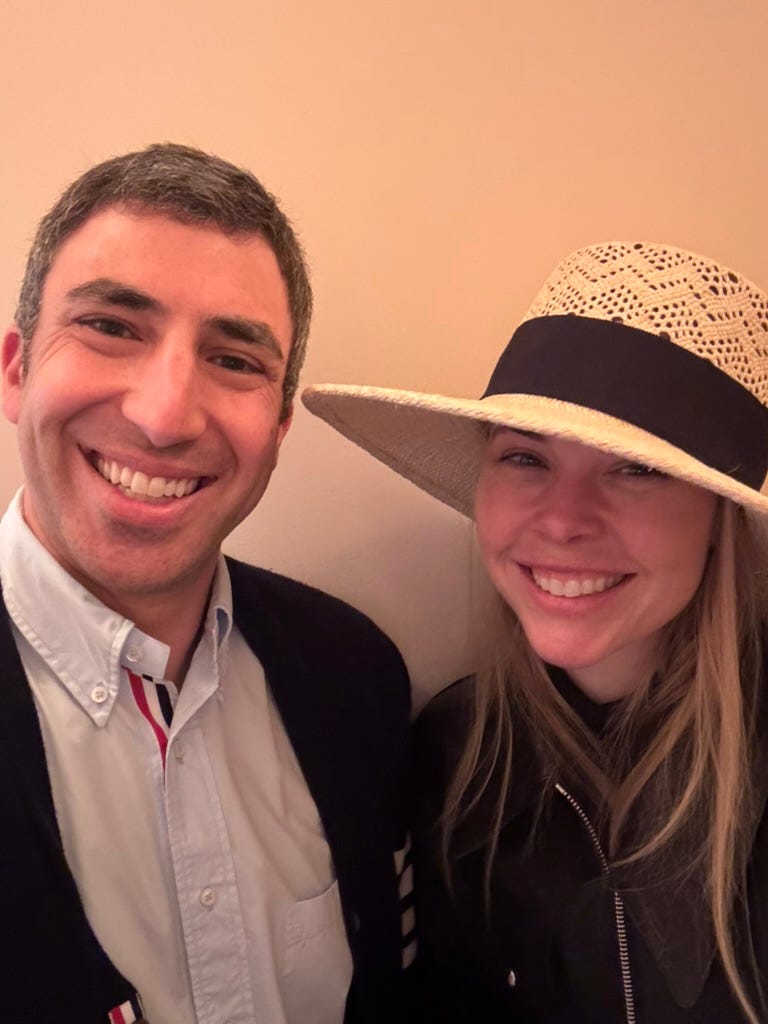 The Materialist : Gigi Burris | This week on The Materialist, I sit down with milliner and creative force Gigi Burris, founder of Gigi Burris Millinery and the nonprofit Closely Crafted, which champions artisanal production in the U.S.We talk about how Gigi went from sewing hats as a Parsons student to dressing Rihanna and being a CFDA Vogue Fashion Fund finalist—while keeping her studio (and her soft-coated Wheaten Terrier shipping manager, Brooklyn Bow) right in the heart of Chinatown. She shares what it means to build a niche brand in an age of sameness, the surprisingly diverse world of hat-wearers, and why confidence is the accessory that really matters.Highlights from our conversation:* ✂️ The difference between a milliner and a millionaire (and why she hopes to be both one day)* 👒 How Rihanna ended up in a senior thesis hat from Parsons* 🧵 The Vogue Fashion Fund bootcamp that shaped her business* 🇯🇵 Why Japanese department stores get everything first* 🎯 Closely Crafted’s mission to revive U.S.-based artisan production* 💡 “If you're going to be intentional about the way you dress, why would you not do so from head to toe?”* 👛 Shout-outs to fellow makers: Eve Fehren, Lizzie Fortunato, Don’t Let Disco, and Underwater Weaving Studio.Gigi Burris O’Hara at her studio and store in Chinatown, NYCMarc Bridge wearing a Gigi Burris Hat Pin as a Lapel Pin, NYC This is a public episode. If you would like to discuss this with other subscribers or get access to bonus episodes, visit atpresent.substack.com | 43m 22s | ||||||
| 6/9/25 | 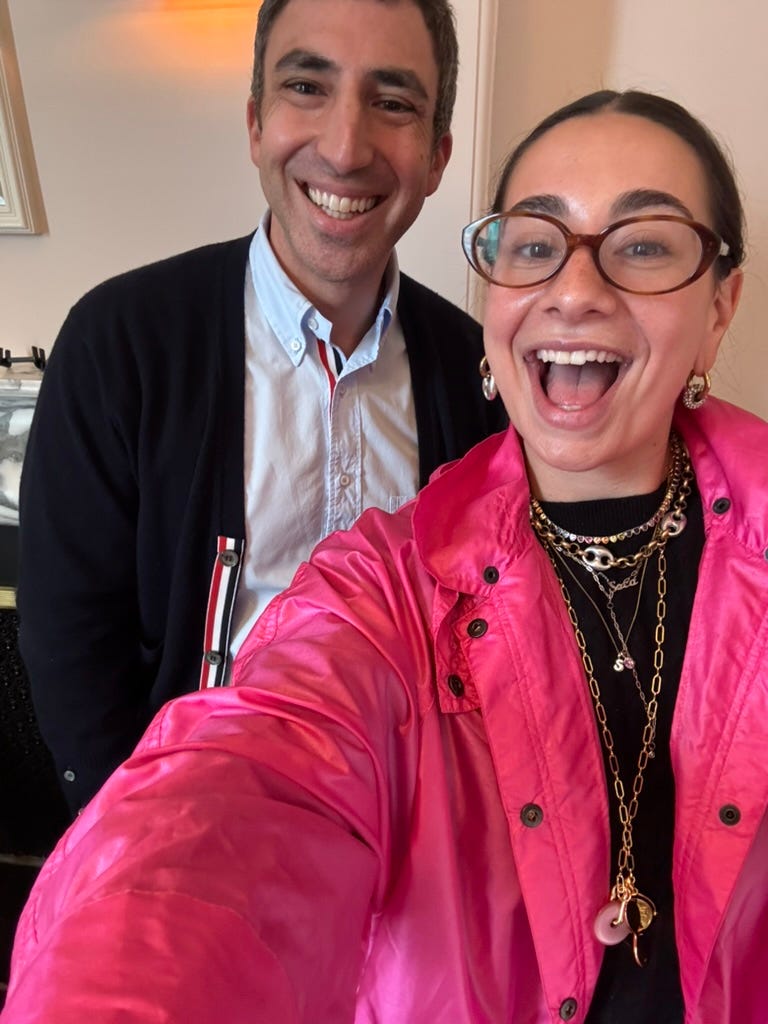 The Materialist : Sophie Cohen | Marc Bridge and Sophie Cohen (@stylewithsoco), The Hotel Chelsea, May 21, 2025In today’s episode of The Materialist, I had the pleasure of speaking with Sophie Cohen, a fashion influencer whose authenticity and vibrant style have garnered a dedicated following across social media. Sophie’s journey from high school style page to full-time influencer is both inspiring and eye-opening, offering a unique behind-the-scenes look into the evolving business of influencer marketing. Here's a recap of some of the best parts of our conversation.The Power of Authenticity in FashionSophie has always believed that fashion is more than just clothes—it’s a powerful way to express who we are. “Fashion was really the thing that was like, this is how I express myself with the world and this is like my thing.” For Sophie, style isn’t just about keeping up with trends; it’s about wearing what feels authentic and reflects her personality.Her bold, maximalist approach—featuring vibrant colors, patterns, and a love for statement pieces—has set her apart in a crowded influencer space. “I love that with jewelry, even when I'm wearing a simpler outfit, or even if I'm just not feeling like getting dressed, I have all of these little things on me. I love having my name on things, I love that it sparks conversation.”The Business of Being an InfluencerBeyond personal style, Sophie shared her journey of building a career as an influencer. “The biggest channel of income for me is brand partnership. So that is like any sort of paid content on an influencer’s page. If a brand is paying them to post a story or a TikTok or a reel, whatever.”Sophie also emphasized the importance of authenticity in these partnerships. She never promotes brands that don’t align with her values or personal aesthetic. “I couldn’t do a deal for something that felt inauthentic,” Sophie explains. This commitment to staying true to her personal brand has allowed her to build genuine relationships with both her followers and the brands she works with.Sophie’s Favorite Brands and CollaborationsSophie’s style is influenced by a mix of high-end brands, vintage finds, and unique pieces from smaller designers. Here are some of the brands and designers she loves:* Jenny Bird: Sophie raves about their timeless yet funky jewelry pieces, particularly the gold bangles she’s worn daily. “They make really classic yet funky pieces that are also timeless.”* Timeless Pearly: Sophie recently collaborated with this whimsical Parisian brand known for their colorful, fun designs. “They just have the most whimsical, joyful pieces. If you’re ever in Paris, you have to go to their showroom."* Nina Runsorf: Sophie loves this designer’s unique approach to classic jewelry, like a ring with pink tourmaline that she treasures. “I love anything that’s like classic with a twist when it comes to jewelry.”* Vintage Jewelry: Sophie also shares her love for collecting vintage jewelry during her travels. “I love getting a piece of jewelry from any city that I go to... even if it’s just like something off the street, like a $10 bracelet.”The Future of Sophie’s CareerLooking ahead, Sophie is excited about the possibilities within the influencer space and beyond. She’s already worked on some amazing collaborations, and she sees herself growing into the luxury space in the coming years. Sophie also shared her dream of owning a vintage shop, which aligns perfectly with her passion for curating unique, one-of-a-kind pieces.“I think my biggest passion is vintage designer clothing... I would love to have my own brand or shop or something of that sort,” she says. As Sophie continues to build her platform, she’s focused on creating a community where her followers can engage with her and feel inspired by her style.Where to Find SophieYou can keep up with Sophie on her various social platforms:* Instagram* TikTok* SubstackSophie also has a special Instagram show called Meet You in Five with her best friend, where they share more personal content and style advice.TakeawaysSophie Cohen’s approach to fashion and social media is refreshing, grounded in authenticity, and centered around self-expression. By staying true to her roots and embracing opportunities that align with her personal style, Sophie has built a career that continues to inspire both her followers and the brands she collaborates with. Whether she’s showcasing a vintage find or curating the perfect stack of jewelry, Sophie reminds us that style is a form of storytelling—a way to share our identity with the world. This is a public episode. If you would like to discuss this with other subscribers or get access to bonus episodes, visit atpresent.substack.com | 57m 55s | ||||||
| 5/30/25 | 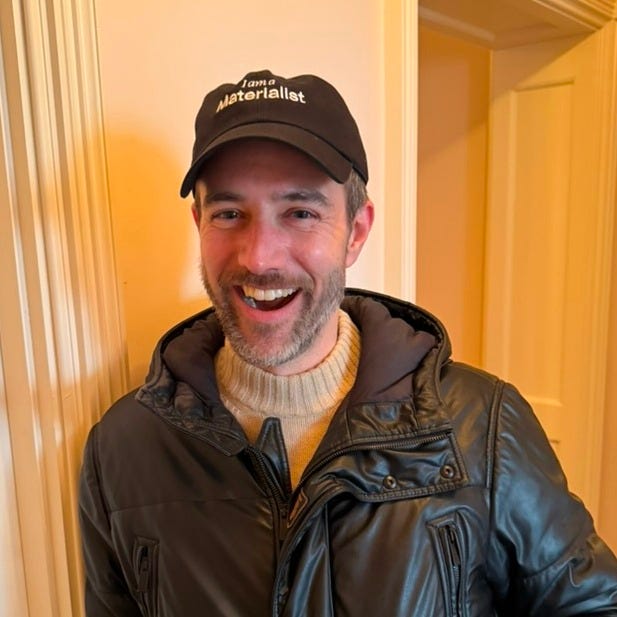 The Materialist : Sam Broekema | What does it mean to make something lasting in a world built for speed? In this episode of The Materialist, I sit down with Sam Broekema, Editor in Chief of Only Natural Diamonds, to talk about permanence, disruption, and the enduring power of jewelry.Sam shares his journey from a small town in Wisconsin to the fashion departments of Vanity Fair, Harper’s Bazaar, and InStyle, where he honed his editorial vision. Now, at Only Natural Diamonds, he’s building a platform that champions storytelling over sales — and elevates diamonds not just as luxury goods, but as cultural artifacts rich with meaning.We talk about:* Why the best jewelry stories aren’t about price, but about people.* How legacy publications lost their footing — and what Sam is building instead.* The difference between a Chanel bag and a bracelet from your grandmother.* How Dezso by Sara Beltrán, 10,000 Things, and Nikos Koulis are redefining contemporary fine jewelry.* The joy of imperfection — from salt-and-pepper diamonds to poky stones with soul.We also discuss why print still matters, how Gen Z’s obsession with authenticity is reshaping luxury, and why responsibility and sustainability aren’t in opposition to indulgence — they’re part of it.Sam’s editorial ethos? Surprise. Delight. Tell the story no one else is telling.📸 Follow Only Natural Diamonds on Instagram🛍️ Discover emerging designers we love at atpresent.com This is a public episode. If you would like to discuss this with other subscribers or get access to bonus episodes, visit atpresent.substack.com | 47m 31s | ||||||
| 5/15/25 | 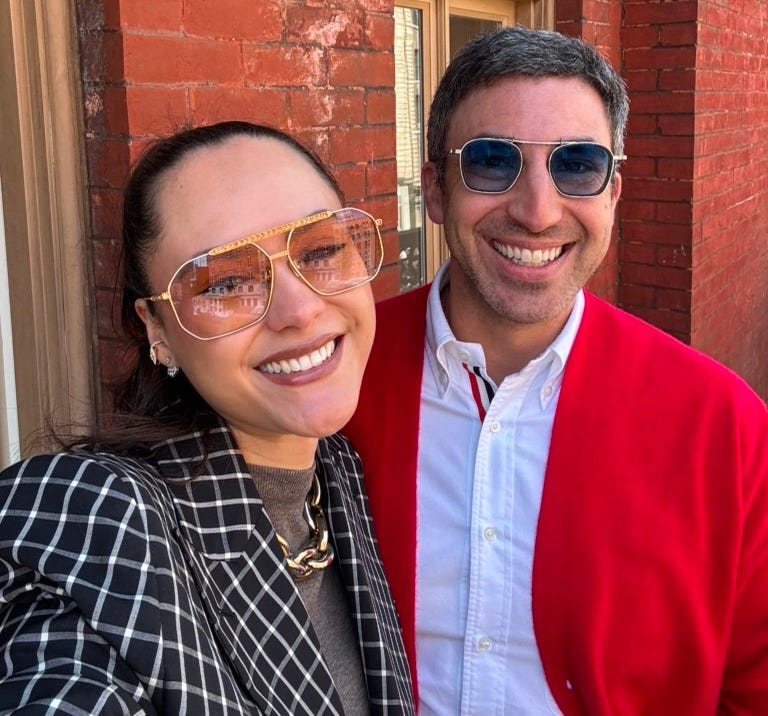 The Materialist : Cassie Thorpe | Cassie Thorpe doesn’t just talk about luxury fashion—she makes you feel why it matters. In our latest episode of The Materialist, the undisputed queen of Tiny Bag Energy joins me to unpack the emotional logic behind the circus of style. Cassie is incisive, hilarious, and uncommonly generous about the things that spark obsession: Alexander McQueen blazers, vintage Chanel rings, and bags shaped like plastic pigeons (cheers to you JW Anderson).We talk about what it means to curate a personal archive—and why her “love hand” (yes, that’s a thing) features not only her engagement ring, but also the Chanel Ultra ring her parents gave her at 18. That piece of white ceramic launched an entire aesthetic.She also highlights three standout creators and brands everyone should know:* Tolu Coker – London-based designer merging British tailoring and Nigerian heritage with vibrant storytelling. Her work, especially in light of this year’s Met Gala theme, is unmissable.* Nawbar – A Lebanese jewelry house creating bold, enamel-forward designs like their stunning Atom Collection.* Jeniece Blanchet – An ethereal designer whose sculptural beadwork looks like water droplets suspended in air. Think wearable fantasy.Cassie also shares her favorite personal pieces from designers she loves, including:* Susana Martins – for her signature white ceramic and gold pieces* Unsaid – French jewelry house working exclusively with lab-grown diamonds* Shay Jewelry – her own collab with them includes a lavender ceramic and diamond curb-link bracelet* Monica Vinader – for everyday stackable ringsAnd yes, she found the McQueen piece of her dreams—a 2009 houndstooth blazer—on eBay.Cassie’s worldview is that luxury should delight, not intimidate. Whether you’re deep in the Hermès trenches or just starting to figure out your ring stack, this is a conversation for anyone who finds joy in the details. This is a public episode. If you would like to discuss this with other subscribers or get access to bonus episodes, visit atpresent.substack.com | 49m 37s | ||||||
| 5/5/25 | 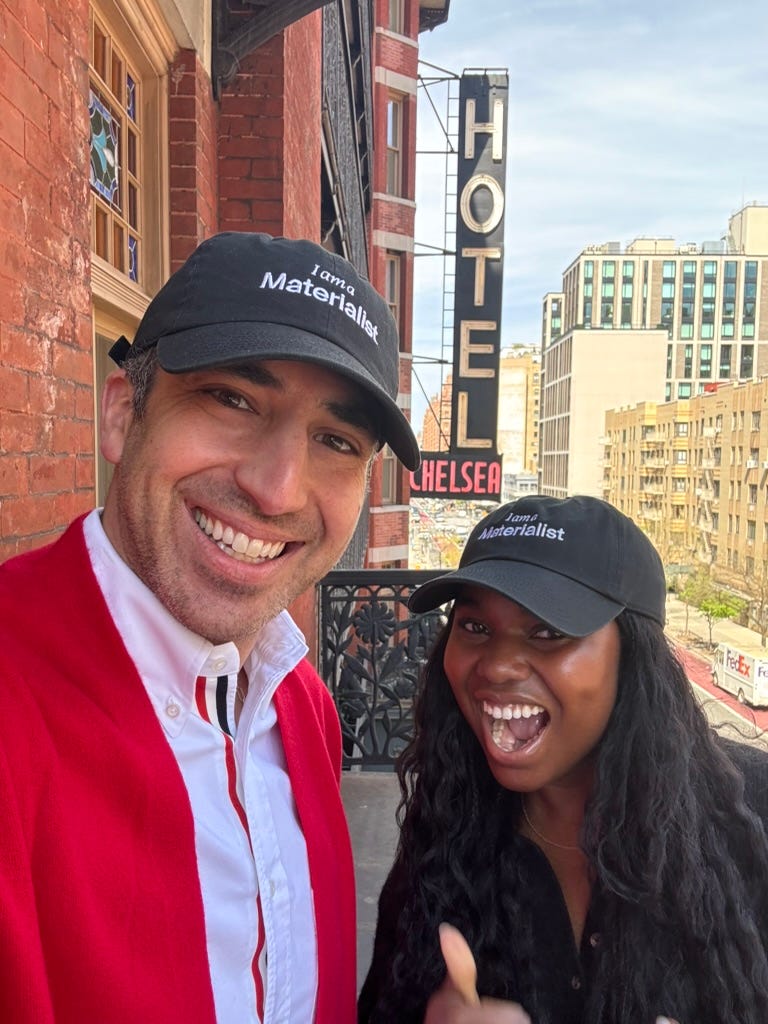 The Materialist : Tariro Makoni | Every so often, a guest joins The Materialist who manages to collapse categories: intellect and indulgence, strategy and sparkle, Prada and Gramsci. This week, that guest is Tariro Makoni.Tariro is a strategist, writer, and the voice behind Trademarked, one of the smartest (and funniest) Substacks on the internet. She writes about fashion, politics, and consumer behavior with such clarity and candor that you’ll never look at a sweater—or a tariff—the same way again.In our conversation, we dig into:* The emotional logic of “frivolous” purchases* Why women drive 85% of consumer spending (and what that means for power)* The return of smoking as a sign of late-capitalist burnout* And why what’s happening on the Prada runway is an economic indicator—even if your professor doesn’t think so.But we also talk jewelry. Not as trend, but as text. Symbols, signals, little indulgences that reveal how we see ourselves—and what we want others to see.What’s on Tariro’s wrist (and mind):* A Carolina Bucci Lucky Bracelet — silk and gold, worn until the threads say something new* A Cartier Juste un Clou — flipped backwards to reclaim its meaning* A Charm Factory Star Bracelet — substantial, a little magical* And rings by Vanessa Hernandez — “the light of my life,” as Tariro puts itEach of these pieces comes with a story. A context. A cultural echo. And that’s what this episode is about: the meaning beneath the sparkle.🛍 Explore jewelry that tells a story📩 Subscribe to Tariro’s Substack: Trademarked This is a public episode. If you would like to discuss this with other subscribers or get access to bonus episodes, visit atpresent.substack.com | 56m 20s | ||||||
| 4/21/25 | 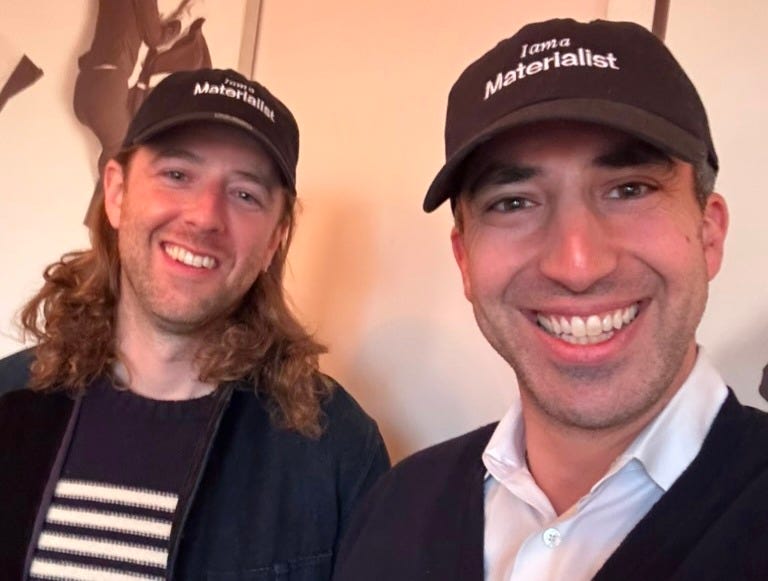 The Materialist : Colin Keane Lynch | This week on The Materialist, I had the joy of sitting down with Colin Keane Lynch, the artist and jeweler behind Keane. His work has been part of At Present’s assortment for years, but this conversation offered the time to slow down, zoom out, and ask how meaning is made—through hands, history, and a thousand degrees of heat.Colin’s pieces are hand-formed from glass in his Brooklyn Navy Yard studio—each one made by him, start to finish. But as we talked, it became clear that the true through-line in his work isn’t just craftsmanship or aesthetics—it’s curiosity. The kind that spans childhoods spent among zookeepers and chemists, travels to glassblowing ateliers in Italy, and hours upon hours of studio time where intention meets improvisation.Three Pea Ring, Silver/RedWe talked about how value is created—economically, emotionally, and artistically. And about how hard it is to define what’s “worth it” in a world where perception can feel like quicksand.From Zoo Animals to Murano GlassColin grew up in St. Louis. His father was a zookeeper at the St. Louis Zoo, and his mother ran her family’s industrial coatings business—formulating everything from Steinway piano lacquers to experimental nail polish for dentists. (“Don’t ask,” he said, which of course only made me want to ask more.) His parents also ran an artisan import business sourcing from Central Mexico and Italy, where their connections eventually led Colin to spend a summer in Murano learning to blow glass from some of the world’s masters—at just 15.That summer was a turning point, not just creatively but conceptually. He described the experience as a kind of apprenticeship-in-motion, where the discipline of making met the thrill of learning without limits. It was like being sent to basketball camp and finding out your coach is Michael Jordan.RISD, Raves, and the Real Work of Art SchoolColin later studied in the glass program at RISD—not a technical program, but a conceptual one. Students weren’t asked to replicate historical forms; they were asked to investigate identity, systems, form, and meaning through material. The prompts were abstract (“Make something about identity”), and the materials were sometimes unconventional: crushed brick, spun sugar, yarn. He learned how to think about materials not as tools, but as collaborators.It was, he said, intimidating. And invaluable.From Menswear to MeaningAfter graduating into the 2008 financial crisis, Colin pivoted briefly into menswear—joining the team at Odin, one of the first high-concept men’s boutiques in New York. There, he helped launch their in-house apparel line and quickly became immersed in the design and production side of fashion. That experience taught him not just how to source and manufacture, but how to prototype, iterate, and communicate ideas to customers.And more importantly, it gave him a retail laboratory. He could make jewelry—small-batch, experimental pieces—and see in real time what resonated. The first piece he ever sold? A simple glass vial necklace with gold leaf suspended inside. Not precious, but poetic.On Glass, Value, and What's Really RareWe spent time in this conversation probing a recurring theme: how value gets ascribed. Colin sees parallels between precious jewelry and high-end clothing—when it’s done well and with intention, the materials and the story matter. But he’s wary of value that’s based solely on scarcity or branding. We talked about diamonds. We talked about perception. We talked about the ancient Egyptians, who once considered glass more valuable than gold because of the rarity of the knowledge it took to make it.“Most people don’t know how anything is made,” Colin told me. “But when they visit the studio and see even a glimpse of the process, it completely changes how they see the work.”It’s true. The moment you understand what goes into something—time, technique, the moment-to-moment improvisation of molten material—you stop seeing it as just a product. It becomes a story. Pea Necklace, Night ShadeCreative Influence and ProcessColin’s own process remains deeply hands-on and exploratory. He starts with a theme—Missouri cave systems, '90s rave culture, pigment and color—and lets the material guide him. Some collections come from research, others from intuition. Often, the best ideas come from scraps—pieces of failed experiments or discarded glass that yield unexpected inspiration.We also talked about the artists who influence him:* Wolfgang Laib, who collects marigold pollen by hand to form luminous floor installations—art born from patience and process.* Gordon Matta-Clark, who carved and deconstructed architecture as sculpture.* René Lalique, the French glassmaker whose fluid Art Nouveau forms continue to echo in the work of artists today.The Future of KeaneWhen I asked him what comes next, Colin’s answer wasn’t a five-year plan. It was a hope: more balance. Maybe a day off here or there. Maybe a production assistant who understands the medium enough to help. But he’s wary of compromising the intentionality that defines his work. Every piece is still made by hand. One at a time. By him.He wants to make work that’s both beautiful and accessible—something that someone like his younger self, shopping at thrift stores in St. Louis, could afford. That democratic vision sits at the heart of Keane.If you’ve ever worn one of Colin’s pieces—or admired it from across a room—you’ve already felt it. The material magic. The play between transparency and color. The sense of something made with care, meant to last.I’m honored we curate Keane on At Present. And I’m grateful to Colin—not just for this conversation, but for showing us what it means to build a life and a practice out of intention, iteration, and the willingness to start over.📷 Explore Keane on At Present This is a public episode. If you would like to discuss this with other subscribers or get access to bonus episodes, visit atpresent.substack.com | 40m 21s | ||||||
| 4/3/25 | 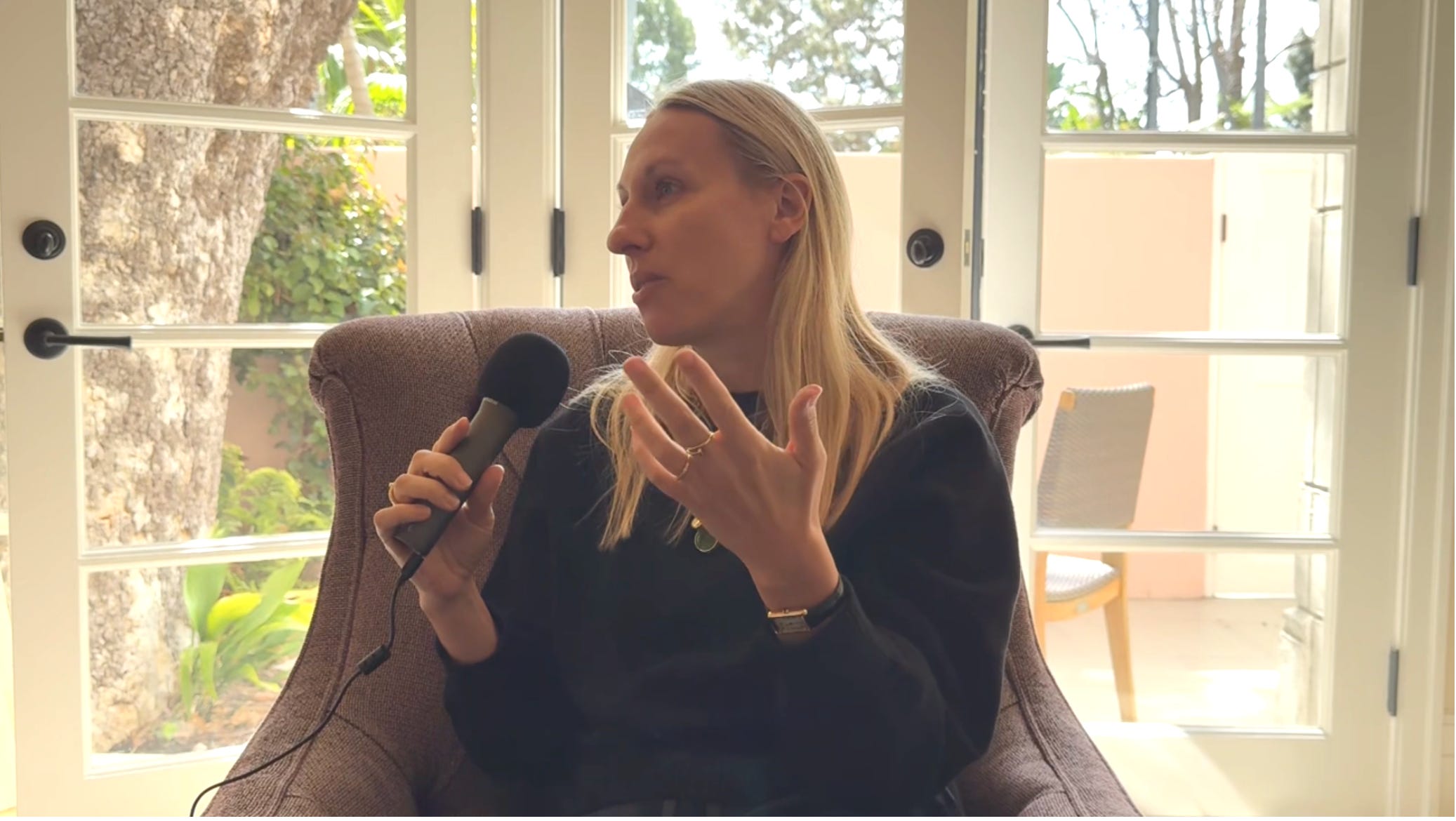 The Materialist : Ali Pew | “You may not have heard of Ali Pew, but you are probably — indirectly — wearing something she told you to,”— Harriet Walker, the fashion editor of The Times of LondonAli Pew, stylist, creative director, and creator of the influential newsletter Uniform, joins The Materialist to unpack the power of intentionality in personal style and curating life's meaningful objects. Ali shares her career journey from Conde Nast Traveler and W Magazine to Goop, offering insightful perspectives on how editorial fashion translates into real-world dressing. Our conversation spans the California wellness scene ($18 smoothies!), the art of finding timeless wardrobe essentials, and the evolving landscape of digital media and fashion.Ali thoughtfully explores her philosophy around building a lasting wardrobe, emphasizing quality, versatility, and emotional resonance. She highlights her favorite fashion houses and designers—including Phoebe Philo, Proenza Schouler, JW Anderson, Prada, Maria McManus, High Sport, and Peter Mulier at Alaïa. Ali also discusses how jewelry uniquely captures sentimental value, noting standout brands such as Cartier, Sherman Field, Tabayer, Kloto, and the thoughtful curation at At Present.Tune in for Ali's reflections on navigating the ever-changing fashion landscape, why certain pieces feel truly indispensable, and how the objects we choose to surround ourselves with shape our personal narratives and sense of identity.Ali Pew with At Present Stylist-in-Residence Jalil Johnson and Booth MooreHotel Bel-Air, March 27, 2025 This is a public episode. If you would like to discuss this with other subscribers or get access to bonus episodes, visit atpresent.substack.com | 56m 31s | ||||||

Showing 25 of 41
Pitch Fit is a Pro feature
See how bookable this show is for guests, which brands already advertise, the per-episode ad value, and the best-fit guest and sponsor profile. The numbers are blurred on the free plan.
How readily this show books outside guests like you.
How proven this show is for host-read sponsorships.
For Guests
ProFor Advertisers
ProUpgrade to Pro to unlock guest cadence, sponsor categories, fit scores, and per-episode ad value for this show.
Chart history for The Materialist : A Podcast from At Present
Peaked at #44 in PT, currently #44 in PT.
| Market | Genre | Peak | Current | Trend |
|---|---|---|---|---|
| PT | — | #44 | #44 | — |
| CH | — | #46 | #46 | — |
| Denmark | — | #96 | #96 | — |
| AT | — | #125 | #125 | — |
| Italy | — | #155 | #155 | — |
| TW | — | #167 | #167 | — |
Chart Positions
6 placements across 6 markets.
Chart Positions
6 placements across 6 markets.