unSILOed with Greg LaBlanc
unSILOed is a series of interdisciplinary conversations that inspire new ways of thinking about our world. Our goal is to build a community of lifelong learners addicted to curiosity and the pursuit of insight about them...
Insights from recent episode analysis
On the show
- Iain McGilchrist1 ep
- Susan Wise Bauer1 ep
- Pablo A. Peña1 ep
Also: Steve H. Hanke, Michaeleen Doucleff, Leidy Klotz, Roger Spitz, Amy Gallo, Sven Beckert, Claude Steele, N. Katherine Hayles, Carissa Véliz, Eric Ries, Sebastian Mallaby, Jo Marchant, Tom Rath, Joanna Stalnaker, Dan Edelstein, Nick Chater, Matt Kaplan
Audience Interest
Podcast Focus
Publishing Consistency
Insights are generated by CastFox AI using publicly available data, episode content, and proprietary models.
Most discussed topics
Brands & references
Total monthly reach
Based on the show's feed history.
Built from
- Per-Episode Audience
Est. listeners per new episode within ~30 days
3.5K to 32K🎙 Daily cadence·681 episodes·Last published 1w ago - Monthly Reach
Unique listeners across all episodes (30 days)
12K to 105K🇺🇸100% - Active Followers
Loyal subscribers who consistently listen
6.4K to 58K
Market Insights
Platform Distribution
Reach across major podcast platforms, updated hourly
Total Followers
—
Total Plays
—
Total Reviews
—
* Data sourced directly from platform APIs and aggregated hourly across all major podcast directories.
| Date | Episode | Topics | Guests | Brands | Places | Keywords | Sponsor | Length | |
|---|---|---|---|---|---|---|---|---|---|
| 10/16/26 | 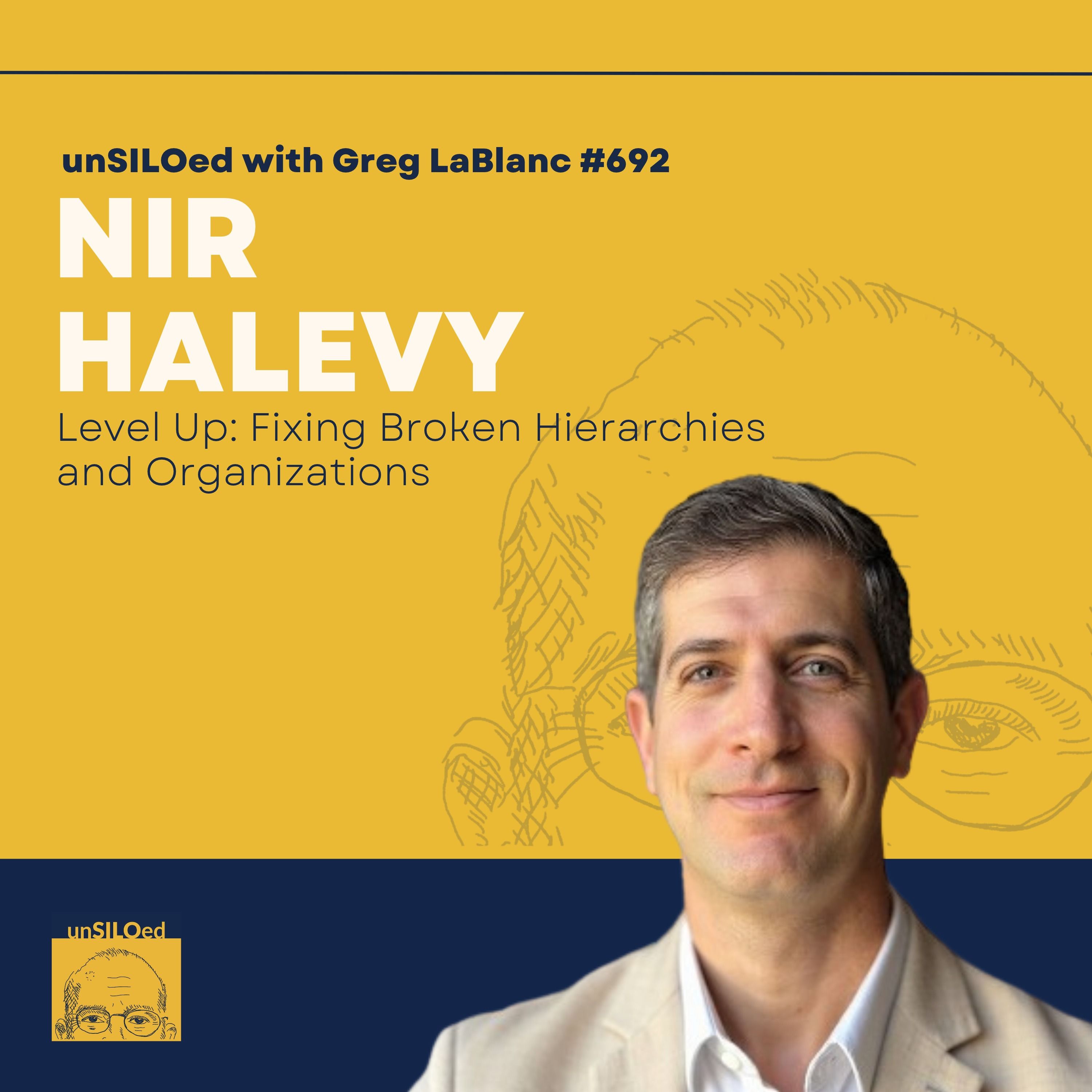 692. Level Up: Fixing Broken Hierarchies and Organizations with Nir Halevy | Nir Halevy is a professor of Organizational Behavior at the Stanford Graduate School of Business, and the author of the new book called Level Up: Why Hierarchies Are Broken and How to Fix Them. Greg and Nir argue that hierarchy can never be eliminated from organizations because of coordination needs, division of labor, and human drives for social comparison, achievement, predictability, and safety, yet it can become self-reinforcing and abusive. Nir diagnoses “broken hierarchies” via his three interlinked symptoms—ultra-competitiveness, injustice, and instability—which damage wellbeing, retention, and performance, and can be worsened by misdesigned incentives and oblivious leaders. He proposes a treatment framework—CPR: common value, pluralism (multiple pathways and dimensions for status), and relatedness—along with structural options like co-leadership to dilute domineering “dark triad” leaders. They also discuss examples from sports, ballet, secrecy at work, and measurement signals like turnover, absenteeism, and disengagement. | 44m 19s | ||||||
| 10/13/26 | 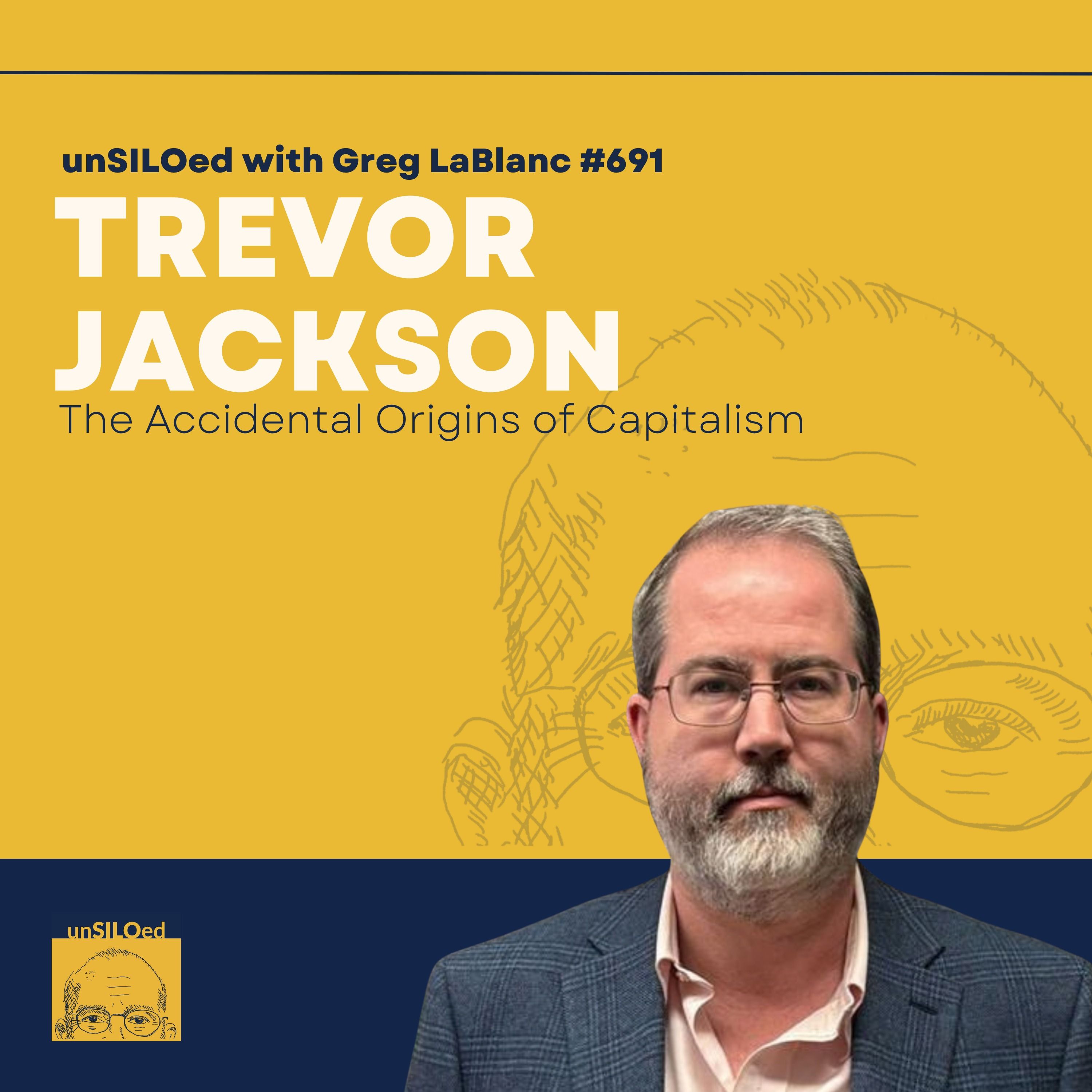 691. The Accidental Origins of Capitalism with Trevor Jackson | Why is it easier to imagine the end of the world than the end of capitalism? Believe it or not, the economic system was not inevitable in human history, and it’s not inevitably in our future either. Trevor Jackson is a professor of history and political economy at UC Berkeley. He's the author of The Insatiable Machine: How Capitalism Conquered the World, a book that traces the origins and evolution of capitalism, as well as Impunity and Capitalism: The Afterlives of European Financial Crises, 1690–1830. Trevor and Greg discuss how capitalism emerged not by design but through accidental solutions to immediate problems, why historians and economists see the past so differently, and how financial crises went from being treated as crimes to being treated as natural disasters. They also explore the purpose of history in the modern world and why academic historians have lost faith in their own relevance even as public demand for historical knowledge has never been higher. *unSILOed Podcast is produced by University FM.* | 51m 39s | ||||||
| 10/9/26 | 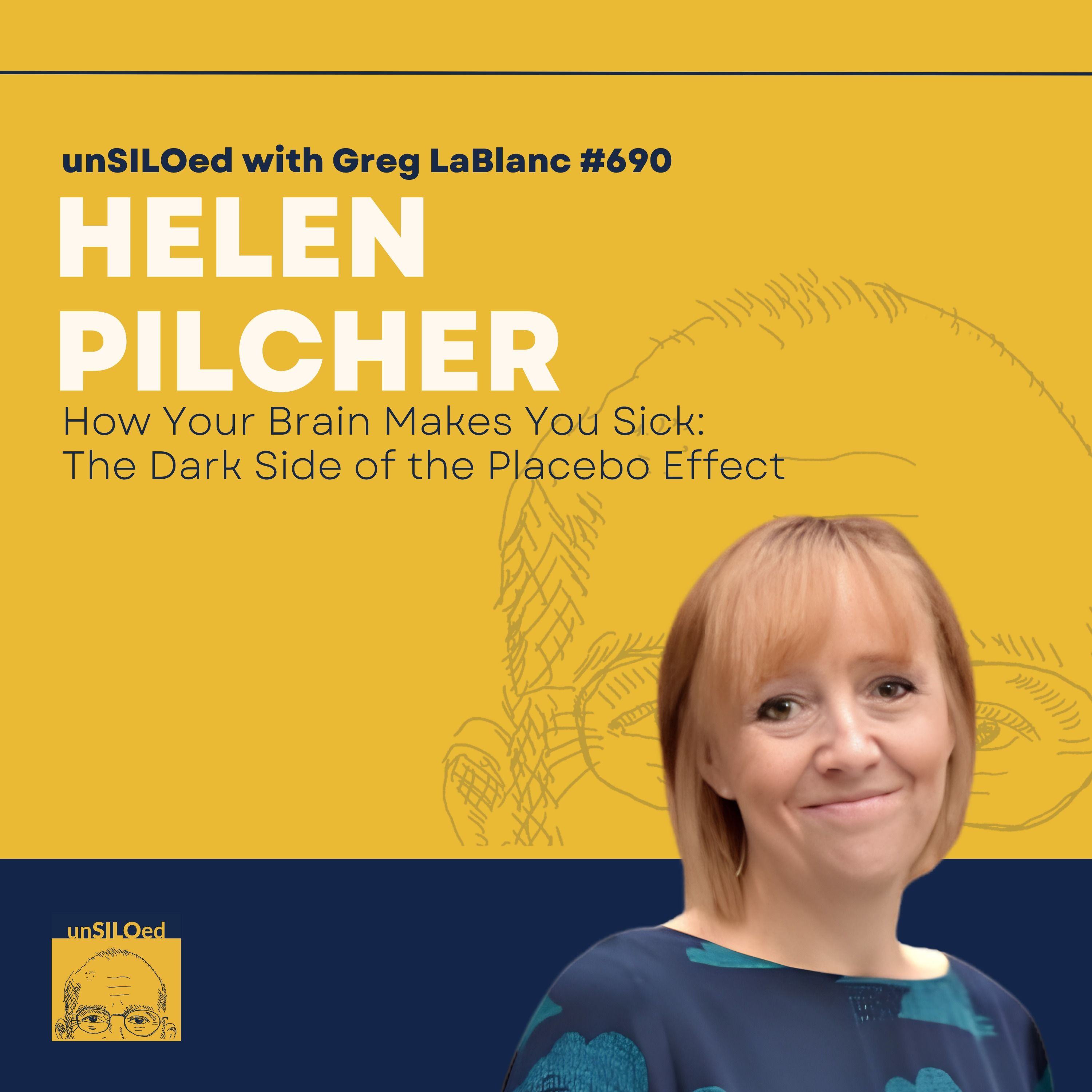 690. How Your Brain Makes You Sick: The Sark Side of the Placebo Effect with Helen Pilcher | What happens when your brain predicts a symptom that doesn't belong — and your body obeys? Can a diagnosis itself make you sicker? And could the way your doctor delivers bad news change the course of your disease? Helen Pilcher is a science writer whose work has appeared in Nature, The Guardian, and the BBC. Her new book, This Book May Cause Side Effects: The Curious and Dangerous Power of the Nocebo Effect, Placebo's Evil Twin, explores how negative expectations can produce real, measurable harm in the body. Helen and Greg discuss how the nocebo effect turns clinical warnings into self-fulfilling prophecies, why modern medicine's culture of full disclosure may be doing patients more harm than good, and how social media has become a new vector for mass psychogenic illness, spreading symptoms as easily as information. *unSILOed Podcast is produced by University FM.* | 1h 07m 07s | ||||||
| 10/5/26 |  689. Artificial Intelligence and the Threat to Independent Thought with Bruno Giussani | Bruno Giussani is a speaker and consultant, formerly the head of TED in Europe and an author of many works in Italian and the new English work Our Minds Under Siege: How to Avoid Being Manipulated in the Age of Artificial Intelligence. Greg and Bruno discuss how AI, social media, and other algorithmic technologies capture and steer attention, eroding “cognitive integrity,” or the ability to understand reality lucidly and decide autonomously. Bruno argues that today’s personalization of chatbots enables society-scale influence person by person, amplified by cheap AI-generated content and political “flood the zone” tactics that blur fact and fiction and deepen polarization. They discuss deskilling and “cognitive debt” from outsourcing thinking to chatbots, the non-neutrality and value-laden programming of AI (with examples from Chinese chatbots and Grok), and risks of subtle manipulation. Bruno covers Europe’s dependence on U.S. tech and the need for renewed industrial policy, outlines cognitive warfare tactics including poisoning chatbot outputs, and describes education-system experiments to integrate AI without replacing learning. *unSILOed Podcast is produced by University FM.* | 52m 20s | ||||||
| 9/29/26 |  688. The Evolutionary Reason Behind Why We Age with Michael Gurven | Even without the contributions of modern medicine and technology, humans have been evolving to live longer lives for centuries. So what led to this evolution and why is aging important? Michael Gurven is a professor of anthropology at the University of California Santa Barbara. He’s also the author of, Seven Decades: How We Evolved to Live Longer, a book that examines the evolutionary causes behind life expectancy. Michael and Greg discuss the key reasons behind why we age, how Michael’s field work with the Tsimané people in Bolivia informed his conclusions about life expectancies, and whether or not we should take any lessons on aging from our hunter-gatherer ancestors. *unSILOed Podcast is produced by University FM.* | 55m 10s | ||||||
| 9/24/26 |  687. The Key to a Happier Life Starts With Social Connection with Nicholas Epley | Social connection is essential for humans, yet we live in a world that is increasingly designed to limit our in-person social interactions. So why, if being social makes us happier, do we willfully avoid it more and more? Nicholas Epley is the John Templeton Keller Distinguished Service Professor of Behavioral Science and Director of the Roman Family Center for Decision Research at the University of Chicago Booth School of Business. His new book, A Little More Social, explores how the little choices we make can dramatically shape our connections. Nicholas and Greg discuss the science behind why being social makes us happy and why people systematically underestimate how much they’ll enjoy having deeper conversations, expressing gratitude, or talking to strangers. They also discuss how personality traits like extroversion and introversion can be viewed as beliefs or habits, and why these labels can hold people back. *unSILOed Podcast is produced by University FM.* | 56m 45s | ||||||
| 9/22/26 |  686. The Risk of ‘Artificial Intimacy’ with Sherry Turkle | No description provided. | 53m 09s | ||||||
| 9/18/26 |  685. Decoding Conspiracy Theories: Insights from Business and Behavior Experts with Hayagreeva “Huggy” Rao and Henrich R. Greve | Huggy Rao is the Atholl McBean Professor of Organizational Behavior and Human Resources at Stanford University’s Graduate School of Business and Henrich Greve is the Rudolf and Valeria Maag Chaired Professor in Entrepreneurship at INSEAD. They are also co-authors of the new book Ctrl+Alt+Doubt: Decoding the Language of Online Conspiracy Talk. Greg, Henrich, and Huggy discuss their new book and the language of online conspiracy talk. They describe entering the topic via research on managerial talk, the 1857 Indian mutiny rumor, and pandemic effects on collective action, then the COVID-era “distributed doubt.” Huggy and Henrich define conspiracy theories as elaborate, non-falsifiable narratives where lack of evidence is treated as proof, including “gateway” claims like COVID false positives. Rather than pathologizing believers, they analyze online talk as a social coordination mechanism and cultural toolkit involving bricolage, which is recombining semantically proximate words and narratives, within crowded “rabbit holes.” They propose that platforms shape but don’t determine discourse. For managers, they recommend early rumor monitoring, “prebuttals,” and credibility-preserving communication, noting shrinking executive authority and the risks of manufacturing threat for innovation. *unSILOed Podcast is produced by University FM.* | 50m 50s | ||||||
| 9/15/26 |  684. Picky Eaters of the 20th Century: How Americans Learned to Eat with Helen Zoe Veit | Helen Zoe Veit is a professor of history at Michigan State University and also an author and editor. Her latest books are titled Picky: How American Children Became the Fussiest Eaters in History and Modern Food, Moral Food: Self-Control, Science, and the Rise of Modern American Eating in the Early Twentieth Century. Greg and Helen discuss changes in American eating habits during the 20th century. Helen explains that food history became a viable academic field largely in the last 25 years, and describes early-20th-century shifts toward government regulation, nutrition science, calories, home economics, and factory food, which encouraged Americans to distrust appetite and pleasure while fueling diet culture and moralized views of weight. Their conversation traces how children’s “natural” pickiness was culturally constructed through things like Clara Davis’s studies, rising processed foods and instant alternatives, advice from Dr. Spock, and marketing power via supermarkets and the media. They discuss diluted “foreign” foods, faddists like Fletcher, the decline of Home Ec classes, and how history could inform a more balanced, pleasurable relationship to food. *unSILOed Podcast is produced by University FM.* | 47m 27s | ||||||
| 9/11/26 |  683. A Woman’s Economic Toolkit for a Happier Life with Corinne Low | Is it true that divorced moms actually do less housework than married moms? Is there an optimal time for women to pause their careers to start a family? How can you tell by the third date whether or not your relationship is a good deal? Dr. Corinne Low is a professor of public policy and economics at the Wharton School of Business at the University of Pennsylvania. Her book, Having It All: What Data Tells Us About Women's Lives and Getting the Most Out of Yours, provides a roadmap for optimizing your resources and maximizing your satisfaction in life, whether it be with your career or your family. Corinne and Greg discuss the problems modern women face in the workplace and at home, the economic tools women can apply to make the most out of what they’ve got, and the importance of strategically picking a romantic partner. They also unpack the million dollar question with profound social implications: Why are women still expected to do the majority of the housework? *unSILOed Podcast is produced by University FM.* | 52m 29s | ||||||
Want analysis for the episodes below?Free for Pro Submit a request, we'll have your selected episodes analyzed within an hour. Free, at no cost to you, for Pro users. | |||||||||
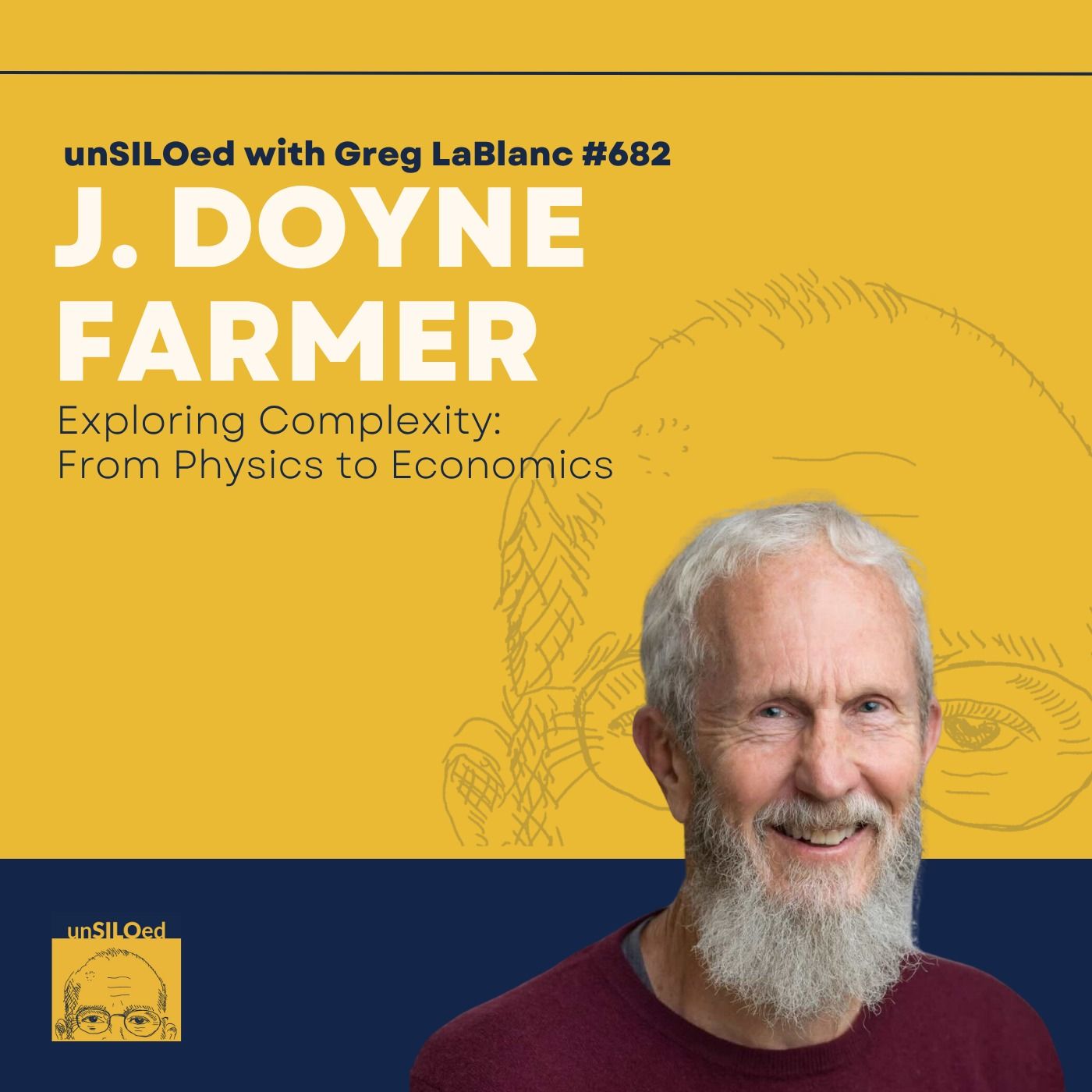
| 9/8/26 | complexity scienceeconomics+5 | J. Doyne Farmer | Oxford UniversityMaking Sense of Chaos: A Better Economics for a Better World | — | complex systemseconomics+5 | — | 50m 03s | ||
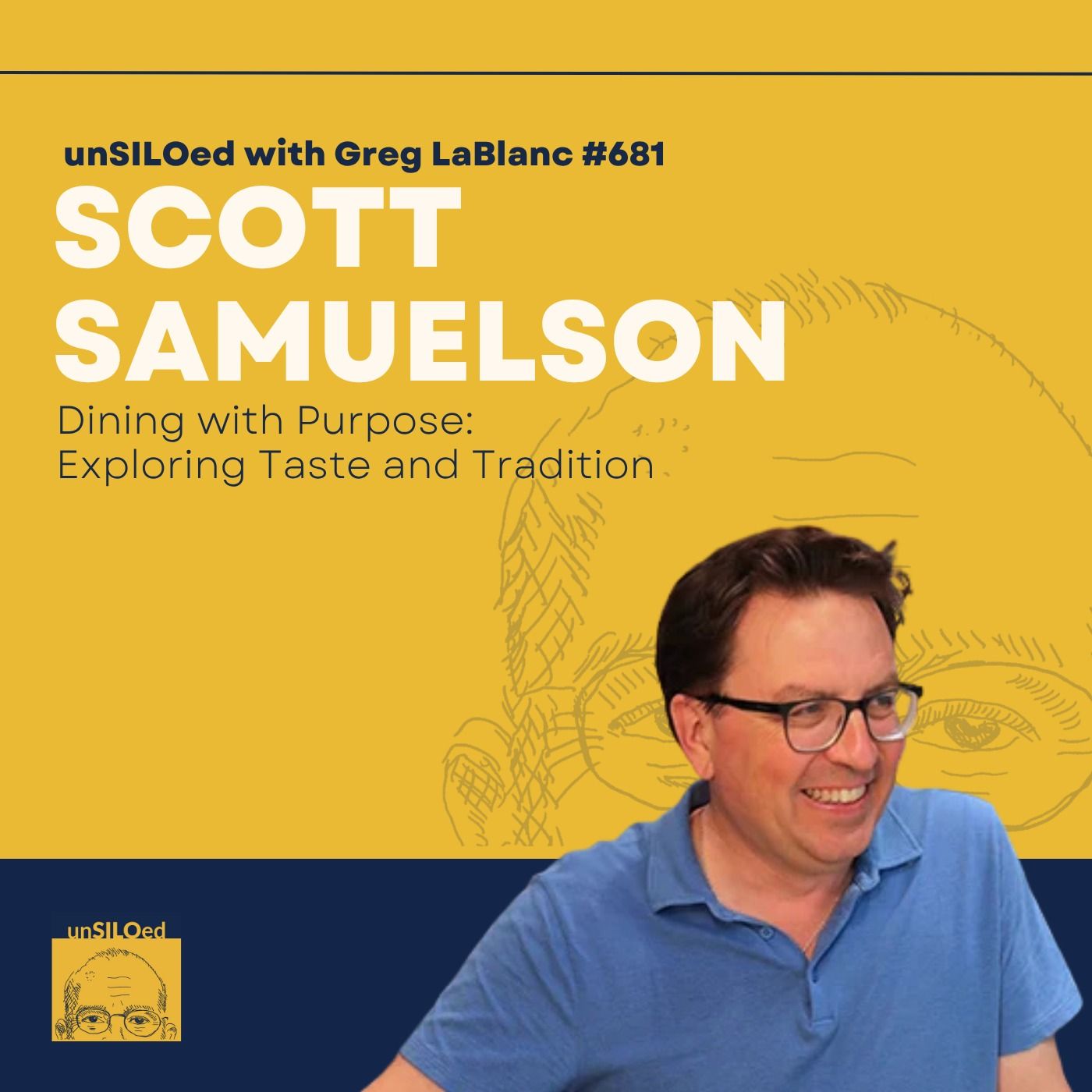
| 9/3/26 | philosophyfood+5 | Scott Samuelson | Iowa State UniversityTo Taste: On Cooking and the Good Life | — | philosophyfood+6 | — | 59m 47s | ||
| 9/1/26 | change managementleadership+4 | Ashley Goodall | University FMNine Lies About Work: A Freethinking Leader’s Guide to the Real World+1 | — | change managementleadership+5 | — | 52m 15s | ||
| 8/27/26 | happinessspending+4 | Elizabeth Dunn | University of British ColumbiaLeave the Lights On: How Joyful Decisions Can Save Our Species+1 | CanadaTED | happinessspending+7 | — | 55m 59s | ||
| 8/24/26 | exponential organizationsorganizational design+3 | Salim Ismail | Exponential Venture CapitalOpenExO+6 | — | exponential organizationsdisruption+3 | — | 55m 42s | ||
| 8/17/26 | AI adoptionorganizational challenges+5 | Carlos Escapa | Across LegalMasia VC+3 | — | AIbusiness strategy+5 | — | 54m 46s | ||
| 8/14/26 | failurelearning+4 | Pascal Finette | RadicalMozilla+3 | — | failurelearning+5 | — | 54m 08s | ||
| 8/10/26 | distractionmedieval monks+5 | Jamie Kreiner | UCLAThe Wandering Mind: What Medieval Monks Tell Us About Distraction | — | distractionmedieval monks+6 | — | 45m 00s | ||
| 8/7/26 | persuasionemotional intelligence+3 | Josh Bandoch | Foundation for Research Into Equal OpportunityHow to Get What You Want: Mastering the Art and Science of Persuasion | — | persuasionemotional intelligence+5 | — | 1h 00m 18s | ||
| 8/5/26 | human innovationAI and technology+5 | Carl Benedikt Frey | University of OxfordHow Progress Ends: Technology, Innovation, and the Fate of Nations | ChinaEurope+1 | innovationAI+7 | — | 52m 44s | ||
| 7/31/26 |  672. Robot-Proof Yourself: Navigating AI's Impact on Work and Life with Vivienne Ming | Vivienne Ming is the executive chair at Human Trust, Founder and Executive Chair at Socos Labs, Professor, and author of the book Robot-Proof: When Machines Have all the Answers, Build Better People. Greg and Vivienne talk about how AI will reshape work and why the common narratives are really “lazy myths.” Vivienne argues that AI is superhuman at well‑posed problems but humans still retain a relative advantage in ‘ill‑posed problems,’ contributing to a U‑shaped labor demand with erosion of jobs in the middle of it. She criticizes benchmark-driven, autonomous AI development and calls for optimizing hybrid intelligence, better education focused on foundation/meta‑learning skills (curiosity, working memory, perspective-taking, intellectual humility). Vivienne and Greg debate the merits of UBI as a solution, when discussing how destabilizing mass unemployment would be, and describes experiments where human‑AI “cyborgs” matched expert prediction markets when participants actively challenged AI rather than copying it. She ultimately delivers her message of hope for the future and belief in the humanity of humans. *unSILOed Podcast is produced by University FM.* | 58m 22s | ||||||
| 7/28/26 | 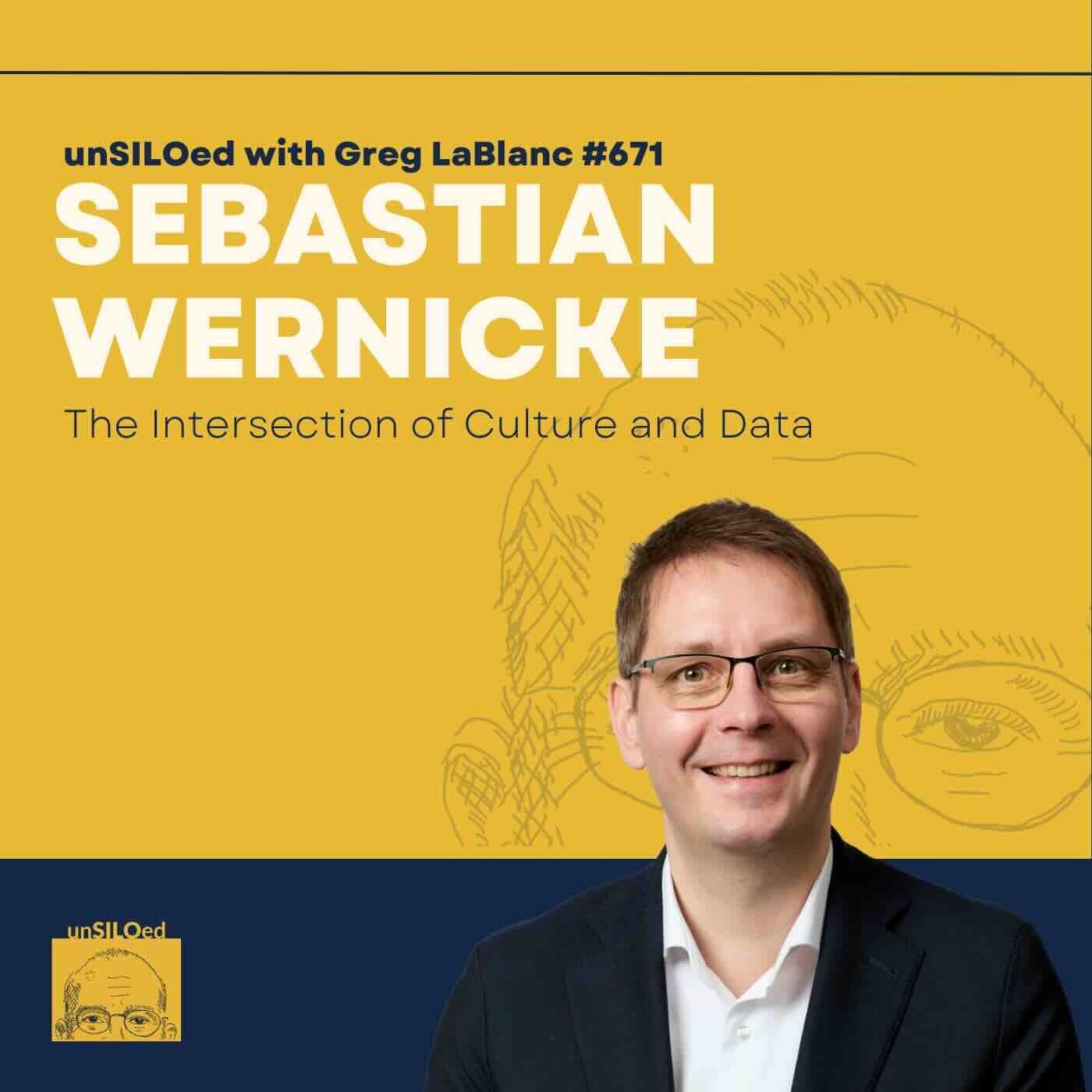 671. The Intersection of Culture and Data with Sebastian Wernicke | Dr. Sebastian Wernicke is a data scientist, a partner at Oxera Consulting, and author of the new book Data Inspired: Building an Organizational Culture of Inquiry for Lasting Transformation. Sebastian talks with Greg about why he thinks culture, not tools, is the biggest obstacle to effective data/AI adoption. Sebastian critiques the “data deficit” assumption that more data yields obvious answers, arguing data often increases complexity and should drive inquiry, psychological safety, and willingness to be proven wrong. They contrast data-driven optimization with a data-inspired mindset that also asks “what if” questions to enable transformation, noting A/B testing examples like Google’s “50 shades of Blue” experiment don’t generalize out to most business decisions. Sebastian also explains why initiatives fail when they treat technology as the hard part, while they ignore tacit decision-making, incentives, and workflows, and rely on pilots/lighthouse projects that don’t scale. He outlines strategy using Rumelt’s framework, discusses silos vs “swamps,” leadership behavior, and why CDO/AI roles need explicit transformation mandates, resources, and CEO-level support. *unSILOed Podcast is produced by University FM.* | 56m 21s | ||||||
| 7/24/26 | 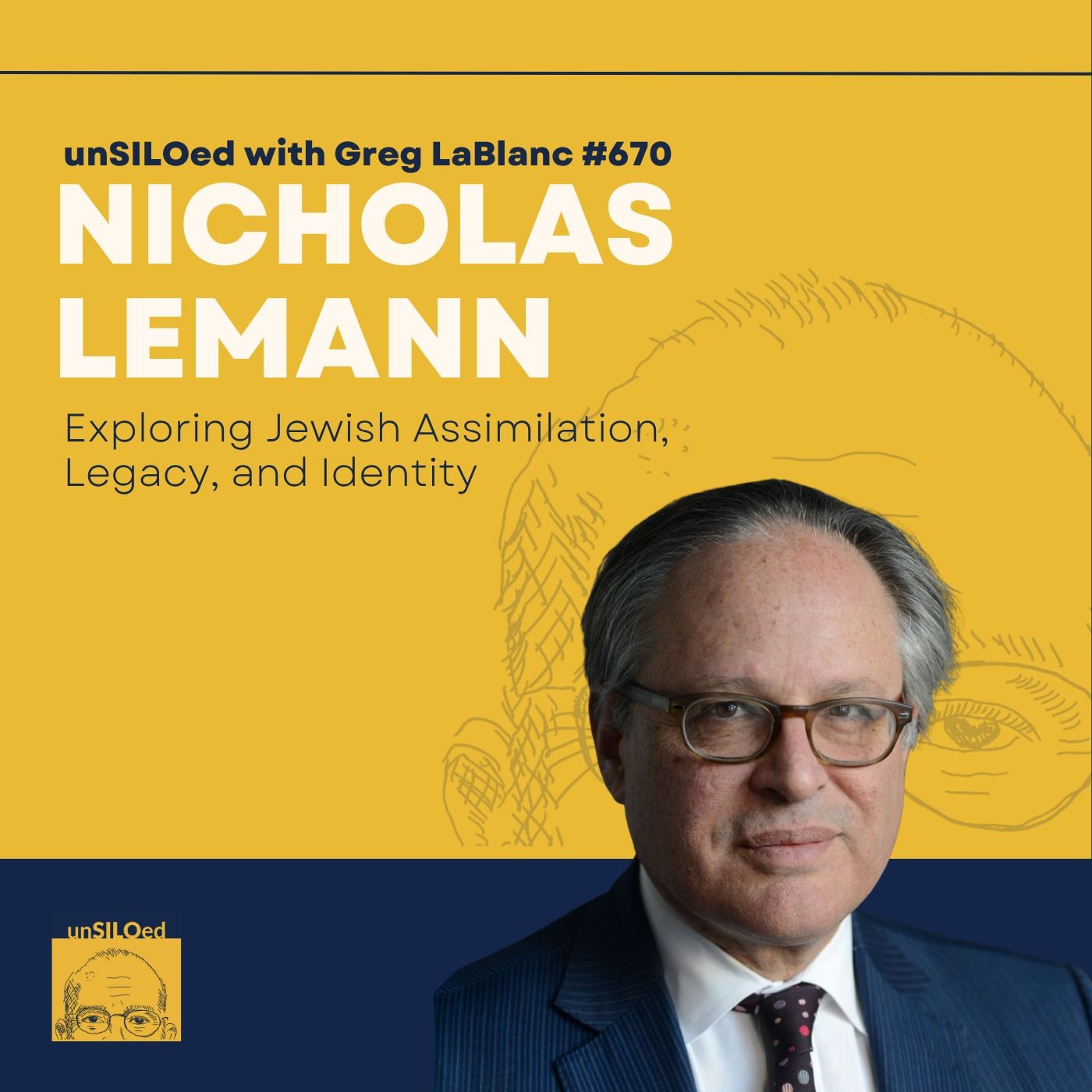 670. Exploring Jewish Assimilation, Legacy, and Identity with Nicholas Lemann | Nicholas Lemann is the Pulitzer-Moore Professor of Journalism at Columbia University and a staff writer for The New Yorker. He is the author of several books, including Higher Admissions: The Rise, Decline, and Return of Standardized Testing, Transaction Man: The Rise of the Deal and the Decline of the American Dream, and most recently, Returning: A Search for Home Across Three Centuries. Greg speaks with Nicholas about Returning, his memoir tracing five generations of his German Jewish family in New Orleans. Nicholas reflects on how the pursuit of acceptance led many German Jews to downplay their Jewish identity, distance themselves from Eastern European Jewish immigrants, and oppose Zionism, before describing his own gradual return to Jewish tradition and community later in life. From there, the conversation broadens into a discussion about the changing role of identity and institutions in American life. Greg and Nicholas explore the decline of religious and ethnic identity, the growing secularization of academia and journalism, and how changing ideas of merit, belonging, and fairness have shaped debates over standardized testing, affirmative action, and elite college admissions. Finally, they discuss Transaction Man, examining the rise and fall of the “company man,” the shift from stakeholder-oriented corporations to shareholder primacy, and Nicholas’s argument that today’s more individualistic, network-driven society has transformed how people find purpose, stability, and community. unSILOed Podcast is produced by University FM. | 1h 01m 21s | ||||||
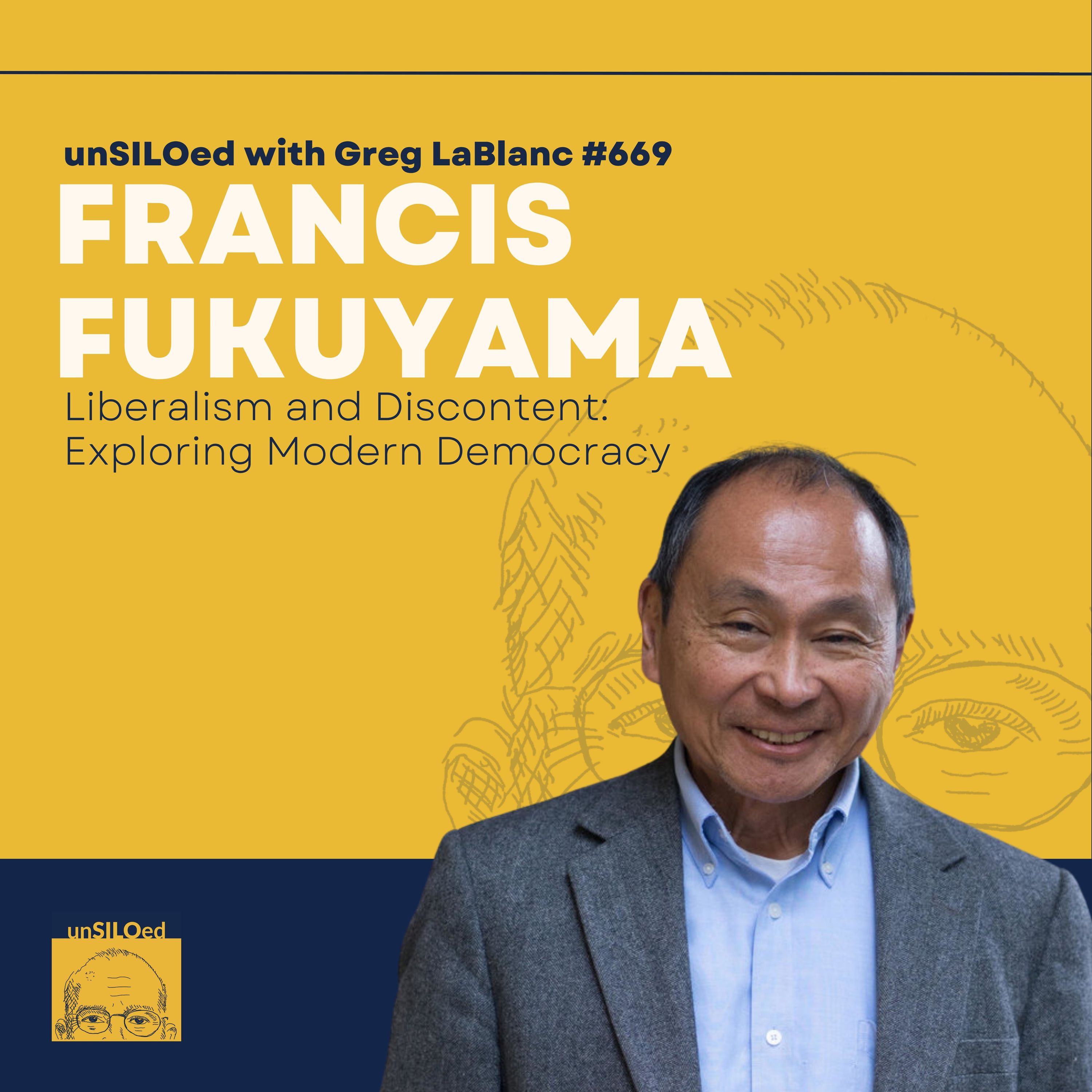
| 7/21/26 | modern democracyliberalism+4 | Francis Fukuyama | Stanford UniversityFreeman Spogli Institute for International Studies+5 | — | liberalismdemocracy+6 | — | 57m 44s | ||
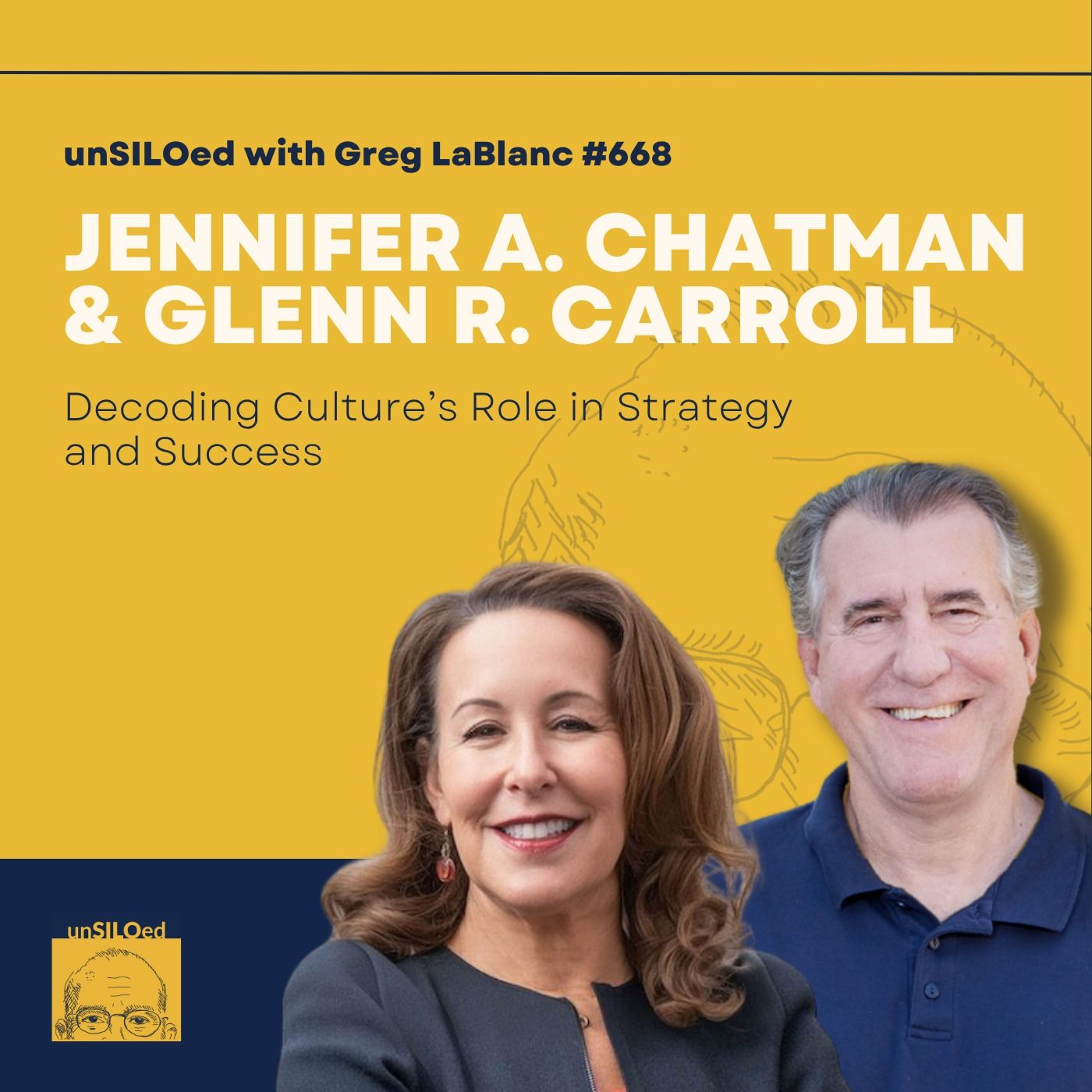
| 7/15/26 | organizational cultureleadership+4 | Jennifer A. ChatmanGlenn R. Carroll | Haas School of BusinessStanford University+4 | — | organizational cultureleadership+6 | — | 55m 49s | ||
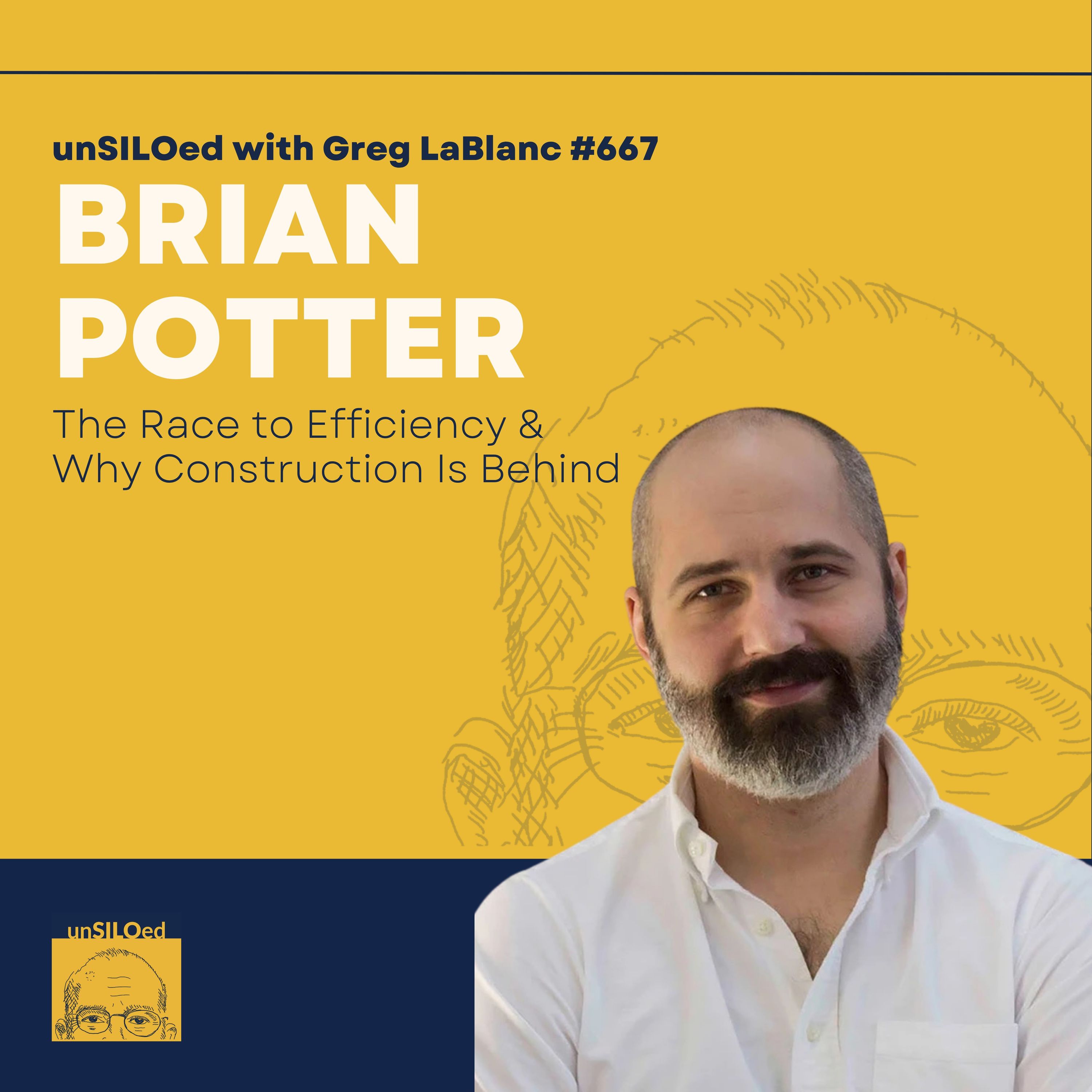
| 7/8/26 | construction industryefficiency+4 | Brian Potter | Institute for ProgressThe Origins of Efficiency | — | constructionefficiency+5 | — | 46m 14s | ||
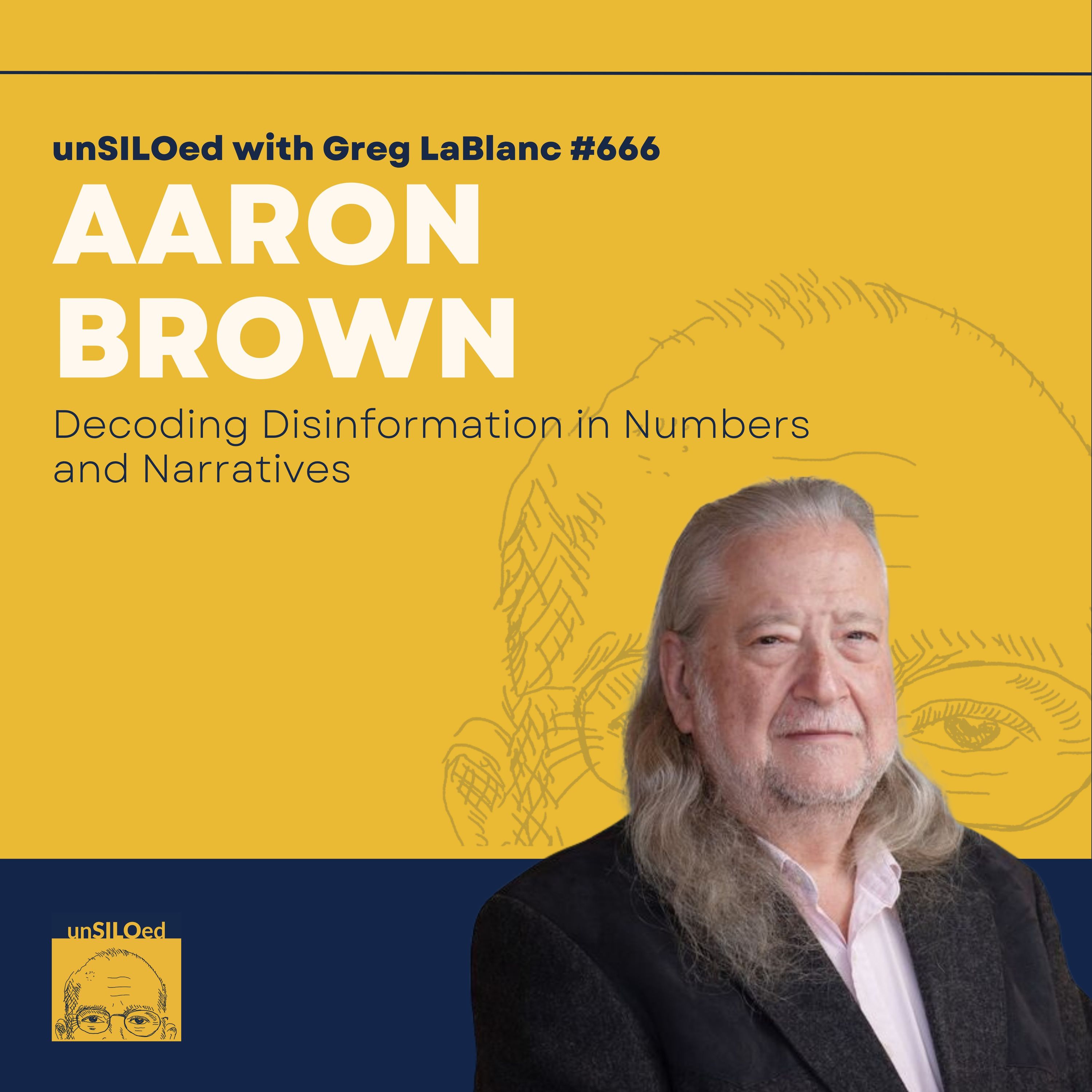
| 7/7/26 | disinformationquantitative analysis+4 | Aaron Brown | AQRNTSB+5 | — | disinformationquantitative studies+5 | — | 57m 19s | ||
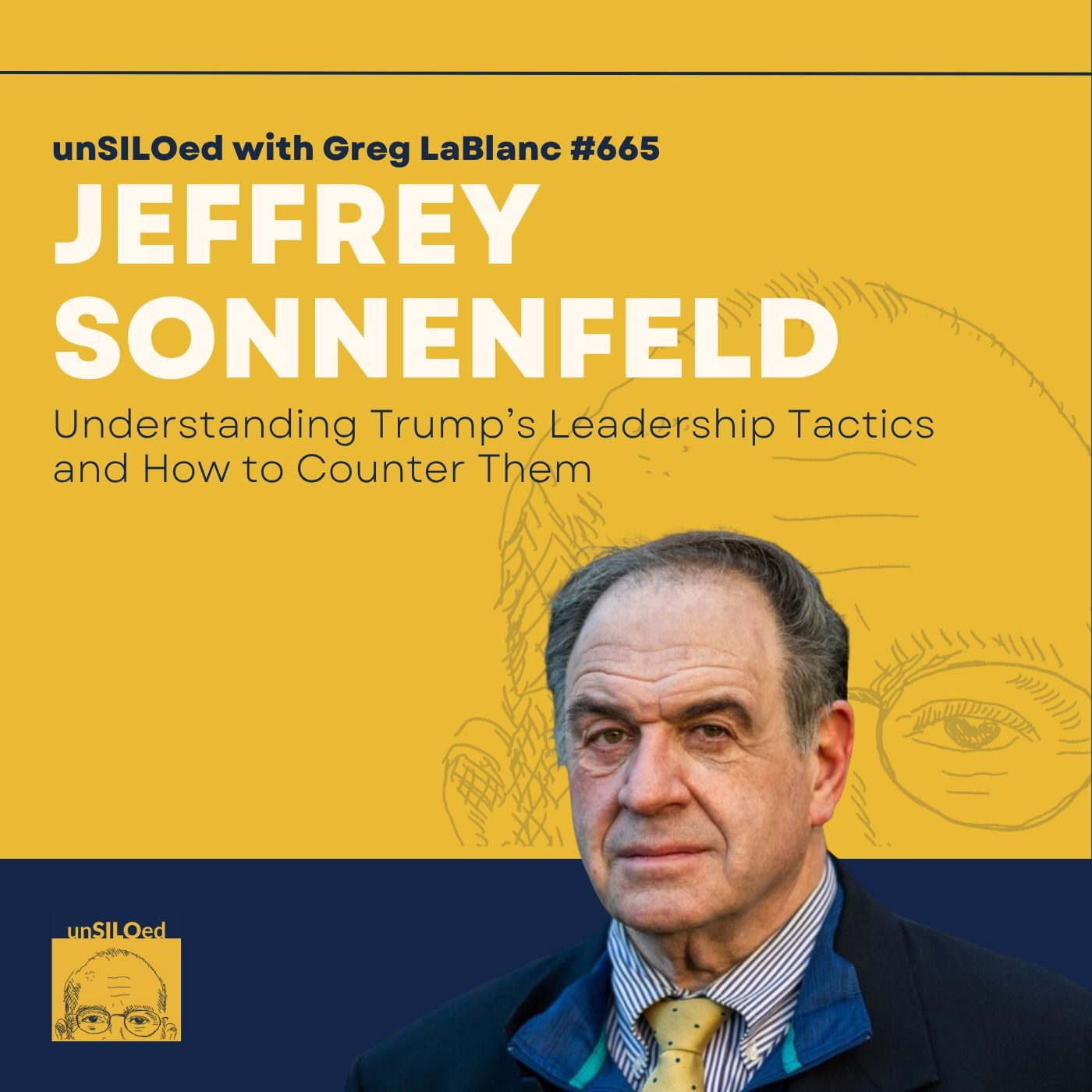
| 7/3/26 | leadership tacticsDonald Trump+3 | Jeffrey Sonnenfeld | Yale School of ManagementTrump University+3 | — | Trumpleadership+5 | — | 1h 02m 36s | ||
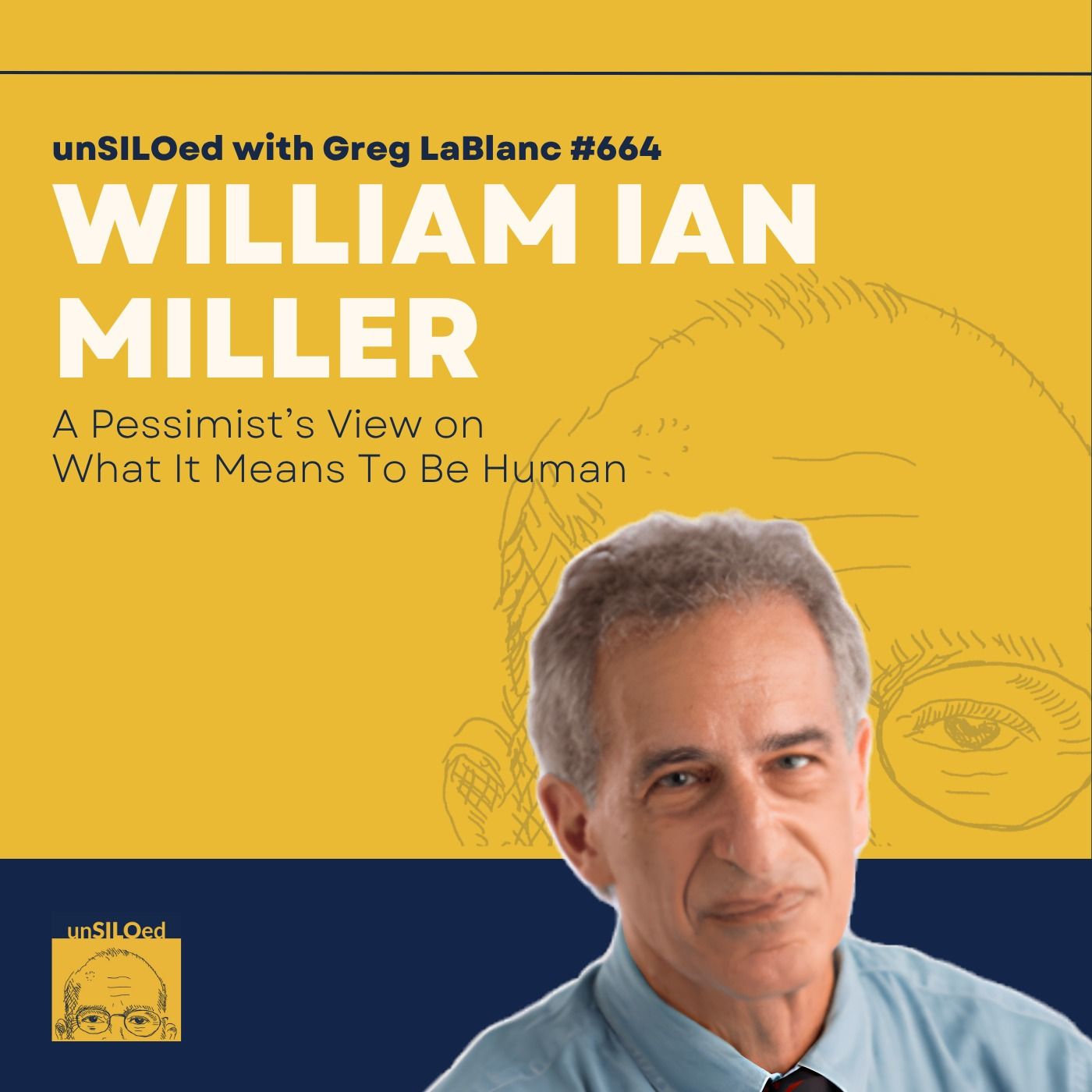
| 6/30/26 | social psychologyancient texts+4 | William Ian Miller | University of MichiganBloodtaking and Peacemaking: Feud, Law, and Society in Saga Iceland+3 | — | social psychologyancient texts+7 | — | 1h 00m 08s | ||
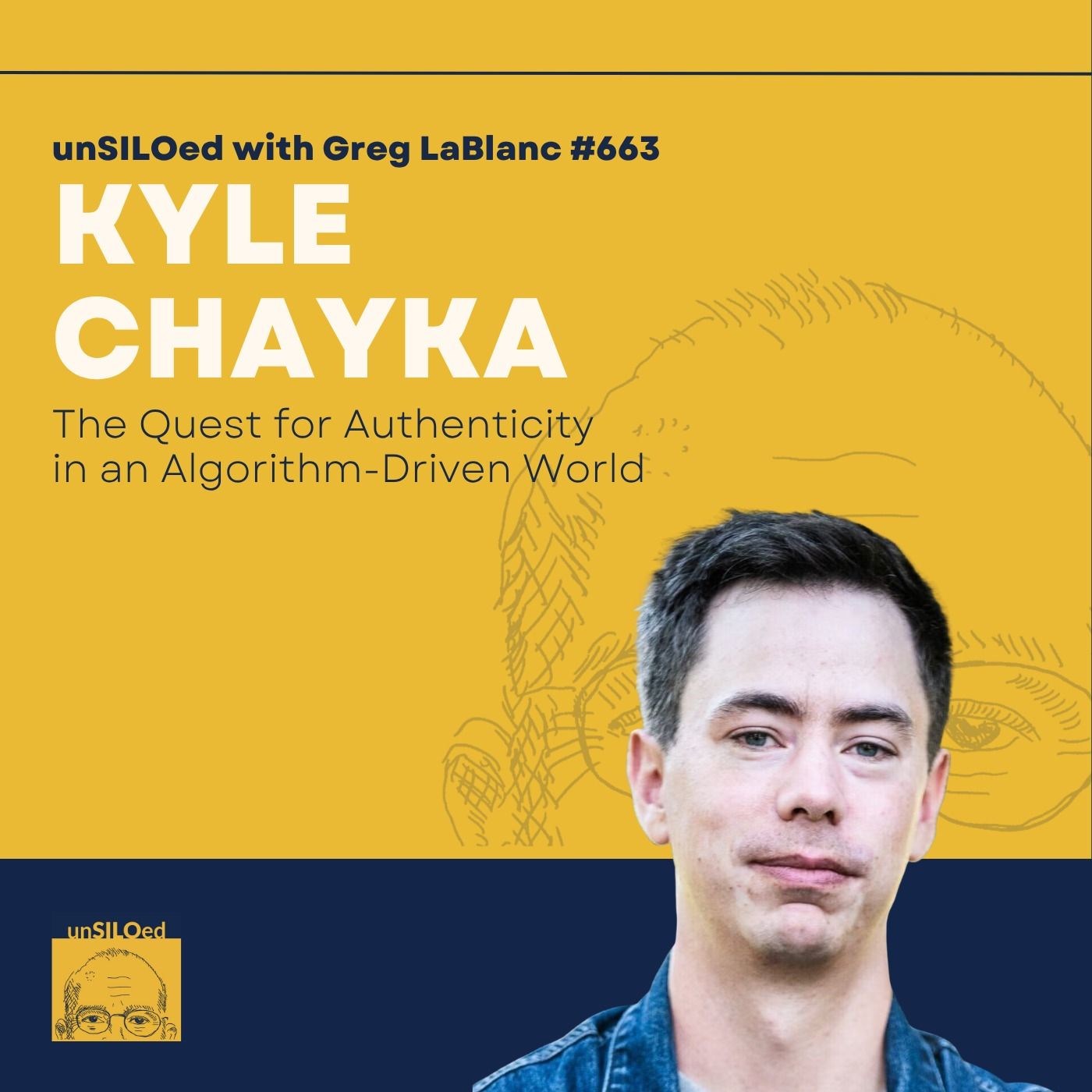
| 6/25/26 | authenticityalgorithm-driven culture+5 | Kyle Chayka | New YorkerSpotify+2 | — | algorithmsculture+6 | — | 53m 09s | ||
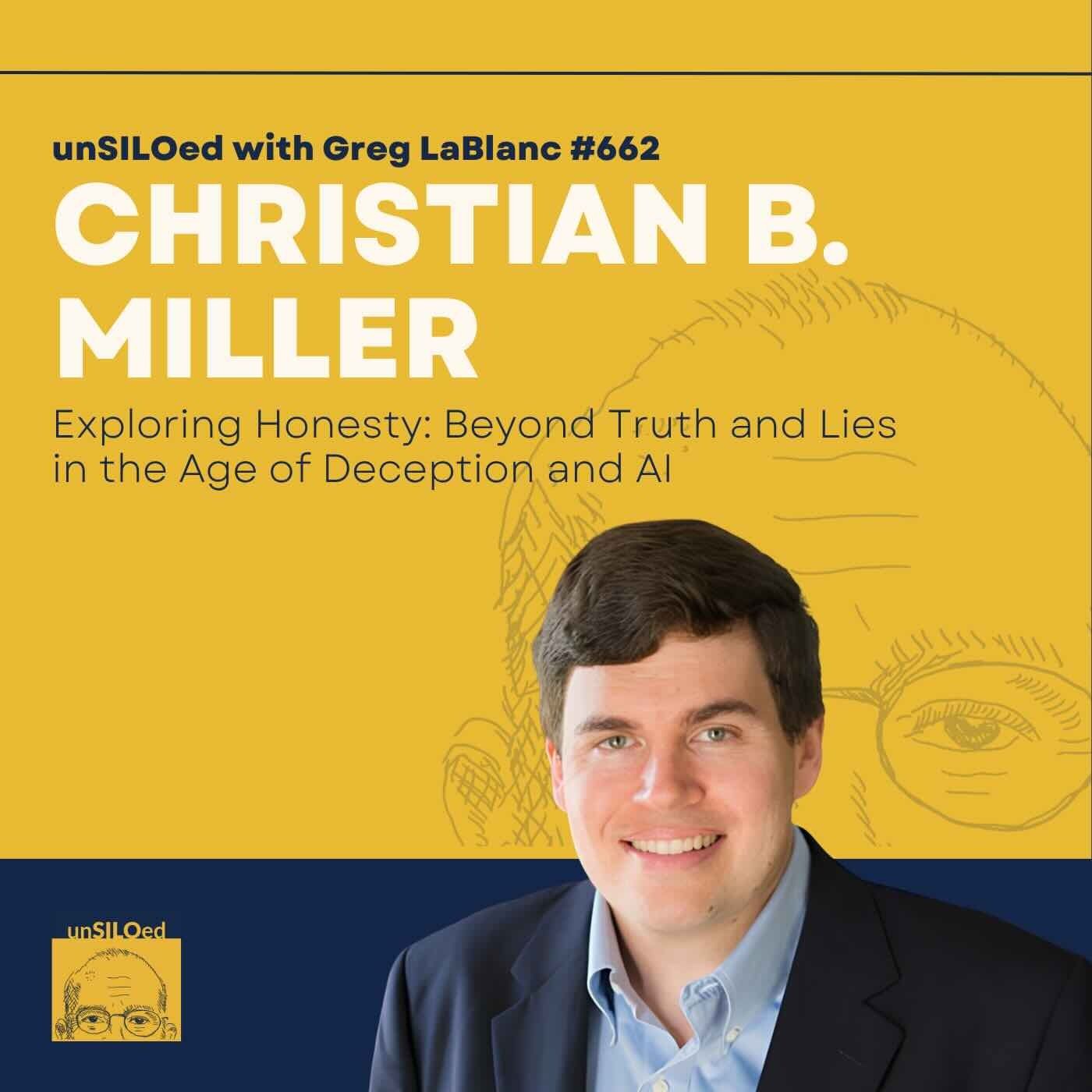
| 6/23/26 | honestydeception+4 | Christian B. Miller | Wake Forest UniversityThe Honesty Crisis | — | honestydeception+5 | — | 51m 29s | ||
| 6/18/26 | AImarketing strategy+3 | Nicolas Darveau-Garneau | Garneau Digital AdvisorsGoogle+1 | — | AI systemsmarketing metrics+3 | — | 55m 25s | ||
| 6/16/26 | critical theorybusiness education+5 | Peter Fleming | University of Technology SydneyDark Academia: How Universities Die+2 | — | critical theorybusiness education+6 | — | 50m 16s | ||
| 6/11/26 | science journalismacademic silos+4 | Matt Kaplan | The EconomistNIH+4 | — | science journalismacademic silos+5 | — | 59m 49s | ||
| 6/8/26 | Alzheimer's preventionbrain health+4 | Dale Bredesen | Pacific Neuroscience InstituteBuck Institute+2 | — | Alzheimer'sbrain health+7 | — | 1h 00m 38s | ||
| 6/4/26 | AI ethicsprediction+5 | Carissa Véliz | Institute for Ethics in AIHertford College+2 | — | AIprediction+8 | — | 50m 11s | ||
| 6/2/26 | startup governanceshareholder primacy+4 | Eric Ries | The Lean StartupNovo Nordisk+5 | — | startup governanceshareholder primacy+6 | — | 58m 30s | ||
| 5/28/26 | artificial intelligenceDeepMind+4 | Sebastian Mallaby | Council on Foreign RelationsDeepMind+1 | — | DeepMindartificial general intelligence+5 | — | 49m 38s | ||
| 5/25/26 | mind-body relationshippredictive coding+5 | Jo Marchant | In Search of Now: The Science of the Present MomentCure: A Journey into the Science of Mind Over Body | — | predictive brainsplacebo+5 | — | 1h 00m 06s | ||
| 5/21/26 | wellbeingpurpose+4 | Tom Rath | How Full Is Your Bucket?What's the Point? Turning Purpose Into Your Daily Superpower | — | purposewellbeing+5 | — | 56m 40s | ||
| 5/19/26 | Enlightenment philosophymortality+4 | Joanna Stalnaker | Columbia UniversityThe Rest Is Silence: Enlightenment Philosophers Facing Death+1 | — | Enlightenmentphilosophy+8 | — | 52m 28s | ||
| 5/14/26 | revolutionpolitical science+4 | Dan Edelstein | Stanford UniversityThe Revolution to Come: A History of an Idea from Thucydides to Lenin+4 | — | revolutionEnlightenment+4 | — | 53m 25s | ||
| 5/12/26 | behavioral scienceclimate change+4 | Nick Chater | Warwick Business SchoolIt's on You: How Corporations and Behavioral Scientists Have Convinced Us That We’re to Blame for Society's Deepest Problems | — | nudge policiesgreen energy+5 | — | 56m 00s | ||
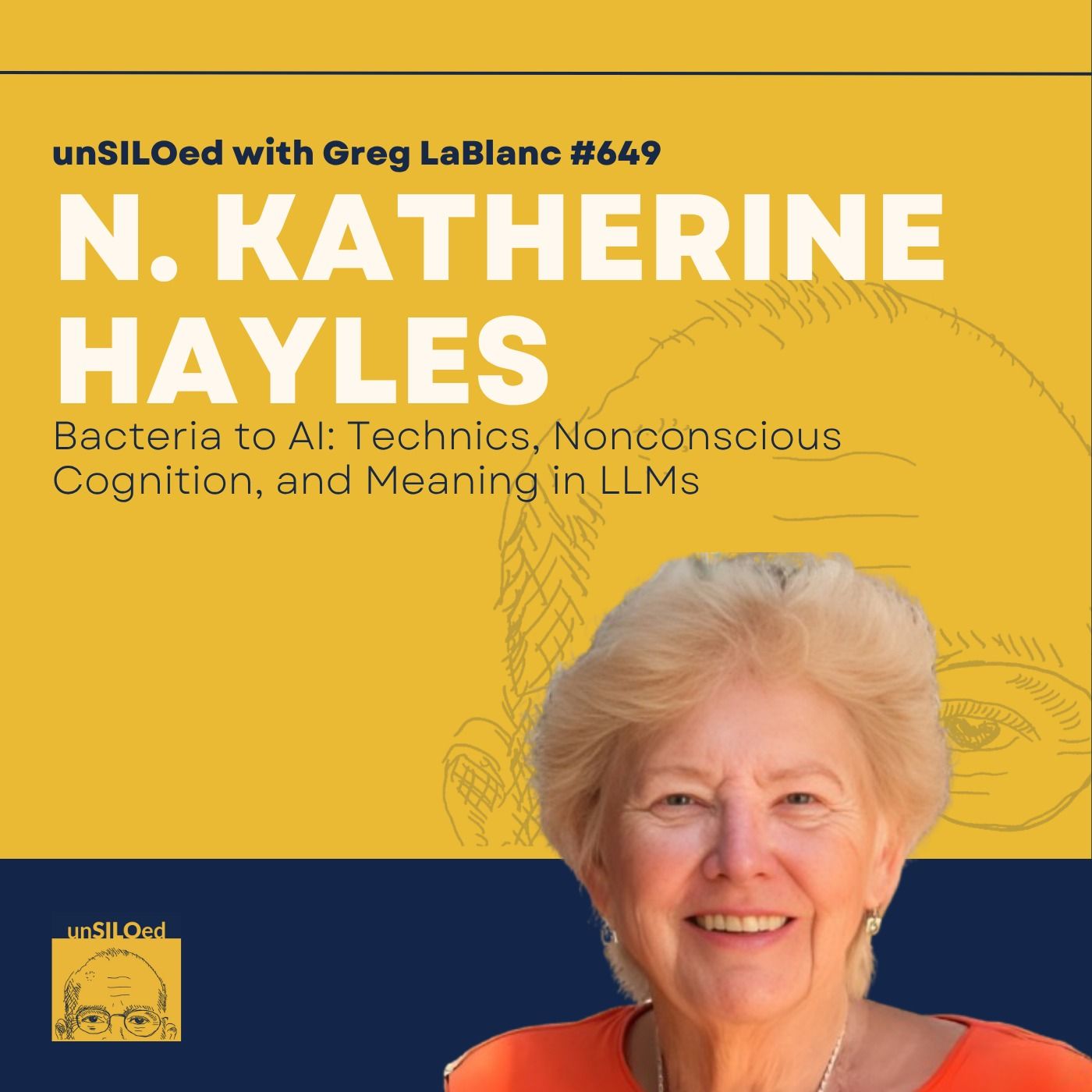
| 5/8/26 | AIcognition+4 | N. Katherine Hayles | UCLADuke University+1 | — | AIcognition+6 | — | 1h 00m 11s | ||
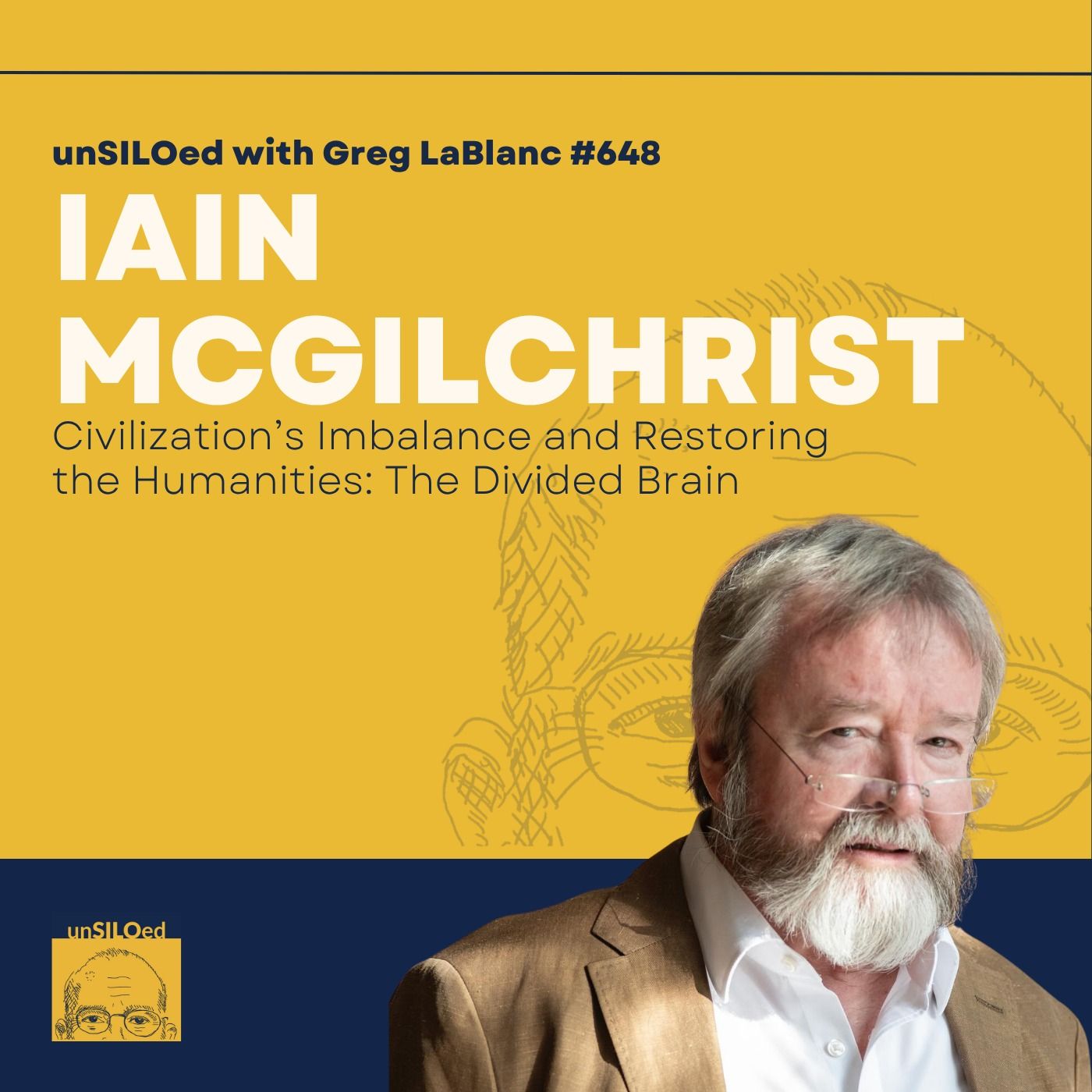
| 5/5/26 | divided brainhumanities+4 | Iain McGilchrist | Oxford UniversityWays of Attending: How our Divided Brain Constructs the World+2 | — | hemispheric differencescultural flourishing+4 | — | 1h 08m 51s | ||
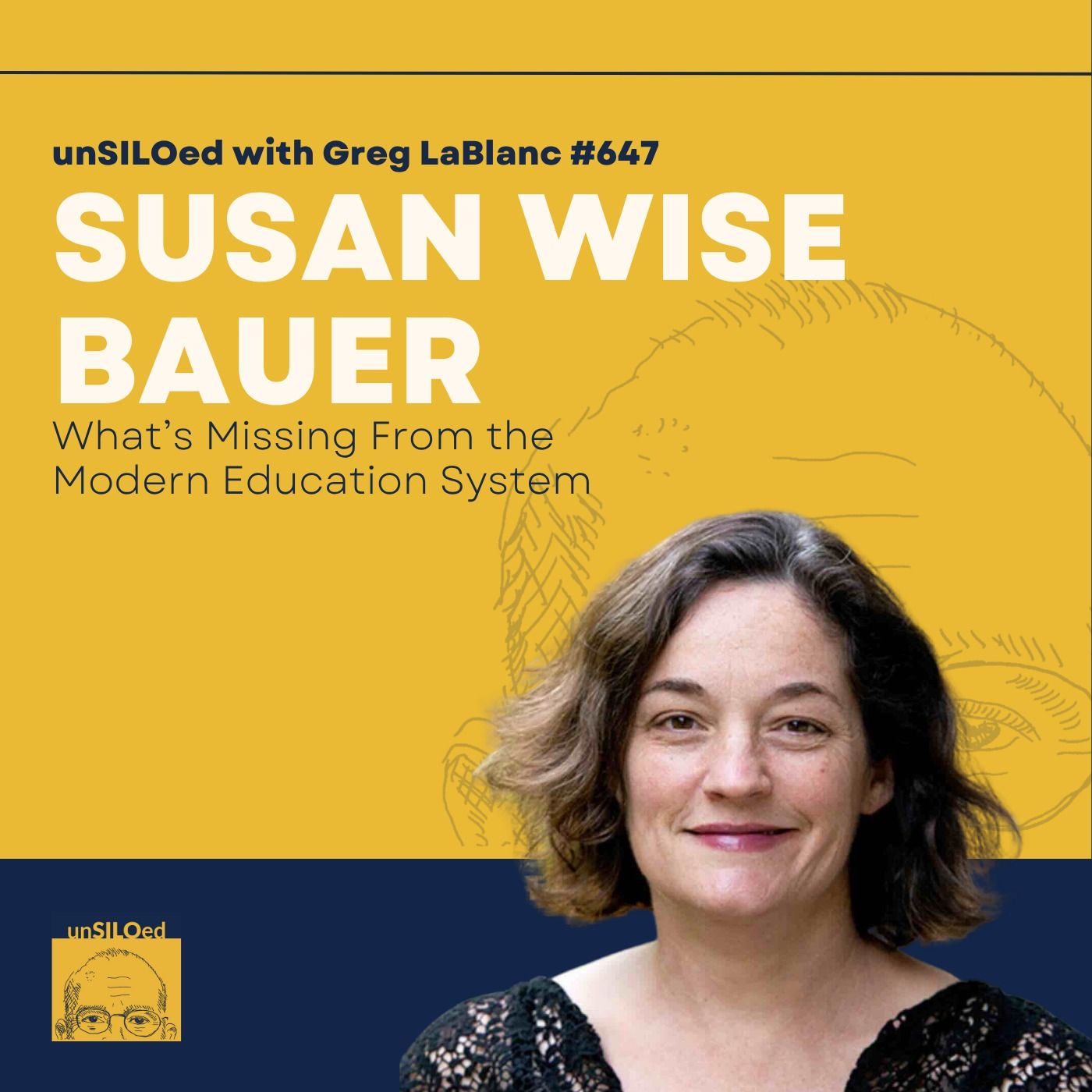
| 5/1/26 | modern education systemclassical education+4 | Susan Wise Bauer | College of William and MaryThe History of the World series+3 | — | educationclassical education+5 | — | 50m 49s | ||
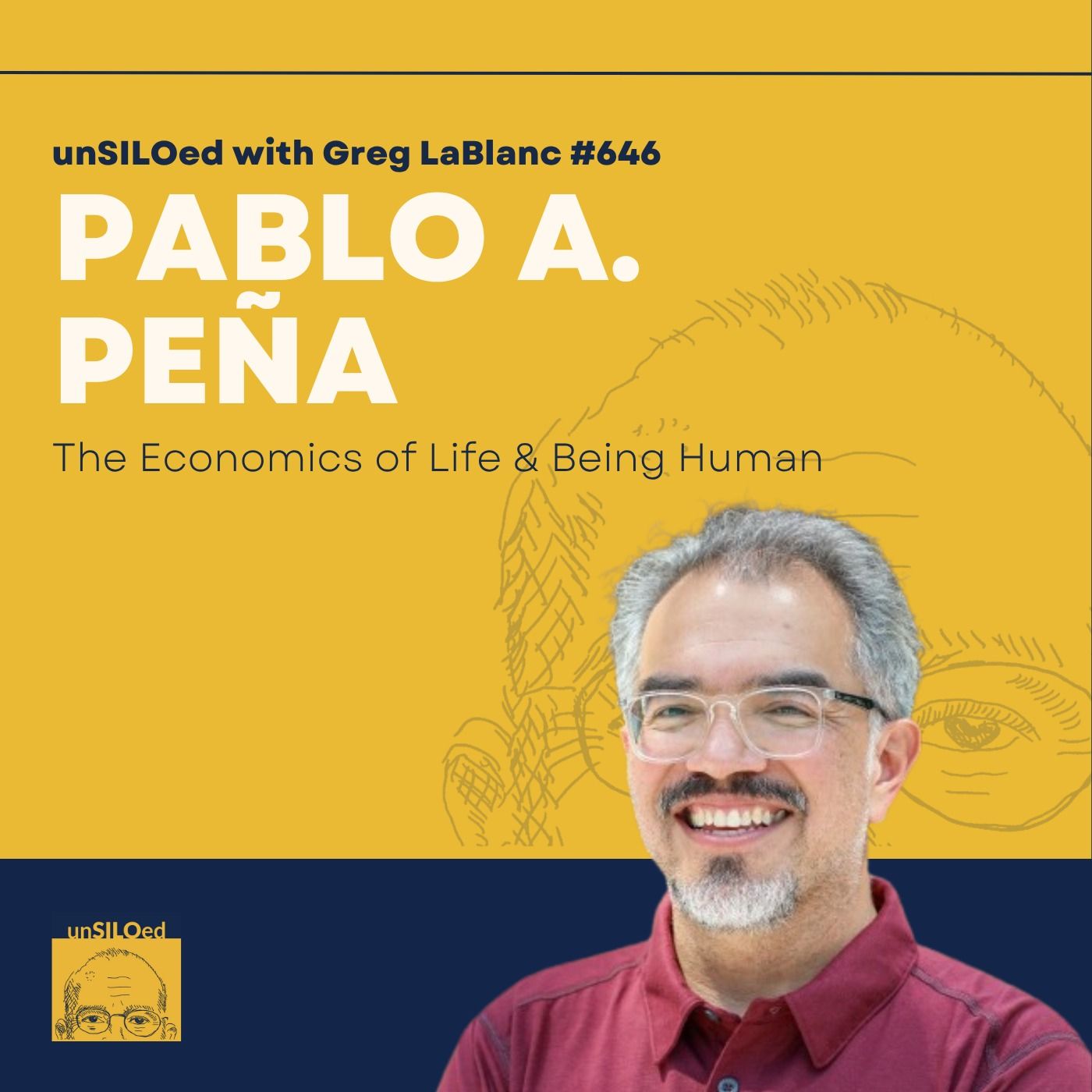
| 4/29/26 | economicshuman capital+4 | Pablo A. Peña | University of ChicagoHuman Capital for Humans: An Accessible Introduction to the Economic Science of People | — | economicshuman capital+6 | — | 57m 45s | ||
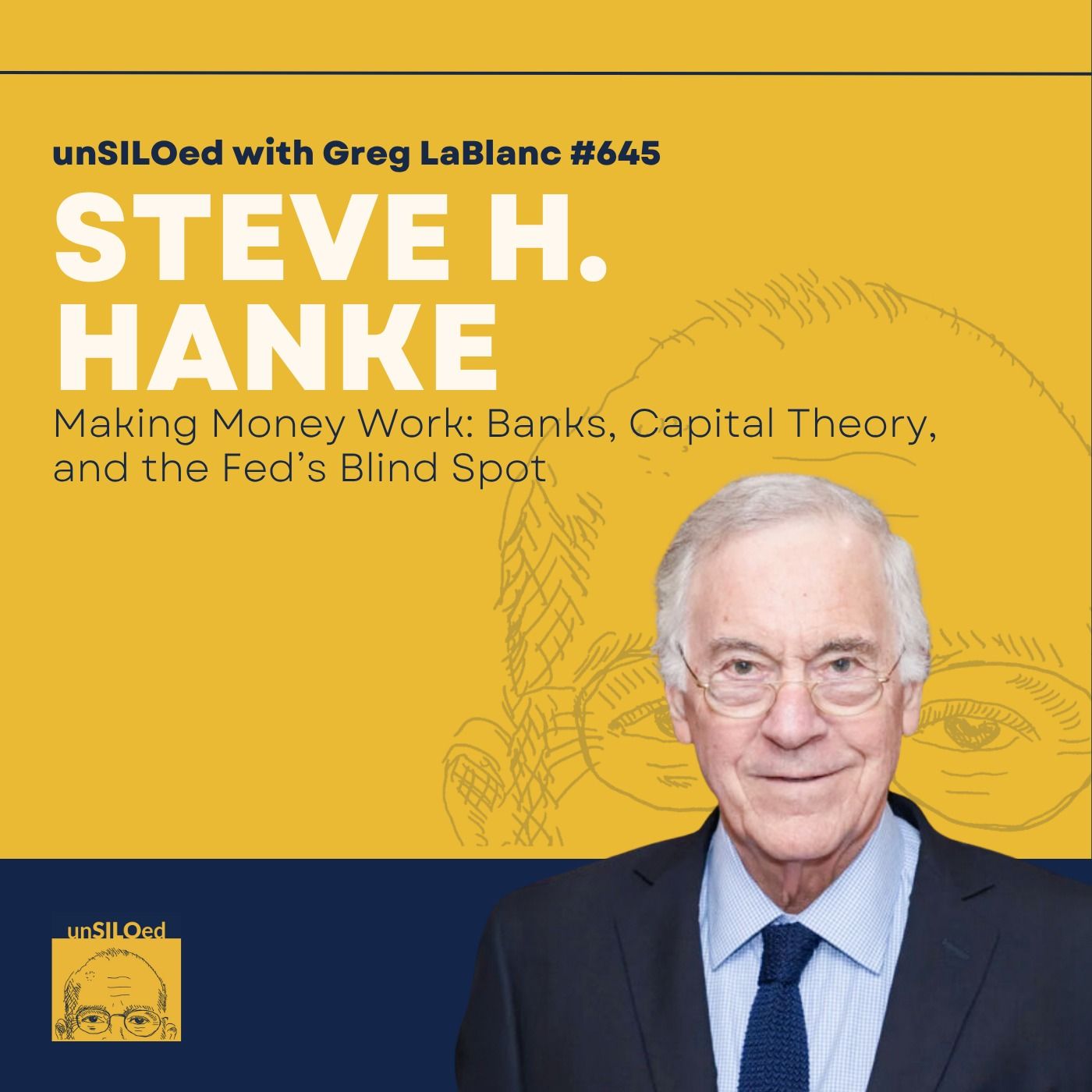
| 4/27/26 | macroeconomicsbanking+4 | Steve H. Hanke | Johns Hopkins UniversityMaking Money Work: How to Rewrite the Rules of Our Financial System | — | macroeconomicsbanks+6 | — | 1h 11m 36s | ||
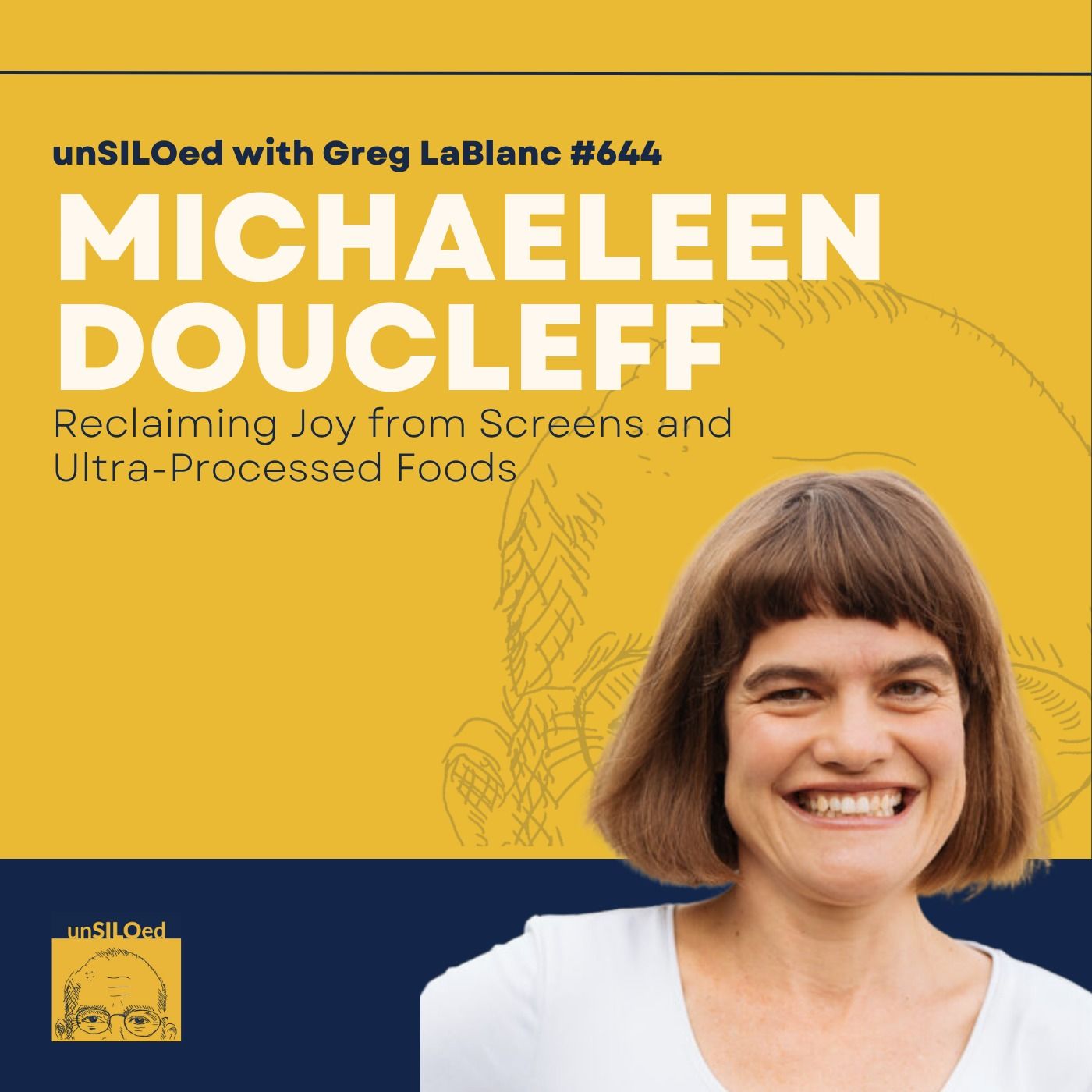
| 4/24/26 | screen timeultra-processed foods+4 | Michaeleen Doucleff | NPRHunt, Gather, Parent+1 | — | screen timeprocessed food+4 | — | 58m 41s | ||
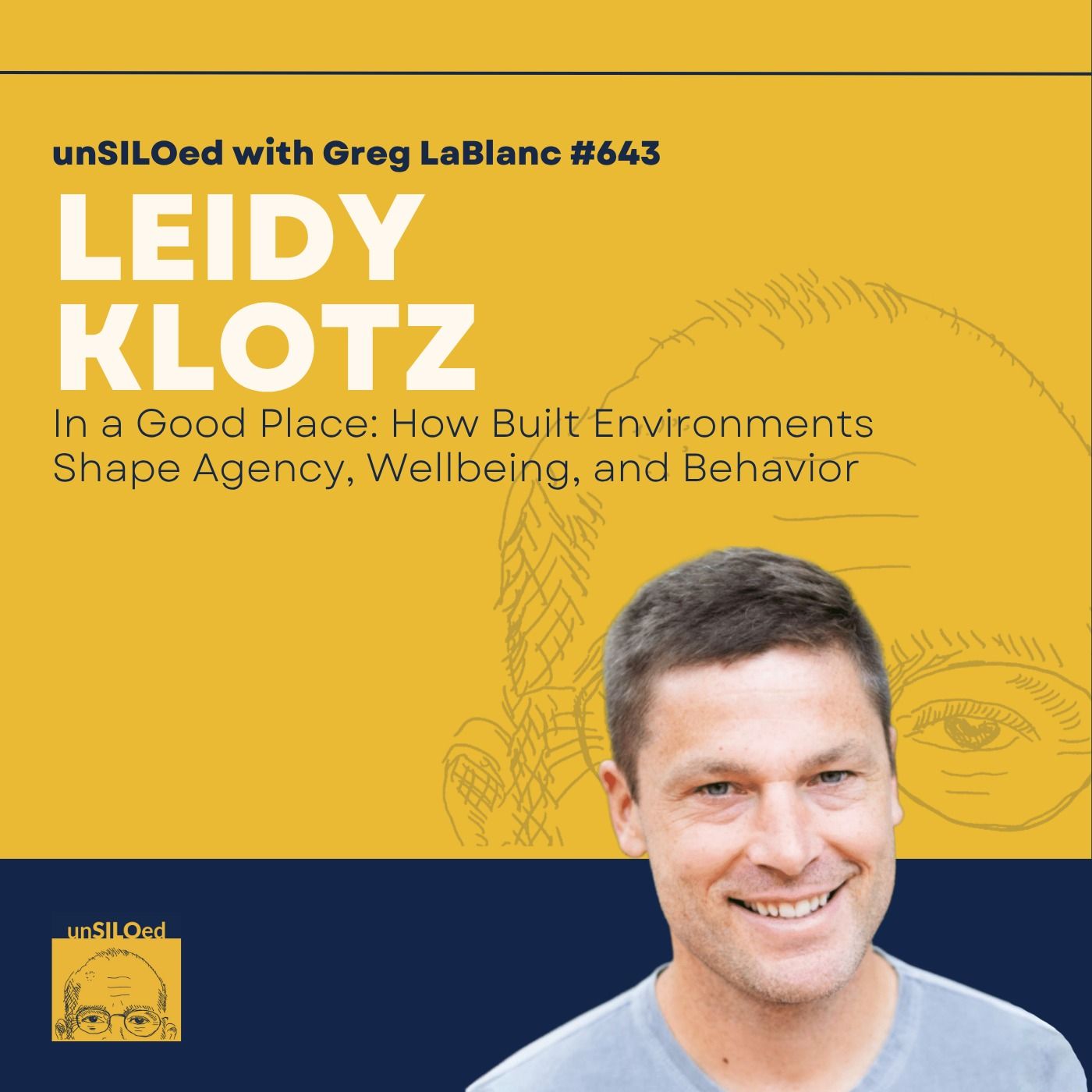
| 4/22/26 | built environmentswellbeing+4 | Leidy Klotz | University FMSubtract: The Untapped Science of Less+2 | — | broken-windows theorycultural messages+5 | — | 54m 16s | ||
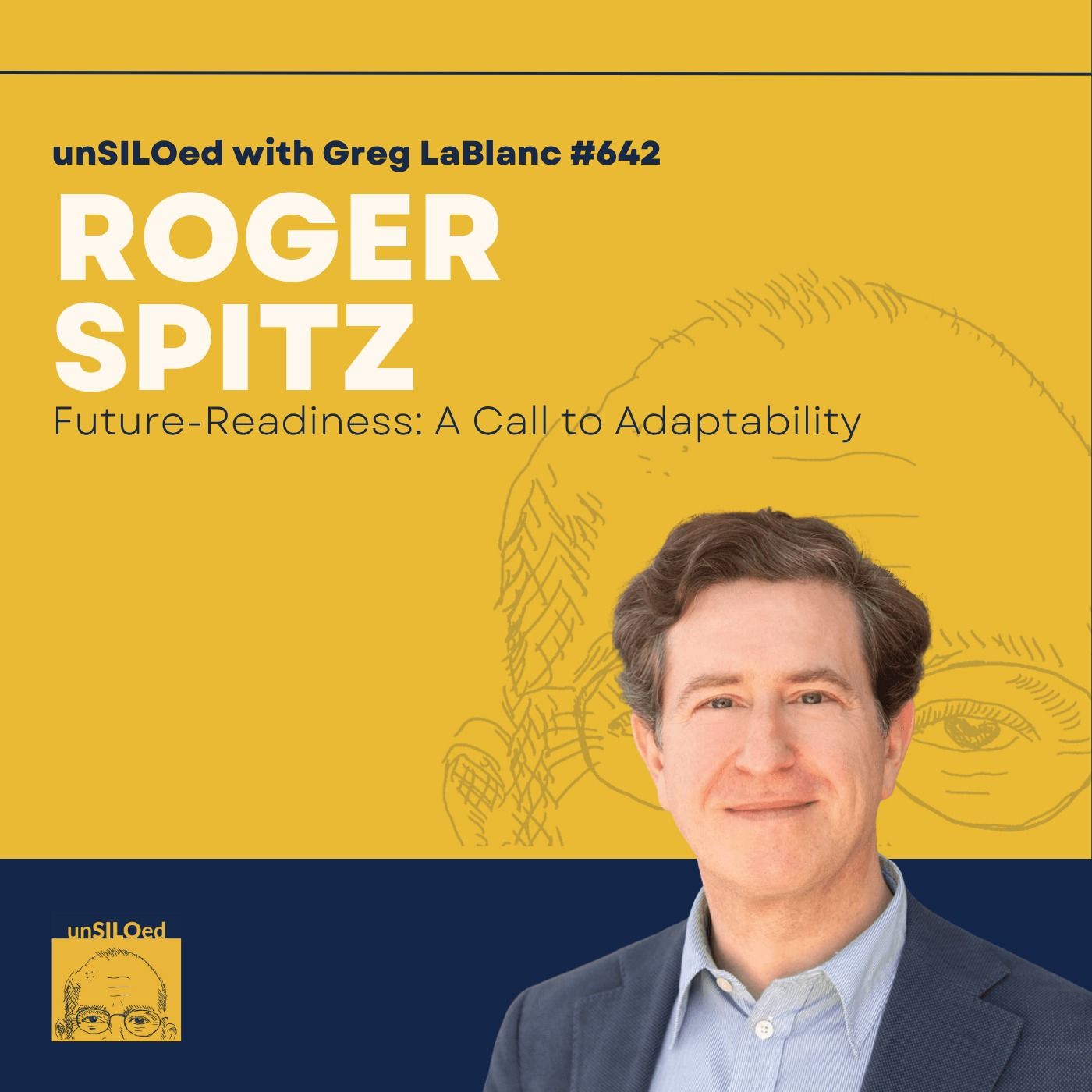
| 4/20/26 | future-readinessadaptability+5 | Roger Spitz | TechistentialDisrupt With Impact: Achieve Business Success in an Unpredictable World+1 | — | future-readinessadaptability+5 | — | 58m 10s | ||
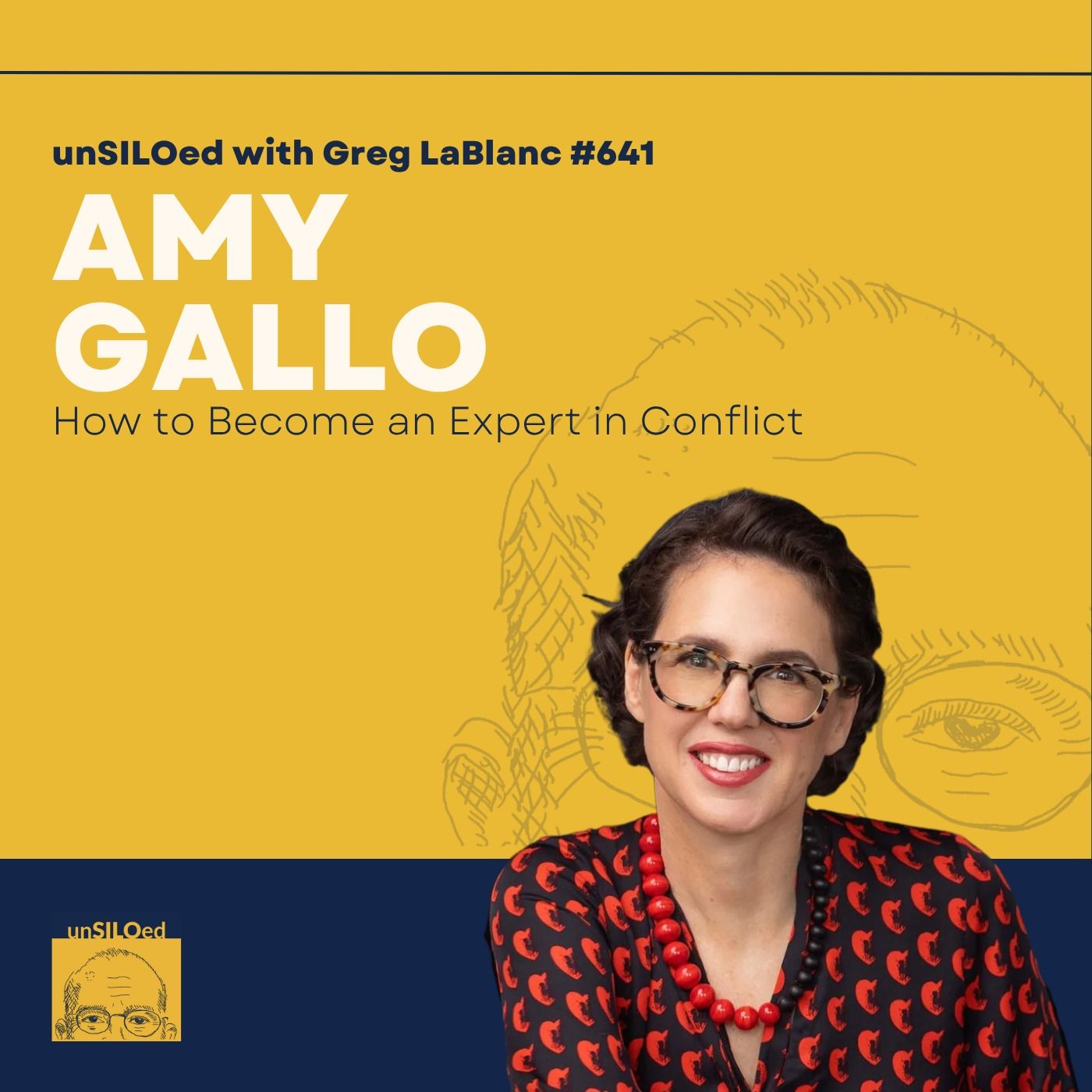
| 4/16/26 | conflict managementorganizational culture+3 | Amy Gallo | Harvard Business ReviewHBR Guide to Dealing with Conflict+1 | — | conflictorganization+5 | — | 56m 02s | ||
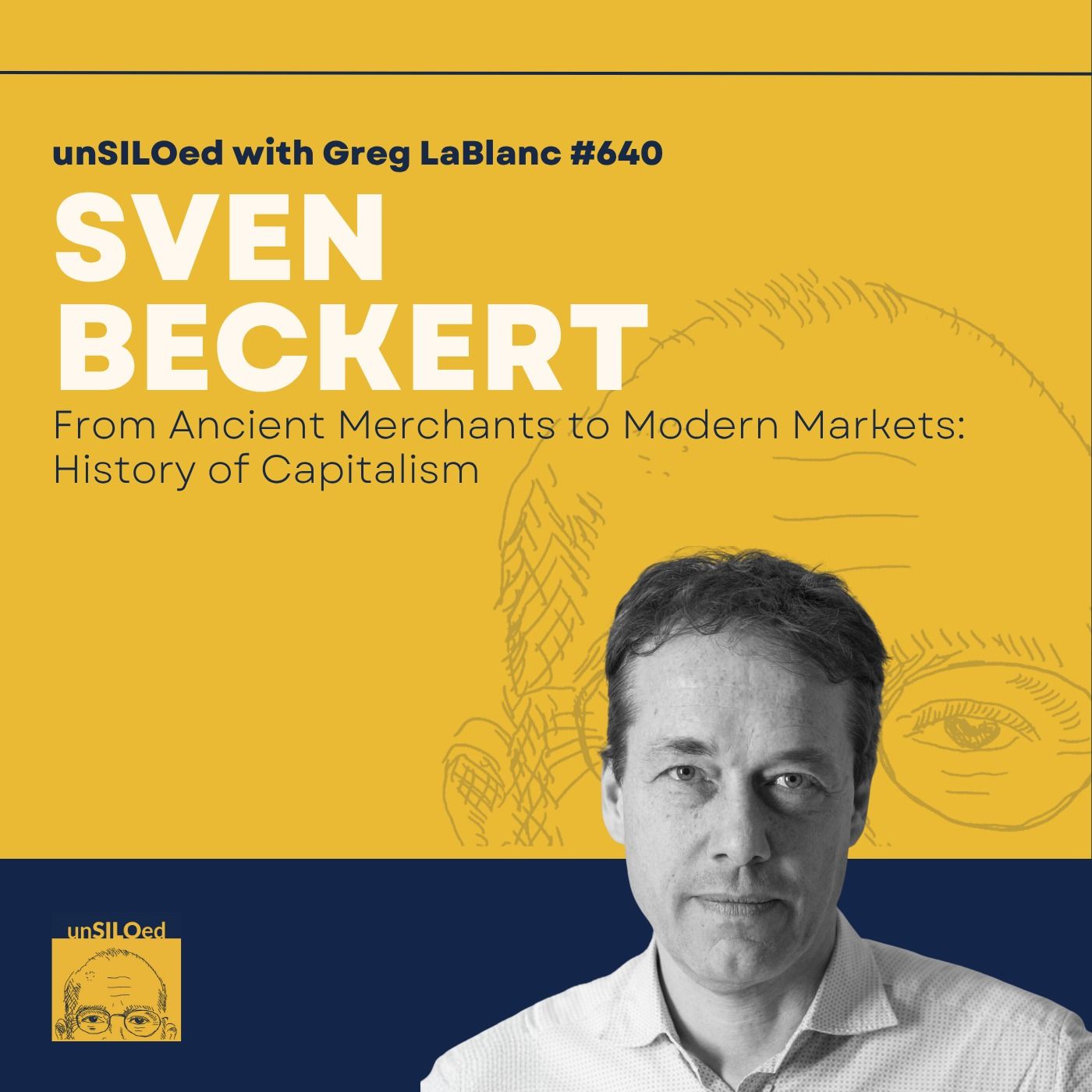
| 4/13/26 | history of capitalismmerchant networks+5 | Sven Beckert | Harvard UniversityCapitalism: A Global History+2 | — | capitalismhistory+5 | — | 52m 22s | ||
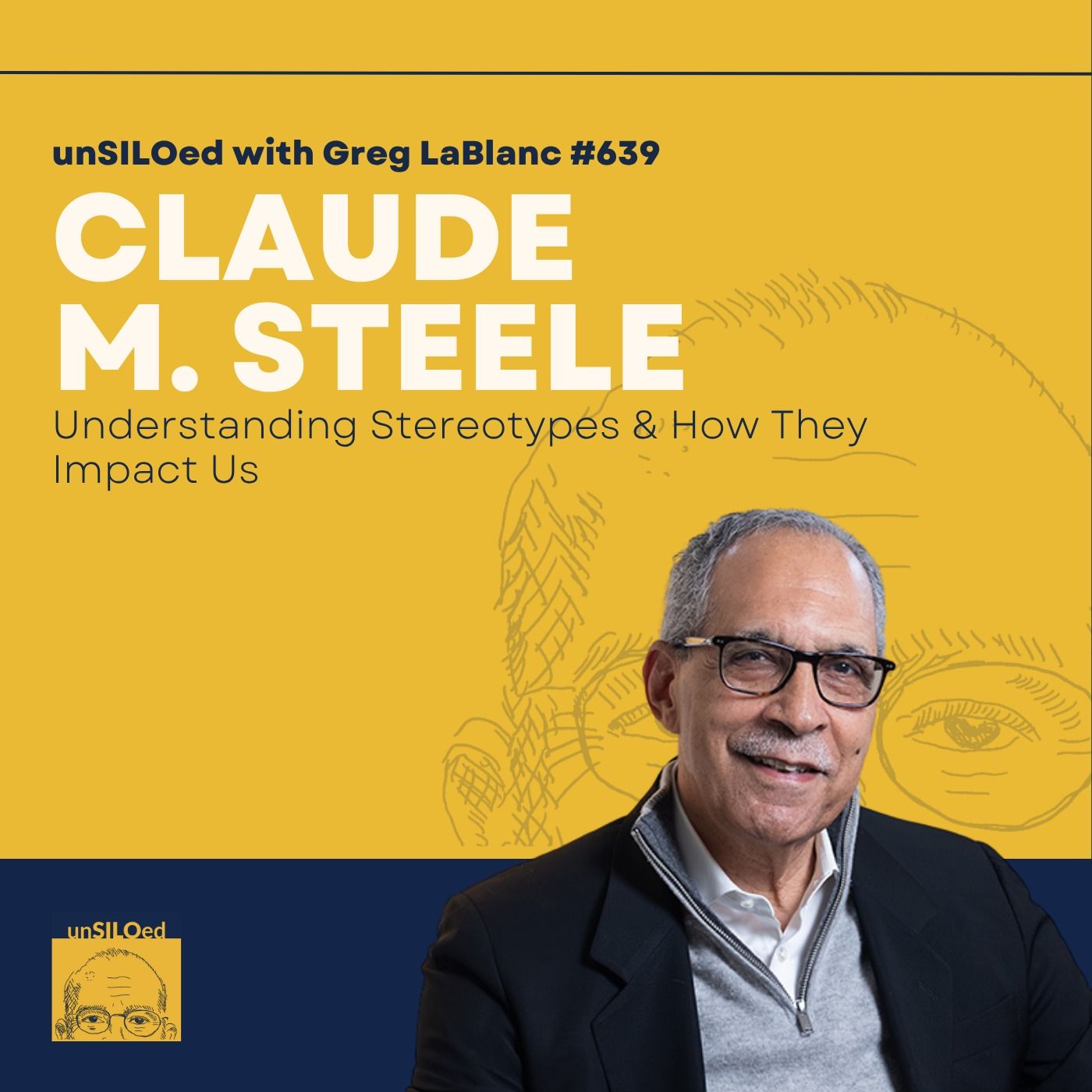
| 4/9/26 | stereotypesidentity+4 | Claude Steele | Stanford UniversityWhistling Vivaldi+1 | — | stereotypesidentity+6 | — | 50m 11s | ||
Showing 54 of 681
Pitch Fit is a Pro feature
See how bookable this show is for guests, which brands already advertise, the per-episode ad value, and the best-fit guest and sponsor profile. The numbers are blurred on the free plan.
How readily this show books outside guests like you.
How proven this show is for host-read sponsorships.
For Guests
ProFor Advertisers
ProUpgrade to Pro to unlock guest cadence, sponsor categories, fit scores, and per-episode ad value for this show.