How I Work
by Amantha Imber
Is this your podcast?On the show
From 43 epsHost
Recent guests
Recent episodes
Your prompts are stuck in 2025. Here are 5 fixes
Oct 18, 2026
12m 10s
REPLAY: Why you feel busy all the time (even when you’re not), with Laura Vanderkam
Oct 14, 2026
36m 05s
Your custom GPTs and Gems are going away. Here's how to save them.
Oct 11, 2026
7m 51s
The Work Edit: The AI skill that saves me 200 minutes a week. Here's how to build yours.
Oct 7, 2026
33m 25s
AI is a terrible brainstormer (until you do this)
Oct 4, 2026
13m 34s
Insights from recent episode analysis
Audience Interest
Podcast Focus
Publishing Consistency
Platform Reach
Insights are generated by CastFox AI using publicly available data, episode content, and proprietary models.
Most discussed topics
Brands & references
Total monthly reach
Based on 1 signal.
Built from
By chart position
- 🇦🇺Australia · Education#681.2K to 6.3K
- Per-Episode Audience
Est. listeners per new episode within ~30 days
1.2K to 6.3K🎙 Daily cadence·745 episodes·Last published yesterday - Monthly Reach
Unique listeners across all episodes (30 days)
4.0K to 21K🇺🇸71%🇦🇺29% - Active Followers
Loyal subscribers who consistently listen
2.2K to 12K
Market Insights
Platform Distribution
Reach across major podcast platforms, updated hourly
Total Followers
—
Total Plays
—
Total Reviews
—
* Data sourced directly from platform APIs and aggregated hourly across all major podcast directories.
Social Links & Contact
Official channels & resources
Official Website
Login
RSS Feed
Login
| Date | Episode | Topics | Guests | Brands | Places | Keywords | Sponsor | Length | |
|---|---|---|---|---|---|---|---|---|---|
| 10/18/26 |  Your prompts are stuck in 2025. Here are 5 fixes | Some prompts have been with you for a year or more. They open with a grand persona for the AI, add a few rules in capital letters, and finish with a request to think it all through. They worked well once, and lately the results feel slightly off. The AI models have changed, and a few of the habits we picked up in 2024 and 2025 now work against us. In this How I AI episode, Neo and I walk through five ways good prompting has changed as of October 2026. You will come away with a simple way to tighten up the prompts you rely on most. What you’ll learn: What a persona really changes in an AI response When a goal and a finished example beat step-by-step instructions Why asking AI to think through its answer can backfire How to add emphasis without boxing the AI in What a good checklist looks like before AI hands work back Practical AI tools for productivity and focus Real-world AI workflows used by high performers How to use AI at work without burning out Smart shortcuts for managing time and mental load Connect with Neo Aplin on LinkedIn (https://www.linkedin.com/in/neoaplin/) and via inventium.ai (https://inventium.ai), where he leads Inventium's AI training and upskilling work with organisations and teams. Find out more about Inventium AI’s training programs at inventium.ai How I AI with Dr Amantha Imber and Neo Aplin explores how high performers are using AI at work to boost productivity, make better decisions and reduce overwhelm. Want more practical ways to put AI to work? You can now follow How I AI separately on Spotify or Apple Podcasts so you never miss an episode. My latest book The Energy Game is out now. You can order a copy here: https://amzn.to/48ID29M Connect with me on the socials: Linkedin (https://www.linkedin.com/in/amanthaimber) Instagram (https://www.instagram.com/amanthai) If you are looking for more tips to improve the way you work and live, I write a weekly newsletter where I share practical and simple to apply tips to improve your life. You can sign up for that at https://amantha.substack.com/ Visit https://www.amantha.com/podcast for full show notes from all episodes. Get in touch at [email protected] Credits: Host: Amantha Imber Sound Engineer: Martin Imber See omnystudio.com/listener for privacy information. | 12m 10s | ||||||
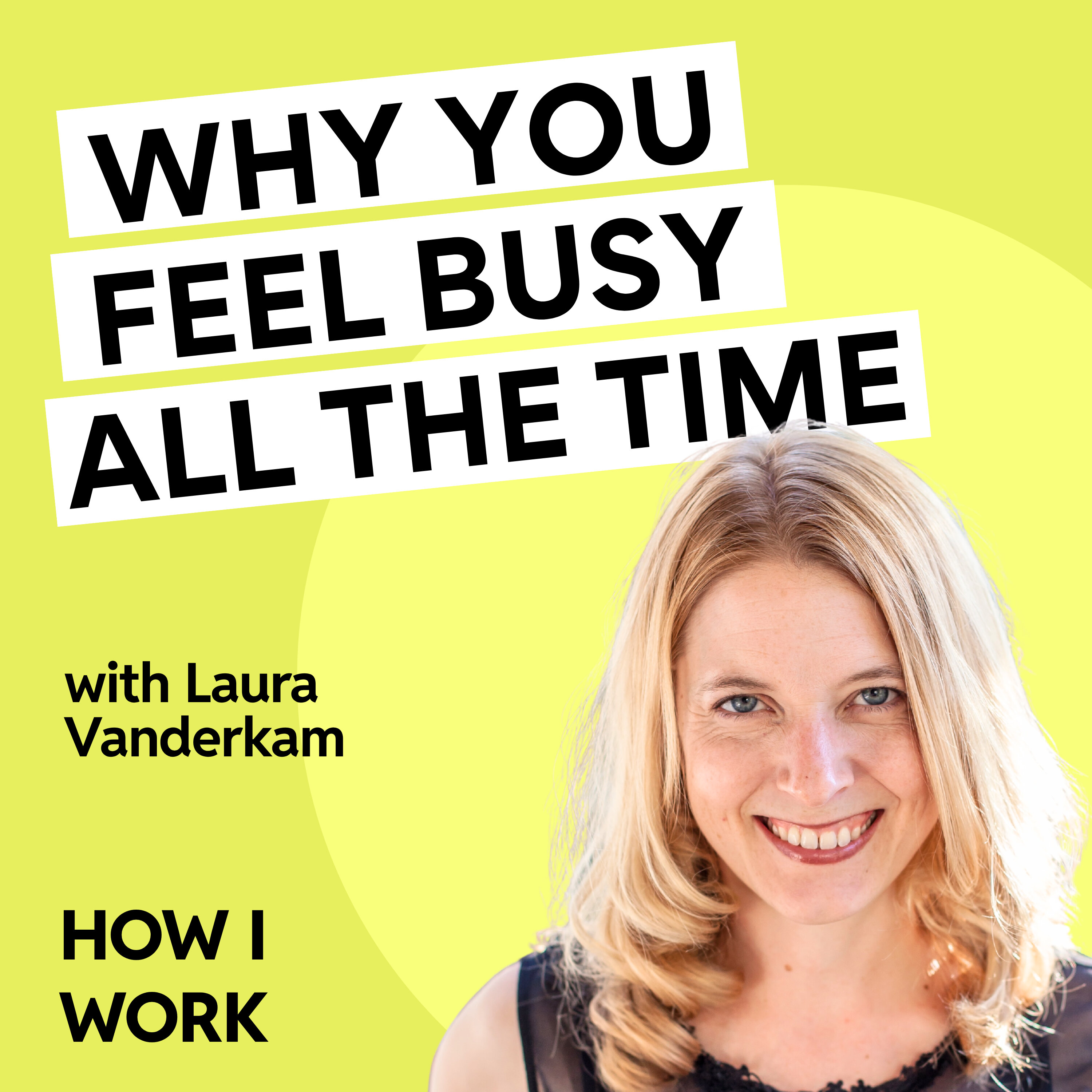
| 10/14/26 |  REPLAY: Why you feel busy all the time (even when you’re not), with Laura Vanderkam | **REPLAY** What would you do with four extra hours a day? Probably say you don't have them. But according to Laura Vanderkam, one of the world's leading thinkers on time, they're already there. You're just not seeing them. Laura has tracked her own time for 11 years. She's run large-scale time-tracking studies with hundreds of participants. And what she keeps finding is the same thing: the stories we tell ourselves about our time are almost always wrong. The tasks we dread feel longer than they are. The free time we insist we don't have keeps showing up in the data. In this How I Work episode, I sit down with Laura to dig into what 11 years of time diaries actually reveal, why tracking your time for just one week can make you feel dramatically better about your life, and how to reclaim those post-dinner hours that most of us write off as dead time. Laura is a bestselling author of many books on time and productivity, and her latest, Big Time, is one of the most practical and perspective-shifting reads I've come across in a long time. If you've ever ended a weekend convinced you had no time to yourself, this conversation will change how you see the week ahead. ** Free your team from time-consuming procurement tasks. Discover smart business buying, where unmatched selection meets AI-driven tools to simplify complex processes so you can focus on what matters most. Learn more at Amazon.com.au/howiwork ** In this episode, Laura and I discuss: Why tracking your time for a single week raises time satisfaction scores by nearly 18%, and what's actually driving that shift The gap between how people think they spend their time and how they actually do, particularly for those who work flexibly or check email on weekends The concept of "golden hours" and why the four to five hours between dinner and bedtime are far more valuable than most of us treat them How to tell the difference between a complex life and a chaotic one, and the circus metaphor that reframes what a well-run household actually looks like The weekly planning ritual Laura swears by, including the three rings of the circus she reviews every Thursday morning Three surprisingly small changes that can make your workday feel genuinely better, without changing jobs Key quotes "Four to five hours is a lot of time to just write off as unusable. The day is not over after dinner." "Complexity and chaos are not the same thing. We're aiming for controlled complexity." Connect with Laura Vanderkam on Instagram, X (Twitter), and LinkedIn and her website, and check out her latest book Big Time: A Simple Path to Time Abundance wherever you get good books. More from How I Work And if this episode resonated, I recommend my conversation with Oliver Burkeman on how to make time for the things that actually count. Check that out here. If you want to get better at prioritising what matters, saying no to things that don't, and making more intentional choices about how you spend your time, I've put together a Spotify playlist of my favourite How I Work episodes on exactly that. Listen to the playlist here. My latest book The Energy Game is out now. You can order a copy here: https://amzn.to/48ID29M Connect with me on the socials: Linkedin (https://www.linkedin.com/in/amanthaimber) Instagram (https://www.instagram.com/amanthai) If you are looking for more tips to improve the way you work and live, I write a weekly newsletter where I share practical and simple to apply tips to improve your life. You can sign up for that at https://amantha.substack.com/ Visit https://www.amantha.com/podcast for full show notes from all episodes. Get in touch at [email protected] Credits: Host: Amantha Imber Sound Engineer: The Podcast Butler See omnystudio.com/listener for privacy information. | 36m 05s | ||||||
| 10/11/26 |  Your custom GPTs and Gems are going away. Here's how to save them. | Who keeps moving my buttons? You know the one. You finally learn where everything lives, and overnight the menu has been rearranged, the feature has a new name, and the thing you spent months perfecting is on a list of things being retired. In this How I AI episode, Neo and I make sense of the latest shake-up: what is replacing GPTs and Gems, when the lights go out on each platform, and how to back up your hard work so none of it vanishes without warning. You'll leave knowing what to save, what to convert, and when. What you'll learn: Why GPTs and Gems are being retired What skills are and why they're taking over The deadlines to put in your calendar now The first thing to do before pressing any migration button Practical AI tools for productivity and focus Real-world AI workflows used by high performers How to use AI at work without burning out Smart shortcuts for managing time and mental load Connect with Neo Aplin on LinkedIn (https://www.linkedin.com/in/neoaplin/) and via inventium.ai (https://inventium.ai), where he leads Inventium's AI training and upskilling work with organisations and teams. How I AI with Dr Amantha Imber and Neo Aplin explores how high performers are using AI at work to boost productivity, make better decisions and reduce overwhelm. Want more practical ways to put AI to work? You can now follow How I AI separately on Spotify or Apple Podcasts so you never miss an episode. My latest book The Energy Game is out now. You can order a copy here: https://amzn.to/48ID29M Connect with me on the socials: Linkedin (https://www.linkedin.com/in/amanthaimber) Instagram (https://www.instagram.com/amanthai) If you are looking for more tips to improve the way you work and live, I write a weekly newsletter where I share practical and simple to apply tips to improve your life. You can sign up for that at https://amantha.substack.com/ Visit https://www.amantha.com/podcast for full show notes from all episodes. Get in touch at [email protected] Credits: Host: Amantha Imber Sound Engineer: Martin Imber See omnystudio.com/listener for privacy information. | 7m 51s | ||||||
| 10/7/26 |  The Work Edit: The AI skill that saves me 200 minutes a week. Here's how to build yours. | Twenty minutes doesn't sound like much. Multiply it by ten sales calls a week and it adds up to more than three hours spent on a task that someone, or something, else could be doing. Now think about how many tasks like that are hiding in your own week, repeated so often that you no longer notice them. In this Work Edit, I sit down with Stephen, an organisational transformation advisor with more than 20 years of experience. Stephen uses Claude every day for client research, interview synthesis, first-draft deliverables and thought leadership, but he knows his approach has been sporadic. He wants a deliberate setup without signing up for 12 different tools. I share how I'd restructure his projects, how I catch the writing habits that make readers suspect AI wrote the whole thing, and the tools I rely on every day. Then we zoom out to a simple one-week exercise that reveals which tasks AI should be taking off your plate for good. If you use AI daily but suspect there's far more value on the table, this conversation will show you where to look. Stephen and I discuss: Why very specific projects, GPTs and skills tend to outperform one big, broad project How to train an AI on your voice using your best work, and why a separate anti-AI writing skill adheres better than one long instruction set Why I always write the first draft myself, and how I use AI as an editor afterwards The AI tells that make readers switch off, and why even writers with their own genuine style can get caught by them The tools in my daily stack, including Granola, Whisperflow and Superhuman, and how I handle disclosure when AI is taking notes in a meeting The one-week task log that shows you what to automate, and how a 20-minute pre-call task turned into a skill my EA now runs How recurring tasks, like a weekly actions recap or a daily AI news researcher, can run without you prompting them If you would like more tips on getting more value from AI, check out How I AI. Every week, my co-host Neo Aplin and I share practical ways to get more out of whichever AI tool you use. Listen on Spotify or Apple Podcasts. My latest book The Energy Game is out now. You can order a copy here: https://amzn.to/48ID29M Connect with me on the socials: Linkedin (https://www.linkedin.com/in/amanthaimber) Instagram (https://www.instagram.com/amanthai) If you are looking for more tips to improve the way you work and live, I write a weekly newsletter where I share practical and simple to apply tips to improve your life. You can sign up for that at https://amantha.substack.com/ Visit https://www.amantha.com/podcast for full show notes from all episodes. Get in touch at [email protected] Credits: Host: Amantha Imber Sound Engineer: The Podcast Butler See omnystudio.com/listener for privacy information. | 33m 25s | ||||||
| 10/4/26 |  AI is a terrible brainstormer (until you do this) | You ask AI for ideas and get a tidy list of ten, each one praised as being brilliant. The tempting move is to grab the first one that looks decent and get on with your day. The catch is that you've handed over the thinking, and what comes back tends to look a lot like what everyone else is getting. AI can be a far better brainstorming partner when it sharpens your thinking instead of replacing it. The difference comes down to how you set it up and what you ask it to do. In this How I AI episode, Neo and I unpack how we use AI as a brainstorming buddy at Inventium. You'll leave with a way to brainstorm that produces ideas built around your business, your customers and your goals. What you'll learn: Why AI's ideas tend to land close to everyone else's The context AI needs before it can help you brainstorm well Four techniques that keep you doing the ideating How to get AI to put the questions to you The bonus prompt that makes AI ask something of you first Practical AI tools for productivity and focus Real-world AI workflows used by high performers How to use AI at work without burning out Smart shortcuts for managing time and mental load Download Inventium's Brainstorm Buddy skill here: https://amantha-imber.kit.com/brainstormbuddygpt Connect with Neo Aplin on LinkedIn (https://www.linkedin.com/in/neoaplin/) and via inventium.ai (https://inventium.ai), where he leads Inventium's AI training and upskilling work with organisations and teams. If this episode got you thinking about how to brainstorm with AI, listen to my interview with the Exploding Kittens CEO about his working-with-AI ritual for generating great ideas. Listen to the full episode here. How I AI with Dr Amantha Imber and Neo Aplin explores how high performers are using AI at work to boost productivity, make better decisions and reduce overwhelm. Want more practical ways to put AI to work? You can now follow How I AI separately on Spotify or Apple Podcasts so you never miss an episode. My latest book The Energy Game is out now. You can order a copy here: https://amzn.to/48ID29M Connect with me on the socials: Linkedin (https://www.linkedin.com/in/amanthaimber) Instagram (https://www.instagram.com/amanthai) If you are looking for more tips to improve the way you work and live, I write a weekly newsletter where I share practical and simple to apply tips to improve your life. You can sign up for that at https://amantha.substack.com/ Visit https://www.amantha.com/podcast for full show notes from all episodes. Get in touch at [email protected] Credits: Host: Amantha Imber Sound Engineer: Martin Imber See omnystudio.com/listener for privacy information. | 13m 34s | ||||||
| 9/30/26 |  The 7 types of rest you need, and how to find the one you're missing, with Dr. Saundra Dalton-Smith | One surgeon takes his boat out onto a lake, screams until he can't scream anymore, and then cries. It is how he recovers from a job where patients die and he can't fall apart in front of his team. That is what emotional rest can look like for one person, and it is only one of seven types of rest that most of us have never thought to separate. Which raises this possibility: you might be resting effectively in one area while a completely different part of you runs on empty. In this episode, I sit down with Dr Saundra Dalton-Smith, the doctor behind the seven types of rest framework and author of Sacred Rest, to unpack what each type of rest actually is and how to tell which one you are missing. I share how I scored on her Rest Quiz, and we test the theory against my own life, from a joyful community singing night to nature walks with a friend. If you keep waking up tired after a decent night's sleep, this conversation will help you work out what is really missing. Saundra and I discuss: The three-question morning energy check-in Saundra uses herself, and how some of her clients set an AI up to ask it for them The seven types of rest Why mental and emotional rest are the two areas where people score highest for depletion, and the gender pattern Saundra sees The signs of a mental rest deficit How suppressing emotions at work drains your energy, and what an emotional rest deficit can look like in everyday life How one activity can restore several types of rest at once, from yoga to a phone-free dinner table Saundra's annual rest retreat weekend with girlfriends How mirror neurons help explain why some people leave you drained Two simple sensory rest snacks you can do today, including one that involves your phone settings Key quotes "We don't recognize how much energy it takes to suppress emotions." "Creative rest at the very heart of it is the rest that helps to awaken awe and wonder inside of us." Connect with Dr Saundra Dalton-Smith on Instagram, LinkedIn and her website, take her rest quiz at restquiz.com, and check out her book Sacred Rest. More from How I Work If managing your energy and burnout is something you want to go deeper on, I have put together a Spotify playlist of my favourite How I Work episodes on exactly that. Listen to the playlist here. And if you enjoyed this episode, a great companion listen is my conversation with Shelley Johnson, where we go deep into the science-backed strategies from my book The Energy Game. We cover how to boost your energy in under five minutes, what actually counts as rest versus fake rest, and the protect strategies that stop your energy leaking in the first place. Listen to the episode here. My latest book The Energy Game is out now. You can order a copy here: https://amzn.to/48ID29M Connect with me on the socials: Linkedin (https://www.linkedin.com/in/amanthaimber) Instagram (https://www.instagram.com/amanthai) If you are looking for more tips to improve the way you work and live, I write a weekly newsletter where I share practical and simple to apply tips to improve your life. You can sign up for that at https://amantha.substack.com/ Visit https://www.amantha.com/podcast for full show notes from all episodes. Get in touch at [email protected] Credits: Host: Amantha Imber Sound Engineer: The Podcast Butler See omnystudio.com/listener for privacy information. | 39m 05s | ||||||
| 9/27/26 |  Your AI gets dumber at 60%. Here's the free fix. | Some of us have a favourite chat thread we keep coming back to, adding a bit more context every time we open it. It feels efficient, like you're building up a work buddy who really knows your stuff. But every extra message quietly chips away at how reliable that thread becomes, and by the time you notice, it's surprisingly hard to pull it back. Knowing when to walk away from a chat, and how to take your best thinking with you, is one of the most useful AI habits you can build. In this How I AI episode, Neo and I unpack why long chat threads lose their way and how to move your work into a fresh chat without leaving the good stuff behind. What you'll learn: The point in a chat thread where AI becomes more likely to hallucinate How to think about the lifespan of a chat thread The simple way to carry your work into a new chat, and where it falls short What a strong handoff brief includes, and why its opening lines matter The signs it's time to start fresh, even before AI goes off track Practical AI tools for productivity and focus Real-world AI workflows used by high performers How to use AI at work without burning out Smart shortcuts for managing time and mental load Download Neo's handoff skill here: https://amantha-imber.kit.com/e53f183014 Connect with Neo Aplin on LinkedIn (https://www.linkedin.com/in/neoaplin/) and via inventium.ai (https://inventium.ai), where he leads Inventium's AI training and upskilling work with organisations and teams. How I AI with Dr Amantha Imber and Neo Aplin explores how high performers are using AI at work to boost productivity, make better decisions and reduce overwhelm. Want more practical ways to put AI to work? You can now follow How I AI separately on Spotify or Apple Podcasts so you never miss an episode. My latest book The Energy Game is out now. You can order a copy here: https://amzn.to/48ID29M Connect with me on the socials: Linkedin (https://www.linkedin.com/in/amanthaimber) Instagram (https://www.instagram.com/amanthai) If you are looking for more tips to improve the way you work and live, I write a weekly newsletter where I share practical and simple to apply tips to improve your life. You can sign up for that at https://amantha.substack.com/ Visit https://www.amantha.com/podcast for full show notes from all episodes. Get in touch at [email protected] Credits: Host: Amantha Imber Sound Engineer: Martin Imber See omnystudio.com/listener for privacy information. | 10m 07s | ||||||
| 9/23/26 |  The Work Edit: 3 evening strategies to actually help you switch off | You've read the books. You've locked the phone in a drawer. You've set a hard cut-off at 8 PM. And none of it has lasted more than two weeks. That's exactly where Shaun found himself. By day he's a senior corporate strategy leader at Bupa, and by night he's the volunteer operations manager for a junior footy club responsible for 450 kids across eight teams. The systems he runs at work are tight. The systems he runs at home? Nowhere to be seen. In this Work Edit, I sit down with Shaun to figure out why the productivity habits that protect him in his corporate role have never made it home, and what it would actually take to change that. We get into AI knowledge agents, ghost mode, setting expectations as an act of generosity, and a specific gratitude practice I think is worth trying even if you find most of them a bit naff. If you've ever been brilliant at boundary-setting for everyone else and terrible at it for yourself, this one's for you. Shaun and I discuss: Why Shaun's corporate productivity systems work flawlessly at Bupa but have never crossed over into his volunteer role or home life The AI knowledge agent idea: how building a self-serve FAQ for 450 families could cut the stream of evening messages and remove Shaun as the constant bottleneck Staying in your lane: why context switching between work mode and parent mode leaves you doing neither well, and the simple question that helps you catch yourself doing it Ghost mode: the difference between locking your phone away and actually choosing to be fully present, and why that reframe matters Setting expectations as an act of generosity: how a simple autoresponder or comms window can relieve the guilt of not responding instantly, without making you seem rigid Three good things: a specific gratitude practice, grounded in research, that quiets a busy work brain at night, and why doing it with your kids makes it even more powerful More from How I Work If you related to Shaun's struggle with an always-on role that never quite lets you clock off, I think you'll love my conversation with Katie. She's 18 months into a consulting portfolio career, and saying no is a muscle she's still building. Requests were multiplying faster than she could field them, which is honestly just the same problem wearing a different outfit. Listen to Katie's episode here. My latest book The Energy Game is out now. You can order a copy here: https://amzn.to/48ID29M Connect with me on the socials: Linkedin (https://www.linkedin.com/in/amanthaimber) Instagram (https://www.instagram.com/amanthai) If you are looking for more tips to improve the way you work and live, I write a weekly newsletter where I share practical and simple to apply tips to improve your life. You can sign up for that at https://amantha.substack.com/ Visit https://www.amantha.com/podcast for full show notes from all episodes. Get in touch at [email protected] Credits: Host: Amantha Imber Sound Engineer: The Podcast Butler See omnystudio.com/listener for privacy information. | 30m 18s | ||||||
| 9/20/26 |  The 4 recurring tasks you should hand off to AI permanently | Most people treat AI like a vending machine: you show up, you ask, you wait. But what if there's another way to use it, one where the work gets done before you've even thought to ask for it. In this How I AI episode, Neo and I explore scheduled prompts: what they are, why they're worth setting up, and how to actually write one that works. What you'll learn: What a scheduled prompt is and how it differs from a regular AI conversation When it makes sense to run a prompt in the background rather than in real time The kinds of recurring tasks that are well suited to scheduling How to know when a scheduled prompt has actually run Neo's trick for writing a prompt worth scheduling again and again Practical AI tools for productivity and focus Real-world AI workflows used by high performers How to use AI at work without burning out Smart shortcuts for managing time and mental load Connect with Neo Aplin on LinkedIn (https://www.linkedin.com/in/neoaplin/) and via inventium.ai (https://inventium.ai), where he leads Inventium's AI training and upskilling work with organisations and teams. How I AI with Dr Amantha Imber and Neo Aplin explores how high performers are using AI at work to boost productivity, make better decisions and reduce overwhelm. Want more practical ways to put AI to work? You can now follow How I AI separately on Spotify or Apple Podcasts so you never miss an episode. My latest book The Energy Game is out now. You can order a copy here: https://amzn.to/48ID29M Connect with me on the socials: Linkedin (https://www.linkedin.com/in/amanthaimber) Instagram (https://www.instagram.com/amanthai) If you are looking for more tips to improve the way you work and live, I write a weekly newsletter where I share practical and simple to apply tips to improve your life. You can sign up for that at https://amantha.substack.com/ Visit https://www.amantha.com/podcast for full show notes from all episodes. Get in touch at [email protected] Credits: Host: Amantha Imber Sound Engineer: Martin Imber See omnystudio.com/listener for privacy information. | 12m 44s | ||||||
| 9/16/26 |  Steal Jane Lu's system for delegating without losing control | Hiring someone is one of the highest-stakes decisions a founder makes. Get it wrong and you can lose time, money, and momentum. And after 16 years of building Showpo from her parents' garage into a nine-figure business, Jane Lu is the first to admit they still do not always get it right. But across all those hires, she has landed on one single biggest red flag she screens for, and it is probably not what you would expect. In this episode, I sit down with Jane Lu, founder of Showpo, to talk about what that red flag is, how she structures interviews to surface it, why she has built her whole leadership philosophy around being a lazy CEO, and the distinction between dopamine tasks and dividend tasks that explains why so many of us feel busy but stuck. Jane and I discuss: How Jane treats her calendar as her external brain, scheduling everything from supplements to podcast links to make good habits frictionless The difference between dopamine tasks (inbox zero, Slack notifications) and dividend tasks (the work that compounds but offers no immediate reward) and how to stop letting the former crowd out the latter Jane's content creation workflow and how she gradually built a small team of offshore editors to take the process off her plate What 16 years of hiring has taught her about misaligned values and ego as the biggest red flags to screen for, and the specific interview questions she uses to uncover them The accidental lesson in delegation that came from leaving her business to go to a music festival, and how it revealed what systems and a trusted team can do when the founder steps back The case for being a lazy CEO: building the right culture, setting up strong systems, recruiting well, and then genuinely getting out of the way Key quotes "Being lazy is setting up the right systems and processes and really trusting your team." "The biggest red flag I personally look for when it comes to the wrong people is ego." Connect with Jane Lu on Instagram, LinkedIn and her website. More from How I Work Check out last week's conversation with Cyril Peupion, a great companion listen for anyone wanting a framework for protecting time for the work that actually matters. Listen here. And if you want to get clearer on what deserves your time and get better at saying no to the rest, we have pulled together a Spotify playlist of our favourite How I Work episodes on exactly that. Find it here. My latest book The Energy Game is out now. You can order a copy here: https://amzn.to/48ID29M Connect with me on the socials: Linkedin (https://www.linkedin.com/in/amanthaimber) Instagram (https://www.instagram.com/amanthai) If you are looking for more tips to improve the way you work and live, I write a weekly newsletter where I share practical and simple to apply tips to improve your life. You can sign up for that at https://amantha.substack.com/ Visit https://www.amantha.com/podcast for full show notes from all episodes. Get in touch at [email protected] Credits: Host: Amantha Imber Sound Engineer: The Podcast Butler See omnystudio.com/listener for privacy information. | 33m 42s | ||||||
Want analysis for the episodes below?Free for Pro Submit a request, we'll have your selected episodes analyzed within an hour. Free, at no cost to you, for Pro users. | |||||||||
| 9/13/26 |  3 signs it's time to start a new chat thread | You've put in the work on your prompts. You know how to give AI the right context, set the right tone, ask the right questions. But then, mid-conversation, something shifts. The AI starts making things up, forgetting what you told it five minutes ago, contradicting itself. In this How I AI episode, Neo and I unpack what is actually happening when AI gets unreliable mid-conversation, including how to read the warning signs that tell you it is time to close a thread and start fresh. What you'll learn: Why AI gets unreliable mid-conversation, and what's actually going on What the 60% rule is and why it matters Which file types quietly eat through your context window The warning signs that it's time to close a thread and start fresh Practical AI tools for productivity and focus Real-world AI workflows used by high performers How to use AI at work without burning out Smart shortcuts for managing time and mental load Connect with Neo Aplin on LinkedIn (https://www.linkedin.com/in/neoaplin/) and via inventium.ai (https://inventium.ai), where he leads Inventium's AI training and upskilling work with organisations and teams. How I AI with Dr Amantha Imber and Neo Aplin explores how high performers are using AI at work to boost productivity, make better decisions and reduce overwhelm. Want more practical ways to put AI to work? You can now follow How I AI separately on Spotify or Apple Podcasts so you never miss an episode. My latest book The Energy Game is out now. You can order a copy here: https://amzn.to/48ID29M Connect with me on the socials: Linkedin (https://www.linkedin.com/in/amanthaimber) Instagram (https://www.instagram.com/amanthai) If you are looking for more tips to improve the way you work and live, I write a weekly newsletter where I share practical and simple to apply tips to improve your life. You can sign up for that at https://amantha.substack.com/ Visit https://www.amantha.com/podcast for full show notes from all episodes. Get in touch at [email protected] Credits: Host: Amantha Imber Sound Engineer: Martin Imber See omnystudio.com/listener for privacy information. | 10m 28s | ||||||
| 9/9/26 | productivitytime management+3 | Cyril Peupion | Work Smarter, Live BetterLess Achieves More | — | planninghigh performers+4 | — | 29m 10s | ||
| 9/6/26 | integrityleadership+3 | Dr Catriona Wallace | Rapid TransformationThe Health Habit | — | million dollarsnose ring+3 | — | 8m 51s | ||
| 9/2/26 | work culturegratitude+4 | Marilla | Equality Media and MarketingInventium | — | four-day weekflexible hours+3 | — | 33m 39s | ||
| 8/30/26 | trust rebuildingwork relationships+3 | Aly Solly | InventiumThe Health Habit | — | trustworkplace+3 | — | 7m 03s | ||
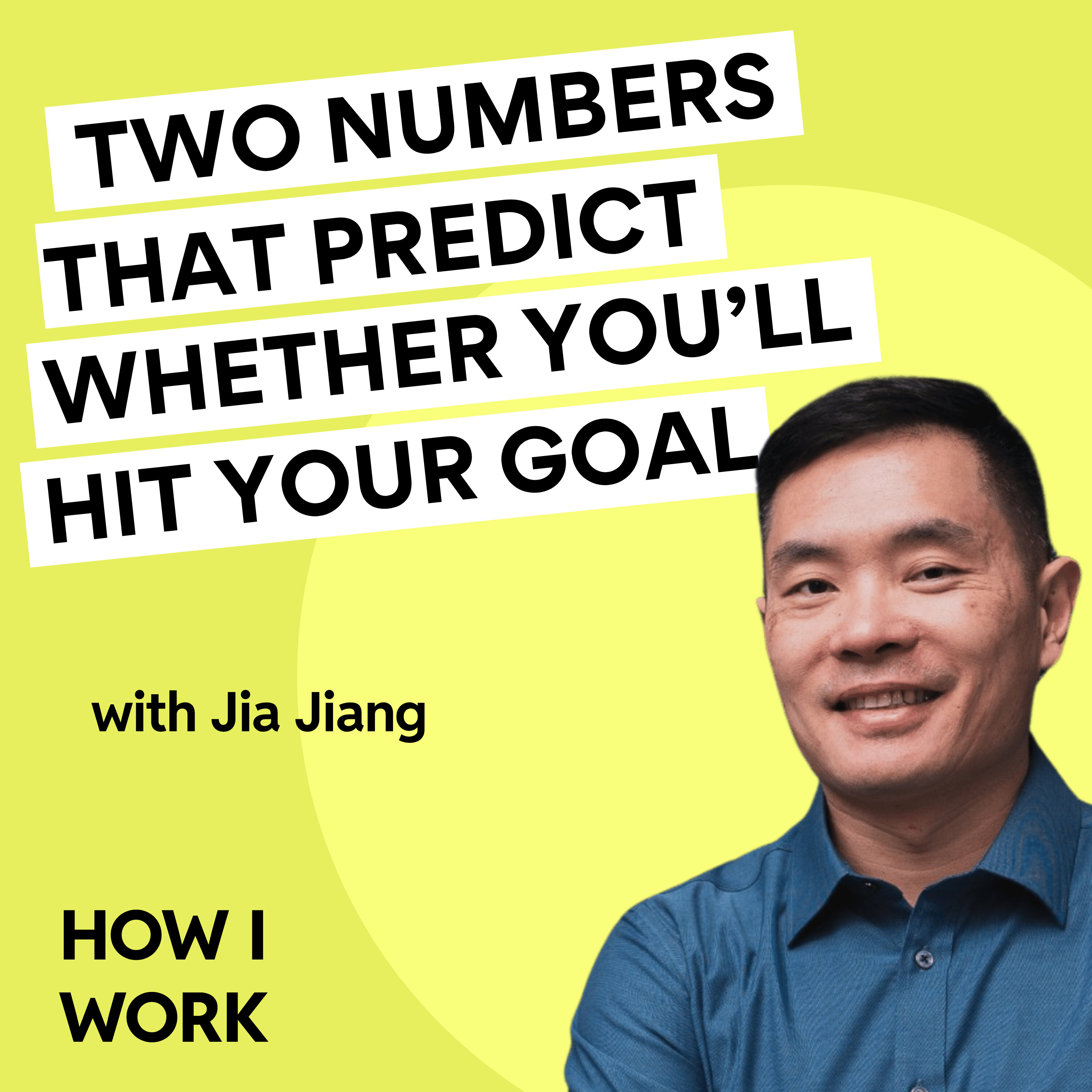
| 8/26/26 | goal settingproductivity+3 | Jia Jiang | Easy Discipline100 Days of Rejection | — | goal settingproductivity+5 | — | 32m 50s | ||
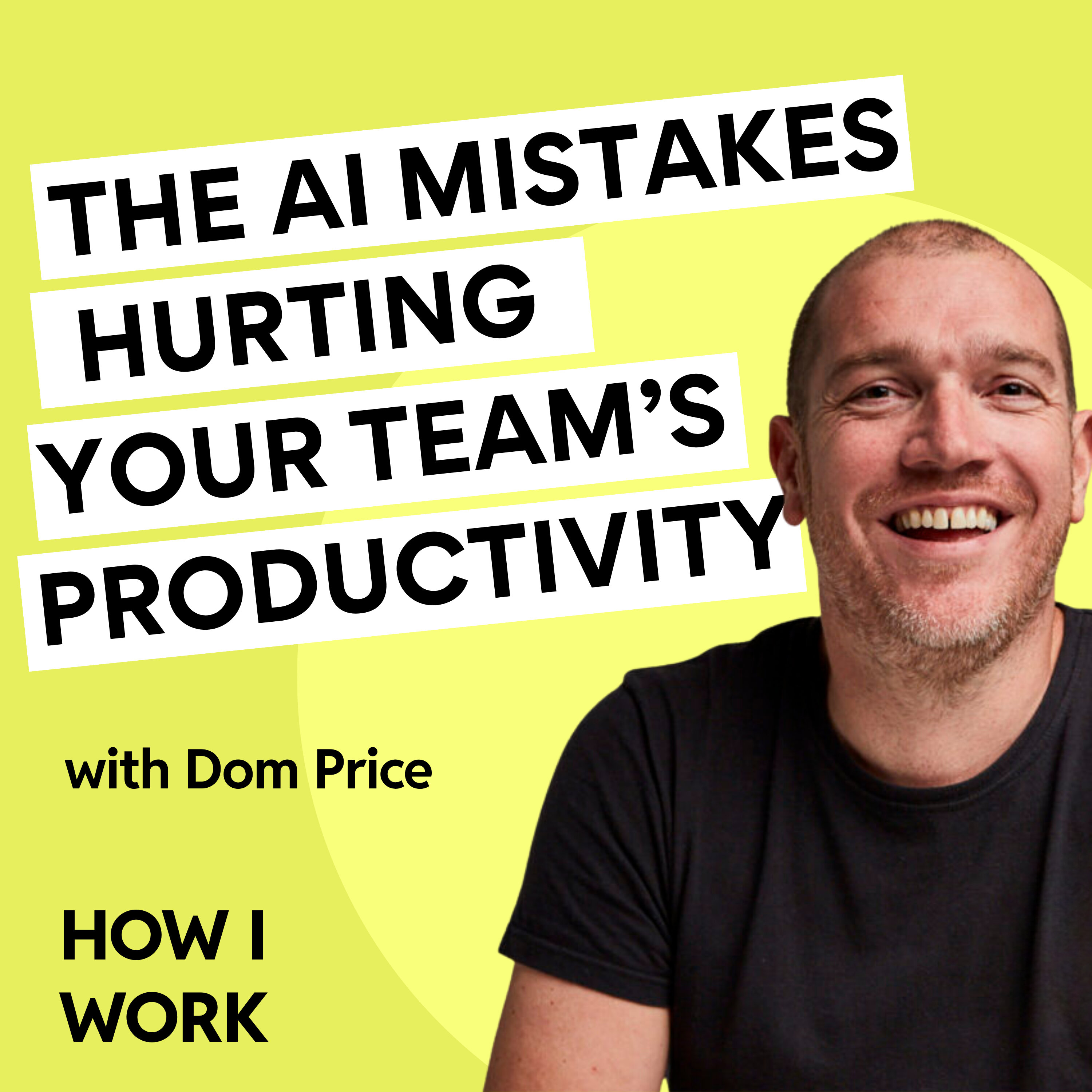
| 8/23/26 | AI in the workplacetime management+3 | Dom Price | Atlassian | — | AIproductivity+5 | — | 6m 42s | ||
| 8/19/26 | consulting businessscaling without hiring+4 | Lisa | The Culture MinistryInventium | — | consultingscaling+6 | — | 32m 52s | ||
| 8/16/26 | AI productivityslop fixing+4 | Neo Aplin | Inventium | — | AIproductivity+5 | — | 11m 51s | ||
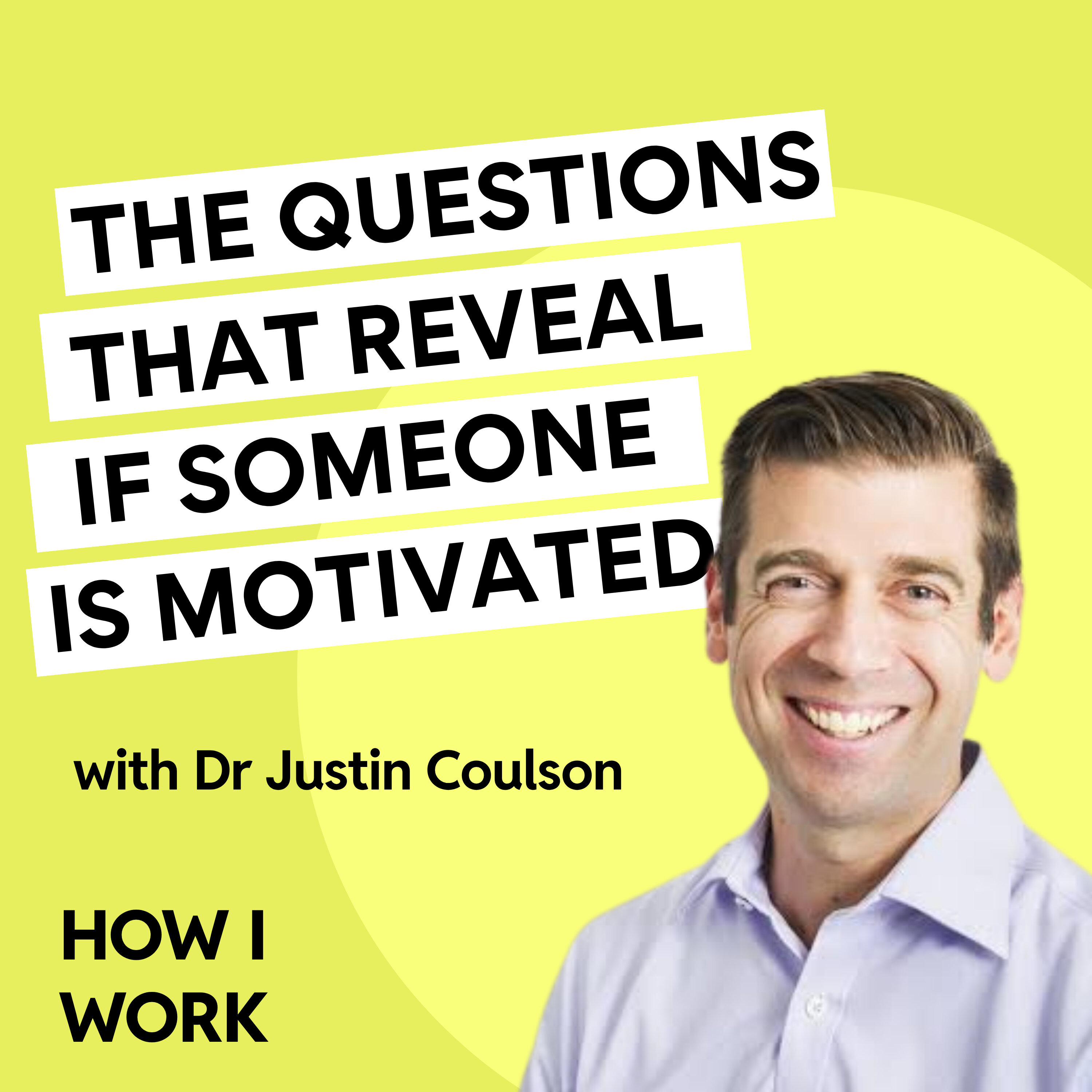
| 8/12/26 | motivationpsychology+3 | Dr Justin Coulson | Parental Guidance | — | motivationpsychology+5 | — | 36m 20s | ||
| 8/9/26 | AI and the environmentsustainability+3 | Neo Aplin | ChatGPTNetflix+1 | — | AIenvironment+6 | — | 16m 14s | ||
| 8/5/26 |  Are you an insecure overachiever? Oliver Burkeman on why success never feels like enough | There's a particular kind of tightness that creeps in when the world feels unpredictable. We tidy the to-do list, tighten the routine, optimise one more thing, all in an attempt to feel a bit more in control. Oliver Burkeman has a word for this: clenching. And he reckons it's squeezing the life out of us, even when it looks a lot like productivity. In this episode, I sit down with Oliver Burkeman, New York Times bestselling author of Four Thousand Weeks and Meditations for Mortals, and former writer of The Guardian's This Column Will Change Your Life, to talk about his forthcoming book Aliveness and what he calls unclenching, learning to loosen your grip on certainty rather than white-knuckle your way through it. We get into flexible goals, why urgency is so often someone else's agenda in disguise, and how to stop tying your self-worth to your latest achievement. If you have ever hit a goal and felt the satisfaction evaporate within minutes, this conversation will change how you think about ambition altogether. Oliver and I discuss: What "clenching" is, and why our instinct to grip tighter in uncertain times actually backfires The insecure overachiever trap, and why hitting a goal rarely feels like enough for long How Oliver's open list, closed list approach stops you drowning in fifty half-started things Setting a "no later than" time instead of a strict start time, and why looser goals often get more done Why urgency is so often someone else's agenda in disguise, and how to tell when it is genuinely yours What Oliver actually does with the emails he has not gotten to yet Key quotes "If you have this feeling of aliveness, even the most difficult challenges are copeable with, and if you don't have this feeling of aliveness, even the most impressive accomplishments are kind of worthless." "You will do enough, because you will do everything that it's within your capacities and your energy levels and your talents to do, and that just by definition will be all that you could ever have done." Connect with Oliver Burkeman on X (Twitter), LinkedIn and his website. Check out his latest book Meditations for Mortals and look out for his upcoming book Aliveness in 2027. If you want more from Oliver, listen back to our earlier conversation on time management, a great companion episode to this one: (https://www.amantha.com/podcasts/want-to-make-time-for-the-things-that-count) My latest book The Energy Game is out now. You can order a copy here: https://amzn.to/48ID29M Connect with me on the socials: Linkedin (https://www.linkedin.com/in/amanthaimber) Instagram (https://www.instagram.com/amanthai) If you are looking for more tips to improve the way you work and live, I write a weekly newsletter where I share practical and simple to apply tips to improve your life. You can sign up for that at https://amantha.substack.com/ Visit https://www.amantha.com/podcast for full show notes from all episodes. Get in touch at [email protected] Credits: Host: Amantha Imber Sound Engineer: The Podcast Butler See omnystudio.com/listener for privacy information. | 36m 24s | ||||||
| 8/2/26 |  What you should never paste into AI | Before you paste that customer list, that blood test result or that contract into your favourite AI tool, it's worth pausing for a second. Whatever you hand over doesn't just disappear after you get your answer. It sits somewhere, and depending on the tool and the settings, it might be doing more than just answering your question. Most people have never actually checked what happens to their data once it goes in or thought about the difference between what's fine to share and what's better redacted first. In this How I AI episode, Neo and I work through what's actually safe to give AI and what's better left out. We cover how to check your settings so free tools aren't training on your data, how to de-identify sensitive things like health results and contracts, the rules that change once you're at work, and the one question to ask yourself before you upload anything. What you'll learn: How to know if AI is quietly training on the data you give it, and how to switch that off The one question to ask before you upload anything to AI Why work and home should be treated completely differently when it comes to AI What to redact from contracts, spreadsheets and client files before sharing them Where the line sits between using AI as a sounding board and relying on it too much Practical AI tools for productivity and focus Real-world AI workflows used by high performers How to use AI at work without burning out Smart shortcuts for managing time and mental load Connect with Neo Aplin on LinkedIn (https://www.linkedin.com/in/neoaplin/) and via inventium.ai (https://inventium.ai), where he leads Inventium's AI training and upskilling work with organisations and teams. How I AI with Dr Amantha Imber and Neo Aplin explores how high performers are using AI at work to boost productivity, make better decisions and reduce overwhelm. Want more practical ways to put AI to work? You can now follow How I AI separately on Spotify or Apple Podcasts so you never miss an episode. My latest book The Energy Game is out now. You can order a copy here: https://amzn.to/48ID29M Connect with me on the socials: Linkedin (https://www.linkedin.com/in/amanthaimber) Instagram (https://www.instagram.com/amanthai) If you are looking for more tips to improve the way you work and live, I write a weekly newsletter where I share practical and simple to apply tips to improve your life. You can sign up for that at https://amantha.substack.com/ Visit https://www.amantha.com/podcast for full show notes from all episodes. Get in touch at [email protected] Credits: Host: Amantha Imber Sound Engineer: Martin Imber See omnystudio.com/listener for privacy information. | 14m 29s | ||||||
| 7/29/26 |  Part 2: The loneliness of leadership no one warned you about, with Christian O'Connell | There is a version of leadership that looks effortless from the outside. The one where the leader always has the answers, always holds the vision, always appears composed. And then there is the version that happens in private, at 5:00 AM, when your mind is rehearsing every possible failure and no one can see it. What surprises most people is how often those two versions belong to the same person. In part two of my conversation with Christian O'Connell, breakfast radio host heard by hundreds of thousands of Australians every morning, we get into the parts of leadership nobody talks about publicly. Christian opens up about the loneliness of leading a team, the night he finally put his thoughts on a whiteboard and told his people the truth about how he'd been feeling, and why he believes his next book will be about leadership because nobody warned him how hard it would be. If you have ever found yourself carrying something heavy at work and deciding the most responsible thing to do as a leader is keep it to yourself, this conversation will make you question whether that instinct is actually protecting your team or just protecting you. Christian and I discuss: Why confidence is the wrong thing to aim for before you speak in public What happened when Christian finally stopped pretending everything was fine with his team The one thing that does more for a team than any solution or action plan Why 5am is the worst possible time to trust your own thoughts The David Letterman line that changed how Christian thinks about taking risks Why Christian considers himself an accidental leader, and what he's doing about it Key quotes "Confidence is something that catches up. Momentum is more important." "It's a beautiful thing, leadership. If you get it right, it's a path of aliveness and transformation. If you get it wrong, it's the opposite." Connect with Christian O'Connell on Instagram, X (Twitter), LinkedIn and his website. Tune in to The Christian O’Connell Show and check out his latest book Unscript: The Radical Act of Being Yourself. My latest book The Energy Game is out now. You can order a copy here: https://amzn.to/48ID29M Connect with me on the socials: Linkedin (https://www.linkedin.com/in/amanthaimber) Instagram (https://www.instagram.com/amanthai) If you are looking for more tips to improve the way you work and live, I write a weekly newsletter where I share practical and simple to apply tips to improve your life. You can sign up for that at https://amantha.substack.com/ Visit https://www.amantha.com/podcast for full show notes from all episodes. Get in touch at [email protected] Credits: Host: Amantha Imber Sound Engineer: The Podcast ButlerSee omnystudio.com/listener for privacy information. | 34m 17s | ||||||
| 7/26/26 |  Agents, Projects, and Skills (oh my!): A no-fluff guide on when to use each one | The AI world has has done a spectacularly bad job of naming things. Agents, GPTs, gems, notebooks, projects, skills - you'll find a completely different word for what is essentially the same kind of tool. Agents in one place, GPTs in another, gems somewhere else. Different names, similar ideas - and no handbook to tell you that. But the tools themselves are not that complicated. Once you know what each one is built to do, knowing which to reach for becomes straightforward. In this How I AI episode, Neo and I cut through the jargon and map out what Agents, Projects, and Skills actually are, how they differ from each other, and which one to reach for depending on what you need to do. What you'll learn: Why agents, GPTs, and gems are the same kind of thing (just with different names) When a project is the right choice over an agent What makes a skill different from a long prompt Practical AI tools for productivity and focus Real-world AI workflows used by high performers How to use AI at work without burning out Smart shortcuts for managing time and mental load Connect with Neo Aplin on LinkedIn (https://www.linkedin.com/in/neoaplin/) and via inventium.ai (https://inventium.ai), where he leads Inventium's AI training and upskilling work with organisations and teams. How I AI with Dr Amantha Imber and Neo Aplin explores how high performers are using AI at work to boost productivity, make better decisions and reduce overwhelm. Want more practical ways to put AI to work? You can now follow How I AI separately on Spotify or Apple Podcasts so you never miss an episode. My latest book The Energy Game is out now. You can order a copy here: https://amzn.to/48ID29M Connect with me on the socials: Linkedin (https://www.linkedin.com/in/amanthaimber) Instagram (https://www.instagram.com/amanthai) If you are looking for more tips to improve the way you work and live, I write a weekly newsletter where I share practical and simple to apply tips to improve your life. You can sign up for that at https://amantha.substack.com/ Visit https://www.amantha.com/podcast for full show notes from all episodes. Get in touch at [email protected] Credits: Host: Amantha Imber Sound Engineer: Martin Imber See omnystudio.com/listener for privacy information. | 13m 27s | ||||||
| 7/19/26 | AI platformsproductivity+4 | Neo Aplin | CopilotChatGPT+3 | — | AI platformsproductivity tools+5 | — | 16m 07s | ||
| 7/15/26 | energy managementrest strategies+3 | Shelley Johnson | The Energy Game | — | energyrest+6 | — | 46m 17s | ||
| 7/12/26 | AI productivityCowork vs Chat+4 | Neo | CopilotClaude+3 | — | CoworkClaude+5 | — | 16m 17s | ||
| 7/8/26 | burnoutmental health+3 | Shelley Johnson | The Energy GameThis Is Work+2 | — | burnoutenergy types+5 | — | 40m 48s | ||
| 7/5/26 | tokenomicsAI usage+4 | Neo | ClaudeChatGPT+1 | — | tokenomicsAI licenses+5 | — | 12m 12s | ||
| 7/1/26 | book publishingwriting process+3 | Izzy Yates | Penguin Random HouseThe Energy Game | — | book dealpublishing process+3 | — | 54m 30s | ||
| 6/28/26 | AI modelsproductivity+4 | Neo | GeminiChatGPT+9 | — | AI modelsproductivity tools+4 | — | 16m 57s | ||
| 6/24/26 | AI adoptionproductivity+4 | Dom Price | Glean's Work AI InstituteAtlassian+1 | — | AIproductivity+5 | — | 40m 46s | ||
| 6/21/26 | burnoutenergy management+3 | — | The Energy Game | Melbourne | burnoutenergy crisis+3 | — | 21m 50s | ||
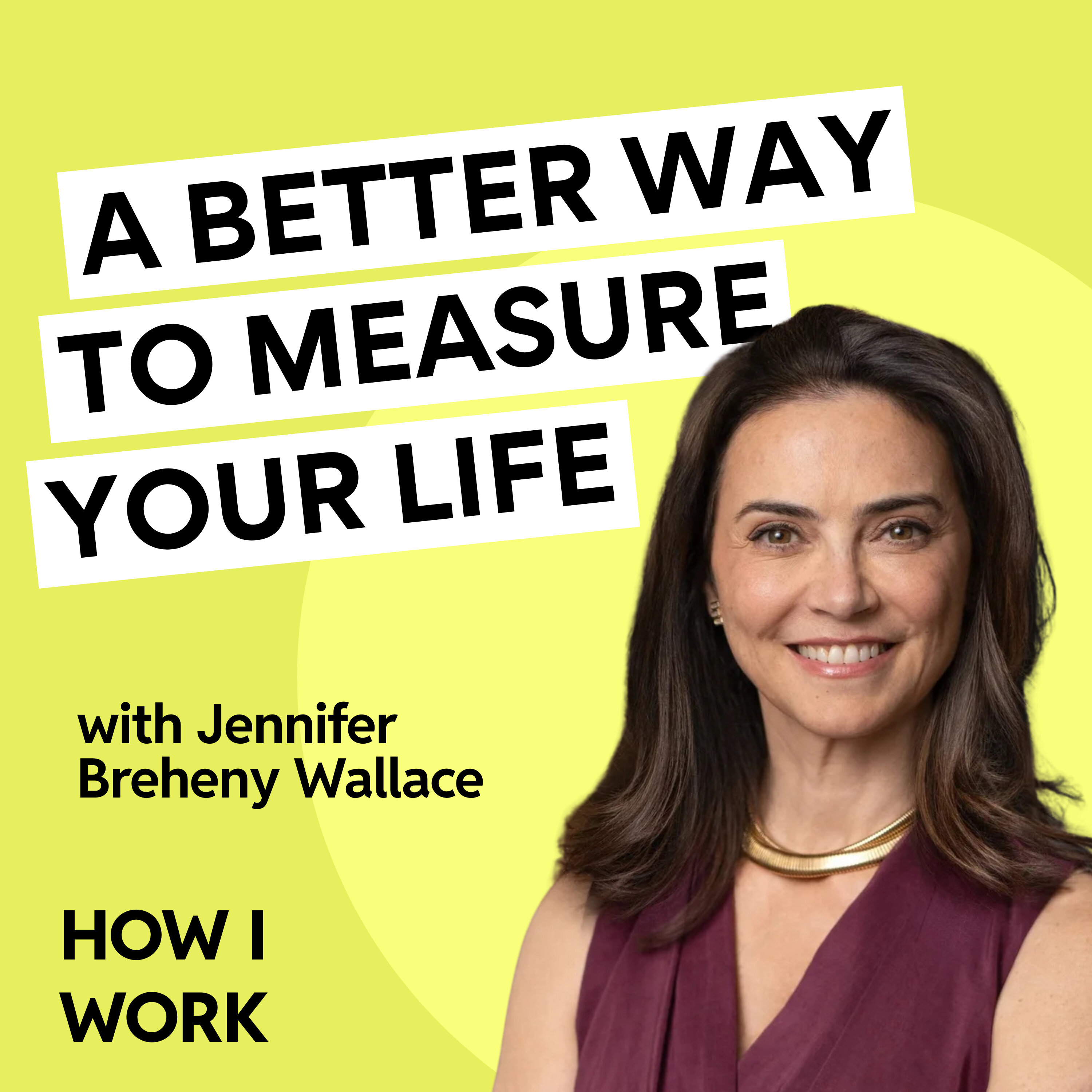
| 6/17/26 | self-worthpersonal significance+3 | Jennifer Breheny Wallace | Mattering | — | matteringself-worth+3 | — | 37m 49s | ||
| 6/10/26 | decision makingportfolio career+3 | Katie | — | — | yes triageno club+3 | — | 29m 02s | ||
| 6/7/26 | AI productivityknowledge work+4 | Neo | Inventium | — | AIproductivity+6 | — | 15m 39s | ||
| 6/3/26 | self-presentationattention+4 | Maz Farrelly | Big BrotherThe X Factor+3 | — | attentionself-presentation+7 | — | 35m 14s | ||
| 6/3/26 | pitching techniquessales psychology+4 | Maz Farrelly | Big BrotherThe X Factor+2 | — | pitchingsales+5 | — | 10m 54s | ||
| 5/31/26 | AI toolsproductivity+4 | Neo Aplin | Research Prompt BuilderNotebookLM+1 | — | AIproductivity+5 | — | 14m 38s | ||
| 5/27/26 | job huntingAI in recruitment+3 | Nicole | — | — | job marketAI resumes+3 | — | 29m 19s | ||
| 5/24/26 | AIproductivity+4 | Neo Aplin | InventiumLinkedIn+1 | — | AI agentsproductivity tools+3 | — | 14m 22s | ||
| 5/20/26 | burnoutAI+4 | Lael Stone | Humans, being.The Energy Game | — | burnoutAI+4 | — | 1h 11m 10s | ||
| 5/17/26 | knowledge agentAI productivity+3 | Neo Aplin | Inventium | — | knowledge agentAI tools+3 | — | 10m 35s | ||
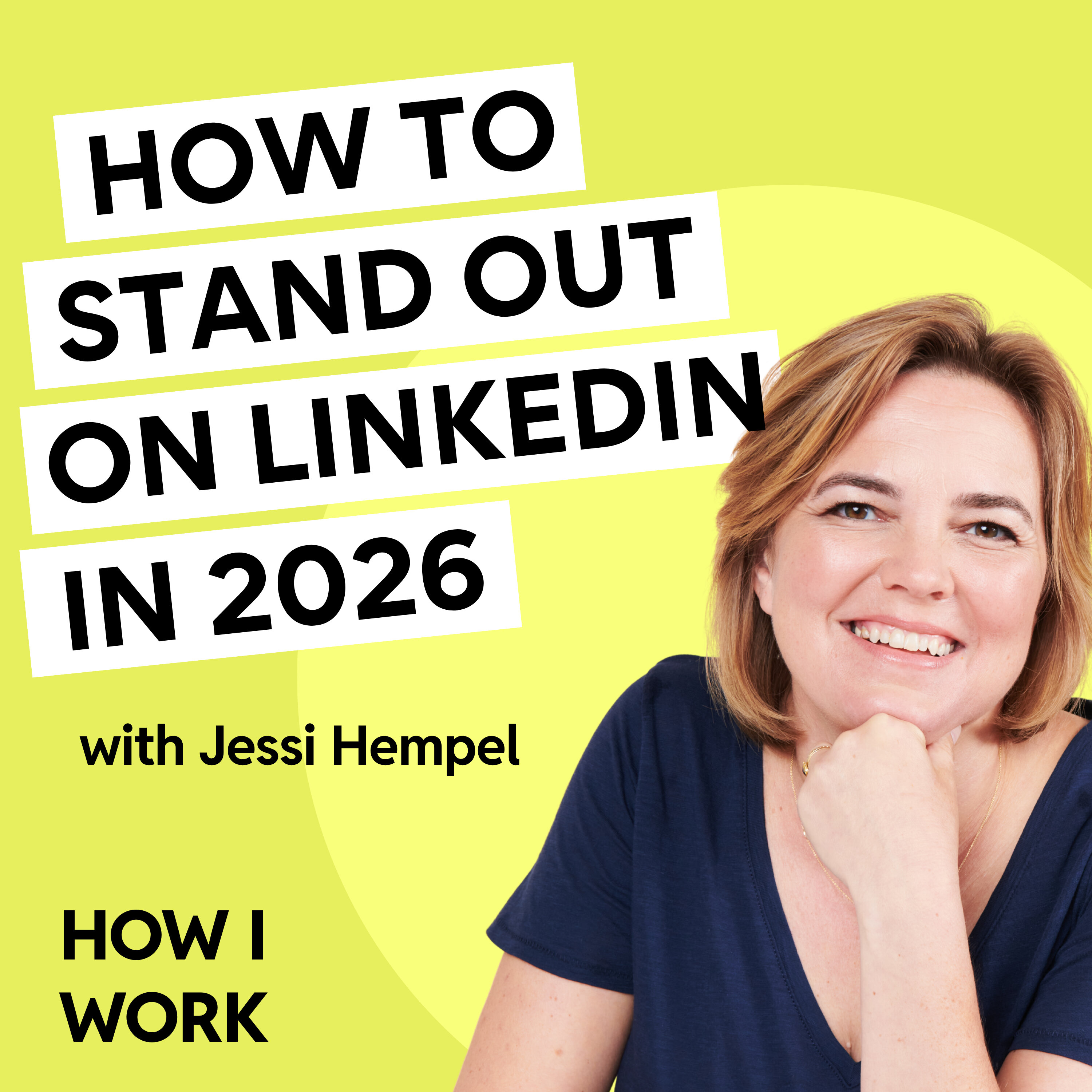
| 5/13/26 | LinkedInAI+3 | Jessi Hempel | LinkedInHello Monday | — | LinkedInAI+3 | — | 30m 36s | ||
| 5/6/26 | time managementproductivity+3 | Laura Vanderkam | Big Time | — | time trackingproductivity+5 | — | 35m 47s | ||
| 5/3/26 | AI rolloutsorganizational strategy+4 | Neo | HBR | — | AIrollout failure+5 | — | 30m 20s | ||
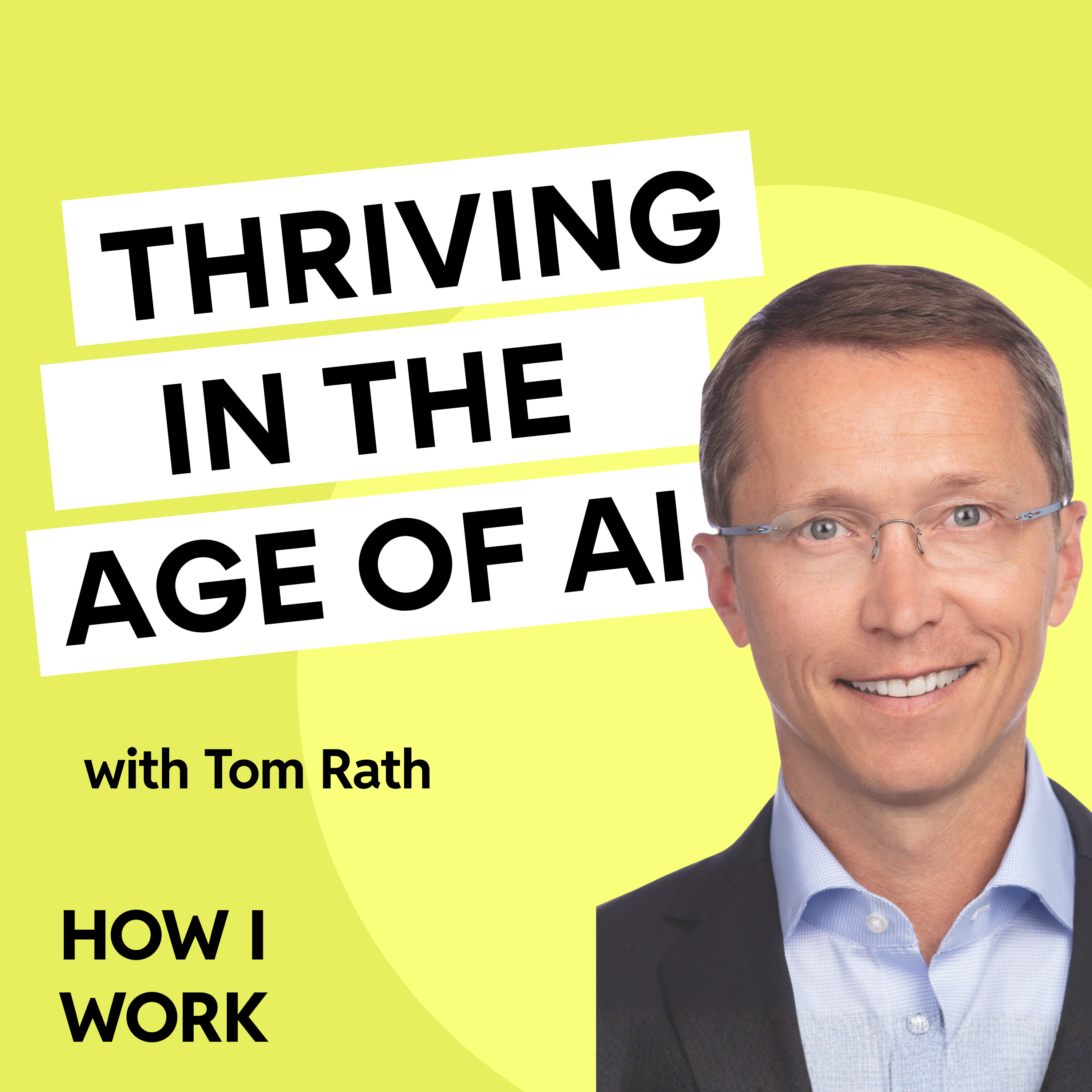
| 4/29/26 | work and wellbeingpurpose+4 | Tom Rath | StrengthsFinder 2.0How Full Is Your Bucket?+1 | Washington DC | initiatorresponder+5 | — | 35m 49s | ||
| 4/26/26 | AI adoptionhigh-performing teams+4 | Neo Aplin | InventiumLinkedIn+1 | — | AI capabilityteam performance+5 | — | 12m 45s | ||
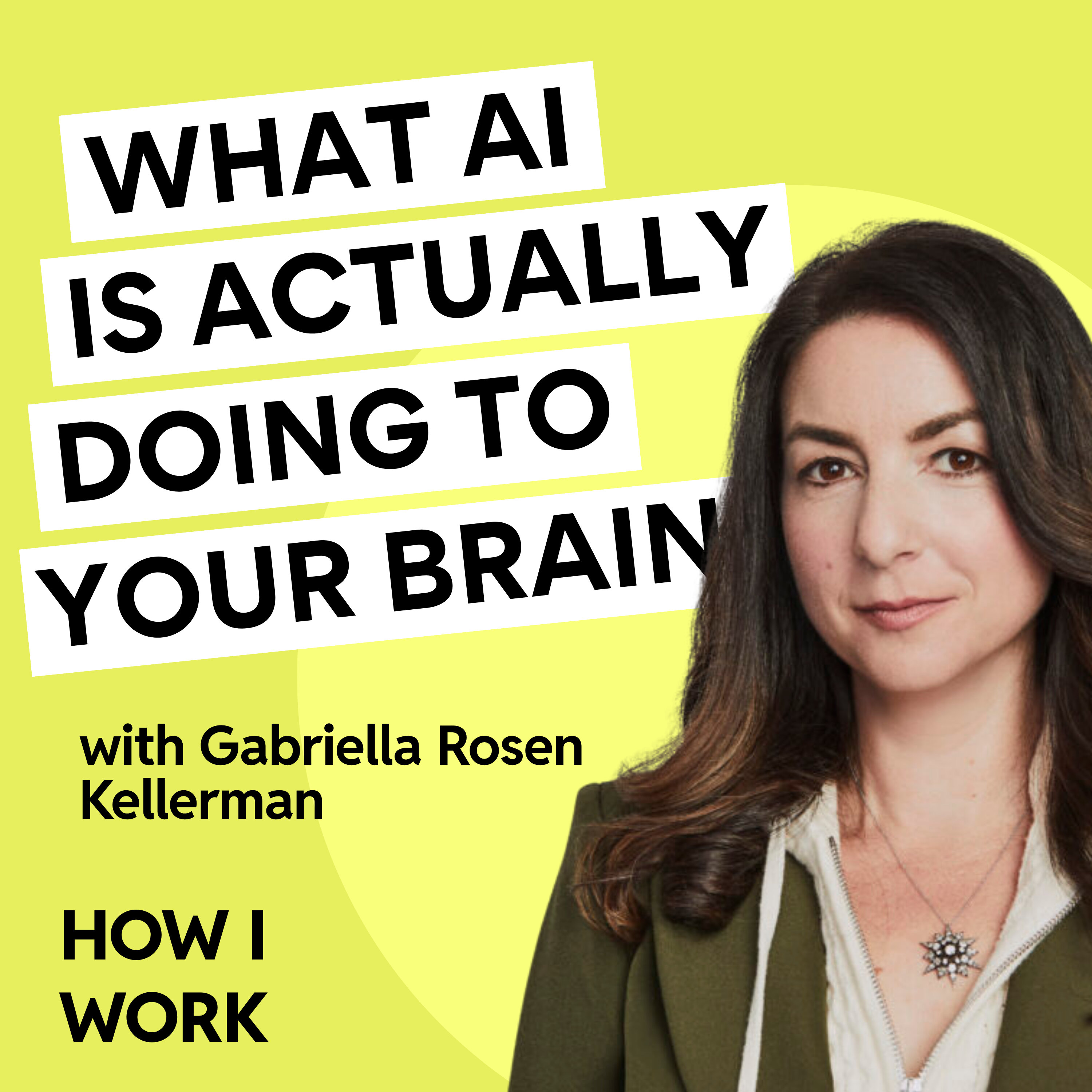
| 4/22/26 | AI impact on productivitymental fatigue+3 | Gabriella Rosen Kellerman | Boston Consulting Group | — | AI toolsproductivity+5 | — | 35m 23s | ||
| 4/19/26 | AIbriefing document+3 | Neo | Inventium | — | AI chatcontext file+3 | — | 12m 46s | ||
| 4/15/26 | salescommunication skills+3 | Sabri Suby | King KongShark Tank Australia | Byron Bay | salesnegotiation mistakes+3 | — | 26m 24s | ||
| 4/12/26 | voice technologyAI tools+4 | Neo Aplin | wisprflow.aiChatGPT+5 | — | voice recognitionAI productivity+3 | — | 16m 09s | ||
| 4/8/26 | time managementfocus+4 | Sabri Suby | King KongShark Tank Australia | — | subtraction methodKings Audit+5 | — | 29m 30s | ||
| 4/5/26 | AI toolsmeeting transcription+3 | Neo | Granola.aiInventium | — | AI meeting toolstranscription+3 | — | 11m 46s | ||
| 4/1/26 | AI in leadershipproductivity tools+3 | Joseph Lyons | ZoomELMO Software | — | AIleadership+5 | — | 17m 18s | ||
| 3/29/26 | AI writinghuman voice+3 | Neo | Inventium.ai | — | AI wordswriting style+3 | — | 19m 05s | ||
| 3/25/26 | burnoutAI+5 | — | LoomTella+1 | — | burnoutAI+6 | — | 30m 46s | ||

















Showing 58 of 745
Pitch Fit is a Pro feature
See how bookable this show is for guests, which brands already advertise, the per-episode ad value, and the best-fit guest and sponsor profile. The numbers are blurred on the free plan.
How readily this show books outside guests like you.
How proven this show is for host-read sponsorships.
For Guests
ProFor Advertisers
ProUpgrade to Pro to unlock guest cadence, sponsor categories, fit scores, and per-episode ad value for this show.
Similar Audience Demographics
Podcasts that attract a similar listener profile




Chart history for How I Work
Peaked at #68 in Australia, currently #68 in Australia.
| Market | Genre | Peak | Current | Trend |
|---|---|---|---|---|
| Australia | — | #68 | #68 | — |
Chart Positions
1 placement across 1 market.
Chart Positions
1 placement across 1 market.