Newt's World
by Gingrich 360
Is this your podcast?On the show
From 46 epsHosts
Recent guests
Recent episodes
Episode 1053: The Chip Age — How Semiconductors Became the World’s Most Powerful Resource
Oct 18, 2026
49m 29s
Episode 1052: The Houthis — Survival, Expansion, and the Iran-Backed Threat in the Red Sea
Oct 17, 2026
29m 57s
Episode 1051: The End of a Fair Price — Lindsay Owens on How Companies Use Your Data to Charge You More
Oct 11, 2026
40m 29s
Episode 1050: The Midterms, 27 Days Out — McLaughlin and Sosnik on Who Will Control Congress
Oct 9, 2026
41m 35s
Episode 1049: The Exhausted Majority — Who Independents Really Are and Why They'll Decide 2026
Oct 4, 2026
35m 24s
Insights from recent episode analysis
Audience Interest
Podcast Focus
Publishing Consistency
Platform Reach
Insights are generated by CastFox AI using publicly available data, episode content, and proprietary models.
Most discussed topics
Brands & references
Total monthly reach
Blended from 1 signal.
Built from
By chart position
- 🇺🇸United States · PoliticsHOME#8912K to 74K
- 🇰🇷South Korea · Politics#58449 to 2.8K
- 🇲🇽Mexico · Politics#117263 to 1.6K
- 🇸🇦SA · Politics#8497 to 607
- 🇮🇱IL · Politics#12334 to 215
- Per-Episode Audience
Est. listeners per new episode within ~30 days
13K to 80K🎙 Daily cadence·1,000 episodes·Last published yesterday - Monthly Reach
Unique listeners across all episodes (30 days)
43K to 266K🇺🇸93%🇰🇷4%🇲🇽2%+1 more - Active Followers
Loyal subscribers who consistently listen
17K to 106K
Market Insights
Platform Distribution
Reach across major podcast platforms, updated hourly
Total Followers
—
Total Plays
—
Total Reviews
—
* Data sourced directly from platform APIs and aggregated hourly across all major podcast directories.
Social Links & Contact
Official channels & resources
Official Website
Login
RSS Feed
Login
| Date | Episode | Topics | Guests | Brands | Places | Keywords | Sponsor | Length | |
|---|---|---|---|---|---|---|---|---|---|
| 10/18/26 |  Episode 1053: The Chip Age — How Semiconductors Became the World’s Most Powerful Resource | More than a trillion chips are made every year, roughly 150 for every person on earth. They power our phones, our cars, our missiles, and the artificial intelligence revolution. And more than 90% of the most advanced ones come from a single company in Taiwan, built with machines that only one company in the world can make. Rakesh Kumar, professor of computer engineering at the University of Illinois and author of The Chip Age: How Semiconductors Became the World’s Most Powerful Resource, joins Newt to explain how a sliver of silicon became the world’s most consequential resource. Drawing on six decades of innovation, espionage, and geopolitical rivalry, Kumar breaks down how the chip industry works, how fragile its supply chain really is, and what the race for chip sovereignty means for America’s competition with China.See omnystudio.com/listener for privacy information. | 49m 29s | ||||||
| 10/17/26 |  Episode 1052: The Houthis — Survival, Expansion, and the Iran-Backed Threat in the Red Sea | The Houthis’ slogan is ‘Death to America, Death to Israel.’ They seized Yemen’s capital in 2014. Saudi Arabia, the United Arab Emirates, the United States, and Israel have all bombed them. They have been sanctioned and designated a terrorist organization. And they are still standing, still expanding, and more capable than ever. On October 10th, a Houthi strike on Riyadh’s international airport killed at least 13 people and wounded more than 300. So how does a militia from Yemen’s northern mountains keep surviving? Nadwa Al-Dawsari, associate fellow at the Middle East Institute and a Yemeni American with more than 20 years of field experience in Yemen, joins Newt to explain who the Houthis really are, how Iran shaped them, why military campaigns have failed to stop them, and where they are expanding next.See omnystudio.com/listener for privacy information. | 29m 57s | ||||||
| 10/11/26 |  Episode 1051: The End of a Fair Price — Lindsay Owens on How Companies Use Your Data to Charge You More | For 150 years, the price tag was a promise: one price, the same for everyone. That promise is gone. Today, algorithms help landlords set your rent, software tracks your clicks to figure out the most you will pay, and two shoppers can buy the same carton of eggs in the same store on the same day for different prices. Lindsay Owens, president and CEO of the Groundwork Collaborative and author of Gouged: The End of a Fair Price and What That Means for Your Wallet, joins Newt to explain how pricing became a weaponized science. From grocery stores and airline tickets to concert seats and apartment rents, Owens breaks down who changed the rules, how artificial intelligence supercharged the shift, and what her Shopper’s Bill of Rights would do to restore a fair price.See omnystudio.com/listener for privacy information. | 40m 29s | ||||||
| 10/9/26 | 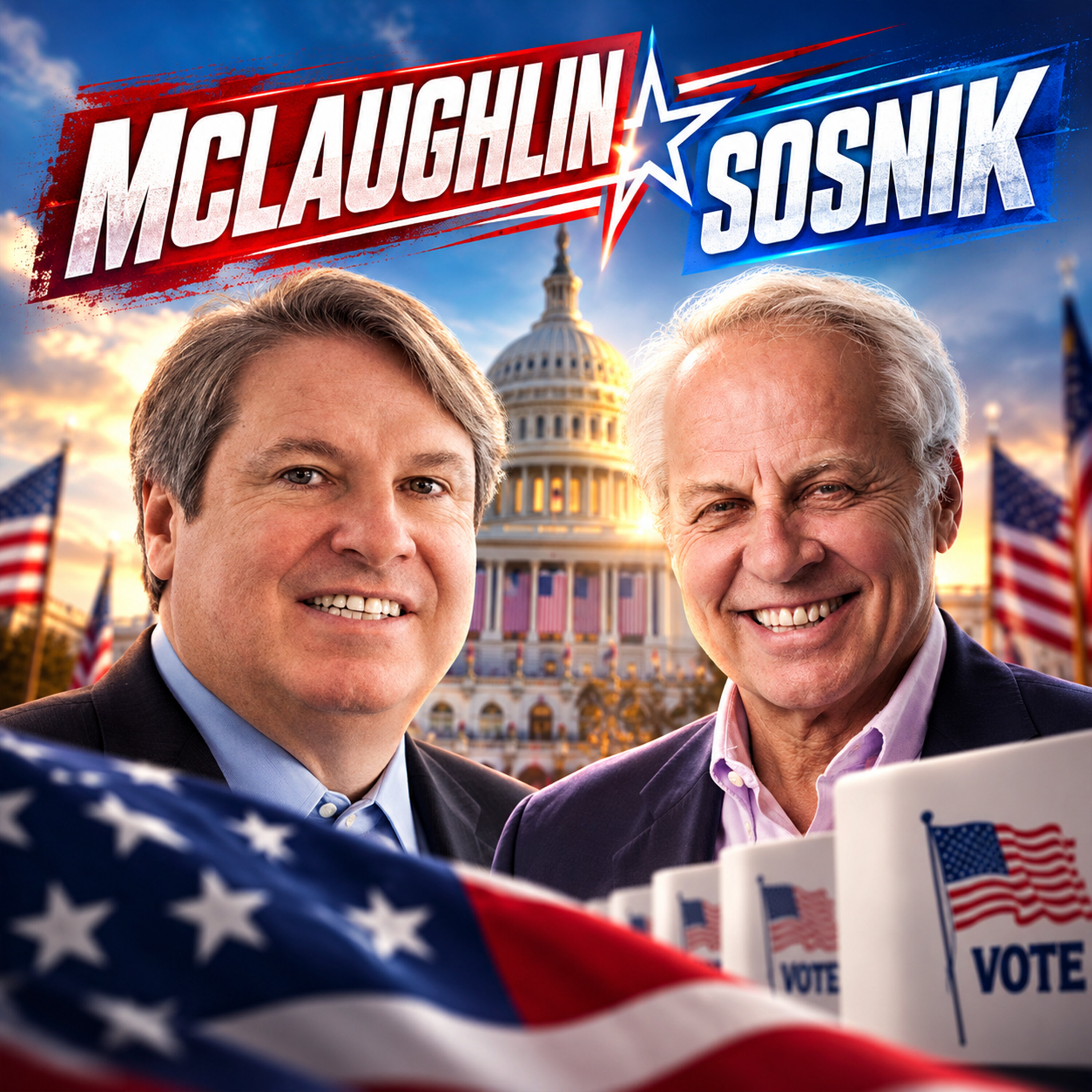 Episode 1050: The Midterms, 27 Days Out — McLaughlin and Sosnik on Who Will Control Congress | With 27 days until the 2026 midterms, mail-in voting is already underway and the polls are moving. Since September, the generic ballot has shifted toward Democrats, and prediction markets now give them roughly a 90% chance of winning the House. But is the race as settled as it looks? Newt brings together two of the sharpest political strategists in the country, one Republican and one Democrat, to make their case. John McLaughlin, President Trump’s pollster since 2016, and Doug Sosnik, who ran the political operation in the Clinton White House, break down what the polling really shows, where the key inflection points have been, and who they think will control Congress on November 4th. With a month still to go, Newt knows from experience: a wave can build fast, and nothing is decided yet.See omnystudio.com/listener for privacy information. | 41m 35s | ||||||
| 10/4/26 |  Episode 1049: The Exhausted Majority — Who Independents Really Are and Why They'll Decide 2026 | Nearly half of American voters now call themselves independents, but Adam Brandon argues they are far more than a mushy middle ground between the two parties. In his new book, The Exhausted Majority: Building a Home for the Politically Homeless, Brandon profiles a coherent, center-right bloc of Americans tired of hyper-partisanship who simply want to see Washington get things done. Brandon served as president of FreedomWorks for over a decade and helped lead the Tea Party movement. Now he has co-founded the Independent Leadership Council with former Senator Joe Manchin, backing independent candidates in the 2026 midterms. Newt talks with Brandon to discuss why both parties keep losing ground, who the exhausted majority really is, and whether independents can become the force that finally changes how Washington works.See omnystudio.com/listener for privacy information. | 35m 24s | ||||||
| 10/1/26 | 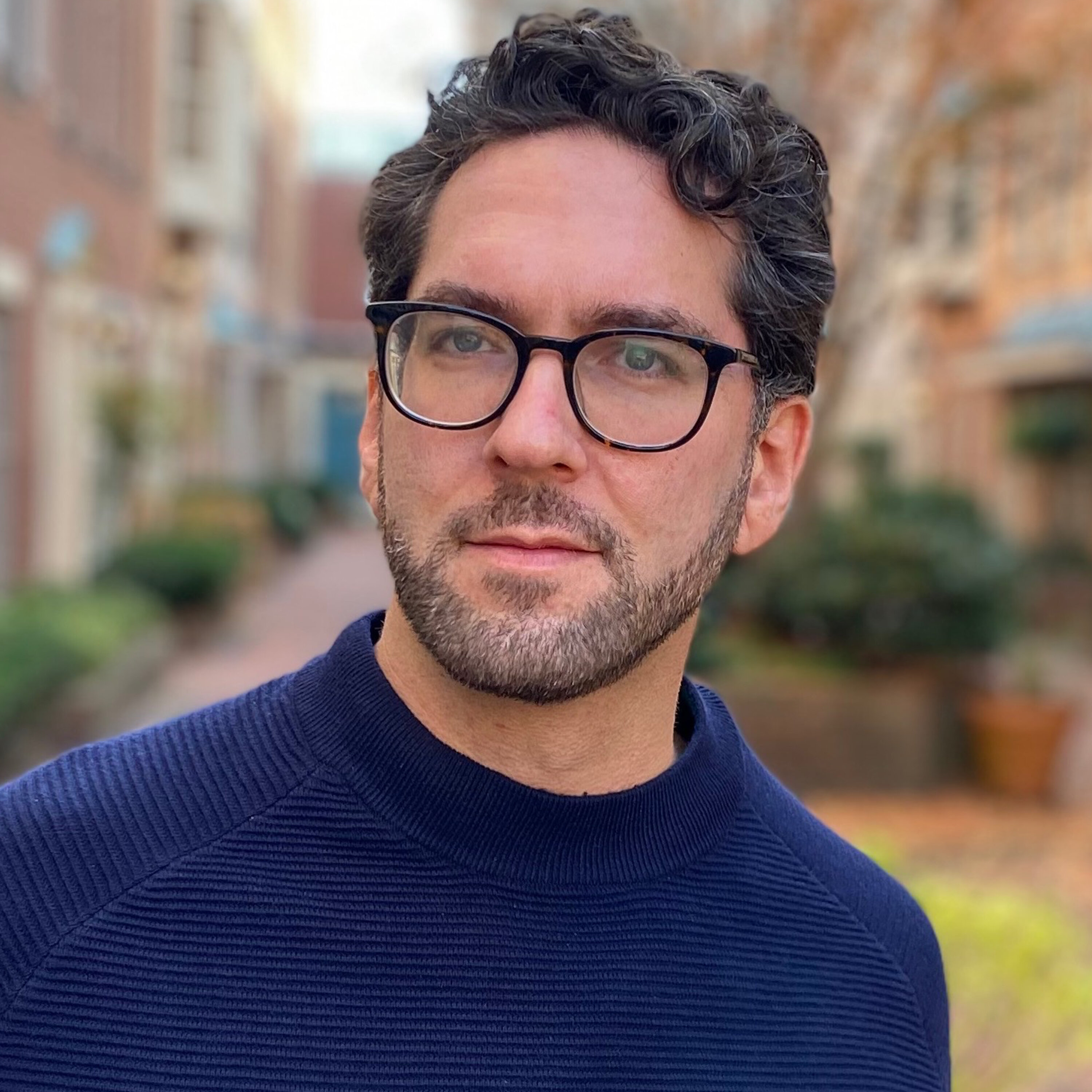 Episode 1048: Drones, AI, and the Future of War — How Artificial Intelligence Is Remaking the Battlefield | Ukraine has become the most innovative military power in the world, building drones by the millions, fielding ground robots, and wiring the battlefield together with software. Russia is racing to match it. Iran has used $35,000 drones to force the United States to fire interceptors costing millions. And yet, only 8% of Americans are aware that AI is being used in modern warfare. Newt sits down with Jonathan Guyer, program director at the Institute for Global Affairs at the Eurasia Group, to discuss how drones and artificial intelligence are remaking warfare in real time. Drawing on his new report, War President: The Iran Trap, Guyer breaks down what the technology revolution on today's battlefields means for American strategy, public oversight, and whether Washington is paying close enough attention.See omnystudio.com/listener for privacy information. | 35m 42s | ||||||
| 9/27/26 | 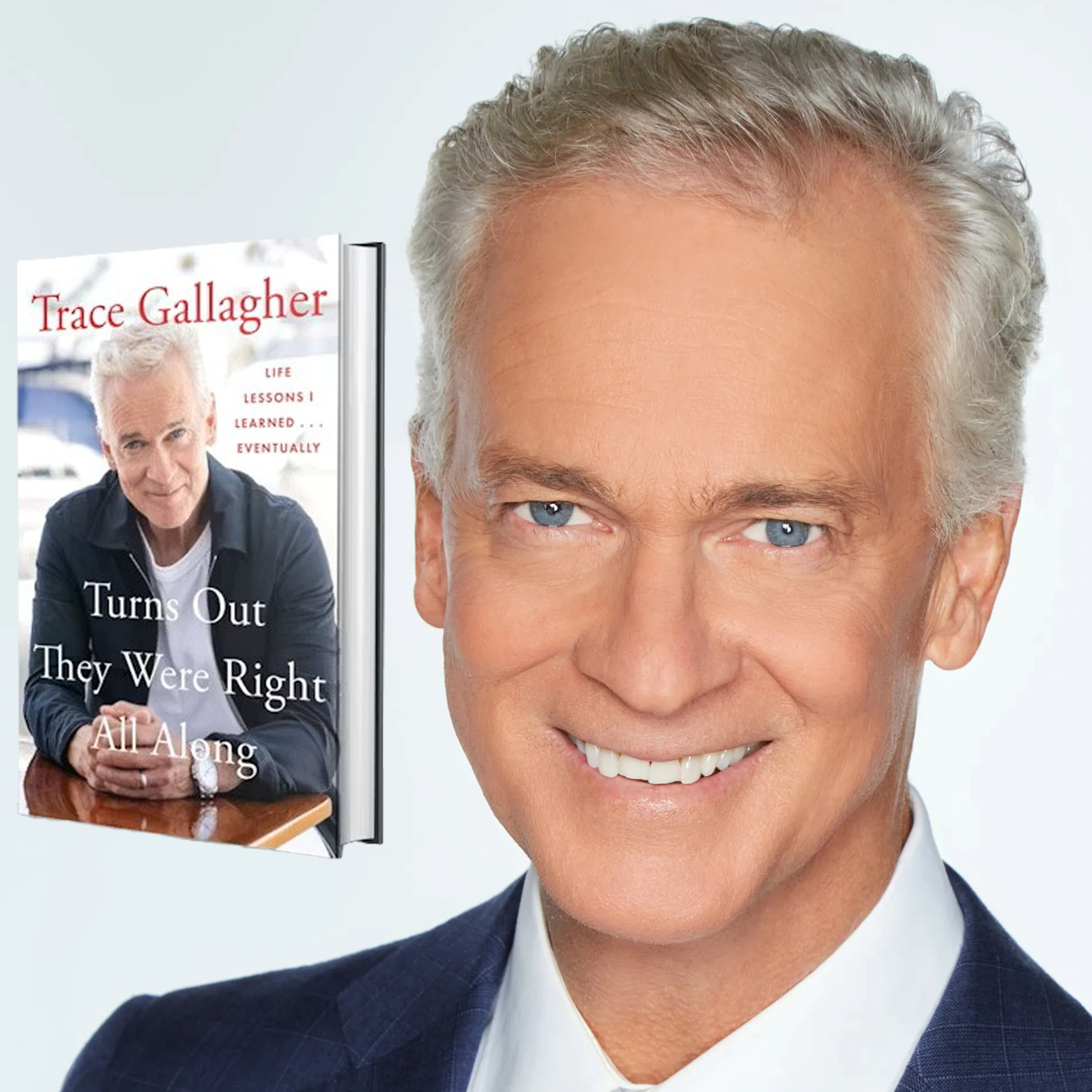 Episode 1047: Trace Gallagher — Life Lessons, Lucky Breaks, and Three Decades at Fox News | Before Trace Gallagher became one of Fox News's most recognizable faces, he was a professional water skier at Six Flags Marine World, where he once taught Jimmy Buffett to ski. A knee injury ended that career and sent him on an unexpected path through announcing, local television, and eventually Fox News, where he has been a fixture since the network's launch in 1996. In his new memoir, Turns Out They Were Right All Along: Life Lessons I Learned Eventually, Gallagher reflects on the detours, setbacks, and unlikely breaks that shaped his life and career. Newt sits down with Gallagher to explore the wisdom that only comes from living it, the moments that tested him, and what three decades in breaking news have taught him about perseverance, purpose, and getting it right.See omnystudio.com/listener for privacy information. | 42m 00s | ||||||
| 9/24/26 | 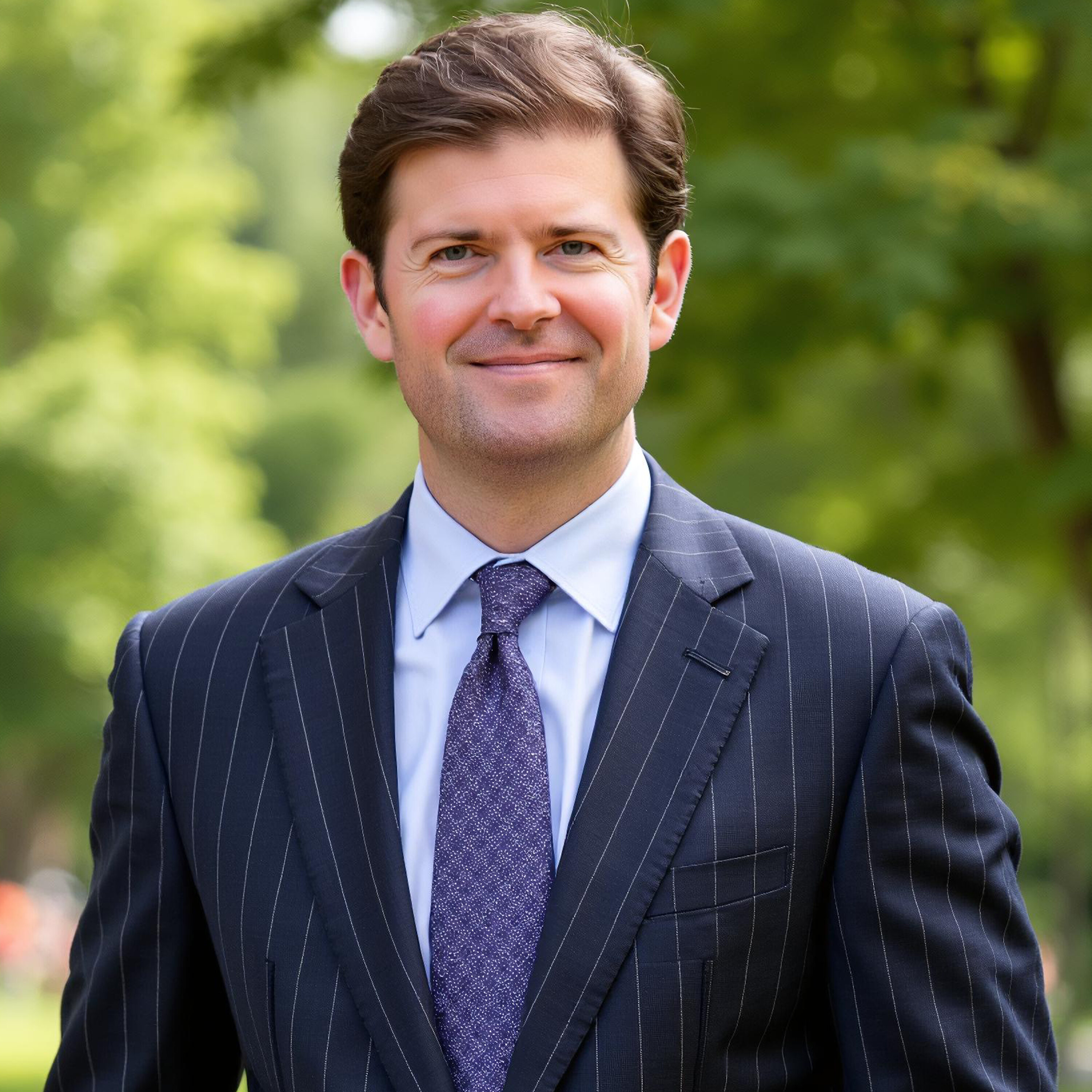 Episode 1046: Inside DOGE — The Waste Was Real and the Resistance Was Fierce | In January 2025, Tyler Hassen was running a diversified energy business in Houston. Weeks later, he was inside the West Wing as a DOGE senior insider, named Acting Assistant Secretary of Policy, Management, and Budget at the Department of the Interior with authority over $35 billion in spending and 8,000 federal employees. Now he's written the first book-length account of DOGE from someone who actually executed the work. Hassen joins Newt to discuss Inside DOGE: The Real Story from a Senior Insider — part memoir, part management autopsy. He describes late-night West Wing meetings, an $830 million contract request he says he could have designed in high school, a California water crisis that became an international media firestorm, and the personal cost his family paid. His verdict: the waste was real, the resistance was fierce, and the work is far from finished.See omnystudio.com/listener for privacy information. | 41m 42s | ||||||
| 9/20/26 | 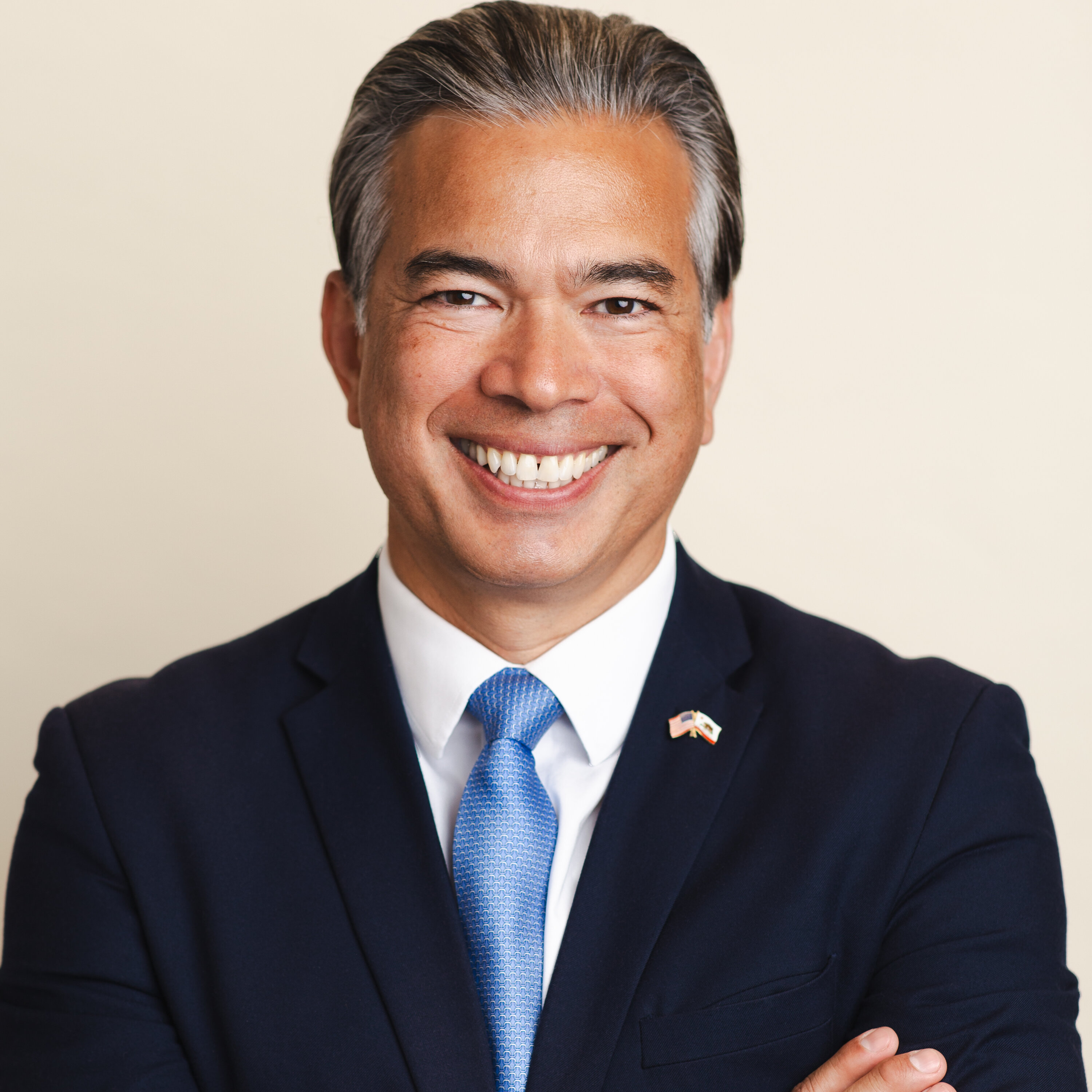 Episode 1045 The $17 Billion Meta Settlement — and What It Means for Your Kids | Last month, a bipartisan coalition of 51 attorneys general announced what may be the largest consumer protection settlement in American history: a $17 billion dollar agreement with Meta, the parent company of Facebook and Instagram. California Attorney General Rob Bonta led the fight, accusing Meta of deliberately designing features to drive compulsive use among children and teens while lying to the public about the harm. AG Bonta joins Newt to explain how the coalition built its case, why Meta settled less than two weeks into trial, and what the agreement actually changes: two-hour default time limits for minors, overnight and school-hour blocks, a ban on cosmetic surgery filters, removal of “like” counts on children's posts, and an independent auditor to enforce it all. He also explains why this settlement is just the beginning, with TikTok, YouTube, and Snap still in his sights.See omnystudio.com/listener for privacy information. | 29m 34s | ||||||
| 9/19/26 | 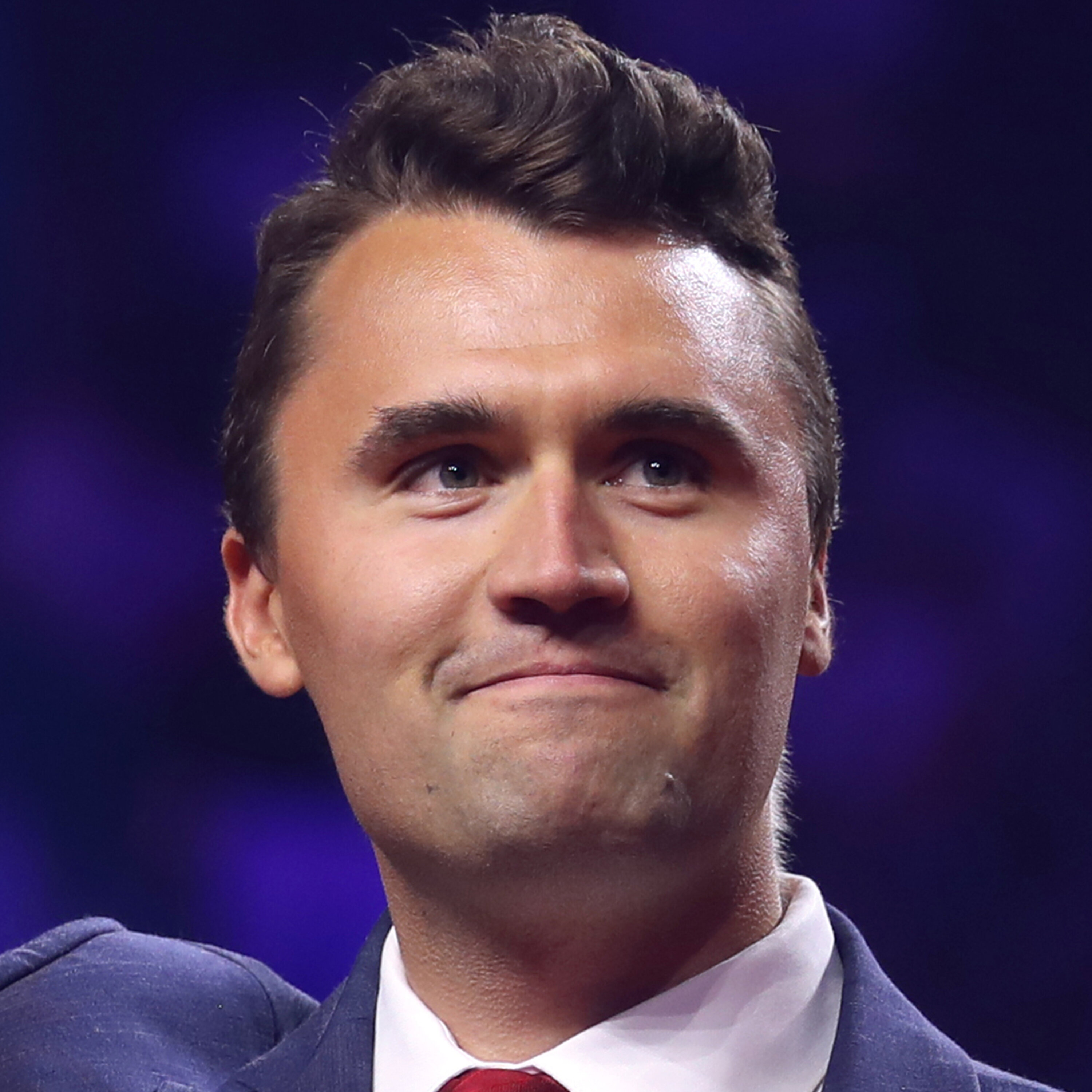 Episode 1044 Charlie Kirk — Faith, Free Speech, and a Legacy That Lives On | One year after Charlie Kirk was assassinated at Utah Valley University, his friend and longtime confidant Christy Edwards Lawton joins Newt to discuss her new memorial photo book, Charlie Kirk: In His Own Words. Built entirely from Charlie's own posts on X, never-before-seen photographs, and tributes written the day he died by Melania Trump, Elon Musk, Ivanka Trump, and others, the book is organized around the causes Charlie cared about most: faith, free speech, family, immigration, and Gen Z. Christy shares intimate memories from eleven years of friendship — from the lanky 22-year-old she met at a Trump fundraiser to the husband, father, and movement leader he became. She reflects on what it means to "live like Charlie," and why every net dollar from the book goes to Carry the Torch, a nonprofit dedicated to finding and funding the next generation of young conservative leaders.See omnystudio.com/listener for privacy information. | 40m 16s | ||||||
Want analysis for the episodes below?Free for Pro Submit a request, we'll have your selected episodes analyzed within an hour. Free, at no cost to you, for Pro users. | |||||||||
| 9/16/26 | 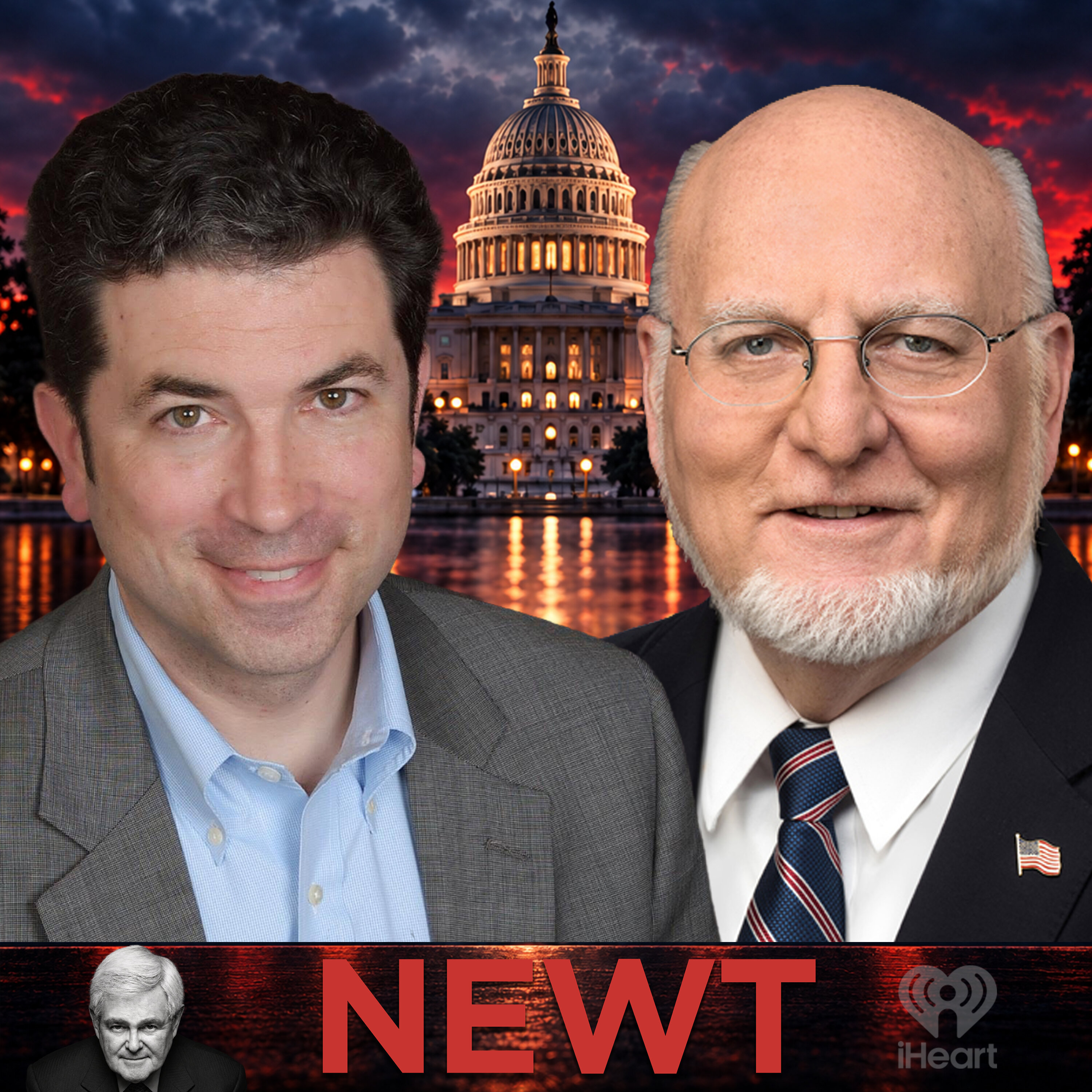 Episode 1043: Alzheimer's Disease Breakthrough New Blood Tests, New Treatments, and What Congress Must Do Now | More than seven million Americans live with Alzheimer's disease today, a number projected to nearly double by 2060. It already consumes 20% of all Medicare spending and costs the economy close to half a trillion dollars annually. But the science is finally catching up. Newt is joined by former CDC Director Dr. Robert Redfield and Dr. Brent Beasley, a retired internist who was diagnosed with Alzheimer's at age 57, for a conversation about new blood tests that detect the disease early and what treatments are being developed. Dr. Redfield draws on his decades leading America's response to the HIV/AIDS epidemic to argue that Alzheimer's disease demands the same sense of urgency. Dr. Beasley shares his remarkable personal journey: how an early blood test and a new monoclonal antibody treatment reversed his decline. Together, they lay out the five policy changes needed now, from routine blood testing for everyone over 50 to removing CMS barriers blocking access to approved treatments, including passage of the bipartisan ASAP Act, which would create a Medicare pathway for FDA-cleared blood-based Alzheimer's biomarker tests.See omnystudio.com/listener for privacy information. | 36m 32s | ||||||
| 9/13/26 | 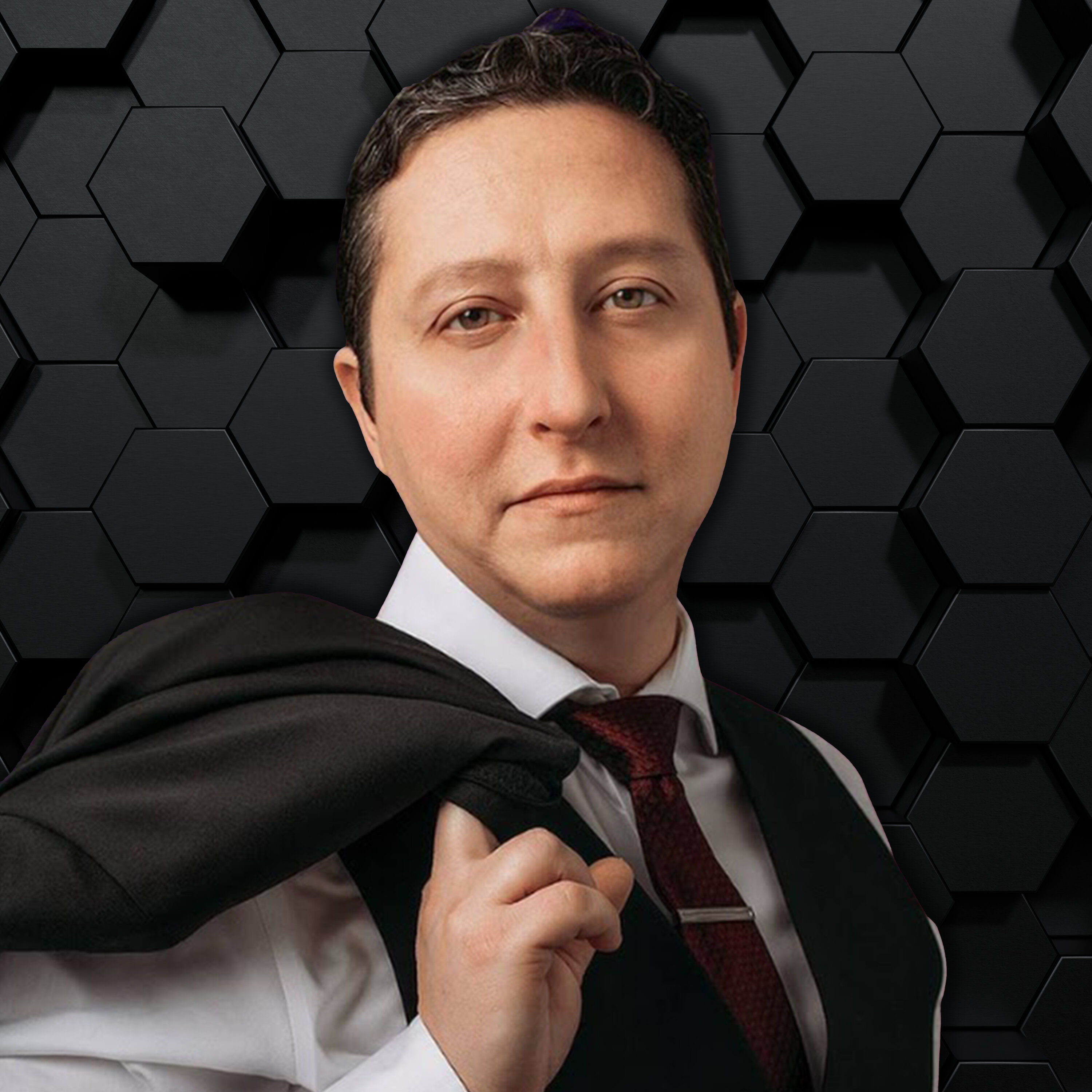 Episode 1042: Burn It Down — What the Polls Say Young Americans Really Want | Most political analysts say Generation Z is quietly turning conservative. Rich Baris says the data tells a completely different story. The director of Big Data Poll and the most accurate national pollster of both 2016 and 2024 joins Newt to discuss his new book, Burn It Down: What the Polls Say Young Americans Really Want. Baris argues that young Americans aren't becoming more conservative; they're becoming more radical and revolutionary, convinced the system can't be reformed, only replaced. He and Newt dig into the staggering affordability numbers driving that anger (home prices up 230% since 2000, real wages up just 13%), the rise of "ledger politics" and left-wing populism, why two-thirds of Democratic primary voters now identify as socialists, and the urgent warning Baris has for Republicans heading into 2026: you can't out-resent the left. You have to out-deliver them.See omnystudio.com/listener for privacy information. | 41m 09s | ||||||
| 9/11/26 |  Episode 1041: How America Borrowed Its Way to $40 Trillion — and What Comes Next | The federal debt just crossed $40 trillion, months ahead of schedule and less than a decade after hitting $20 trillion. Net interest payments now exceed what America spends on defense or Medicare. Thomas Hoenig spent 38 years at the Federal Reserve, including two decades as president of the Kansas City Fed, and was one of the earliest voices warning that the Fed's own quantitative easing policies were enabling Congress to borrow without consequence. He joins Newt for a frank diagnosis: how cheap money created a decade of fiscal irresponsibility, why abandoning the gold standard in 1971 removed the last external discipline on spending, what the slow decline of the British pound tells us about the dollar's future, and whether Washington can bend the curve before the debt hits $50 trillion. Hoenig's conclusion: it's possible, but only if Congress chooses to act.See omnystudio.com/listener for privacy information. | 31m 47s | ||||||
| 9/6/26 | investingspeculation+4 | David Bahnsen | Bahnsen GroupProfit from the Profit: The Past, Present, and Future of Dividend Growth Investing | — | investingspeculating+6 | — | 37m 42s | ||
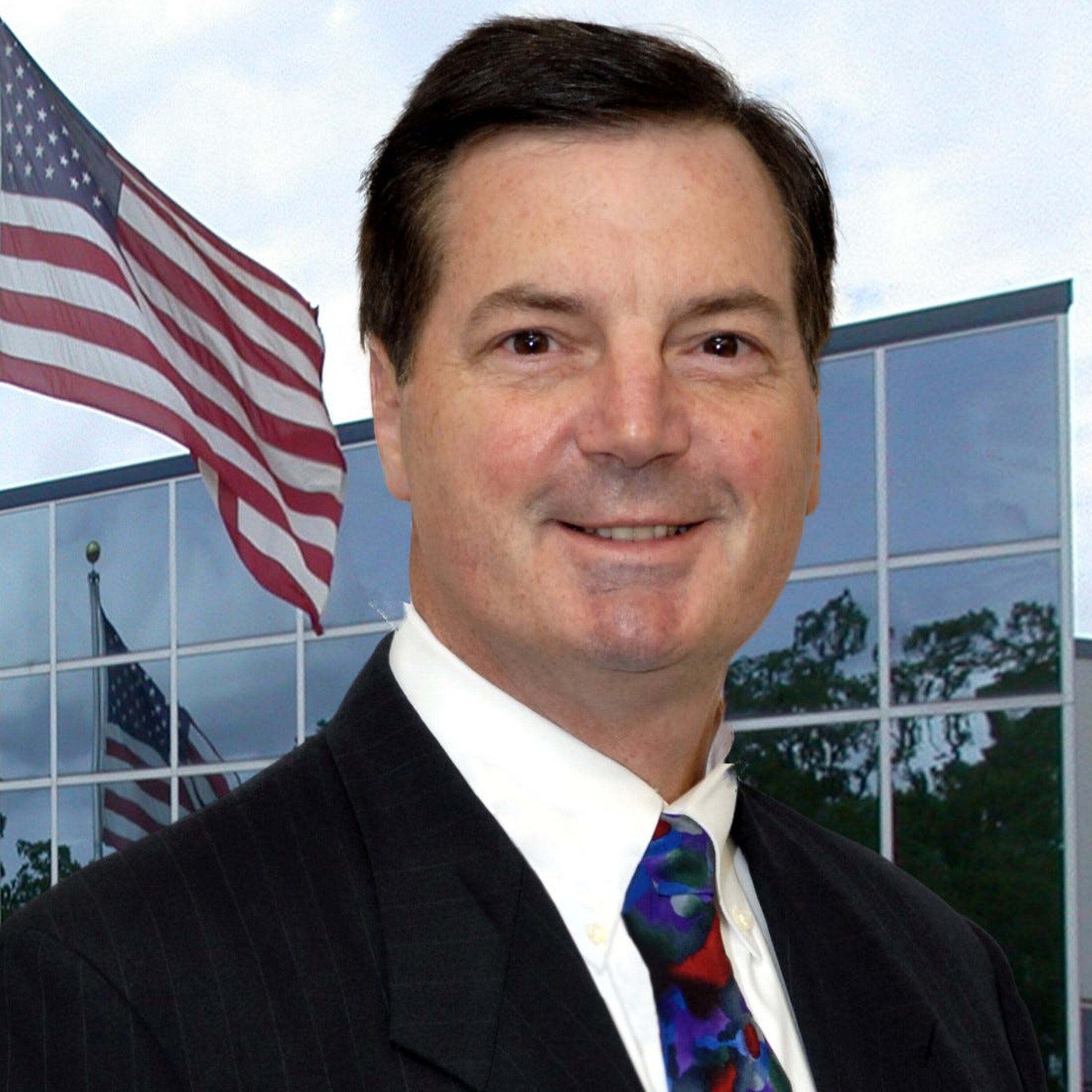
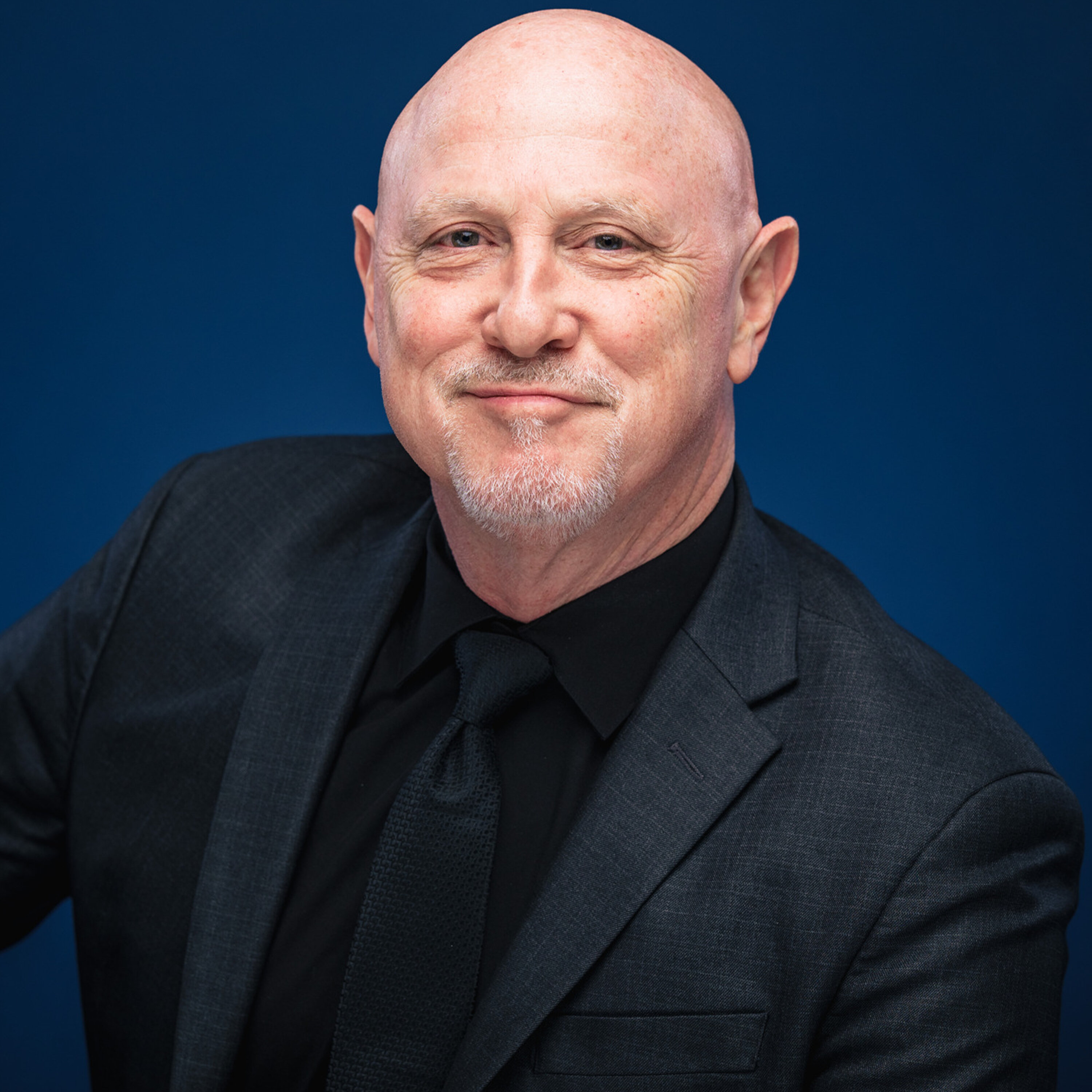
| 8/31/26 | 9/11intelligence+4 | Rick Crawford | House Intelligence CommitteeNewt's World+1 | — | 9/11threats+5 | — | 33m 09s | ||
| 8/30/26 | religious libertyglobal peace movement+4 | Dr. Hak Ja HanDr. Demian Dunkley | Family Federation for World Peace and UnificationFamily Federation USA | South KoreaNorth Korea+1 | Dr. Hak Ja Hanreligious liberty+6 | — | 56m 39s | ||
| 8/27/26 | healthcareRepublican policies+4 | — | TrumpRxMake America Healthy Again+1 | — | healthcare costsinsurance+5 | — | 44m 21s | ||
| 8/26/26 | American Partypolling+4 | — | America's New Majority Project | — | American Partypolling+5 | — | 37m 28s | ||
| 8/25/26 | affordabilityIran+5 | — | TrumpRx | Iran | affordabilityIran+6 | — | 37m 35s | ||
| 8/24/26 |  Episode 1034: How to Win 2026 — Part 2 In Their Own Words — The Case Against Big Government Socialism | In Part Two of his "How to Win 2026" series, Newt makes the case against today's Democratic Party — in their own words. This is the most substantive episode in the series — a methodical, documented case that today's Democratic Party has drifted far from the tradition of Roosevelt and Kennedy into something most Americans simply don't recognize. Using real names, real quotes, real dates, and actual congressional roll calls, Newt builds the argument across eight acts: Democrats calling to abolish ICE and defund the police; open hostility to Israel; a DSA national co-chair calling for abolishing the U.S. Senate on Fox News; candidates who denigrate America on tape; a coalition that rejects free enterprise while a government-run grocery store in Kansas City already proved the model fails; and a brand-new congressional report naming sitting Democrats in what prosecutors call the largest pandemic fraud scheme in American history.See omnystudio.com/listener for privacy information. | 46m 59s | ||||||
| 8/23/26 | Republican strategymidterm elections+4 | — | Republican Party | — | Republican victorymidterm elections+5 | — | 30m 32s | ||
| 8/21/26 | united AmericaBlack Republicans+4 | Lenny McAllister | CPACNAACP+5 | — | Lenny McAllisterunited America+6 | — | 37m 42s | ||
| 8/16/26 | biological warfarenational security+4 | Annie Jacobsen | PentagonU.S. government+1 | Russiasix continents | biological warnuclear war+6 | — | 40m 21s | ||
| 8/14/26 | 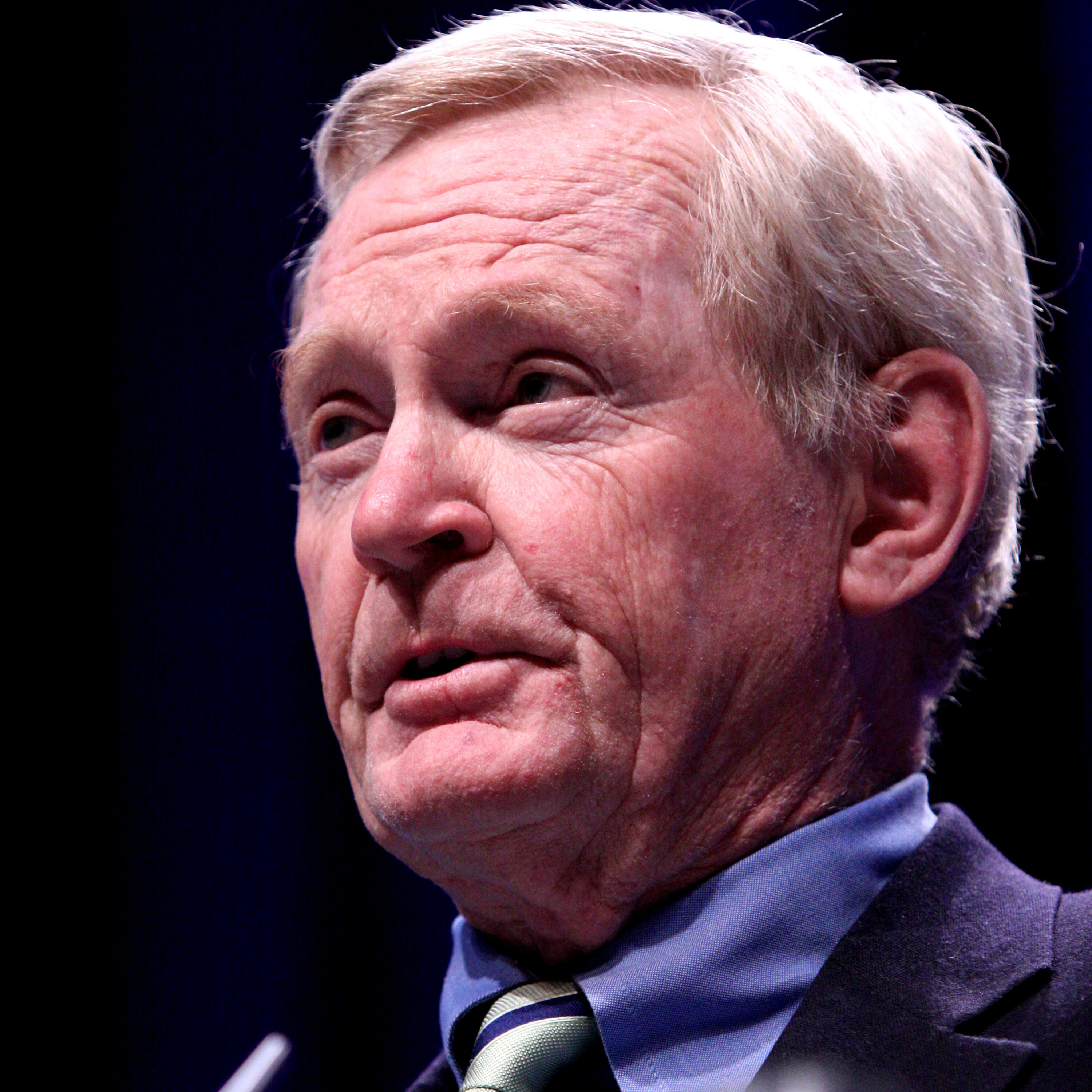 Episode 1030: Cat 5: The 2033 War — America's Debt, Military, and China on a Collision Course | Marine combat veteran, former Assistant Secretary of Defense, and military historian Bing West has spent six decades on battlefields from Vietnam to Afghanistan — and he's angry. In his new book, Cat 5: The 2033 War, West argues that America's leaders won every battle in three wars but lost every war, driven by what he calls the "Jupiter Complex" — the dangerous belief that America is so powerful it doesn't need to fight with full resolve. Now, he warns, that same hubris is converging with a crushing national debt and Xi Jinping's determination to seize Taiwan to create a Category 5 catastrophe by 2033. West joins Newt for a blunt, unsparing conversation about an emaciated military still buying legacy weapons, a debt spiral that leaves no room for defense spending, and what the next president must do to hold the line.See omnystudio.com/listener for privacy information. | 37m 35s | ||||||
| 8/10/26 | 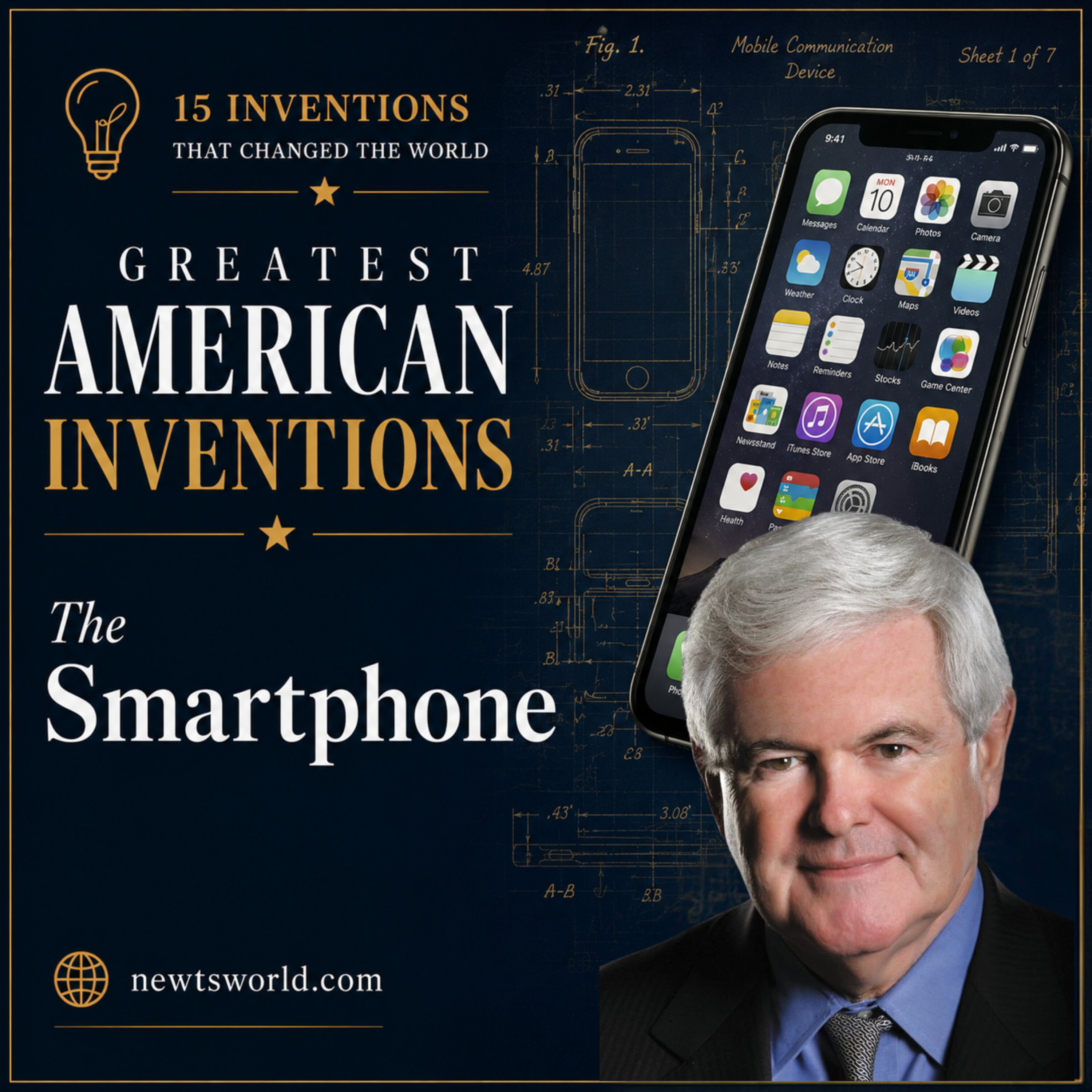 Episode 1029: Greatest American Inventions — The Smartphone | On January 9, 2007, Steve Jobs walked onstage and declared three "revolutionary" products were actually one: the iPhone. Newt closes his 15-part series with the invention that fused the telephone, the transistor, the internet, GPS, and the camera into a single device now carried by six billion people—three-quarters of humanity. From the App Store's trillion-dollar economy to the industries it upended outright, the smartphone is where every earlier episode converges. Newt closes the series by reflecting on 250 years of American inventors who were told it couldn't be done—and built it anyway.See omnystudio.com/listener for privacy information. | 9m 24s | ||||||
| 7/19/26 | Ukraine WarDrones+4 | George Beebe | AI-guided dronesCIA | UkraineRussia+1 | UkraineRussia+5 | — | 42m 11s | ||
| 7/18/26 | American history20th century+4 | Richard Battle | AmeriCANS Who Made America: 20th Century — The American Century | — | American can-do spirit20th century+5 | — | 29m 18s | ||
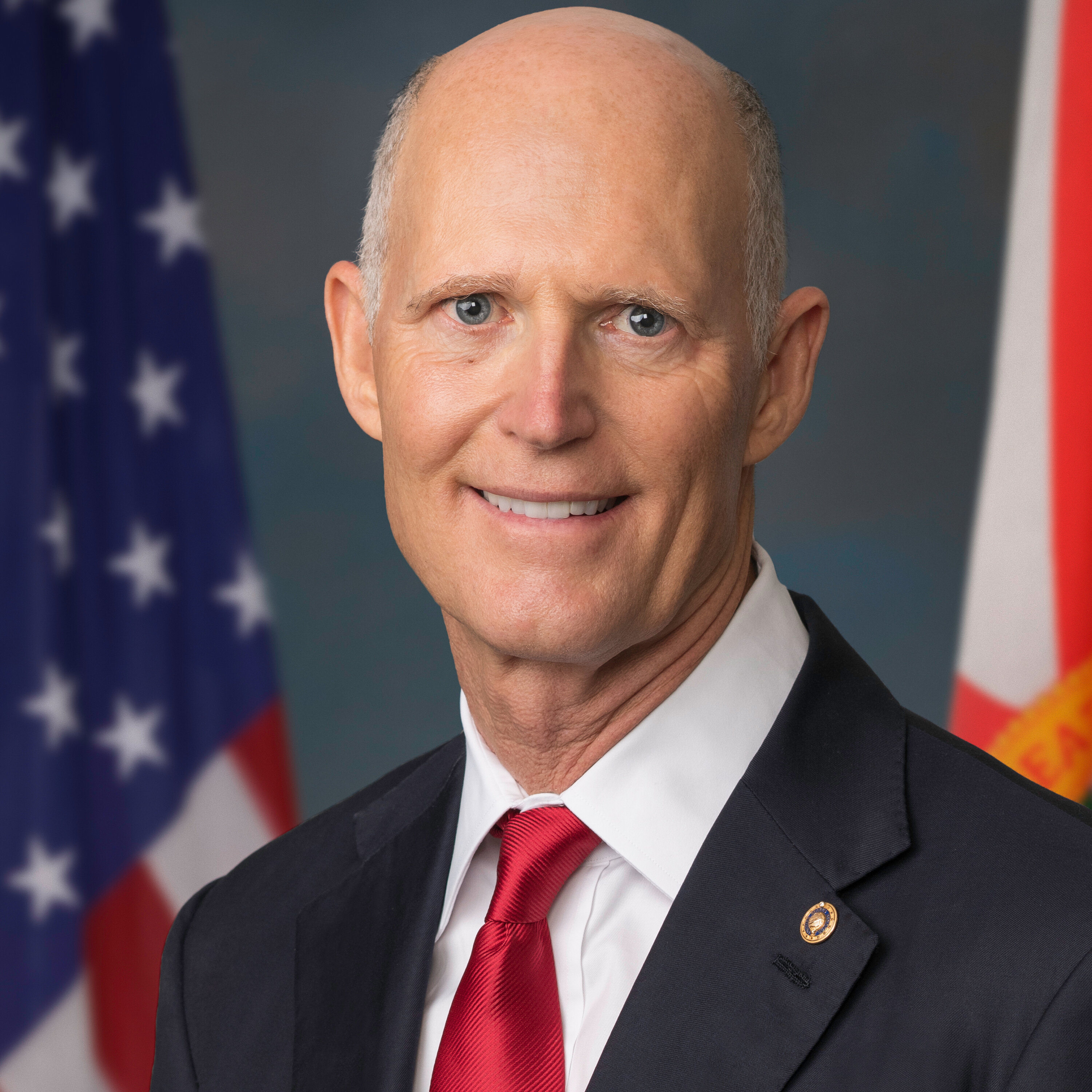
| 7/15/26 | SenateSAVE America Act+3 | Rick Scott | SAVE America ActSenate+1 | Washington | Rick ScottSAVE America Act+6 | — | 25m 20s | ||
| 7/12/26 | Speaker's racepolitical drama+3 | John Leganski | House | — | Speaker's gavelKevin McCarthy+5 | — | 41m 34s | ||
| 7/11/26 | Founding FathersAmerican culture+5 | Johanna Neuman | Trump's SuperpowerGilded Suffragists | — | Founding FathersTrump's Superpower+5 | — | 31m 59s | ||
| 7/9/26 | interstate migrationeconomic freedom+4 | Jack Salmon | Mercatus Center | George Mason University | interstate movesmigration trends+5 | — | 30m 03s | ||
| 7/4/26 | Declaration of IndependenceAmerican history+4 | — | the Declaration of Independence | Philadelphia | Declaration of IndependenceNewt Gingrich+5 | — | 32m 23s | ||
| 7/4/26 | national anthemhistory+4 | Shannon McLucas | GeorgetownPresident Hoover | Fort McHenry | national anthemFort McHenry+5 | — | 39m 20s | ||
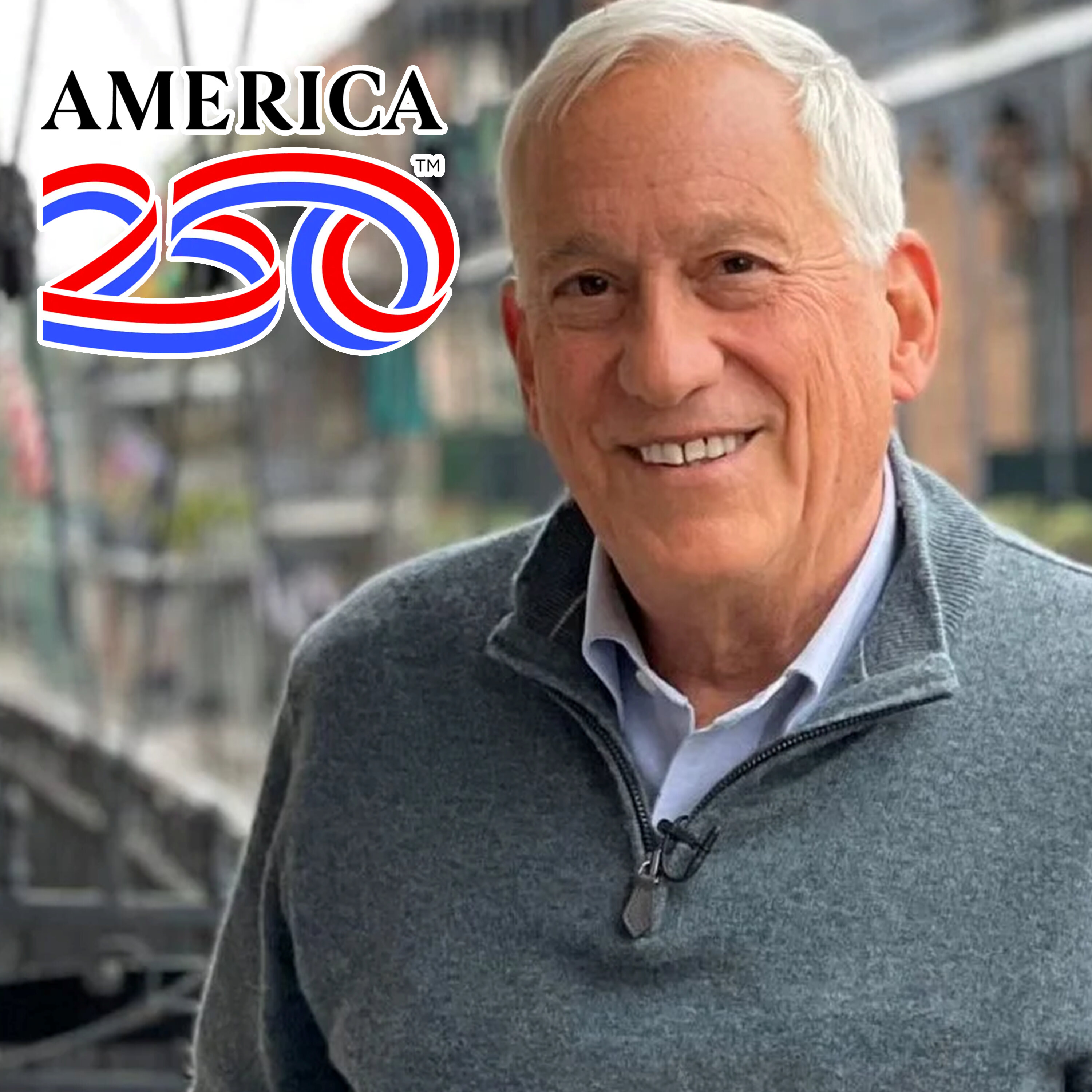
| 7/2/26 | Declaration of IndependenceAmerican history+5 | Walter Isaacson | The Greatest Sentence Ever WrittenDeclaration of Independence | — | Declaration of IndependenceWalter Isaacson+6 | — | 32m 20s | ||
| 7/2/26 | NASAspace travel+4 | Jared Isaacman | NASASpaceX+1 | Americalunar south pole+1 | NASAspace travel+5 | — | 38m 37s | ||
| 6/10/26 | Obamacareenrollment fraud+5 | Elle Minarik | Paragon Health InstituteAffordable Care Act | FloridaTexas+3 | Obamacareenrollment fraud+8 | — | 35m 10s | ||
| 6/7/26 | empathypolicy failures+3 | Gad Saad | Declaration of Independence Center for the Study of American FreedomUniversity of Mississippi+3 | — | empathypolicy+5 | — | 34m 24s | ||
| 6/4/26 | AI newsAnthropic IPO+3 | Neil Chilson | Abundance InstituteAnthropic+1 | ChinaU.S. | AIAnthropic+7 | — | 37m 30s | ||
| 5/31/26 | frackingoil industry+3 | Dan Doyle | Reliance Well ServicesArena Resources+1 | PennsylvaniaTexas | frackingoil and gas+5 | — | 26m 19s | ||
| 5/30/26 | faith-based gamingchildren's entertainment+5 | Brent Dusing | TruPlayMenlo Ventures+2 | America | TruPlayBrent Dusing+7 | — | 32m 36s | ||
| 5/29/26 | political eliteAmerican ideals+3 | Scott Rasmussen | RMG ResearchOut of Touch: The Elite One Percent and the Battle for America’s Soul | America | Scott RasmussenOut of Touch+6 | — | 34m 55s | ||
| 5/24/26 | political memoirAmerican politics+4 | Lamar Alexander | U.S. Education DepartmentThe Education of a Senator: From JFK to Trump | — | Lamar AlexanderNewt Gingrich+7 | — | 36m 54s | ||
| 5/23/26 | George H. W. BushAmerican establishment+4 | Laurence Jurdem | Phillips AcademyYale+2 | — | George H. W. BushLaurence Jurdem+6 | — | 43m 52s | ||
| 5/17/26 | paleontologydinosaurs+3 | Steve Brusatte | The Story of Birds | China | birdsdinosaurs+5 | — | 46m 48s | ||
| 5/15/26 | U.S.-China relationsdiplomacy+5 | Weifeng Zhong | America First Policy Institute | ChinaTaiwan+3 | TrumpXi Jinping+8 | — | 34m 44s | ||
| 5/9/26 | American resiliencepolitical leadership+3 | Bret Baier | Fox News ChannelThe Case for America: An Argument on Behalf of Our Nation | — | Bret BaierAmerican resilience+3 | — | 30m 07s | ||
| 5/6/26 | politicsradical left+4 | John Tillman | American Culture ProjectThe Political Vise | — | political viseradical left+5 | — | 35m 27s | ||
| 5/3/26 | Trump's second termpolitical strategy+3 | Sean Spicer | America First Policy InstituteGingrich’s America’s New Majority Project+1 | — | Trump 2.0Sean Spicer+5 | — | 40m 54s | ||
| 5/2/26 | California governor's raceRepublican candidates+3 | Carl DeMaio | Reform CaliforniaCalifornia State Assembly+1 | — | California governor's raceCarl DeMaio+6 | — | 35m 32s | ||
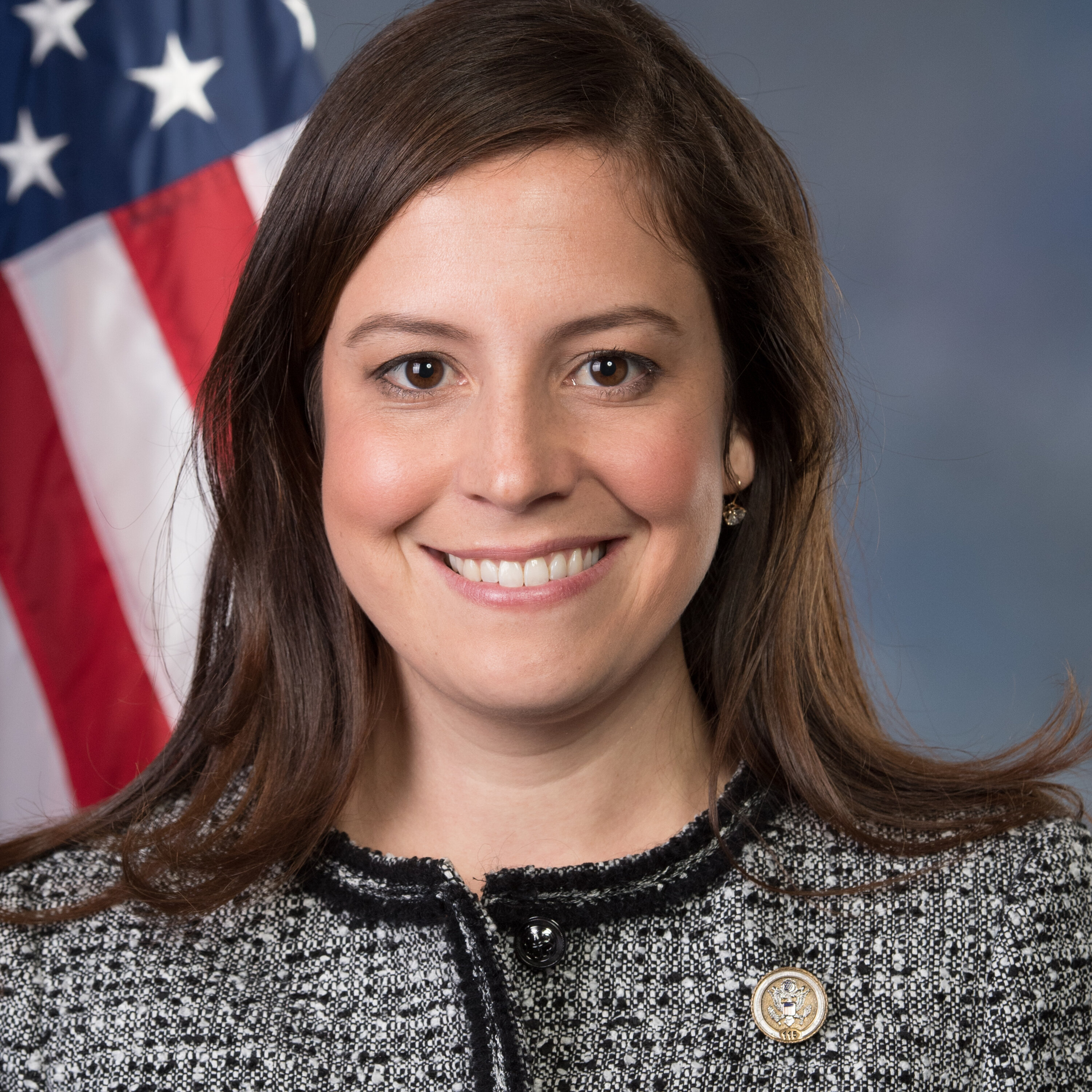
| 4/26/26 | higher educationpolitical indoctrination+4 | Elise Stefanik | HarvardPoisoned Ivies | New YorkAmerica | Elise StefanikPoisoned Ivies+5 | — | 36m 36s | ||
| 4/25/26 | hospital costshealthcare policy+3 | Brian Blase | Paragon Health InstituteMedicare | — | hospital costshealthcare prices+3 | — | 35m 08s | ||
| 4/24/26 | founder mindsetAmerican history+4 | Dr. Arthur Herman | Founders Fire: From 1776 to the Age of Trump | — | foundersAmerican exceptionalism+4 | — | 38m 48s | ||
| 4/19/26 | FBIespionage+3 | Wayne Barnes | FBIKGB+4 | PhiladelphiaMonterey+2 | A Traitor in the FBIRobert Hanssen+6 | — | 36m 09s | ||
| 4/18/26 | regulationgovernment spending+3 | Wayne Crews | CEIthe Competitive Enterprise Institute+1 | Washington | Ten Thousand CommandmentsCARES Act+3 | — | 34m 24s | ||
| 4/16/26 | online sports bettingpublic health+3 | Dr. Greg Ganske | KalshiPolymarket+1 | — | gambling disorderprediction markets+6 | — | 30m 47s | ||
| 4/12/26 | birthright citizenshipSupreme Court+3 | Zack Smith | The Heritage FoundationThe Supreme Court+1 | U.S. | Trump v. Barbaraexecutive order+7 | — | 37m 24s | ||
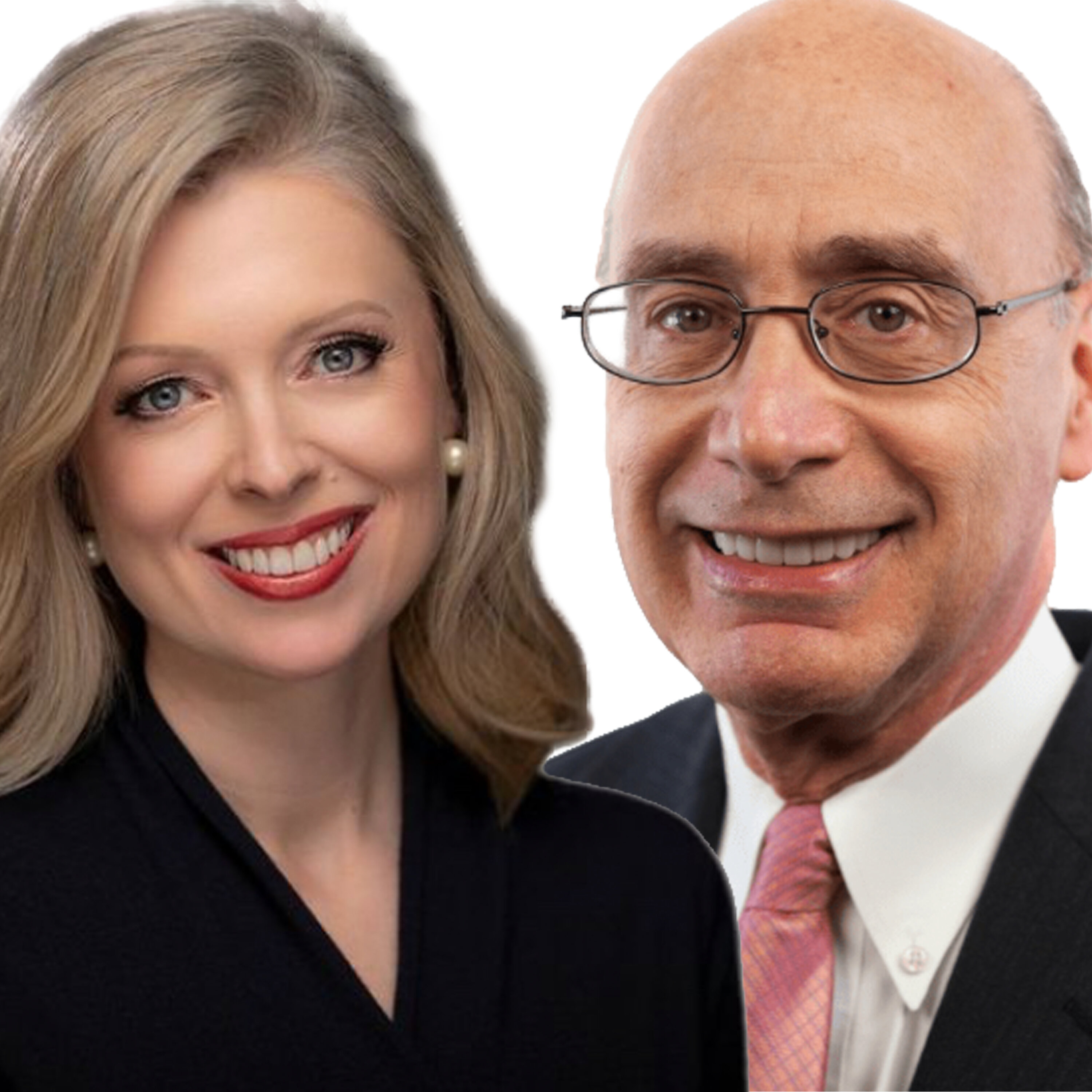
| 4/11/26 | 2026 Midterm ElectionsIndependents+3 | David WinstonMyra Miller | The Winston Group | IranStrait of Hormuz | inflationeconomy+5 | — | 33m 59s | ||
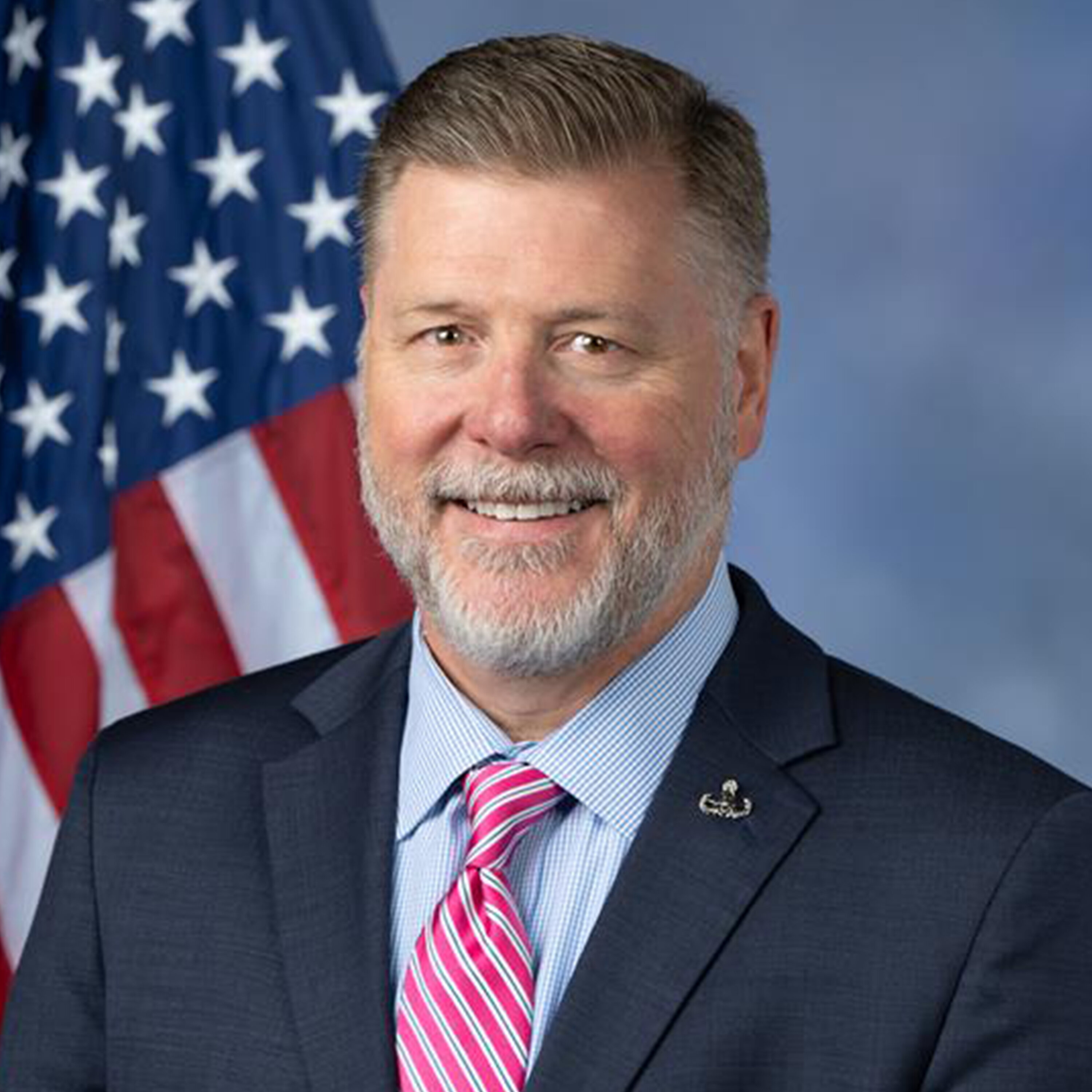
| 4/9/26 | counterintelligencenational security+3 | Congressman Rick Crawford | the House Permanent Select Committee on Intelligencethe Department of Homeland Security+1 | Iranthe United States+4 | counterintelligence reformIran war+8 | — | 41m 02s | ||
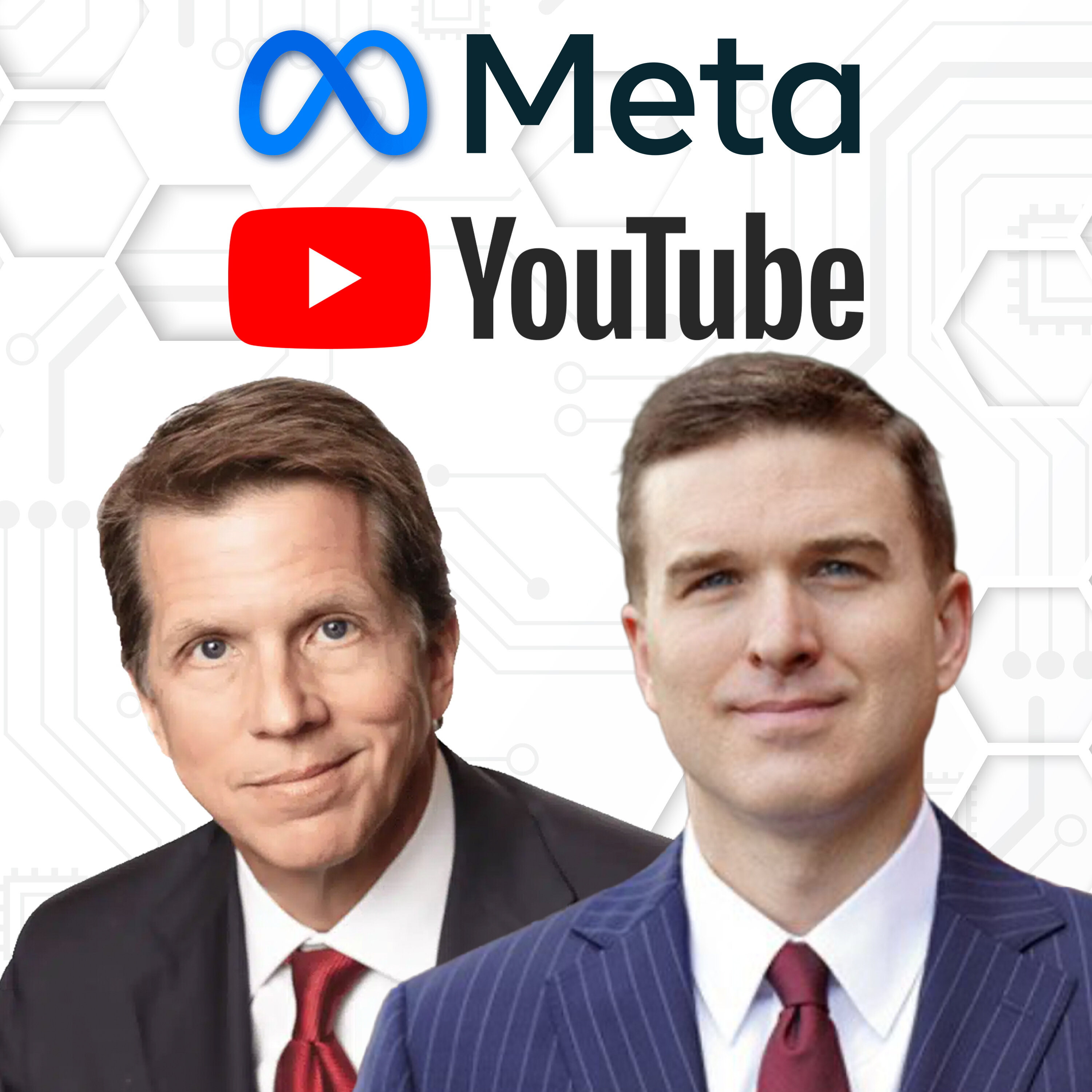
| 4/5/26 | social mediaaddiction+3 | Joseph VanZandtMark Lanier | MetaYouTube+4 | California | MetaYouTube+8 | — | 47m 35s | ||
| 4/4/26 | AInational security+3 | Wynton Hall | Breitbart NewsThe Race to Control AI+1 | China | Code RedAI warfare+6 | — | 31m 08s | ||
| 3/29/26 | American historypolitics+3 | Bob Crawford | The Avett BrothersCongress+6 | — | John Quincy AdamsAbigail Adams+8 | — | 46m 54s | ||
| 3/28/26 | tariffsSupreme Court+3 | Michael Faulkender | American Prosperitythe America First Policy Institute+2 | — | Trump's tariffsInternational Emergency Economic Powers Act+6 | — | 37m 25s | ||















Showing 62 of 1000
Pitch Fit is a Pro feature
See how bookable this show is for guests, which brands already advertise, the per-episode ad value, and the best-fit guest and sponsor profile. The numbers are blurred on the free plan.
How readily this show books outside guests like you.
How proven this show is for host-read sponsorships.
For Guests
ProFor Advertisers
ProUpgrade to Pro to unlock guest cadence, sponsor categories, fit scores, and per-episode ad value for this show.
Similar Audience Demographics
Podcasts that attract a similar listener profile

John Solomon Reports
John Solomon
Verdict with Ted Cruz
iHeartPodcasts

Kudlow
Fox News Podcasts

Bill O’Reilly’s No Spin News and Analysis
Bill O'Reilly

Victor Davis Hanson: In His Own Words
Victor Davis Hanson | The Daily Signal

Pod Force One
New York Post

The Drill Down with Peter Schweizer
Government Accountability Institute
Chart history for Newt's World
Peaked at #58 in South Korea, currently #58 in South Korea.
| Market | Genre | Peak | Current | Trend |
|---|---|---|---|---|
| South Korea | — | #58 | #58 | — |
| SA | — | #84 | #84 | — |
| United States | — | #89 | #89 | — |
| Mexico | — | #117 | #117 | — |
| IL | — | #123 | #123 | — |
| HK | — | #126 | #126 | — |
Chart Positions
6 placements across 6 markets.
Chart Positions
6 placements across 6 markets.