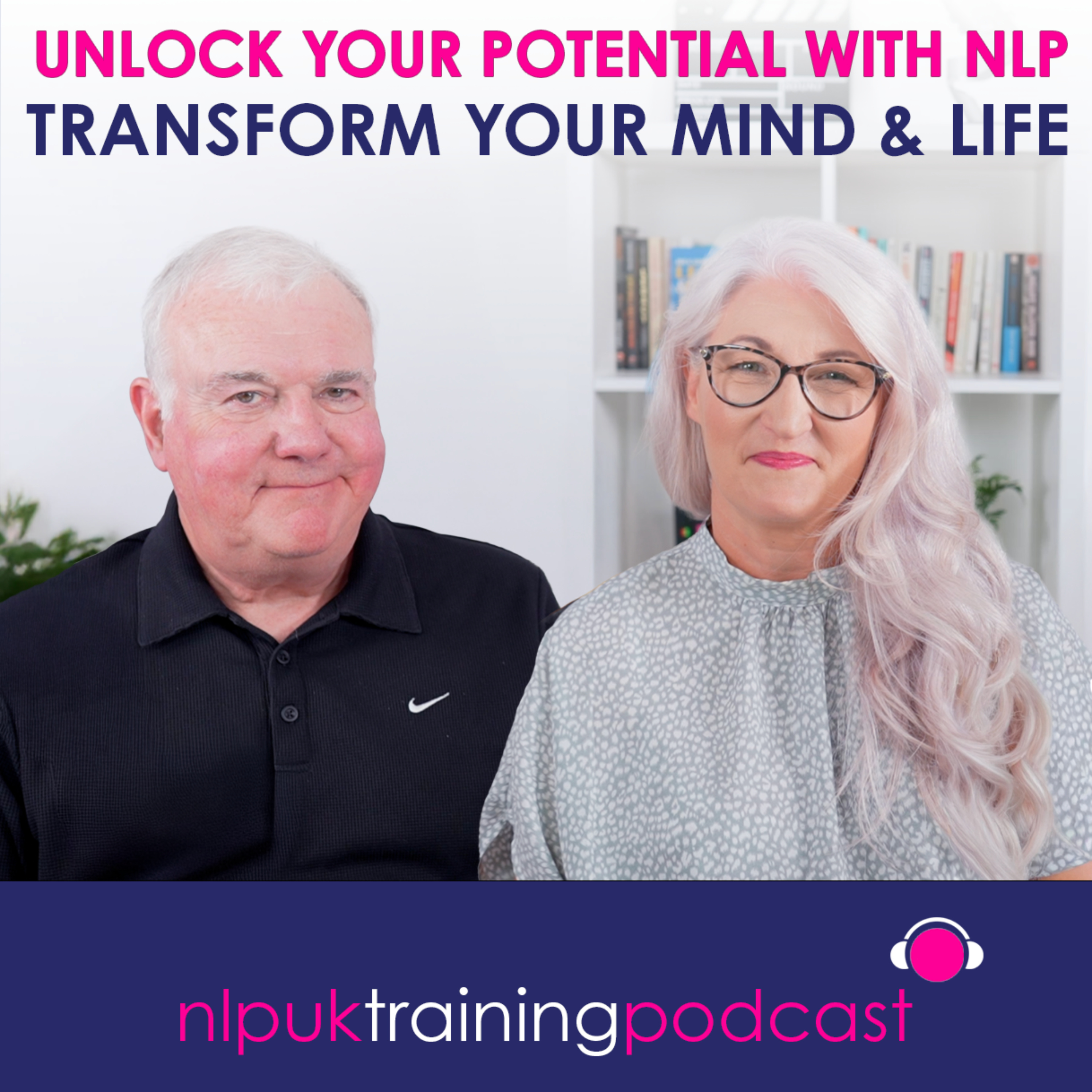
NLP UK Training Podcast
by Quality Culture
Is this your podcast?Insights from recent episode analysis
Audience Interest
Podcast Focus
Publishing Consistency
Platform Reach
Insights are generated by CastFox AI using publicly available data, episode content, and proprietary models.
Most discussed topics
Brands & references
Total monthly reach
Estimated from 1 chart position in 1 market.
By chart position
- 🇳🇬NG · Self-Improvement#753K to 10K
- Per-Episode Audience
Est. listeners per new episode within ~30 days
1.5K to 5K🎙 ~2x weekly·72 episodes·Last published 2w ago - Monthly Reach
Unique listeners across all episodes (30 days)
3K to 10K🇳🇬100% - Active Followers
Loyal subscribers who consistently listen
900 to 3K
Market Insights
Platform Distribution
Reach across major podcast platforms, updated hourly
Total Followers
—
Total Plays
—
Total Reviews
—
* Data sourced directly from platform APIs and aggregated hourly across all major podcast directories.
On the show
From 15 epsHosts
Recent guests
Recent episodes
Forget Your Why - What's Your Legacy?
Aug 17, 2026
Unknown duration
Not Bad With Money - Just Running an Old Program
Aug 3, 2026
Unknown duration
Look, Listen, Feel: Why Your Message Isn't Landing (and How to Fix It)
Jul 20, 2026
Unknown duration
Settling the Snow Globe: How to Quieten a Busy Mind
Jul 6, 2026
Unknown duration
The Dog on the Nail: Why We Stay When It Hurts
Jun 22, 2026
Unknown duration
Social Links & Contact
Official channels & resources
Official Website
Login
RSS Feed
Login
| Date | Episode | Topics | Guests | Brands | Places | Keywords | Sponsor | Length | |
|---|---|---|---|---|---|---|---|---|---|
| 8/17/26 | 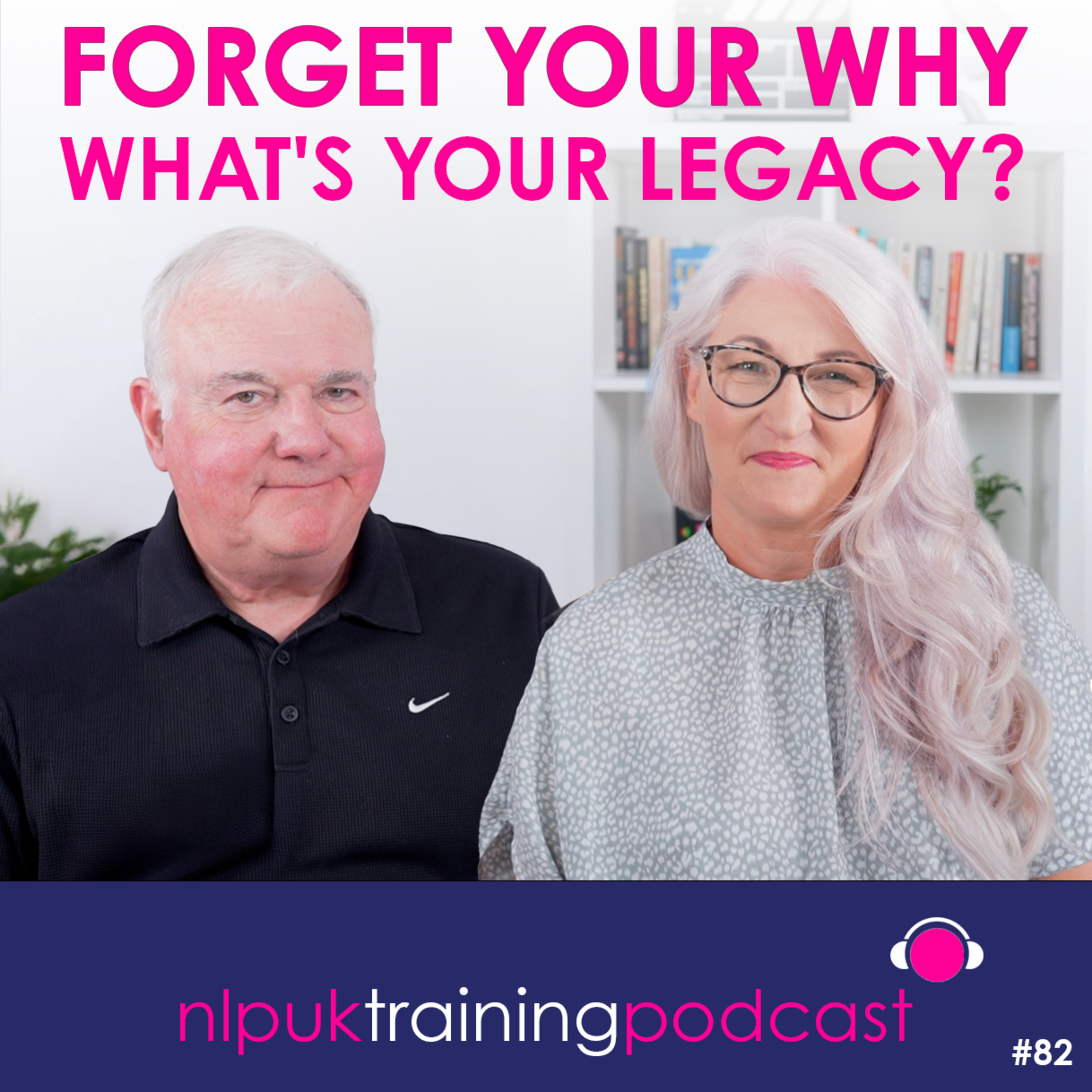 Forget Your Why - What's Your Legacy? | “Everything we do has a connection with what other people do, and everything we leave behind leaves a connection.”Welcome back to the NLP UK Training podcast! Hosted by NLP Trainers Steve Kay and Kali Fraser from NLPUKTraining.com – a leading provider of NLP Practitioner and Master Practitioner certification in the UK.In this episode, Steve and Kali offer an alternative to a question that stumps a lot of people. Simon Sinek’s “what’s your why?” works beautifully for some = a new nurse can answer it in a heartbeat – but for many of us it just draws a blank. Their reframe: forget your why, and think about your legacy instead. Steve opens with his friend, who helps wealthy families think two or three generations ahead, and a lovely story of a man whose grandfather sold a business decades earlier – quietly funding his grandson through acting school. He wasn’t the best actor in the room, and it didn’t matter: someone he’d never asked had already bought him the freedom to follow his heart’s desire.The heart of the episode is Sarah, Kali’s sister-in-law – an ice skating coach who built her career working with the kids none of the other coaches wanted: autistic children, children with physical disabilities, anyone outside skating’s mainstream. She saw a spark of brilliance where others saw a limitation — the Pygmalion effect in action — and her teams now come back from world championships with gold, silver and bronze medals every time. But as Steve and Kali unpack, the medals are the smallest part of it. The confidence ripples into every other area of those skaters’ lives; the spectators watching a neurodiverse champion quietly revise what they believe people can do. And as Kali points out, Sarah has probably never once thought about any of this as “legacy.” She’s just doing what she does. (“She will when we tell her,” says Steve.)That’s the real distinction they land on: your why has to be excavated, but your legacy is already happening – you just can’t always see it. Steve talks about delegates returning years later to say one sentence on day two changed everything, and the course material’s beautiful chain of connection: nobody could have the brain of a concert pianist before 1700, because someone good with wood had to build the first piano – no Madonna, no Lady Gaga; no wheel and no trunk, no wheeled suitcase, even if it took a few thousand years for someone to put those two together. Everything you do well hands someone else a starting point you’ll probably never witness. So reflect on it, share the episode with someone it might help – and, as Steve signs off, help them spread their legacy.In this episode, Steve and Kali discuss:Why “what’s your legacy?” unlocks people that “what’s your why?” leaves stuckThe grandfather’s sold business that sent his grandson to acting schoolSarah’s inclusive skating: coaching the kids nobody else would take onThe Pygmalion effect - how believing in someone changes what they becomeThe ripple effect: from one skating lesson to world championships and beyondPianos, Madonna and wheeled suitcases: how every contribution enables the next | — | ||||||
| 8/3/26 | 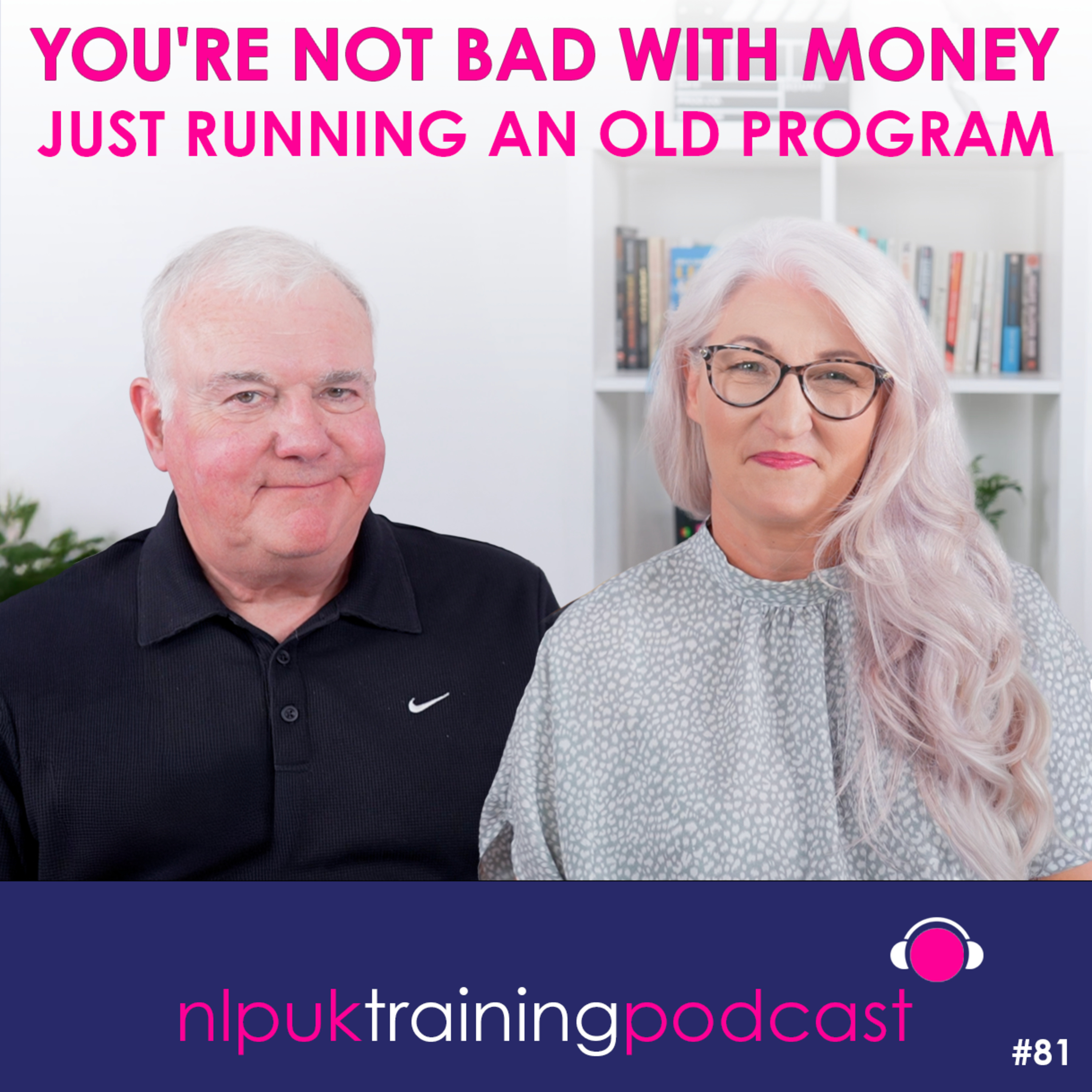 Not Bad With Money - Just Running an Old Program | “You only see what you believe.”Welcome back to the NLP UK Training podcast! Hosted by NLP Trainers Steve Kay and Kali Fraser from NLPUKTraining.com – a leading provider of NLP Practitioner and Master Practitioner certification in the UK.In this episode, Steve and Kali ask a question that reframes the whole conversation about personal finance: what if you’re not bad with money – what if you’re just running an outdated program about it? They call it your script: the model of the world you absorbed long before you had any say in it, built from overheard kitchen-table conversations and offhand remarks from people who loved you.Steve opens with a story that lands hard: a delegate on a Leeds practitioner course who’d co-written a number one hit – earning several times an average annual salary in one go – and never wrote another. Later that week he mentioned, almost in passing, a core belief that money was a bad thing, inherited from his grandmother. Steve has wondered ever since whether that quiet sentence was what stood between him and a second hit. Kali’s version is closer to home: an eleven-year-old overhearing her mum worry about the electricity bill, and grandparents born in the early 1900s for whom scarcity wasn’t a mindset — it was two world wars, the Depression and rationing. The belief was accurate, once. It just kept travelling down the generations after the conditions changed.Then it gets practical: why new coaches price themselves at bargain-basement rates out of imagined scarcity (and the networking meetings full of coaches discussing the lack of demand – a room of people who by definition aren’t busy). Kali shares the reframe that got her onto Master Practitioner when the price made her wince: swap “can I afford it?” for “how can I afford it – and what will it cost me if I don’t?” £500 of coaching work a month later, the course paid for itself. And they close with the habit that keeps recurring on this show: when someone else does well, say good for them – and mean it. Your unconscious mind is always listening, and every put-down teaches it that money is bad.In this episode, Steve and Kali discuss:The songwriter with a number one hit and an inherited belief that money was badWhere money scripts come from – and why your grandparents’ scarcity was realWhy new coaches underprice themselves, and what to do insteadThe reframe: “how can I afford it – and what will it cost me if I don’t?”Paul McKenna’s rule on praising other people’s success (it’s really for you)Michael Neill on quoting from scarcity, and Rich Dad, Poor Dad on spending with purpose | — | ||||||
| 7/20/26 | 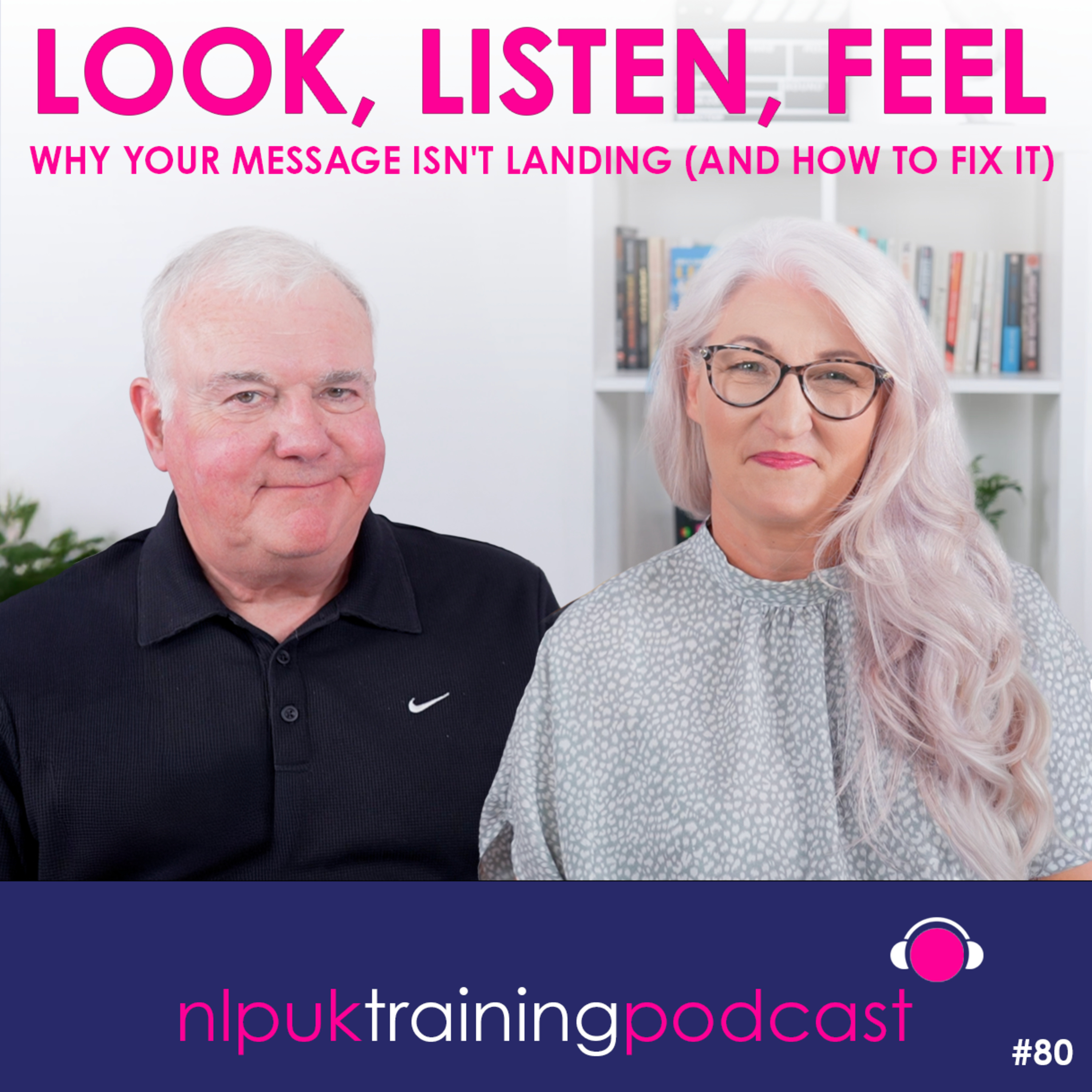 Look, Listen, Feel: Why Your Message Isn't Landing (and How to Fix It) | “You’re respecting my model of the world by talking back in my language.”Welcome back to the NLP UK Training podcast! Hosted by NLP Trainers Steve Kay and Kali Fraser from NLPUKTraining.com – a leading provider of NLP Practitioner and Master Practitioner certification in the UK.In this episode, Steve and Kali share one of the most immediately useful ideas in NLP: we all take in the world through our senses, but we don’t weigh them equally. Some people are predominantly visual (show me), some auditory (talk it through with me), some kinesthetic (let me get a feel for it), and some auditory-digital (give me the data, the criteria, the deal). Most of us are a blend with one or two dominant – and once you can spot which one someone’s running, you can speak their language and the message actually lands. The tell is in the words people use: look and see; I hear you and that rings a bell; it just felt right; it makes sense and meets my criteria.The standout story is the salesperson at Ricoh who realised mid-training that he was deeply kinesthetic and had been selling photocopiers the only way he knew how: let the customer have a go, have a play. Which worked brilliantly – on the other kinesthetics. He’d been quietly missing every visual buyer who wanted to see the print quality, and every auditory-digital buyer who wanted the price, the monthly payments and the network specs. As he put it himself, he’d been missing out on a big chunk of his potential customers without ever knowing why.Kali brings it home with her kitchen renovation – functionality and storage criteria first (that’s her AD), then hands run over every worktop and door in the showroom, handles ruled out entirely because of how they feel (pure kinesthetic), while visual Matt picked the colours and style. The upshot for anything you’re communicating, from a sales pitch to a website: build in enough of all four channels, and let people connect with the one that speaks to them.In this episode, Steve and Kali discuss:The four representational systems – visual, auditory, kinesthetic and auditory-digitalHow to spot someone’s preference from the words they use (and their eye movements)The Ricoh salesperson unknowingly selling to only a quarter of his marketKali’s kitchen: criteria plus touch, a blend in actionWhy good websites deliberately serve all four channelsSteve’s book on eye movements and language patterns – on the website and Amazon | — | ||||||
| 7/6/26 |  Settling the Snow Globe: How to Quieten a Busy Mind | “I’m not going to do anything. I’m just going to let it settle.”Welcome back to the NLP UK Training podcast! Hosted by NLP Trainers Steve Kay and Kali Fraser from NLPUKTraining.com – a leading provider of NLP Practitioner and Master Practitioner certification in the UK.In this episode, Steve and Kali take on the modern default state: a mind that never stops. Busy at work, busy at home, and busiest of all in your own head. Their central image is the snow globe – shake it and everything swirls, obscuring the figures inside. Put it down and it settles on its own. No effort required. Steve pairs it with the puddle in your wellies: stomp through and the sediment clouds everything; wait, and it clears itself. Both point at the same truth – the mind is a self-correcting system, and the problem is usually that we keep interrupting the self-correction.The practical heart of the episode is what each of them actually does about it. Steve shares the windscreen-wiper technique he absorbed from a Master Practitioner delegate’s modelling project – a coach who, on the drive to every session, imagined his wipers sweeping his mind clear – which now runs automatically whenever he needs to simply sit and listen. Kali’s version comes from her partner Matt, an IT security manager whose answer to every technical problem is “have you switched it off and on again?” – and it turns out it works on people too. Stuck writing a training programme? Ten minutes of watering the plants, and the way forward is suddenly obvious.There’s a sharper edge too: a busy mind makes real listening impossible – you’re not hearing the other person, you’re waiting for your turn with the question you’ve already lined up. And from the Three Principles angle, the snow-globe state is the ego trying to manage everything, while the quiet state is where insight actually arrives. If your head has been loud lately, this is a short, warm reminder that you don’t have to do anything to fix it. Pause. Stop shaking. Let it settle.In this episode, Steve and Kali discuss:The snow globe and the puddle: two metaphors for a mind in overdriveSteve’s windscreen wiper technique, borrowed from a modelled coachKali’s “switch it off and on again” approach to creative blocksWhy a busy mind means you’re listening to interrupt, not to understandThe Three Principles view: ego shakes the globe, quiet delivers the insightThe case for caring less about the small stuff (mismatched ridge tiles included) | — | ||||||
| 6/22/26 |  The Dog on the Nail: Why We Stay When It Hurts | “He’s not in enough pain yet. It doesn’t hurt enough.”Welcome back to the NLP UK Training podcast! Hosted by NLP Trainers Steve Kay and Kali Fraser from NLPUKTraining.com - a leading provider of NLP Practitioner and Master Practitioner certification in the UK.In this episode, Steve and Kali keep it short and let a single story do the heavy lifting. It’s a metaphor Steve picked up from Connor, a colleague in the NLP field: a man walks up his friend’s driveway and hears the dog whimpering on the porch. Not distressed - just grumbling, shifting, uncomfortable. He asks what’s wrong. The friend, entirely unbothered, says: “Dog’s fine. He’s just lying on a nail.” And why doesn’t the dog simply get up and move? “He’s not in enough pain yet.”Kali shares how the story landed for her personally - a decision she’d been circling for a while about stepping away from a big part of what they used to do. Then Steve told her the nail story and it tipped her over: “Right, that’s it. I’m done. The nail’s prodding too much now.” They pair it with Julia Donaldson’s The Snail and the Whale - the snail on the safe, boring rock who gets an itchy foot - and land on the same truth from two directions: most of us aren’t stuck because things are unbearable. We’re stuck because things are tolerable. Comfort is a very effective anaesthetic.So the question worth sitting with this week: what nails are you lying on right now - and how much longer are you willing to lie there?In this episode, Steve and Kali discuss:Connor’s story of the dog on the nail - and why the dog doesn’t moveThe trap of “tolerable but not good”: comfort as anaestheticKali’s real decision - how one metaphor pushed her over the lineThe Snail and the Whale and the itchy foot that starts everything | — | ||||||
| 6/8/26 | screen timetime management+3 | — | NLPUKTraining.com | — | screen timephone usage+3 | — | 8m 08s | ||
| 5/25/26 | connectiontechnology+3 | — | — | — | NLPconnection+5 | — | 11m 51s | ||
| 5/11/26 | career grey zonejob satisfaction+3 | — | NLPUKTraining.com | — | careerjob title+7 | — | 9m 56s | ||
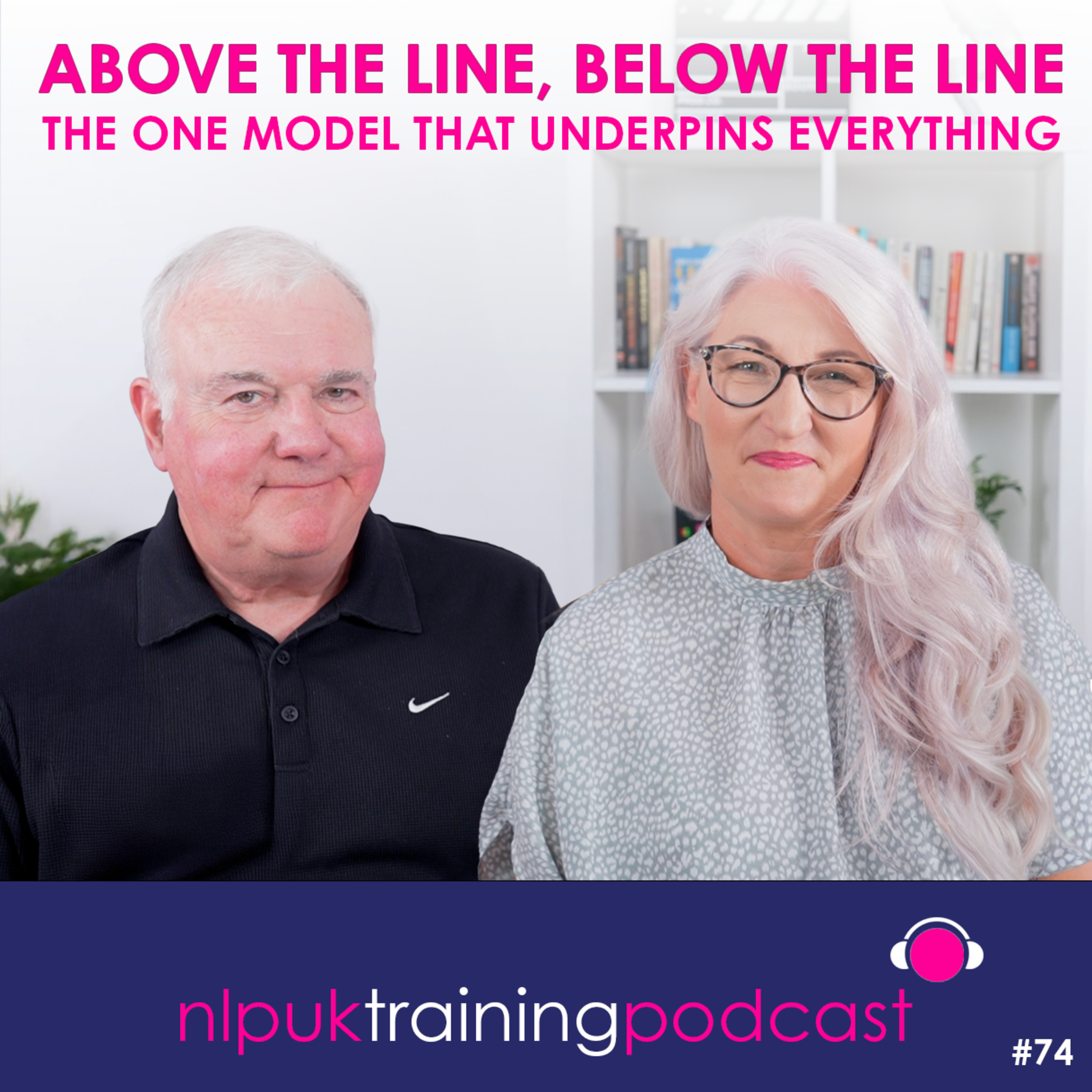
| 4/20/26 | personal responsibilityNLP+4 | — | NLPUKTraining.com | — | above the linebelow the line+6 | — | 15m 43s | ||
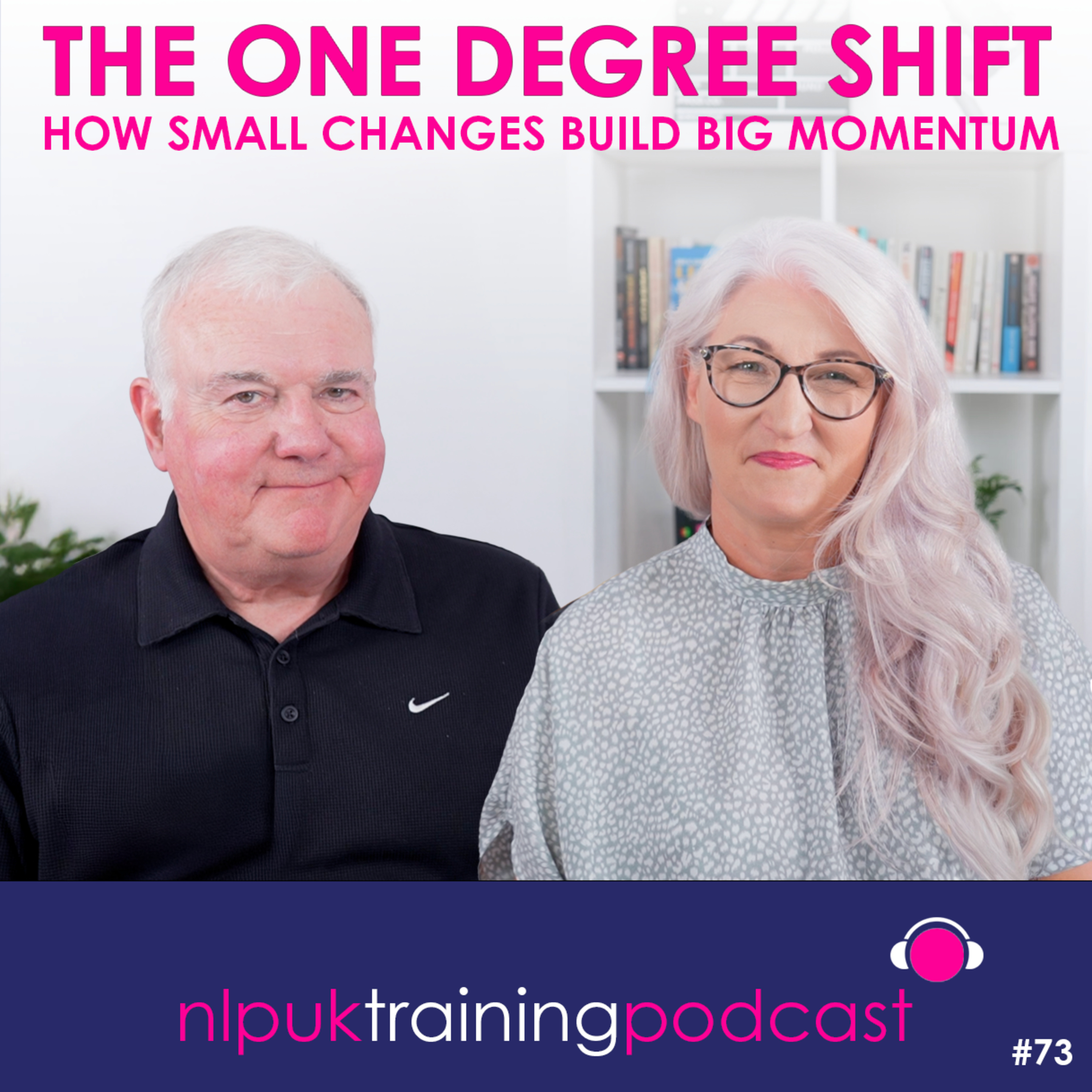
| 4/6/26 | small changesmomentum+3 | — | NLPUKTraining.com | Nassau | one degree shiftNLP+3 | — | 10m 50s | ||
Want analysis for the episodes below?Free for Pro Submit a request, we'll have your selected episodes analyzed within an hour. Free, at no cost to you, for Pro users. | |||||||||
| 3/23/26 | setbackspositive attitude+3 | — | NLPUKTraining.com | — | setbackspositive attitude+3 | — | 9m 52s | ||
| 3/9/26 | support crewpersonal growth+4 | — | NLPUKTraining.com | Las VegasUK+1 | support crewpersonal growth+4 | — | 10m 29s | ||
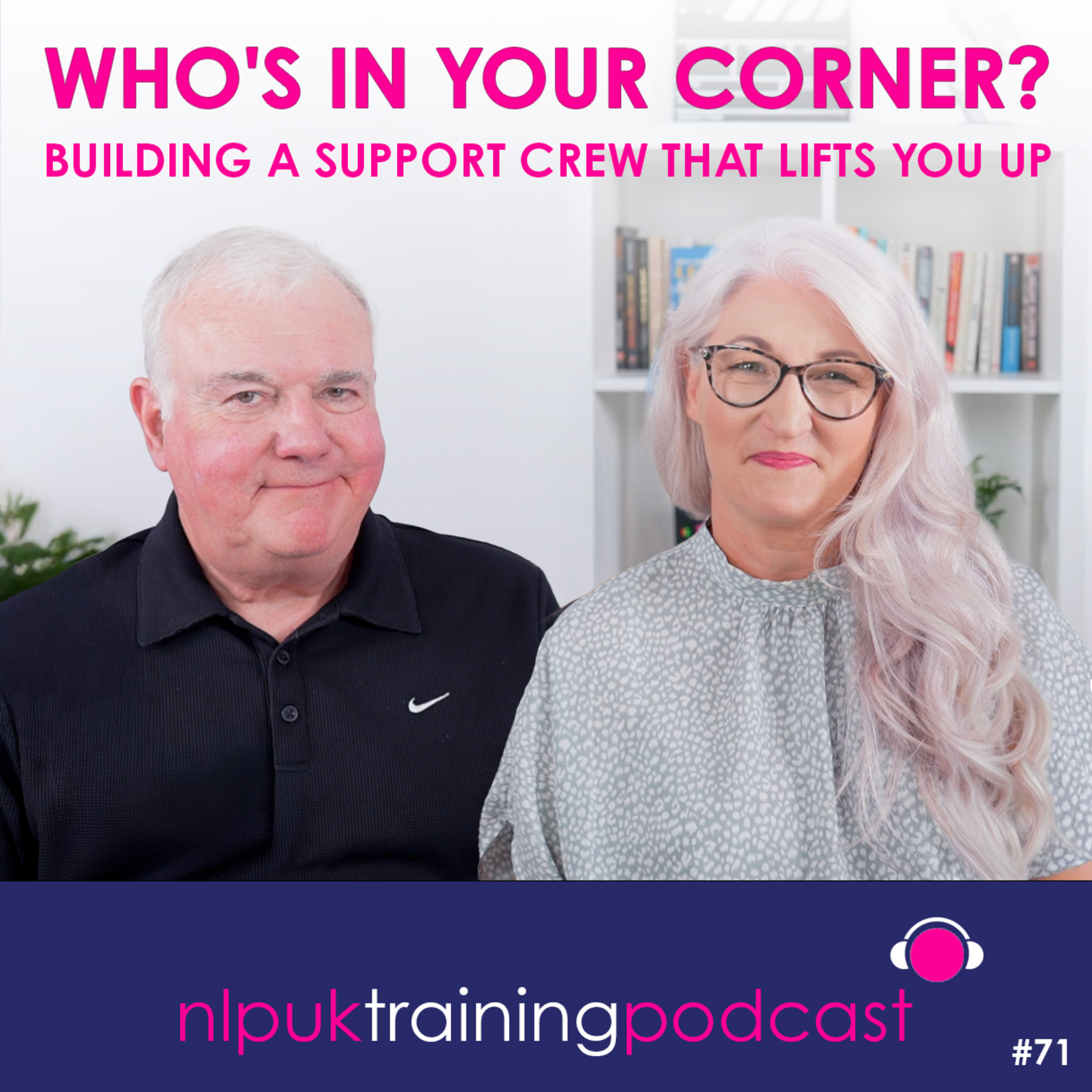
| 2/16/26 | self-acceptancemental health+4 | — | NLPUKTraining.com | — | brokenself-improvement+5 | — | 8m 46s | ||
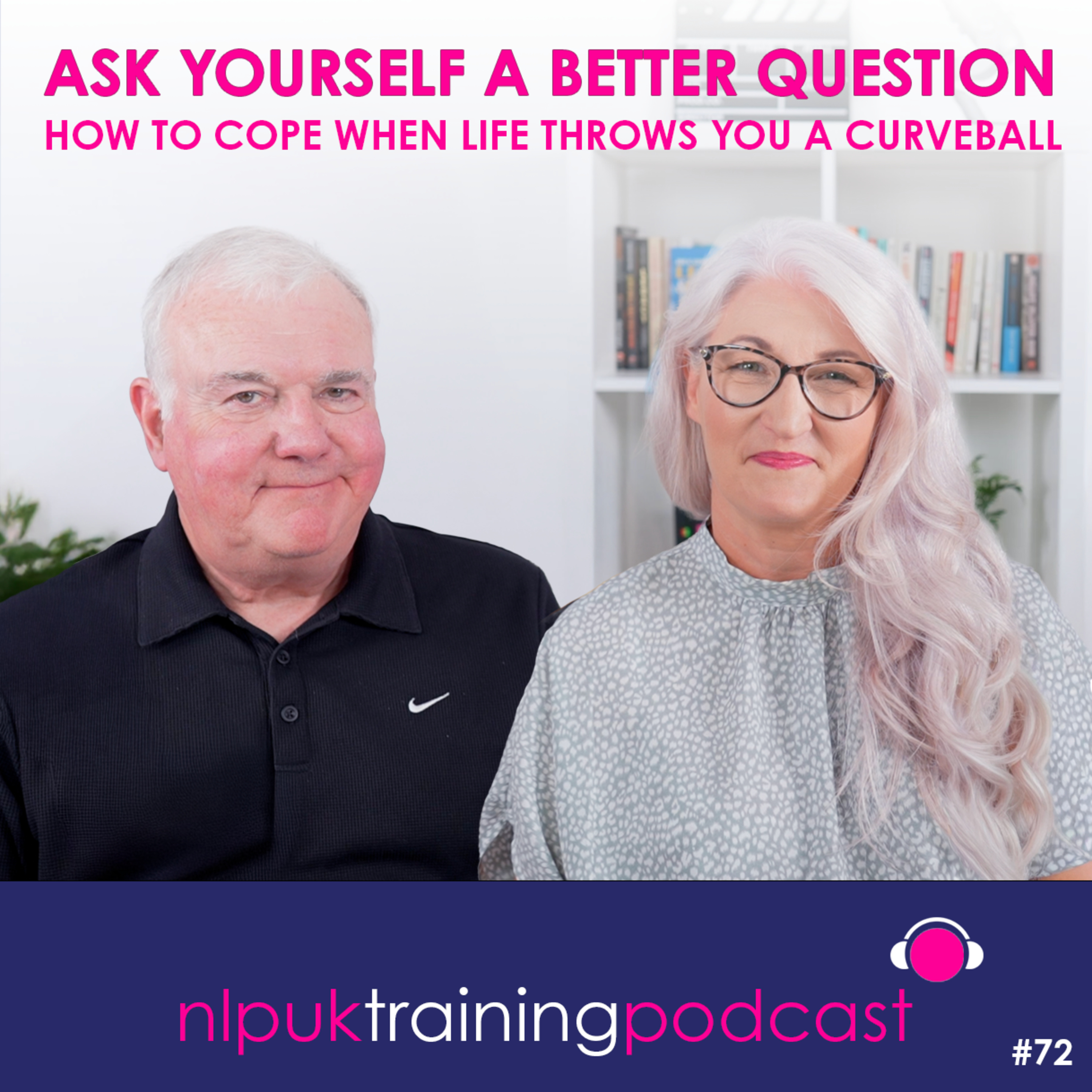
| 2/2/26 | career fulfillmentself-reflection+3 | — | NLPUKTraining.com | — | careerNLP+5 | — | 9m 39s | ||
| 1/19/26 | 3 Principlespsychology+3 | — | NLPUKTraining.comNLP UK Training+1 | — | 3 PrinciplesNLP+4 | — | 5m 37s | ||
| 1/5/26 | Neuro-Linguistic Programmingself-talk+4 | — | NLPUKTraining.comNLP UK Training | — | NLPNeuro-Linguistic Programming+5 | — | 4m 43s | ||
| 12/8/25 | personal developmentcoaching+3 | Jonathan “JP” Peach | NLPUKTraining.com | — | NLPcoaching+3 | — | 14m 56s | ||
| 11/24/25 | coaching modelsThree Principles+4 | Jonathan “JP” Peach | NLPUKTraining.com | — | coachingGROW model+6 | — | 16m 33s | ||
| 11/10/25 | coachingself-discovery+4 | Jonathan “JP” Peach | NLPUKTraining.com | — | coachingThree Principles+5 | — | 17m 28s | ||
| 10/20/25 | imposter syndromepsychological safety+4 | Jonathan Peach | NLPUKTraining.com | — | imposter syndromepsychological safety+6 | — | 19m 00s | ||
| 10/5/25 |  The secret to brilliant leadership | Welcome back to the NLP UK Training podcast! Hosted by NLP Trainers Steve Kay and Kali Fraser from NLPUKTraining.com – a leading provider of NLP Practitioner and Master Practitioner certification in the UK.In this episode, Kali interviews leadership expert Jonathan Peach to get real about psychological safety – what it is, why leaders so often mangle it, and how it’s built (or broken) in a hundred tiny moments. Expect some strong thoughts – such as recruitment isn’t your problem, retention is; “one size fits all” leadership is a fantasy; and onboarding should create belonging, not just tick boxes.They dig into lived experience (why teams wait for the “see, told you” moment), the heavy cost of feeling invisible, and why connection-before-content turns down the defensive walls, so the real work can start.Then it gets practical and punchy. Jonathan reframes feedback as affirmation (be specific about the behaviour and its impact), champions peer-to-peer recognition over top-down pats, and makes a compelling case for connection, belonging, and trust – in that order. Want a team that contributes boldly and sticks around? Tune in for clear steps you can use this week and a simple starting point that changes everything… connect first, model vulnerability, and watch safety scale. | — | ||||||
| 9/22/25 |  Why your thoughts aren’t real (and why that’s a good thing!) | Welcome back to the NLP UK Training podcast! Hosted by NLP Trainers Steve Kay and Kali Fraser from NLPUKTraining.com – a leading provider of NLP Practitioner and Master Practitioner certification in the UK.In this episode, Steve Kay chats with Dr Andy Cope to explore the Three Principles (Mind, Consciousness, Thought) made famous by Sydney Banks – and why your experience is created from the inside out. Forget “life as a camera”… Steve argues we’re the projectionist (and explains what one of those is!). They dive into predictive brains, personal “scripts,” and why it feels like the bad driver or the red light is doing it to you… even when it isn’t.Expect a lively debate, a challenge to over-intellectualising psychology, and a bold claim… once you truly see how experience is generated, your system self-corrects and calm follows.It’s provocative, practical, and quietly liberating. You’ll hear why reliving old trauma can keep it alive, how anxiety only exists in present thinking, and George Pransky’s litmus test – do you treat thoughts as real things, or as passing weather? If you want fewer triggers, more ease, and a cleaner mind, hit play – then notice what shifts this week when you remember, “It’s coming from me.” | — | ||||||
| 9/8/25 |  Why you don’t need to be Happy all the time | Welcome back to the NLP UK Training podcast! Hosted by NLP Trainers Steve Kay and Kali Fraser from NLPUKTraining.com – a leading provider of NLP Practitioner and Master Practitioner certification in the UK.In this episode, Kali sits down with Dr Andy Cope – the “Doctor of Happiness” and founder of Art of Brilliance – to ask a powerful question… is the pressure to be happy actually making us less happy? Together they explore why nobody can or should be upbeat all the time, why so-called negative emotions are vital signals, and how our modern environment – from constant busyness to screen addiction – can leave us feeling like animals in a human zoo. Expect honest insight into what happiness is and why attention has become our most precious resource.Then they turn to action. Andy shares three refreshingly simple habits – shinrin-yoku (immersing yourself in nature), flipping the script by rolling your eyes only when good things happen, and niksen – the Dutch art of doing absolutely nothing.It’s an inspiring, down-to-earth conversation that reminds us how to slow down, reconnect, and rediscover what feeling good really means. | — | ||||||
| 8/25/25 |  Is your life a soap opera? | Welcome back to the NLP UK Training podcast! Hosted by NLP Trainers Steve Kay and Kali Fraser from NLPUKTraining.com - a leading provider of NLP practitioner and Master Practitioner certification in the UK.In this episode, Steve and Kali explore the “soap opera” effect - when negativity, conflict, and fault-finding become the dominant tone in workplaces and relationships. They contrast this with the powerful ripple effect of intentionally noticing, amplifying, and appreciating what’s going well.Through real-life stories, including a hospital consultant’s eye-opening shift in perspective, they show how genuine praise not only boosts morale but can transform how teams and individuals perform. The takeaway? Focus on the good, big people up, and keep your own self-talk positive - because feeling good inside fuels better results everywhere. | — | ||||||
| 8/11/25 |  Who cares what they think? | Welcome back to the NLP UK Training podcast! Hosted by NLP Trainers Steve Kay and Kali Fraser from NLPUKTraining.com – a leading provider of NLP practitioner and Master Practitioner certification in the UK.In this episode, Steve and Kali explore how to stop worrying about what others think and truly be yourself. They discuss the difference between liking to be liked and needing to be liked, and how authenticity – not perfection – attracts the right people into your life.From letting go of comparisons and old beliefs, to recognising your unique strengths and multiple intelligences, they highlight how much of what holds us back is simply learned conditioning. With practical insights from NLP, they remind us that you already have everything you need – you just might need to let some unhelpful ideas fall away. | — | ||||||


Showing 25 of 82
Pitch Fit is a Pro feature
See how bookable this show is for guests, which brands already advertise, the per-episode ad value, and the best-fit guest and sponsor profile. The numbers are blurred on the free plan.
How readily this show books outside guests like you.
How proven this show is for host-read sponsorships.
For Guests
ProFor Advertisers
ProUpgrade to Pro to unlock guest cadence, sponsor categories, fit scores, and per-episode ad value for this show.
Chart history for NLP UK Training Podcast
Peaked at #75 in NG, currently #75 in NG.
| Market | Genre | Peak | Current | Trend |
|---|---|---|---|---|
| NG | — | #75 | #75 | — |
| NG | — | #157 | #157 | — |
Chart Positions
2 placements across 1 market.
Chart Positions
2 placements across 1 market.