Rethinking ADHD | Qbtech
by Qbtech
Is this your podcast?Insights from recent episode analysis
Audience Interest
Podcast Focus
Publishing Consistency
Platform Reach
Insights are generated by CastFox AI using publicly available data, episode content, and proprietary models.
Est. Listeners
Insufficient chart data. Estimates will improve as the show charts.
- Per-Episode Audience
Est. listeners per new episode within ~30 days
N/A🎙 Weekly cadence·17 episodes·Last published 2d ago - Monthly Reach
Unique listeners across all episodes (30 days)
N/A - Active Followers
Loyal subscribers who consistently listen
N/A
Market Insights
Platform Distribution
Reach across major podcast platforms, updated hourly
Total Followers
—
Total Plays
—
Total Reviews
—
* Data sourced directly from platform APIs and aggregated hourly across all major podcast directories.
On the show
Recent episodes
Women and ADHD: Impact of Hormonal Fluctuations
Sep 2, 2026
Unknown duration
ADHD across life stages - Bonus episode
Aug 27, 2026
Unknown duration
How Data Is Shaping the Future of ADHD Treatment Monitoring | Mini Episode
Aug 19, 2026
Unknown duration
ADHD testing on a smartphone | Mini episode
Aug 11, 2026
Unknown duration
How research is driving today's ADHD care | Mini episode
Aug 3, 2026
Unknown duration
Social Links & Contact
Official channels & resources
Official Website
Login
RSS Feed
Login
| Date | Episode | Description | Length | ||||||
|---|---|---|---|---|---|---|---|---|---|
| 9/2/26 | 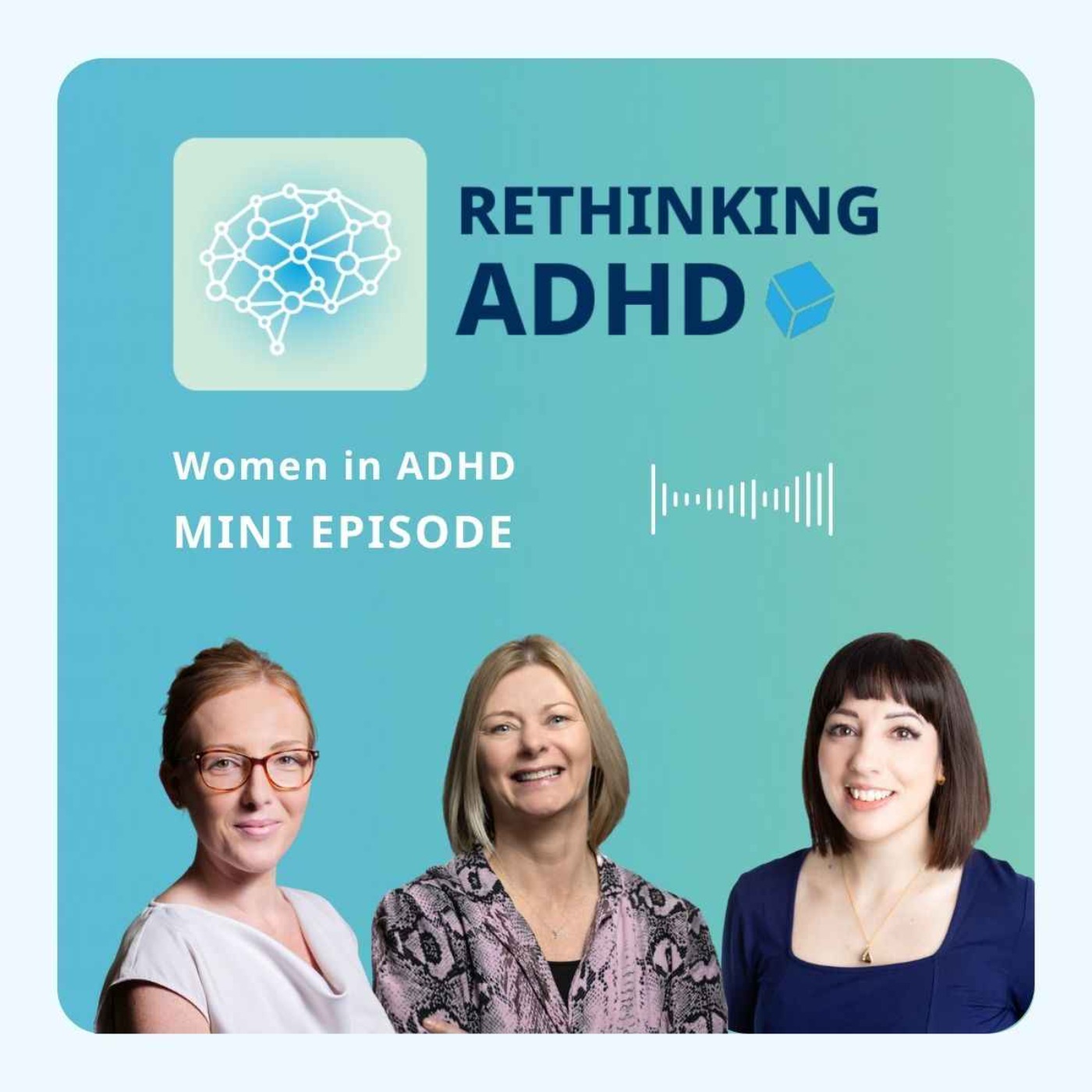 Women and ADHD: Impact of Hormonal Fluctuations | In this video, Jess Brunet, Corina Weir, and Penny Lazell discuss the impact of hormonal fluctuations on ADHD symptoms in women and adolescents. The panel explores how young women may be referred for anxiety or depression, but assessment can identify underlying neurodivergence. They also discuss how symptoms may change across the menstrual cycle, with falling estrogen coinciding with falling dopamine and triggering a dip in mood and change in symptoms. Some patients report that ADHD medication feels less effective pre-menstruation, highlighting the importance of tracking symptoms using diaries or apps to identify patterns and support more personalized care. Listen to the full episode: https://bit.ly/4iKATjD Watch the discussion instead: https://bit.ly/3Ux3Cyw Hosted on Acast. See acast.com/privacy for more information. | — | ||||||
| 8/27/26 | 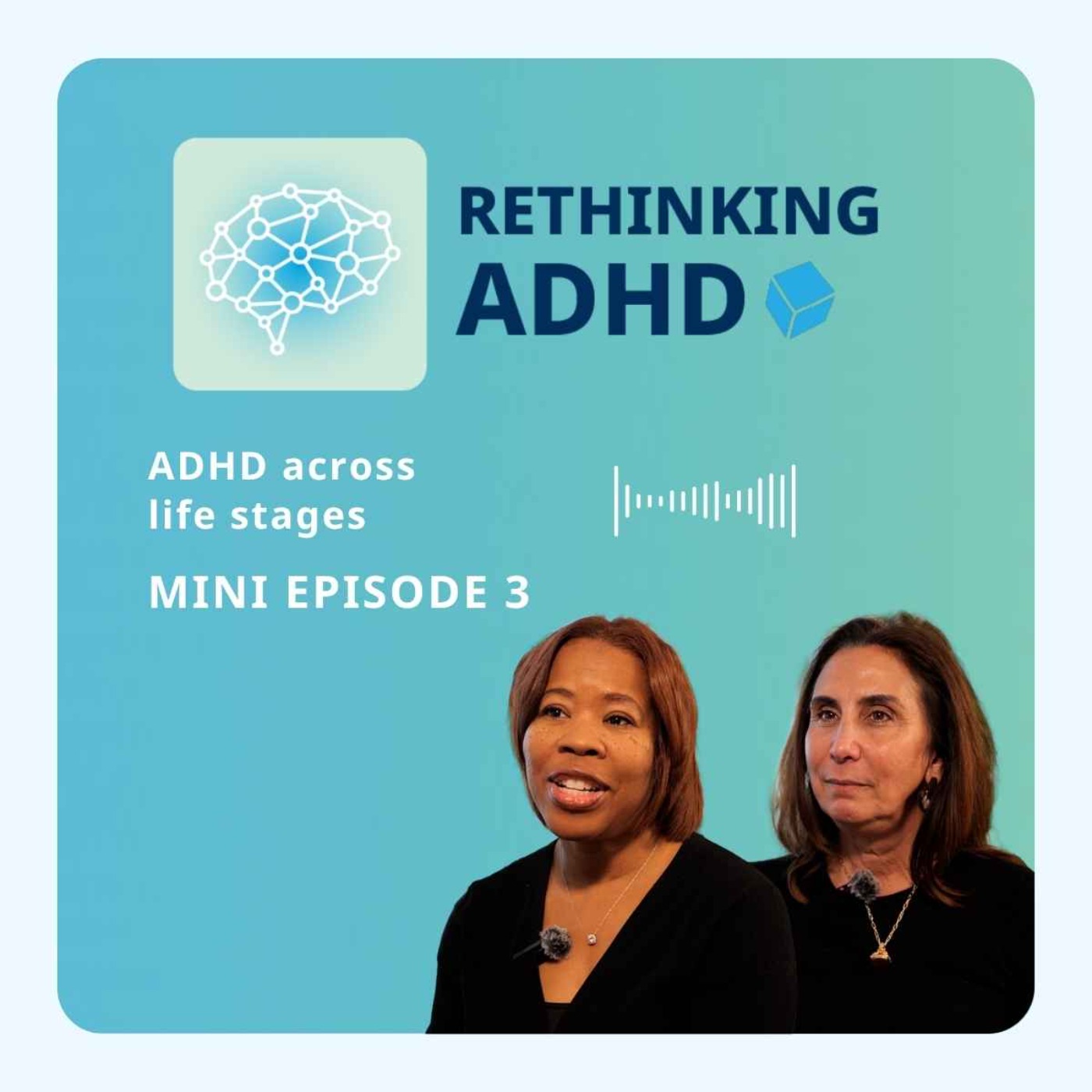 ADHD across life stages - Bonus episode | How can ADHD care evolve with patients across life stages while continuing to meet their individual clinical needs?In this episode, Melinda Williams-Willingham, MD, FAAP and Angela C. LaRosa, MD, MSCR explore the importance of continuity of care throughout the ADHD journey. They discuss how clinicians can support patients as their needs change across different life stages, while maintaining care that is both clinically appropriate and individualized for long-term outcomes.The conversation considers what it takes to build more consistent, connected ADHD care that adapts to the individual—not just the stage of life they are in.Watch the full video podcast on YouTube to hear the complete conversation on continuity, individualized care, and the future of long-term ADHD care.▶️ Watch expert discussion: https://bit.ly/4qDjGdQ Hosted on Acast. See acast.com/privacy for more information. | — | ||||||
| 8/19/26 | 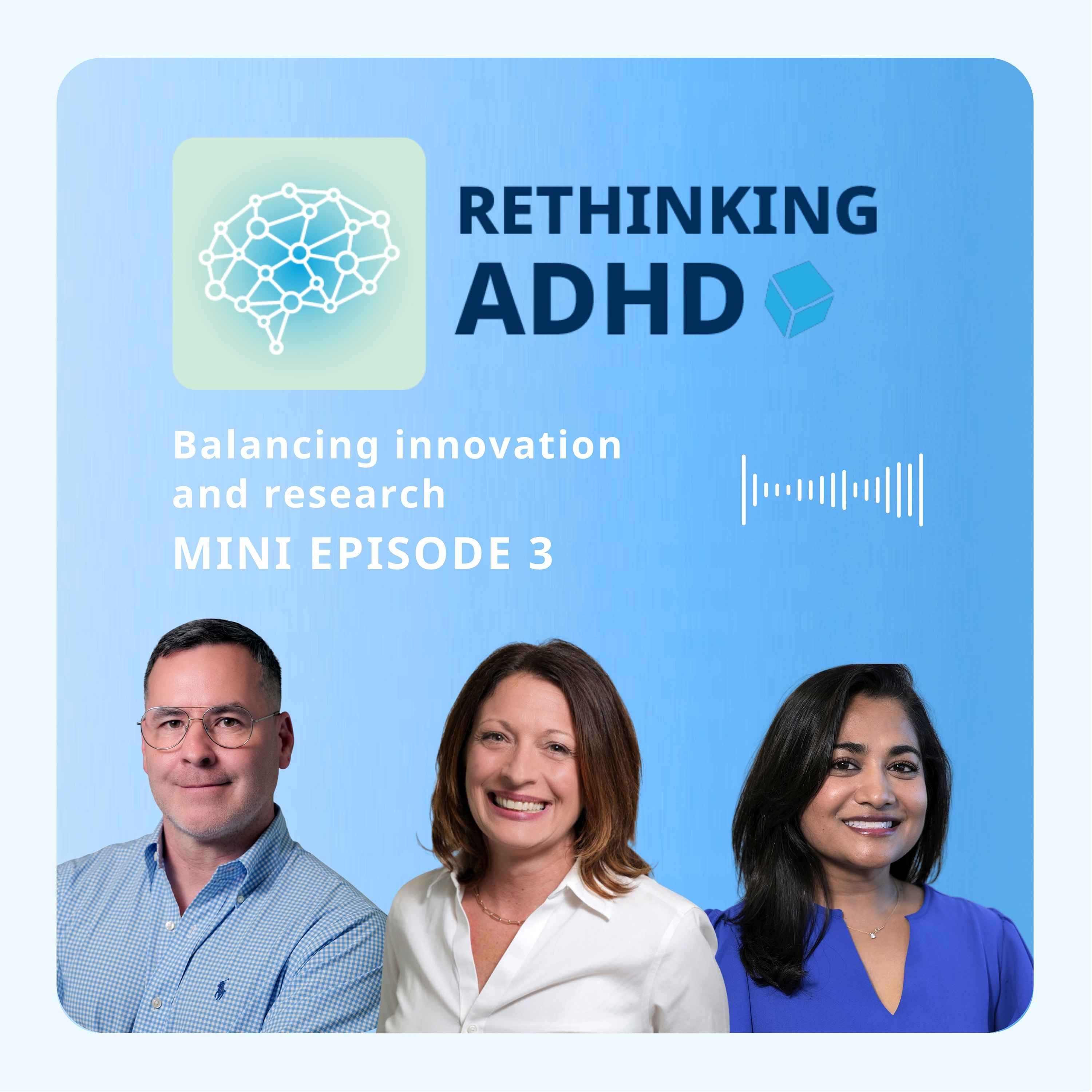 How Data Is Shaping the Future of ADHD Treatment Monitoring | Mini Episode | How can research and data help make ADHD care more individualized, consistent, and accessible?In this mini episode, the Qbtech team explores how research can drive innovation in ADHD care, from understanding individual treatment responses to supporting therapeutic monitoring in virtual and telehealth settings. The conversation highlights how objective data can help clinicians track change over time, make more informed treatment decisions, and provide greater confidence in whether a patient is on the right path.The team also discusses how remote treatment monitoring could reduce the burden of frequent in-person appointments while helping clinicians better understand individual patient responses and support more personalized ADHD care.Watch the full video podcast on YouTube for the complete conversation on research, innovation, objective data, and the future of virtual ADHD care: https://bit.ly/4qdakWeHost: Danielle Vaeth (Senior Market Development Manager, Qbtech)Guests: Ragini Sanyal (Head of Clinical Research) and Robert Nolen (Clinical Research Manager)Topics covered:–Why both clinical research and real-world evidence are essential for developing new ADHD technologies–How clinician feedback shapes innovation and improves patient care–The development of QbMobile and how smartphone technology could make ADHD testing more accessible–What Qbtech has learned from a global database of more than 1 million ADHD assessments–How remote ADHD treatment monitoring can improve patient access while supporting confident clinical decision-makingWho this is for:Clinicians, pediatricians, psychiatrists, mental health professionals. Hosted on Acast. See acast.com/privacy for more information. | — | ||||||
| 8/11/26 |  ADHD testing on a smartphone | Mini episode | Is ADHD testing on a mobile or hand-held device the new thing in innovation and technology?In this mini episode, ADHD experts discuss the evolution of objective ADHD assessment and how technology is slowly but surely moving from hardware to software to mobile technology. What could this mean for the future of ADHD care?The trio discusses Qbtech’s work on QbMobile, including early findings around user acceptance and how mobile technology could make objective assessment more accessible.The conversation also looks at the value of data from more than one million patients, and how large-scale, global datasets can help researchers identify new trends, inform clinicians, shape innovation, and contribute to conversations around healthcare policyWatch the full episode: https://bit.ly/4qdakWeHost: Danielle Vaeth (Senior Market Development Manager, Qbtech)Guests: Ragini Sanyal (Head of Clinical Research) and Robert Nolen (Clinical Research Manager)Topics covered:–Why both clinical research and real-world evidence are essential for developing new ADHD technologies–How clinician feedback shapes innovation and improves patient care–The development of QbMobile and how smartphone technology could make ADHD testing more accessible–What Qbtech has learned from a global database of more than 1 million ADHD assessments–How remote ADHD treatment monitoring can improve patient access while supporting confident clinical decision-makingWho this is for:Clinicians, pediatricians, psychiatrists, mental health professionals. Hosted on Acast. See acast.com/privacy for more information. | — | ||||||
| 8/3/26 |  How research is driving today's ADHD care | Mini episode | In this mini episode, Qbtech's medical and research team explores how research provides the evidence needed to develop meaningful healthcare innovation, while new technologies create opportunities for further clinical research. From validating digital health solutions to generating real-world evidence, discover why both are essential for improving patient care and advancing behavioral health.Want the full conversation? Watch the complete video podcast on YouTube for deeper insights into how research and innovation are shaping the future of ADHD assessment and digital health: https://bit.ly/4hcMgAoFeaturing: Danielle Vaeth, Senior Market Development Manager, QbtechRagini Sanyal, Head of Clinical Research, QbtechRobert Nolen, Clinical Research Manager, Qbtech Hosted on Acast. See acast.com/privacy for more information. | — | ||||||
| 7/24/26 |  What's a clinician's responsibility towards gathering patient history? | Mini episode | Accurately tracking ADHD symptoms from a patient’s early life can be challenging, especially if developmental history isn’t properly recorded. In this mini episode, our ADHD experts, Jess Brunet and Penny Lazell discuss what a clinician's responsibility is when gathering a patient's developmental history. For more insights into the ADHD world, check out our complete podcast discography – https://bit.ly/4wlNein Hosted on Acast. See acast.com/privacy for more information. | — | ||||||
| 7/14/26 |  Growing an ADHD Practice: Marketing Tips for Clinics | Bonus episode | How do successful ADHD clinics attract the right patients while building trust with families?In this bonus episode of the Rethinking ADHD Podcast, Sadaf Hassan, Content Marketing Manager at Qbtech, is joined by Dr. Aaron Dodini to explore how ADHD clinics can grow through ethical marketing, clear patient communication, and a strong digital presence.In this episode, you'll learn:• Why marketing and branding matter for ADHD clinics• How to communicate ADHD services with empathy and clarity• Ways to build trust with prospective patients and families• Common marketing mistakes healthcare providers should avoid• Practical ideas for improving your clinic's digital presenceThis episode complements our guide, Marketing ADHD Services to Patients: A Guide to Branding and Communication Strategy, which explores practical marketing approaches for ADHD providers, including SEO, patient education, testimonials, and digital communications – https://bit.ly/44v8plKGuest: Dr. Aaron DodiniHost: Sadaf Hassan, Content Marketing Manager at Qbtech Hosted on Acast. See acast.com/privacy for more information. | — | ||||||
| 7/8/26 |  The Future of ADHD Assessment with Qbtech: Research, Technology and Better Patient Care | How do you turn promising research into technology that genuinely improves ADHD care?In this episode of Rethinking ADHD, Danielle Vaeth, Ragini Sanyal, and Robert Nolen explore the journey from clinical research to real-world implementation, and why innovation depends on both scientific evidence and feedback from clinicians and patients.The discussion covers the development of QbMobile, a new smartphone-based approach to ADHD testing, insights gained from Qbtech's global database of more than 1 million patient assessments, and how remote treatment monitoring is helping make ADHD care more accessible while supporting informed clinical decisions.If you're interested in digital health, ADHD assessment, objective testing, or the future of evidence-based ADHD care, this episode offers an inside look at how innovation is shaping the next generation of clinical practice.If you prefer watching podcasts, explore our YouTube Rethinking ADHD Podcast - https://bit.ly/4ydu0wF Hosted on Acast. See acast.com/privacy for more information. | — | ||||||
| 6/30/26 |  How can Qb testing help empower ADHD patients? | Mini Episode | Katie Hathaway, Charlotte Coates, and Danielle Vaeth explore how virtual ADHD care and objective testing can help patients become more involved in their own treatment journey. Our experts discuss how virtual care models and tools such as QbCheck can make symptom data more accessible and easier for patients to understand. Helping patients to visualize symptoms as measurable data over time can empower them to become more involved in decisions over their ADHD care. The panel also considers what the future of virtual ADHD care may look like, including improved provider training, scalable care models, and using technology to support clinicians while preserving personalized care and clinical judgment. To watch their full podcast, visit: https://bit.ly/4avnNCd Hosted on Acast. See acast.com/privacy for more information. | — | ||||||
| 6/22/26 |  How can technology support ADHD care delivery? | Mini episode | In this video, our expert panel discusses the changing role of technology in the ADHD clinic. Our experts discuss how technology can support measurement-based care, improve patient-clinician communication channels, and help standardize ADHD care. They see the clinician and technology co-piloting ADHD care, with clinical judgment supported by efficiency improvements and additional data, so that clinicians can use their time more effectively to care for patients. To watch their full podcast, visit: https://bit.ly/43UshyrSpeaker Info: 🌟 Katie Hathaway: Development Manager, Qbtech🌟 Charlotte Coates: Psychiatric Mental Health Nurse Practitioner, Founder & Clinical Lead, Legion Health🌟 Danielle Vaeth: Head of Strategic Market Development, Qbtech Hosted on Acast. See acast.com/privacy for more information. | — | ||||||
Want analysis for the episodes below?Free for Pro Submit a request, we'll have your selected episodes analyzed within an hour. Free, at no cost to you, for Pro users. | |||||||||
| 6/15/26 |  Traditional ADHD care vs virtual ADHD care | Mini episode | In this video, Katie Hathaway, Charlotte Coates, and Danielle Vaeth explore how virtual models of ADHD care compare with traditional in-clinic workflows. The panel discusses how virtual ADHD assessment and treatment can help improve accessibility for patients in rural areas or those with transportation barriers. They also share experiences of how virtual care can improve flexibility around appointments and scheduling for both patients and clinicians, while giving patients more choice over the clinician they see. To watch their full podcast, visit: https://bit.ly/4eaZQ5h Hosted on Acast. See acast.com/privacy for more information. | — | ||||||
| 6/9/26 |  What the future of ADHD looks like | Mini episode | ADHD care is evolving and clinicians are leading the change The shift toward data-driven titration reflects a broader evolution in ADHD care. Clinicians are no longer just managing symptoms; they’re optimizing outcomes, empowering families, and advocating for more precise standards of care. Watch the full discussion: https://bit.ly/4g4NYmE Hosted on Acast. See acast.com/privacy for more information. | — | ||||||
| 6/3/26 |  My experience with Qb testing | Mini episode | Dr. James Wiley, Dr. David Aversa, and Qbtech's medical expert, Ragini Sanyal, discuss patient and clinician experiences of objective testing. Dr. Wiley shares the story of a patient experiencing worsening mood and anxiety problems, despite being on several psychotropic medications and ADHD stimulants. Insights from objective testing helped clinicians to adjust stimulant type and dose, allowing the patient to come off psychotropic medications and improve school performance. The panel also discusses how objective measures can support dose optimization, helping clinicians balance effectiveness without overmedication. Ragini Sanyal also shares insights from research on using QbCheck to monitor treatment response.Interested in such insights? Check out our Rethinking ADHD podcast hub for the latest episodes, practical insights, and honest conversations, by clinicians for clinicians: https://bit.ly/4vrK0J5 Hosted on Acast. See acast.com/privacy for more information. | — | ||||||
| 5/28/26 |  ADHD Medication Titration: Common Challenges Clinicians Face | Mini Episode | In this episode of Rethinking ADHD, leading ADHD experts discuss common challenges with titrating ADHD medication. They also discuss the role of objective ADHD measures in dose optimization and improving treatment confidence for clinicians, parents, and patients.Watch the full podcast: https://bit.ly/3RBdw0yTopics covered:– Why ADHD medication titration is highly individualized– The importance of finding the right dose for the right patient– Challenges with parent and teacher feedback during treatment– How objective measures can support clinical decision-making– Common concerns parents have about stimulant medication– Why “start low and go slow” matters in ADHD care– The role of metabolism, symptom response, and functional improvement in medication effectivenessWho this is for:Clinicians, pediatricians, psychiatrists, mental health professionals. Hosted on Acast. See acast.com/privacy for more information. | — | ||||||
| 5/20/26 |  ADHD Medication Titration: Can Objective Measures Help? | Mini Episode | In this episode of Rethinking ADHD, ADHD experts explore the role of objective measures in supporting medication titration and treatment monitoring. The discussion covers why ADHD medication response varies between patients, the challenges of relying solely on subjective feedback, and how objective data can help clinicians evaluate symptom change and functional improvement over time.The episode also examines common parent concerns around ADHD medication, the importance of individualized treatment approaches, and why effective titration is about more than simply increasing dosage.A practical conversation for clinicians, psychiatrists, pediatricians, and mental health professionals interested in evidence-based ADHD care and improving treatment outcomes.Watch the podcast instead: https://bit.ly/4nG9pfq Hosted on Acast. See acast.com/privacy for more information. | — | ||||||
| 5/7/26 |  How virtual ADHD care helps clinicians reach more patients | In this video, we explore how virtual ADHD care delivery can help clinicians break down barriers for accessibility and quality of care for both providers and patients.Watch the podcast: https://bit.ly/4tZWzeHTopics covered:– Why adopt a telehealth or virtual care model?– Impact of virtual care on patient experience– Role of technology and AI in ADHD careSpeaker Info: 🌟 Katie Hathaway: Development Manager, Qbtech🌟 Charlotte Coates: Psychiatric Mental Health Nurse Practitioner, Founder & Clinical Lead, Legion Health🌟 Danielle Vaeth: Head of Strategic Market Development, QbtechWho this is for:Clinicians, pediatricians, psychiatrists, mental health professionals. Hosted on Acast. See acast.com/privacy for more information. | — | ||||||
| 4/27/26 |  ADHD and comorbidities: Getting clarity in complex cases | Trauma, autism, anxiety, or sleep problems; many patients present with overlapping conditions that muddy the diagnostic waters. In this episode, our ADHD experts unpack how clinicians can use a comorbidity-informed lens to interpret assessments, including objective tools such as QbCheck.Plus, they explore triage strategies that protect patient safety without overloading the system. To watch the podcast instead, check out our YouTube channel: https://bit.ly/4uycroD Hosted on Acast. See acast.com/privacy for more information. | — | ||||||
| 4/3/26 |  Why a Holistic Approach to ADHD Diagnosis & Care Matters | In this episode, our clinical expert Jess Brunet is in conversation with Ceri Reed, Founder of Parents Voices in Wales CIC, and Penny Lazell, Senior Clinical Advisor at Qbtech. They explore what “holistic ADHD care” really means and why a comprehensive approach can transform outcomes for patients.Whether you’re a mental‑health professional, clinician, ADHD advocate, or someone interested in improving ADHD care, this episode is for you.To watch the podcast: https://bit.ly/4bZCHQY Hosted on Acast. See acast.com/privacy for more information. | — | ||||||
| 6/19/25 |  The new gold standard in ADHD medication management: Titration guided by objective data | In this episode of Rethinking ADHD, Dr James Wiley MD and Dr David Aversa, MD, MPH joined Qbtech’s Head of Clinical Research, Ragini Sanyal, to unpack what modern medication management looks like and how tools like QbCheck are helping clinicians titrate with greater clarity and confidence. Speaker info: Dr James Wiley, MD, FocusMD Dr David Aversa, MD, MPH, CT Psych and Wellness/BeaconRagini Sanyal, Head of Clinical Research, QbtechWant to understand the correlation between titration and objective data? Want episodes like this in your inbox? Join the Rethinking ADHD community Hosted on Acast. See acast.com/privacy for more information. | — | ||||||
| 4/10/25 |  Lived experiences with ADHD: What your patients might not tell you | ADHD goes beyond inattention and hyperactivity. It affects emotions, relationships, careers, and daily life in ways that many, even those living with ADHD, may not fully understand. This episode of our ADHD podcast series covers the realities of experiencing neurodivergence, including delayed diagnoses, difficulties with emotional dysregulation, coping strategies and the importance of a clinician’s role in a patient's ADHD care journey. The conversation between Duane Gordon, President of ADDA, Helen Turnbull, Evelyn Polk-Green, Ex President of ADDA, and Katie Hathaway, M.S, BCBA, is one of honesty, humor, and insight, offering a deeper understanding of ADHD that textbooks often miss. Hosted on Acast. See acast.com/privacy for more information. | — | ||||||
| 4/10/25 |  Why patient developmental history is crucial for an ADHD diagnosis | ADHD is a neurodevelopmental disorder, meaning symptoms must have been present since childhood (APA, DSM-5). Understanding a patient’s early development is critical when assessing and treating ADHD. A thorough developmental history helps clinicians differentiate symptoms from comorbid conditions like autism, learning disorders, or anxiety.The latest webinar, led by our clinical experts Jess Brunett, Ryan Martin, and Penny Lazell, delves into the critical role data gathering and developmental history play in an ADHD diagnosis. Hosted on Acast. See acast.com/privacy for more information. | — | ||||||
| 4/10/25 |  Differential diagnosis of ADHD and Autism | In this webinar, our clinical advisors Jess Brunet (advanced nurse practitioner and non-medical prescriber in the UK) and Ryan Martin (former neuropsych tech and autism practitioner in the US) delve into the complexities of differentiating between ADHD and ASD. The discussion highlights overlapping symptoms, diagnostic challenges, and strategies for accurate differentiation, particularly in pediatric and adult populations. Hosted on Acast. See acast.com/privacy for more information. | — | ||||||
| 4/10/25 |  How to optimize your treatment approach through a strengths-based model of care | A strengths-based approach to ADHD care focuses on the unique capabilities of each patient – allowing you to tailor patient interventions, improve adherence, and achieve better long-term outcomes.By adopting a strengths-based and inclusive approach to assessments while acknowledging the challenges ADHD individuals face, patients are better equipped to foster resilience, self-efficacy, and motivation. Hosted on Acast. See acast.com/privacy for more information. | — | ||||||
| 1/20/25 | 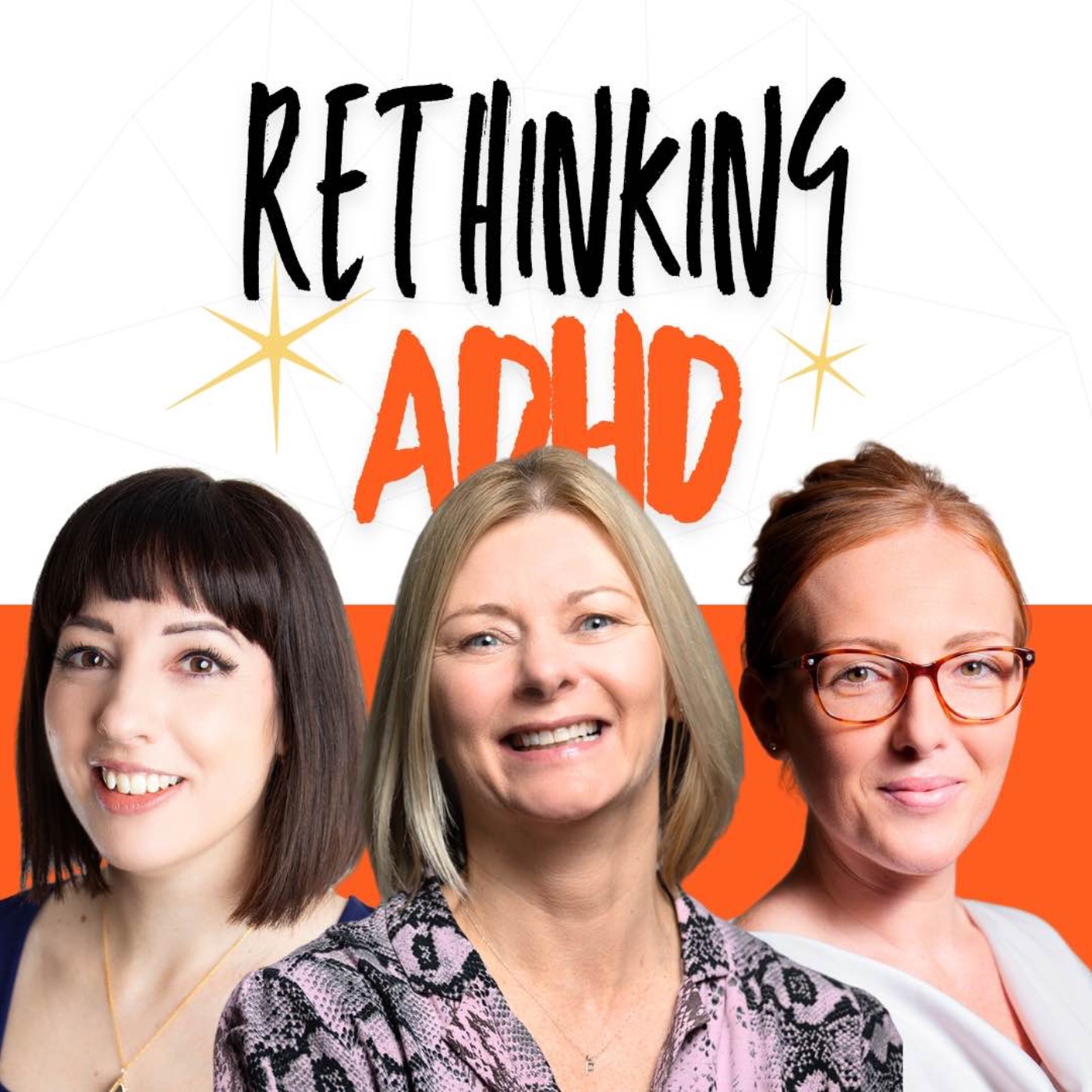 Physical health and ADHD: Women's health and hormones | Exploring ADHD and women’s health and hormones: Key insightsIn recent years, there has been growing awareness of how ADHD uniquely affects women across their lifespan, particularly due to hormonal fluctuations and related health conditions – but much more research is needed.Our latest podcast was hosted by our expert clinical advisors Jess Brunet (UK), Penny Lazell (UK), and Corina Weir (US). Exploring these complexities, our team members with clinical experience and education, shed light on how ADHD manifests differently in women and the urgent need for tailored approaches to diagnosis and management. Hosted on Acast. See acast.com/privacy for more information. | — | ||||||
| 6/12/24 |  "I hope girls see the strengths ADHD can give them" - Jo Steer | Girls and women with ADHD are more likely to be misunderstood and even missed completely because so many have inattentive symptoms that are difficult to spot. Jo Steer is a consultant clinical psychologist in the UK with over 19 years’ experience across children, young people, and their families as well as co-author of Helping Kids and Teens with ADHD in School.In this episode, Jo discusses the difficulties women and girls face in the diagnosis, treatment, and lived experiences of ADHD. While awareness of the condition is rising, there's still a long way to go in getting that recognition and understanding. Qbtech www.qbtech.comwww.instagram.com/qbtechwww.twitter.com/qbtechADHDwww.facebook.com/qbtechADHD Jo Steer www.drjosteer.comwww.twitter.com/josteer1 Simon Mundie www.simonmundie.com www.tinyurl.com/youtubesimonmundie www.instagram.com/simonmundie Hosted on Acast. See acast.com/privacy for more information. | — | ||||||
Showing 25 of 35
Pitch Fit is a Pro feature
See how bookable this show is for guests, which brands already advertise, the per-episode ad value, and the best-fit guest and sponsor profile. The numbers are blurred on the free plan.
How readily this show books outside guests like you.
How proven this show is for host-read sponsorships.
For Guests
ProFor Advertisers
ProUpgrade to Pro to unlock guest cadence, sponsor categories, fit scores, and per-episode ad value for this show.
Similar Audience Demographics
Podcasts that attract a similar listener profile


