
Sticky Notes: The Classical Music Podcast
Sticky Notes is a classical music podcast for everyone, whether you are just getting interested in classical music for the first time, or if you've been listening to it and loving it all your life. Interviews with great ...
Insights from recent episode analysis
On the show
- Aram Demirjian1 ep
- Case Scaglione1 ep
Audience Interest
- classical music exploration
- interviews with artists
Podcast Focus
- accessible classical music discussions
- in-depth music piece analysis
Publishing Consistency
- weekly or more often
- active for 9 years
Insights are generated by CastFox AI using publicly available data, episode content, and proprietary models.
Most discussed topics
Brands & references
Total monthly reach
Based on 1 signal.
Built from
By chart position
- 🇺🇸United States · MusicHOME#3889K to 471K
- 🇮🇹Italy · Music#814K to 77K
- 🇦🇺Australia · Music#207.6K to 40K
- 🇳🇿New Zealand · Music#75.0K to 27K
- 🇬🇧United Kingdom · Music#454.9K to 26K
- Per-Episode Audience
Est. listeners per new episode within ~30 days
145K to 765K🎙 Weekly cadence·297 episodes·Last published 1w ago - Monthly Reach
Unique listeners across all episodes (30 days)
289K to 1.5M🇺🇸62%🇮🇹10%🇦🇺5%+10 more - Active Followers
Loyal subscribers who consistently listen
159K to 841K
Market Insights
Platform Distribution
Reach across major podcast platforms, updated hourly
Total Followers
—
Total Plays
—
Total Reviews
—
* Data sourced directly from platform APIs and aggregated hourly across all major podcast directories.
| Date | Episode | Topics | Guests | Brands | Places | Keywords | Sponsor | Length | |
|---|---|---|---|---|---|---|---|---|---|
| 10/15/26 |  Chopin Piano Sonata No. 2 (The One With the Funeral March) | When the great pianist and composer Frederic Chopin decided to write a piano sonata in 1837, fashions had turned against the genre itself. Perhaps it was a feeling that Beethoven had essentially "finished" the genre, or perhaps it was a sense that a non-Germanic composer couldn't possibly master a form such as the Sonata, but Chopin's forays into the realm of the Piano Sonata were not generally appreciated. Robert Schumann famously said this about the Sonata: "The idea of calling it a sonata is a caprice, if not a jest, for he has simply bound together four of his most maddest children, thus under his name smuggling them into a place into which they could not else have penetrated.", This is criticism that we'll pick apart later, because it is very specific and goes to a big challenge within the piece. Mendelssohn also despised the piece, and until 1900, most of the critical reception to the piece was negative, criticizing its supposed lack of coherence and the strange last movement in particular. As a complete piece, the Sonata was rarely played until the 20th century. But there was one movement of the Sonata that was played a lot, and which has remained perhaps one of the most recognizable pieces of classical music in history. Yes, the famous Chopin Funeral March isn't a standalone piece, it's part of the 2nd piano sonata! And slowly, as forms became less rigid, and as experiments with tonality and even with inner coherence of movements became less taboo, Chopin's sonata received a critical second look, and performers began to take on the piece not as an exercise in trying to make the rest of the Sonata work around the Funeral March, but as a great work in its entirety. Now it is firmly part of the repertoire and is hailed as a masterpiece of innovation and creativity. The Funeral March itself is probably in the top 5 most played pieces of classical music, and was played at Chopin's own funeral, as well as at the funerals of John F Kennedy, Winston Churchill, Margaret Thatcher, Queen Elizabeth II, as well as of Soviet and Communist leaders. This of course doesn't include the countless times the movement has been heard at funerals of lesser-known figures. It is practically a cultural meme at this point and has been adapted thousands of times - if you think about a funeral, or about death, it is certainly possible that the Chopin Funeral march filters through your mind. But today is about much more than the Funeral March, it is about exploring this whole sonata, from its scintillating first few chords, to the experiments with sonata form throughout the first movement, to the dramatic scherzo, to that funeral march, and to the frankly bizarre last movement, which is over before you even blink. We're going to talk about all this, and more, on this Patreon Sponsored episode. Join us! | 53m 04s | ||||||
| 10/1/26 |  Gerald Finzi: Dies Natalis | As I've often said, I love doing Patreon-sponsored episodes in part because they allow me to discover music I might never have encountered otherwise. Today's episode is one of those, because the truth is that before I made it, I had heard of Finzi, but that was about it. I knew nothing about the circumstances of his life or his music, and while I knew this was a hole in my musical knowledge, I hadn't had time to fill it. Well, thanks to Jillian, I got the time to explore this wonderful 20th-century composer's works, and now I'm ready to tell you about him, since I imagine his is an unfamiliar name to many of you listening. Gerald Finzi was a terrific composer and a fascinating figure in 20th-century music. He struck out on his own path, refusing to follow the trends of the time, and as a result his music has a special, unique quality: a bit more modest than that of someone trying to change the world, like Schoenberg, but nonetheless deeply human and often inspired by literary interests. Finzi was interested in much more than music, and amassed a library of over 3,000 volumes of English poetry, philosophy, and literature, much of which ended up appearing in his music. This powerful marriage of poetry and music produced Finzi's strongest and most enduring works. Since Jillian left it up to me which of his works to tell you about today, I decided to lean into his love of English poetry and take a detailed look at a piece many consider his masterpiece: Dies Natalis, which translates to "Day of Birth," a work for solo voice and string orchestra. The piece is set to the poetry of the 17th-century English Metaphysical poet and priest Thomas Traherne, and explores innocence, from the first moments a baby enters the world to the tarnishing of that innocence as the child grows older. This was a topic Finzi knew all too well, having lost all three of his brothers during his early years. The piece is a profound yet tender meditation on the joys and sufferings of new life, and I can't wait to share it with you today. | 51m 35s | ||||||
| 9/17/26 |  Shostakovich Symphony No. 6 | Dmitri Shostakovich: "I have set myself a task fraught with tremendous responsibility, to express in sound the immortal image of Lenin as a great son of the Russian people and as a leader of the masses. I have received numerous letters from all over the Soviet Union with regard to my future symphony. The most important advice contained therein was to make considerable use of musical folklore." In the massively consequential year of 1939, Shostakovich used these words to launch his Sixth Symphony. The piece was meant to have soloists and a chorus alongside the orchestra — perhaps a nod to his Second and Third Symphonies, which were essentially propaganda pieces. Shostakovich even promised to use the poem "Vladimir Ilyich Lenin" by Vladimir Mayakovsky as the basis for his choral text. The Soviet public eagerly awaited this new symphony, which was inevitably going to be compared with his Fifth Symphony — the piece that had brought Shostakovich back into the Soviet government's good graces, and which remains one of his most popular works even as it's also one of his most complex and nuanced pieces beneath its relatively conservative surface. But whether Shostakovich ever actually planned to write this gigantic "Lenin" symphony is highly doubtful, since no sketches of it have ever turned up. Instead, Shostakovich pivoted publicly to describing his new symphony this way: "The musical character of the Sixth Symphony will differ from the mood and emotional tone of the Fifth Symphony, in which moments of tragedy and tension were characteristic. In my latest symphony, music of a contemplative and lyrical order predominates. I wanted to convey in it the moods of spring, joy, youth."[6] As you can see, Shostakovich wasn't actually saying much about the content of the symphony — if anything at all. He was leaving things deliberately ambiguous, and, fittingly, ambiguous is a pretty good description of this highly enigmatic symphony. Everything about this symphony is slightly off. It's in three movements, not the typical four, and it opens with a massive slow movement; the two remaining movements are fast and significantly shorter, together lasting less than the first movement alone. It was written in 1939 — supposedly a year of military triumph for the Soviet Union, given the Stalin pact with Hitler that allowed Hitler to invade Poland and launch World War II — and yet there is not a hint of military triumphalism in it. In short, this symphony confused a lot of people and has always received mixed reviews, whether from musicologists trying to fit it into the traditional "everything in Shostakovich is about Stalin" narrative, or from Soviet critics of the time trying to fit it into Socialist Realist aesthetics. In the end, descriptions of Shostakovich always attempt to put him into a box — silent dissident, Soviet stooge, hero, coward, etc. The truth, of course, is complicated, and this symphony is a great example of the eternal enigma that is Dmitri Shostakovich. Today, on this Patreon-sponsored episode, I'll take you through this wonderful symphony from a musical perspective, trying to parse its unusual form, its unusually lyrical first movement, and the wild, madcap dash of the final two movements. Join us! | 1h 02m 38s | ||||||
| 9/3/26 |  Grieg: Peer Gynt | Grieg's Peer Gynt suites are among the best-known and best-loved works of classical music in the world. They are practically embedded into popular culture, being used in a dizzying number of cartoons, advertisements, and films. In the classical music world, as with Beethoven's 5th symphony, they have almost become a cliché, and they are often performed on so-called Pops concerts. The two big hits from Peer Gynt, Morning Mood and In the Hall of the Mountain King, are instantly recognizable to the general public, even if they don't know who wrote the music or where it comes from. And where all this music comes from is really interesting, and is going to be one of the main topics of this show. Because the famous music from Peer Gynt comes from the two suites that Grieg took from his massive score of incidental music to Henrik Ibsen's play in verse, Peer Gynt. The two suites together take about 45 minutes to perform, but Grieg actually wrote an extra hour's worth of music! He then extracted, for his suites, the music that he felt would stand on its own without the text, and this was quite a good decision, as they are certainly his most popular pieces and have etched his name into the classical music pantheon forever. But what about the rest of that music? What about the play itself? Today, on this Patreon-sponsored episode, we'll tell the story of the origins of Peer Gynt, both from Ibsen and from Grieg, and then we'll go through the nearly 2 hours of incidental music, most of it in a bit of a cursory way (which frankly is perfectly appropriate for Grieg, whose music abounds with naive simplicity and gorgeous tunes), but all the way through we are going to tell the wacky, wonderful, and way-ahead-of-its-time story of Peer Gynt, all through the music that Grieg wrote. On the show today you'll hear some of the most famous music in the world, and then some music that only the most passionate of connoisseurs have encountered. So, in essence, my kind of show. Join us! | 1h 07m 35s | ||||||
| 8/20/26 |  Mozart Clarinet Concerto | When it comes to a piece like the Mozart Clarinet Concerto, a few words or phrases regularly come up: the concerto is described as "mellow" or Mozart's "swan song," but most often it is described as "perfect." Such a perfect piece as Mozart's Clarinet Concerto must have been hugely popular during Mozart's lifetime, right? It must have been played all over, by all the virtuoso clarinetists of the day. Well, that is not even close to the case. At the age of 35, Mozart was kind of old news in the economically depressed, repressed, and censored city of Vienna in 1790. There were very few concerts during this period, and Mozart's popularity had waned severely. The clarinet concerto, one of a wealth of brilliant (and yes, perfect) pieces Mozart wrote in the final year of his life, was performed once by the man for whom Mozart wrote it, Anton Stadler, before Mozart's death, but the location and the program of that concert are forgotten. The manuscript of the concerto is lost, which means we actually don't know a lot about it, especially considering it wasn't actually written for a standard clarinet, but for a basset clarinet (we'll get to that later). The piece was written just about two months before Mozart's death and was his last completed work, though there's absolutely no evidence that Mozart knew he was dying when he wrote it. All in all, there's actually a lot of mystery surrounding this perfect piece, and yet, when we hear the luminous music that Mozart wrote, all of this falls away. There is truly a kind of perfection to this music, a golden quality that is inescapable. There is no clarinet concerto that is performed more often or more recorded, and it remains a perennial favorite for clarinetists and orchestras around the world. Today, on this Patreon-sponsored episode, we'll talk about all these mysteries surrounding this concerto, Anton Stadler, the basset clarinet, and of course, the wonderful music itself, though, as always, Mozart sometimes defies description. Join us! | 51m 41s | ||||||
| 8/6/26 |  Bohuslav Martinu Symphony No. 1 | It took a lot to make the composer and critic Virgil Thomson happy. He was famous for savaging new works he didn't like, and the truth is, he didn't like very many new works at all. One exception was Bohuslav Martinů's very first symphony, written in 1942. Thomson said this: "The Martinů Symphony is a beaut. It is wholly lovely and doesn't sound like anything else." The story of how this symphony came to be is as fascinating as the music itself, and it's perfectly in keeping with the relentless curiosity of Martinů as a composer. Martinů, a prolific composer who wrote nearly 400 works, had just arrived in the US in 1941 as a refugee from war-torn Czechoslovakia. He was 51 years old and had never written a symphony before. This delay wasn't a case of crushing self-doubt, as it was for Brahms. It was actually a seeming lack of interest in the symphonic genre, which was not unusual at the time. But in 1942, Martinů sent a letter to Serge Koussevitzky, the music director of the Boston Symphony Orchestra and a friend to the dozens of refugee composers who had arrived from Europe during the early days of World War II. Koussevitzky commissioned Martinů to write a large-scale work, and Martinů responded with his First Symphony -- a perfect welcome to his new home, and to the grand adventure he was setting off on in a country he found intimidating, exciting, and full of opportunity. The result is a piece of remarkable contrast, energy, light, and boisterous hope, given the situation back in his homeland. As the sponsor of this episode, Pere Casan Bonet, put it, the symphony is "a pool of energy that makes me feel optimistic even at my lowest points." We'll start today with a quick overview of Martinů's life and work, since he might not be the most familiar composer to you, and then we'll talk our way through this incredible First Symphony. Martinů has always been one of my favorite "underrated" composers, so it's a thrill to get to talk to you about him today. Join us! | 1h 01m 53s | ||||||
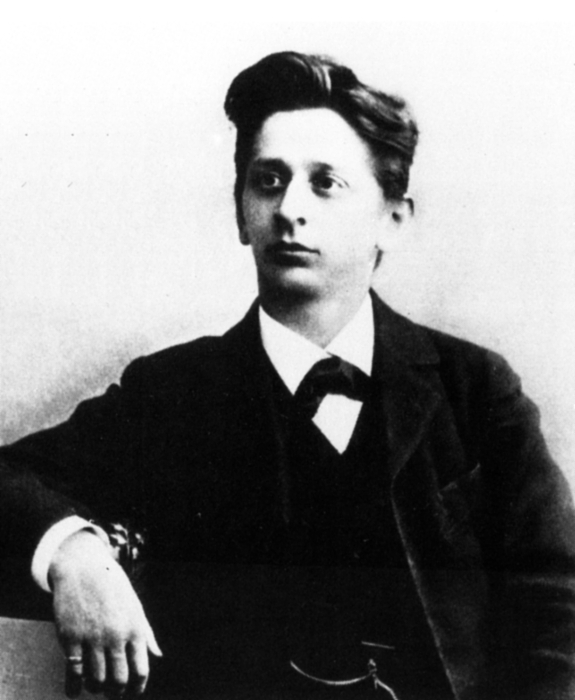
| 7/23/26 |  Scriabin Poem of Ecstasy | Thence the universe resounds With a joyful cry I AM. These are the final lines of Alexander Scriabin's epic Poem of Ecstasy, a 300-line poem that takes nearly 10 minutes to read aloud and is one of the most surreal texts in the world. Scriabin wrote a Poem of Ecstasy in text and a Poem of Ecstasy in music simultaneously. Both are absolutely wild, with the musical Poem of Ecstasy being a 20-minute thrill ride that alternates between languid, sinewy, seductive music and some of the loudest, most over-the-top, and dramatic music that could possibly exist. I've always been fascinated by Scriabin, and so this week's episode is an opportunity to talk about his wild (I'm going to be using that word a lot today) life and the eclectic philosophy behind Scriabin's works, as well as to take you through this masterpiece of musical sensuality. Scriabin not only doesn't shy away from sensual aspects in music but instead fully embraces them; in fact, the original title for this piece was Orgiastic Poem! Thankfully, since the piece probably would have never been performed with that title, Scriabin changed the name to Poem of Ecstasy, and the piece has stayed in the repertoire of most big orchestras ever since. And big is the key word here, because this piece is written for an absolutely massive orchestra. Like a Mahler symphony, the Poem of Ecstasy is an event whenever it is performed, simply from seeing the sheer size of the orchestra on stage when you see this piece live in concert. It is truly an overwhelming experience to listen to this piece, and I can't wait to share it with you this week. Join us! | 51m 04s | ||||||
| 7/10/26 | SibeliusTapiola+4 | — | TapiolaKalevala+1 | — | SibeliusTapiola+5 | — | 47m 03s | ||
| 6/25/26 | symphonywar+4 | — | Symphony No. 3, "Liturgique" | Paris | Arthur HoneggerSymphony No. 3+6 | — | 53m 04s | ||
| 6/11/26 | DvořákPiano Quintet+4 | — | Piano Quintet, Op. 81Piano Quintet, Op. 5 | — | DvořákPiano Quintet+5 | — | 49m 31s | ||
| 5/28/26 | MozartString Quartet+4 | — | Mozart String Quartet, K. 465 | — | MozartDissonance+5 | — | 49m 26s | ||
| 5/15/26 | Beethovenclassical music+3 | — | 5e symphonie de Beethoven | Lille | Beethoven5th Symphony+3 | — | 42m 47s | ||
| 5/14/26 | Franz LisztGoethe's Faust+3 | — | FaustFaust Symphony | — | LisztFaust+5 | Jerry | 1h 03m 46s | ||
| 5/8/26 | Schubertclassical music+3 | — | PatreonDie Schöne Mullerin | — | SchubertDie Schöne Mullerin+3 | — | 6m 52s | ||
| 5/1/26 | Wagnerclassical music+3 | Case Scaglione | Orchestre National D'Ile de FranceTristan and Isolde | — | WagnerTristan and Isolde+5 | — | 50m 37s | ||
| 4/16/26 | Lili Boulangerfemale composers+4 | — | Psalm 130D'un Matin de Printemps+1 | — | Lili BoulangerPsalm 130+5 | — | 46m 24s | ||
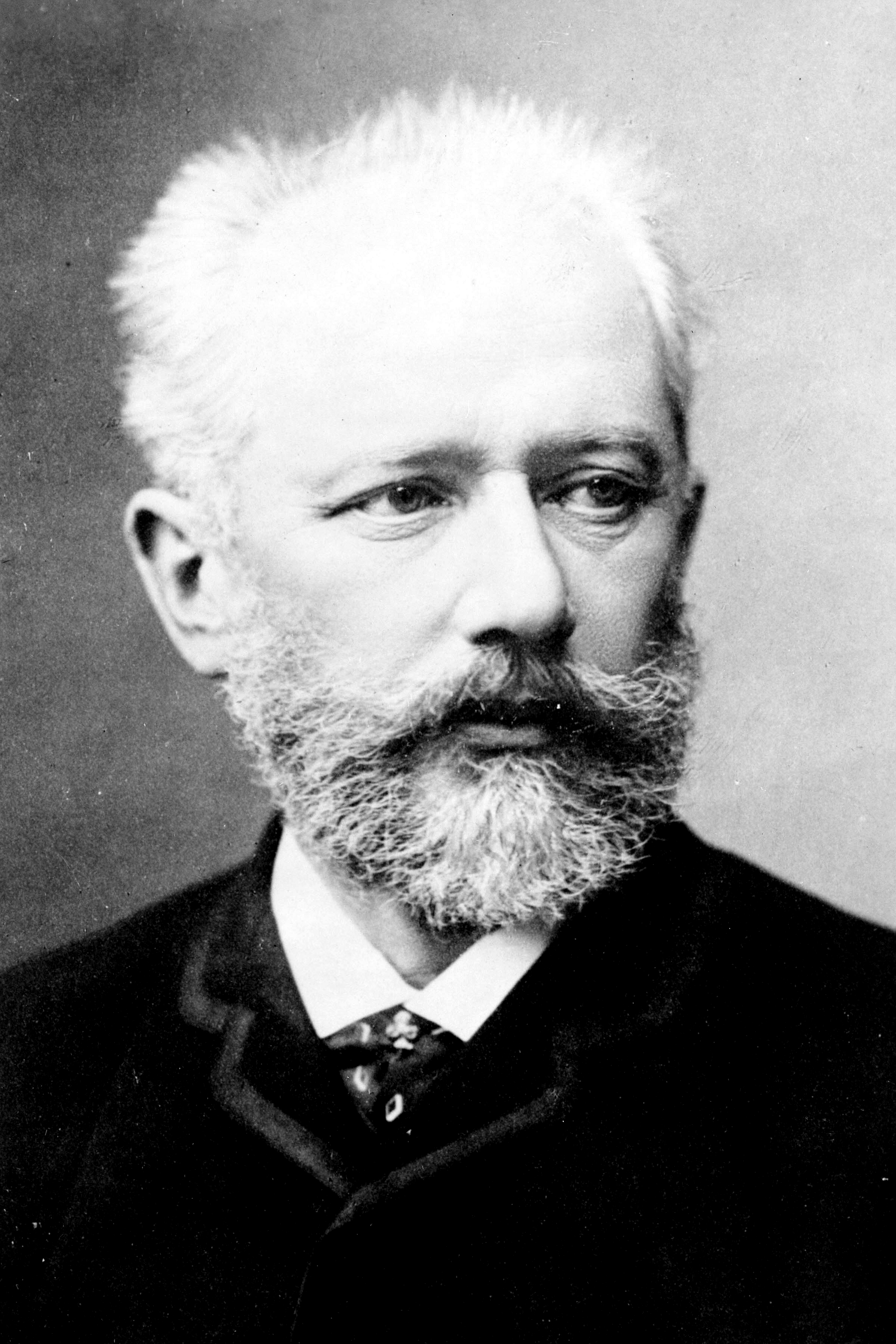
| 4/2/26 | TchaikovskySymphony No. 6+3 | — | — | — | TchaikovskySymphony No. 6+3 | — | 48m 23s | ||
| 3/21/26 | Tchaikovskysymphony analysis+3 | — | Tchaikovsky's 6th SymphonyPathetique | — | TchaikovskySymphony No. 6+5 | — | 50m 44s | ||
| 3/5/26 | Beethovenstring quartets+3 | — | Beethoven String Quartet, Op. 59, No.2Mendelssohn's 4th Symphony | — | Beethovenstring quartet+5 | — | 56m 56s | ||
| 2/19/26 | Brahmssymphony+4 | — | Aalborg Symphony | — | BrahmsSymphony No. 2+5 | — | 58m 32s | ||
| 2/5/26 | romantic relationshipsclassical music+3 | — | The MermaidThe Little Mermaid | — | ZemlinskyThe Mermaid+3 | — | 1h 01m 32s | ||
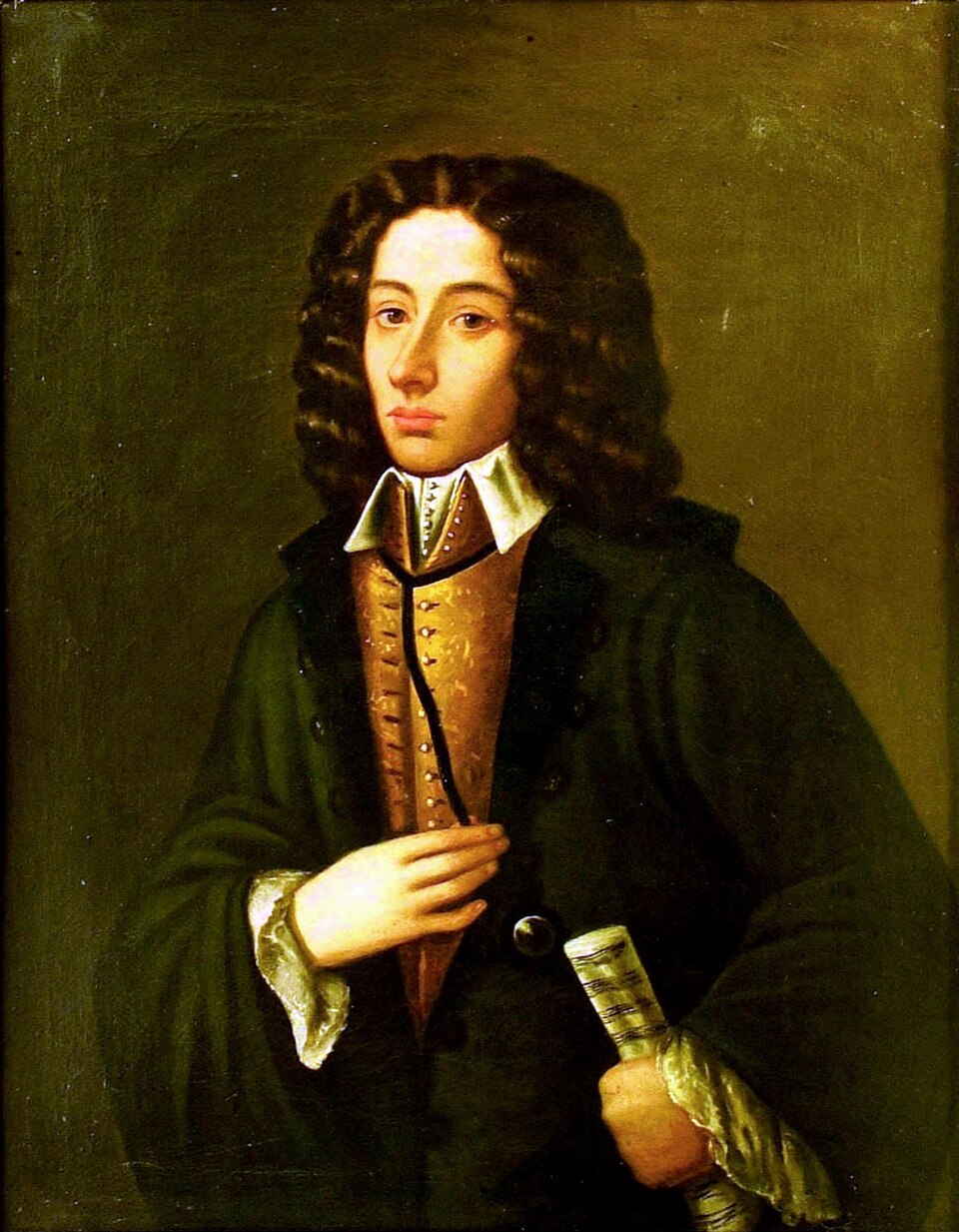
| 1/22/26 | Giovanni Battista PergolesiBaroque era+3 | — | Stabat MaterPulcinella | — | PergolesiStabat Mater+3 | — | 59m 02s | ||
| 1/8/26 | RachmaninoffPiano Concerto+4 | — | Moscow Philharmonic OrchestraRachmaninoff Piano Concerto No. 2+1 | — | RachmaninoffPiano Concerto No. 2+5 | — | 52m 41s | ||
| 12/18/25 | Handel's Messiahclassical music+3 | Aram Demirjian | Knoxville SymphonyHandel's Messiah | — | HandelMessiah+3 | — | 1h 09m 11s | ||
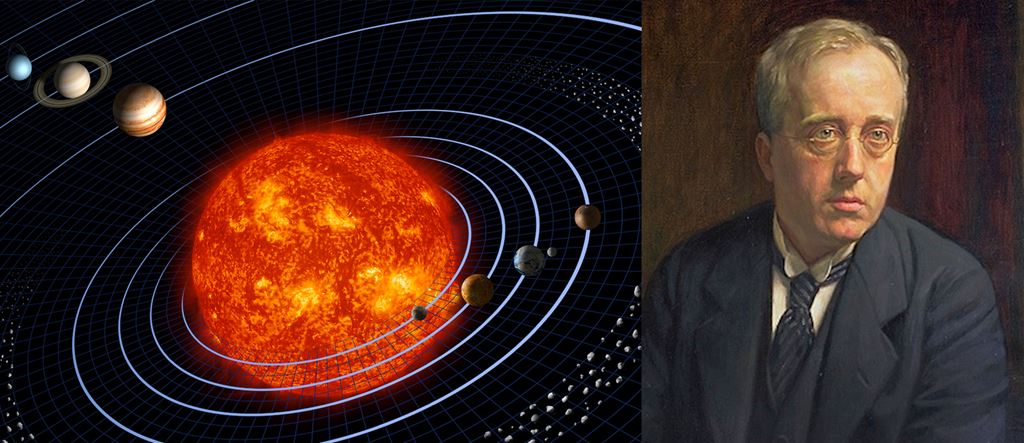
| 12/4/25 | Gustav HolstThe Planets+4 | — | The Planets | — | Gustav HolstThe Planets+4 | — | 1h 02m 09s | ||





Showing 25 of 297
Pitch Fit is a Pro feature
See how bookable this show is for guests, which brands already advertise, the per-episode ad value, and the best-fit guest and sponsor profile. The numbers are blurred on the free plan.
How readily this show books outside guests like you.
How proven this show is for host-read sponsorships.
For Guests
ProFor Advertisers
ProUpgrade to Pro to unlock guest cadence, sponsor categories, fit scores, and per-episode ad value for this show.
Similar Audience Demographics
Podcasts that attract a similar listener profile
Classical Breakdown
WETA Classical

Classical Music Happy Hour
WNYC, WQXR
Decomposed with Jade Simmons
American Public Media

The New Yorker Radio Hour
WNYC Studios and The New Yorker

You'll Hear It: Full Album Deep Dives with Jazz Musicians
Peter Martin & Adam Maness

The Book Review
The New York Times

The Ezra Klein Show
New York Times Opinion
Distribution & Reach
About the show, platforms, and key insights.
Distribution & Reach
About the show, platforms, and key insights.
Key insights
What the show covers
- accessible classical music discussions
- in-depth music piece analysis
- music era explorations
- listener-friendly classical content
Audience interests
- classical music exploration
- interviews with artists
- music repertoire analysis
- historical music context
Platform reach
- specific platforms not detected
- unknown total followers
- potential for broad distribution
- targeting classical music enthusiasts
Publishing consistency
- weekly or more often
- active for 9 years
- 285 episodes released
- seasons 1-5 being re-recorded
Chart history for Sticky Notes: The Classical Music Podcast
Peaked at #6 in HK, top 10 in 3 of 34 tracked markets, currently #6 in HK.
| Market | Genre | Peak | Current | Trend |
|---|---|---|---|---|
| HK | — | #6 | #6 | — |
| New Zealand | — | #7 | #7 | — |
| Italy | — | #8 | #8 | — |
| TW | — | #16 | #16 | — |
| Australia | — | #20 | #20 | — |
| IS | — | #22 | #22 | — |
| TR | — | #23 | #23 | — |
| RO | — | #25 | #25 | — |
| PL | — | #36 | #36 | — |
| HU | — | #36 | #36 | — |
| South Korea | — | #37 | #37 | — |
| United States | — | #38 | #38 | — |
| Spain | — | #44 | #44 | — |
| United Kingdom | — | #45 | #45 | — |
| PT | — | #45 | #45 | — |
| Canada | — | #47 | #47 | — |
| Germany | — | #51 | #51 | — |
| Finland | — | #51 | #51 | — |
| BE | — | #63 | #63 | — |
| MY | — | #64 | #64 | — |
Chart Positions
34 placements across 34 markets.
Chart Positions
34 placements across 34 markets.