Insights from recent episode analysis
Audience Interest
Podcast Focus
Publishing Consistency
Platform Reach
Insights are generated by CastFox AI using publicly available data, episode content, and proprietary models.
Most discussed topics
Brands & references
Total monthly reach
Estimated from 6 chart positions in 6 markets.
By chart position
- 🇨🇦CA · Careers#31100K to 300K
- 🇬🇧GB · Careers#7130K to 100K
- 🇺🇸US · Careers#9230K to 100K
- 🇩🇪DE · Careers#1975K to 30K
- 🇵🇹PT · Careers#108500 to 3K
- Per-Episode Audience
Est. listeners per new episode within ~30 days
50K to 161K🎙 Daily cadence·238 episodes·Last published 5d ago - Monthly Reach
Unique listeners across all episodes (30 days)
166K to 536K🇨🇦56%🇬🇧19%🇺🇸19%+3 more - Active Followers
Loyal subscribers who consistently listen
66K to 214K
Market Insights
Platform Distribution
Reach across major podcast platforms, updated hourly
Total Followers
—
Total Plays
—
Total Reviews
—
* Data sourced directly from platform APIs and aggregated hourly across all major podcast directories.
On the show
From 1 epsHost
Recent guests
Recent episodes
How to Lead When the Rules Keep Changing with Nikki Bush
Jun 8, 2026
20m 49s
Mastering Your Emotional Responses with Vicky O'Farrell
Jun 1, 2026
47m 35s
The Secret to Leading Under Pressure with Martin Laschkolnig
May 26, 2026
22m 06s
Connecting With Authenticity with Roxanne Derhodge
May 18, 2026
24m 09s
Are You Running on Empty? Navigating the Burnout Trap Dr. Amy Bradley and Dr. Katherine Semler
May 11, 2026
22m 15s
Social Links & Contact
Official channels & resources
Official Website
Login
RSS Feed
Login
| Date | Episode | Topics | Guests | Brands | Places | Keywords | Sponsor | Length | |
|---|---|---|---|---|---|---|---|---|---|
| 6/8/26 | ![]() How to Lead When the Rules Keep Changing with Nikki Bush | When the pandemic hit, the instruction was simple: "Go home." But returning to a hybrid model? That's a complex, messy experiment full of grey areas. In this episode from the archive, Andy Lopata chats to human potential expert Nikki Bush, dialing in from Johannesburg. They explore why the return to hybrid work is causing so much stress for both leaders and teams, and why standardising rules across an entire organisation often leads to disaster. Nikki shares practical strategies for navigating this new autonomy, emphasising the need for employees to act as "intrapreneurs." Discover why the number one hybrid trap is "meeting-itis," how to ensure your virtual one-on-ones aren't just tick-box exercises, and the profound difference a leader can make by truly seeing the essence of their team members beyond their job descriptions. If you're struggling to balance flexibility with productivity, this episode offers a roadmap for connection. What you will learn in this episode The Autonomy Shift: Why hybrid work requires employees to stop acting like traditional staff and start thinking like "intrapreneurs" who are solely responsible for their output. The Illusion of Choice: Why giving employees too much choice in a hybrid model actually increases stress, and how to find the right balance of structure. The "Meeting-itis" Trap: Why over-scheduling meetings is the biggest mistake hybrid leaders make, and how it actively prevents real work from getting done. Beyond the Job Description: How to uncover the hidden "essence" of your team members. The Power of Intentional Listening: Why the success of your one-on-ones depends entirely on your intent, and how to prove you are listening with your "whole being." Actionable Insights Decentralise Hybrid Mandates: Do not try to mandate a single hybrid schedule (e.g., "everyone is in on Tuesdays") for an entire organisation. Empower individual team leaders to create their own bespoke hybrid mandates based on the specific operational needs and cross-departmental requirements of their group. Visibly Protect "Sacred Time": When conducting a one-on-one (especially virtually), explicitly state that you are turning off your devices to be fully present. If you must leave your phone on for an emergency, set that expectation at the very beginning of the meeting. This verbal boundary demonstrates profound respect. Conduct an "Essence Audit": Look past your team's job titles. Identify their innate strengths—who is the nurturer? Who brings levity during a crisis? Actively share these observations with them. Reflecting these strengths back to your team not only builds confidence but allows you to deploy them more effectively when unforeseen challenges arise. SELECTED LINKS FROM THE EPISODE Connect with Andy Lopata: Website | Instagram | LinkedIn | X/Twitter | YouTube Connect with Nikki Bush: Website |Instagram | The Financial Times Guide to Mentoring Episode 172 Featuring Nikki Bush | 20m 49s | ||||||
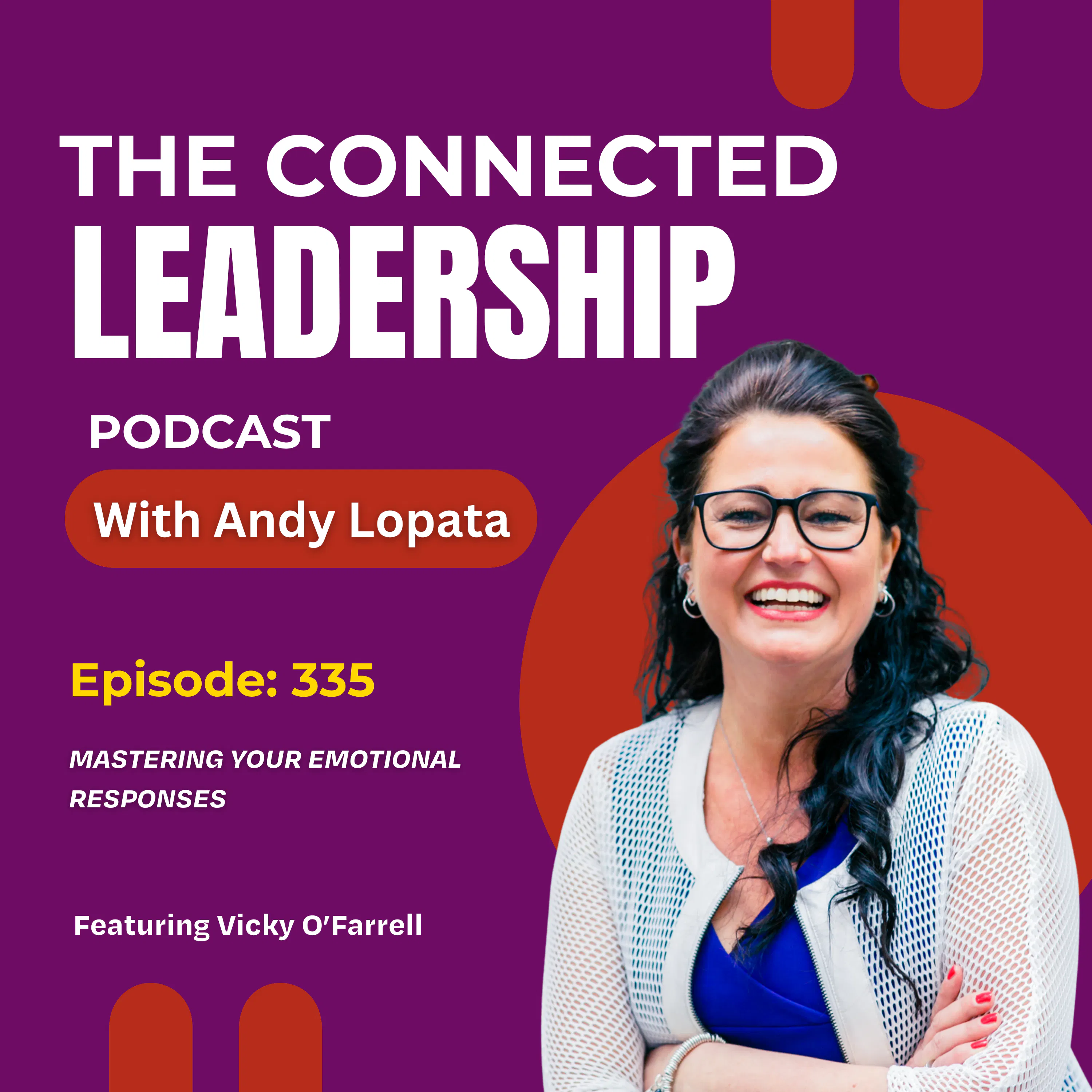
| 6/1/26 | ![]() Mastering Your Emotional Responses with Vicky O'Farrell | Have you ever let a bad commute ruin a crucial meeting? Or sent a hasty, frustrated reply to a message you misunderstood? In this highly relatable episode, Andy Lopata sits down with Vicky O'Farrell, known as the "Queen of Behaviours," to unpack how the minor inconveniences of our day can hijack our brains, alter our moods, and ultimately sabotage our professional relationships. Andy and Vicky dive deep into the psychology of our daily triggers—from the "limbic" fight-or-flight response of getting cut off in traffic, to the toxic nature of instant-reply culture on WhatsApp and social media. Vicky shares a powerful personal story of how her own traffic-induced bad mood infected an entire construction site, highlighting the contagious nature of our emotions. Together, they explore practical tools to reset your emotional temperature and how pausing to consider another person's perspective can save your most valuable connections. About Our Guest:Vicky O'Farrell is an expert in human behavior and communication, widely known as the "Queen of Behaviours." With 25 years of corporate experience, from charming Sales rep to Boardroom boss, Vicky founded Queen of Behaviours in 2013 after her own behaviour had a tiny impact on her corporate trajectory. Splitting her time between delivering high-level corporate workshops in London and helping run her husband’s construction business, Vicky has a unique, boots-on-the-ground understanding of how to adapt communication styles, read the room, and manage emotional energy across vastly different workplace cultures. What we discussed in this episode: The Traffic Jam Trigger: Why getting cut off in traffic immediately triggers our "chimp" limbic system, and how the stories we tell ourselves about why the other person did it dictate our mood for the rest of the day. The PAUSE Model: Vicky introduces the concept of PAUSE—starting with "P" for Perspective—and how assuming a positive intent (e.g., they are rushing to the hospital) can instantly lower your dangerous cortisol levels. Code-Switching and Authenticity: How to adapt your communication style and energy when moving between entirely different environments (like a corporate boardroom vs. a construction site) without losing your authentic self. The 0 to 10 Energy Scale: Why striving to be a "10 out of 10" every day is actually a mistake, and why finding your grounded "5" is often the best way to match your audience's emotional needs. The Doorway Reset: Practical tools—like curating a specific Spotify playlist, checking your "mirror," and Box Breathing (4 in, 4 hold, 4 out)—to reset your mood before you walk into a room. Resources Mentioned in this Episode: Paul McGee’s Book: S.U.M.O (Shut Up, Move On) Breathing Technique: Box Breathing (Inhale for 4 seconds, hold for 4 seconds, exhale for 4 seconds). Download the full episode to learn how to master your mood and protect your professional relationships! SELECTED LINKS FROM THE EPISODE Connect with Andy Lopata: Website | Instagram | LinkedIn | X/Twitter | YouTube Connect with Vicky O’Farrell: YouTube |LinkedIn |Facebook The Financial Times Guide to Mentoring Box Breathing Relaxation Technique | 47m 35s | ||||||
| 5/26/26 | ![]() The Secret to Leading Under Pressure with Martin Laschkolnig | Inflation, recession, global conflict, and post-pandemic exhaustion. Leaders today are operating under unprecedented levels of pressure, and many are finding that their own—and their team's—"fuses are getting shorter and shorter." In this archive episode of Connected Leadership Bytes, Andy Lopata sits down with international speaker and serenity expert Martin Laschkolnig to discuss how leaders can maintain their composure when surrounded by crisis. Drawing on decades of business experience, Buddhist philosophy, and energy psychology, Martin explains why trying to "fix" a traumatised team member is the worst thing a leader can do, and why serenity is a muscle that must be trained before the crisis hits. If you want to stop reacting on autopilot and start leading with profound inner peace, this episode provides the practical tools you need to widen the space between event and reaction. 5 Key Takeaways: The Crisis Intervention Rule of 3: Discover the three essential steps leaders must take when a team member is in a crisis (and why "offering a solution" isn't one of them). The Limits of the "Fixer": Why jumping straight to "fix-it mode" can alienate your team, and why people need to feel "seen in their misery" before they can accept a solution. The Monkey Mind vs. The Sphere of Influence: How the "monkey mind's" desire to control everything causes burnout, and how to reclaim your power by focusing only on what you can actually influence. The "NATO" Mindset: How adopting the "Not Attached to the Outcome" philosophy can instantly reduce leadership stress in target-driven corporate environments. The Separation of Self and Problem: The profound psychological shift of realising "I have a problem, but I am not the problem," and why self-compassion is crucial for crisis management. 3 Actionable Insights Stop Giving Verbal Instructions in a Crisis: When an employee is overwhelmed or traumatised, always provide the next steps (e.g., "Go see HR") in writing or via a simple checklist to ensure they actually get the support they need. Defuse the Stress Hormones Daily: Do not wait for the weekend or a crisis to relax. Build a daily "micro-routine", whether it's five minutes of conscious breathing, digging in the garden, or taking a walk. Consistent, small steps build the foundation of resilience you will need when a storm hits. Widen the Space Between Event and Reaction: When you feel a strong emotion (like fear or anger) rising, do not react on autopilot. Step away. Take a few deep breaths. Create space to evaluate whether acting on that emotion will benefit you, or if it is better to let it pass. Your reaction determines the outcome; make sure it is a conscious choice. SELECTED LINKS FROM THE EPISODE Connect with Andy Lopata: Website | Instagram | LinkedIn | X/Twitter | YouTube Connect with Martin Laschkolnig: Website |LinkedIn | The Financial Times Guide to Mentoring Episode 171 Featuring Martin Laschkolnig | 22m 06s | ||||||
| 5/18/26 | ![]() Connecting With Authenticity with Roxanne Derhodge | Connecting With Authenticity With Roxanne Derhodge We hear the word "authenticity" constantly in leadership circles, but what does it actually mean beyond just "removing the mask"? In this thought-provoking episode from the archive, Andy Lopata explores a radically different definition of authenticity with psychotherapist and author Roxanne Derhodge. Roxanne reveals that true authenticity doesn’t start with how you interact with others; it starts with how well you know yourself when no one else is looking. She argues that the ability to handle conflict, disagree agreeably, and navigate "hot button" topics without losing your cool is actually the highest form of authentic leadership. Discover why being authentic isn't an excuse for oversharing, how to strike the crucial balance between professional decorum and human connection and why the most powerful leadership test is how you treat people when nobody is watching. What You Will Learn From This Episode The Pillow Test: The ultimate test of authenticity isn't how you behave on a stage, but whether you are "good on the inside" when you lay your head on the pillow at night. The Hidden Source of Conflict: Why your visceral reaction to a difficult colleague often has more to do with your own unresolved internal triggers than with their actual behavior. The "Verbal Diarrhea" Trap: Why bringing your "whole self" to work does not mean oversharing, and how to maintain the vital filter of professional appropriateness. The Consistency Check: How to spot an inauthentic leader by watching for a disparity between their "networking persona" and their true social behavior. The Power of Small Disclosures: How sharing small, tactical "bits and bytes" of your personal life can destratify a team and make you a more approachable leader during times of crisis. Actionable Insights Audit Your Inner Triggers: Before you can authentically connect with someone who holds an opposing view, you must understand your own reactions. The next time a conversation triggers a fight-or-flight response, calm yourself so you can listen to understand, not just to respond. Share the "Micro-Personal": You don't have to share every failure or crisis to be vulnerable. By sharing small, appropriate glimpses of your life outside of work—a story about a hobby or a weekend challenge with a child, reminds your team that you are human, making you more approachable when real business problems arise. The "Off-Record" Balance: To be an authentic leader, you must balance holding your team accountable with being a safe harbor. Ensure you hold their feet to the fire for performance metrics, but intentionally create a separate, off-the-record space where they can connect with you as a person when they need support. SELECTED LINKS FROM THE EPISODE Connect with Andy Lopata: Website | Instagram | LinkedIn | X/Twitter | YouTube Connect with Roxanne Derhodge : Website |LinkedIn | The Financial Times Guide to Mentoring Episode 170 Featuring Roxanne Derhodge | 24m 09s | ||||||
| 5/11/26 | ![]() Are You Running on Empty? Navigating the Burnout Trap Dr. Amy Bradley and Dr. Katherine Semler | Does your daily schedule look like a solid wall of back-to-back video calls? Do you find yourself constantly saying, "I just have to get through this week"? If so, you might be driving straight toward burnout. In this vital archive episode of The Connected Leadership Bytes, Andy Lopata sits down with leadership experts Dr. Amy Bradley and Dr. Katherine Semler to explore the hidden mechanics of exhaustion. Both women share their personal "wake-up calls"—from the realisation of spending nine consecutive days trapped on Zoom to a jarring moment of clarity standing outside in the freezing cold. This conversation moves beyond the typical advice of "taking a break." Amy and Katherine explain why the most passionate, high-achieving perfectionists are actually the most at risk. They break down the toxic extremes of workplace culture—those that stigmatise stress and those that glorify it—and reveal why a leader's empathy is the ultimate firewall against employee burnout. If you want to protect your team (and yourself) from running on empty, this episode is essential listening. What You Will Learn From This Episode The Passion Paradox: Why being deeply passionate about your work and unable to say "no" to interesting projects is a fast track to exhaustion. The Isolation of the "Eggshell" Approach: Why being too careful with your language around struggling colleagues can accidentally isolate them further. The End of the Buffer Zone: How the shift to virtual meetings destroyed the natural "commute cushion" between tasks, creating relentless cognitive strain. Actionable Insights Stop Asking "How Are You?": Ditch the throwaway greeting. Instead, use specific, questions like, "How are you coping with [Specific Project]?" or "Is there anything I can do to lighten your load today?" This proves you are genuinely listening and opens the door for real answers. Audit Your Diary for White Space: Immediately evaluate your calendar. If you have back-to-back calls booked for hours on end, break the pattern. Force 5-to-10-minute buffers into your schedule to step away from your desk, get fresh air, and reset your brain. SELECTED LINKS FROM THE EPISODE Connect with Andy Lopata: Website | Instagram | LinkedIn | X/Twitter | YouTube Connect with Dr Amy Bradley: Website |LinkedIn | Connect with Dr Katherine Semler: Website |LinkedIn | The Financial Times Guide to Mentoring Episode 169 Featuring Dr Amy Bradley and Dr Katherine Semler | 22m 15s | ||||||
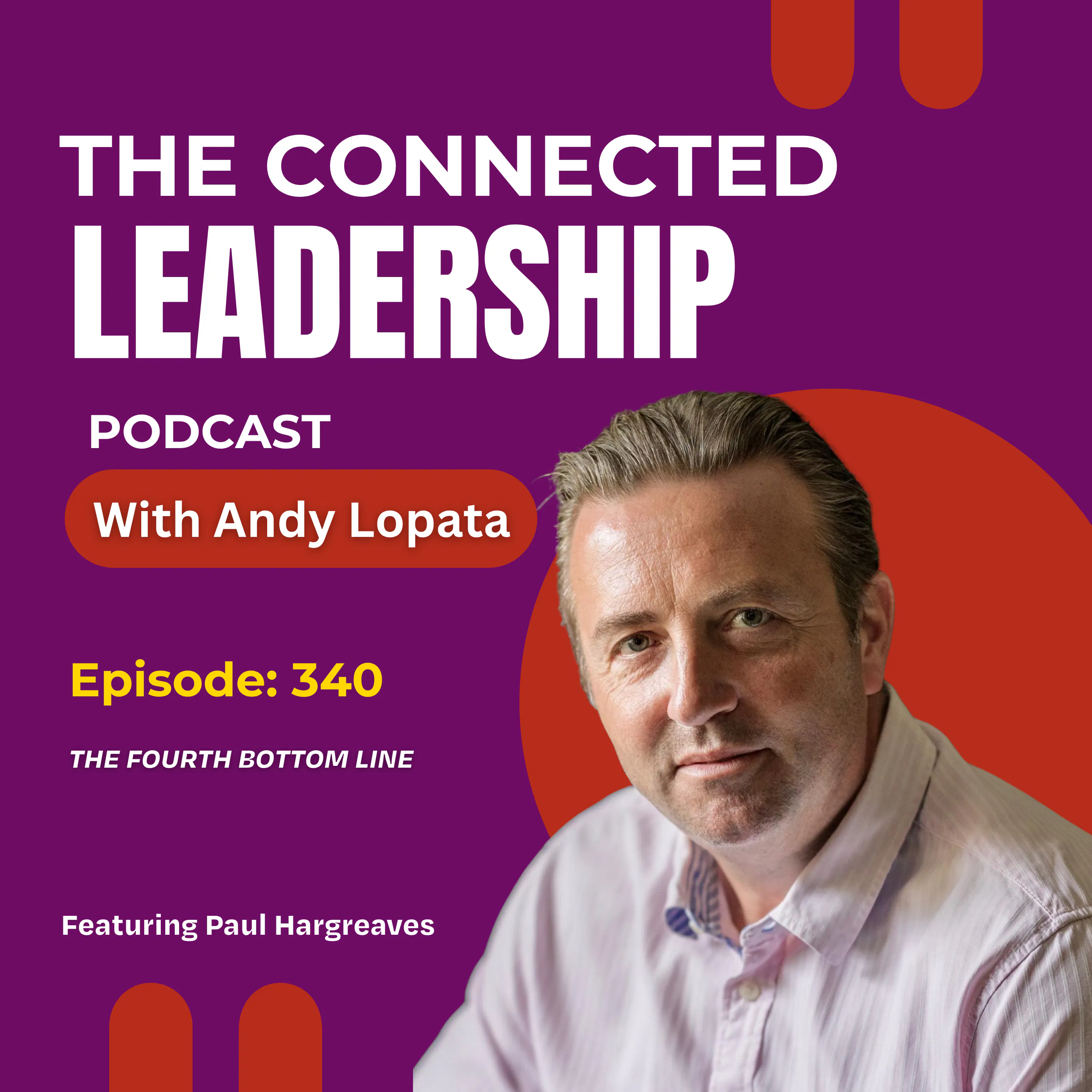
| 5/4/26 | ![]() The Power of In-Person Connection with Gary Gamp✨ | in-person connectionvirtual meetings+4 | Gary Gamp | Company Doctor | — | in-person connectionvirtual meetings+6 | — | 32m 29s | |
| 4/27/26 | ![]() From Full-Time to Fulfilled: The Secret to Jumping Ship with Matt Crabtree | Are you tired of the corporate grind but terrified to leave the "security" of a full-time salary? You aren’t alone. In this high-impact archive episode of Connected Leadership Bytes, Andy Lopata sits down with Matt Crabtree—the man who meets CEOs and shows them how to successfully jump ship. Matt shares the raw, honest truth about his transition from a senior role at Barclays to building a multi-million-pound consultancy. Forget what you think you know about "entrepreneurial risk." Matt argues that having 18 clients is actually safer than having one boss who can make you redundant on a whim. We examine the "unemployable" mindset, why you don't need a massive network to start, and the exact "If I did, would you?" conversation that validates your business idea before you even resign. If you’ve ever dreamed of being your own boss but felt held back by fear, this is the blueprint you need to move from full-time to fulfilled. Stop being a "minister without portfolio" and start building a legacy on your own terms. What You Will Learn From This Episode The "If I Did, Would You?" Script: The specific conversation you must have with 20 people to determine if your idea is a goldmine or a "lunatic" move. The "Non-Job" Catalyst: How a six-month stint as a "minister without portfolio" at a major bank became the ultimate laboratory for self-employment. The "Unemployable" Badge of Honor: Why making yourself impossible to hire by anyone else is actually the ultimate career liberation. Scaffolding vs. Sabotage: Why internal corporate mentors often have an "axe to grind" and where to find the unvarnished truth instead. Actionable Insights Conduct the "Sunday Paper" Test: Pay attention to which section of the news you read first. If you aren't naturally obsessed with the business pages and organisational drama, consultancy isn't for you. You must be a "geek for business" to thrive outside the corporate structure. Inventory Your "Hardcore Seven": You don't need a gigantic network to start. Identify the seven "founder customers" or core contacts who would vouch for your reputation. Focus on the quality of these relationships and the "ripple effect" of their referrals rather than trying to meet thousands of strangers. Establish a Financial and Relational Runway: Don't leap without a "war chest." Ensure you have a financial cushion (6–12 months of expenses) to avoid the "smell of desperation." Combine this with an 18-month pre-launch plan to ensure your first invoice is ready to be sent before your final day in the office. SELECTED LINKS FROM THE EPISODE Connect with Andy Lopata: Website | Instagram | LinkedIn | X/Twitter | YouTube Connect with Matt Crabtree: Website |LinkedIn | The Financial Times Guide to Mentoring Episode 142 Featuring Matt Crabtree | 23m 10s | ||||||
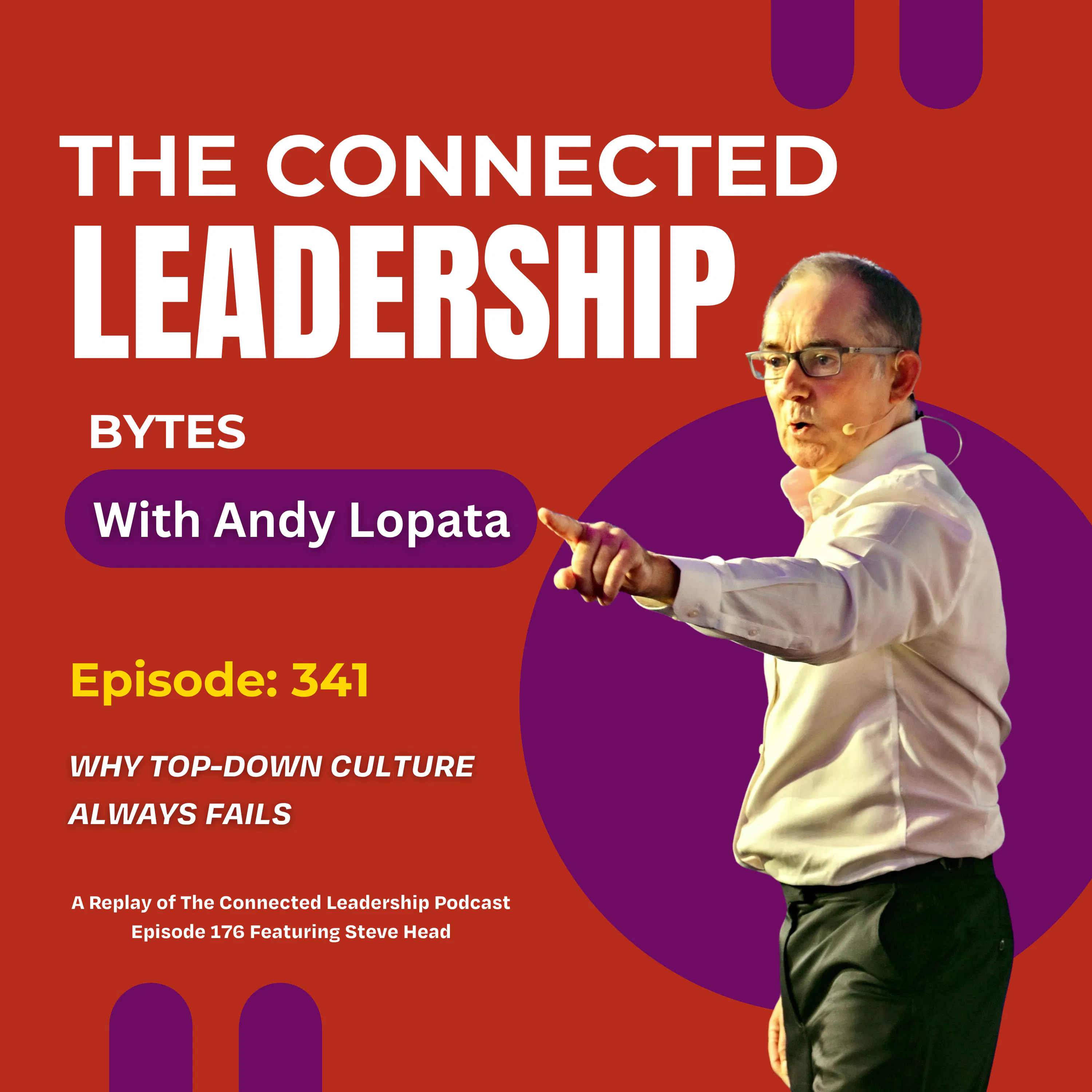
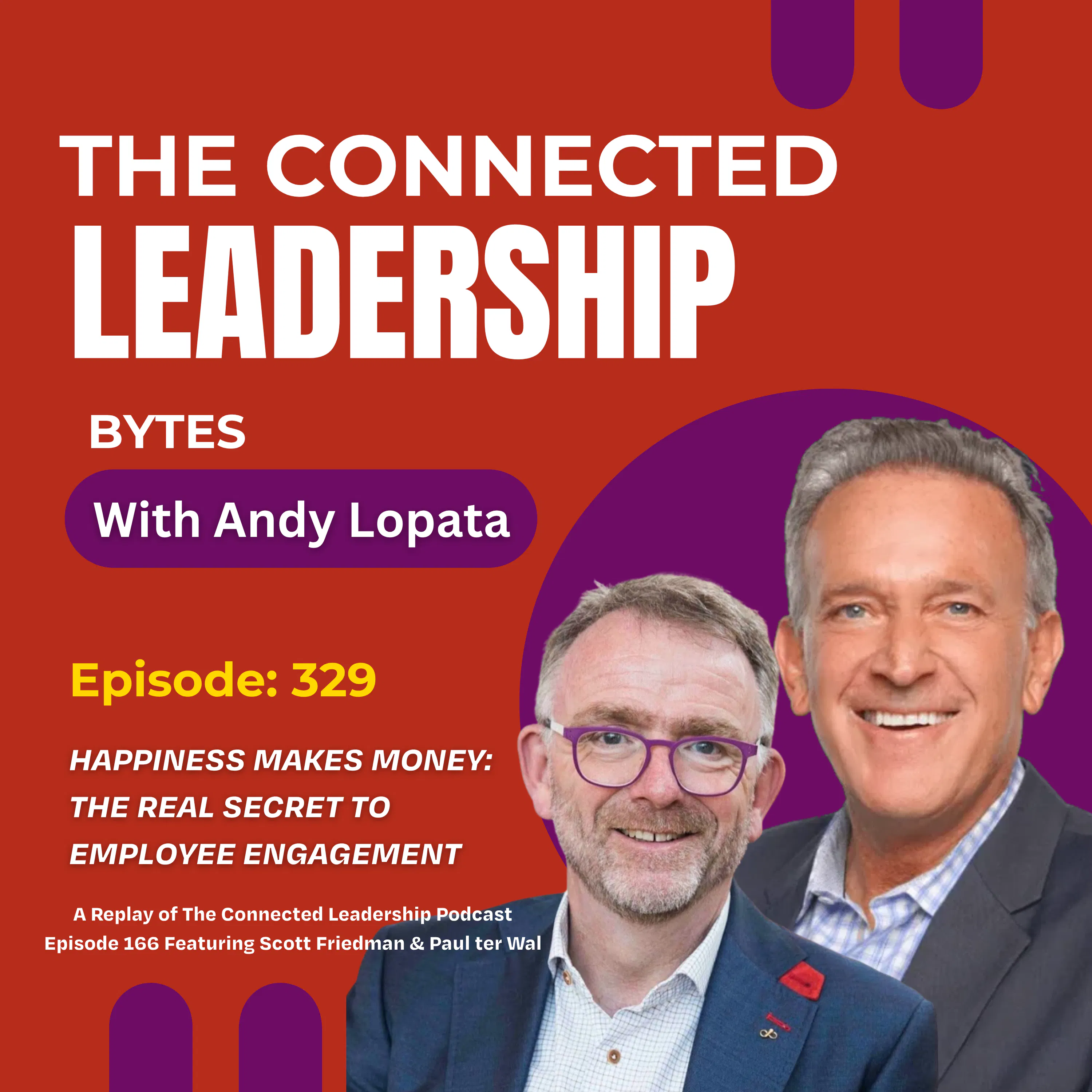
| 4/20/26 | ![]() Happiness Makes Money: The Real Secret to Employee Engagement with Scott Friedman & Paul ter Wal | Is your leadership style costing you a fortune? In this high-energy episode from the archive, Andy Lopata revisits a global conversation with employee engagement specialists Scott Friedman and Paul ter Wal. They challenge the outdated "command and control" hierarchy, replacing it with a radical yet profitable philosophy: Happiness makes money. Engagement isn't just a corporate program or a ping-pong table in the breakroom—it is a two-way street built on a foundation of absolute trust. You’ll hear Scott share a powerful technique for setting the intention from day one by asking new hires to agree that this will be the “best job they’ve ever had.” Meanwhile, Paul breaks down why leaders should stop standing on top of their teams and start standing behind them. From the "I Test" of inclusive language, to the scientific reason you should never lead more than 20 people if you actually want to listen, this episode is a masterclass in modern leadership. Discover how to turn "quiet quitting" into high-performance engagement by shifting your mindset from controlling behavior to facilitating success. What You Will Learn in this episode: The "Best Job Ever" Contract: What is the specific agreement you should make with every new hire before they even start? The 20-Person Rule: Why does science say a leader's effectiveness drops off a cliff when managing a team larger than 20? Hiring for Purpose: Why is the new generation of talent running away from high salaries and toward this one specific cultural trait? The "I Test" Reveal: How can a simple word count of your latest speech or email prove your leadership style is alienating your team? Leading from Behind: What is the one question a leader should ask every day to guarantee the best results from their professionals? Actionable Insights: Shift from Controller to Facilitator: Stop telling your team how to behave and start asking, "What do you need from me to be the best?" This simple shift in perspective moves the leader from a "checker of boxes" to a supporter of professionals. Define Your "Non-Negotiables": Don't let your core values be "lip service" buried on a website. Identify 5–10 written ground rules for behavior and accountability, and model them daily. If the leadership doesn't model the values, the team will never live them. Schedule "Unagenda'd" Listening: Multitasking is a myth. To build trust, you must sit down, drink a cup of coffee, and listen without an agenda. In a hybrid or remote world, this means creating intentional spaces—like "open cafes"—where people can connect as humans, not just as employees. SELECTED LINKS FROM THE EPISODE Connect with Andy Lopata: Website | Instagram | LinkedIn | X/Twitter | YouTube Connect with Scott Friedman: Website |LinkedIn | Connect with Paul ter Wal: Website The Financial Times Guide to Mentoring Episode 166 Featuring Scott Friedman & Paul Ter Wal | 23m 31s | ||||||
| 4/13/26 | ![]() Are You Working With "Idiots"... Or Are YOU The Problem? with Zena Everett | We all have that one co-worker. The one who microwaves smoked mackerel in the breakroom, doesn’t pull their weight on group projects, or simply drives you up the wall. It’s easy to look around the office (or the Zoom screen) and think, "I am surrounded by idiots." But before you vent to your work bestie... what if they aren't the problem? What if the real issue is the environment? Or worse... what if the problem is you? This week on The Connected Leadership Podcast, Andy Lopata welcomes back international leadership coach, in-demand speaker, and returning guest Zena Everett. Zena is the author of Mind Flip, the award-winning The Crazy Busy Cure, and her brand-new, hilariously relatable survival guide, Badly Behaved People: How to Work with Idiots. Originally a recruitment entrepreneur, she has an MSc in Career Management and Coaching, alongside postgraduate qualifications in psychological coaching and leadership from MIT. She has coached on the Executive MBA Programme at Oxford University’s Saïd Business School and is a member of the Associate Faculty at Henley Business School. Today, she runs a global coaching practice dedicated to replacing bad behavior and crazy busyness with productive, thriving, and profitable team relationships. Bringing her signature blend of evidence-based insights and highly entertaining truths to the table, Zena helps Andy unpack his own workplace behavior from his early career. Together, they dismantle everything we think we know about "bad behavior" at work. From the rise of the "accidental manager" to the silent damage of crazy-busy work cultures, this episode is a masterclass in turning workplace frustration into friction-free collaboration. Whether you manage a global remote team, you’re navigating the tricky waters of Gen Z vs. older generations, or you just want to know how to politely tell someone to stop playing their TikToks out loud on the train—this episode is for you. What we discussed in this episode: Are you trying so hard not to be a toxic boss that you’ve accidentally become a "Mama Bear" manager? Discover why overly nurturing leadership is actually setting your team up for failure—and the one boundary you need to set tomorrow morning. There is a specific, old-school workplace dynamic that dictates whether a Gen Z employee quits after 2 years or stays for 5. Remote work killed the watercooler, but did it also kill your team’s best ideas? Find out how hybrid work is quietly breeding transactional relationships, and the brilliant, non-digital strategy one executive uses to get the magic back. Learn why we've lost our social awareness, and the exact script to use to confront micro-aggressions without making things awkward. Learn the brutal—but necessary—questions you must ask yourself to find out if your lack of communication is secretly breeding the exact bad behavior you hate. SELECTED LINKS FROM THE EPISODE Connect with Andy Lopata: Website | Instagram | LinkedIn | X/Twitter | YouTube Connect with Zena Everett: Website |LinkedIn | The Financial Times Guide to Mentoring Badly Behaved People: How to deal with idiots at work | 42m 45s | ||||||
| 4/6/26 | ![]() Character Over Ability: Lessons from the Red Arrows with Dan Lowes | What does it take to lead a team where the margin for error is measured in centimeters and the consequences of a mistake are devastating? In this high-flying episode from the archive, Andy Lopata sits down with Dan Lowes, a former RAF fighter pilot and Executive Officer of the world-renowned Red Arrows. Dan pulls back the curtain on what it really takes to build and maintain an elite, high-performance team that must perform flawlessly under extreme pressure. Forget the myth of the "best" individual performers. Dan reveals that the Red Arrows aren’t necessarily the nine best pilots in the RAF—they are the nine best teammates. They explore the rigorous selection process, the mindset required to stay motivated when you’re a "super-sub" waiting for your moment, and why a world-class team delivers the exact same level of excellence for a village fete as they do for a Royal flypast. This is a masterclass in trust, character, and the pursuit of excellence for any leader looking to elevate their team. What you will learn from this episode The Baseline Performance Trap: Why technical skill is only the "entry fee" and why character is the real differentiator in elite teams. The "Super-Sub" Mindset: How to maintain peak motivation and stay at the top of your game when your primary mission isn't called upon. Consistency of Excellence: Why the Red Arrows fly with the same precision over a local cricket match as they do over Buckingham Palace—and why your business should too. Rebuilding a Winning Team Every Year: The secret to replacing 33% of your team annually while remaining the best in the world. Actionable Insights Hire for Character Once the Baseline is Met: In your recruitment, establish a non-negotiable baseline for technical ability. Once a candidate crosses that line, stop looking at their skills and start looking at their character. Ask yourself: "Are they the best teammate for the existing group?" Conduct "Village Fete" Audits: Look at your smallest clients or least visible projects. Are you giving them the same "smoke plan and formation" as your biggest VIP accounts? True excellence is a habit of consistency, not a reaction to the size of the audience. Encourage "Situational Awareness" Training: Just as pilots think 100 miles ahead of the jet, encourage your team to look "up the road." Help them recognise patterns and develop the calmness that comes from experience, moving from reactive fire-fighting to proactive situational management. SELECTED LINKS FROM THE EPISODE Connect with Andy Lopata: Website | Instagram | LinkedIn | X/Twitter | YouTube Connect with Dan Lowes: Instagram |LinkedIn | The Financial Times Guide to Mentoring Episode 165 Featuring Dan Lowes | 24m 13s | ||||||
Want analysis for the episodes below?Free for Pro Submit a request, we'll have your selected episodes analyzed within an hour. Free, at no cost to you, for Pro users. | |||||||||
| 3/30/26 | ![]() Why Perfectionism is a Leadership Problem with James Cleverly | Is admitting a mistake a sign of weakness or a leadership superpower? In this episode of Connected Leadership Bytes, Andy Lopata reaches into the archive to share a fascinating conversation with James Cleverly MP. Cleverly explores the "artificiality" of politics—a world where a simple "I’ll check those figures and get back to you" can be framed as a lack of credibility, and any change of course is branded a " U-turn." Drawing from his background in the military and business, he contrasts these rigid expectations with other industries where making mistakes is seen as a vital part of the evolutionary process. James discusses the anatomy of a political car crash, to reveal how "clever people in closed rooms" accidentally create echo chambers. Discover why leaders often fail to press the "stop button" even when they see a disaster coming, and learn how to balance the need for speed with the vital necessity of a "periodic sanity check." What you will learn in this episode 1. The Pivot vs. The Scandal: Why is a "course correction" celebrated in startups but punished in leadership—and how is this mindset stifling your team’s growth? 2. The "Clever People" Trap: How small, high-performing teams accidentally "plug themselves into the matrix" and ignore the elephant in the room. 3. The Anatomy of a Car Crash: Discover the five or six specific points in every decision where a simple intervention could have prevented total failure. 4. The Aeronautical Safety Lesson: Why adding too many "safety valves" to your leadership process might actually make your organisation too heavy to fly. 5. The Art of "Rolling the Pitch": Why you should never present a solution until you have achieved a collective agreement on the parameters of the problem. Actionable Insights 1. Schedule a "Sanity Check": To avoid echo chambers, ensure that your decision-making process includes an explicit phase where the team must "unplug from the matrix" and seek a blunt, external perspective. Ask: "Am I the only one who thinks this is bonkers?" 2. Reward the "Stop Button": Build a culture where team members feel empowered to pause a process if a fact or figure "doesn't feel right." In high-stakes environments, the confidence to intervene is more valuable than the speed of implementation. 3. Frame Mistakes with the 80/10/10 Rule: When correcting a policy or project, frame it logically: "80% is working brilliantly, 10% is adequate, and 10% needs adjustment." This shifts the narrative from a "failure" to a pragmatic optimisation. Connect with Andy Lopata: Website | Instagram | LinkedIn | X/Twitter | YouTube Connect with James Cleverly: Website |LinkedIn | The Financial Times Guide to Mentoring Episode 164 Featuring James Cleverly | 21m 15s | ||||||
| 3/23/26 | ![]() The Secret to High-Performing Teams: Psychological Safety with Rebecca Morgan | What is the single most important factor that separates the highest-performing teams from the rest? When Google launched "Project Aristotle" to answer this exact question, they assumed the answer would be a mix of education, experience, and demographics. They were wrong. The number one element of a successful team, according to Google's massive study, is psychological safety. In this episode from the archive, Andy Lopata is joined by Silicon Valley leadership expert Rebecca Morgan to unpack this critical concept. They explore what psychological safety actually means, why the best leaders actively admit their mistakes, and how to create an environment where teams are comfortable taking risks and pushing back. If you want to build a culture of innovation, reduce turnover, and stop your team from blindly driving off a cliff because they were too afraid to speak up, this is a must-listen. Key Takeaways From This Episode 1. What is the formal definition of psychological safety, and why was it identified as the #1 factor in Google's highest-performing teams? 2. How does a leader admitting their own mistakes actually increase a team's performance and innovation? 3. What is the "authenticity continuum," and how do you find the balance between being too filtered and dangerously unfiltered at work? 4. How can you "disagree agreeably" with a boss or a team that is heading in the wrong direction? 5. What is a "pre-mortem," and how can teams use it to plan for failure before a project even launches? Actionable Insights 1. Model Vulnerability to Give Permission: If you want your team to take risks and admit errors, you have to go first. As a leader, openly sharing your own mistakes gives your team psychological permission to do the same. This shifts the culture from hiding failures to learning from them. 2. Use "Reservation Phrases" in Meetings: If you're an introvert (or just need a moment to think), use a simple phrase to reserve your spot in a fast-paced discussion without having to shout over extroverts. Say, "Hold on just a second, I have an idea. Give me five seconds to articulate it." This secures your airtime while you formulate your thought. 3. Upgrade Your "How Are You?" Stop using "how are you doing?" as a throwaway greeting. To build genuine psychological safety, ask deeper, semantic differential questions like, "How are you really doing?" or "Is there anything I can do to lighten your load?" This shows genuine care and opens the door for real support. SELECTED LINKS FROM THE EPISODE Connect with Andy Lopata: Website | Instagram | LinkedIn | X/Twitter | YouTube Connect with Rebecca Morgan: Website |LinkedIn | The Financial Times Guide to Mentoring Episode 163 Featuring Rebecca Morga | 22m 49s | ||||||
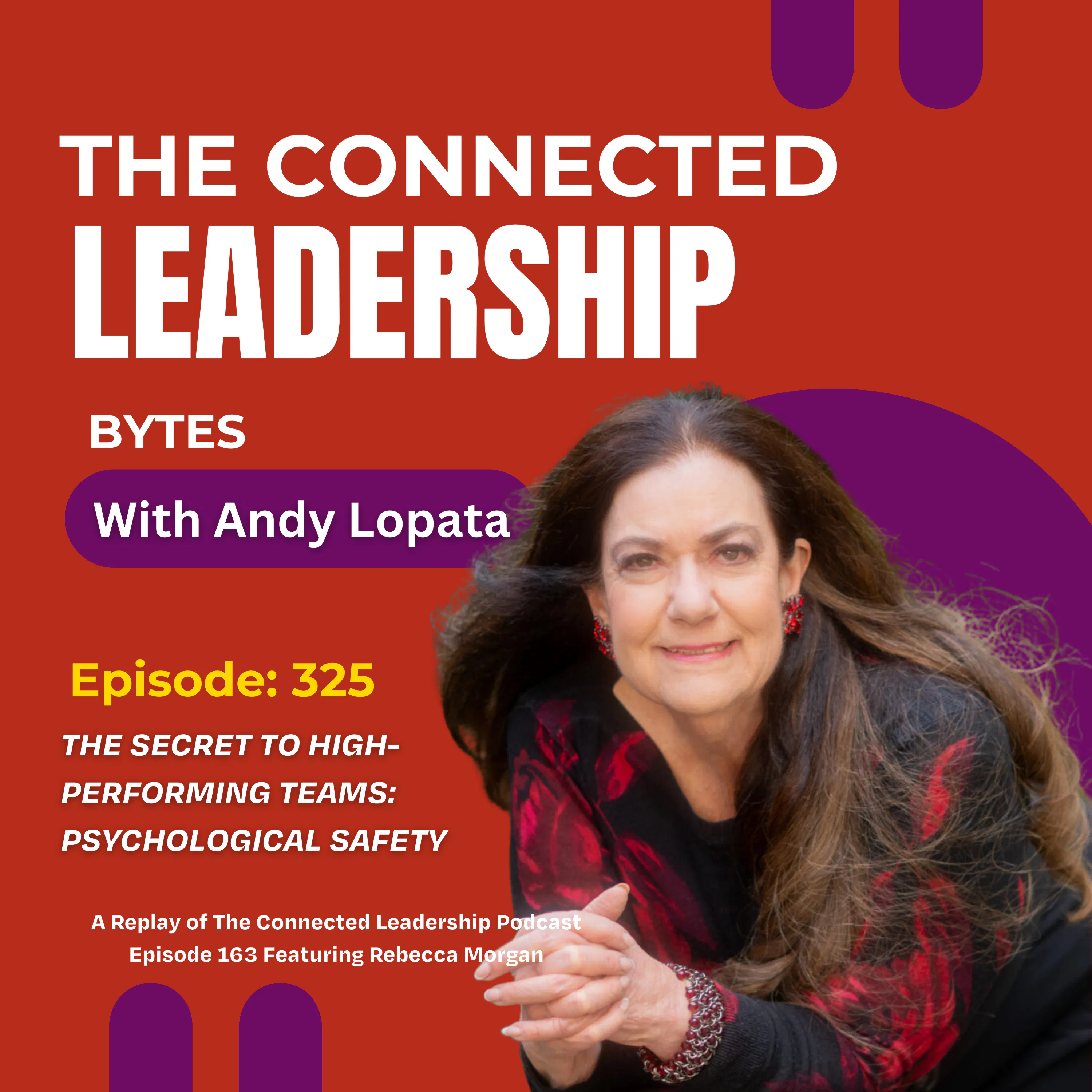
| 3/16/26 | ![]() The Power of Simple Messaging with Ben Brabyn | Welcome back to The Connected Leadership Bytes. In today’s archive episode, Andy is joined by Ben Brabyn, a former Captain in the Royal Marines, former CEO of the renowned London tech company Level39, and a pioneer who helped build one of the world's first crowdfunding platforms. Drawing from his unique career journey—spanning military service, investment banking at JP Morgan, and tech entrepreneurship—Ben shares invaluable insights into how network structures actually work. Andy and Ben explore the surprising similarities between military and corporate networks, how to navigate deep uncertainty through contingency planning, and why radical simplicity is the secret to getting your network to advocate for you. Ben also introduces the concept of the "Conveyors of Confidence"—the unsung heroes who serve as the cultural glue in any successful organisation. Key Takeaways from This Episode: 1. Listening is the Ultimate Unifying Skill: Whether you are leading Royal Marines, navigating an investment bank, or building a tech startup, the most critical networking skill is the ability to listen. Using your network to gather information, analyse it, and extract wisdom—not just data—is what drives success across all sectors. 2. Veterans Bring a "Comfort with Uncertainty": The military isn't just about shouting orders; it's a highly collaborative environment that trains leaders to be comfortable with ambiguity. Veterans bring a learned habit of "contingency planning"—constantly analysing the "what ifs" and fallback positions—which is an invaluable asset for civilian companies facing rapid change. 3. Identify Your "Conveyors of Confidence": Every organisation has people who act as the cultural backbone (similar to Non-Commissioned Officers in the military). These individuals might not bring in the big sales, but they are the "collective memory" of the company. They listen to everyone—from top executives to the cleaning staff—and build the horizontal and vertical trust that holds teams together. 4. Complex Messages Do Not Travel: If your 30-second elevator pitch is packed with intense, complex information, third parties will never pass it on. The best listeners are often the best simplifiers. To truly leverage your network, you must create a simple message that anyone can understand and enthusiastically share. SELECTED LINKS FROM THE EPISODE Connect with Andy Lopata: Website | Instagram | LinkedIn | X/Twitter | YouTube Connect with Ben Brabyn: Website |LinkedIn | The Financial Times Guide to Mentoring Episode 162 Featuring Ben Brabyn | 23m 32s | ||||||
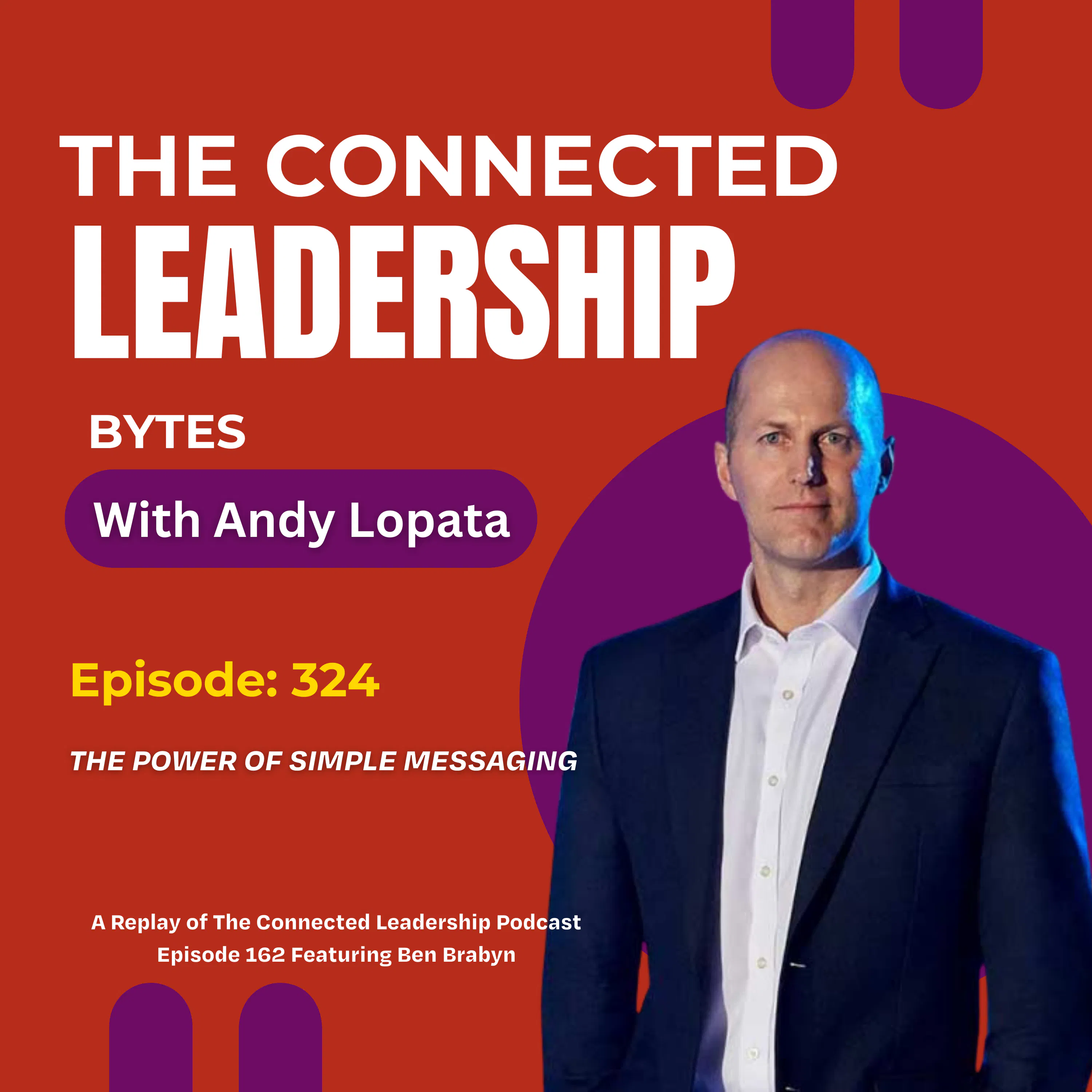
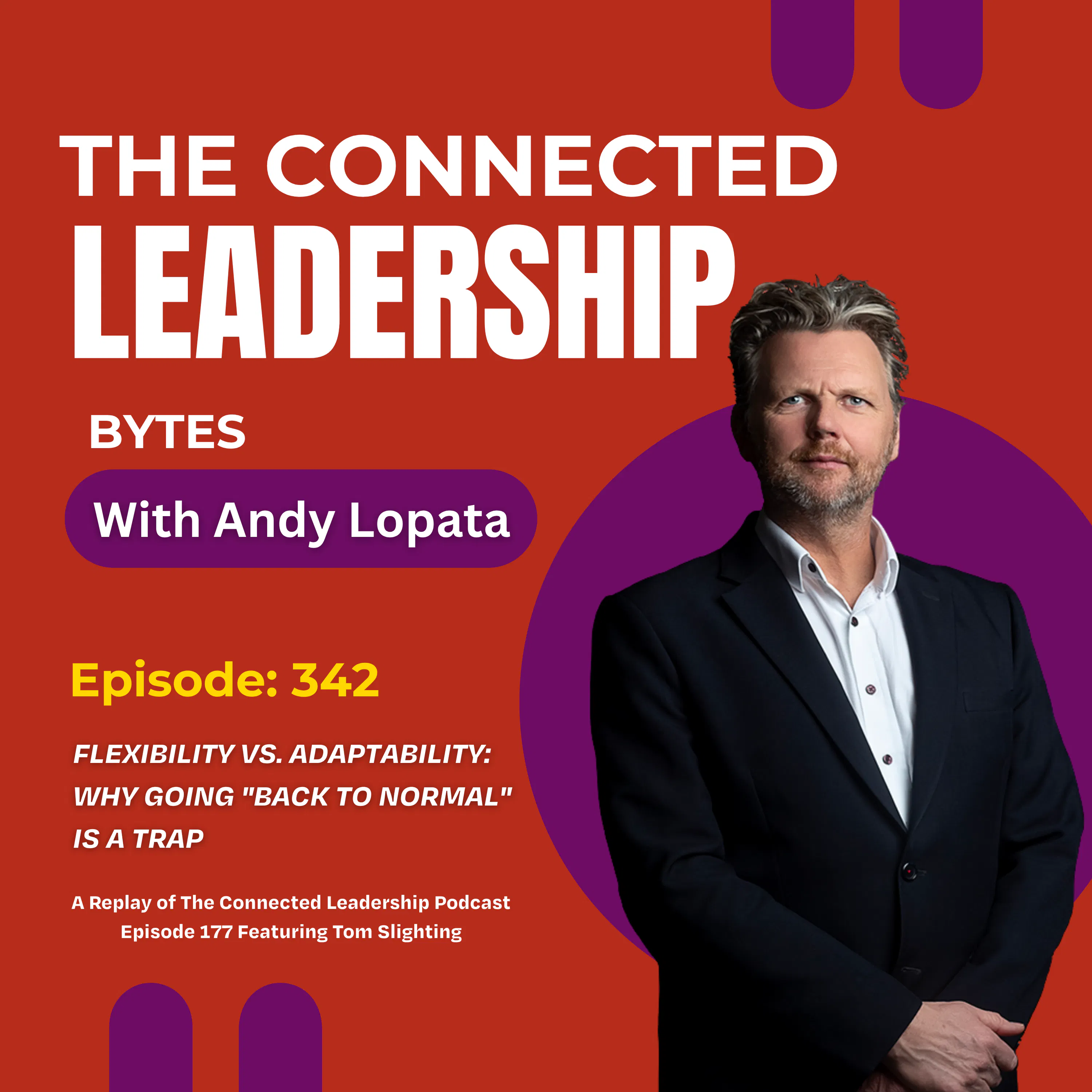
| 3/9/26 | ![]() The Cost of Executive Lonliness with Ray McGrath | The higher you climb, the lonelier it gets. It’s a well-worn cliché, but what is the raw, human reality behind it? What happens when the pressure to be a "dealer in optimism" becomes an unbearable weight? In this episode from the archive, Andy Lopata revisits his conversation with former senior executive and leadership coach, Ray McGrath. Ray shares the deeply personal and powerful stories behind three statements that defined his journey: "I'm irrelevant," "I'm incompetent," and "I'm a liar." This is a raw look at the psychological cost of leadership. Discover the antidote to this profound isolation and why finding a "critical friend" is the most important act of self-preservation a leader can make. What You Will Learn in This Episode What happens when a leader’s grand vision violently collides with the everyday realities of their team? What is a "bonded pair," and why is finding this type of critical friend the ultimate antidote to leadership loneliness? Why is the need to wear the leadership "mask" for extended periods one of the most damaging and isolating aspects of the role? What is the crucial difference between chosen solitud and the "unwanted absence of social connectedness" that defines true loneliness? 3 Actionable Insights Find Your "Critical Friend": Actively seek out a "bonded pair"—a trusted peer, mentor, or coach who does not carry the same load as you. This person should have a different perspective, know your biases, and be someone with whom you can be completely authentic and vulnerable. Acknowledge the Feeling of Isolation: The first step to combating executive loneliness is to recognise and name it. Understand that this feeling is a common, shared experience among leaders, not a personal failing. This removes the stigma and opens the door to seeking support. Use Humour as a Shield and a Bridge: When faced with an isolating or awkward moment, use humour to break the tension and regain perspective. As Ray demonstrates after a disastrous Q&A, a moment of self-awareness can bring the audience back on your side and provide a bridge back to connection. SELECTED LINKS FROM THE EPISODE Connect with Andy Lopata: Website Instagram | LinkedIn | X/Twitter | YouTube Connect with Ray McGrath: Website |LinkedIn | The Financial Times Guide to Mentoring Episode 160 Featuring Ray McGrath | 21m 49s | ||||||
| 3/2/26 | ![]() What Lost Tapes from the 1970s Reveal About Today's Youth with Alexis Redding | Are today's young adults really that different from previous generations? In this fascinating episode, Andy Lopata sits down with Alexis Redding, who shares the incredible story of a Harvard study where she unearthed a lost trove of college student interviews from the 1970s and tracked down the participants 50 years later to play back their tapes. Through this unique "time capsule" research—and by replicating the study with the college classes of 2025 and 2026—Alexis reveals the surprising connective tissue across generations. Andy and Alexis look closely into the myth of generational differences and the impact of "micro-mentoring" and "mirror mentoring" in both academia and the workplace. Alexis Redding is a developmental psychologist, faculty co-chair of higher education at the Harvard Graduate School of Education, and a leading expert on young adults navigating college and career. She is the co-author of The End of Adolescence: The Lost Art of Delaying Adulthood and the author of the upcoming book, Mental Health in College: What Research Tells Us About Supporting Students. Alexis’s work has been featured in The Atlantic, The New York Times, Harvard Business Review, and Teen Vogue, and she recently delivered a TEDx talk on her groundbreaking research. What We Discussed: The 50-Year Time Capsule: What happened when 70-somethings listened to audio recordings of themselves at 20 years old—and how we often forget the raw emotions and insecurities of our own youth. Generational Continuity: Why college students from the 1970s and the post-COVID Class of 2025 share surprisingly identical fears, hopes, and emotional experiences. Deconstructing the Mental Health Crisis: How modern young adults are using clinical language to describe normal, developmentally appropriate struggles (like loneliness and career uncertainty), and how mentors can tell the difference between typical growing pains and the need for clinical intervention. The Nuance of Social Media: Moving past the "black and white" narrative to understand how social media both harms and uniquely supports today's youth. The Power of Micro-Mentorship: Why transformational mentoring doesn't always require a long-term, formal relationship. Sometimes, it’s a focused 15-to-20-minute conversation where someone truly sees you. Mirror Mentors: The vital role that peers, roommates, and close friends play in reflecting our blind spots and guiding our career trajectories. Building Mentorship into Organisational DNA: Why algorithmic, forced corporate mentoring programs often fail, and how to organically weave everyday mentoring into a culture of workplace belonging and psychological safety. Resources Mentioned in this Episode: Book: The End of Adolescence: The Lost Art of Delaying Adulthood by Nancy Hill and Alexis Redding Upcoming Book: Mental Health in College: What Research Tells Us About Supporting Students by Alexis Redding TEDx Talk: Why we keep telling young adults the wrong stories The Grant Study: The longitudinal Harvard study currently led by Robert Waldinger. Dr. Emily Weinstein: Co-director for the Centre for Digital Thriving at Harvard Dorie Clark: Alexis's co-author on the topic of Micro-Mentoring. Reach Out Connect with Andy Lopata: Website | Instagram | LinkedIn | X/Twitter | YouTube Connect with Alexis Redding: Website |Instagram |LinkedIn The Financial Times Guide to Mentoring | 46m 31s | ||||||
| 2/23/26 | ![]() The Leader's Job is the Easy Part with Anna Wardley | What does it take to swim across the world’s most dangerous stretches of water with no wetsuit? For record-breaking endurance swimmer Anna Wardley, the answer isn’t just physical grit—it’s the power of her invisible team. In this week's episode of Connected Leadership Bytes, Andy Lopata revisits his episode with Anna Wardley, who went from being a novice swimmer in her 30s to conquering the English Channel, the Strait of Gibraltar, and much more. She shares the harrowing story of her first Channel attempt, which ended in failure and a hypothermic trip to the hospital, and the powerful leadership lessons she learned from it. This is a masterclass in building and leading a high-stakes team. Anna reveals that her success isn't made in the water; it's forged in the months of meticulous planning by a team of experts she trusts with her life. Discover the "rules of engagement" for making life-or-death decisions, the psychology of pushing past your limits, and why the leader's job is sometimes the "easy part." Key Takeaways from This Episode What is the harrowing story of Anna's first Channel swim failure, and what crucial lesson did she only learn after being rushed to the hospital? Why does Anna say her part—swimming for 26+ hours—is "magnificently straightforward" compared to the complex work of her support team? What is the one non-negotiable rule her team follows before making the life-or-death decision to pull her from the water? How does Anna use the negative comments from doubters as a powerful source of motivation in her darkest moments? Actionable Insights Build Your Specialist Team: Realise that your success as a leader depends on the experts you surround yourself with. Like Anna, whose team includes meteorologists and marine logistics specialists, identify the critical skills your mission requires and rally the best people you can find. Your job is to inspire the mission, not to be an expert in everything. Establish "Rules of Engagement" Before a Crisis: Define clear lines of command and decision-making authority with your team before you're in a high-pressure situation. Knowing exactly who makes the final call and under what circumstances builds absolute trust and eliminates confusion when seconds count. Embrace the "No Plan B" Mindset: For high-stakes challenges, a "no room for doubt" attitude can be your greatest asset. Anna believes that entering a challenge with the possibility of failure in mind makes it almost certain. As a leader, fully committing to the goal without an escape route can be the key to pushing through a difficult period. SELECTED LINKS FROM THE EPISODE Connect with Andy Lopata: Website | Instagram | LinkedIn | X/Twitter | YouTube Connect with Anna Wardley: Website | LinkedIn | Facebook The Financial Times Guide to Mentoring Episode 159 Featuring Anna Wardley | 23m 11s | ||||||
| 2/16/26 | ![]() Welcome to The Nowhere Office with Julia Hobsbawm OBE | The battle over the office is raging. Leaders like Elon Musk and Alan Sugar are demanding a full return, calling remote workers lazy. But are they fighting a losing battle against the biggest shift in work in 100 years? In this episode from the archive, Andy Lopata revisits his conversation with author and thinker Julia Hobsbawm OBE about her game-changing concept: "The Nowhere Office." This isn't an argument for no office, but a radical rethinking of why we gather. Julia dismantles the myth of presenteeism, exposing the pre-pandemic workplace as deeply dysfunctional and unproductive. She argues that leaders must move beyond their "passion for presenteeism" and embrace a new, flexible reality. Discover the three new, essential purposes of the physical office and learn how leaders can navigate this moment of "ultra-transparency" to build a more trusting and high-performing culture. The future of work is here. Are you ready? What You will Learn From This Episode What is the real, psychological reason so many leaders are desperate to force everyone back to the office (and why is it based on a broken model)? What shocking percentage of time were employees actually productive when they were in the office full-time? What are the only three things you should be using your physical office for in the "Nowhere Office" era? How has remote work offered an unexpected refuge from the daily microaggressions of the traditional commute and office environment? 3 Actionable Insights Challenge Your "Passion for Presenteeism": Before mandating a return to the office, ask yourself: "What is the work, and where and how does it need to be done?" Shift your focus from watching people work to trusting them to deliver results, and question whether your desire for an in-person workforce is based on tradition rather than strategy. Redefine Your Office as a Destination: Repurpose your physical workspace for specific, high-value activities. Intentionally schedule in-person time for the three key pillars: informal social networking, collaborative learning (including mentoring), and critical face-to-face meetings like conflict resolution. Embrace Customisation Over Mandates: Move beyond a rigid "3 days in, 2 days out" policy. Acknowledge that your team has diverse needs (introverts/extroverts, different home setups) and work towards a "fully customised" approach. Start open conversations about what works for the individual and the team to build a culture of genuine flexibility and trust. SELECTED LINKS FROM THE EPISODE Connect with Andy Lopata: Website | Instagram | LinkedIn | X/Twitter | YouTube Connect with Julia Hobsbawn OBE: Website |X Formerly Twitter | The Financial Times Guide to Mentoring Episode 158 Featuring Julia Hobsbawn OBE | 21m 31s | ||||||
| 2/9/26 | ![]() A Masterclass in Humour with the "Headliners" Jeremy Nicholas & Tim Gard | What happens when a joke bombs in the boardroom? In this episode from the archives on humour, Andy Lopata brings in the headliners: two of the world's funniest keynote speakers, Jeremy Nicholas from the UK and Tim Gard from the US. This isn't just about telling jokes; it's a masterclass in the strategic use of humour to enhance leadership. Discover why the most successful leaders aren't afraid to be playful, how humour can defuse conflict and reduce stress, and why the most memorable lessons are wrapped in laughter. From their fascinating and unconventional journeys—from a BBC newsdesk and a US welfare office to the global stage—Jeremy and Tim reveal their secrets. Learn how to navigate today's sensitive culture without causing offence, what to do in the terrifying moment a joke falls flat, and why your sense of humour might be the most powerful tool in your leadership toolbox. Key Takeaways From This Episode What is the "punch up, never punch down" filter, and why is it the golden rule for using humour in today's corporate culture? Are the funniest leaders extroverts? The answer from a former BBC broadcaster and self-proclaimed introvert will surprise you. What should you do in the terrifying moment your joke falls completely flat in front of an important audience? Why did one of the world's top humourists turn down a career in stand-up comedy because of a very simple, physical aversion? 3 Actionable Insights Embrace Playfulness, Not Punchlines: You don't have to be a comedian to use humour. Start by being more playful. Go slightly "off-piste" in conversations and meetings. Use a light-hearted aside or a self-deprecating comment. This releases endorphins, makes you more memorable, and builds rapport without the pressure of telling a formal joke. Turn Stress into Material: The next time you're in a frustrating situation—a delayed flight, a tech mishap—reframe it in your mind as "material." As Jeremy Nicholas says, "It's much cheaper than having an analyst." This mental shift not only reduces your own stress but also gives you a relatable story to share that builds connection with your team. Create a Humour First-Aid Kit: Identify a few videos, skits, or memories that are guaranteed to make you laugh. When you're feeling stressed or overwhelmed, use them intentionally to break the negative pattern. As Tim Gard explains, using humour for yourself is a vital stress-reduction tool that renews your energy and perspective. SELECTED LINKS FROM THE EPISODE Connect with Andy Lopata: Website | Instagram | LinkedIn | X/Twitter | YouTube Connect with Jeremy Nicholas: Website |LinkedIn | Connect with Tim Gard: Website |LinkedIn | The Financial Times Guide to Mentoring Episode Featuring Jeremy Nicholas and Tim Gard | 25m 09s | ||||||
| 2/2/26 | ![]() Engineering Luck & Leading with Curiosity with Marianne Abib-Pech | In this captivating episode, Andy Lopata sits down with the remarkable Marianne Abib-Pech. A dynamic leader, Marianne transitioned from a highly successful corporate finance career—culminating as CFO of Shell Aviation at just 34—to launching an M&A advisory practice for frontier markets in 2014. In 2022, she co-founded Transitions First, an international industrial venture fund dedicated to scalable start-ups rebuilding net-zero-compliant supply chains. Recognised for her leadership and visionary thinking, Marianne is driven by a belief that value creation stems from thinking differently, communicating authentically, and driving transformation. In this discussion, Marianne shares the pivotal moments, lessons learned, and unique mindset that propelled her forward. Andy and Marianne consider her extraordinary journey, exploring the nuances of cultural navigation (both national and functional), the power of curiosity, the art of strategic risk-taking, and the often-overlooked strength in asking for help. Marianne also provides fascinating insights into the "multidimensionality" of leadership, blending creative and structured thinking, and the critical role of neuroscience in understanding human connection and trust. What we discussed: The "Unconventional" Path to Rapid Executive Ascent: Ever wonder how someone becomes a Global CFO of a major corporation by their mid-thirties? This episode reveals the mindset and strategic moves that defy traditional career ladders. Luck: Is it Just Chance, or Something You Create? Examine a powerful, ancient definition of luck that challenges common perceptions and uncovers how you might be missing opportunities to "engineer" your own fortunate breaks. Beyond Borders: The Hidden "Cultures" You Need to Navigate: Discover how mastering not just national but also functional and organisational cultural differences can unlock unparalleled connection and influence in any environment. The Surprising Power of Your Brain's Chemistry in Leadership: What if building trust and achieving results was less about strategy and more about triggering the right neurochemicals? Explore the cutting-edge intersection of neuroscience and effective leadership. Risk-Taking & Asking for Help: Are Your Fears Holding You Back? Learn why embracing bold risks and humbly seeking assistance are not signs of weakness, but rather crucial accelerators for growth that most leaders overlook. SELECTED LINKS FROM THE EPISODE Connect with Andy Lopata: Website | Instagram | LinkedIn | X/Twitter | YouTube Connect with Marianne Abib-Pech: Website |LinkedIn | The Financial Times Guide to Mentoring Book: "The Financial Times Guide to Leadership" (Second Edition) Book: “The Artist's Way” By Julia Cameron | 54m 32s | ||||||
| 1/26/26 | ![]() The Network Playbook for Your Next Career Move with Luca Signoretti | Are you feeling stuck? Have the last few years left you with itchy feet, questioning your career path and wondering what's next? You are not alone. Many professionals are currently re-evaluating their futures, but making a major career pivot is terrifying and fraught with risk. In this episode from the archive, Andy Lopata is joined by his regular guest Luca Signoretti to provide a practical playbook for navigating this critical transition. They reveal why the very first thing most people do—telling their network "I'm looking for a job"—is the biggest mistake you can make. This is a masterclass in leveraging your relationships the right way. Discover how to use your network for strategic research, identify roles you've never considered, and get the honest feedback you need (not just the validation you want). Learn how to manage the transition, rebrand yourself, and ensure your next step is a leap forward, not a leap into the unknown. Key Takeaways What is the simple three-list exercise that can reveal the perfect job for you in an industry you've never even considered? Why might your closest friends and colleagues be the worst people to ask for advice when you're considering a major change? What is the crucial role your personal values play in screening out bad career options before you waste time on them? What is the "one step ahead" strategy for building a network that pulls you forward into your new role after you've made the leap? 3 Actionable Insights Conduct a "Blind Spot" Audit with Your Network: Create three lists: What you're good at, What you love doing, Your ideal work environment. Share these lists with a diverse range of contacts and ask them, "What roles in your world look like this?" This uncovers hidden opportunities you would never have found on your own. Align Your Options with Your Values: Before making any decision, be crystal clear on your top 5-7 core values (e.g., family time, autonomy, creativity). When an opportunity arises, ruthlessly check if it aligns with those values. Build a Network That's One Step Ahead: Intentionally cultivate relationships with people who are already where you want to be. These individuals provide invaluable role modeling, support, and context, making your transition into a new field smoother and more successful. SELECTED LINKS FROM THE EPISODE Connect with Andy Lopata: Website | Instagram | LinkedIn | X/Twitter | YouTube Connect with Luca Signoretti: Website |LinkedIn | The Financial Times Guide to Mentoring Episode 111 Featuring Luca Signoretti | 19m 20s | ||||||
| 1/19/26 | ![]() What's Your Bad Boss's Currency? with Andrew Bryant | As a leader, your instinct is to be nice. You avoid tough conversations to keep the peace and offer vague praise to maintain morale. But what if this well-intentioned kindness is the single most damaging thing you can do for your team? In this thought provoking episode from the archive, Andy Lopata is joined by self-leadership expert and author of The New Leadership Playbook, Andrew Bryant. Andrew delivers a powerful masterclass on why being "nice" is a trap of inexact communication that prevents growth, and why being "accurate" is the ultimate sign of respect. This is an examination into the psychology of high-performance leadership. Discover the critical difference between values and principles, and why most leaders confuse responsibility with accountability, leading to micromanagement and disengagement. Get the playbook for being a humane leader who successfully delivers accelerated results by choosing clarity over comfort. Key Takeaways What is the crucial difference between values, principles, and behaviours (and why do most leaders get this disastrously wrong)? Are you responsible for your team or accountable to them? Getting this distinction wrong is the root cause of micromanagement. Why is "being nice" one of the most damaging things you can do for your team's growth and performance? What is your bad boss's "currency," and how can you learn to identify it effectively? Actionable Insights Stop Being Nice, Start Being Accurate: Reframe your approach to feedback. Being "nice" and avoiding difficult truths prevents your team from adjusting their behaviours to meet targets. Instead, be "accurate." Describe the specific, observable behavior and clearly explain how it impacts the goal. This shows you care enough to help them improve. Clarify Responsibility vs. Accountability: Immediately clean up your language. You are responsible for your own thoughts, feelings, and actions. You are accountable to an agreement or a person. By empowering your team to be responsible for themselves while holding them accountable to shared goals, you eliminate micromanagement and foster ownership. Discover and Use "Currency": Every person you work with has "currency"—what truly motivates them (e.g., recognition, security, influence). Instead of retreating from difficult colleagues or bosses, lean in. Observe what drives them and what they fear. Frame your communication in their currency to build influence and create a shared understanding. SELECTED LINKS FROM THE EPISODE Connect with Andy Lopata: Website |Instagram | LinkedIn | X/Twitter | YouTube Connect with Andrew Bryant: Website |LinkedIn | The Financial Times Guide to Mentoring Episode 155 Featuring Andrew Bryant | 20m 28s | ||||||
| 1/12/26 | ![]() Erasing the Line Between Personal & Professional Self with Bernard Savage | Is the strict, invisible line between your ‘work self’ and your ‘real self’ the biggest thing holding your career back? In a world obsessed with maintaining a polished, professional veneer, being truly authentic can feel like a massive risk. But what if it’s your greatest asset? In this fascinating episode from the archive, Andy Lopata is joined by Bernard Savage, a business development expert who built a successful company with the unconventional name "Size 10 and a Half Boots." Andy and Bernard look into the power of blurring the lines between the personal and professional to build stronger, more meaningful connections. From the surprising business development power of a weekly music playlist on LinkedIn to a powerful story of how a senior partner's career skyrocketed after sharing a deeply personal secret, this conversation is a masterclass in authentic leadership. Discover why your hobbies are your best networking tool and how being unapologetically yourself is the ultimate client filter. Key Takeaways From This Episode What is the incredible football story behind a company called "Size 10 and a Half Boots" and how does the name itself act as a perfect client filter? How did a senior partner's career transform the moment she was encouraged to stop hiding a core part of her identity from her colleagues? Why is posting a weekly music playlist on LinkedIn a surprisingly powerful strategy for deepening client relationships and generating new business? What can a football stadium teach leaders about building a truly diverse network that transcends job titles and social status? How do you build a connection when you have nothing in common, and when is it right to simply stop trying? 3 Actionable Insights Use Your Personality as a Filter Stop trying to be all things to all people. Be authentically yourself—whether through your company's name, your sense of humour, or your opinions. Share Your Passions Professionally: Don't hide your hobbies. Bernard's weekly music playlist on LinkedIn became a major relationship-building tool. Start sharing something you're passionate about—a book you're reading, a concert you attended, a sport you love. It provides more "hooks" for people to connect with the real you. Seek Connection in Unexpected Places: Actively build a more diverse network by leveraging your personal interests. A shared passion, like sport or music, can be a powerful bridge to connect with people from completely different backgrounds, industries, and levels of seniority, enriching your perspective and expanding your influence. SELECTED LINKS FROM THE EPISODE Connect with Andy Lopata: Website | Instagram | LinkedIn | X/Twitter | YouTube Connect with Bernard Savage: Website |LinkedIn | The Financial Times Guide to Mentoring Episode 152 Featuring Bernard Savage | 23m 01s | ||||||
| 1/5/26 | ![]() The Art of Ethical Persuasion with Paul du Toit | How do you change someone's mind without being manipulative? In a world where influence is a key leadership currency, the line between ethical persuasion and unethical manipulation can seem blurry. To navigate this complex territory, Andy Lopata is joined by an expert in the art of communication, Paul du Toit. Paul is a 27-year speaking veteran, Africa’s first Certified speaking professional this century, and the author of three business books, including the timely "The Book of Persuasion." As an inductee into both the Southern African Speakers Hall of Fame and the Southern African Educators Hall of Fame, Paul brings decades of experience to the conversation. Together, Andy and Paul dissect the crucial difference between persuading someone for mutual benefit and coercing them for personal gain. Paul emphasises that true persuasion is an art that strengthens relationships by ensuring decisions are made with free will and are built on a foundation of trust. This conversation is a masterclass in the practical techniques of ethical influence. Discover why "engaged listening" is more powerful than active listening, how to ask questions that build rapport instead of feeling like an interrogation, and the four-step "Agree and Switch" method for overcoming resistance. Paul also shares powerful insights on the role of confidence, the impact of non-verbal cues in a virtual world, and what we can learn from charismatic figures. What we discussed: Persuasion vs. Manipulation: The critical distinction lies in intent and outcome. Persuasion aims to change minds while honouring free will and building long-term trust. Manipulation is coercive and often unethical, prioritising a short-term win over the relationship. The Power of "Engaged Listening": Go beyond simply hearing words. Engaged listening involves focusing on the person, understanding the context behind what they're saying, and making them feel truly heard, which is the foundation of any persuasive conversation. Asking Questions Strategically: The most effective persuasion comes from the information you gather. Learn how to ask for permission to ask questions, creating a dynamic where the other person willingly shares without feeling interrogated. Charisma: Charismatic figures like Steve Jobs, Oprah, and Muhammad Ali weren't just born with it. Their incredible ability to persuade was often forged by overcoming immense adversity, combined with excellent oratory skills and a laser-focused vision. SELECTED LINKS FROM THE EPISODE Connect with Andy Lopata: Website | Instagram | LinkedIn | X/Twitter | YouTube Connect with Paul du Toit: Website |LinkedIn | Instagram | YouTube The Financial Times Guide to Mentoring | 39m 36s | ||||||
| 12/29/25 | ![]() The Crisis Leader Trap with Heather Wright | Is there a time and a place for command and control leadership Absolutely. But what happens when the leaders we promote for their crisis-management skills start treating every single day like an emergency? In this fascinating episode from the archive, Andy Lopata is joined by neuropsychologist and leadership expert Heather Wright to dissect the critical difference between a "crisis leader" and a "daily leader." Drawing on her extensive work with organisations from Coca-Cola to the emergency services, Heather reveals the neurological reasons why top-down authority fails in day-to-day operations, crushing creativity and engagement. This is a deep dive into the science of trust, the leader's own ego, and the emotional habits that dictate our management style. Discover why the most important leadership work you can do is on yourself, and learn how to build a team that will follow you in a crisis because they trust you every other day of the year. Key Takeaways What is the critical difference between a crisis leader and a daily leader (and why are most organisations promoting the wrong one)? Why is your leadership style not a conscious choice, but a deeply ingrained "emotional habit" (and how can you rewire it)? What are the "rules of engagement" every team must agree on before a conflict arises to ensure trust is maintained? Is your "need to be needed" as a leader secretly preventing your team from taking ownership and growing? What is the psychological trap that makes leaders focus on proving an employee is "wrong" instead of actually changing their behavior? Actionable Insights Lead Yourself First, Then Your Team: Before you can effectively lead others, you must understand yourself. Define your core values, recognise your emotional habits and ego-driven triggers, and get clear on the legacy you want to leave. True leadership starts with personal performance. Establish "Rules of Engagement" in Peacetime: Don't wait for a conflict to figure out how to handle it. Proactively sit down with your team and agree on how you will communicate, give feedback, and handle disagreements. Discussing this when things are calm builds the trust needed to navigate future challenges. Reframe Difficult Conversations Around Solutions: When addressing poor performance, shift your focus from pointing out what's wrong to clarifying what you want instead. Ask yourself: "Could I change this person's behaviour without them ever knowing they were wrong in the first place?" This moves the conversation from accusation to a collaborative focus on future success. SELECTED LINKS FROM THE EPISODE Connect with Andy Lopata: Website | Instagram | LinkedIn | X/Twitter | YouTube Connect with Heather Wright: Website |LinkedIn | The Financial Times Guide to Mentoring Episode 151 Featuring Andy Woodfield and Heather Wright | 20m 18s | ||||||
| 12/22/25 | ![]() You Don't Have to Be Funny, You Have to Be Likable with Athena Kugblenu | What happens when a leader faces a heckler? In the high-stakes world of stand-up comedy, your reputation is made or broken in the seconds it takes to respond. The same is true in the boardroom. In this special Christmas week episode from the archive, Andy Lopata revisits his interview with rising comedy star Athena Kugblenu (Mock the Week, The News Quiz) to uncover the surprising leadership lessons hidden in the comedian’s playbook. This isn't just about telling jokes; it's a masterclass in resilience, adaptability, and the art of winning over a tough room. Athena shares her journey from a full-time project manager to a celebrated comic, revealing why the single most important skill for success isn't being funny—it's being likable. Discover how to handle difficult audiences with grace, use improvisation to your advantage, and why building a supportive network is the ultimate career hack, even in a fiercely competitive industry. These are the raw, real-world skills every leader needs to command a stage, and a team. Key Takeaways From This Episode What is the #1 skill you need to succeed as a performer that has nothing to do with being funny (and everything to do with leadership)? How do you handle a "heckler" when you realise they aren't trying to be malicious, but are just enjoying your performance too much? What is the simple two-part formula—Acknowledge & Improvise—that can win over any cold or distracted corporate audience? Why is the best feedback you can give not "feedback" at all, but something far more powerful called "feed forward"? What's the hard truth about transitioning to a creative career that the "just believe in yourself" gurus never tell you? 3 Actionable Insights Prioritize Likability Over Everything: Before people will laugh at your jokes or listen to your ideas, they have to like you. In any presentation or meeting, focus first on building genuine rapport and being approachable. Once you’re likable, your message has a much greater chance of landing. Acknowledge the Room, Then Improvise: When facing a tough or disengaged audience (like at a corporate awards dinner), don't ignore the situation. Acknowledge what's happening—the dress code, the food, the energy—to show you're present with them. This builds instant connection and gives you permission to improvise, which audiences reward highly. Give "Feed Forward," Not Just a "Sh*t Sandwich": When mentoring someone, avoid the clichéd praise-criticism-praise model. Instead, focus on encouraging potential. Rather than saying "what you did was wrong," try "what you could be doing is even better; talk more about X." This inspires growth without damaging confidence. SELECTED LINKS FROM THE EPISODE Connect with Andy Lopata: Website | Instagram | LinkedIn | X/Twitter | YouTube Connect with Athena Kugblenu: Website |Facebook | Instagram The Financial Times Guide to Mentoring Episode 150 Featuring Athena Kugblenu | 23m 42s | ||||||
Showing 25 of 246
Sponsor Intelligence
Sign in to see which brands sponsor this podcast, their ad offers, and promo codes.
Chart Positions
6 placements across 6 markets.
Chart Positions
6 placements across 6 markets.