
What's Your Problem?
by iHeartPodcasts and Pushkin Industries
Is this your podcast?Insights from recent episode analysis
Audience Interest
Podcast Focus
Publishing Consistency
Platform Reach
Insights are generated by CastFox AI using publicly available data, episode content, and proprietary models.
Most discussed topics
Brands & references
Total monthly reach
Estimated from 15 chart positions in 15 markets.
By chart position
- 🇺🇸US · Technology#1365K to 30K
- 🇨🇦CA · Technology#1525K to 30K
- 🇬🇧GB · Technology#2005K to 30K
- 🇧🇷BR · Technology#3530K to 100K
- 🇲🇽MX · Technology#1841K to 10K
- Per-Episode Audience
Est. listeners per new episode within ~30 days
18K to 75K🎙 Daily cadence·192 episodes·Last published today - Monthly Reach
Unique listeners across all episodes (30 days)
59K to 251K🇧🇷40%🇺🇸12%🇨🇦12%+12 more - Active Followers
Loyal subscribers who consistently listen
18K to 75K
Market Insights
Platform Distribution
Reach across major podcast platforms, updated hourly
Total Followers
—
Total Plays
—
Total Reviews
—
* Data sourced directly from platform APIs and aggregated hourly across all major podcast directories.
On the show
From 20 epsHosts
Recent guests
Recent episodes
Using Satellites to Prevent Famines
Sep 3, 2026
36m 38s
The Quantum Shift in Biomedical Discovery from Smart Talks with IBM
Aug 20, 2026
44m 16s
Can We Slow Down Aging?
Aug 13, 2026
36m 38s
Why Doctors Use Evidence but Managers (Mostly) Don’t
Aug 6, 2026
41m 33s
The Job AI Was Supposed to Kill
Jul 30, 2026
39m 40s
Social Links & Contact
Official channels & resources
Official Website
Login
RSS Feed
Login
| Date | Episode | Topics | Guests | Brands | Places | Keywords | Sponsor | Length | |
|---|---|---|---|---|---|---|---|---|---|
| 9/3/26 |  Using Satellites to Prevent Famines | Catherine Nakalembe is an assistant professor at the University of Maryland and the head of the Africa program at NASA Harvest, which uses satellite images to track agriculture around the world. Catherine’s problem is this: How do you predict when a famine is coming – and how do you convince leaders to act in time? In this episode, Catherine explains: How satellite data can predict crop failure months in advance Why phots can convince decision-makers faster than maps or statistics Why imaging systems developed for US farmland often don’t work in Africa Why a half-page memo moves food trucks faster than a scientific paper Connect with us: Follow Jacob Goldstein on LinkedIn, X and Instagram Email us at [email protected] Follow Pushkin on Instagram, LinkedIn or X Listen to Jacob’s other show, Business History To listen to the show early and ad free, sign up for Pushkin+ See omnystudio.com/listener for privacy information. | 36m 38s | ||||||
| 8/20/26 |  The Quantum Shift in Biomedical Discovery from Smart Talks with IBM | When Dr. Lara Jehi began treating epilepsy patients in the 2000s, critical surgical decisions were driven more by clinician intuition and expertise than data. Today, she is a leader of IBM and Cleveland Clinic’s Discovery Accelerator, using advanced AI and quantum computing to transform how researchers analyze data, simulate molecules, accelerate drug discovery, and develop more precise treatments. Malcolm Gladwell talks with Dr. Jehi about how quantum computing is changing biomedical research, and what these breakthroughs could mean for the future of healthcare and life sciences.This is a paid advertisement from IBM. The conversations on this podcast don't necessarily represent IBM's positions, strategies or opinions.Visit us at https://www.ibm.com/think/podcasts/smart-talksSee omnystudio.com/listener for privacy information. | 44m 16s | ||||||
| 8/13/26 |  Can We Slow Down Aging? | Nir Barzilai is a physician and a researcher at the Albert Einstein College of Medicine in New York, where he runs the Institute for Geroscience. Nir’s problem is this: How can we use lifestyle changes and drugs to slow the process of aging? In this episode, Nir explains: The search for biological markers of aging The existing drugs that might reduce the risk of diseases associated with aging The four key lifestyle factors that every researcher in the field agrees on What he learned by studying the genes of people who lived to 100 What “geroscience” means, and why it doesn’t have a Wikipedia page Connect with us: Follow Jacob Goldstein on LinkedIn, X and Instagram Email us at [email protected] Follow Pushkin on Instagram, LinkedIn or X Listen to Jacob’s other show, Business History To listen to the show early and ad free, sign up for Pushkin+ See omnystudio.com/listener for privacy information. | 36m 38s | ||||||
| 8/6/26 | 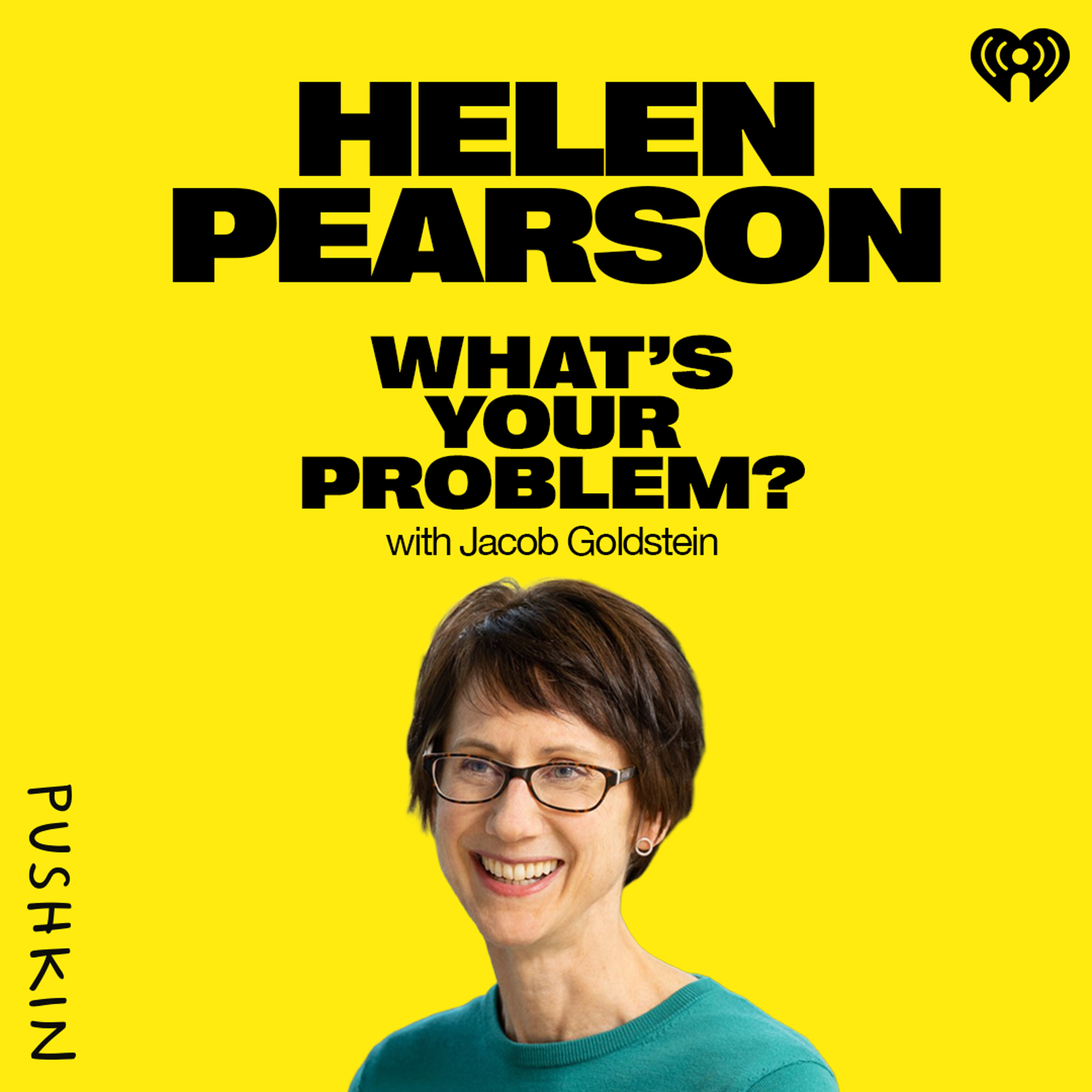 Why Doctors Use Evidence but Managers (Mostly) Don’t | Helen Pearson is the author of the book “Beyond Belief: How Evidence Shows What Really Works.” Helen's problem is this: How do you get people to make important decisions based on high-quality evidence, instead of on hunches or habits? In this episode, Helen explains: How a doctor's fatal mistake sparked the evidence-based medicine movement Why management is so resistant to evidence-based practices How systematic reviews changed the way she works as a science journalist Why global trust in science remains high – outside the US What a randomized trial of pint glasses revealed about preventing violent injuries. Check out Helen’s book here. Connect with us: Follow Jacob Goldstein on LinkedIn, X and Instagram Email us at [email protected] Follow Pushkin on Instagram, LinkedIn or X Listen to Jacob’s other show, Business History To listen to the show early and ad free, sign up for Pushkin+ See omnystudio.com/listener for privacy information. | 41m 33s | ||||||
| 7/30/26 |  The Job AI Was Supposed to Kill | In 2016, Geoffrey Hinton, one of the inventors of modern AI, predicted that AI would replace radiologists within years. Ten years later, we have a shortage of radiologists. AI has yet to revolutionize the field. What happened, and what does the story of AI and radiology tell us about AI and the future of work? Saurabh Jha is a radiologist at the University of Pennsylvania. He's written about how he uses AI in his practice, and why radiologists have been slow to adopt AI. Saurabh has also traveled to India and Nepal to understand the very different ways AI is being adopted for radiology in the developing world. In this episode, Saurabh explains: Why AI still hasn't made radiologists faster or more productive The risks of novice radiologists using AI versus the benefits to experts Why a successful AI model would need to be nearly perfect How AI is being used to spot tuberculosis in India Why diagnosing a normal scan is harder than diagnosing disease Connect with us: Follow Jacob Goldstein on LinkedIn, X and Instagram Email us at [email protected] Follow Pushkin on Instagram, LinkedIn or X Listen to Jacob’s other show, Business History To listen to the show early and ad free, sign up for Pushkin+ See omnystudio.com/listener for privacy information. | 39m 40s | ||||||
| 7/23/26 |  How China Won the Car Industry | After spending decades as marginal players in the global auto industry, Chinese carmakers have become the world’s biggest exporters of cars. Chinese cars are some of the best cars on the planet, and they’re available almost everywhere – except in the US. Michael Dunne is the CEO of Dunne Insights, a company that consults on the future of cars. Michael has been working with the Chinese auto industry since 1990. I talked with Michael about how China did it. The problem we discussed was: How can the United States catch up with the Chinese auto industry? In this episode, Michael explains: How China went from making terrible cars in 1990 to dominating global exports today Why China bet big on electric vehicles when nobody wanted them How Tesla's arrival in China revolutionized their EV industry Why losing the car industry would be a national security problem for the US Why the future of a successful American auto industry is on the West Coast Connect with us: Follow Jacob Goldstein on LinkedIn, X and Instagram Email us at [email protected] Follow Pushkin on Instagram, LinkedIn or X Listen to Jacob’s other show, Business History To listen to the show early and ad free, sign up for Pushkin+ See omnystudio.com/listener for privacy information. | 54m 03s | ||||||
| 7/16/26 | phage therapybacterial infections+5 | Paul Garofolo | Locus BiosciencesPushkin+2 | Crohn's diseaseUTIs | phagesbacteria+6 | — | 32m 20s | ||
| 7/9/26 | AIinequality+5 | David Autor | MITNoema Magazine+2 | — | AIinequality+6 | — | 43m 43s | ||
| 7/2/26 | natural disasterapp development+3 | John Mills | Watch Duty | Los Angeles | Watch Dutynatural disaster app+3 | — | 52m 22s | ||
| 6/25/26 | artificial intelligencehealthcare+3 | Josh Tyrangiel | CovidPushkin+2 | — | AIhealthcare+3 | — | 44m 15s | ||
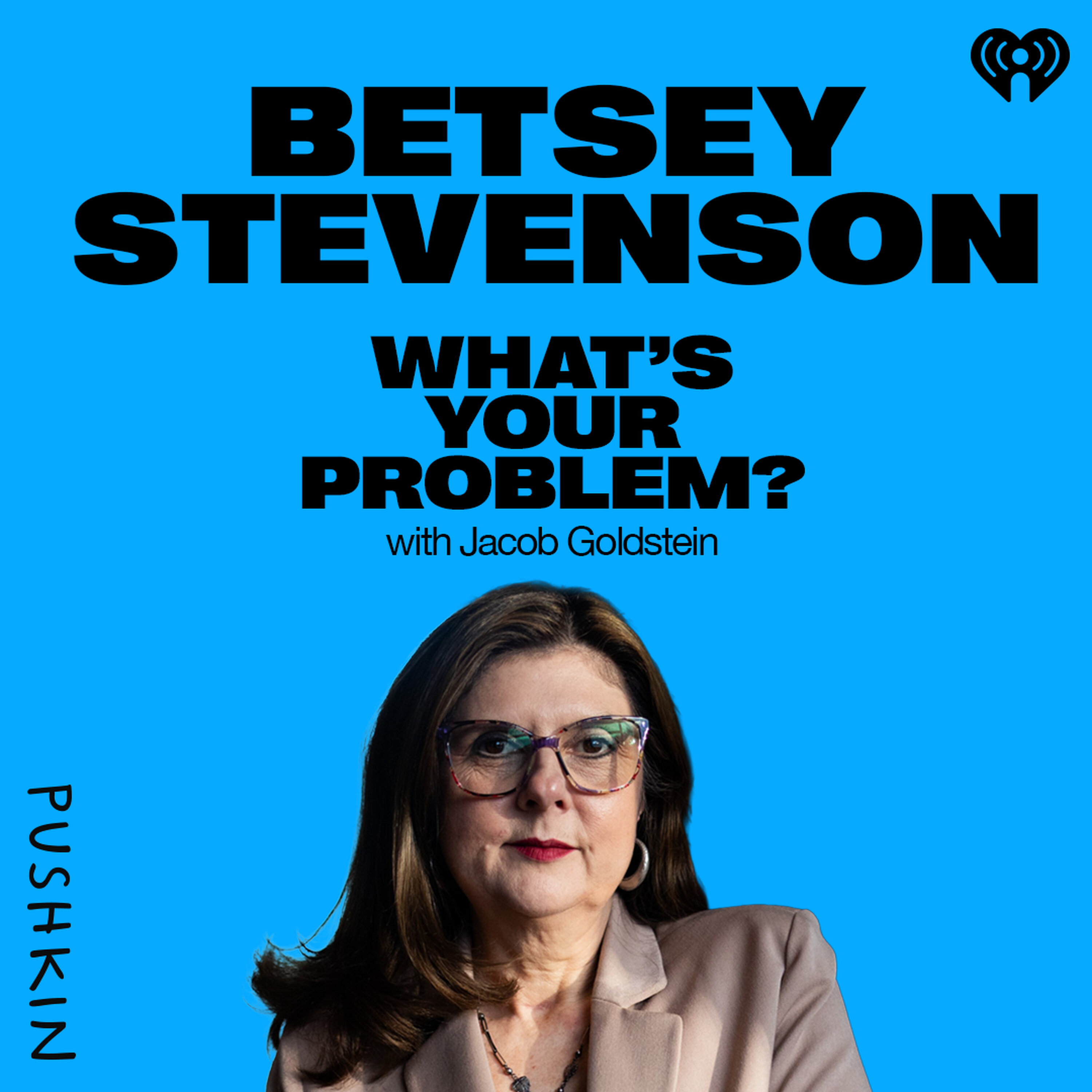
| 6/18/26 | AIeconomics+4 | Betsey Stevenson | University of MichiganPresident Obama+1 | — | AIlabor economics+5 | — | 48m 13s | ||
| 5/28/26 | 3D mappingrobot navigation+3 | Brian McClendon | Pokémon GoNiantic Spatial+3 | — | 3D mapsrobot navigation+5 | — | 36m 29s | ||
| 5/21/26 | AI agentswriting improvement+3 | Dan Shipper | EveryiHeartPodcasts+1 | — | AIwriting+5 | — | 40m 35s | ||
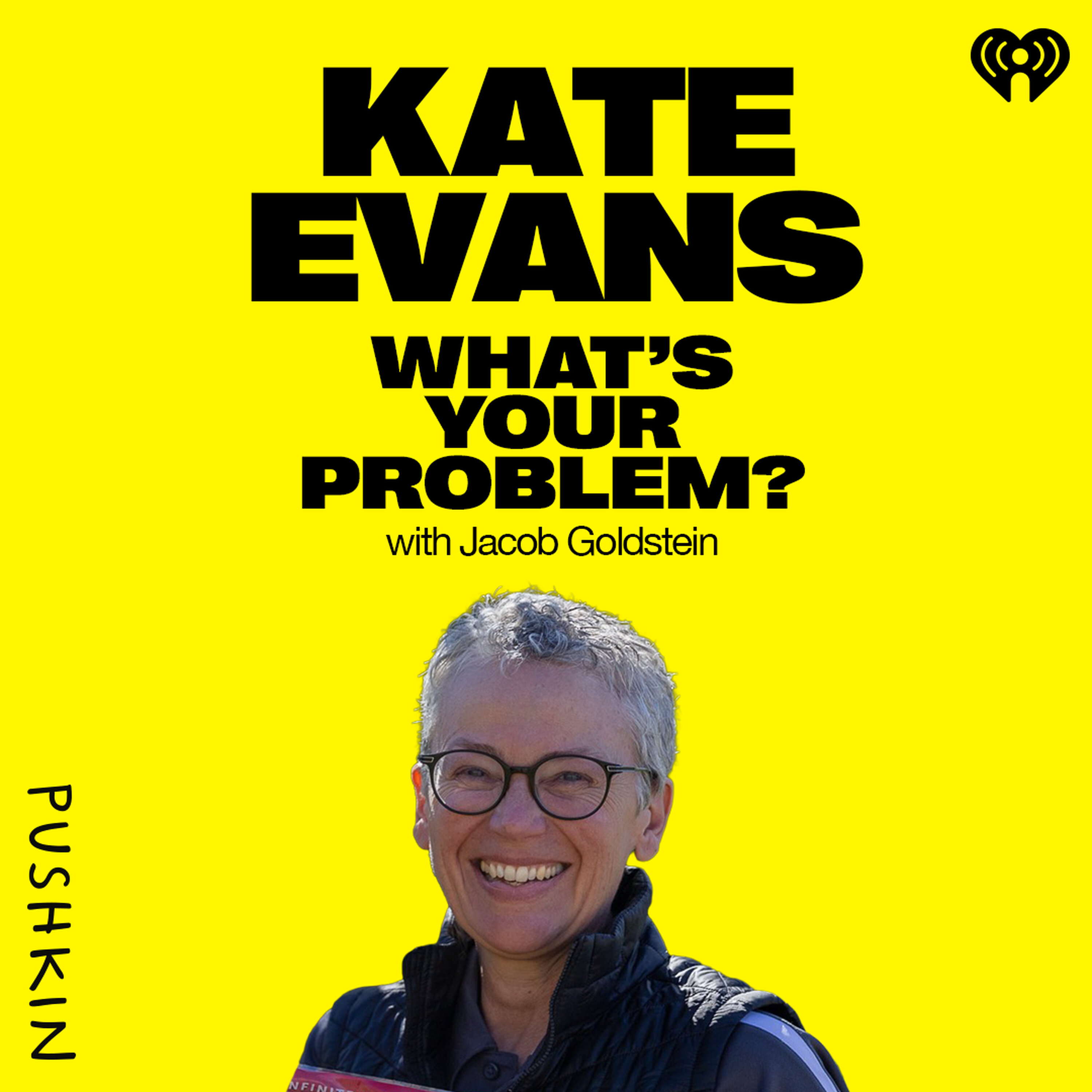
| 5/14/26 | apple breedinginnovation+4 | Kate Evans | SunflareCosmic Crisp+1 | — | apple breedingSunflare+5 | — | 33m 40s | ||
| 5/7/26 | moon economyspace manufacturing+4 | Rob Meyerson | InterluneBlue Origin | — | moon basehelium-3+5 | — | 32m 35s | ||
| 4/30/26 | roboticshome technology+4 | Aaron Edsinger | RoombaGoogle+3 | — | roboticsaffordable robots+5 | — | 40m 51s | ||
| 4/23/26 | sustainable buildingwood industry+3 | Ben Christensen | CambiumiHeartPodcasts+1 | — | salvaged woodCambium+5 | — | 36m 35s | ||
| 4/16/26 | nuclear fusionenergy+4 | Greg PieferMelanie Windridge+1 | SHINE TechnologiesFusion Energy Insights+1 | — | nuclear fusionenergy production+5 | — | 42m 04s | ||
| 4/9/26 | product developmentviral marketing+3 | Mark Barrocas | Ninja CreamiSharkNinja+2 | — | SharkNinjaMark Barrocas+5 | — | 35m 12s | ||
| 3/19/26 | liver regenerationorgan transplant+3 | Michael Hufford | LyGenesisPushkin+1 | — | liver diseaseorgan regeneration+3 | — | 40m 34s | ||
| 3/12/26 | rare earth elementsChina's supply chain+4 | David Abraham | Pushkin IndustriesiHeartPodcasts+1 | ChinaUS+2 | rare earthsChina+5 | — | 41m 54s | ||
| 3/5/26 | quantum computingtechnology+3 | Ben Bloom | Atom ComputingPushkin | — | quantum computersAtom Computing+3 | — | 40m 03s | ||
| 2/26/26 | wildfire managementsatellite technology+3 | Jonny Dyer | Muon SpaceFireSat | China | wildfiressatellites+5 | — | 48m 58s | ||
| 2/19/26 | germ theoryscience writing+3 | Tom Levenson | MITSo Very Small | — | germ theorybacteria+5 | — | 39m 13s | ||
| 2/12/26 | AI agentsstartup+3 | — | Shell GameiHeartPodcasts+1 | — | AIstartup+3 | — | 54m 16s | ||















Showing 25 of 208
Pitch Fit is a Pro feature
See how bookable this show is for guests, which brands already advertise, the per-episode ad value, and the best-fit guest and sponsor profile. The numbers are blurred on the free plan.
How readily this show books outside guests like you.
How proven this show is for host-read sponsorships.
For Guests
ProFor Advertisers
ProUpgrade to Pro to unlock guest cadence, sponsor categories, fit scores, and per-episode ad value for this show.
Similar Audience Demographics
Podcasts that attract a similar listener profile

Business History
Pushkin Industries

Planet Money
NPR
Freakonomics Radio
Freakonomics Radio + Stitcher
Cautionary Tales with Tim Harford
Pushkin Industries

Against the Rules: The Big Short Companion
Pushkin Industries

The Indicator from Planet Money
NPR

The Economics of Everyday Things
Freakonomics Network & Zachary Crockett
Chart history for What's Your Problem?
Peaked at #35 in Brazil, currently #35 in Brazil.
| Market | Genre | Peak | Current | Trend |
|---|---|---|---|---|
| Brazil | — | #35 | #35 | — |
| VN | — | #67 | #67 | — |
| PT | — | #69 | #69 | — |
| ID | — | #94 | #94 | — |
| SG | — | #113 | #113 | — |
| IS | — | #122 | #122 | — |
| KE | — | #124 | #124 | — |
| AR | — | #128 | #128 | — |
| United States | — | #136 | #136 | — |
| TH | — | #138 | #138 | — |
| South Africa | — | #142 | #142 | — |
| Canada | — | #152 | #152 | — |
| Ireland | — | #163 | #163 | — |
| Mexico | — | #184 | #184 | — |
| United Kingdom | — | #200 | #200 | — |
Chart Positions
15 placements across 15 markets.
Chart Positions
15 placements across 15 markets.