ADHD Women's Wellbeing Podcast
by Kate Moryoussef
Is this your podcast?On the show
From 38 epsHost
Recent guests
Recent episodes
Why Do I Need So Much Time to Recover From People? ADHD, Social Exhaustion and the Need to Decompress
Oct 14, 2026
50m 49s
The Overlap of ADHD and Autism: Do I have AuDHD?
Oct 11, 2026
15m 55s
ADHD, Progesterone and Hormones: Life-Changing Information Every Woman Needs to Know with Dr Jolene Brighten
Oct 7, 2026
59m 25s
A Community of Support: What's Coming to ADHD Women's Wellbeing
Oct 4, 2026
21m 21s
Creating a More Meaningful ADHD Life
Sep 30, 2026
49m 36s
Insights from recent episode analysis
Audience Interest
Podcast Focus
Publishing Consistency
Platform Reach
Insights are generated by CastFox AI using publicly available data, episode content, and proprietary models.
Most discussed topics
Brands & references
Total monthly reach
Blended from 1 signal.
Built from
By chart position
- 🇬🇧United Kingdom · Mental HealthHOME#219.6K to 60K
- 🇺🇸United States · Mental Health#985.2K to 32K
- 🇦🇺Australia · Mental Health#182.8K to 17K
- 🇮🇹Italy · Mental Health#271.1K to 6.6K
- 🇩🇪Germany · Mental Health#98515 to 3.2K
- Per-Episode Audience
Est. listeners per new episode within ~30 days
20K to 128K🎙 Daily cadence·306 episodes·Last published 4d ago - Monthly Reach
Unique listeners across all episodes (30 days)
68K to 426K🇬🇧47%🇺🇸25%🇦🇺14%+6 more - Active Followers
Loyal subscribers who consistently listen
27K to 170K
Market Insights
Platform Distribution
Reach across major podcast platforms, updated hourly
Total Followers
—
Total Plays
—
Total Reviews
—
* Data sourced directly from platform APIs and aggregated hourly across all major podcast directories.
Social Links & Contact
Official channels & resources
Official Website
Login
RSS Feed
Login
| Date | Episode | Topics | Guests | Brands | Places | Keywords | Sponsor | Length | |
|---|---|---|---|---|---|---|---|---|---|
| 10/14/26 |  Why Do I Need So Much Time to Recover From People? ADHD, Social Exhaustion and the Need to Decompress | What Actually Helps You!? This October, I'm putting community, real experiences and practical support at the heart of ADHD Awareness Month. There are live conversations, Instagram Lives, podcast events and ways for you to share what actually helps in your own life. Visit the Events page to see what’s happening and get involved. _____________________ You leave the party first. You pay extra for the room on your own. You say yes, then spend the whole evening counting down until you can go home. And somewhere along the way, you decided that made you the difficult one. On this week’s episode of The ADHD Women’s Wellbeing Podcast, I’m joined by Alice Bramhill, registered mental health nurse, interpersonal psychotherapist and accredited therapeutic coach specialising in neurodivergent adults. Her first book, I Need My Space (But I Like You Too!): A Neurodivergent Guide to All Types of Relationships, is out now. Alice has nearly 30 years of clinical experience. She was diagnosed with ADHD at 47 and autism at 50, and is a parent carer to two neurodivergent children. Masking until there’s nothing left. Being the fixer, the capable one, the people pleaser. Families who keep casting you in your old role. A nervous system that panics every time you say no. You’re allowed to need your space. This is a fantastic conversation that I know will resonate so strongly with so many of you. Advertisement⏐Try AG1 now at http://drinkag1.com/adhdwomen and get £20 off your first order + 5 AG1 Travel Packs for on the go, a bottle of Vitamin D3+K2, and the Welcome Kit for FREE. No risk with the 30-day money-back guarantee. Find all details about the health benefits in the link. Study results are on file with AG1, 2023. _____________________ In this episode, we cover: Why relationships sit at the heart of our mental health, and what interpersonal psychotherapy can offer neurodivergent adults How masking leads to an erosion of self and a lack of authenticity in our relationships What an emotionally sustainable life looks like, and why so many social expectations simply aren't sustainable for us Why it's okay to leave the party after an hour, and how to communicate your social battery without shame Rejection sensitivity and why it isn't our job to manage other people's emotions Shrinking versus discernment, and how to navigate the fear of loneliness when you start pulling back Setting boundaries with family when you've always been cast as the fixer, the capable one or the people pleaser What emotional labour really means, and where information sharing ends and over-explaining begins Why your nervous system may push back when you start saying no, and how to practise it gently Noticing the shoulds, starting with a maybe and why it's okay to disappoint people Timestamps: 00:00 - Welcome and introducing Alice Bramhill 01:30 - Why Alice wrote I Need My Space 02:30 - Interpersonal psychotherapy and why relationships shape our mental health 05:30 - Masking, authenticity and the erosion of self 07:30 - Building an emotionally sustainable life 09:30 - Redefining the terms of engagement and leaving when you're done 11:30 - Rejection sensitivity and other people's emotions 14:00 - Needing space in friendships and on holidays 16:30 - Shrinking, discernment and the fear of loneliness 20:30 - Shedding, permission and life after diagnosis 21:30 - Perimenopause and caring less about what others think 25:00 - Who Alice wrote the book for 26:30 - Boundaries with family and stepping out of old roles 30:30 - What emotional labour really means 34:00 - The fixers, the capable ones and the people pleasers 36:30 - When your nervous system pushes back 39:00 - Cycle breakers and generational change 41:00 - Noticing automatic yeses and starting with a maybe 42:30 - Catching the shoulds and getting curious 44:00 - Asking why and giving yourself permission to disappoint people 46:00 - Where to find Alice's book, Substack and one-to-one support Links and Resources: Find my popular ADHD Women's Wellbeing workshops and resources on my website here. Follow the podcast on Instagram: @adhd_womenswellbeing_pod Get my book, The ADHD Women's Wellbeing Toolkit (also available in ebook and audiobook) here Join the More Yourself membership community here Visit Alice's website and join the waitlist for one-to-ones here Connect with Alice on Instagram Kate Moryoussef is a women's ADHD lifestyle and wellbeing author, coach and EFT practitioner who helps overwhelmed and unfulfilled newly diagnosed women with ADHD find more calm, balance, hope, health, compassion, creativity and clarity. Learn more about your ad choices. Visit megaphone.fm/adchoices | 50m 49s | ||||||
| 10/11/26 |  The Overlap of ADHD and Autism: Do I have AuDHD? | This October, I'm putting community, real experiences and practical support at the heart of ADHD Awareness Month. There are live conversations and ways for you to share what actually helps in your own life. Visit the Events page to see what’s happening and get involved. Understood.org's The ADHD Channel for Women features three shows hosted by three different hosts, unpacking a different side of life with ADHD. They cover everything from sex, dating, and relationships to deep dives into where neurodivergence meets the biggest news stories, like how a newly discovered gene variant could change the way we treat ADHD. There's also an ADHD coach who answers listeners' questions. Check out The ADHD Channel for Women here This episode from The ADHD Channel for Women is called ‘ADHD and autism: Do I have AuDHD?’ You’ll hear a clear and compassionate look at where ADHD and autism meet, where they part ways and what it means when you recognise yourself in both. AuDHD isn’t a formal diagnosis. But it’s everywhere online, and for many late-diagnosed women it’s the first language that has ever truly fitted. Dr. J, a licensed psychologist and host of Understood.org’s ADHD and podcast, explains why the overlap is the norm rather than the exception. Research suggests that 30 to 50 percent of autistic people also meet the criteria for ADHD. She unpacks the push and pull so many people with AuDHD describe. Craving routine but struggling to keep it. Wanting deep connection but hitting a wall of social exhaustion. She also talks honestly about what comes next, including the grief that can surface if a label you’ve found community in doesn’t become your diagnosis. This week’s episode is sponsored by Understood.org, the leading nonprofit dedicated to empowering the millions of people with learning and thinking differences, such as ADHD and dyslexia. For all things ADHD Women's Wellbeing, including the podcast, resources and events, head here: www.adhdwomenswellbeing.co.uk Learn more about your ad choices. Visit megaphone.fm/adchoices | 15m 55s | ||||||
| 10/7/26 |  ADHD, Progesterone and Hormones: Life-Changing Information Every Woman Needs to Know with Dr Jolene Brighten | This ADHD Awareness Month 2026, ADHD Women's Wellbeing is putting this community, lived experiences, and practical support front and center. There are live conversations, Instagram Lives, podcast events and ways for you to share what actually helps in your own life. Visit the Events page to see what’s happening and get involved. We talk a lot about hormones and ADHD. But this conversation goes much deeper. What if the fatigue, anxiety, gut issues, difficult periods and the way your ADHD seems to shift throughout your cycle aren’t separate problems? What if they’re all giving you information about what’s happening in your body? This week on The ADHD Women’s Wellbeing Podcast, I’m joined by Dr Jolene Brighten for a fascinating and powerful deep dive into the biology behind ADHD in women, and some of the connections we just aren’t talking about enough. Jolene is a board-certified naturopathic endocrinologist, nutritionist, certified menopause specialist and bestselling author of Beyond the Pill and Is This Normal? Her new book, ADHD and Women: A Guide to Understanding Your Hormones and Thriving with ADHD, is out now. And she does not hold back in this conversation. We get into progesterone, histamine, endometriosis, PMDD and perimenopause, and what they can mean for women with ADHD. We explore why symptoms that appear unrelated may be more connected than we realise, why so many women have spent years being passed between specialists and why understanding ADHD as something that affects the whole body can completely change the conversation. Jolene also shares her own story, from her son’s ADHD diagnosis to being diagnosed with endometriosis after 29 years of periods and later discovering she is autistic. This is one of those episodes that may have you joining dots you didn’t even realise were connected. If you’ve ever felt as though your hormones, brain and body are all speaking different languages, this conversation could help you understand the bigger picture. Advertisement⏐Try AG1 now at https://drinkag1.com/adhdwomen and get £20 off your first order + 5 AG1 Travel Packs for on the go, a bottle of Vitamin D3+K2, and the Welcome Kit for FREE. No risk with the 30-day money-back guarantee. Find all details about the health benefits in the link. Study results are on file with AG1, 2023. _____________________ In this episode, we cover: Jolene's late diagnoses of ADHD, endometriosis and autism, and why accommodations are so often mistaken for success Why fatigue and anxiety are among the most common symptoms of endometriosis, and how it can be present without any pain The links between ADHD, endometriosis, PMDD and fibroids, and why medicine so often treats them as coincidences How histamine and mast cells may be connected to 2am to 4am waking, irritability and emotional dysregulation What happens to dopamine, serotonin, acetylcholine and GABA when oestrogen and progesterone drop Why hysterectomy and hormone suppression don't cure PMDD or endometriosis, and what this means for ADHD women Body identical progesterone versus synthetic progestins, progesterone intolerance and why starting low and going slow can help What research tells us about hormonal contraception and depression in ADHD women Why movement is so powerful for the ADHD brain, and an honest look at why it can feel so hard to do Alcohol, GABA and the luteal phase, and why we were never designed to be productive all the time Timestamps: 00:00 - Welcome and introducing Dr Jolene Brighten 02:30 - Jolene's journey to ADHD, endometriosis and autism diagnoses 05:30 - Entrepreneurship, accommodations and the support nobody sees 08:00 - What endometriosis can look like, including when there's no pain 10:00 - Jolene's endometriosis story, from childhood gut issues to secondary infertility 15:00 - Mast cells, histamine and the brain, immune and hormone connection 17:00 - Kate's experience with endometriosis, adenomyosis and continuous progesterone 21:00 - Access to care in the UK, US and Canada 23:00 - Why ADHD is the operating system you were born with 25:00 - What happens to the brain when oestrogen and progesterone drop 27:00 - PMDD: why it may be more than one condition 29:00 - NAC, mitochondria and the ADHD brain in perimenopause 32:00 - Progesterone, progestins and the research on contraception and depression 35:00 - ADHD as a full-body condition and the gut microbiome 37:00 - Progesterone intolerance, dosing and different ways of taking it 42:00 - Serotonin, dopamine and how the ADHD brain adapts 43:00 - Exercise, BDNF and giving your brain more energy 46:00 - Hysterectomies, unsupported women and the generations before us 48:00 - Alcohol, GABA and the luteal phase 49:00 - Rejecting productivity culture and honouring the need to rest 53:00 - Superpowers, kryptonite and asking what it's costing you 56:00 - Where to find Jolene's book and resources Links and Resources: Find my popular ADHD Women's Wellbeing workshops and resources on my website here. Follow the podcast on Instagram: @adhd_womenswellbeing_pod Get my book, The ADHD Women's Wellbeing Toolkit (also available in ebook and audiobook) here Join the More Yourself membership community here Get Jolene's book, ADHD and Women (also available in ebook and audiobook): drbrighten.com/adhd-and-women Visit Jolene's website for free articles on hormones, ADHD, PMDD and endometriosis: drbrighten.com Listen to Jolene's podcast: The Dr. Brighten Show Connect with Jolene on Instagram: @drjolenebrighten Watch Jolene on YouTube: @DrJoleneBrighten See Explore Worldwide's range of destinations in the link HERE If today’s episode brought up anything for you, these organisations offer support and information: Endometriosis UK Support Network The Miscarriage Association helpline and support services Campaign Against Living Miserably Kate Moryoussef is a women's ADHD lifestyle and wellbeing coach and EFT practitioner who helps overwhelmed and unfulfilled newly diagnosed women with ADHD find more calm, balance, hope, health, compassion, creativity, and clarity. Learn more about your ad choices. Visit megaphone.fm/adchoices | 59m 25s | ||||||
| 10/4/26 |  A Community of Support: What's Coming to ADHD Women's Wellbeing | What Actually Helps YOU: This ADHD Awareness Month 2026, I'm putting community, real experiences, and practical support throughout the month. There are live podcast recordings, Instagram Lives, podcast events and ways for you to share what actually helps in your own life. Visit the Events page to see what’s happening and get involved. This one is a little different. No guest, no workshop clip — just me, talking to you about what's coming next and why community is at the heart of everything we're building here. Today I'm sharing a personal update about what's happening at ADHD Women's Wellbeing this October and beyond, including some exciting plans for live events in 2027, how you can get involved in ADHD Awareness Month right now, and how I want your wisdom to shape something I'm creating for this community. This one is warm, unscripted and very much from the heart. Sign up for the ADHD WW events waitlist here Advertisement⏐Try AG1 now at https://drinkag1.com/adhdwomen and get £20 off your first order + 5 AG1 Travel Packs for on the go, a bottle of Vitamin D3+K2, and the Welcome Kit for FREE. No risk with the 30-day money-back guarantee. Find all details about the health benefits in the link. Study results are on file with AG1, 2023. In this episode, I cover: What the first-ever ADHD Women's Wellbeing live event in Manchester taught me, and why I want to do more My plans for in-person events in 2027, what they'll look and feel like, and how to get on the waitlist Why ADHD Awareness Month 2026 is all about community, lived experience and what actually helps The Google Form I'm creating to collect your wisdom — what makes your daily life easier with ADHD — and how your answers will shape a community workbook How to attend free live podcast recordings this October and ask experts your questions in real time Why I believe lived experience often comes before the research, and why I want more of your voice in this space The legacy I want to leave through ADHD Women's Wellbeing and what I'm building towards Why I'm doing all of this with very finite energy, a tiny team, and a genuine commitment to keeping things accessible Links and Resources: Visit the Events page and join the live events waitlist here Fill in the What Actually Helps You Form here Explore the ADHD Women's Wellbeing Workshop Library here Get my book, The ADHD Women's Wellbeing Toolkit (also available in ebook and audiobook) here Join the More Yourself membership community here Follow the podcast on Instagram: @adhd_womenswellbeing_pod Kate Moryoussef is a women's ADHD lifestyle and wellbeing coach and EFT practitioner who helps overwhelmed and unfulfilled newly diagnosed women with ADHD find more calm, balance, hope, health, compassion, creativity, and clarity. Learn more about your ad choices. Visit megaphone.fm/adchoices | 21m 21s | ||||||
| 9/30/26 |  Creating a More Meaningful ADHD Life | What Actually Helps You? This ADHD Awareness Month, I’m putting real experiences, community and practical support at the heart of the conversation. Join live conversations, podcast events and opportunities to share what actually helps you. Add your name to my event waitlist as well! Visit the Events page to see what’s happening and get involved. _________________________________________ What if the burnout, the guilt and the relentless doing weren't signs that you were failing, but signs that the playbook you'd been given was never designed for you in the first place? On this week's episode of The ADHD Women's Wellbeing Podcast, I'm joined by Meghan French Dunbar, bestselling author, business anthropologist and founder of Conscious Company Magazine, the first nationally distributed print magazine in the US focusing on impact-driven business. Meghan's book, This Isn't Working: How Working Women Can Overcome Stress, Guilt, and Overload to Find True Success, is a USA Today bestseller and Next Big Idea Club selection. She works with companies including Coach, John Deere, Torani and Kate Spade on leadership and culture strategy, writes for Forbes, Fast Company and Inc, and hosts the podcast Unbehaved. She was diagnosed with ADHD four years ago, and this conversation made a lot of sense of a lot of things. We talk about purpose burnout, motherhood, identity, joy and what it actually looks like to build a life and career around meaning rather than productivity. Meghan is warm, honest and brilliantly funny, and this is one of those conversations that leaves you feeling both validated and quietly ready to do something differently. Advertisement⏐Try AG1 now at https://drinkag1.com/adhdwomen and get £20 off your first order + 5 AG1 Travel Packs for on the go, a bottle of Vitamin D3+K2, and the Welcome Kit for FREE. No risk with the 30-day money-back guarantee. Find all details about the health benefits in the link. Study results are on file with AG1, 2023. In this episode, we cover: How Meghan's ADHD diagnosis four years ago reframed her entire career and the relentless curiosity that drove it Why she burnt out running her own organisation, resigned from it, and spent two years rebuilding from the ground up The difference between social success and soul success, and the three elements the most fulfilled leaders Meghan interviewed all had in common Why sustained leadership is about the quality of your being, not the quantity of your doing The six key predictors of burnout, and why ADHD makes several of them almost inevitable without the right support What the broaden and build theory tells us about joy, and why nurturing it is not indulgent but a genuine performance strategy The joy trip: what it is, why Meghan introduced it into her family and what it has given her every year since Why ADHD women are often the outliers who model a different way of working, and why that matters for everyone around them What enough looks like, and why deciding that with your partner is one of the most radical acts available to us Why autonomy is the non-negotiable for so many neurodivergent entrepreneurs Timestamps: 00:00 - Welcome and introducing Meghan French Dunbar 02:00 - What drives Meghan's passion for business, impact and entrepreneurship 05:00 - How her ADHD diagnosis reframed decades of relentless curiosity 08:00 - Burning out as founder, resigning in 2020 and two years of rebuilding 12:00 - What the outliers taught her: soul success, purpose and quality of life 16:00 - Sustained leadership: why quality of being beats quantity of doing 19:00 - The practical foundations: sleep, movement, joy and professional support 22:00 - Why younger generations are already rewriting the playbook 25:00 - The joy trip: how it started, what it involves and why it changed everything 31:00 - The broaden and build theory: the science behind why joy makes you better at everything 35:00 - Modeling a different way for other women 38:00 - What Meghan's working life looks like now, and what enough means to her 42:00 - Autonomy, ADHD and why working for yourself so often becomes the answe Links and Resources: Find my popular ADHD Women's Wellbeing workshops and resources on my website here. Follow the podcast on Instagram: @adhd_womenswellbeing_pod Get my book, The ADHD Women's Wellbeing Toolkit (also available in ebook and audiobook) here Join the More Yourself membership community here Visit Meghan's website: meghanfrenchdunbar.com Connect with Meghan on Instagram Connect with Meghan on LinkedIn Subscribe to Meghan's Substack: Unbehaved Listen to Meghan's podcast: Unbehaved Watch Meghan's TEDx talk Get Meghan's book: This Isn't Working: How Working Women Can Overcome Stress, Guilt, and Overload to Find True Success Kate Moryoussef is a women's ADHD lifestyle and wellbeing coach and EFT practitioner who helps overwhelmed and unfulfilled newly diagnosed women with ADHD find more calm, balance, hope, health, compassion, creativity, and clarity. Learn more about your ad choices. Visit megaphone.fm/adchoices | 49m 36s | ||||||
| 9/28/26 | The Collision Between ADHD, Femininity, and Gender from Understood.org | ADHD Awareness Month 2026: What Actually Helps? This October, I'm putting community, real experiences and practical support at the heart of ADHD Awareness Month. There are live conversations and ways for you to share what actually helps in your own life. Visit the Events page to see what’s happening and get involved. Understood.org's The ADHD Channel for Women features three shows hosted by three different hosts, unpacking a different side of life with ADHD. They cover everything from sex, dating, and relationships to deep dives into where neurodivergence meets the biggest news stories, like how a newly discovered gene variant could change the way we treat ADHD. There's also an ADHD coach who answers listeners' questions. Check out The ADHD Channel for Women here This episode from The ADHD Channel for Women is called 'I’ve never felt like a good woman...' You'll hear a complex conversation about ADHD, femininity, gender, and why talking about the hard stuff is important. Cate sits down with Rae Jacobson, host of Understood.org’s Hyperfocus podcast, journalist, and a producer on this show. They talk about something they’ve both struggled to name: the collision between ADHD, femininity, and gender expression. They dig into what it felt like to watch other girls “get it.” The tidiness. The calm. The effortlessness. All things that executive dysfunction made feel out of reach. They talk about the pressure to be nurturing, organized, and endlessly available — and what happens when your brain doesn’t cooperate with any of it. And they look at the research on outcomes for women and girls with ADHD." This week’s episode is sponsored by Understood.org, the leading nonprofit dedicated to empowering the millions of people with learning and thinking differences, such as ADHD and dyslexia. For all things ADHD Women's Wellbeing, including the podcast, resources and events, head here: www.adhdwomenswellbeing.co.uk Learn more about your ad choices. Visit megaphone.fm/adchoices | 35m 06s | ||||||
| 9/23/26 |  ADHD, Gut Health and Your Nervous System: A Compassionate Guide with Dr Miguel Toribio-Mateas | ADHD Awareness Month 2026: What Actually Helps? This October, I'm putting community, real experiences and practical support at the heart of ADHD Awareness Month. There are live conversations, Instagram Lives, podcast events and ways for you to share what actually helps in your own life. Visit the Events page to see what’s happening and get involved. If you've ever felt shame about what you eat, how you forget to eat, or why your safe foods feel so necessary, this episode is going to be a genuine relief. On this week's episode of The ADHD Women's Wellbeing Podcast, I'm delighted to welcome back Dr Miguel Toribio-Mateas, clinical neuroscientist, applied microbiologist, nutrition researcher, Honorary Research Fellow at Cardiff University and Senior Lecturer at the University of West London. Miguel has just published his brilliant new book, ADHD Body and Mind: A Compassionate Guide to Rewilding Your Nervous System with Neuroscience, Nutrition, and Gut-Brain Health, published by Jessica Kingsley/Hachette. His research has appeared in leading journals including the BMJ and BMC Psychiatry, and his work is known for translating complex science into something genuinely human and accessible. This is one of those conversations that covers a huge amount of ground while never once feeling overwhelming. We talk about why the ADHD brain is wired for resilience and what that actually costs us, why the gut-brain connection matters so much for neurodivergent people, how to approach nutrition with compassion rather than perfectionism, and why your safe foods are not something to be ashamed of. We also get into the language of science, why terms like comorbidity matter, and how researchers like Miguel are slowly shifting the field towards a more neuroaffirmative approach. Advertisement⏐Try AG1 now at http://drinkag1.com/adhdwomen and get £20 off your first order + 5 AG1 Travel Packs for on the go, a bottle of Vitamin D3+K2, and the Welcome Kit for FREE. No risk with the 30-day money-back guarantee. Find all details about the health benefits in the link. Study results are on file with AG1, 2023. In this episode, we cover: Why compassion and kindness are at the heart of Miguel's approach to ADHD, nutrition and the nervous system How the ADHD nervous system forms in high alert, and what that means for resilience and hypervigilance Why ADHD is far more than a dopamine deficiency, and how hormones, gut bacteria and the nervous system are all part of the picture The gut-brain axis and why looking after your gut has a direct impact on your ADHD brain Why the language of science still creates problems, including terms like comorbidity and healthy cohort, and how researchers are starting to push back How to read ADHD Body and Mind in whichever way works for your brain, whether that's cover to cover or jumping straight to chapter nine Why understanding the why behind your ADHD behaviours is the keystone to change, even when it doesn't fix things overnight Miguel's approach to nutrition: keep your safe foods, add rather than subtract, and never shame what nourishes you Why safe foods are doing an important job for your nervous system, and why being pushed out of your comfort zone too quickly never lasts The circle approach to expanding your diet gently, starting from your anchors and building outward Why a hot bath is an act of self-compassion backed by neuroscience, and why you don't need to get into cold water to support your nervous system The self-kindness toolkit at the end of the book and what it covers Chapters: 00:00 - Welcome and introducing Dr Miguel Toribio-Mateas back to the podcast 02:00 - What's at the heart of ADHD Body and Mind, and why compassion comes first 05:00 - Why the ADHD nervous system is wired for hypervigilance and resilience 08:00 - ADHD as more than dopamine: hormones, gut bacteria and the full picture 11:00 - The neuroaffirmative lens in academic research and why language matters 15:00 - How the gut-brain axis connects to ADHD and emotional regulation 19:00 - The awareness and repetition model: why understanding the why is the keystone 23:00 - Nutrition without perfectionism: how to approach food with kindness 27:00 - Safe foods, anchors and adding rather than subtracting 32:00 - The circle approach: expanding your diet gently from the inside out 37:00 - The ADHD cookery school: creativity, condiments and cooking without recipes 42:00 - Hot baths, cold water and why softness is sometimes the braver choice 46:00 - The self-kindness toolkit and what the book offers neurodivergent readers and clinicians Links and Resources: Find my popular ADHD Women's Wellbeing workshops and resources on my website here. Follow the podcast on Instagram: @adhd_womenswellbeing_pod Get my book, The ADHD Women's Wellbeing Toolkit (also available in ebook and audiobook) here Join the More Yourself membership community here Visit Miguel's website Connect with Miguel on Instagram Connect with Miguel on LinkedIn Get Miguel's book: ADHD Body and Mind: A Compassionate Guide to Rewilding Your Nervous System with Neuroscience, Nutrition, and Gut-Brain Health Kate Moryoussef is a women's ADHD lifestyle and wellbeing coach, author of The ADHD Women's Wellbeing Toolkit and EFT practitioner who helps overwhelmed and unfulfilled newly diagnosed women with ADHD find more calm, balance, hope, health, compassion, creativity, and clarity. Learn more about your ad choices. Visit megaphone.fm/adchoices | 50m 25s | ||||||
| 9/20/26 |  Your ADHD Nervous System Explained | ADHD Awareness Month 2026: What Actually Helps? This October, I'm putting community, real experiences and practical support at the heart of ADHD Awareness Month. There are live conversations, Instagram Lives, podcast events and ways for you to share what actually helps in your own life. Visit the Events page to see what’s happening and get involved. If you've ever wondered why some days feel manageable and others feel completely impossible, even when nothing has obviously changed, your nervous system is trying to tell you something. Welcome to this week's More Yourself Monday episode. Today I'm sharing a clip from one of my workshops on the nervous system, polyvagal theory and how understanding both can genuinely change the way you move through your days with ADHD. This is not a clinical lecture. This is a simple, accessible explanation of why your nervous system behaves the way it does, what the polyvagal ladder actually means in real life, and how you can start to work with your nervous system rather than against it. I also introduce the concept of glimmers, those small micro moments of safety and joy that can shift your entire day when you learn to notice and actively seek them out. The full workshop is available on my website, and the link is below. In this episode, we cover: What it means to feel grounded, connected and safe in your nervous system, and why so many of us rarely get there A simple explanation of polyvagal theory and why it matters so much for neurodivergent people The three states of the polyvagal ladder: ventral vagal, sympathetic and dorsal vagal, and what each one feels like from the inside Why the ADHD brain so often operates in fight or flight mode, and what that costs us over time What the dorsal vagal shutdown state feels like, and why it shows up as fatigue, numbness and withdrawal The window of tolerance: what it is, what opens and closes it, and why ADHD narrows it The difference between hyper arousal and hypo arousal, and why each needs a different response What glimmers are and why they matter as much as knowing your triggers How to identify your own personal glimmers and actively harness them across the day Why regulating your own nervous system is not selfish but has a ripple effect on everyone around you The role of co-regulation and why our nervous system state affects the people we live and work with Links and Resources: Find my popular ADHD Women's Wellbeing workshops and resources on my website here. Follow the podcast on Instagram: @adhd_womenswellbeing_pod Get my book, The ADHD Women's Wellbeing Toolkit (also available in ebook and audiobook) here Join the More Yourself membership community here Get the full nervous system and polyvagal theory workshop series here with a 10% discount for Podcast listeners Kate Moryoussef is a women's ADHD lifestyle and wellbeing coach and EFT practitioner who helps overwhelmed and unfulfilled newly diagnosed women with ADHD find more calm, balance, hope, health, compassion, creativity, and clarity. Learn more about your ad choices. Visit megaphone.fm/adchoices | 21m 54s | ||||||
| 9/17/26 | 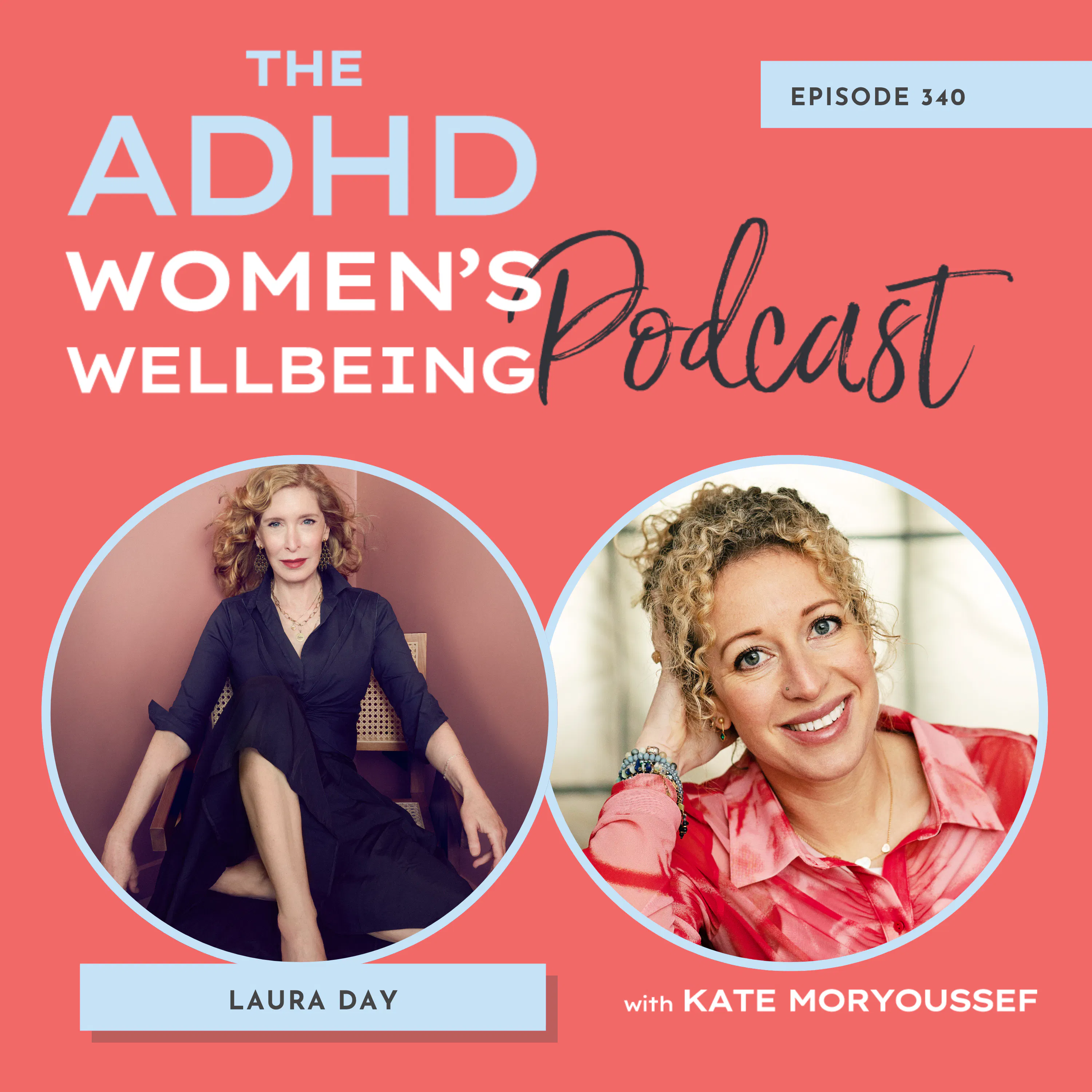 Is the ADHD Brain an Intuitive Brain? | ADHD Awareness Month 2026: What Actually Helps?This October, I'm putting community, real experiences and practical support at the heart of ADHD Awareness Month. There are live conversations, Instagram Lives, podcast events and ways for you to share what actually helps in your own life. Visit the Events page to see what’s happening and get involved. Content note: This episode contains references to suicide and family bereavement. If you are struggling, please reach out to a trusted support resource. In the UK, the Samaritans can be contacted on 116 123. In the US, the National Suicide Prevention Hotline is 1-800-273-8255. In Australia, the crisis support service Lifeline is on 13 11 14. Hotlines in other countries can be found here. You can also check out the Campaign Against Living Miserably here What if the traits you've spent a lifetime apologising for are actually the source of your greatest ability? On this week's episode of The ADHD Women's Wellbeing Podcast, I'm joined by Laura Day, New York Times bestselling author, teacher and intuitive consultant who has spent four decades working with individuals and some of the world's largest companies to help them identify and achieve their goals. Laura's new book, The Prism: Seven Steps to Heal Your Past and Transform Your Future, is the book she describes as an ADHD manual — a practical, evidence-informed framework for building the scaffolding that helps neurodivergent brains thrive. With two New York Times bestsellers to her name and a 40-year teaching community, Laura is also someone who has lived with ADHD her entire life, and this conversation is one of the most honest, warm and genuinely surprising I have had on the podcast. We talk about Laura's childhood in a household where neurodivergence was everywhere but unnamed, why girls of her generation were never allowed to act out and what that suppression cost them, how she built a career advising billion-dollar companies using her intuitive mind, and why the ADHD brain is uniquely suited to intuition, just not always in the way we expect. In this episode, we cover: Laura's diagnosis at 10 or 11, and why girls of her generation were never treated Growing up in a household where neurodivergence showed up in multiple family members, often with devastating consequences How Laura used survival, focus and necessity as her prosthetic scaffolding before she understood her own neurology Why the ADHD brain is the intuitive brain, and how to make that work for you rather than against you Why intuition is not something you tap into but something that is always downloading, and how to structure it usefully The difference between the voice of fear and the voice of intuition, and why documentation matters more than belief How Laura advises billion-dollar companies using intuitive methods, and why business and science do what works regardless of belief Why Laura says you are your own worst intuitive, and why community-based intuitive practice is so powerful The shame and blame pages: a research-backed tool for releasing what no longer serves you Why doing just the next thing is one of the most powerful strategies for ADHD brains How Laura built scaffolding for her household without knowing it was for neurodivergence Why vulnerability is not a weakness but the source of extraordinary ability The Prism: what it offers neurodivergent people and why Laura considers it her ADHD manual Timestamps: 00:00 - Welcome and introducing Laura Day 02:00 - Laura's diagnosis at 10 or 11 and why girls weren't treated in her generation 05:00 - Growing up with neurodivergence all around her, and what it cost her family 08:00 - How she used her role as oldest child to create focus and structure 10:00 - Spatial difficulties, irritability and the compensations she built over decades 13:00 - Why the ADHD brain is the intuitive brain 16:00 - How intuition actually works and why it is always downloading 20:00 - Documenting intuition and building a feedback loop with the world 23:00 - How she works with billion-dollar companies and why they don't need to believe in it 27:00 - Social dynamics, masking and forgetting to say hello 31:00 - Emotional regulation, overstimulation and learning to step away rather than snap 35:00 - Generational patterns, self-awareness and raising neurodivergent children 40:00 - Just do the next thing: why this is the most powerful ADHD strategy 44:00 - The shame and blame pages and the research behind letting go 47:00 - The Prism: seven steps, and why Laura considers it her ADHD manual 50:00 - How to find Laura and join her teaching community Links and Resources: Find my popular ADHD Women's Wellbeing workshops and resources on my website here. Follow the podcast on Instagram: @adhd_womenswellbeing_pod Get my book, The ADHD Women's Wellbeing Toolkit (also available in ebook and audiobook) here Join the More Yourself membership community here Visit Laura's website: lauraday.com Get Laura's new book: The Prism: Seven Steps to Heal Your Past and Transform Your Future, also available as an audiobook narrated by Laura herself Kate Moryoussef is a women's ADHD lifestyle and wellbeing coach and EFT practitioner who helps overwhelmed and unfulfilled newly diagnosed women with ADHD find more calm, balance, hope, health, compassion, creativity, and clarity. Learn more about your ad choices. Visit megaphone.fm/adchoices | 52m 03s | ||||||
| 9/9/26 | ADHDneurodivergence+4 | Dr Victoria Galvis | Queen Mary University of LondonNeurodivergence in Primary Care: A Practical Guide for UK Healthcare Professionals | Greater ManchesterColombia+1 | ADHDGP appointment+5 | — | 48m 47s | ||
Want analysis for the episodes below?Free for Pro Submit a request, we'll have your selected episodes analyzed within an hour. Free, at no cost to you, for Pro users. | |||||||||
| 9/6/26 | ADHDroutines+4 | — | — | — | ADHDwellbeing+5 | — | 21m 56s | ||
| 9/3/26 | anger managementADHD+4 | Anna Mathur | The Therapy EditHow to Stop Snapping at the People You Love (As Well As the Ones You Don't): A Compassionate Guide to Rage, Regulation and Repair | — | snappinganger+5 | — | 44m 54s | ||
| 8/30/26 | Rejection Sensitive DysphoriaADHD+4 | — | — | — | RSDADHD+8 | — | 23m 12s | ||
| 8/26/26 | ADHDhormones+4 | Dr Lotta Borg SkoglundDr Liz Murray+2 | Not Just Painful PeriodsThe Cycle Book | — | ADHDhormones+6 | — | 48m 45s | ||
| 8/19/26 | ADHD diagnosisself-acceptance+5 | Vicki GeorgeCynthia Hammer+1 | The ADHD NurseInattentive ADHD Coalition+2 | — | ADHDself-acceptance+5 | — | 46m 47s | ||
| 8/12/26 | ADHD productivityneurodivergent challenges+3 | Ari TuckmanDr Jacob Santhouse+3 | ADHD Women's Wellbeing | — | ADHDproductivity hacks+5 | — | 43m 05s | ||
| 8/9/26 | ADHDwomen's health+4 | Spencer Moore | The Hairy Chin Podcast | — | ADHD diagnosiswomen's health+4 | — | 1h 04m 41s | ||
| 8/6/26 | neurodiverse familiesADHD parenting+4 | Jessie HewitsonDr Casey Ehrlich+2 | — | — | ADHDparenting+6 | — | 55m 41s | ||
| 7/29/26 | ADHDlove+4 | Lisa RabinowitzSara-Louise Ackrill+2 | Why Won't You Stop Interrupting Me?The ND Lovers Club | — | ADHDrelationships+5 | — | 45m 00s | ||
| 7/26/26 |  What I Wish I'd Known Earlier About ADHD, Burnout and Saying No | Looking for further guidance and support on ADHD Women's Wellbeing? Check out my resource library here or search for any topic you need on the Podcast here. What if the conversation you needed to hear wasn't one Kate was leading, but one where she was being asked the questions for a change? Welcome back to a More Yourself Monday episode. This week I'm sharing a conversation I had as a guest on the Limited Time Only podcast, hosted by Esther Stanford and Susie Riddell. It's a beautifully produced show that feels like a proper chin wag over a cup of tea, and I had such a good time talking to them. In this conversation, we go into some topics that don't always get as much space on the main podcast: what my life looked like before diagnosis, the shame that came with finally getting those answers, and the very real experience of sensory overload and limited social batteries. We also talk about how burnout can creep in quietly rather than arriving all at once, how hormones and perimenopause can amplify everything, and why decompression and downtime aren't luxuries; they're necessities. I hope you find it as useful and validating to listen to as I found it to record. In this episode, we cover: What Kate's life looked like before her ADHD diagnosis at 40, and how her daughter's struggles during the pandemic finally connected the dots Why the initial reaction to diagnosis is so often shame rather than relief, and how that shifts over time Sensory sensitivities, limited social batteries and why understanding these is so freeing Why ADHD and trauma are deeply interlinked, but trauma does not cause ADHD How fluctuating hormones and perimenopause amplify ADHD traits, and why this hits neurodivergent women harder What ADHD burnout actually looks and feels like when it builds slowly rather than arriving all at once Knowing which "season" you're in and why that matters before making any big decisions Why decompression time is non-negotiable, not a nice-to-have Simple daily practices: movement, outdoor time and breathwork to regulate your nervous system Learning to say no, protect your bandwidth and stop performing for everyone else Timestamps: 00:00 - Welcome to this More Yourself episode 01:00 - Introducing the Limited Time Only podcast and what this conversation covers 02:58 - Kate's story: life before diagnosis and how her daughter's struggles led to both of their assessments 07:34 - Why girls with ADHD get missed, and the epidemic myth 08:50 - The shame that comes with diagnosis, and navigating it publicly 10:33 - Labels, autism, and finding language that doesn't hold us back 15:02 - Sensory sensitivities, limited social batteries and permission to protect your energy 18:27 - The parent experience: protecting yourself when you're already pouring into everyone else 23:14 - Hormones, perimenopause and why ADHD traits can feel amplified in midlife 28:57 - Gabor Maté, trauma and ADHD: why Kate disagrees with the causation theory 34:56 - Burnout, boundaries and knowing your bandwidth 40:42 - The empowerment of finally knowing your limits 49:50 - How to recognise which season you're in 52:33 - What ADHD burnout really looks like when it creeps in slowly 55:22 - Simple practices: movement, breathwork and giving yourself buffers Links and Resources: Find my popular ADHD workshops and resources on my website here. Follow the podcast on Instagram: @adhd_womenswellbeing_pod Get my book, The ADHD Women's Wellbeing Toolkit (also available in ebook and audiobook) here Join the More Yourself membership community here Listen to the Limited Time Only podcast on Spotify here and Apple here Follow Limited Time Only on Instagram: @limitedtimeonlypodcast Kate Moryoussef is a women's ADHD lifestyle and wellbeing coach and EFT practitioner who helps overwhelmed and unfulfilled newly diagnosed women with ADHD find more calm, balance, hope, health, compassion, creativity, and clarity. Learn more about your ad choices. Visit megaphone.fm/adchoices | 1h 03m 30s | ||||||
| 7/22/26 |  How and WHY a Doctor Missed Her Daughter's ADHD | Looking for further guidance and support on ADHD Women's Wellbeing? Check out my resource library here. The 'ADHD Women's Wellbeing Workshop Series' is on offer this July. Head here to learn more about the workshops and use code JULY to get 35% off. If you've ever wondered why it took so long to get answers, for yourself or for your daughter, this episode is going to feel very familiar. On this week's episode of The ADHD Women's Wellbeing Podcast, I'm joined by Dr Olivia Kessel, a former medical doctor who graduated from the Royal College of Surgeons in Ireland and began her career in the trauma unit at Johannesburg General Hospital. Olivia is now the host of the SEND Parenting Podcast and has spoken at the UK House of Lords on patient-centred care, appeared on BBC Radio and BBC Sounds, and addressed healthcare professionals and policy leaders on neurodiversity. She is also the mother of Alexandra, fourteen, who has mild cerebral palsy, dyslexia and ADHD, and the author of Beyond the Label: Empowering Parents of ADHD Girls. In this episode, Olivia shares the remarkable and deeply personal journey that took her from practising medicine across three continents to founding the SEND Parenting community, after years of not recognising ADHD in her own daughter despite her medical background. We talk about why girls are still being diagnosed four to five years later than boys, how emotional dysregulation, masking and internalised struggles are so often missed, and what parents can actually do when they find themselves navigating a system that wasn't built for their child. In this episode, we cover: Why girls with ADHD are still being diagnosed four to five years later than boys, and what needs to change How ADHD can present in girls as anxiety, people pleasing and internalised struggle rather than hyperactivity Why 52% of people with dyslexia also have ADHD, and why the two should never be looked at in isolation The emotional dysregulation that doesn't appear in the DSM diagnostic criteria, and why that matters Why Olivia, as a doctor, still missed her daughter's ADHD for years How the EHCP process almost broke her, and why it shouldn't be this hard for any family The four wheels that need to be running for an ADHD brain to thrive: medication, nutrition, sleep and school support Why early screening for neurodivergence in schools would benefit every child, not just those who are neurodivergent How Olivia's daughter Alexandra went from chaos to making cottage pie by herself after finally getting the right support What parents can bring to their GP to start asking the right questions Discover other ADHD Women's Wellbeing Podcast parenting-related episodes here. Timestamps: 00:00 - Welcome, and introducing Dr Olivia Kessel 01:44 - Olivia's career: from South Africa to Swaziland to the UK 08:55 - The EHCP process, and why it almost broke her 10:16 - How a former medical doctor missed her daughter's ADHD diagnosis 12:19 - Why girls are diagnosed so much later than boys 14:19 - How ADHD presents differently in girls: internalisation, anxiety and masking 16:27 - Dyslexia, ADHD and autism: why they rarely travel alone 18:17 - Sleep, emotional regulation and the things the DSM leaves out 22:06 - What changes when families finally understand their child's diagnosis 24:34 - Parenting with a neuroaffirming lens: Kate's own experience 27:06 - How Alexandra has grown in her own self-awareness at fourteen 30:26 - Why so many neurodivergent people were always there, just hiding 34:27 - Screens, social media and navigating this as an ADHD parent 40:19 - Why schools should teach every child as if they were neurodivergent 43:30 - Olivia's book Beyond the Label, her podcast and her ADHD mum community 45:33 - Why patients are currently leading the doctors on neurodiversity Links and Resources: Find my popular ADHD workshops and resources on my website here. Follow the podcast on Instagram: @adhd_womenswellbeing_pod Visit Olivia's website: sendparenting.com Connect with Olivia on Instagram: @drolivia.sendparenting Listen to Olivia's podcast: SEND Parenting Podcast Get Olivia's book: Beyond the Label: Empowering Parents of ADHD Girls Kate Moryoussef is a women's ADHD lifestyle and wellbeing coach and EFT practitioner who helps overwhelmed and unfulfilled newly diagnosed women with ADHD find more calm, balance, hope, health, compassion, creativity, and clarity. Learn more about your ad choices. Visit megaphone.fm/adchoices | 50m 41s | ||||||
| 7/15/26 | ADHDhypermobility+3 | Alexandra Orfanides | Hypermobility HQHelp! I'm Hypermobile | — | ADHDhypermobility+5 | — | 50m 40s | ||
| 7/13/26 | ADHDnervous system+4 | — | — | — | ADHD supportoveractivation+4 | ADHD Women's Wellbeing SeriesJULY | 16m 57s | ||
| 7/8/26 | ADHDworking memory+4 | Dr Sarah Rudebeck | RecallifyNHS+1 | — | ADHDworking memory+5 | — | 46m 13s | ||
| 7/1/26 | emotionally immature parentinghealing+4 | Sian Crossley | Break the Cycle CoachingHow to Heal from Emotionally Immature Parents | Malaysia | ADHDparenting+5 | ADHD Women's Wellbeing SeriesJULY | 50m 13s | ||
| 6/28/26 | emotional regulationself-regulation+4 | — | More Yourself | — | emotional regulationself-regulation+6 | — | 16m 48s | ||
| 6/24/26 | autism diagnosisAuDHD women+5 | Dr Samantha Hiew | ADHD Girls | — | ADHDautism+8 | — | 47m 47s | ||
| 6/17/26 | ADHDsleep disorders+3 | Heather Darwall-Smith | The ADHD Sleep Book: A Compassionate Guide for the Wired and Overtired Brain | — | ADHDsleep problems+5 | — | 49m 08s | ||
| 6/14/26 | ADHDbusiness+4 | — | — | — | ADHDbusiness success+5 | — | 22m 18s | ||
| 6/10/26 | financial educationADHD+3 | Esther Bangura | Neurodivergent Money Management | — | debtfinancial peace+4 | — | 51m 33s | ||
| 6/3/26 | ADHDwomen's health+4 | Dr Lotta Borg Skoglund | Uppsala UniversityFemale Hormones and ADHD: The Impact on Brain and Body | — | ADHDhormones+6 | — | 45m 53s | ||
| 5/31/26 | ADHDmental health+4 | Terry Matlen | Understood.org | — | ADHDwomen+6 | — | 32m 36s | ||
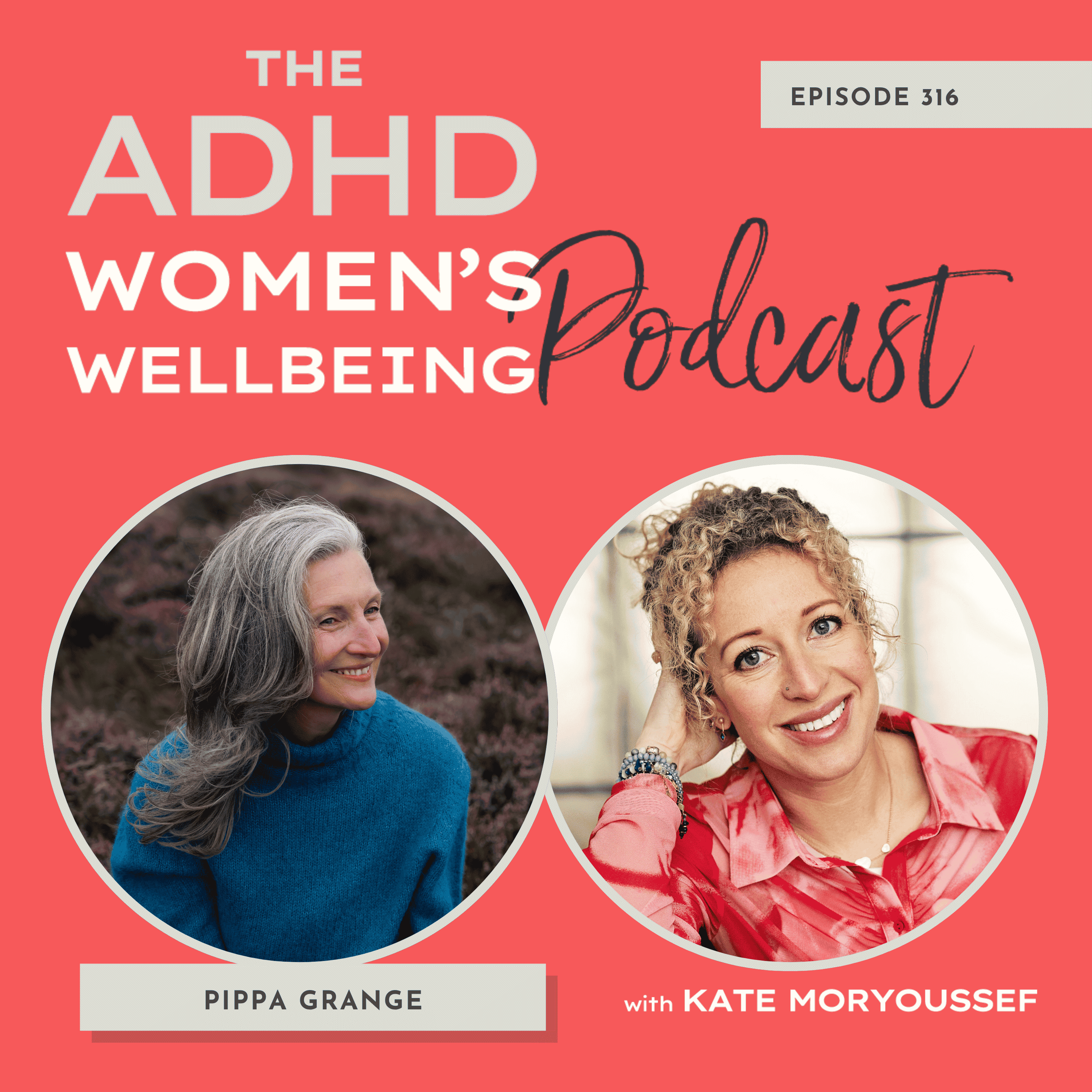
| 5/27/26 | ADHDburnout+4 | Pippa Grange | Life Reclaimed: Find Freedom from Chronic OverperformanceDear England | — | ADHDburnout+5 | — | 44m 20s | ||
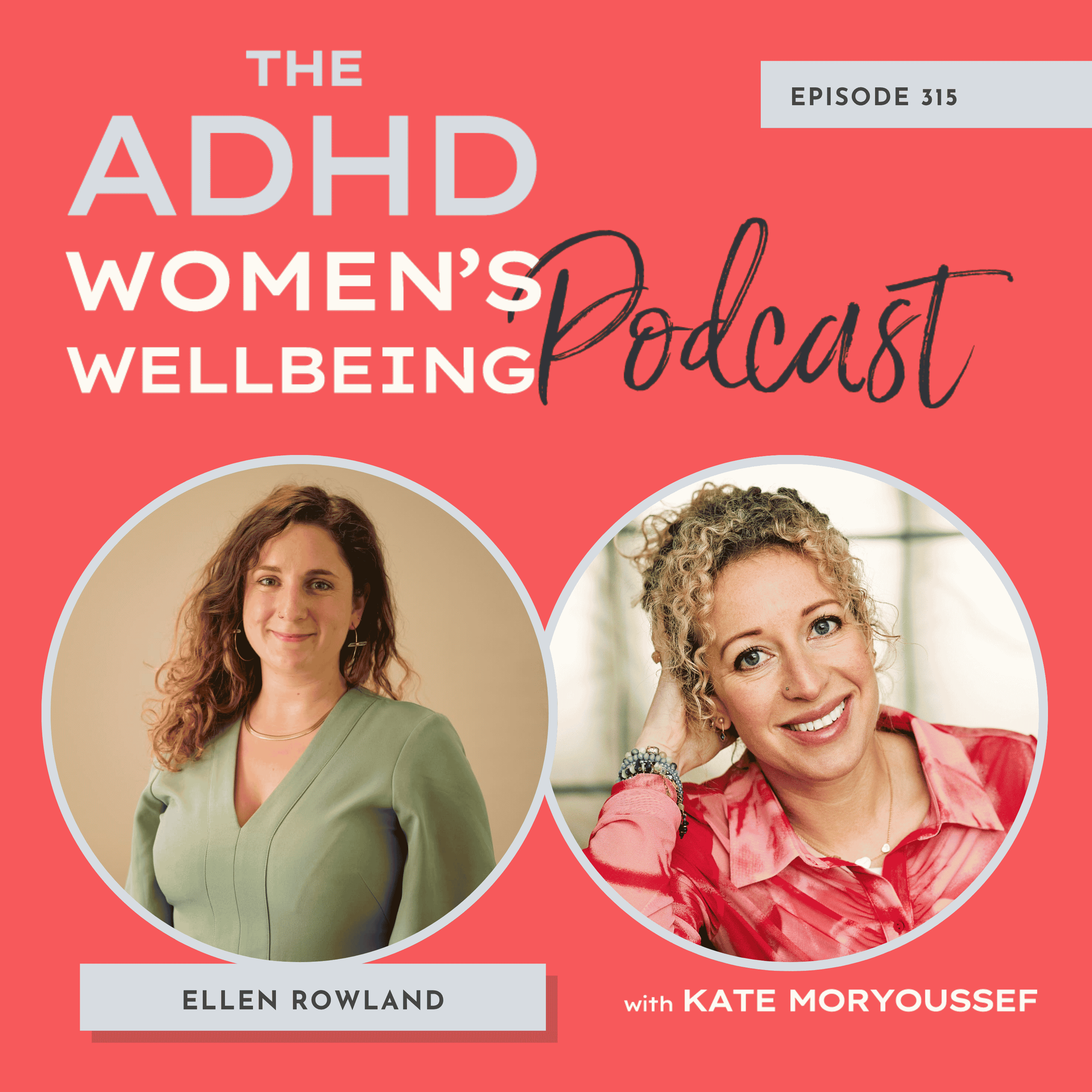
| 5/20/26 | herbal medicineADHD+4 | Ellen Rowland | ADHD Women's Wellbeing Podcast | — | ADHDherbal medicine+6 | — | 43m 05s | ||
| 5/17/26 | perimenopauseADHD+4 | Adele Wimsett | The Perfect Storm | — | perimenopauseADHD+4 | — | 16m 26s | ||
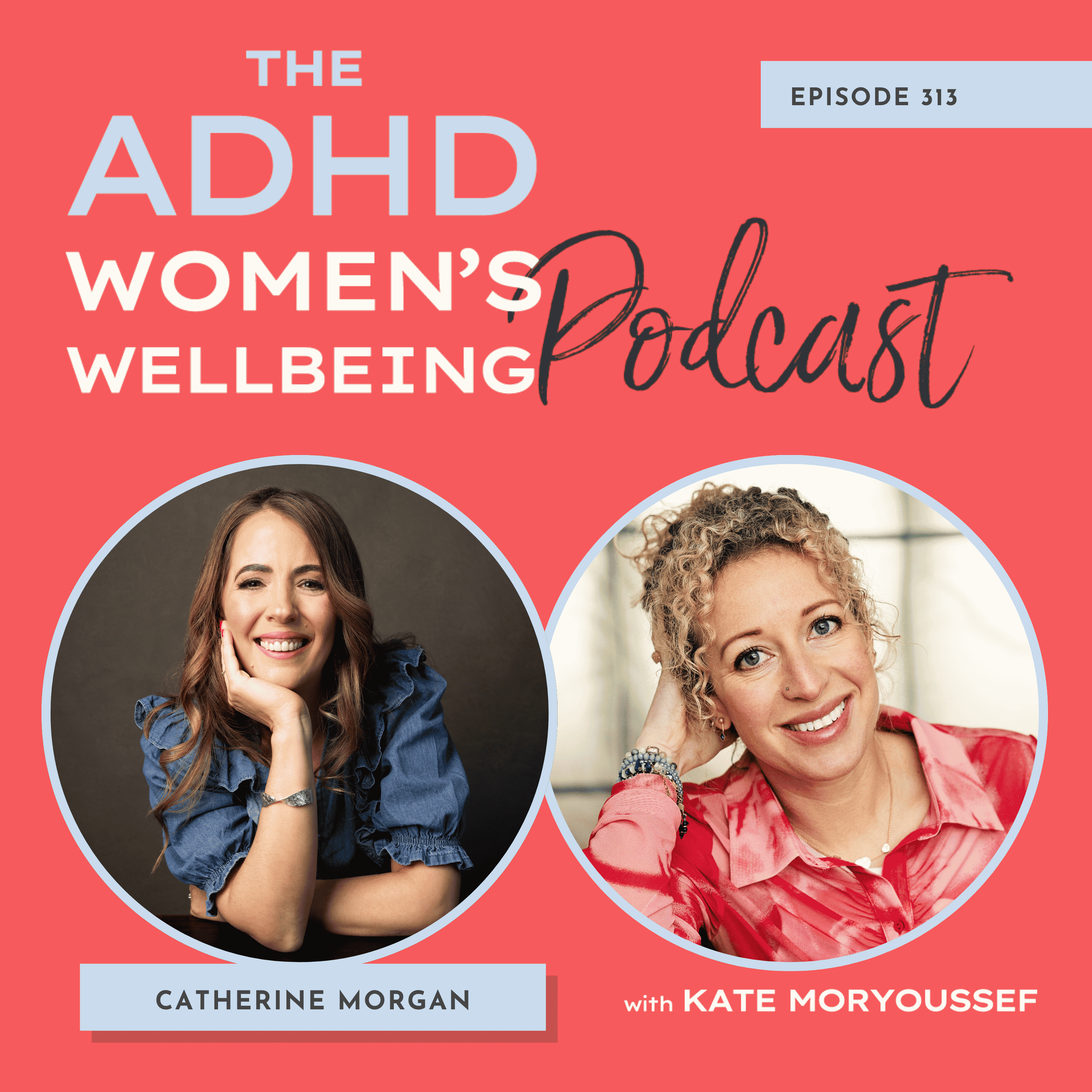
| 5/13/26 | money traumaADHD and finances+4 | Catherine Morgan | The Money PanelIt's Not About the Money | — | money traumaADHD+5 | — | 53m 12s | ||
| 5/10/26 | parenting neurodivergent childrenADHD+5 | Dion Chavis | Understood.orgADHD Women's Wellbeing Podcast | — | neurodivergenceparenting+7 | — | 34m 45s | ||
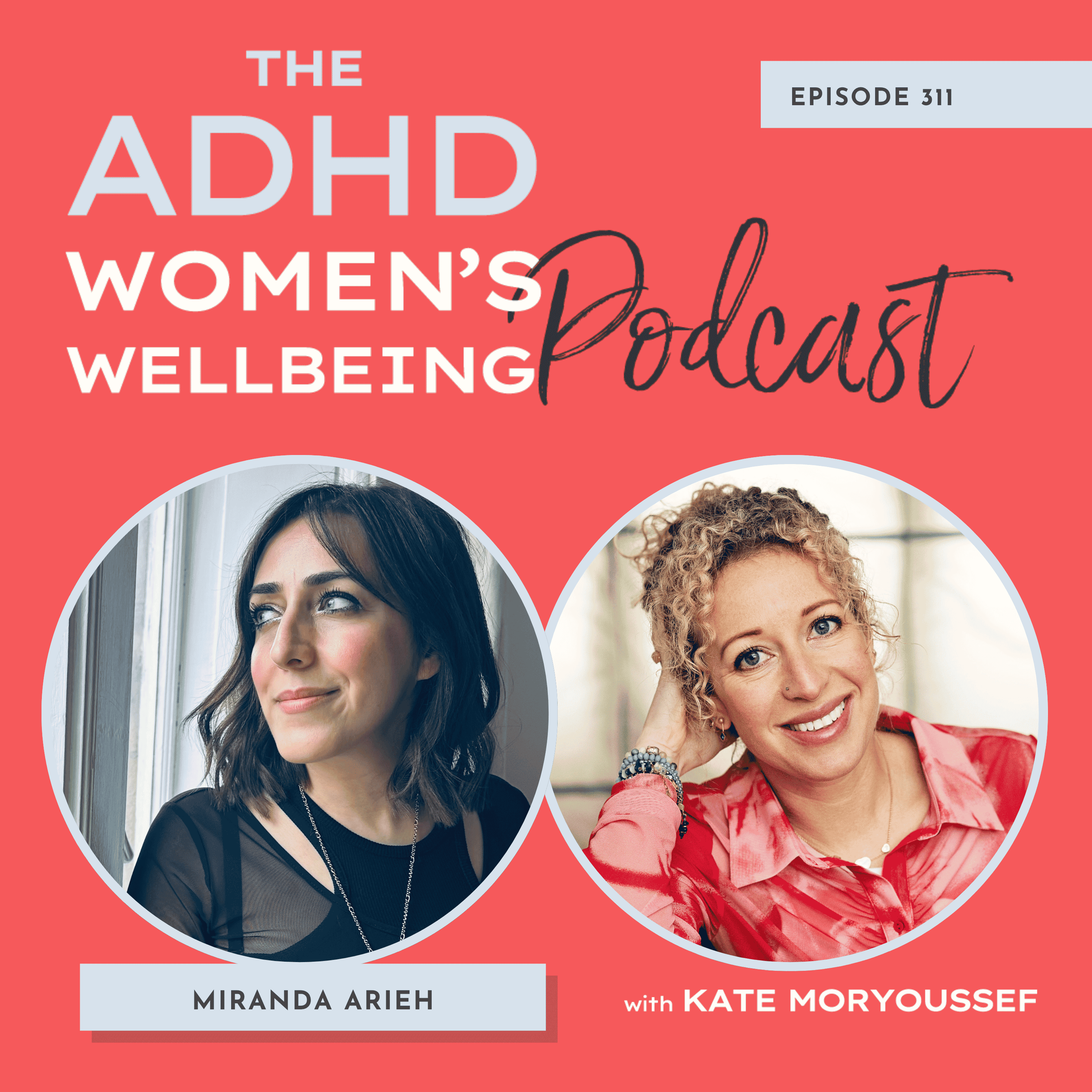
| 5/6/26 | ADHDtrauma+4 | Miranda Arieh | HEROES Programme | — | ADHDtrauma-informed care+6 | — | 51m 57s | ||
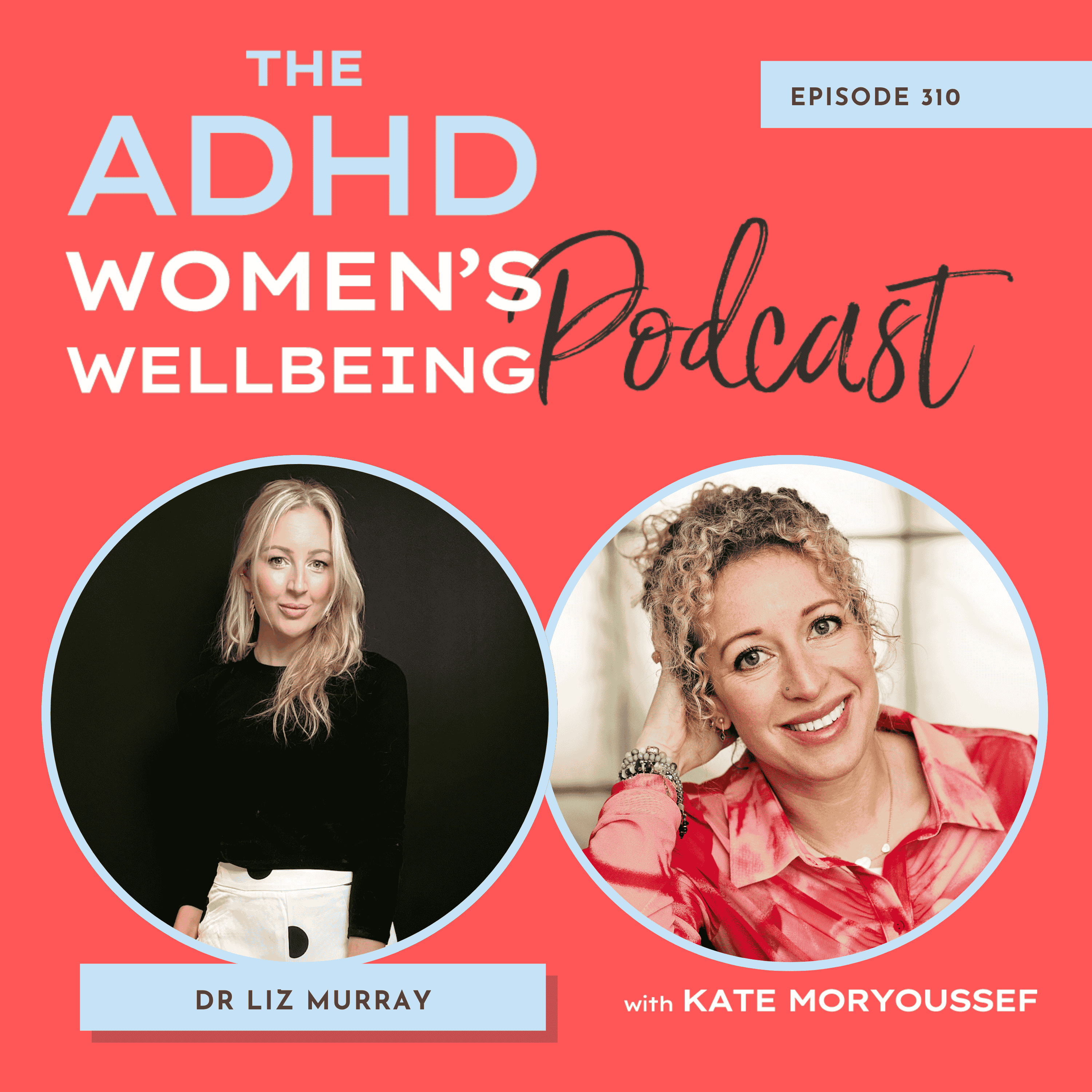
| 4/29/26 | medical gaslightingwomen's health+5 | Dr Liz Murray | Mortal + Strong | — | medical gaslightingwomen's health+5 | — | 54m 48s | ||
| 4/26/26 | ADHD diagnosisself-trust+4 | — | — | — | ADHDdiagnosis+6 | — | 17m 14s | ||
| 4/22/26 | ADHDneurodiversity+4 | Kristen Pressner | TEDx | — | ADHDneurodivergence+5 | — | 50m 21s | ||
| 4/15/26 | dyslexiaADHD+4 | Dr Jacob Santhouse | — | — | dyslexiaADHD+6 | — | 50m 22s | ||
| 4/12/26 | ADHDneuroscience+4 | Dr Hannah Cullen | ADHD Women's Wellbeing | — | ADHDDefault Mode Network+7 | — | 15m 09s | ||
| 4/8/26 | griefADHD+5 | Alex Spencer | The Functioning Griefster | — | griefADHD+7 | — | 51m 29s | ||
| 4/1/26 | SEN supportneurodiverse children+4 | Rebecca Gray | — | — | SEN advocateneurodiversity+5 | — | 53m 18s | ||
| 3/29/26 | purposeADHD+4 | Hannah Miller | ADHD Women's WellbeingADHD Women's Wellbeing Podcast | — | ADHDpurpose+6 | — | 18m 32s | ||
| 3/25/26 | somatic therapyADHD+5 | Jennifer McKenzie | — | — | somatic therapyADHD+6 | — | 50m 31s | ||
| 3/18/26 | libidohormones+4 | Dr Angela Wright | ADHD Women’s Wellbeing Podcast | — | libidohormones+7 | — | 49m 12s | ||
| 3/15/26 | personal growthguilt+4 | — | — | — | ADHDgrowth journey+6 | — | 21m 01s | ||










Showing 49 of 306
Pitch Fit is a Pro feature
See how bookable this show is for guests, which brands already advertise, the per-episode ad value, and the best-fit guest and sponsor profile. The numbers are blurred on the free plan.
How readily this show books outside guests like you.
How proven this show is for host-read sponsorships.
For Guests
ProFor Advertisers
ProUpgrade to Pro to unlock guest cadence, sponsor categories, fit scores, and per-episode ad value for this show.
Similar Audience Demographics
Podcasts that attract a similar listener profile



Chart history for ADHD Women's Wellbeing Podcast
Peaked at #18 in Australia, currently #18 in Australia.
| Market | Genre | Peak | Current | Trend |
|---|---|---|---|---|
| Australia | — | #18 | #18 | — |
| United Kingdom | — | #21 | #21 | — |
| Ireland | — | #22 | #22 | — |
| Italy | — | #27 | #27 | — |
| South Africa | — | #30 | #30 | — |
| New Zealand | — | #33 | #33 | — |
| Australia | — | #43 | #43 | — |
| United Kingdom | — | #46 | #46 | — |
| SG | — | #56 | #56 | — |
| Italy | — | #59 | #59 | — |
| Ireland | — | #62 | #62 | — |
| South Africa | — | #65 | #65 | — |
| IS | — | #85 | #85 | — |
| United States | — | #98 | #98 | — |
| Germany | — | #98 | #98 | — |
| Denmark | — | #100 | #100 | — |
| New Zealand | — | #105 | #105 | — |
| Finland | — | #118 | #118 | — |
| GR | — | #149 | #149 | — |
| KE | — | #171 | #171 | — |
Chart Positions
23 placements across 17 markets.
Chart Positions
23 placements across 17 markets.