
The Business of Fashion Podcast
The Business of Fashion has gained a global following as an essential daily resource for fashion creatives, executives and entrepreneurs in over 200 countries. It is frequently described as “indispensable,” “required rea...
AI overview.The Business of Fashion is a leading authority in the fashion industry, known for providing insightful analysis and commentary on trends, business strategies, a…
Insights from recent episode analysis
On the show
- Diana Pearl5 eps
- Cathaleen Chen4 eps
- Mimosa Spencer2 eps
Also: Robert Williams, Marc Bain, Haley Crawford, Shayeza Walid, Britt Moran, Ermenegildo Zegna, Sykes, Leyla Ertur, Faye McLeod, Volkan Yilmaz, Sheena Butler-Young, Austin Kim, Dries Van Noten, Mandi Lennard, Anoushka Shankar, Brennan Kilbane, Conner Ives
Audience Interest
- fashion industry insights
- business strategies
Podcast Focus
- fashion news and analysis
- interviews with industry leaders
Publishing Consistency
- 620 episodes produced
- active for 8 years
Insights are generated by CastFox AI using publicly available data, episode content, and proprietary models.
Most discussed topics
Brands & references
Total monthly reach
Based on 3 signals.
Built from
By chart position
- 🇺🇸United States · Fashion & BeautyHOME#9188K to 994K
- 🇮🇳India · Fashion & Beauty#242K to 221K
- 🇧🇷Brazil · Fashion & Beauty#427K to 141K
- 🇮🇩ID · Fashion & Beauty#119K to 102K
- 🇬🇧United Kingdom · Fashion & Beauty#717K to 92K
- Per-Episode Audience
Est. listeners per new episode within ~30 days
431K to 2.3M🎙 ~2x weekly·658 episodes·Last published today - Monthly Reach
Unique listeners across all episodes (30 days)
862K to 4.6M🇺🇸44%🇮🇳10%🇧🇷6%+21 more - Active Followers
Loyal subscribers who consistently listen
474K to 2.5M10K real followers tracked across platforms
Market Insights
Platform Distribution
Reach across major podcast platforms, updated hourly
Total Followers
—
Total Plays
—
Total Reviews
—
* Data sourced directly from platform APIs and aggregated hourly across all major podcast directories.
| Date | Episode | Topics | Guests | Brands | Places | Keywords | Sponsor | Length | |
|---|---|---|---|---|---|---|---|---|---|
| 11/20/26 | 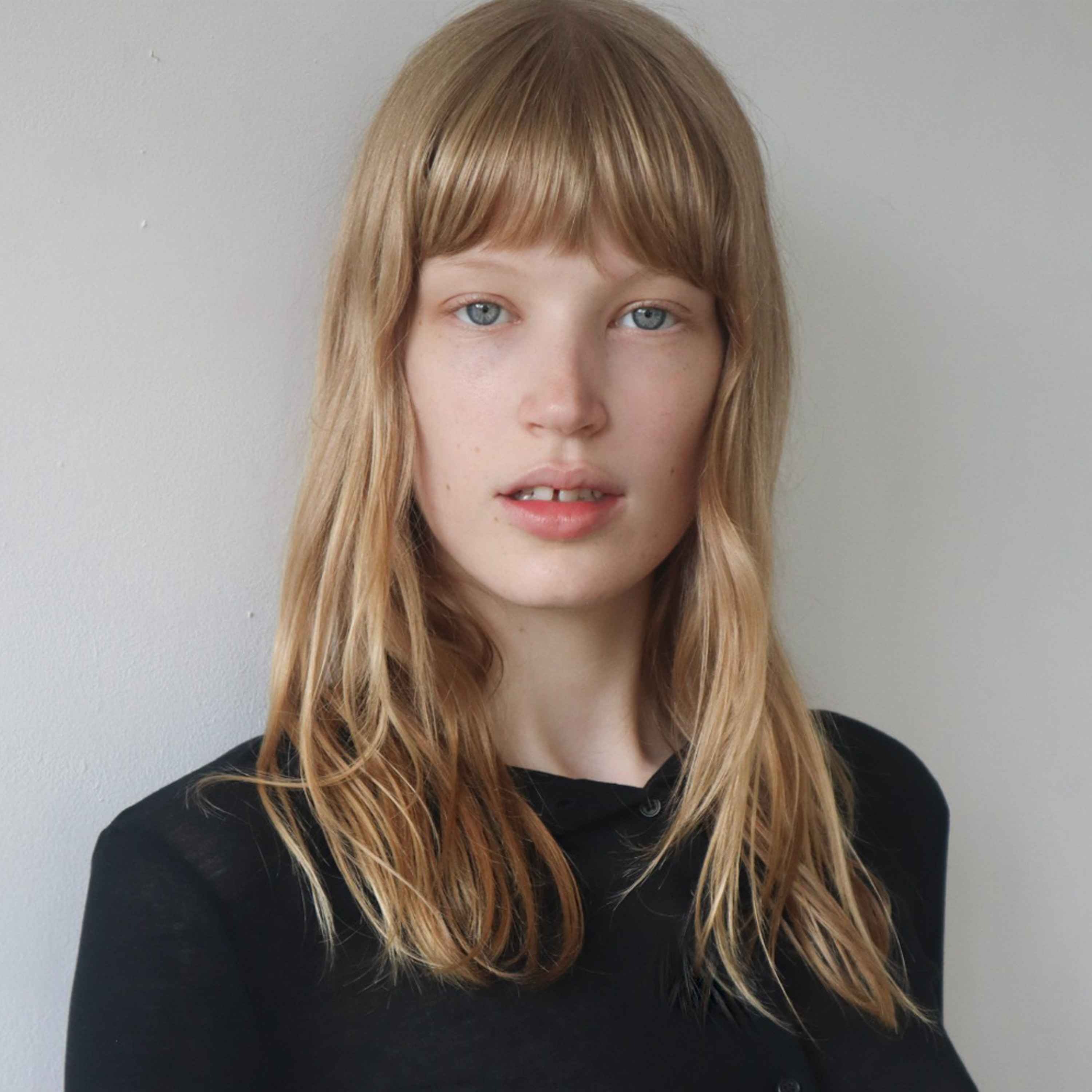 Breakout Model Jacqui Hooper on Reading the Room | Two years ago, Jacqui Hooper had never given modelling a serious thought. She was a dancer from Southampton, studying criminology and forensic psychology at university.Everything changed on a rainy day at Reading Festival. A scout from Next spotted her in the crowd, and months later she made her runway debut at Versace in Milan. Since then Jacquie has walked for Chanel, fronted campaigns for Prada, Chloé and McQueen, and industry leaders voted her as the breakout model of 2025 on models.com.So how does a newcomer learn to navigate a notoriously tough industry? For Hooper, it comes down to reading the room.“Some people will be really complimentary of you the entire time, and then as soon as those compliments stop coming as fast, you’re like, ‘Okay, so this isn’t what they want – clearly I need to change something here,’” Hooper recalls. “It’s usually when people get quiet that I’m like, ‘Okay, I need to change this.’”This week, Hooper joins Imran Amed in our London office to talk about what it really takes to make it as a model today, the growing expectation that models double as content creators, and why she’d rather not “sing about it on Instagram.”Additional Resources:Jacqui Hooper | BoF 500 | The People Shaping the Fashion Industry How to Break Into the Modelling Industry – and Last | The BoF PodcastModels, the New Power Publishers | BoF Hosted on Acast. See acast.com/privacy for more information. | 42m 16s | ||||||
| 11/18/26 |  What Did 2026 Reveal About the Beauty Industry? | Beauty remains more resilient than luxury fashion, but the latest earnings reveal an increasingly uneven industry. L'Oréal continues to outperform, Estée Lauder's recovery is being driven by the niche fragrance category, and Korean beauty brands are challenging established players. Meanwhile, consumers are resisting price increases on affordable products while continuing to splurge on premium beauty.This week on The Debrief, Priya Rao, executive editor at the Business of Beauty, joins Sheena Butler-Young to discuss the industry's winners and losers, changing consumer priorities and where brands should place their bets in 2027.Additional Resources:What’s Motivating Beauty Shoppers? | BoF Big Beauty’s Plan to Make Shoppers Spend More | BoF K-Beauty’s Global Ambition: Wealthier Shoppers | BoF Hosted on Acast. See acast.com/privacy for more information. | 34m 36s | ||||||
| 11/13/26 | 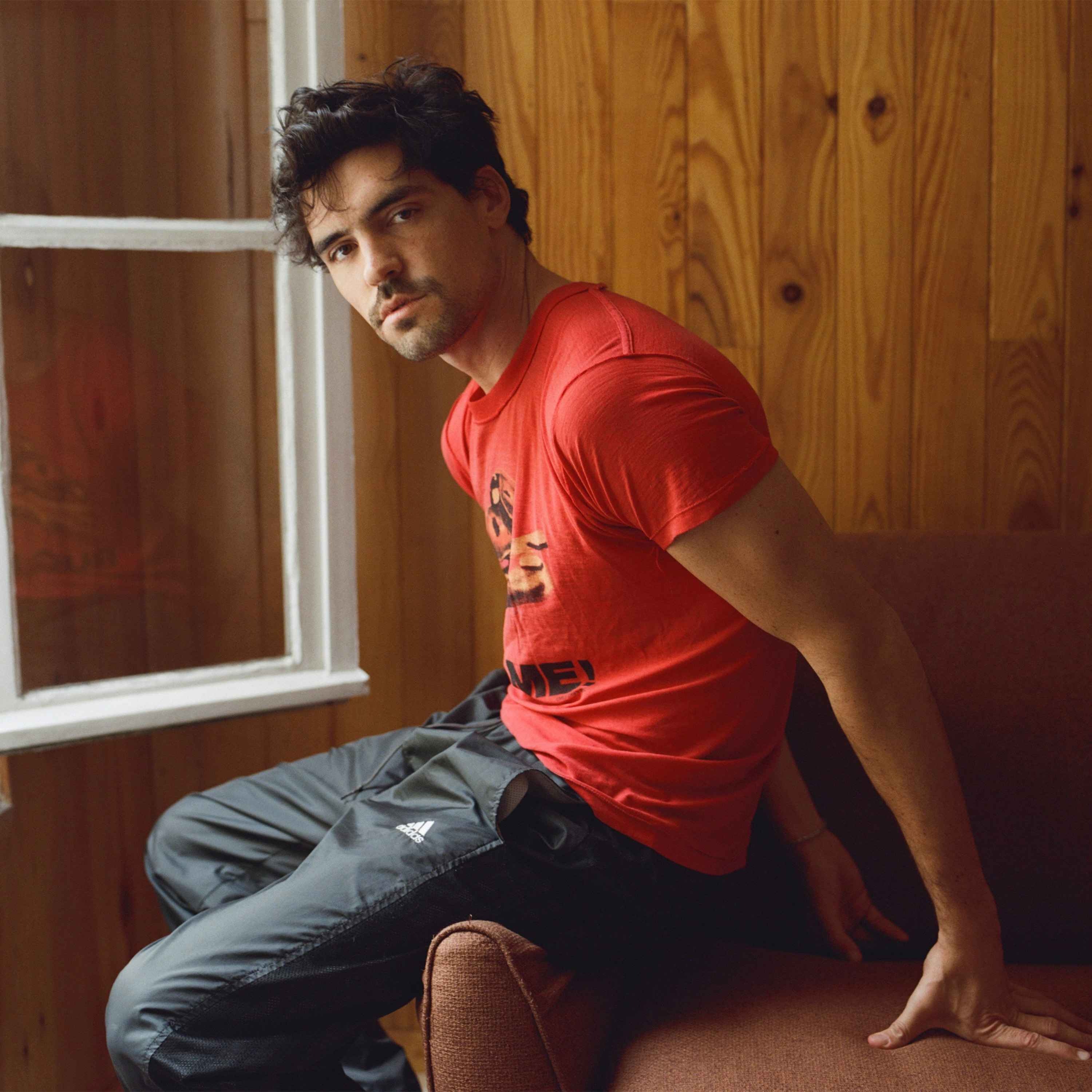 Terrence O’Connor on Why Cultural Relevance Can’t Be Manufactured | Terrence O’Connor has forged an unconventional path as a creative director and strategist, operating at the intersection of music, fashion and digital media. Raised in a traditional environment in Massachusetts, he built his career in Los Angeles by leveraging social platforms like TikTok and Instagram to help shape the digital presence of his peers.O’Connor’s approach has since led to roles defining the visual and strategic output for major artists, including Charli XCX and Troye Sivan, building cohesive worlds that span album rollouts, live performances and digital engagement.Beyond his work with artists, O’Connor is known for his weekly “cultural digest” videos. What began as an organic exercise in observing the ebbs and flows of online culture has established him as a commentator on the mechanics of the zeitgeist.This week on The BoF Podcast, O’Connor joins Imran Amed to talk about his transition from the East Coast to Los Angeles, the underlying principles of successful creative projects and how the fashion industry can better navigate the complexities of digital culture.Additional Resources:Terrence O’Connor | BoF 500 | The People Shaping the Global Fashion IndustryCan Fashion Sell ‘Brat Summer’? Hosted on Acast. See acast.com/privacy for more information. | 52m 47s | ||||||
| 11/11/26 |  Is Fashion Sleeping on Twitch and Discord? | Before Jarod John Leonard became a menswear label stocked at Harvey Nichols, its founders brought together fans of Japanese label Number (N)ine on messaging platform Discord. The group grew from 20 people to several thousand, giving the emerging brand an audience that had been there from the start, weighing in on everything from its first boots to fabric choices. On live-streaming platform Twitch, creators like Kai Cenat are bringing viewers along on shopping trips, sharing how their tastes are evolving and even launching fashion labels of their own.This week on The Debrief, senior correspondent Sheena Butler-Young speaks with BoF correspondent Lei Takanashi about how these platforms build trust and turn attention into fashion influence. They discuss how candid conversations and spontaneous moments help make these spaces so influential, and why brands risk losing that appeal when they try to commercialise it.Key Insights:Unlike more public-facing social platforms, communities like Discord can give fashion enthusiasts a space to connect over shared interests without the pressure to perform for an audience. That sense of authenticity can help foster the relationships and shared tastes that eventually form the foundation of a brand. “You could just come as your true self,” says Takanashi.Watching a creator discover clothes, question prices and decide what to buy gives viewers a sense of how their taste develops. Those spontaneous reactions can also drive purchases. Takanashi points to a Walmart stream where a creator’s enthusiasm for a $25 sneaker encouraged fans to buy it. “Just him saying that this shoe was dope led to tonnes of people picking up this $25 sneaker,” he says. The unpredictability helps distinguish these moments from a planned celebrity endorsement: “You can never tell what’s gonna happen next, Takanashi says.” The candid conversations that make Discord valuable can be difficult to reconcile with a brand’s desire to manage its messaging. Takanashi argues that companies should recognise the value of communities that develop independently, even when they cannot dictate the conversation. “I don’t necessarily think brands have to control those spaces, but I do think they should just pay attention to them,” he says. Listening gives brands access to feedback that a polished social media presence might miss: “That is where you’ll probably find the most honest opinions about your brand.”Takanashi sees parallels between streamer Kai Cenat and the late designer Virgil Abloh in their ability to connect with a generation through its preferred platforms and build communities around their taste. “They’re both cultural tastemakers, just in different spaces,” he says. He expects creators to retain influence over the young fans who grow up watching them, while recognising that other customers will continue to take their cues from craftsmanship and independent designers. Additional Resources:How Twitch and Discord Are Shaping Menswear’s Next Generation | BoF Can Culture Still Move the Needle in Sportswear? | BoF ‘Anything Is Possible’: Kai Cenat Collides Worlds of Fashion and Streaming | BoF Hosted on Acast. See acast.com/privacy for more information. | 26m 57s | ||||||
| 11/6/26 | 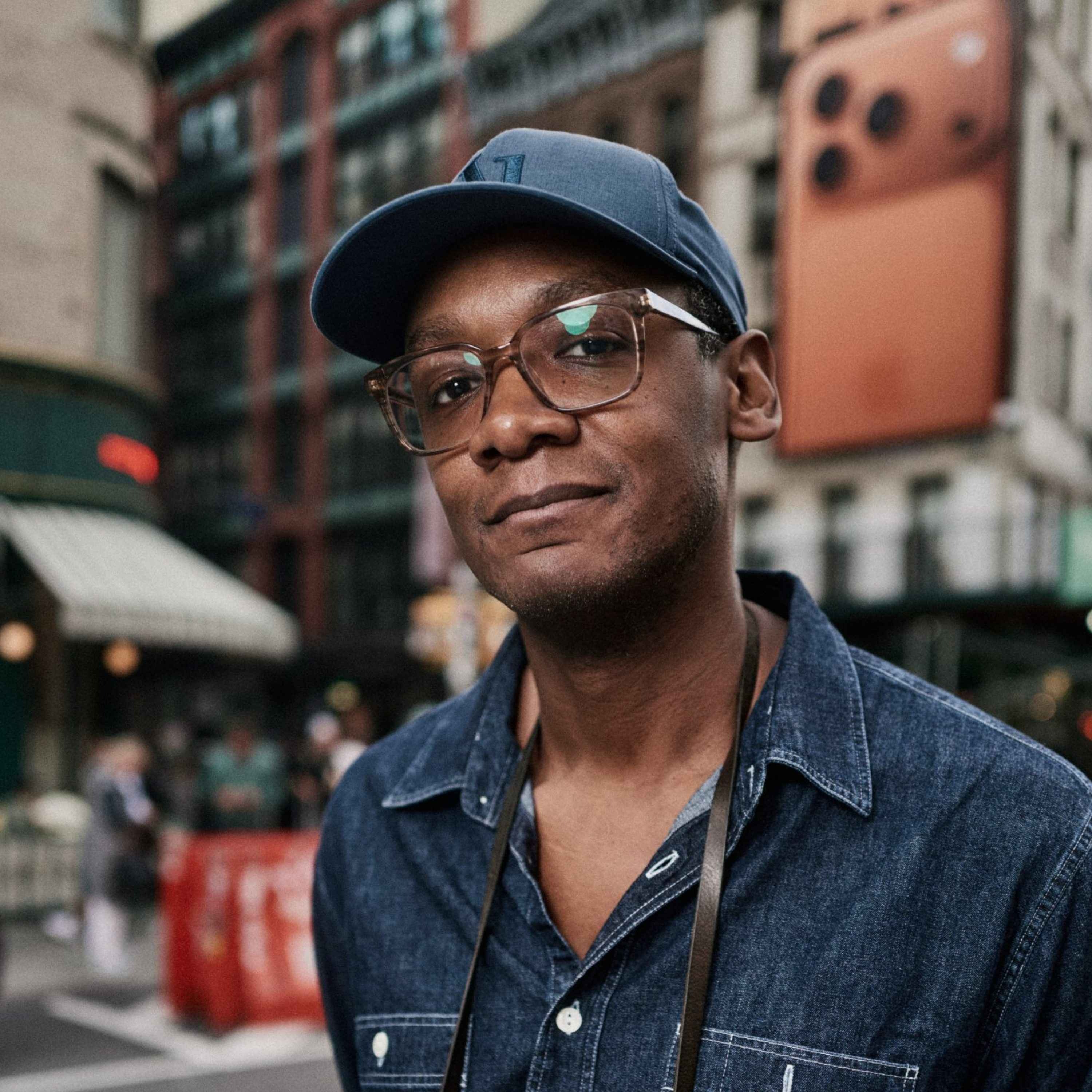 Simbarashe Cha on 10,000 Hours of Street Style Photography | Every season, as the fashion world travels from New York to London, Milan and Paris, Simbarashe Cha is outside the shows, photographing what people are actually wearing on the street for The New York Times. His work also takes him far beyond the Western fashion capitals, from Tokyo to Dakar.It wasn’t until later in life that Cha realised this was the work he wanted. He spent his twenties trying to make it in music, worked for years in a bank and didn’t buy his first camera until he was 32. Getting from there to here took a documentary about the legendary street style photographer Bill Cunningham, years of practice and a few happy accidents. Even now, he says, it hasn’t quite sunk in.Cha joins Amed to talk about why practice makes permanent, the blind spot he had to admit to himself and why the style he looks for is meant to feel within reach.Key Insights:Cha’s writing matters as much as his photography to his career. His blog began as a writing exercise, and the camera was a way to find material: “let me just find cool things to photograph that I can then write about that people might be interested to read.”Practice only helps if you also change what isn’t working. Cha drew on Malcolm Gladwell’s 10,000 hours, Bill Simmons’s writing on athletes “putting in reps” and a Wells Fargo colleague’s correction: “practice makes permanent.” He committed to shooting “every single day regardless of the weather, regardless of how I feel.” He also changed how he approached strangers, because “in the beginning, more people said no than yes.”The Times hired Cha for his eye before it knew about his fashion work. He photographed the 2020 protests in New York the same way he photographed people on the street. “I always wanted to capture photos that made a viewer want to be in the space,” he says. A year later, an editor learned he had a whole decade’s worth of fashion photography and assigned him Christian Siriano’s show.Cha’s freedom at the Times depends on his editors’ trust. His Style Outside city stories mean about two weeks embedded in a place to “learn the speed of the city,” he says. “They kind of just trust me to … photograph and write and find people.”Additional Resources:Simbarashe Cha | BoF 500 | The People Shaping the Global Fashion IndustryIn Memory of Bill Cunningham, 1929–2016 | BoFWhere Does the Business of Street Style Go From Here? | BoF Hosted on Acast. See acast.com/privacy for more information. | 1h 01m 48s | ||||||
| 11/4/26 |  What Makes a Million-Dollar Luxury Salesperson? | Luxury’s best salespeople have always been in demand, but the stakes have changed. As AI automates more of the shopping experience and price hikes strain loyalty, retailers are leaning harder on the one thing a machine can’t replicate: a human salesperson who knows exactly what their clients want. From Nordstrom’s uncapped commissions to Bloomingdale’s dedicated personal shopping suites, the perks on offer for top sellers who can single-handedly move millions of dollars in merchandise show just how valuable the talent has become.In this episode, senior correspondent Sheena Butler-Young is joined by BoF’s retail editor Cathaleen Chen to discuss why luxury’s top salespeople have become some of the industry’s most coveted talent, the lengths retailers are going to attract and retain them and what the high-profile move of stylist Catherine Bloom from Neiman Marcus to Nordstrom reveals about the increasingly competitive market for elite sellers.Key Insights:Nordstrom’s recruitment of former Neiman Marcus stylist Catherine Bloom illustrates just how valuable top salespeople have become to luxury retailers. Nordstrom co-chief executive Pete Nordstrom personally courted Bloom, whose longstanding relationships with wealthy clients made her a particularly coveted hire. As Chen notes, retail remains “one of the last industries where you can start at the entry level and work your way up,” with loyalty and long tenure often rewarded.Saks Global’s financial troubles, which intensified in 2025 following its acquisition of Neiman Marcus, created an opening for competitors looking to recruit top talent from both retailers. With inventory shortages making it harder for stylists to serve their clients, rival department stores spotted an opportunity to lure away established sellers and their valuable customer relationships. “If you’re not giving your clients top tier merchandise, then you really are not fulfilling your duties and serving them as their stylist,” Chen says, adding that several department store executives described the situation as a hiring opportunity.Retailers typically take two approaches to building a high-performing sales force: developing talent internally or recruiting established sellers from competitors. Butler-Young, citing luxury recruiter Caroline Pill, notes that the essential hard skills are “experience and the client book,” while the soft skills include “charisma ... diligence ... someone that listens maybe more than they speak.”Even as AI automates more of the shopping experience, the relationships top salespeople build with their clients remain difficult to replicate. “It’s a people business, it’s AI-proof, it’s a relationship business,” Chen says, noting that the value of top sellers lies in “the books that they keep, their Rolodexes.” Some are even invited to their clients’ birthday parties and travel with them.Top luxury salespeople can command extraordinary perks, including, in Catherine Bloom’s case, a standalone, appointment-only store at Nordstrom. Butler-Young recounts Pete Nordstrom’s enthusiasm for rewarding high performers: “I think it’s great that commission is uncapped, they deserve to make hundreds of [thousands] of dollars.” But Chen questions whether giving star sellers so much preferential treatment risks creating a “shopper monopoly,” with top associates potentially cannibalising sales from their colleagues.Additional Resources:Inside the Battle for Luxury’s Million-Dollar Salespeople | BoFPete Nordstrom on the Enduring Power of Retail’s ‘Best Mousetrap’ | The BoF PodcastOlivier Bron on Making Bloomingdale’s Desirable Again | BoF Hosted on Acast. See acast.com/privacy for more information. | 26m 52s | ||||||
| 10/30/26 | 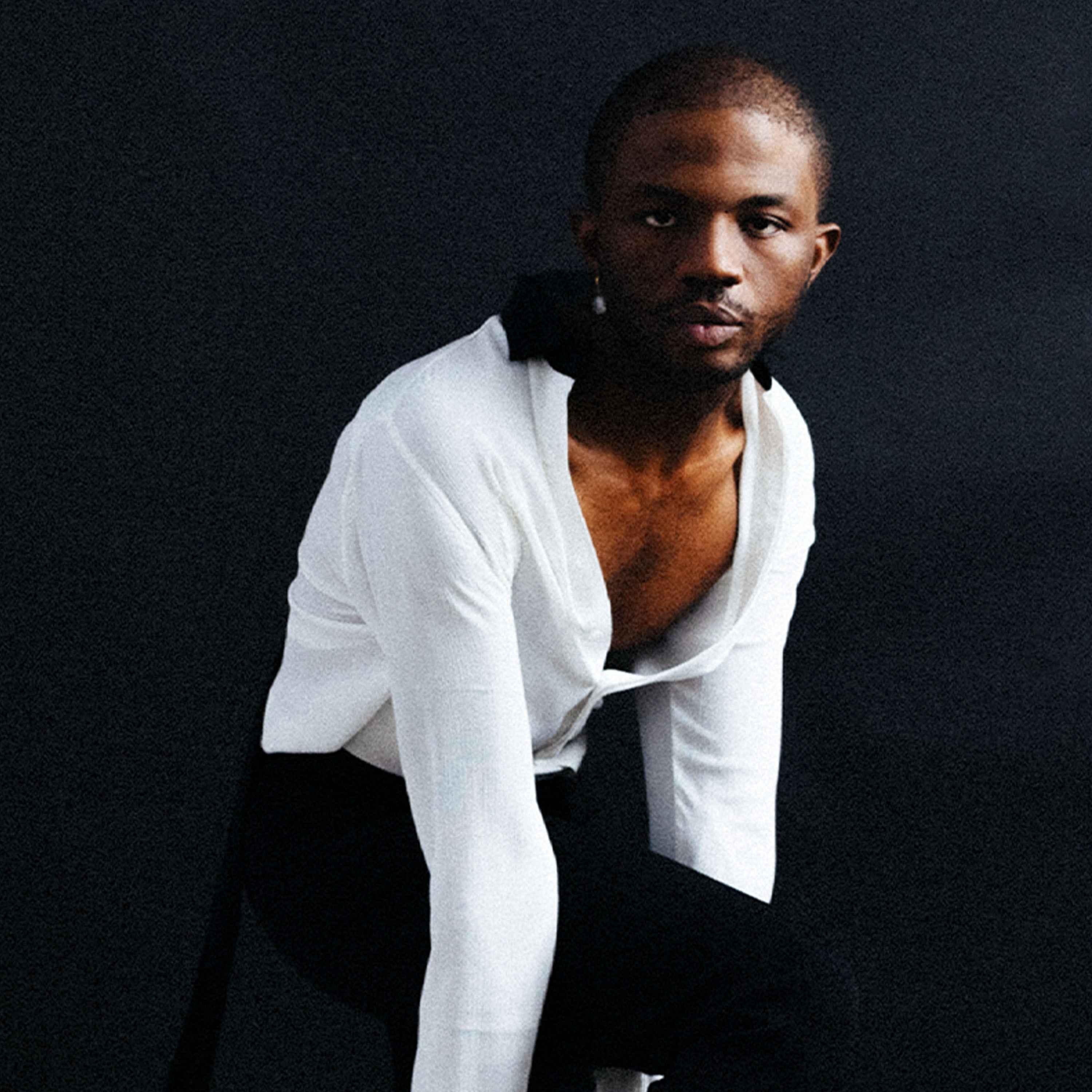 Daniel Obasi on Why Lagos Is a ‘Creative Factory’ | This week’s Lagos Fashion Week campaign is a series of portraits drawing on the tradition of African studio photography. They were shot by the creative director Daniel Obasi.Few people have done more to shape how the world sees Lagos. Louis Vuitton asked Obasi to photograph the city for its Fashion Eye series. Beyoncé’s team brought him in to style the Lagos shoot for Black Is King. His work has run in Vogue Italia and The Face — and last year he joined the BoF 500.Yet he built his career in a city where many creatives have to find their own way. Lagos, he says, produces remarkably resilient talent, partly because formal training is still hard to come by. Amed sat down with Obasi at his creative studio AMAH in Lagos to talk about how a city with so few easy paths forges so many extraordinary creatives, and what it would take to give the next generation an easier path.Key Insights:Obasi traces Nigeria’s missing contemporary visual identity to a culture of leaving. Growing up, he says, there was a constant need to leave the country, which he links to post-independence politics and a civil war that was never properly addressed. “Aspiration became a way to heal as opposed to let us actually sit with the uncomfortable truth about what has happened,” he says.His work began as an answer to questions he couldn’t find images for. Researching references as a graphic designer, he struggled to find strong imagery of Nigeria. He also questioned why Nigerians equated luxury with foreign brands: “Why does luxury feel so detached for Nigerians?” He says francophone filmmakers such as Ousmane Sembène showed it was possible to tell contemporary stories without diluting their culture.He builds images from words, not mood boards. A copywriting course taught him to cut a paragraph down to a single word or phrase. He says he talks ideas out and sketches them with an illustrator before gathering references. “Before I even touch a mood board, I would write,” he says, adding that mood boards can give him creative block.Obasi sees Lagos’ resilience as both a strength and a cost. He recalls someone describing Lagos to him as a “creative factory” that builds strong people. The flip side, he says, is that many creatives have to find their own way, though he credits Lagos Fashion Week and Art X Lagos with filling part of the gap. “I know a lot of young designers who haven’t gone to fashion schools, but they’re making clothes at an extremely high standard,” he says, adding that he wishes they had an easier path through established training.His advice to young Lagos creatives is to keep going and look beyond home for support. Obasi tells them to learn from each mistake and move on. “The support you’re looking for oftentimes might not come from your immediate community,” he says. “It might come from somewhere else. But eventually they will come around.”Additional Resources:Worldview | Omoyemi Akerele Takes Lagos Fashion Week to the Next Level | BoFThe Gatekeepers to Nigeria’s Fashion Market | BoFDaniel Obasi | BoF 500 | The People Shaping the Global Fashion Industry Hosted on Acast. See acast.com/privacy for more information. | 38m 29s | ||||||
| 10/28/26 |  Why Nike Can’t Find Its Next Hit | For years, a coveted pair of Air Jordans could send sneaker fans into a frenzy. But when Nike brought back the black-and-blue Air Jordan 1 Royal this month, the response was muted — days after release, the shoe was still available in several sizes, with some pairs reselling below retail. BoF correspondent Mike Sykes, who has been reporting on Nike’s search for its next big hit, joins senior correspondent Sheena Butler-Young on The Debrief to break down what the tepid reception reveals about the wider company, and whether chief executive Elliott Hill’s pivot toward sport — in women’s basketball, running and recovery — can translate into lasting growth.Key Insights:The muted reception to the Air Jordan 1 Royal exposes a deeper problem than one slow-selling shoe. “There is a very obvious downswing that has happened with… the most popular Jordan silhouettes, these retro Jordans that usually work,” Sykes says. “They don’t really know what it is that people want from them right now. The classic retro styles that worked five years ago, ten years ago just don’t work right now.”Nike is pulling back on Jordan drops to restore exclusivity, but Sykes doesn’t think supply discipline alone fixes the brand. “Scarcity is not the magic pill that will solve all the problems that Jordan Brand has,” he says. Virgil Abloh’s “The Ten” is held up as proof of what real cultural impact looks like — and how hard it is to manufacture on demand: “Nike could use another version of The Ten right now, but you can’t just pull The Ten out of thin air. That’s something that happens over time.”CEO Elliott Hill’s bet on women’s basketball and running is showing early signs of life. “With Nike basketball on the women’s side specifically, I think there is a lot of energy right now,” Sykes says of signature shoes for A’ja Wilson, Caitlin Clark and Sabrina Ionescu. Running, meanwhile, is up double digits — though far from uncontested: “I would categorise this as one of the bright spots, but there is a lot of competition in the marketplace.”Products like the Nike Mind 001 clog and Hyperice gear target the booming wellness category, even if the price tags give Sykes pause. “Would you buy a $250 pair of slides? Probably not,” he says. “But I think that every little bit counts for the space that the brand is in right now.”Asked for the one signal that would show Nike is turning a corner, Sykes points to resale. “The aftermarket shows me how much people actually covet these shoes,” he says. “And I don’t really see people valuing the brand a lot as it is right now.”Additional Resources:Has Nike Done Lasting Damage to Jordan Brand? | BoFNike Kicks the Can Down the Road Again | BoFThe Debrief | Is Nike Finally Winning With Women? | BoF Hosted on Acast. See acast.com/privacy for more information. | 29m 17s | ||||||
| 10/23/26 |  Olivier Bron on Making Bloomingdale’s Desirable Again | For most of the last 30 years, the American department store has been a story of decline: store closures, bankruptcies, endless discounting and floors packed with racks that looked the same from one store to the next.Bloomingdale’s is starting to tell a different story. Last quarter, its comparable sales grew more than 11 percent, its second consecutive quarter of double-digit growth, at a moment when much of the luxury industry is struggling to grow at all.The man behind that turnaround is Olivier Bron, who arrived in New York nearly three years ago to become the CEO of the venerable department store chain that had lost its lustre. Bron believes that Bloomingdale’s can still matter to shoppers and to brands, but only if it gives people a reason to walk in. This week, Bron joins Imran Amed to talk about how you make a brand every American knows desirable again, and why some of luxury’s biggest brands are wrestling with exactly the same question.Key Insights:Art, science and care: Bron’s retail philosophy, distilled from his years at Bain & Company, rests on balancing instinct with data. “The magic is happening when you have this touch of inspiration and point of view that you don’t get with just data,” he says, adding that the second ingredient is simpler: “You need to care for others. You need to like serving others and helping people by bringing joy.”Execution is essential: Asked about the biggest lesson from turning around Galeries Lafayette’s 70-store network, Bron points not to vision but to delivery. “You can have the best strategy, but if you fail in execution, then your experience will land flat,” he says.Fewer brands, more space: Bloomingdale’s has deliberately shrunk its brand count to deepen its relationships with the ones that remain. “We probably have 10 percent less brands, but probably expressed in a better way,” Bron says of the store’s luxury renovation.The US market keeps getting wealthier: Bloomingdale’s wealthiest base of customers is not only expanding but also spending more. “We’re seeing more wealthy people and the already wealthy people have become wealthier,” he says, though he acknowledges the midterm elections and AI-driven market jitters as real risks.Awareness isn’t desirability: Bron draws a sharp distinction between the two, and applies it as freely to his own brand as to European luxury houses. “Everyone knows about Bloomingdale’s, everyone. In the US, the awareness is very, very strong. But the desirability, the credibility of the brand in this luxury world is not where it should be,” he says. “We were so obsessed about financial returns, about short term performance that you lose ground on this long term perspective.Top personal shoppers run businesses inside the business: Bron says Bloomingdale's incentive for its personal shoppers is having the brands, inventory, systems and space for them to maximise sales. Home has widened what each associate can sell: “When a customer is spending millions in fashion, I can tell you that these customers are spending millions on their homes as well.”Additional Resources:Bloomingdale’s CEO on the Future of American Department Stores | BoFLuxury Brands Target ‘Desirability First’ — But How to Measure It? | BoFPete Nordstrom on the Enduring Power of Retail’s ‘Best Mousetrap’ | The BoF Podcast Hosted on Acast. See acast.com/privacy for more information. | 56m 19s | ||||||
| 10/21/26 |  The Generation Fashion Forgot | Fashion has long been obsessed with youth, treating young shoppers as both trendsetters and the engine of growth. Yet brands including Evereve, Ulla Johnson, Frances Valentine and Poppy & Peonies are finding opportunities in catering to women in their 40s, 50s and beyond, a demographic with significant spending power and brand loyalty that rarely features prominently in fashion campaigns.On this week's episode of The Debrief, senior correspondent Sheena Butler-Young and US editor Diana Pearl examine why brands are still afraid to make the older shopper the face of a campaign, what “multi-generational selling” actually requires, and how founders, sales associates and even a customer’s own social circle can become a brand’s most powerful marketing tool.Key Insights: Young consumers may drive fashion’s cultural conversation, but older shoppers wield significant purchasing power. As Pearl puts it: “What [youth] don’t often have is the spending power... there’s so much discussion about how boomers are the wealthiest generation.”Brands will chase an older customer’s wallet but hesitate to put her face on a billboard. Pearl traces this to “a lot of ingrained misogyny in not just fashion, but in our society,” where women over 40 are seen as less interesting to market to — even though, she argues, “when [we] see older women who are chic, who are beautiful, stylish, who are successful, there’s an aspirational element to that.”The brands succeeding aren’t just targeting a specific age cohort— they’re building for mothers, daughters and grandmothers at once. “If you can sell to the mother, the daughter, the grandmother... that just gives you access to such a wide swath of consumers,” Pearl says, dubbing it a brand’s “superpower” because it builds “long-term loyalty and deep connection with the brand.”Long before the creator economy, community tastemakers shaped what women bought — they just weren’t on Instagram. “There’s always been that girl... who always had the best product recommendations, always knew of the hot new cool brands,” says Pearl. Those women, she says, were the nano-influencers of their time — holding “an immense amount of sway over their friends and their communities.”Many of the brands successfully courting older shoppers are founder-led, with personal connections playing a central role in building customer loyalty. For brands looking to replicate those relationships at scale, store associates can play a critical role. Pearl’s advice: “really educating... store teams, particularly store managers, and empowering them to empower their associates, to build those relationships.”Additional Resources:Fashion’s Next Growth Opportunity Isn’t Gen Z | BoFFashion Wakes Up to the ‘Silver Generation’ Opportunity | BoFWhy Brands Cast Older Celebrities to Court Younger Consumers | BoF Hosted on Acast. See acast.com/privacy for more information. | 27m 48s | ||||||
Want analysis for the episodes below?Free for Pro Submit a request, we'll have your selected episodes analyzed within an hour. Free, at no cost to you, for Pro users. | |||||||||
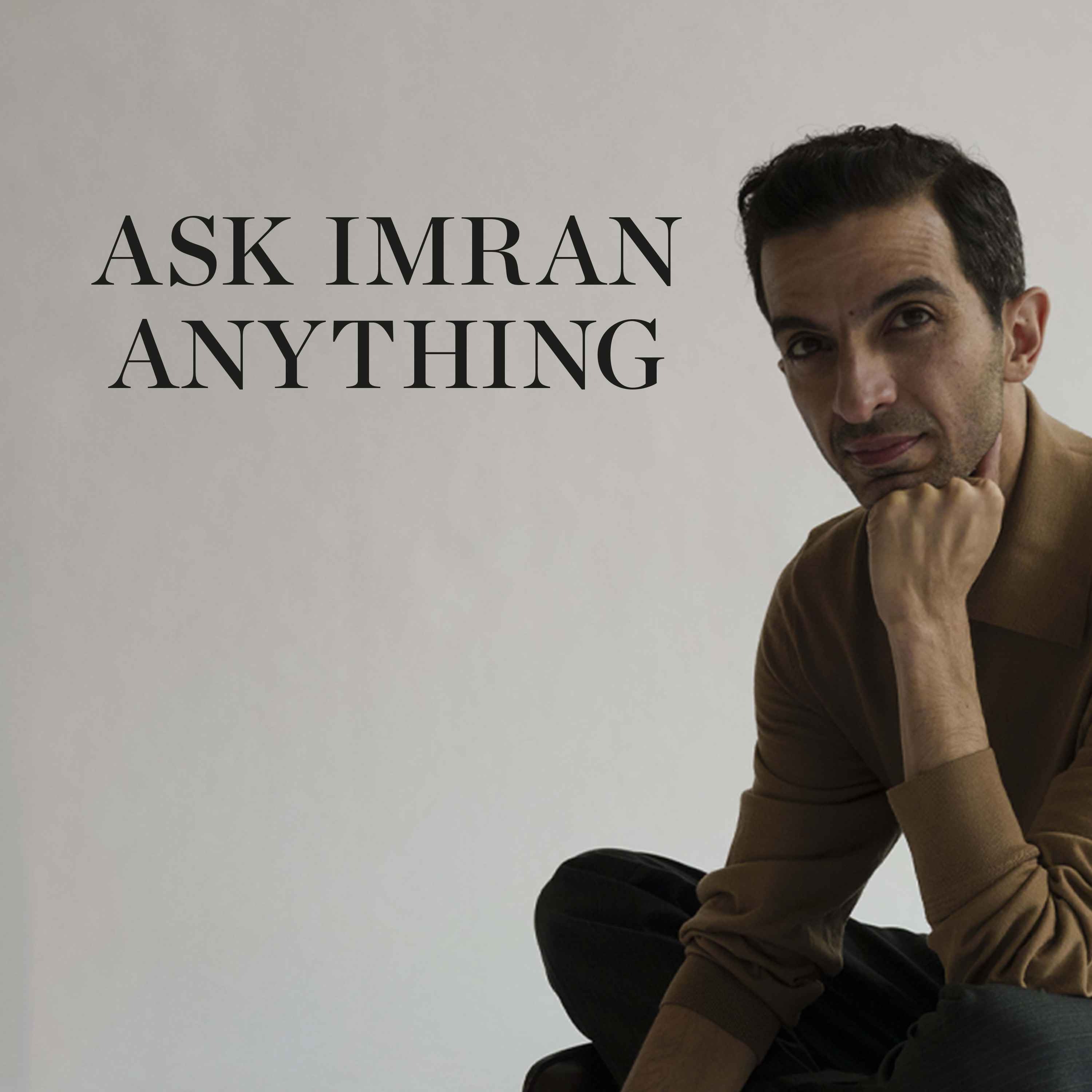
| 10/16/26 | 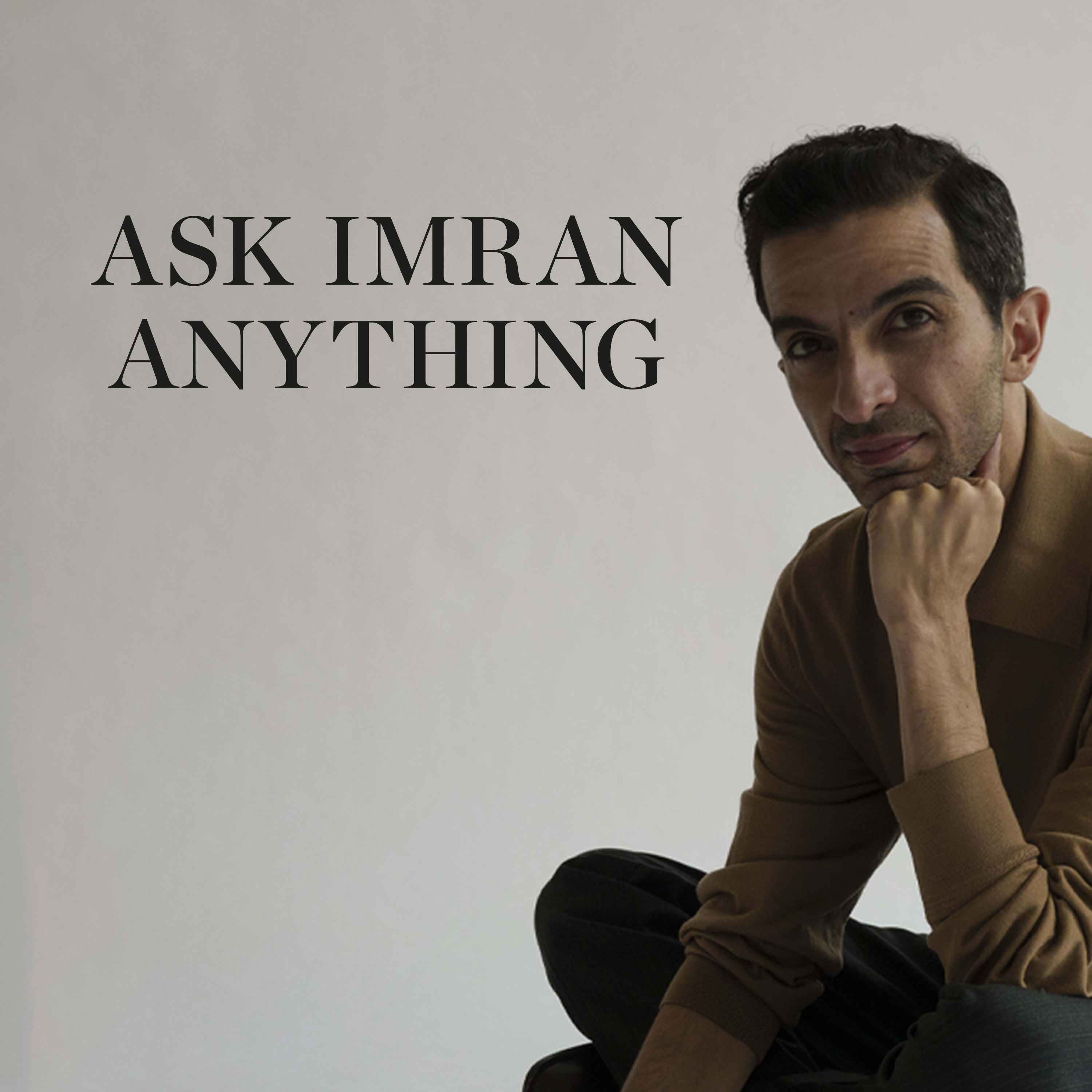 Ask Imran Anything: Vanity Metrics, Creativity and Commerce, Gucci’s Future | This week, by popular demand, we are back for the third installment of Ask Me Anything, where listeners from around the world send in their most pressing questions about what is happening in the fashion business.This time, the conversation jumps off from the latest season of shows, specifically what’s actually happening at Gucci, whether metrics like Earned Media Value (EMV) and Media Impact Value (MIV) are worth anything at all, how brands can strike the right balance between creativity and commerce, and where human judgement still remains integral, even as AI becomes part of everyday creative work.Key Insights:Gucci’s creative direction has sharpened, but the business case hasn’t. After several collections that felt disjointed, Amed sees Demna’s most recent Milan show as the clearest statement yet of his vision for the house. “This most recent show, The Store, just kind of clicked.” But Amed is not ready to call it a fix: “The remaining question I have is, is it enough in this very challenging market where the luxury industry is not growing?”Brand-measurement metrics deserve scepticism: Asked whether scores like Earned Media Value (EMV) and Media Impact Value (MIV) actually mean anything, Amed argues they’re built to serve a different purpose than the one marketed. “Honestly, these are vanity metrics,” he says, noting they’re often “designed for marketing teams to ask for money from finance people.” His test for any brand: “Long-term brand health and commercial performance, that matters.”Creative success depends on alignment between designer and business: Comparing the current moment at Balenciaga and Chanel, Amed suggests the difference isn’t talent but clarity of the brief. On Balenciaga: “I get the sense that the brief was a bit disjointed ... can you mine the heritage of Cristóbal Balenciaga ... and then can you also keep the customers that Demna managed to attract ... Are those things even compatible?” At Chanel, by contrast: “They’re all singing from the same hymn sheet about what Chanel is trying to do now ... When it works like it’s working at Chanel, it does feel like magic.”AI changes how humans create, not whether they’re needed. Amed pushes back on the idea that AI can generate campaigns or strategy on its own. “I don’t think AI on its own can generate beautiful campaigns ... it still requires a human to work with it.” His advice to anyone starting out: build real-world taste and judgement, “because that’s going to be priceless in the age of AI.”Crediting artisans is what separates collaboration from appropriation. Weighing the recent Prada and Fendi controversies over Indian craftsmanship, Amed draws a clear line between the two. On Fendi’s long relationship with Mumbai atelier Chanakya: “Maria Grazia is investing in and spending time with the artisans ... that for me is an example of how these things should work.” On Prada’s uncredited Kolhapuri sandals: “That felt like a real case of appropriation.” His broader principle: “If you’re going to take something from a culture, credit the people, make sure they’re properly compensated.”Additional Resources:Has Demna Solved Gucci’s Identity Crisis? | BoFChanel: The Designer Revamp That Worked | BoFDid Fendi Commit Cultural Appropriation in India? It’s Not That Simple | BoF Hosted on Acast. See acast.com/privacy for more information. | 32m 33s | ||||||
| 10/14/26 |  Who’s to Blame for Bad Customer Service? | A $15,000 mechanical bird named Molly has become an unlikely flashpoint for retail. After pop star Kelly Clarkson accused Brooklyn boutique Art of Play of treating her “like Julia Roberts’ character” in Pretty Woman, the dispute ignited a much bigger debate about customer service, training and who bears the brunt of bad retail experiences.In this episode, senior correspondent Sheena Butler-Young is joined by Jessica Kwon, who recently examined why poor customer service remains so pervasive across retail, and retail editor Cathaleen Chen, who spearheaded BoF’s coverage of the world’s best independent stores. Together, they explore why retailers struggle to get service right — and what it takes to deliver a better shopping experience.Key Insights:Kwon connects the Clarkson incident to a longer pattern of retail profiling. “There’s a reason there’s this dedicated phrase, ‘shopping while Black’, that points to this phenomenon of Black customers being disproportionately scrutinized and surveilled,” she says, noting Oprah, Cardi B and Savannah James have all described similar treatment.Chen is skeptical of the theory that cold treatment drives luxury sales. “I personally find that very hard to believe,” she says, arguing the opposite is now true: “I don’t think that a true luxury shopping environment should make anyone feel intimidated or condescended upon.”For Chen, salaried-plus-commission models — like those at Elyse Walker — build loyalty because staff see a path up. “The CEO of Aritzia – she started at that company as a sales associate,” she says, tying good service to employees who “feel like they have a stake in the store.”Chen points to average tenures of five to six months as the real culprit behind inconsistent service. “It’s really not enough time... to soak up the culture of the brand and feel like you are a part of this environment,” she says.Kwon links pandemic-era social isolation to a generational shift in what good service looks like. “A lot of young people want to be left alone,” she says, adding that attentive service can now read as “a little obsequious.”Additional Resources:Why Is It Still So Painful to Shop in Stores? | BoFThe Best Fashion Stores in the World | BoFHow to Build the Retail Customer Service Dream Team | BoF Hosted on Acast. See acast.com/privacy for more information. | 29m 02s | ||||||
| 10/9/26 | 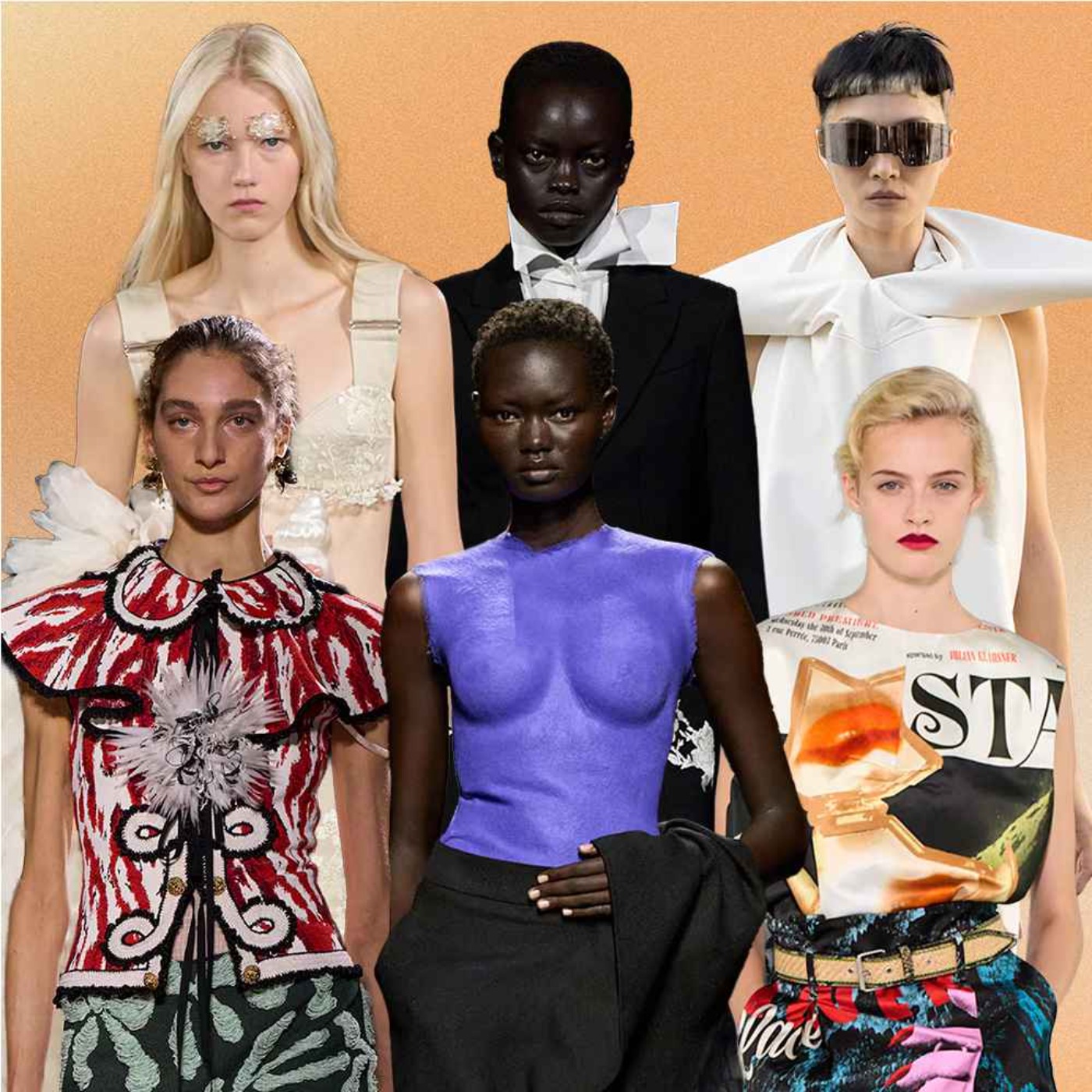 How Independent Thinking Powered the Spring/Summer 2027 Shows | Tim Blanks, editor-at-large at The Business of Fashion, joins Imran Amed for their seasonal review of the Spring/Summer 2027 shows. In London, Simone Rocha and Erdem delivered what Blanks calls career heights, and Christopher Kane made his debut at Mulberry, which brought the label back to the London schedule. In Milan, Demna presented his third show for Gucci, and Miuccia Prada and Raf Simons built Prada’s collection almost entirely around the skirt. In Paris, Anthony Vaccarello staged his final show for Saint Laurent, a collection built around gold. Kering confirmed his departure on Oct. 9.But the thread Blanks and Amed kept coming back to was bigger than any one show. In an industry dominated by giant groups trying to meet quarterly targets, there is a renaissance of independent designers and independent thinking. Blanks says independence is the theme he expects to return. He describes fashion at its best as an “individual idiosyncratic statement, this passion, and that applies not just to the designers but to the people who sell the designers.” Amed adds that independent stores around the world are looking for designers who offer something customers can’t find everywhere.Key Insights:London finds its feet again: Blanks saw two of the city's established names reach new heights. "I saw designers who are really part of the establishment, like Simone Rocha and Erdem, who reached career heights," he says, pointing to a mood of "anything goes, reckless" confidence. "I thought Erdem's show had a particularly wanton quality that was quite enthralling ... you do feel a volcanic force building sometimes, and in this show there was just this explosion of subversive energy."Demna's Gucci moment: After two seasons spent researching the house, Blanks felt Demna's third Gucci collection finally delivered clarity. "I really liked this show," he says, noting the designer "explored all those different elements — that hyper-bourgeois element, the Tom Ford element ... he really needed to find his way through Gucci." Prada doing Prada: Miuccia Prada's return to the main collection, built around 63 skirts and her own maxim — "the skirt is my T-shirt" — struck Blanks as a necessary reassertion rather than a retreat. "It totally resonated with me as a reflection of her golden era ... I felt it was a necessary reassertion. I think that anyone who loves Prada would love this collection."Rick Owens' new alchemy: Owens' Paris show marked a genuine shift for a designer whose idea of beauty is usually challenging. "This time, it was beautiful," Blanks says. "Those gowns at the beginning — they were woven from seatbelt material ... he is like an old-time alchemist, making extraordinary things out of actually quite banal things."Saint Laurent's gilded goodbye: Witnessing Anthony Vaccarello's final show after 10 years at the house, the collection was built entirely around gold. "This is his farewell to Saint Laurent ... the single-mindedness of his vision is quite overwhelming. It's imperial fashion," Blanks says. "The clothes were like a coronation."Chanel as "an Act of Faith": Matthieu Blazy's Chanel collection led Blanks to a bigger point about belief and independence inside a giant, privately-held house. "Fashion is an act of faith," he says. "It's something that people have to believe in for it to work ... [criticism] destroys the illusion." He frames Blazy's process as fundamentally independent: "The sheer joy in the making ... that's kind of really independent thinking. You know, when he says, 'I want something that's unknittable,' and comes up with knittable sequins."Additional Resources:Miuccia Prada: Future-Proofing a Fashion DynastyChristopher Kane Opens New Era at Mulberry Satoshi Kondo: Crafting Issey Miyake’s Comeback Hosted on Acast. See acast.com/privacy for more information. | 1h 08m 40s | ||||||
| 10/7/26 |  The Verdict on Luxury Fashion’s Designer Reset | Fashion's biggest wave of creative-director musical chairs is now a year or so in, and the early read is starting to emerge. Over a dozen major houses have brought in new leadership, and while the broader luxury market is still sluggish, the areas designers can actually move — product, image, storytelling — are showing real signs of life. On a global scale, Chanel is seeing an immediate commercial payoff under Matthieu Blazy, Gucci looks to be stabilising under Demna, and at Dior, Jonathan Anderson's vision is starting to take shape.In this episode, senior correspondent Sheena Butler-Young is joined by BoF's Chief Luxury Correspondent Robert Williams, who has spent the last few weeks on the ground in Milan and Paris covering the shows. Williams runs through the designer reboots at Chanel, Gucci, Dior, Celine, Loewe, Givenchy, Balenciaga and Saint Laurent — and separates the resets that are paying off from the ones still searching for a formula.Key Insights: Williams calls Chanel's revamp under Matthieu Blazy the standout of the cycle, with sales up around 16 percent in the first half of the year. "It's very easy to understand, to digest. It's very visually him, it's very Chanel," he says. The house’s next challenge, Williams says, is balancing the consistency Blazy has established with newness and innovation: :"There needs to be some kind of a formula... at the same time, they need to always make sure they're investing in having new ideas."After a polarizing debut in February, Demna's September show for Gucci clicked. "He was able to bring what he's really good at, which is documenting the way people dress in real life," Williams says, though he's candid that the product left a bit more to be desired: "I'm not sure that the product has caught up with the vision... the collection still has a little bit of a ways to go."At Dior, Jonathan Anderson has sharpened the brand's image quickly, but the clothes are proving trickier to land. Where previous collections felt overcomplicated to some, he sees progress this season: "It felt more cohesive to me and it felt refreshingly just pretty."At Celine, Michael Rider has taken a more evolutionary approach to the house after Hedi Slimane. Williams says Rider has brought “something looser, more playful … a bit more of a focus on design.” Loewe’s JackMcCollough and Lazaro Hernandez, meanwhile, also resisted a wholesale reinvention after Jonathan Anderson: “They've managed to keep the brand pillars going, but rather than the focus being so much about innovation and intellect, they've moved it to the body, to the senses,” Williams says.At Balenciaga, as reports mount that Pierpaolo Piccioli could already be on the way out, Williams argues the house got its strategy inverted: "They kept a lot of the merchandising plan, but they changed the message, the values."At Saint Laurent, with Anthony Vaccarello reportedly exiting after nearly a decade of laser-focused vision, Williams calls it one of the most compelling stories to watch: As luxury fashion became obsessed with relatability and lifestyle, “Vaccarello was running in the opposite direction" The opportunity, and the risk, lies in broadening that identity: "How to build on that without upsetting the apple cart is going to be really risky but also hugely interesting to watch."Additional Resources:Fashion’s Designer Reset (Kind of) Worked | BoFLuxury’s Mid-Year Review | BoFHas Demna Solved Gucci’s Identity Crisis? | BoF Hosted on Acast. See acast.com/privacy for more information. | 36m 52s | ||||||
| 10/2/26 | 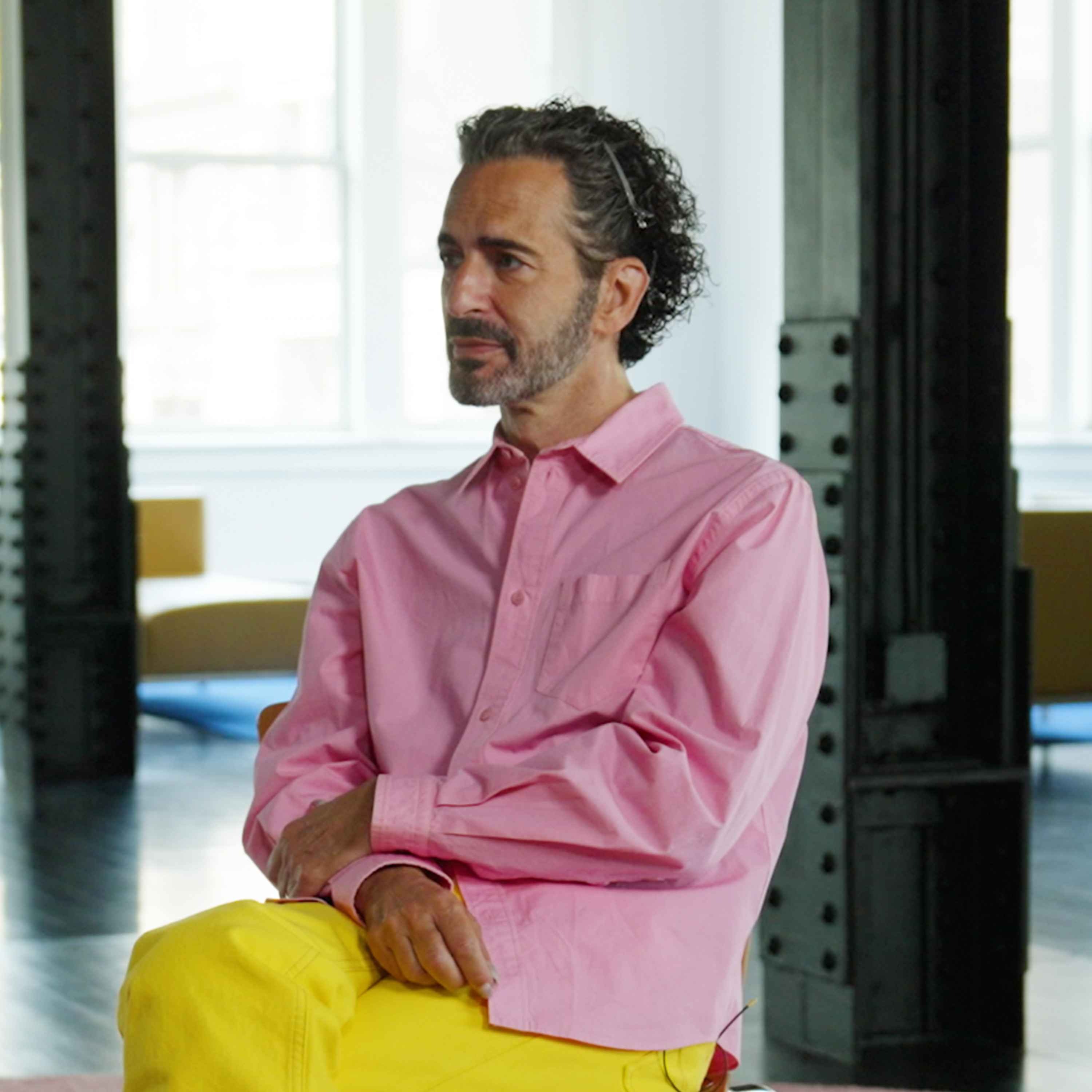 Marc Jacobs: 'I Don't Think That The Creative Is to Blame' | Today, we introduced The BoF 500 Class of 2026: 100 new members added to our ever-growing index of people shaping the global fashion industry. This year’s BoF 500 cover stories feature Miuccia Prada, Marc Jacobs, Givenchy’s Sarah Burton and Issey Miyake’s Satoshi Kondo, examining the ineffable creative quotient that turns clothes into things of desire.But creativity is just one part of the fashion equation. It is not something managers can simply turn on like a light switch. Designers also need sufficient time and resources, and teams that know how to translate their visions into commercial products — not to mention the best factories, strong retail networks and so on — to make a fashion business tick.Recently, Marc Jacobs has been grappling with some big changes at his namesake brand, opening a new chapter under new owners WHP and G-III which closed a deal to acquire the Marc Jacobs business from LVMH in September.Over the summer, Jacobs met with BoF contributor Eric Wilson in New York to discuss life after LVMH — and whether he can work with his new business partners without losing his soul. The full story is out on BoF on Oct. 7.After the cover shoot, Jacobs sat down with Imran Amed to talk about what’s next for his business and reflect on the ongoing fashion slump. “What I see is a bunch of non-creative people thinking that this all hangs on a creative person,” Jacobs says. “And I think it's just a big mistake.”Key Insights:The LVMH ceiling: Jacobs is candid that LVMH's backing came with a ceiling. “We might have a tote bag that's successful and we might have our show that's been applauded … [but] LVMH was not going to open stores or pour money into this place,” he says. Under his new owners WHP and G-III, he sees uncertainty paired with possibility: “There's an opportunity for something to change and grow, which certainly wasn't the case if we remained at LVMH. It would have just been a maintenance program, which is all that's really been in the past decade plus.”Changing the designer as a fix: Asked about last year’s wave of creative changes across the industry, Jacobs pushes back on the idea that just swapping out a designer fixes everything. “You can put a different logo over a designer's head or you can change the store that clothes are available in, but there’s an exhaustion, I think, from all of this stuff. And I don't know that the world even knows who's where at any given point,” he says.Instinct over advice: Jacobs resists offering advice to emerging designers, instead emphasising lived experience: “You do your best to trust your instincts and to go with your instincts in the gut ... I've been up and down and out, and I just never lose this desire to make things and be a part of this fashion world.”Additional Resources:Marc Jacobs | BoF 500 | The People Shaping the Global Fashion Industry Introducing The BoF 500 Class of 2026 Miuccia Prada, Marc Jacobs, Sarah Burton and Satoshi Kondo Are 2026’s BoF 500 Cover Stars Marc Jacobs Approaches a New Era Hosted on Acast. See acast.com/privacy for more information. | 17m 24s | ||||||
| 9/30/26 |  Luxury’s Italian Supply Chain Reckoning Isn’t Over | In 2024, Milan prosecutors uncovered sweatshop-like conditions within the Italian supply chains of major luxury brands, revealing that workers faced degrading living conditions, low pay, and 15-hour workdays. Nearly two years later, despite brands strengthening internal controls, increasing audits, and restricting subcontracting, labour groups report little fundamental change on the ground.This week, BoF’s Sarah Kent and Sheena Butler-Young explore whether the luxury sector's response has addressed the root causes of this exploitation, or merely added layers of compliance to the same flawed business model.Key Insights:Luxury’s supply chain problems are structural, not isolated. The 2024 investigations exposed more than a handful of bad factories. Kent says exploitative suppliers had become an “open secret” within parts of Italy’s manufacturing ecosystem, enabled by a fragmented supply chain and commercial pressure for low prices, speed and flexibility. “Everyone knows, no one tells because it is convenient to have them exist,” says Kent. “At its heart, when you really press people, they say it’s because of the price brands are willing to pay for products and the speed and flexibility at which they want them produced.”Brands have tightened oversight but audits are creating new pressure on suppliers. Luxury companies have increased inspections, consolidated suppliers and restricted subcontracting. But because each brand often uses a different audit system, manufacturers can face overlapping checks and conflicting requirements at a time when margins are already under pressure. “It’s a time cost, a financial cost, and a big burden to have this quite diversified system of audits that’s hitting suppliers at the moment,” Kent says.Despite tighter controls, there is little evidence that conditions have meaningfully improved for workers. According to Kent, labour groups report little change on the ground, while the luxury slowdown and falling orders are adding more pressure to manufacturers. “ From what I understand from labour groups, there is not a sense that a huge amount has changed on the ground, and I think that's partly because it's quite a complex situation that isn't only linked to luxury supply chains,” Kent says. Without changes to commercial practices that shape working conditions, improvements could remain limited.Compliance alone cannot fix the economics that helped create the problem. For years, luxury positioned craftsmanship, quality and responsible production as part of what justified premium prices. The investigations exposed significant blind spots in that narrative, particularly where brands knew which factories were producing their goods but focused on product quality rather than labour conditions. “It is very interesting to me that for luxury in particular, which has long spoken about issues of labour abuse or environmental degradation as being a fast fashion issue, to have such apparent blind spots when it comes to its own supply chain,” Kent says.Industry-wide solutions remain limited by fragmented standards and voluntary participation. Efforts such as the Milan Protocol aim to create common standards and a database of vetted suppliers. But participation remains voluntary and limited geographically, while brands have struggled to align around a single auditing framework. Kent questions: “If everyone’s not on it, and everyone’s not using it, and they don’t have to be on it and they don’t have to use it, how useful is it?”Additional Resources:Has Fashion Fixed Its Italian Supply Chain Problems? | BoF Inside Luxury’s Italian Sweatshops Problem | BoF Is Luxury Finally Set for a Sustainability Reckoning? | BoF Hosted on Acast. See acast.com/privacy for more information. | 26m 40s | ||||||
| 9/25/26 | 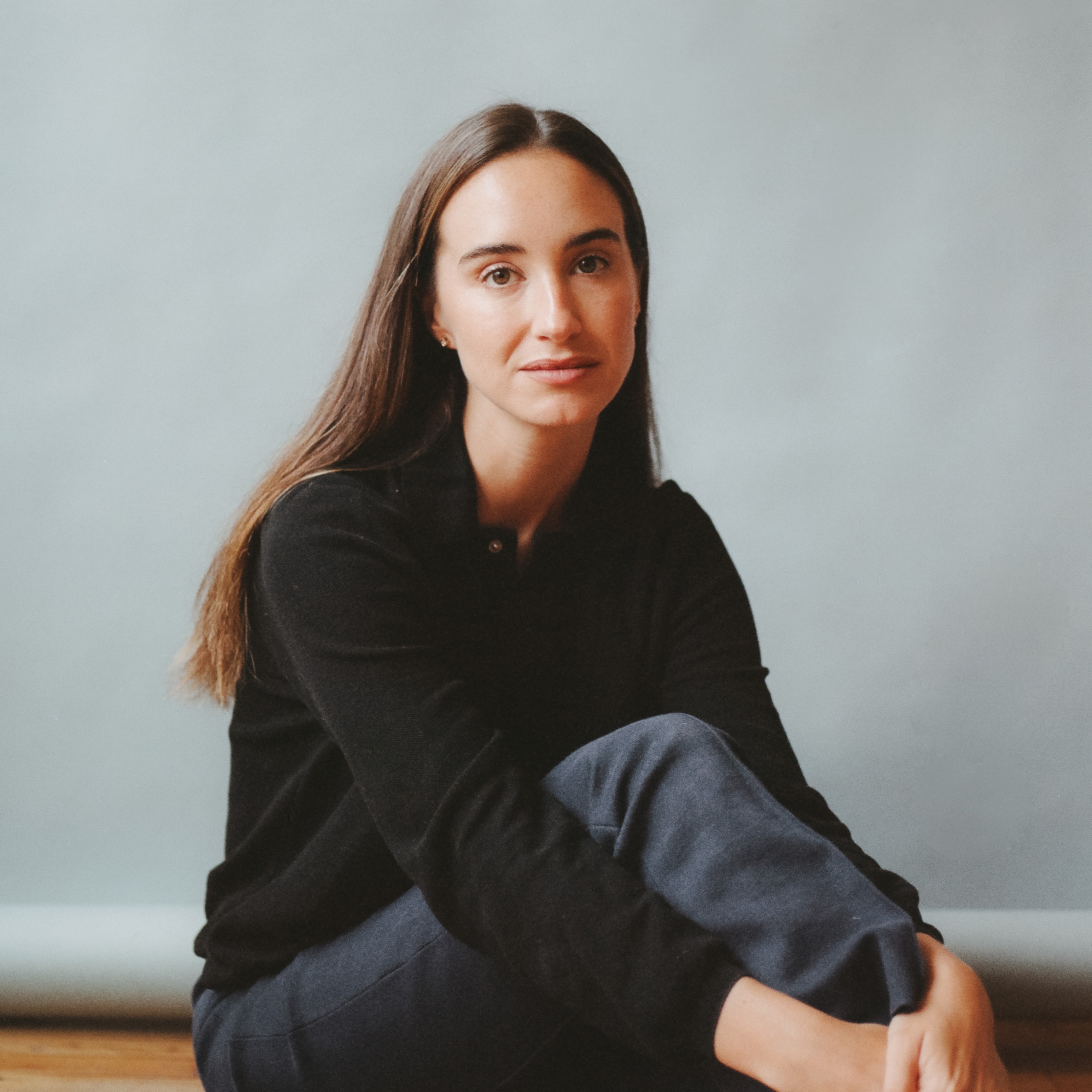 Feed Me's Emily Sundberg on How Fashion Underestimates Its Customers | Every weekday morning, a certain slice of New York opens the same e-mail. Lawyers, bankers, editors, restaurateurs: some of the city's most plugged-in people read Feed Me, the daily newsletter written by Emily Sundberg.In a few short years, Sundberg has turned a newsletter she started at her desk into one of the most talked-about new media publications in New York. She has built it herself, with a paywall from day one and no outside investors. Feed Me now includes contributing columnists, reader events, merchandise and a podcast.Her readers are exactly the people fashion brands are trying hardest to reach: smart, sceptical and very aware of how they are being marketed to. That makes Sundberg one of the sharpest outside observers of the industry today."I just never underestimate how clued in and informed my audience is, and I never want to speak down to them."Sundberg joins Amed to talk about building a media business on instinct, and capturing the attention of fashion's most sought after customers.Key Insights:Fashion's customers know exactly how they are being sold to: Sundberg notes that when a strong campaign lands on Instagram, the compliment is increasingly about the marketing itself. "They're in on the bit. They know that they're being sold to," she says. She tells brands to stop recycling the same models and copy, and to assume every campaign will be "dissected, potentially dunked on, on X or Substack or Instagram."Pushing a single product can backfire: Sundberg has noticed brands putting all their marketing behind one hero item, such as J.Crew's pink shrunken sweater or a Free People coat she saw 20 women promoting on her feed. "Why would I want to buy that coat if you're pushing it so hard?" she says. Sundberg cites shoppers booking flights to buy Chanel's new collection as "the best case scenario."Menswear is how fashion reaches readers who don't work in it: "Almost half my readers are men," Sundberg says, and many of them "actually geek out a lot about how they get dressed every day." Her male readers follow how their favourite clothing companies have changed through bankruptcies, investments and new creative directors. "There's a way to talk about fashion and style to non-fashion people," she says. "And that has become really important."Fashion media lacks the independent, authoritative voices that other fields have: Sundberg has trusted experts for restaurants, tech and books, but says: "I don't feel like I have as many of those voices right now in fashion." She worries that people starting Substacks and podcasts aren't being edited. When Amed says fashion media sits too close to the brands it covers, she agrees that too much of it runs on the "same press releases" and is "scared of advertisers."Three Books Emily Sundberg Recommends:Scribble Scribble: Notes on the Media, by Nora EphronThe Official Preppy Handbook, by Lisa BirnbachThe Shards, by Bret Easton Ellis Hosted on Acast. See acast.com/privacy for more information. | 1h 02m 11s | ||||||
| 9/24/26 |  Fashion’s Latest Obsession: The Grocery Store | Fashion brands have long used cafes, restaurants and hospitality to sell a broader lifestyle. Increasingly, they’re looking to a less obvious partner: the gourmet grocery store. From branded smoothies and limited-edition tote bags to run clubs, labels are tapping destinations such as Erewhon, Happier Grocery and Meadow Lane to reach consumers in the course of their everyday routines. The draw is clear: these spaces sit at the intersection of food, wellness and community, while offering a highly-sensory environment for brand storytelling. But as more labels pile in, the challenge is making sure these collaborations amount to more than an expensive Instagram moment.In this episode, senior correspondent Sheena Butler-Young is joined by BoF marketing correspondent Haley Crawford to discuss why fashion is moving into the grocery aisle and what brands need to do to get it right.Key Insights: Tie-ups between gourmet grocers and beauty predate today's boom. Erewhon laid the groundwork with early influencer- and celebrity-driven partnerships — including Hailey Bieber's strawberry glazed smoothie in 2022 — while British handbag label Anya Hindmarch has made custom grocery totes for Waitrose and Daylesford for years. Now, Crawford says, "gourmet grocery has just grown so much that there's a much larger sandbox for brands to play in."Crawford is skeptical that grocers are fertile ground for genuinely new fashion products. The more successful tie-ups — like On's long-term Erewhon partnership, which paired a running shoe capsule with a run club and a co-branded recovery juice — use the grocer to market products the brand already has. "This is where brands might have more success than trying to force a raffia skirt that has nothing to do with the brand or the grocer," she says. "It really has to lend itself well to the universe of the grocery store." For most brands, Crawford says the value of these collabs is primarily top-of-funnel – offering marketers a path to connect with customers who may not be ready for a major fashion purchase If they're not ready to shell out $500 for a handbag, they can definitely afford a $15 smoothie," she explains. "That can be something of a revenue driver, but it more so gets them into the funnel and drives that loyalty and brand awareness." In many cases, brands are borrowing "wellness halo" from these stores, Crawford says. But she warns the format risks becoming generic as more brands pile in: "We've seen it with every brand launching their own café... brands need to be wary of that as they tread into the space so it doesn't just become another hot new trend that they're jumping on."The strongest partnerships hinge on genuine identity overlap and understanding a grocer's specific capabilities — whether that's Meadow Lane's ability to whip up custom menu items like a trout dip for Dairy Boy, or Happier Grocery's built-in cafe setup, which let fashion brand Nanushka import its own cafe concept to New York. Prada Beauty took a different route entirely, partnering with local design agencies to stage market takeovers in cities like Milan for its Prada Spring Market. . Crawford's takeaway: brands should ask "what can these grocers offer to me?" before chasing the trend.Additional Resources:How Hotels Became Fashion's Most In-Demand Partner | BoFErewhon Is Coming to New York With a Smoothie Bar | BoF Hosted on Acast. See acast.com/privacy for more information. | 22m 41s | ||||||
| 9/18/26 | 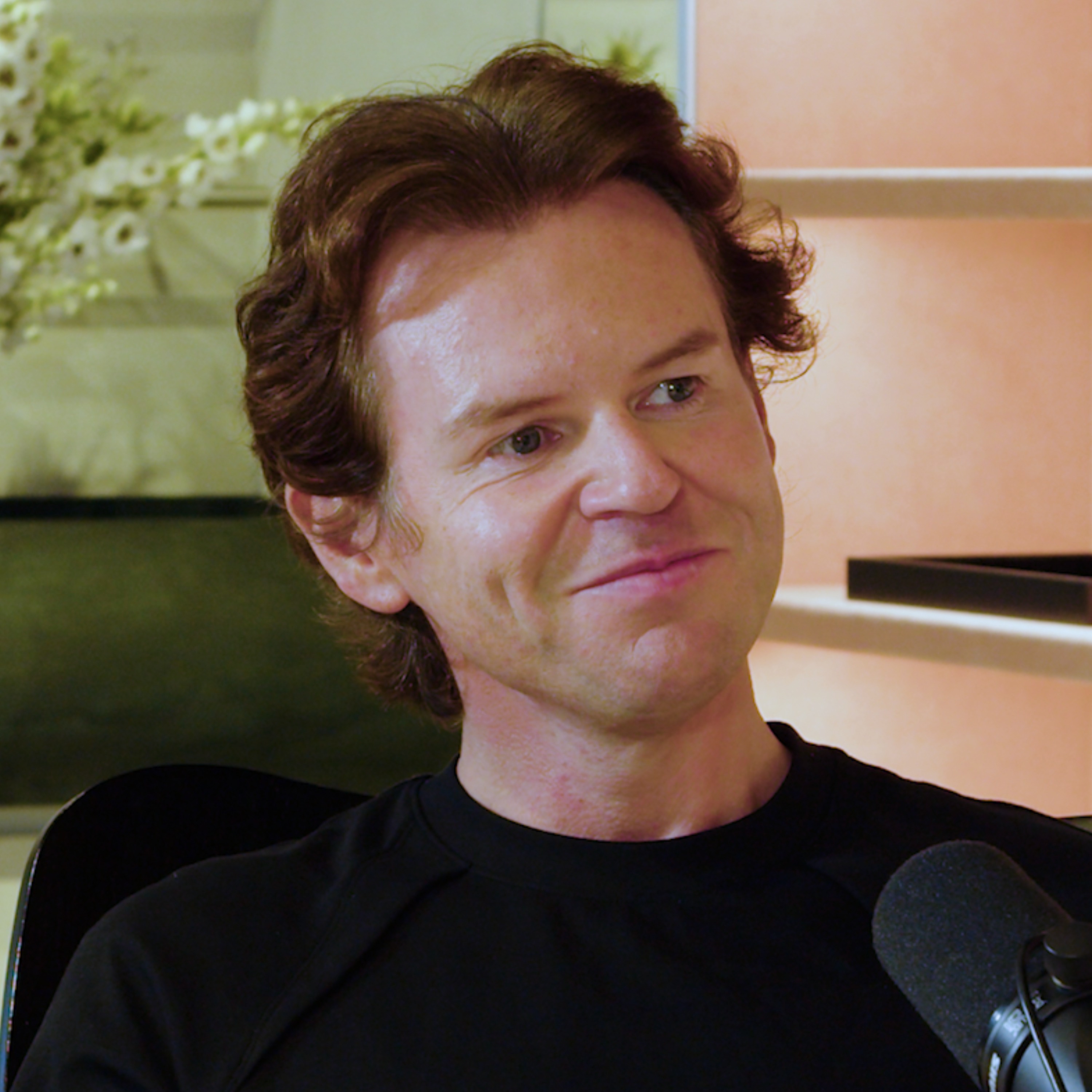 Christopher Kane: Mulberry’s Heritage Is a Foundation, Not a Limitation | In 2023, Christopher Kane did what no independent designer ever wants to do. He closed the label he had spent 17 years building with his sister, Tammy Kane. This was the man who put rubberised lace on the runway, who cut up saddle leather on a domestic sewing machine, and who found his ideas in the least obvious places.This Sunday, Kane returns to London Fashion Week as Mulberry’s creative director of womenswear.It's an unlikely pairing. Mulberry means Somerset leather, country houses and the bags everyone remembers from the brand’s buzzy Alexa Chung years. Kane’s world has always been more subversive: Catholic school uniforms, the strong women who raised him in Motherwell and the "bad, cool girls" who have run through his work for two decades. But Mulberry needs something new. Two years ago, it was fending off a takeover bid, cutting nearly a quarter of its corporate roles and seeing sales slide. Under chief executive Andrea Baldo, Mulberry is rebuilding itself around Britishness and craft, and there are early signs it's working. Sales rose 23 percent in the first quarter of this financial year. Kane’s first fashion show is the next and most visible test of that strategy. He sees the job as an extension of his idiosyncratic design sensibilities.A few days before the show, Kane sat down with BoF's editor-at-large, Tim Blanks, who has followed his work since the beginning. They talk about the axe in his Instagram teasers and what his years away from fashion has taught him.Key Insights:Pruning your work as a design philosophy: Kane has been posting images of an axe chopping a tree ahead of the show — a reference, he says, to arboriculture and to his own process. "I have been editing heavily and pruning, as you would say, to fine-tune this really clear message, but also having a blade-like precision," he says. "I think I've learned over 20 years in the business, of really having a heavy edit and just always trying to be precise."Mulberry’s mix of Britishness: Mulberry was never a status bag where Kane grew up; it was a football casual brand. Long before Alexa Chung and the brand's golden moment, Kane knew Mulberry as one label among many worn by football casuals in Motherwell. "Mulberry was definitely present when I was growing up, but it wasn't the obvious bag," he says. "It was the rugby shirt or the football T-shirt" — worn alongside labels like Burberry as "an amalgamation of street culture, youth culture."A failed business teaches you things a successful one never will: Kane is candid about what the two years since his label's closure gave him. "That time off really gave me perspective into what I really wanted in life," he says. "The highs are there, but they're very short-lived. And the lows are there, and they're also short-lived." He's blunt, too, about an industry that rarely acknowledges its casualties: "No one ever sees that, what designers and creatives go through, because it's a tough game, but for some reason we're truly addicted to it and we love it."Every collection is autobiography: Kane says the Mulberry collection carries the same personal references that defined his own work — Catholic school uniforms, the "bad, cool girls" of his Motherwell childhood, the women in his family who raised him. "Every collection I've done has always been a bit of an autobiographical look to my life or my childhood," he says. Additional Resources:Is London Fashion Week Back in Action? | BoFChristopher Kane Joins Mulberry to Power Ready-to-Wear Relaunch | BoFMulberry Quarterly Sales Jump 23% as Turnaround Gathers Pace | BoF Hosted on Acast. See acast.com/privacy for more information. | 33m 29s | ||||||
| 9/16/26 |  Can Fashion Sell a New Generation on Trade Jobs? | Behind every luxury handbag, bespoke suit and couture gown lies an intricate value chain powered by skilled artisans. But as master craftspeople retire without successors, fashion faces a growing shortage of skilled workers — US tailoring employment has fallen roughly 30 percent over the last decade. Nordstrom, North America's largest employer of tailors, is funding tailoring programmes at FIT and Seattle Central College with another planned at ASU FIDM. The effort is aimed at rebuilding that pipeline at a moment when skilled trades more broadly are enjoying renewed interest from young people questioning the value of a four-year degree.In this episode, Sheena Butler-Young is joined by BoF Commercial Features Editor Dan Hastings to explore why fashion’s skilled-trades pipeline has thinned, what the industry is doing to rebuild it, and whether rising tuition costs and anxiety around AI have created a new opportunity to sell young people on these careers. Key Insights: As Hastings sees it, today’s shortage reflects decades of consolidation and the shift of more luxury manufacturing outside traditional fashion capitals. In his view, the industry failed to invest enough in training the next generation of skilled craftspeople, leaving many expert artisans nearing retirement with too few successors in the pipeline. The industry, he says, "kept the offices in the West... but we didn't really train that next generation of handicraft people.”Fashion has long heralded the creative director while overlooking the production side. Hastings argues the industry " venerates the creative director" as its "rock stars," while the people making the clothes remain invisible — a visibility gap that can be compounded, particularly in more junior roles, by pay that doesn’t always reflect the skill required.Apprenticeship programmes tend to cluster around established luxury hubs, leaving many young people unaware these careers are even an option. Hastings argues that interest is there when people know where to look: “It all comes down to knowing that these programmes exist.” But information about apprenticeships, scholarships and bursaries doesn’t always reach prospective workers.Short courses can make trade careers look deceptively fast to enter, but true mastery takes decades. Hastings notes that at some fashion houses, reaching the highest levels can require decades of experience, warning that for a generation “raised on instant gratification,” the long runway between entering the trade and reaching real earning power can be a tough sell.While AI may automate some patternmaking functions, Hastings insists it can't touch the artistry of haute couture. He recalls the tradition of embroidering a strand of hair into a Chanel wedding gown for good luck — “that kind of magic doesn't really happen with AI” — arguing luxury houses will have no choice but to keep investing in training if they want to justify their prices on craftsmanship.Additional Resources:Can AI Ignite a New Generation of Fashion Tradespeople? | BoFFashion's Craftsmanship Challenge | BoFFacing a Shortage of Luxury Artisans, LVMH Seeks Apprentices in the US | BoF Hosted on Acast. See acast.com/privacy for more information. | 28m 48s | ||||||
| 9/13/26 |  Why Colleen Allen Turns Away Retailers That Won't Pay Deposits | Colleen Allen learned to sew sitting on her grandmother's lap, holding the fabric while her grandmother worked the pedal. Growing up in the Midwest, far from the industry, she found her way in through magazines, fashion blogs and old McQueen shows on YouTube.Allen studied menswear at Parsons, moved to London for a semester abroad at Central Saint Martins and asked to stay on to complete her degree. She landed her first job designing menswear at The Row but then something shifted. She decided to venture out on her own and create a womenswear label in 2024. Since then, Allen says the business has grown by triple digits year over year, with no outside investment and no full-time team other than herself. So how did she do it?This week on The BoF Podcast, Allen joins BoF founder Imran Amed to talk about the making of a womenswear label, the discipline behind self-funded growth and what she's building next. This conversation was recorded ahead of the LVMH Prize final in Paris, where Allen was one of nine finalists.Key Insights: A blog-era education: With no connections to the industry, Allen taught herself fashion through magazines, hand-me-downs and, later, fashion blogs. She describes Alexander McQueen's Plato's Atlantis livestream as a formative moment: "It just totally blew my mind that there was still something to be discovered and something new and something transformative."Advocating for herself at Central Saint Martins: After a single semester abroad, Allen asked to stay at CSM and was told no. "I thought, no, I'm going to figure it out. I'm going to find a way to stay," she says — and by the end of the year, the head of menswear invited her to remain in the programme.Leaving menswear to design for her own body: After years designing menswear at The Row, Allen realised she had "no connection to my femininity, to my body" — and that the only way to process that was through her own work. "The only way I was going to be able to create that space for myself and my sort of own becoming into myself was to be creative, to work through fashion," she says.Disciplined cash flow management : Entirely self-funded, Allen has grown her business by only working with retail partners willing to pay a deposit upfront — even if it means turning some away. “We are really only working with people on a deposit basis. Otherwise it's impossible. And so I'm very grateful that within the current retail clients, people have been accommodating for those terms because it's the only way it works.” she says.Building a world, not just a product: Looking ahead, Allen wants to reinvest wholesale revenue into her direct-to-consumer business while continuing to expand the creative universe around the brand — campaign imagery, casting and, eventually, a runway show. "It's about bringing people into the world and creating more than just the product, but like who our woman is," she says. Two Books Colleen Allen Recommends: Red Comet by Heather Clark Gods and Kings by Dana Thomas Additional Resources:What to Look Out for at New York Fashion Week | BoFLVMH Announces Young Designers’ Prize Semifinalists for 2026 | BoFNew York Fashion Week’s Identity Crisis | BoF Hosted on Acast. See acast.com/privacy for more information. | 46m 45s | ||||||
| 9/9/26 | AI in fashionconsumer behavior+3 | Diana PearlMarc Bain | The Business of Fashion | — | fashionAI+6 | — | 18m 36s | ||
| 9/4/26 | fashion historyJapanese culture+4 | W. David Marx | The Business of FashionAmetora+1 | TokyoShibuya+1 | fashionluxury+6 | — | 59m 44s | ||
| 9/2/26 | beauty industry trendsconsumer spending+4 | Daniela Morosini | CeraVeLa Roche-Posay+5 | — | beauty growthconsumer behavior+4 | — | 27m 24s | ||
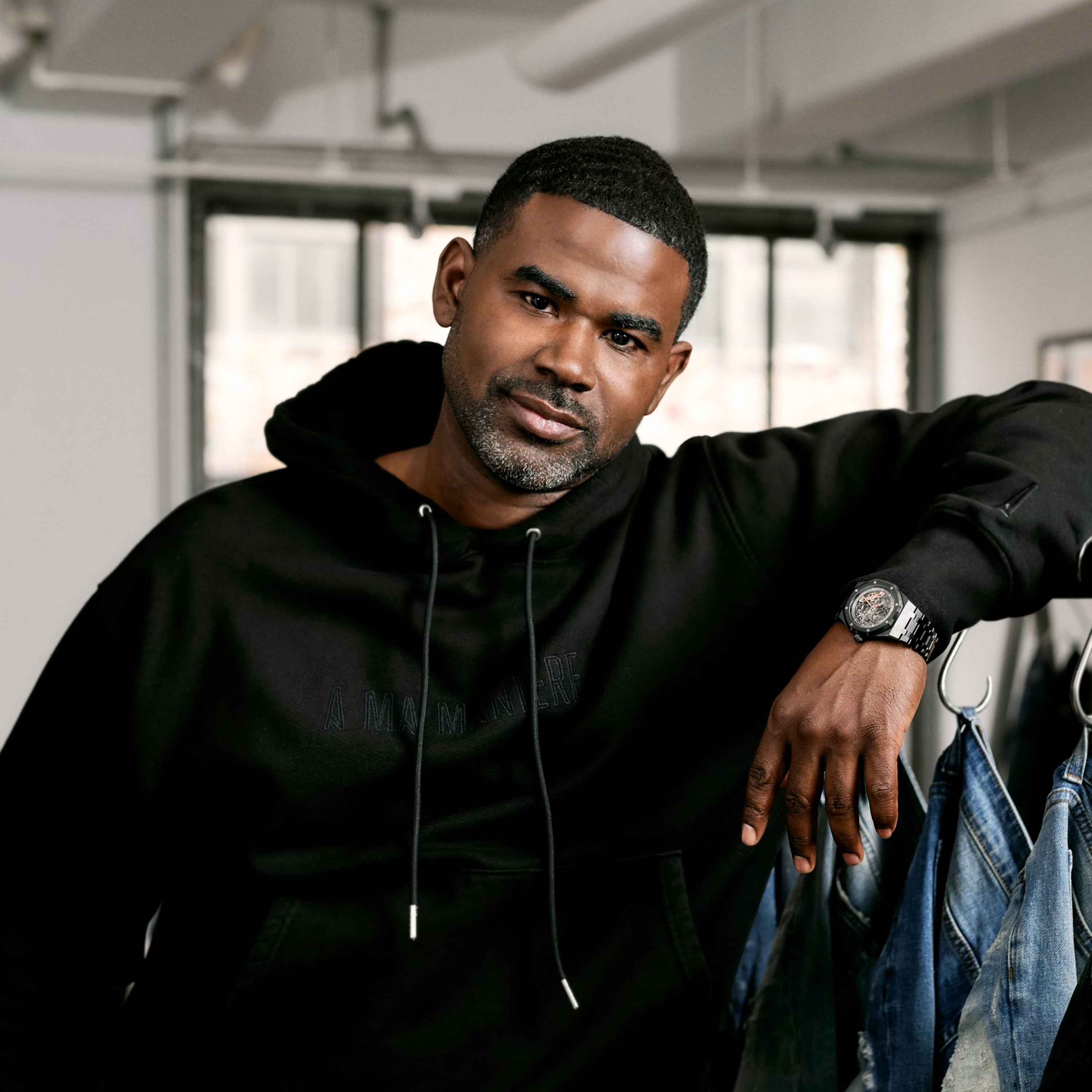
| 8/28/26 | retailcommunity development+3 | James Whitner | A Ma ManiéreThe Whitaker Group+1 | PittsburghUS | retailcommunity+5 | — | 40m 19s | ||
| 8/26/26 | upcyclingfashion industry+3 | Shayeza Walid | LVMHCoach+2 | — | upcyclingfashion+5 | — | 28m 24s | ||
| 8/21/26 | AI in fashionphotography+3 | Nick Knight | The Business of FashionMeta | — | AIfashion+5 | — | 39m 09s | ||
| 8/19/26 | influencer marketingsocial media trends+3 | Diana Pearl | TikTokInstagram+2 | — | influencerfollower count+6 | — | 23m 25s | ||
| 8/14/26 | designinterior design+3 | Kelly Wearstler | H&M HomeMilton Glaser+1 | Myrtle Beach, South Carolina | design educationinterior design+3 | — | 57m 11s | ||
| 8/12/26 | retailindependent retailers+4 | Cathaleen Chen | The Business of FashionMatches+1 | BrooklynShanghai+2 | fashion storesretail+6 | — | 31m 31s | ||
| 8/7/26 | independent retailfashion+3 | Chris Green | BoFVen. Space+1 | BrooklynCarroll Gardens | independent retailersphysical retail+3 | — | 49m 11s | ||
| 7/17/26 | body positivitydiversity+4 | Paloma Elsesser | Business of Beauty Global ForumThe Business of Fashion | — | body carerepresentation+5 | — | 22m 08s | ||
| 7/15/26 | direct-to-consumerretail landscape+4 | Diana Pearl | EverlaneGlossier+5 | — | DTCventure capital+4 | — | 27m 17s | ||
| 7/10/26 | Haute CoutureFashion Trends+4 | Tim Blanks | ChanelDior+1 | ParisMusée Rodin | Haute CoutureChanel+8 | — | 57m 27s | ||
| 7/9/26 | luxury shoppingemotional connection+3 | Robert Williams | The Business of Fashion | — | luxuryshopping+4 | — | 31m 53s | ||
| 7/3/26 | entrepreneurshipfragrance+3 | Mona Kattan | Huda BeautyKayali+2 | Napa Valley, California | Mona KattanKayali+5 | — | 24m 45s | ||
| 7/1/26 | Nike World Cup campaignfootball and culture+3 | Helena ThorntonMike Syke | Nike | USCanada+1 | NikeWorld Cup+7 | — | 48m 46s | ||
| 6/26/26 | health intelligencewearable technology+5 | Tom Hale | OuraThe Business of Fashion | Napa Valley, California | Ourahealth intelligence+7 | — | 29m 34s | ||
| 6/24/26 | activewearconsumer behavior+3 | Cathaleen Chen | LululemonNike+3 | — | activewearLululemon+7 | — | 24m 59s | ||
| 6/17/26 | fashionbooks+3 | Haley CrawfordShayeza Walid | The Business of FashionBookTok | — | fashionbooks+4 | — | 25m 40s | ||
| 6/12/26 | creativityhope+3 | Anoushka Shankar | BoF VOICES | — | Anoushka Shankarcreativity+4 | — | 23m 46s | ||
| 6/10/26 | GLP-1 drugsfashion industry+3 | Diana PearlBrennan Kilbane | OzempicWegovy+2 | — | GLP-1Ozempic+5 | — | 31m 17s | ||
| 6/5/26 | fashion designbusiness development+3 | Conner Ives | Central Saint MartinsNet-a-Porter | Bedford, New York | Conner Ivesfashion business+3 | — | 54m 04s | ||
| 5/29/26 | fashion imagerysubculture+4 | Carlos Nazario | American VogueW magazine+1 | QueensNew York+1 | fashion mediasubculture+6 | — | 1h 19m 24s | ||
| 5/22/26 | luxury fashioncreativity+3 | Leena NairMatthieu Blazy | ChanelBottega Veneta+1 | Soho Farmhouse | ChanelMatthieu Blazy+5 | — | 51m 09s | ||
| 5/20/26 | collaborationluxury watches+4 | Cathaleen ChenMimosa Spencer | Royal PopSwatch+1 | Times SquareDubai | SwatchAudemars Piguet+7 | — | 21m 33s | ||
| 5/15/26 | luxury industrygeopolitical volatility+4 | Jonathan WingfieldLuca Solca | System MagazineBernstein+1 | — | luxury growthChinese market+4 | — | 1h 15m 48s | ||
| 5/13/26 | marketing strategiesbrand engagement+3 | Priya RaoRachael Griffiths | LancômeColourPop+1 | — | rage baitbrand equity+3 | — | 20m 21s | ||
| 5/12/26 | bankruptcyretail strategy+3 | Geoffroy Van Raemdonck | Saks GlobalSaks Fifth Avenue+2 | — | Saks Globalbankruptcy+7 | — | 1h 04m 09s | ||
| 5/8/26 | fashion legacyavant-garde designers+3 | Mandi Lennard | BrownsComme Des Garçons | — | Joan BursteinBrowns+3 | — | 41m 42s | ||
| 5/6/26 | AI in fashionconsumer sentiment+3 | Marc BainHaley Crawford | ChatGPTClaude+1 | — | AI backlashfashion industry+3 | — | 30m 12s | ||
| 4/30/26 | fashion transitioncraftsmanship+3 | Dries Van Noten | The Business of Fashion | VenicePalazzo Pisani Moretta | Dries Van NotenVenice+5 | — | 44m 52s | ||
| 4/29/26 | retaildigital strategy+4 | Sheena Butler-YoungAustin Kim | Ven. SpaceDot Reeder | — | retailersinternet+4 | — | 25m 17s | ||
| 4/24/26 | luxury industryinterior design+3 | Britt Moran | Dimore Studio | MilanNorth Carolina | luxuryinterior design+5 | — | 43m 57s | ||
| 4/22/26 | luxury marketcreative directors+4 | Mimosa SpencerRobert Williams | DiorGucci+2 | ChinaMiddle East | luxurysales rebound+7 | — | 36m 51s | ||
| 4/17/26 | luxury fashionconsumer behavior+4 | Ermenegildo Zegna | LVMHKering+3 | Washington | luxuryfashion industry+5 | — | 36m 20s | ||
| 4/15/26 | Nikebusiness strategy+3 | Sykes | Nike | — | NikeElliot Hill+5 | — | 26m 27s | ||
| 4/10/26 | fashion industryluxury+4 | — | ChanelDior+2 | — | fashionluxury+5 | — | 51m 27s | ||
| 4/8/26 | sustainabilityfast fashion+3 | Leyla Ertur | H&M | — | H&Msustainability+4 | — | 27m 20s | ||
| 4/3/26 | luxury brandingwindow design+3 | Faye McLeod | Louis VuittonCloser | — | luxurywindow design+5 | — | 52m 15s | ||
| 4/1/26 | AI in retailinfluencer marketing+3 | Cathaleen Chen | RevolveShopbop+1 | — | RevolveAI+5 | — | 22m 26s | ||
| 3/27/26 | luxury handbagsprice vs quality+3 | Volkan Yilmaz | $3,000 Handbagluxury bags+1 | TurkeyTurkmenistan+2 | luxury handbagsleather quality+3 | — | 47m 35s | ||
| 3/25/26 | European luxuryAmerican fashion+3 | Diana Pearl | CoachRalph Lauren+3 | — | luxury fashionbrand identity+3 | — | 24m 42s | ||


























Showing 63 of 658
Pitch Fit is a Pro feature
See how bookable this show is for guests, which brands already advertise, the per-episode ad value, and the best-fit guest and sponsor profile. The numbers are blurred on the free plan.
How readily this show books outside guests like you.
How proven this show is for host-read sponsorships.
For Guests
ProFor Advertisers
ProUpgrade to Pro to unlock guest cadence, sponsor categories, fit scores, and per-episode ad value for this show.
Similar Audience Demographics
Podcasts that attract a similar listener profile




Distribution & Reach
About the show, platforms, and key insights.
Distribution & Reach
About the show, platforms, and key insights.
The Business of Fashion is a leading authority in the fashion industry, known for providing insightful analysis and commentary on trends, business strategies, and the cultural implications of fashion. The organization has cultivated a global audience of fashion creatives, executives, and entrepreneurs, positioning itself as an indispensable resource in the sector. The Business of Fashion Podcast stands out for its in-depth interviews and discussions with industry leaders, exploring topics that range from sustainability and innovation to the impact of technology on fashion. With over 620 episodes produced over six years, the podcast format allows for a blend of expert insights and narrative storytelling, making complex subjects accessible to listeners. The podcast attracts a diverse audience, including fashion professionals and enthusiasts who seek to stay informed about industry developments and strategies. Listeners gain valuable knowledge and inspiration, reinforcing the show's reputation as a must-listen in the fashion and business landscape.
By the numbers
- Total followers: 202K
- Total plays: 14M
- Total reviews: 573
Platforms
TuneIn
- Followers: 427
Castbox
- Followers: 9.4K
- Plays: 245K
- Reviews: 17
YouTube
- Subscribers: 192K
- Views: 14M
- Videos: 800
Podcast App
- Followers: 579
- Reviews: 556
Audience
teens, adults
Key insights
What the show covers
- fashion news and analysis
- interviews with industry leaders
- market trends discussions
- business growth strategies
Audience interests
- fashion industry insights
- business strategies
- creative entrepreneurship
- beauty trends
Platform reach
- available on Acast
- global audience in 200 countries
- growing follower base
- accessible to fashion professionals
Publishing consistency
- 620 episodes produced
- active for 8 years
- weekly or more often
- consistent content delivery
Chart history for The Business of Fashion Podcast
Peaked at #1 in HK, top 10 in 39 of 50 tracked markets, currently #1 in HK.
| Market | Genre | Peak | Current | Trend |
|---|---|---|---|---|
| HK | — | #1 | #1 | — |
| ID | — | #1 | #1 | — |
| AE | — | #2 | #2 | — |
| South Korea | — | #2 | #2 | — |
| India | — | #2 | #2 | — |
| PH | — | #2 | #2 | — |
| IL | — | #3 | #3 | — |
| Italy | — | #4 | #4 | — |
| Netherlands | — | #4 | #4 | — |
| TW | — | #4 | #4 | — |
| Brazil | — | #4 | #4 | — |
| CH | — | #5 | #5 | — |
| HU | — | #5 | #5 | — |
| RO | — | #5 | #5 | — |
| TH | — | #5 | #5 | — |
| NG | — | #5 | #5 | — |
| KE | — | #5 | #5 | — |
| Denmark | — | #6 | #6 | — |
| Finland | — | #6 | #6 | — |
| PL | — | #6 | #6 | — |
Chart Positions
50 placements across 47 markets.
Chart Positions
50 placements across 47 markets.