
No Priors: Artificial Intelligence | Technology | Startups
At this moment of inflection in technology, co-hosts Elad Gil and Sarah Guo talk to the world's leading AI engineers, researchers and founders about the biggest questions: How far away is AGI? What markets are at risk fo...
AI overview.Conviction is an independent podcast creator, known for producing insightful content that bridges the gap between technology and business. Co-hosted by Elad Gil…
Insights from recent episode analysis
On the show
- Philipp Herzig1 ep
- Bill McDermott1 ep
- Jeremy Allaire1 ep
Also: Liam Fedus, Andrej Karpathy, Simon Last, Neil Tiwari, RJ Scaringe, Dave Baszucki, Tuhin Srivastava, Maxim Bar Kogan, Andrew Feldman, Jacob Helberg, Alexander Taubman, Satya Nadella, Mark Zuckerberg, Priscilla Chan, Alex Rives, Glenn Fogel, Isaiah Taylor
Audience Interest
- artificial intelligence advancements
- startup investment strategies
Podcast Focus
- AI research discussions
- interviews with industry leaders
Publishing Consistency
- active for three years
- weekly episode releases
Insights are generated by CastFox AI using publicly available data, episode content, and proprietary models.
Most discussed topics
Brands & references
Total monthly reach
Based on 3 signals.
Built from
By chart position
- 🇺🇸United States · TechnologyHOME#3932K to 168K
- 🇧🇷Brazil · Technology#185.6K to 29K
- 🇰🇷South Korea · Technology#191.7K to 9.1K
- 🇨🇱CL · Technology#91.2K to 6.2K
- 🇨🇦Canada · Technology#501.0K to 5.4K
- Per-Episode Audience
Est. listeners per new episode within ~30 days
47K to 250K🎙 ~2x weekly·177 episodes·Last published 5d ago - Monthly Reach
Unique listeners across all episodes (30 days)
95K to 500K🇺🇸67%🇧🇷12%🇰🇷4%+10 more - Active Followers
Loyal subscribers who consistently listen
52K to 275K31K real followers tracked across platforms
Market Insights
Platform Distribution
Reach across major podcast platforms, updated hourly
Total Followers
—
Total Plays
—
Total Reviews
—
* Data sourced directly from platform APIs and aggregated hourly across all major podcast directories.
| Date | Episode | Topics | Guests | Brands | Places | Keywords | Sponsor | Length | |
|---|---|---|---|---|---|---|---|---|---|
| 10/23/26 |  Democratizing Security for the Agentic Web with Cloudflare CTO Dane Knecht | In the transition to the agentic web, security has become an afterthought. Now, organizations are racing to figure out what AI security means, and how to keep their data safe. Live from Cloudflare Connect, Sarah Guo sits down with Cloudflare CTO Dane Knecht to discuss the changing attacker landscape, and how his company is allocating its engineering resources to meet this emerging security challenge. Dane explains how enterprises that have moved away from castle-and-moat infrastructure to more of a zero trust infrastructure for security are in better positions than those who haven’t. He also discusses the challenges of patching 70 years of software and why the software development lifecycle will need to change for security for the agentic web, why he sees token spend in the next 18 months primarily going towards security rather than engineering, how the current web is in a ‘messy middle’ state where humans and agents are riding the same ‘rails’ on the internet, Cloudflare’s conference monetization gateway release as well as its Signals project with OpenAI, the rationale behind the release of Cloudflare OS, and the thinking behind a recent company restructuring. Plus, why Cloudflare hired one thousand interns, and why curiosity about AI is required to be successful at Cloudflare. Sign up for new podcasts every week. Email feedback to [email protected] Follow us on Twitter: @NoPriorsPod | @Saranormous | @EladGil | @Cloudflare | @dok2001 Chapters: 00:00 – Trailer 00:55 – Cloudflare CTO Top Priorities 05:03 – Today’s Attacker Landscape 06:16 – State of Internet Infrastructure 07:31 – Shift Towards Security Spend 08:39 – Road to Better Software and Internet Security 09:50 – Building Secure Production Software 11:41 – Reducing Surface Area 12:54 – Near Future of the Web 17:27 – Monetization and Signals 19:13 – Success for Content Creators 20:07 – Workplace OS and Use Cases 24:07 – Restructuring for AI-First 27:11 – Token Budgeting 29:32 – Cloudflare’s Intern Strategy 33:39 – Importance of Curiosity 35:29 – Attacking the Legacy Software Security Problem 37:08 – Engineering Team Prioritization 38:25 – Open vs. Closed Models 39:43 – Democratizing Security for Everyone 41:29 – Conclusion | 41m 23s | ||||||
| 10/22/26 |  The New Apex Predator: CrowdStrike CEO George Kurtz on Adversaries Armed With AI Agents | Adversaries are already running AI agents, and the fastest attacks now play out in seconds. Sarah Guo and Elad Gil sit down with CrowdStrike president and CEO George Kurtz on what AI-equipped attackers mean for enterprise security. George explains how agents are flattening the adversary pyramid by putting advanced tradecraft in the hands of low-skill attackers, and why CrowdStrike and Nvidia are building a frontier-style lab of their own to train security models. They also get into how open-weight and closed models compare on security, where CrowdStrike is directing its platform investment, lessons from the recent Hugging Face incident, and why George sees AI, like every platform shift before it, as a net creator of opportunity. Sign up for new podcasts every week. Email feedback to [email protected] Follow us on Twitter: @NoPriorsPod | @Saranormous | @EladGil | @CrowdStrike | @George_Kurtz Chapters: 00:00 – Trailer 00:59 – George Kurtz Introduction 01:24 – Agentic Landscape 02:45 – AI and Adversaries 04:51 – Open Weight Models and Adversarial Attacks 06:37 – Adversary Geography 08:34 – Attacker Capability in Context 11:24 – Hugging Face Takeaways 13:59 – CrowdStrike Frontier Security Models 16:32 – CrowdStrike Key Offerings 19:51 – What Differentiates CrowdStrike’s Models 23:57 – Near Term State of Security World 25:46 – State of Model Distillation 27:53 – Open Weight Model Importance and Cost 29:59 – Assessing Real Agent Threat 32:40 – Areas to Watch in AI 35:02 – Case for Defense Dominance 39:15 – Executive Advice 43:16 – Shifts Create Opportunity 45:27 – Conclusion | 45m 27s | ||||||
| 10/15/26 |  The Changing Physics of Cybersecurity and Drug Development with OpenAI President Greg Brockman | Technology has always been the fundamental driver of improvement for human quality of life. And with the recent rollout of advanced frontier models, like OpenAI’s GPT-6, humanity can now massively accelerate scientific discovery for its benefit. Sarah Guo and Elad Gil are joined by OpenAI President and co-founder Greg Brockman to discuss the company’s rapid progress across frontier models, cybersecurity, and scientific discovery. Greg shares how nearly 400 century-old math problems have been solved using its AI agents, and how the technology has the potential to transform other fields like biology in the realm of drug discovery. He also talks about how proactive, always-on AI agents like Dots impact modern productivity, why he believes the best UI is no UI at all, how cybersecurity is in a critical window of time to use peak intelligence to find and fix vulnerabilities in systems, and why OpenAI remains committed to keeping humans in the driver’s seat even as models surpass us in capability. Sign up for new podcasts every week. Email feedback to [email protected] Follow us on Twitter: @NoPriorsPod | @Saranormous | @EladGil | @gdb | @OpenAI Chapters: 00:42 – Trailer 00:59 – Greg Brockman Introduction 01:11 – AI and Advancements in Mathematics 05:55 – AI Communication and Oversight 07:45 – AI for Overcoming Biology Data Bottlenecks 11:28 – Revolutionizing Drug Discovery 14:18 – Changing Regulations to Accelerate Progress 16:51 – Dots the Proactive Agent 19:19 – Unifying Work and Consumer Agents 22:02 – How UI Will Evolve 26:08 – Cybersecurity in the AI Age 32:55 – Shift in Security Investment 35:49 – OpenAI’s Human-Centric Ethos 38:28 – Conclusion | 39m 22s | ||||||
| 10/9/26 |  Beam: The Great American Open Model with ReflectionAI Co-Founder and CEO Misha Laskin | Is the future of frontier AI open or closed? ReflectionAI co-founder and CEO Misha Laskin joins Sarah Guo and Elad Gil to discuss the launch of Beam, the company’s 500 billion parameter open-weight reasoning model. Misha breaks down the pre-training and reinforcement learning required to produce Beam’s reasoning efficiency, the shift in enterprise compute from renting to owning intelligence, and how he believes that open models will capture the majority of global token demand. He also talks about the open model ecosystem in China and why competition with China’s models is a good thing, safety considerations around open models, and how frontier-level open models may accelerate the pace of scientific discovery. Sign up for new podcasts every week. Email feedback to [email protected] Follow us on Twitter: @NoPriorsPod | @Saranormous | @EladGil | @MishaLaskin | @reflection_ai Chapters: 00:42 – Misha Laskin Introduction 00:59 – Latest with ReflectionAI 02:07 – Challenges Building an Open Model 03:56 – ReflectionAI’s Agentic Shift 07:37 – Resources for Model Training 10:09 – Scaling Efficiency 12:18 – Training Beam 16:51 – Where Model Value Comes From 19:55 – Beam’s Reasoning Efficiency 22:35 – Monetizing Open Weight Models 25:03 – Future of Open Versus Closed Tokens 31:29 – Competition with Open Models 34:38 – Chinese Open Source Model Ecosystem 38:40 – Will Chinese Models Remain Open 44:44 – Safety and Open Models 53:02 – Debating Access to Powerful Tools 57:16 – AI and Scientific Progress 01:00:36 – Data Centers and Jobs 01:02:07 – Beam and Scientific Research 01:05:37 – Research Head Count to Compute Ratio 01:10:29 – Conclusion | 1h 09m 44s | ||||||
| 10/2/26 |  Frontier Chips for Frontier AI Labs, with Walter Goodwin, Founder/CEO of Fractile | Founder and CEO of full-stack AI chip company Fractile, Walter Goodwin, joins Sarah Guo to discuss the bets he’s made on the future of the chip market as other major players like Broadcom, NVIDIA, and AMD try to accelerate their workloads. They discuss the difference in Fractile’s newer approach on model architecture with a full-stack team in the current chip landscape and the technical bets they’re making in that direction. Walter also talks about compressing the gap between the chip design cycle and its payoff period, and making a generational leap in AI inference to realize the bet in volume against the value to be captured. Sign up for new podcasts every week. Email feedback to [email protected] Follow us on Twitter: @NoPriorsPod | @Saranormous | @EladGil | @goodwin_ml | @fractile_ai Chapters: 00:46 – Walter Goodwin and Fractile Introduction 02:29 – The Chip Landscape Now 04:56 – Common Handoffs From Architecture-Focused Players 07:18 – Full Stack Approach and Team Setup 09:49 – Fractile’s Most Important Technical Bets 15:32 – Workload Predictions and Compressing the Chip Design Cycle 23:03 – Architect Intent to Output Bottlenecks and Accelerating Trials 28:16 – Workload Bets on Model Architectural Shifts 31:20 – The Future of AI Chip Players and Market Structure 35:14 – Conclusion | 35m 38s | ||||||
| 9/24/26 | 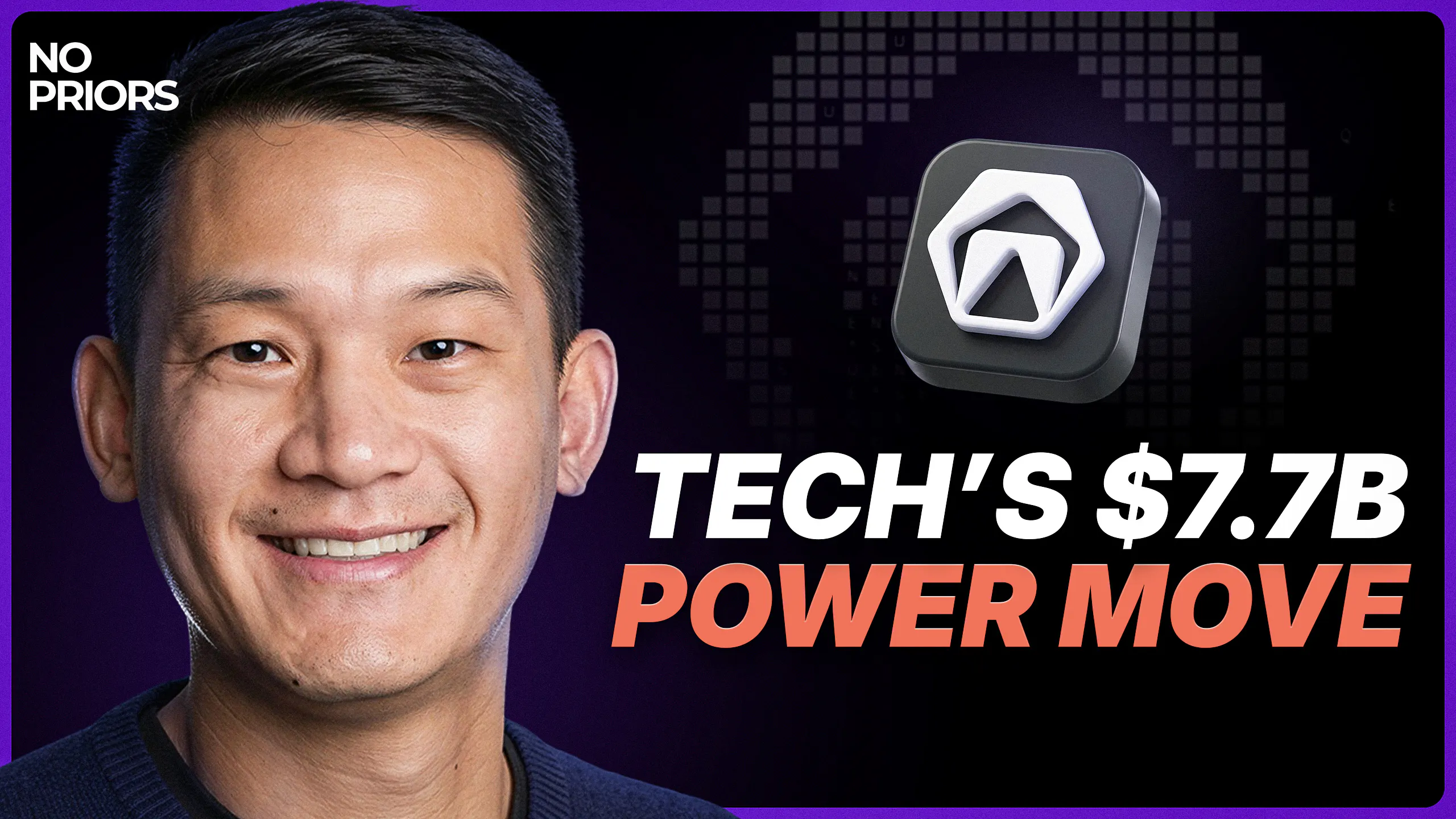 Re-Founding Incumbents for the AI Era with Sequence Holdings Co-Founder and CEO Michael Lee | Can AI transform legacy incumbents rather than replacing them? Sequence Holdings co-founder and CEO Michael Lee joins Sarah Guo to discuss how holding company structures and engineering integrations are reshaping market leaders from the inside out. Michael details Sequence’s $7.7 billion take-private transaction of Baldwin alongside Dell Family Office (DFO), and shares his thesis on why traditional consulting models and software sales fall short for real enterprise AI transformations. They also talk about why permanent holding company structures are good for long-term compounding, real-world results from applying frontier engineering to BankSouth, and Michael’s lessons from his time in public investing, private equity, and operating at the intersection of market incumbents and AI. Sign up for new podcasts every week. Email feedback to [email protected] Follow us on Twitter: @NoPriorsPod | @Saranormous | @EladGil | @mjlee_2014 | @seqholdings Chapters: 00:34 – Michael Lee Introduction 01:03 – Sequence Holdings and Baldwin 01:54 – Idea for Sequence 04:36 – Incumbents in the AI Era 06:32 – Why a Holding Company 11:21 – Recruiting Top Engineers 13:08 – Investing in BankSouth 17:46 – Why an Insurance Brokerage 20:17 – Atlas Platform Explained 23:53 – Traditional Private Equity Limitations 27:23 – What Sequence Looks For in Management Teams 31:04 – Accomplishments at BankSouth 34:45 – Founder Lessons 36:08 – Story of Dell Partnership 37:10 – Career and Investment Approach 40:00 – Value of Exceptional People 42:23 – Conclusion | 42m 44s | ||||||
| 9/18/26 |  Why Diffusion Will Win AI Inference with Inception Co-Founder and CEO Stefano Ermon | As generative AI hits hardware and latency bottlenecks, Stanford professor, diffusion pioneer, and Inception co-founder and CEO Stefano Ermon is betting on a radical new architecture. Stefano joins Sarah Guo to talk about Inception, and how his team is applying diffusion architecture beyond images and video into discrete text and code generation. Stefano explains the limitations of autoregressive LLMs, as well as why parallel token generation in diffusion models offers superior inference scaling and hardware utilization on standard GPUs. He also shares details about Inception’s Mercury models, real-world voice agent applications, the software stack required to serve diffusion-based models at scale, academia’s role at the frontier of AI innovations, and why the next era of AI competition will be defined by efficiency. Sign up for new podcasts every week. Email feedback to [email protected] Follow us on Twitter: @NoPriorsPod | @Saranormous | @EladGil | @StefanoErmon | @_inception_ai Chapters: 00:00 – Stefano Ermon Introduction 00:35 – Research Background 02:54 – Starting Inception 05:59 – Why Diffusion Beats Autoregressive 11:10 – Discrete vs. Continuous Modalities 13:19 – Inception Today 16:45 – Where Speed Wins 17:31 – Inception Customer Base 18:49 – Interaction with Hardware Landscape 19:34 – Inception and the Broader Industry 21:41 – Data Compression and Structure 24:45 – Controllability of Diffusion Modeles 27:25 – Emergent Capabilities at Scale 29:02 – Future Workload Split Between Diffusion vs. Traditional 30:03 – Adoption Challenges 31:44 – Hiring and Team Organization 32:50 – Recursive Self Improvement 34:02 – Resource Allocation 35:10 – Impact of Academia 38:13 – Conclusion | 38m 13s | ||||||
| 9/10/26 | tokenizationagentic finance+4 | Brian Armstrong | stablecoinagentic finance+4 | — | CoinbaseBrian Armstrong+6 | — | 45m 09s | ||
| 9/3/26 | chip architectureAI+4 | Rene Haas | ArmMeta+2 | — | Armchip supply chain+4 | — | 37m 06s | ||
| 8/27/26 | data infrastructurecloud backup+4 | Ofir EhrlichGonen Stein | EonGoogle+1 | — | legacy dataAI workflows+4 | — | 34m 50s | ||
| 8/20/26 | vision restorationbrain-computer interfaces+5 | Max Hodak | Science Corporation | — | retinal implantfunctional vision+6 | — | 31m 38s | ||
| 8/13/26 | chesstechnology+4 | Erik Allebest | Chess.comGeneral Atlantic+1 | — | Chess.comErik Allebest+5 | — | 46m 07s | ||
| 8/6/26 | artificial intelligenceventure capital+5 | SarahElad | ConvictionAI labs+2 | — | trillion-dollar companiesfounder ambition+5 | — | 39m 29s | ||
| 7/31/26 | autonomous AIcustomer service+3 | Melisa Tokmak | Netic | — | autonomous enterpriseAI platform+3 | — | 34m 29s | ||
| 7/23/26 | autonomous deliveryAI technology+4 | Andy FangStanley Tang | Ask DoorDashDot+1 | Phoenix | autonomous deliveryAI+5 | — | 49m 19s | ||
| 7/9/26 | AI in travelbusiness growth+3 | Glenn Fogel | Booking.comPriceline+1 | — | AItravel+5 | — | 41m 04s | ||
| 7/2/26 | nuclear energytechnology+3 | Isaiah Taylor | Valar AtomicsNVIDIA+2 | — | nuclear reactorsenergy production+3 | — | 1h 01m 26s | ||
| 6/26/26 | AI benchmarkstest-time compute+3 | Noam Brown | OpenAI | — | AI modelsbenchmark grids+5 | — | 36m 18s | ||
| 6/18/26 | semiconductor supply chainIntel turnaround+3 | Lip-Bu Tan | IntelNvidia+3 | — | IntelLip-Bu Tan+7 | — | 44m 59s | ||
| 6/10/26 | open-source biologyAI in healthcare+3 | Mark ZuckerbergPriscilla Chan+1 | ESMFold2Biohub+2 | — | BiohubAI+5 | — | 56m 20s | ||
| 6/4/26 | AI platformssoftware development+5 | Satya Nadella | MicrosoftLatent Space | — | AI frontierMicrosoft Build+5 | — | 42m 26s | ||
| 5/28/26 | AI governanceenterprise security+4 | Maxim Bar Kogan | Onyx SecuritiesOnyx | Israel | AI agentsOnyx Securities+5 | — | 41m 08s | ||
| 5/21/26 | AI chipsCerebras IPO+4 | Andrew Feldman | CerebrasNvidia+2 | — | CerebrasIPO+6 | — | 30m 33s | ||
| 5/14/26 | AI supply chaineconomic security+5 | Jacob Helberg | Pax SilicaTrump Administration+3 | Philippines | Pax SilicaAI dominance+7 | — | 38m 00s | ||
| 5/11/26 | AI in businessacquisitions+3 | Alexander Taubman | NexusAmerican Express Global Business Travel+2 | — | AIacquisition+6 | — | 22m 00s | ||
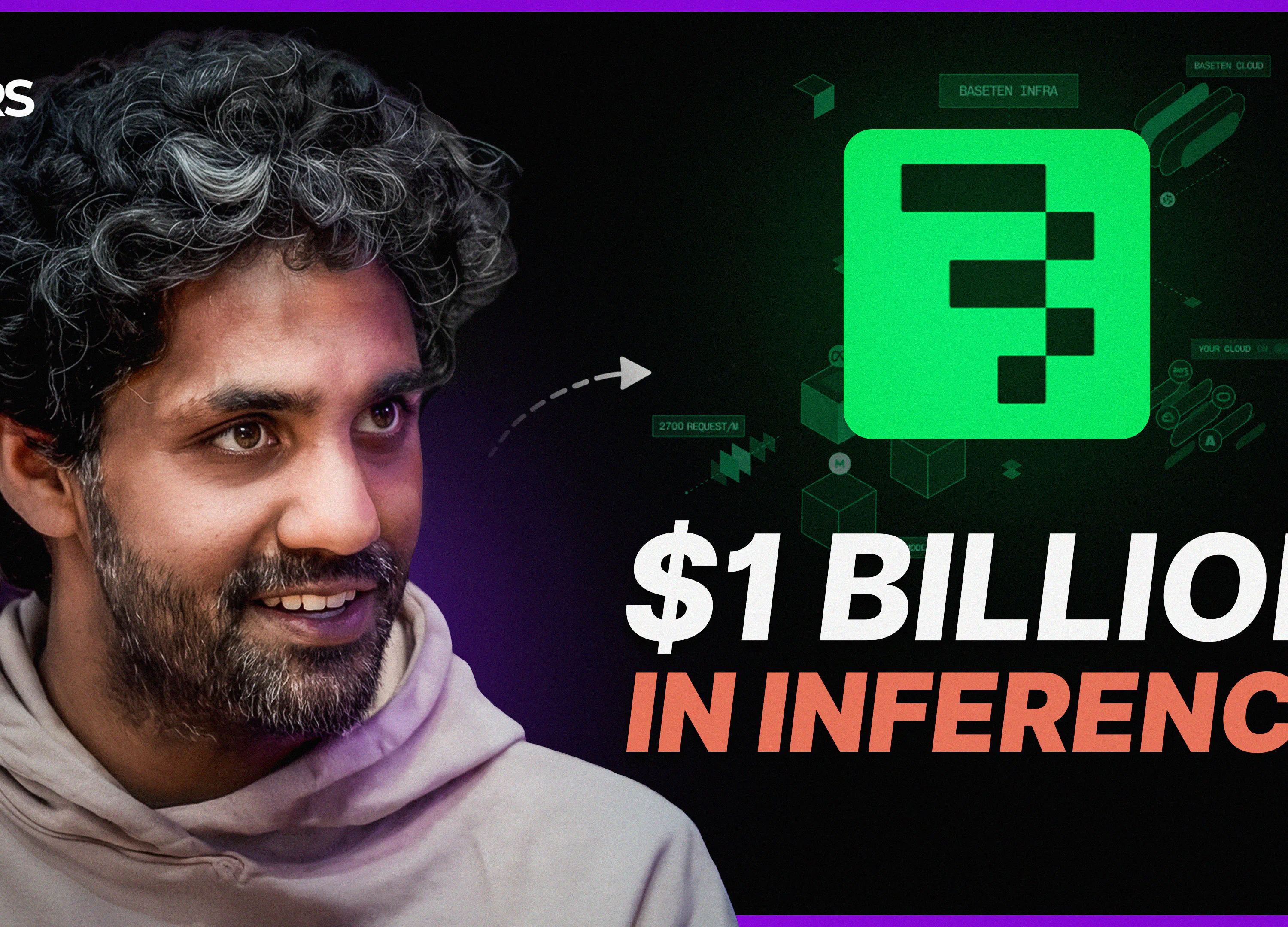
| 5/1/26 | AI inferencecustom models+4 | Tuhin Srivastava | BasetenAbridge | — | AI inferenceBaseten+5 | — | 42m 57s | ||
| 4/23/26 | AI adoptionenterprise software+3 | Philipp Herzig | SAP | — | SAPAI+4 | — | 45m 44s | ||
| 4/17/26 | AI leadershipbusiness transformation+3 | Bill McDermott | ServiceNow | — | AIleadership+5 | — | 57m 27s | ||
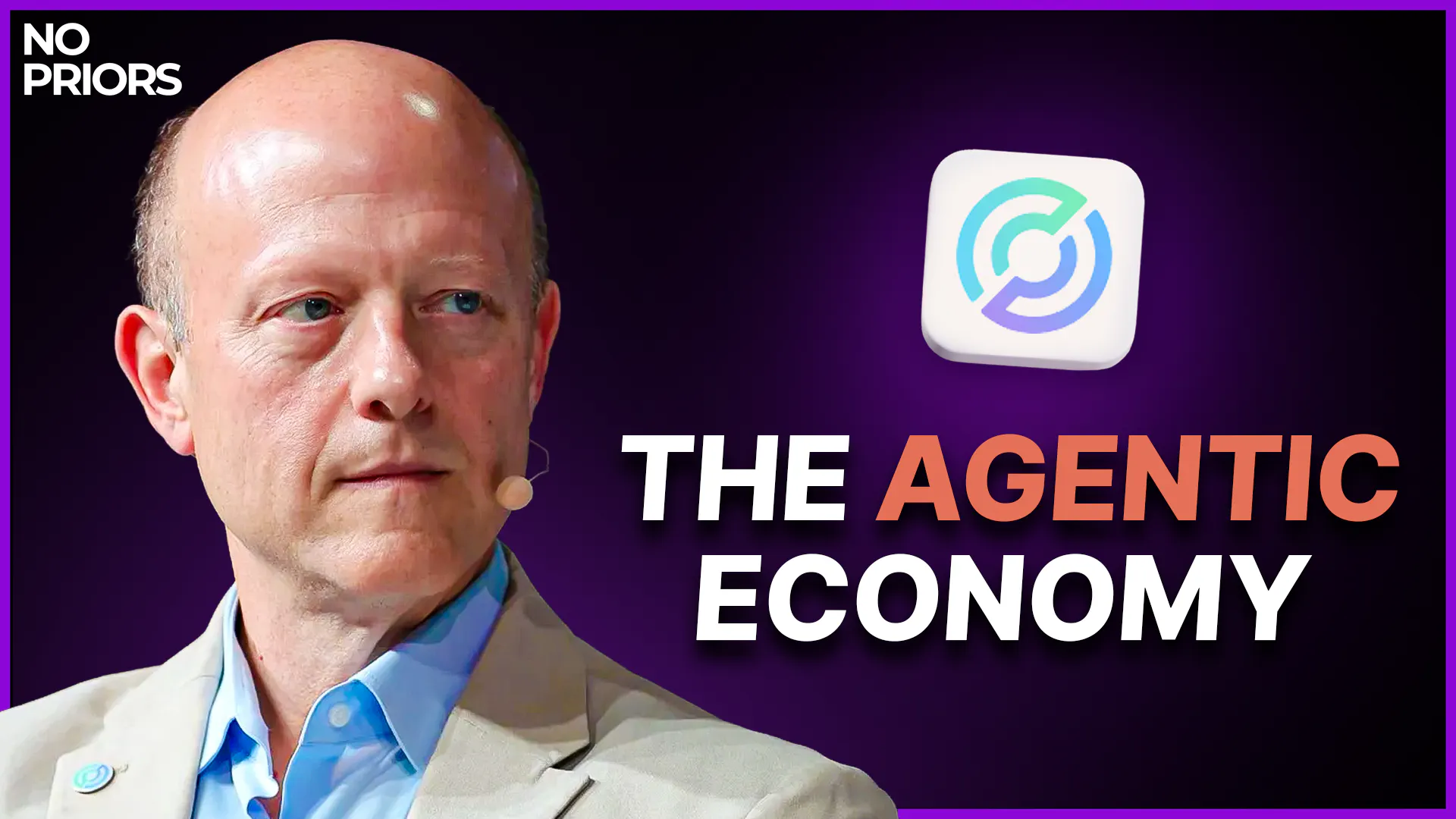
| 4/9/26 | AI agentsfinancial system+5 | Jeremy Allaire | CircleArc Blockchain+1 | — | AI agentsfinancial system+5 | — | 44m 00s | ||
| 4/3/26 | AImaterials engineering+5 | Liam Fedus | ChatGPTPeriodic Labs+2 | — | AImaterials science+5 | — | 29m 25s | ||
| 3/20/26 | AI agentsAutoResearch+4 | Andrej Karpathy | AutoResearch | — | AIexperimentation+5 | — | 1h 06m 31s | ||
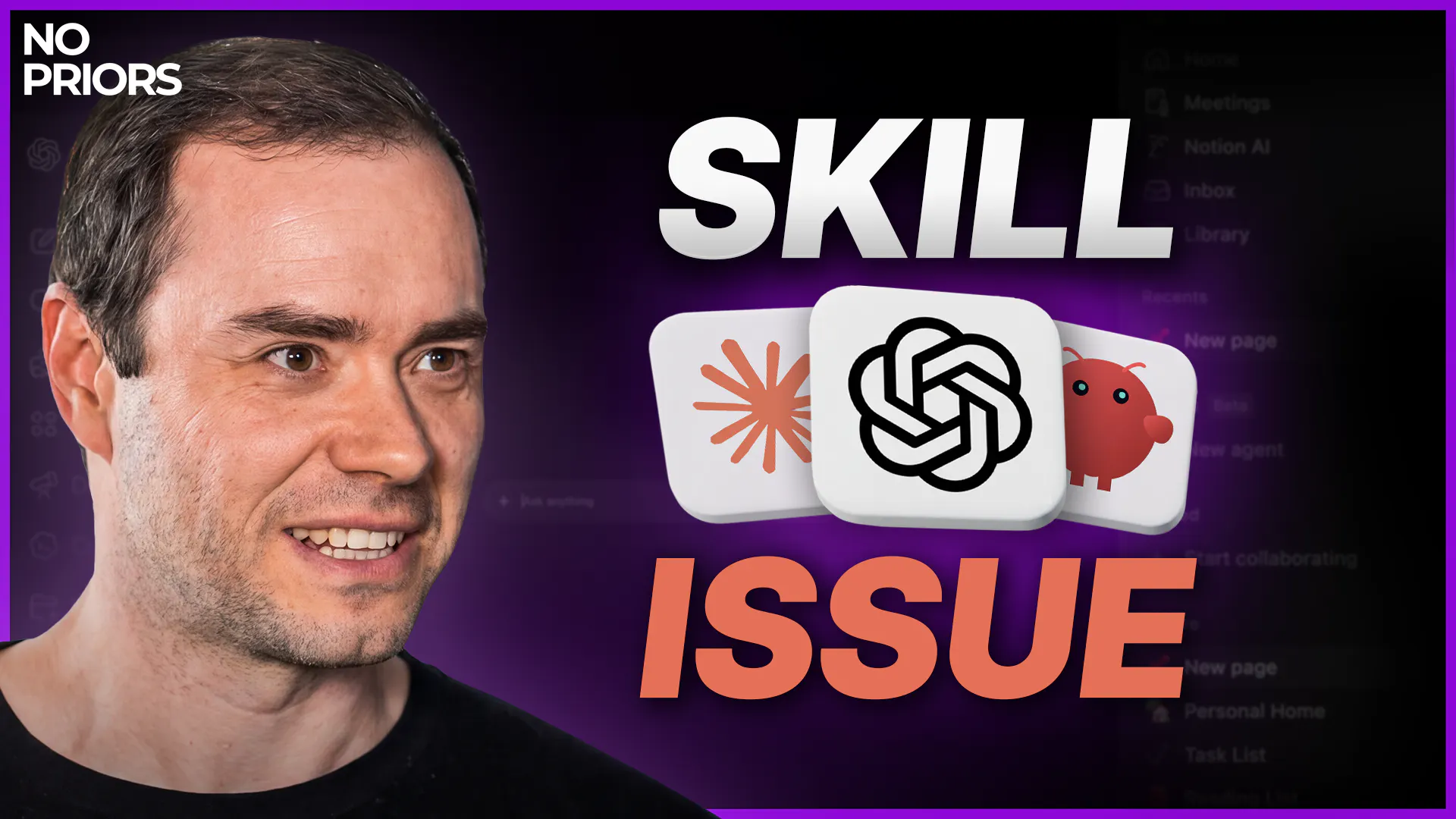
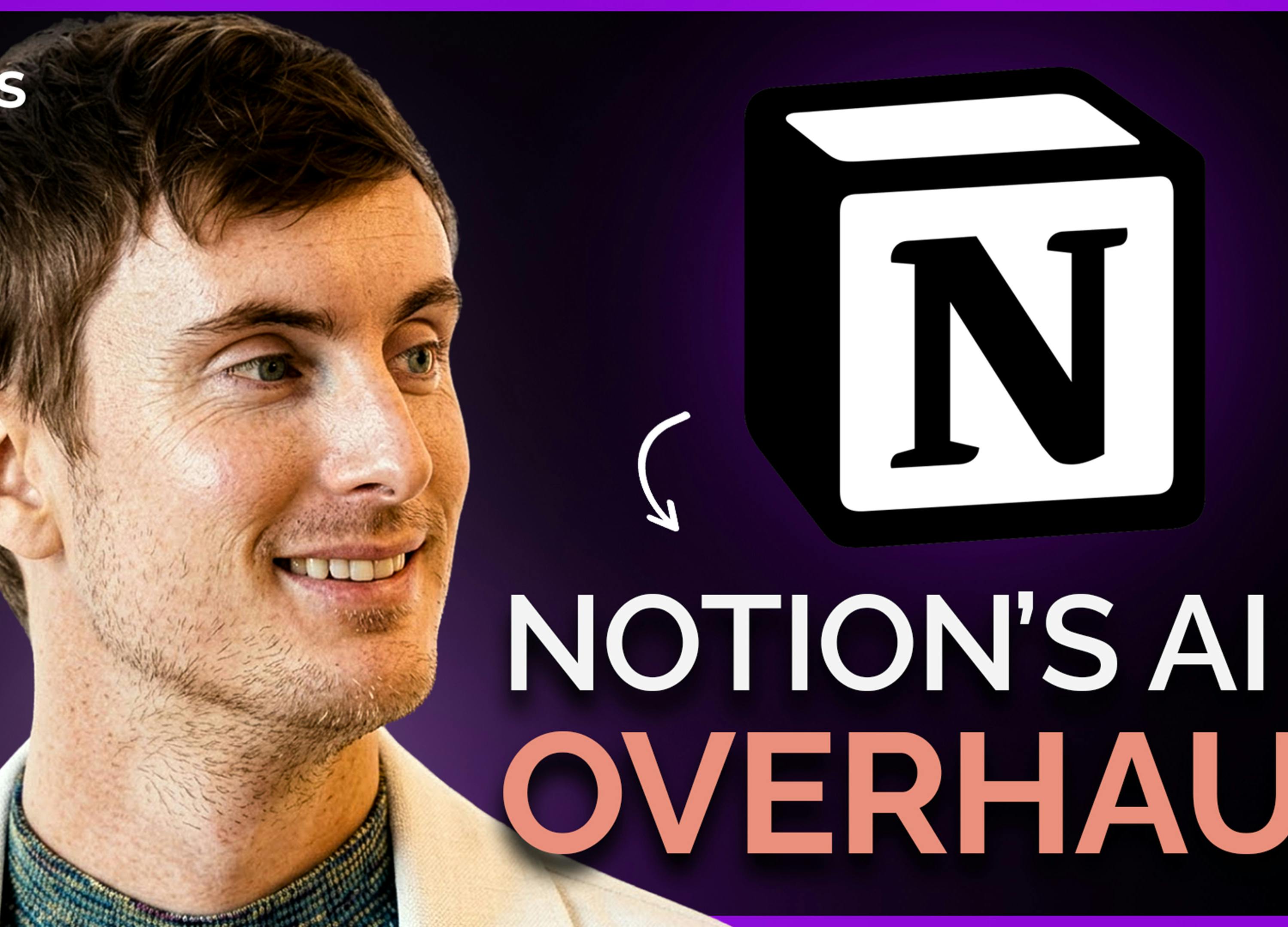
| 3/12/26 | AI agentsproductivity+4 | Simon Last | NotionSlack+1 | — | NotionAI agents+5 | — | 29m 02s | ||
| 2/26/26 | AI infrastructurecapital expenditure+4 | Neil Tiwari | Magnetar CapitalCoreWeave | — | AI capital expenditureGPU financing+4 | — | 36m 04s | ||
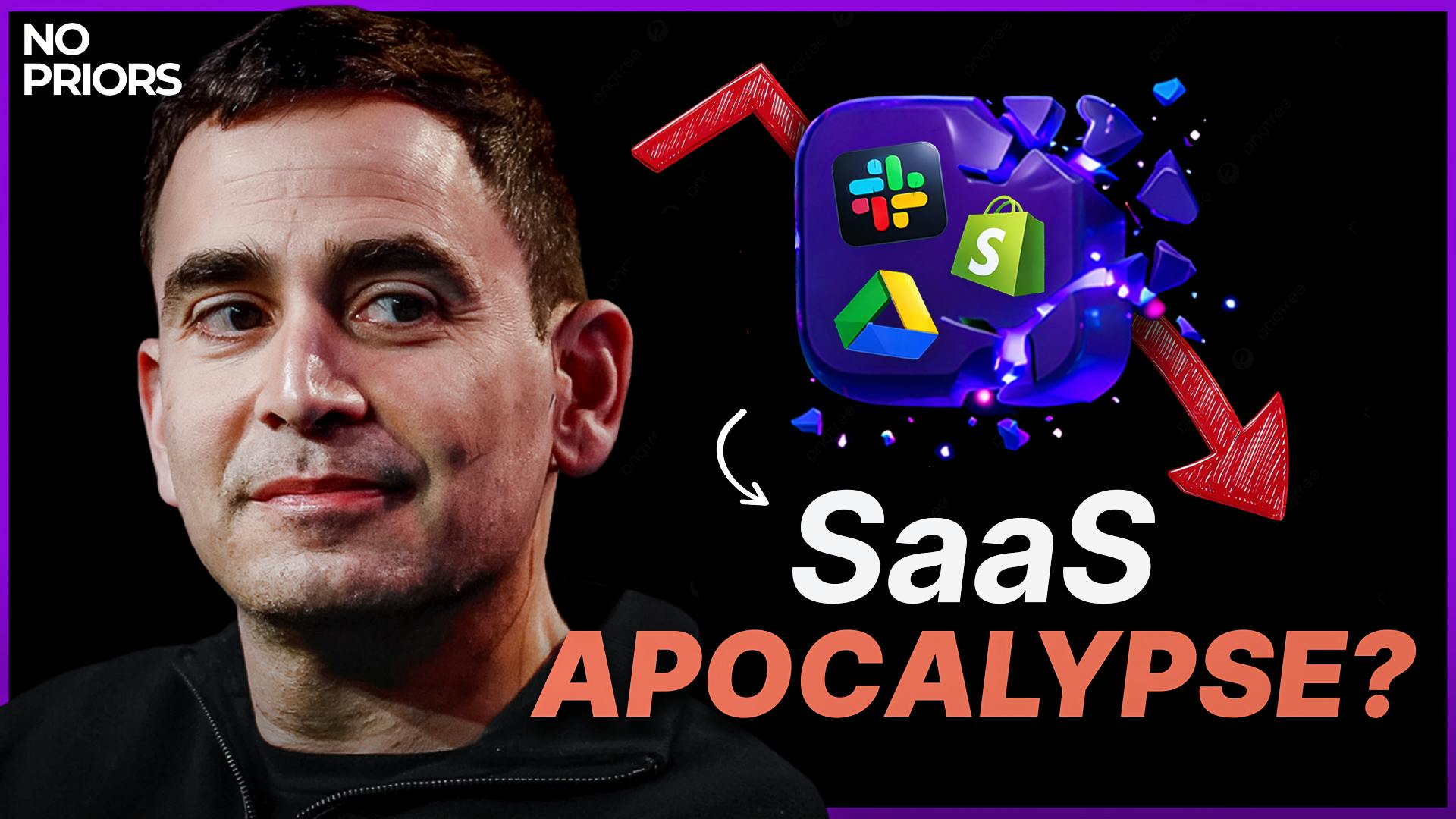
| 2/19/26 | AI transformationSaaS model+4 | — | S&P 500No Priors+1 | — | AISaaS+5 | — | 40m 41s | ||
| 2/12/26 | autonomous vehiclesAI technology+4 | RJ Scaringe | R2 modelTesla Model Y+1 | — | autonomous drivingneural networks+4 | — | 31m 46s | ||
| 2/5/26 | AI technologygaming+5 | Dave Baszucki | Roblox | — | RobloxAI+6 | — | 43m 44s | ||









Showing 36 of 177
Pitch Fit is a Pro feature
See how bookable this show is for guests, which brands already advertise, the per-episode ad value, and the best-fit guest and sponsor profile. The numbers are blurred on the free plan.
How readily this show books outside guests like you.
How proven this show is for host-read sponsorships.
For Guests
ProFor Advertisers
ProUpgrade to Pro to unlock guest cadence, sponsor categories, fit scores, and per-episode ad value for this show.
Similar Audience Demographics
Podcasts that attract a similar listener profile



Distribution & Reach
About the show, platforms, and key insights.
Distribution & Reach
About the show, platforms, and key insights.
Conviction is an independent podcast creator, known for producing insightful content that bridges the gap between technology and business. Co-hosted by Elad Gil and Sarah Guo, the podcast taps into their expertise in AI, startups, and entrepreneurship, providing a platform for in-depth discussions with leading figures in the AI space. “No Priors” stands out by addressing pivotal questions surrounding artificial intelligence and its implications for society, commerce, and culture. The format features interviews with top engineers, researchers, and founders, creating a dynamic exploration of the current state and future trajectory of AI technology. The podcast serves as a guide to the AI revolution, facilitating informed discussions on topics ranging from AGI to market disruptions. The audience comprises technology enthusiasts, entrepreneurs, and business professionals eager to understand AI's evolving landscape. Listeners gain valuable insights into industry trends and expert perspectives, enhancing their comprehension of the challenges and opportunities presented by artificial intelligence. With over 250,000 estimated listeners, the podcast has established a significant presence in its niche.
By the numbers
- Total followers: 111K
- Total plays: 3.0M
- Total reviews: 139
Platforms
TuneIn
- Followers: 65
Castbox
- Followers: 31K
- Plays: 196K
- Reviews: 14
YouTube
- Subscribers: 80K
- Views: 2.8M
- Videos: 330
Podcast App
- Followers: 150
- Reviews: 124
Podcast Republic
- Followers: 273
- Reviews: 1
Audience
professionals, adults
Key insights
What the show covers
- AI research discussions
- interviews with industry leaders
- exploration of AGI timelines
- analysis of technology trends
Audience interests
- artificial intelligence advancements
- startup investment strategies
- technology market disruptions
- impact on society and culture
Platform reach
- available on major podcast platforms
- potential for broad audience
- no specific platforms detected
- unknown follower count
Publishing consistency
- active for three years
- weekly episode releases
- 158 total episodes
- consistent content delivery
Chart history for No Priors: Artificial Intelligence | Technology | Startups
Peaked at #9 in CL, top 10 in 1 of 43 tracked markets, currently #9 in CL.
| Market | Genre | Peak | Current | Trend |
|---|---|---|---|---|
| CL | — | #9 | #9 | — |
| SG | — | #14 | #14 | — |
| Finland | — | #18 | #18 | — |
| Brazil | — | #18 | #18 | — |
| South Korea | — | #19 | #19 | — |
| RO | — | #30 | #30 | — |
| AE | — | #32 | #32 | — |
| HK | — | #33 | #33 | — |
| United States | — | #39 | #39 | — |
| Sweden | — | #39 | #39 | — |
| Italy | — | #43 | #43 | — |
| PH | — | #46 | #46 | — |
| Canada | — | #50 | #50 | — |
| Australia | — | #57 | #57 | — |
| Germany | — | #72 | #72 | — |
| Netherlands | — | #72 | #72 | — |
| United Kingdom | — | #73 | #73 | — |
| IL | — | #77 | #77 | — |
| SA | — | #77 | #77 | — |
| TH | — | #78 | #78 | — |
Chart Positions
43 placements across 43 markets.
Chart Positions
43 placements across 43 markets.