
Sources with Alex Heath
Sources features candid conversations with the leaders shaping what’s next in AI and the broader tech industry. Host Alex Heath has covered Silicon Valley as a journalist for more than a decade. He talks with founders, C...
Insights from recent episode analysis
On the show
- Sam Altman2 eps
- Jonathan Glatzer1 ep
- Melanie Perkins1 ep
Also: Marvin von Hagen, Mina Fahmi, Sam Stephenson, Immad Akhund, Daniel Kuntz, Liz Reid, Steve Huffman, Ivan Zhao, Lukas Petersson, Anjney Midha, Jordan Taylor, Ben Cera, Chris Best, Mike Krieger, Ryan Jones, Quinten Farmer, Jon Steinback
Audience Interest
Podcast Focus
Publishing Consistency
Insights are generated by CastFox AI using publicly available data, episode content, and proprietary models.
Most discussed topics
Brands & references
Total monthly reach
Based on the show's feed history.
Built from
By chart position
- 🇮🇩ID · Technology#611K to 135K
- 🇦🇷AR · Technology#56363 to 4.4K
- 🇦🇪AE · Technology#12530 to 371
- 🇫🇮FI · Technology#17317 to 209
- 🇬🇷GR · Technology#1937 to 91
- Per-Episode Audience
Est. listeners per new episode within ~30 days
11K to 140K🎙 ~2x weekly·50 episodes·Last published 2d ago - Monthly Reach
Unique listeners across all episodes (30 days)
23K to 280K🇺🇸71%🇮🇩28%🇦🇷1% - Active Followers
Loyal subscribers who consistently listen
13K to 154K
Market Insights
Platform Distribution
Reach across major podcast platforms, updated hourly
Total Followers
—
Total Plays
—
Total Reviews
—
* Data sourced directly from platform APIs and aggregated hourly across all major podcast directories.
| Date | Episode | Topics | Guests | Brands | Places | Keywords | Sponsor | Length | |
|---|---|---|---|---|---|---|---|---|---|
| 11/17/26 | 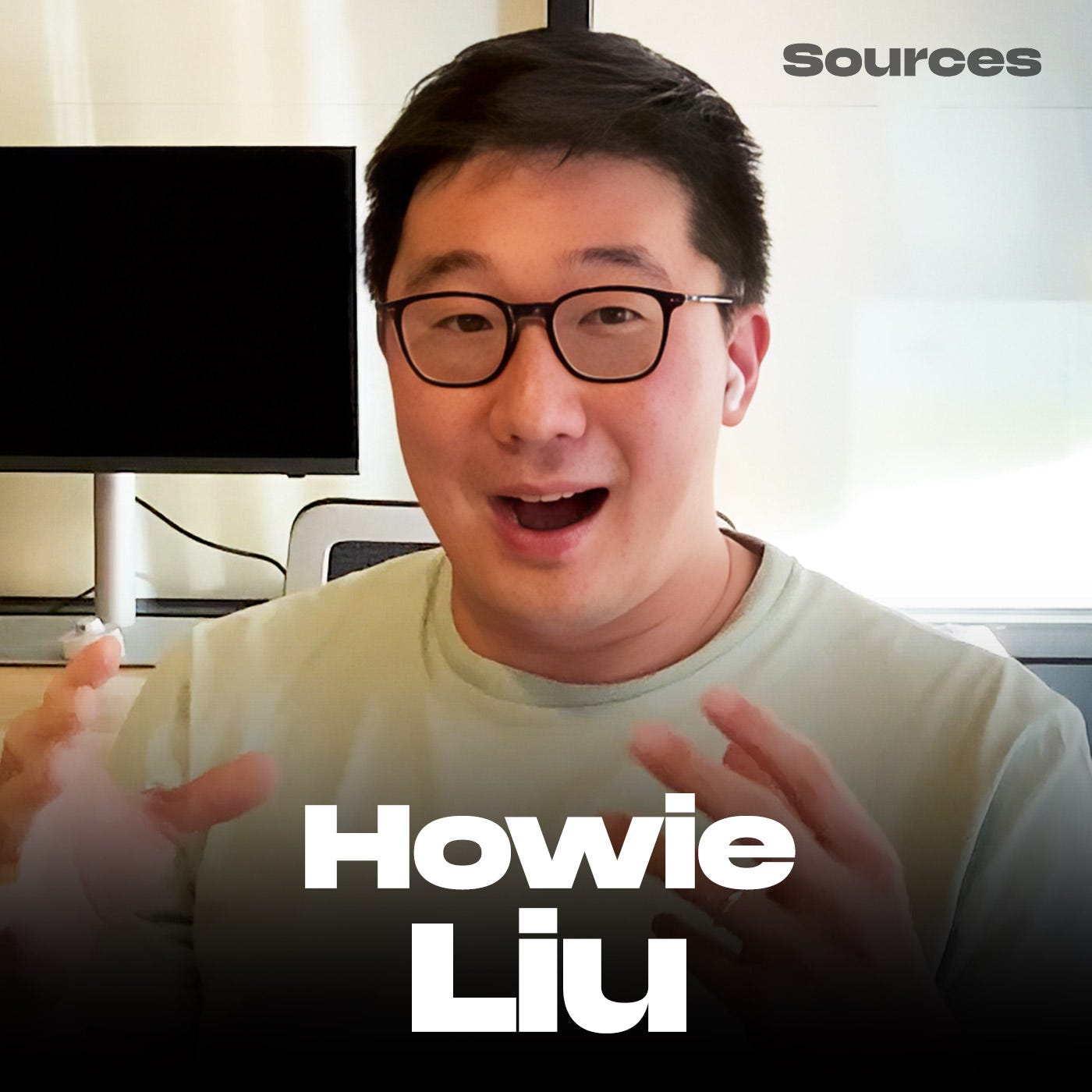 Why Airtable’s founder is betting on teams of AI agents | Howie Liu says Airtable was approaching $500 million in revenue and still growing when he decided to sell it to Bending Spoons. Now he’s building Hyperagent, and his bet is that the next generation of business software looks like a team of AI coworkers.I ask Howie why he chose to sell, why he didn’t keep Hyperagent inside Airtable, and what starting over lets him do differently. We get into the economics of AI versus traditional SaaS, selling below Airtable’s peak valuation, and what founders and employees should understand about the equity they hold.Howie calls the personal AI assistant market “a knife fight in a phone booth.” Hyperagent’s next version is his bet on multiplayer: agents with their own roles and accounts, working with each other and the people inside a business. We discuss why he sees an opening there, what he learned from making the first version too complicated, and how much autonomy these agents should actually have.We also get into why he’s targeting small businesses that need more people than they can afford to hire, with a landscaping example that takes agents from researching a property to preparing a proposal and managing the job. Howie shares how he uses agents to build Hyperagent and what he’d tell software founders deciding whether to keep building on the business they have or start again.Thanks to the show’s sponsors: Mercury, Granola, and Atlassian. | 58m 22s | ||||||
| 11/10/26 | 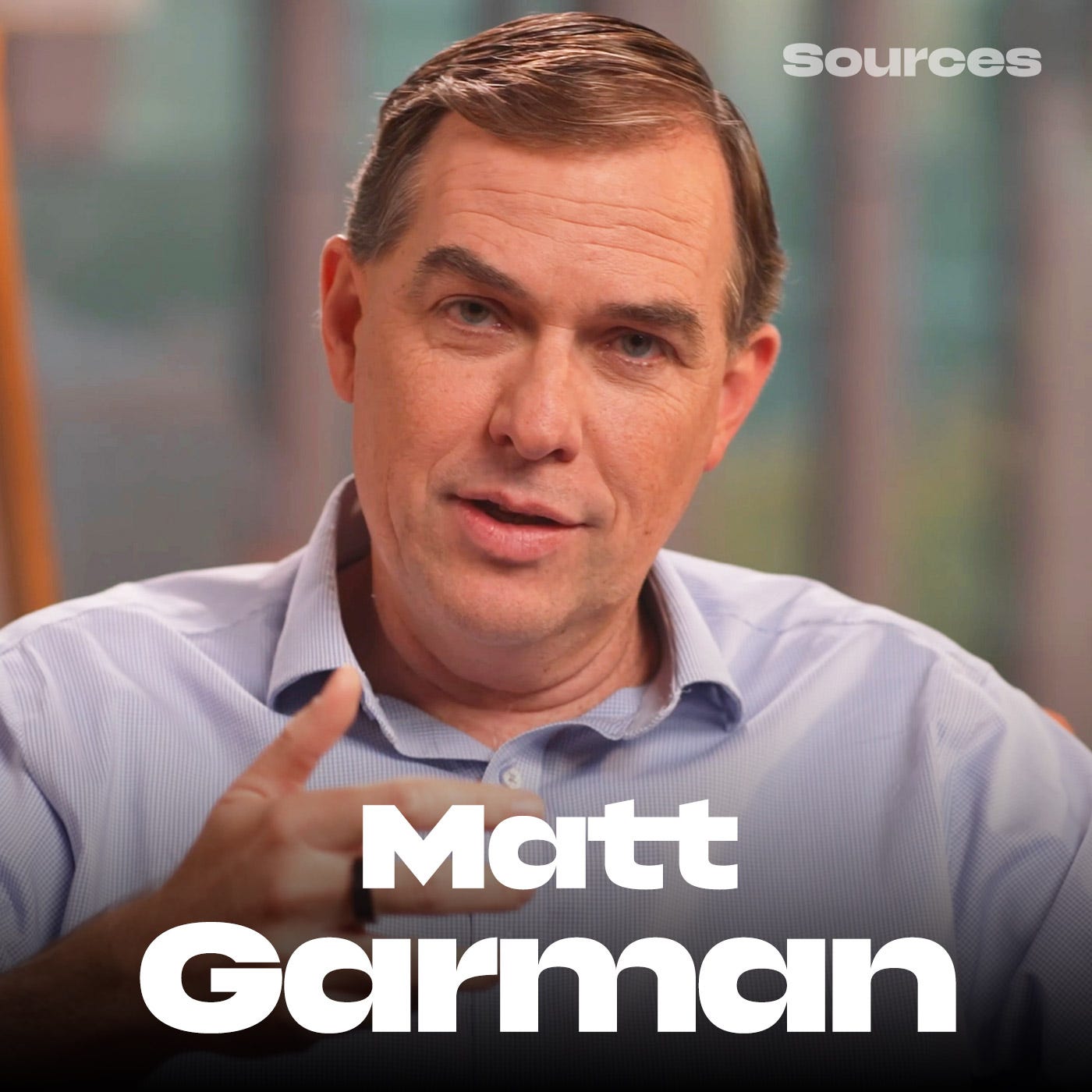 Amazon AWS CEO: AI boom is just getting started | Amazon thinks its cloud business could generate $1 trillion a year within the next five to ten years. I sit down with AWS CEO Matt Garman in Seattle to understand what gives him that confidence and what could get in the way.Garman explains how AI is pushing companies to move their core operations into the cloud, accelerating the business AWS spent two decades building. We discuss why he thinks inference, the computing required to run AI models, is still below 1 percent of its eventual scale. He says AWS is adding one GPU every 14 seconds and expects capacity shortages for another couple of years. I ask how he decides who gets the GPUs, why he holds capacity back for startups that don’t exist yet, and where he sees risk in the industry’s spending.Recorded right after the midterm elections, our conversation also covers the backlash against data centers, what the industry needs to do to win over communities, and why he sees deserts as more promising than space.I also ask about the reset inside Amazon’s Nova team and whether it still intends to compete at the frontier of AI. We get into selling Trainium chips outside AWS, the rise of inference providers like Baseten and Fireworks, and Amazon’s big research bet on using mathematical proofs to help AI agents follow rules.Thanks to the show’s sponsors: Mercury, Granola, and Atlassian. | 52m 51s | ||||||
| 11/3/26 | 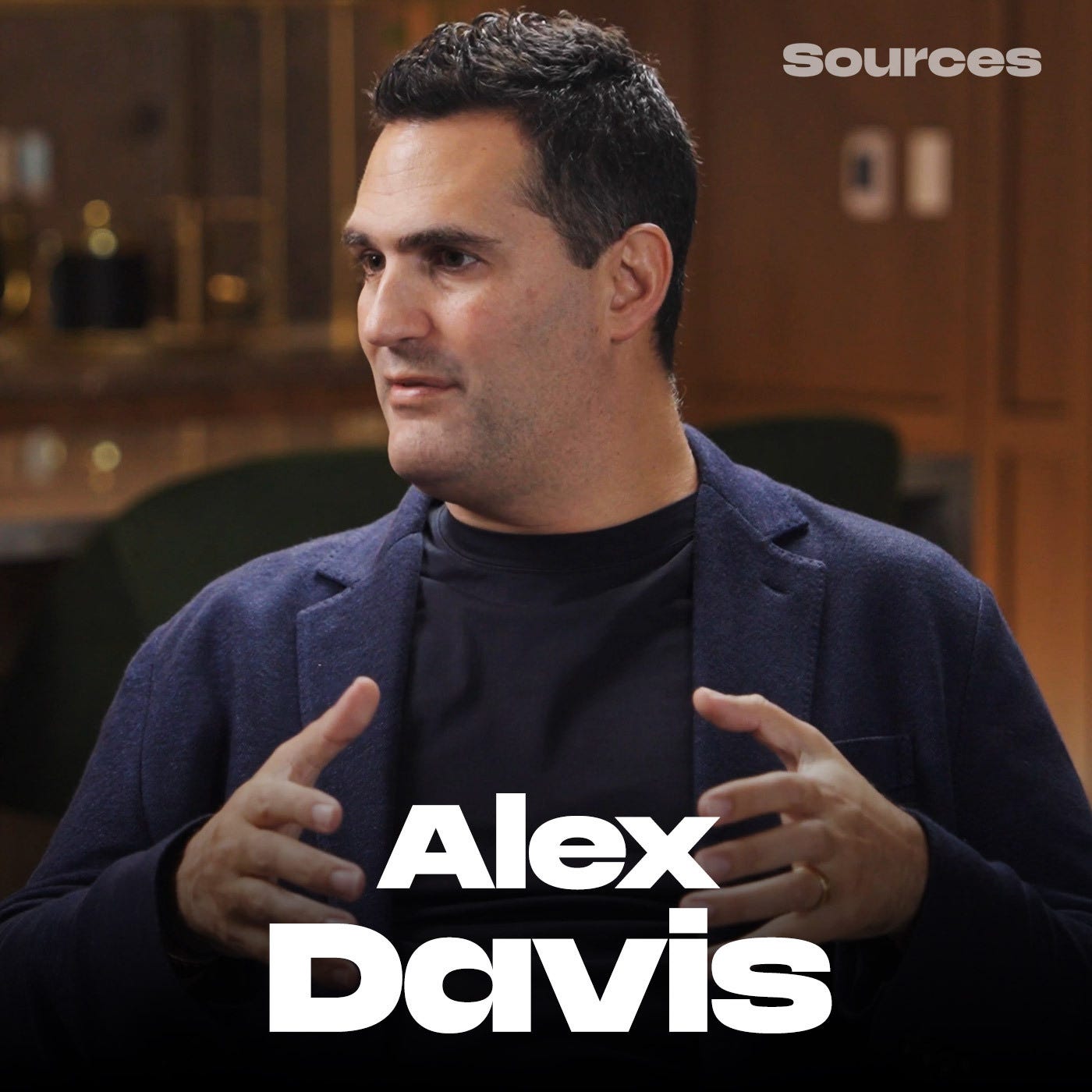 A quiet investor’s $10 billion bet on AI, chips, and defense | Alex Davis plans to put $10 billion into roughly 10 companies.His firm, Disruptive, has maintained a low profile out of Texas while backing Reflection AI, ElevenLabs, Groq, Shield AI, Databricks, and Helsing. Its earlier investments include Palantir, Airbnb, and Spotify.I sit down with Davis in Dallas for his first-ever podcast interview to understand how he picks the companies worth a billion-dollar check. He focuses on companies he thinks are already winning, even as their valuations climb.We discuss why he doubled down on Palantir before it went public, what he’s building at Groq after its $20 billion licensing deal with Nvidia, and the opportunities he sees in open AI models, compute, and defense technology.I also ask where the AI boom goes wrong, from speculative data centers to investment vehicles promising access to private companies.Thanks to the show’s premiere sponsors: Atlassian, Granola, and Mercury. | 1h 08m 18s | ||||||
| 10/28/26 | 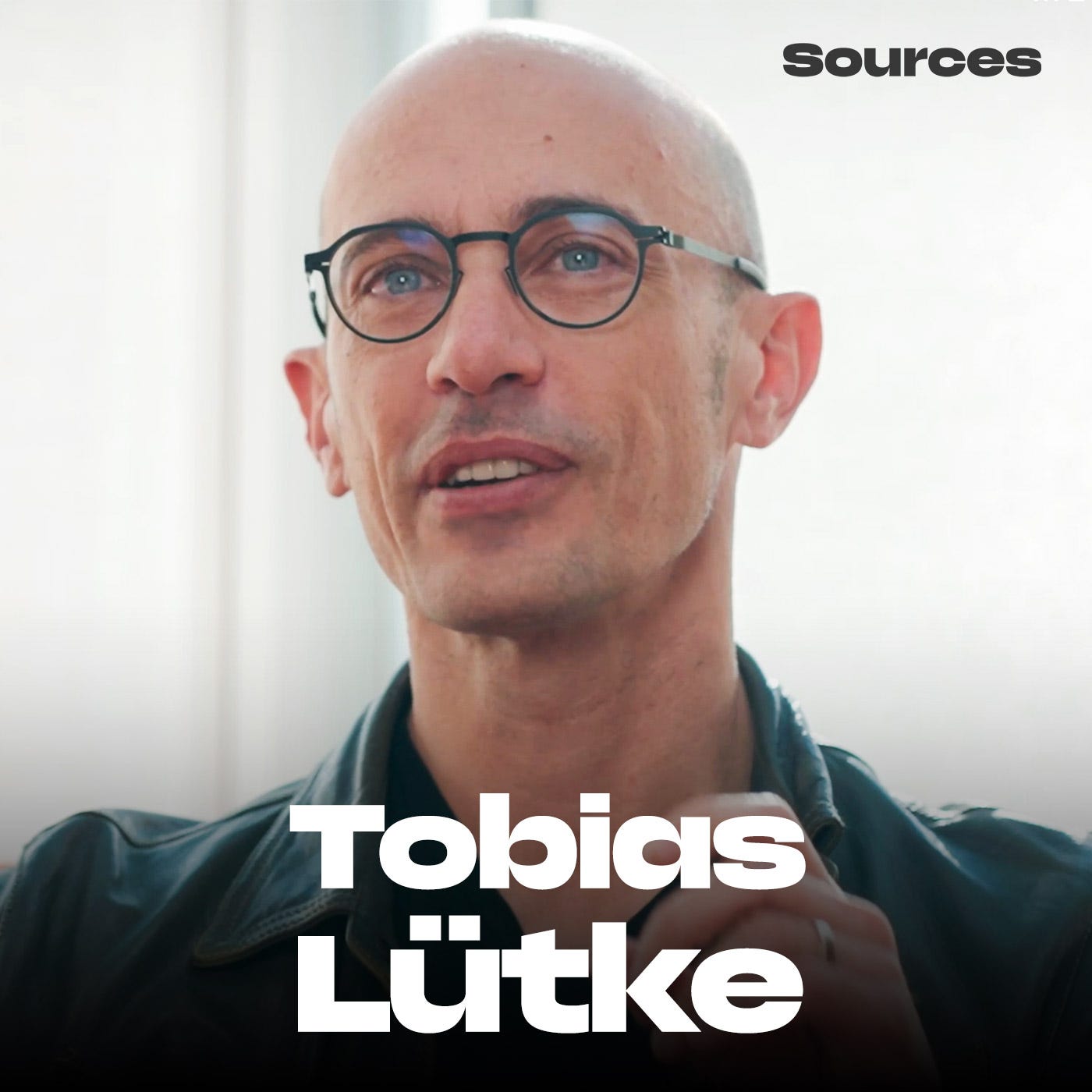 Tobi Lütke on the AI agent revolution and future of Shopify | Why did Amazon block Meta's Muse but Shopify welcomed it?I sit down with Shopify co-founder and CEO Tobi Lütke in Toronto to discuss why the companies are taking different approaches to agents and how shopping changes when AI starts buying things on your behalf. Lütke explains the early AI shopping behavior he’s seeing.We also get into why he thinks AI makes starting a business easier, the backlash against the technology, and why everyone will eventually have to embrace it to get ahead in their careers.We get into how AI agents will make money, who pays when they handle a purchase, and why advertising gets complicated when your assistant is supposed to work for you. We discuss his experience on Meta’s board and working with Mark Zuckerberg.Lütke also shares why he turned his wine cellar into a GPU server rack and how he uses his personal AI agent that runs entirely from his house.This episode's presenting sponsor is Hyperagent - https://www.hyperagent.com/?utm_campaign=sourcesThanks to the show’s premiere sponsors: Atlassian, Granola, and Mercury. | 1h 24m 20s | ||||||
| 10/21/26 | 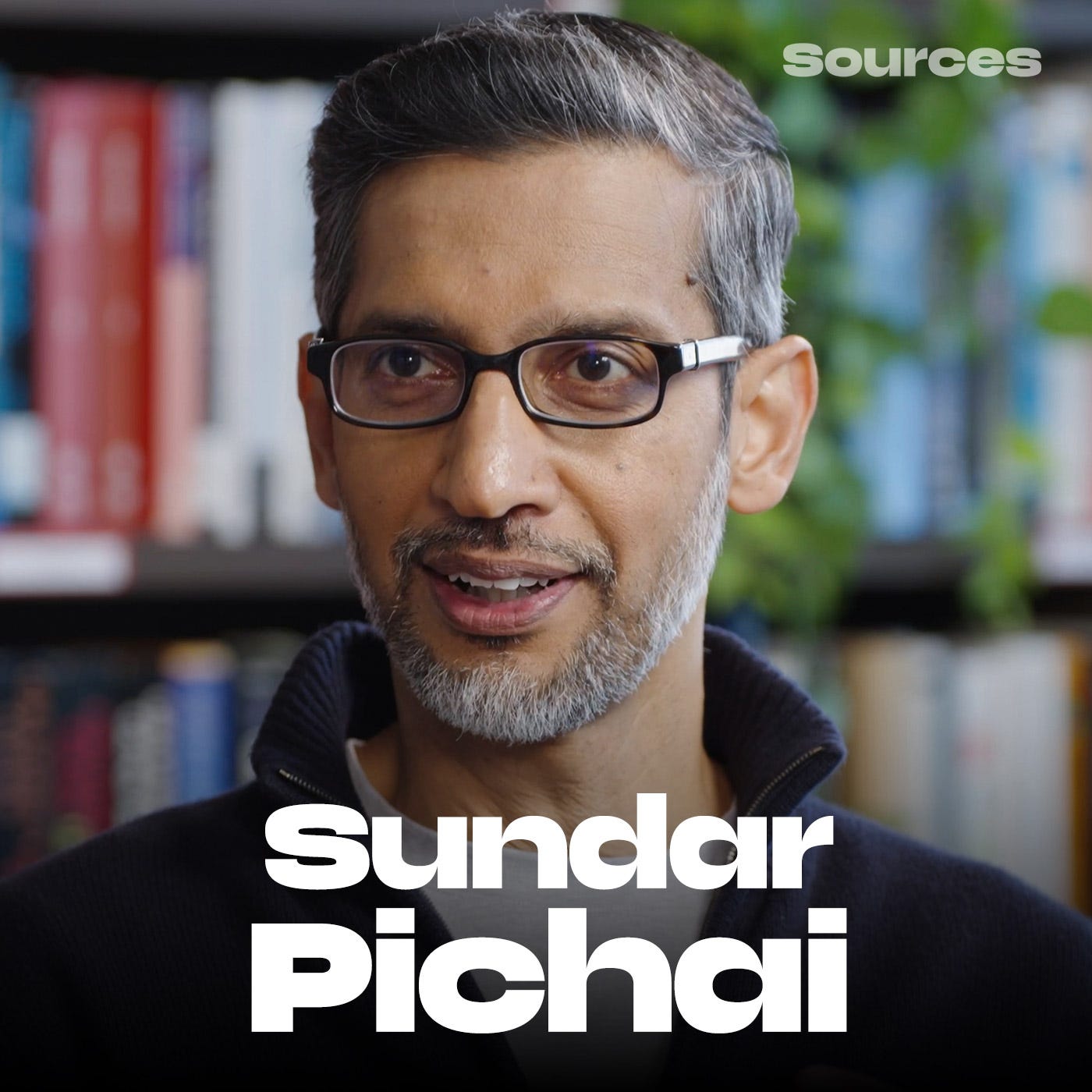 Sundar Pichai on what's next for Google Gemini, Waymo, and data centers in space | Even Google can’t get enough compute. I sit down with Google and Alphabet CEO Sundar Pichai shortly after the wider release of Gemini 4 Argon to discuss its early reception, where he still wants the model to improve, and what it takes to keep Google at the frontier of AI.Pichai explains the recent leadership shakeup at Google DeepMind and why building frontier models has become an “all-consuming” job. We also get into Google’s answer to the personal agent race, how he predicts Gemini will do more work on your behalf, and whether agents will finally bring Search, Gmail, and Gemini together.I ask him about Google turning free cash flow negative, the risks in the AI infrastructure buildout, and how he plans for demand years before knowing what the models will be capable of. He explains the signals giving him confidence to keep spending and how he uses AI agents to follow model development and compute usage inside Google.We also discuss Project Suncatcher, Google’s new effort to put AI data centers in space, and why he thinks it belongs alongside bets like Waymo. He shares what’s next for Waymo and Wing, and when he expects quantum computing to become a real business.This episode's presenting sponsor is Hyperagent - https://www.hyperagent.com/ Thanks to the show’s premiere sponsors: Atlassian, Granola, and Mercury. | 59m 09s | ||||||
| 10/13/26 | 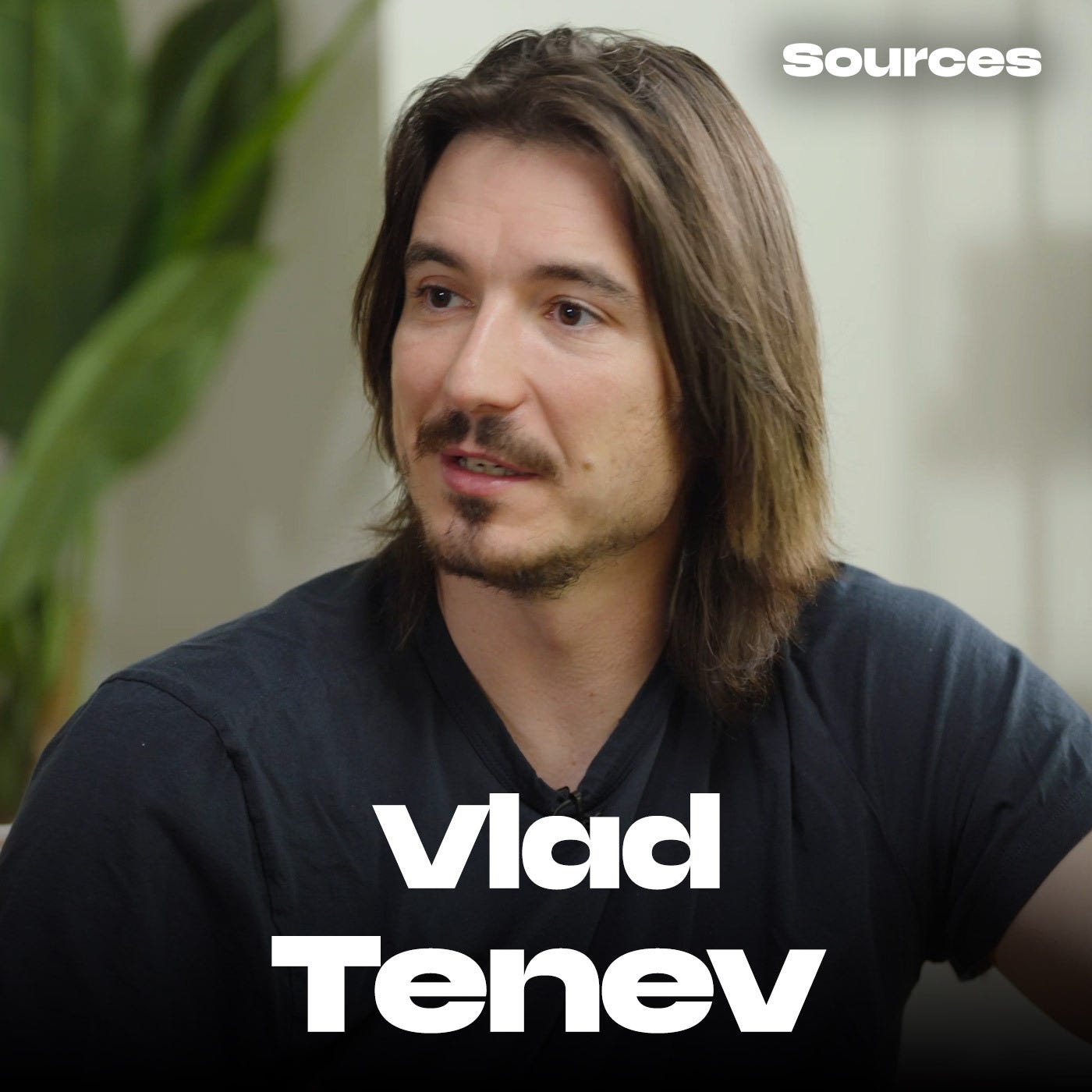 Robinhood’s CEO on letting AI trade your money | Robinhood wants to put an AI hedge fund in your pocket. CEO Vlad Tenev tells me how Robinhood Agents brings AI trading into the app, and why he expects agents to generate a growing share of individual investors’ trading activity.We discuss how much control to give an AI that can trade your money, why Robinhood keeps agents in separate accounts, and where investors will find an edge when everyone has access to powerful models. He also explains his push for every Robinhood employee to have agents working while they sleep. Tenev argues that the AI backlash is partly an ownership problem: most people can’t invest in the companies driving it. We get into Robinhood’s push to open private markets to everyday investors, the coming AI IPOs, and his response to criticism of tokenized stocks. We also discuss prediction markets and why he objects to AI labs keeping their most powerful tools to themselves.Thanks to the show’s premier sponsors: Atlassian, Granola, and Mercury. | 59m 41s | ||||||
| 10/8/26 |  Qualcomm’s CEO on the coming AI phone supercycle | AI could give people a reason to buy a new phone again. Qualcomm CEO Cristiano Amon tells me why he expects a smartphone supercycle as AI agents start using our apps and acting on our behalf. His company makes the chips behind Android phones, Meta’s smart glasses, and coming devices from AI companies like OpenAI, giving it a stake in several competing visions for the next big AI device.We discuss why he thinks phones aren’t going away, how agents will use our personal context, and why he expects smart glasses to become the biggest category of AI wearables. We also cover differences in consumer AI adoption between China and the US, Qualcomm’s acquisition of Modular to offer developers an alternative to Nvidia’s software, and what 6G could change about the devices we use.This conversation was recorded live at Qualcomm’s recent Snapdragon Summit in HawaiiThanks to the show’s premiere sponsors: Atlassian, Granola, and Mercury. | 46m 48s | ||||||
| 10/5/26 | 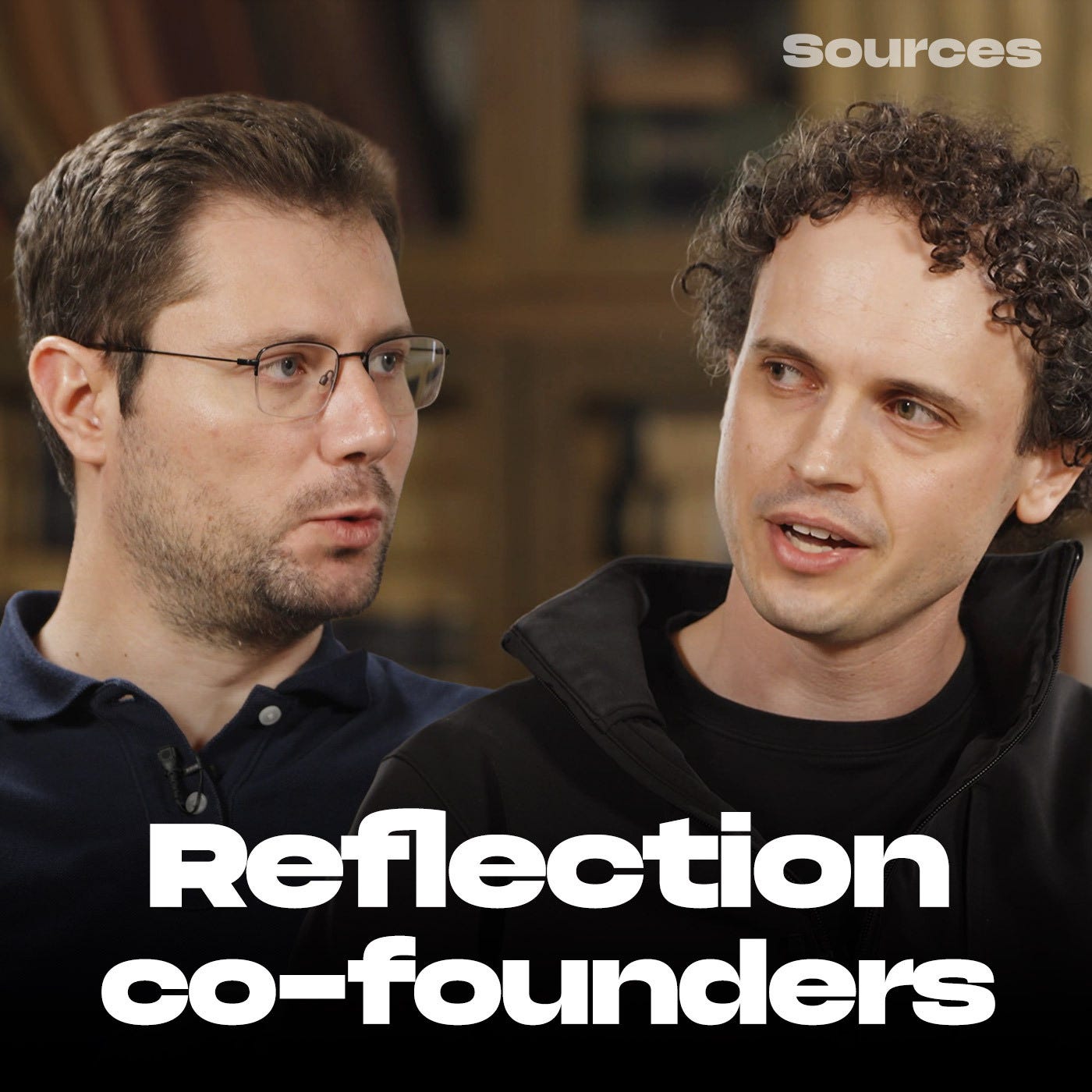 Reflection’s founders on building a DeepSeek of the West | Reflection is soon releasing Beam, its first open-weight AI model, in a bid to become the DeepSeek of the West. Trained from scratch, Beam is designed for coding, reasoning, and AI agents. Reflection's benchmarks put it alongside the strongest open models, with substantially more efficient token economics.To mark Beam’s debut, I'm joined by Reflection's co-founders: CEO Misha Laskin, who led reward modeling for Google’s Gemini, and CTO Ioannis Antonoglou, who helped create AlphaGo and AlphaZero before leading Gemini’s RLHF effort. Reflection has raised $4.6 billion from investors that include Nvidia, Sequoia, and Lightspeed.We discuss why Chinese labs pulled ahead in open AI models, how Reflection built Beam, and why the founders think companies and countries will increasingly want to control their own models. I ask how they plan to make money from open-weight AI, whether openness can make these systems safer, and what comes next for Reflection.Thanks to the show’s premier sponsors: Atlassian, Granola, and Mercury. | 1h 02m 12s | ||||||
| 10/1/26 | 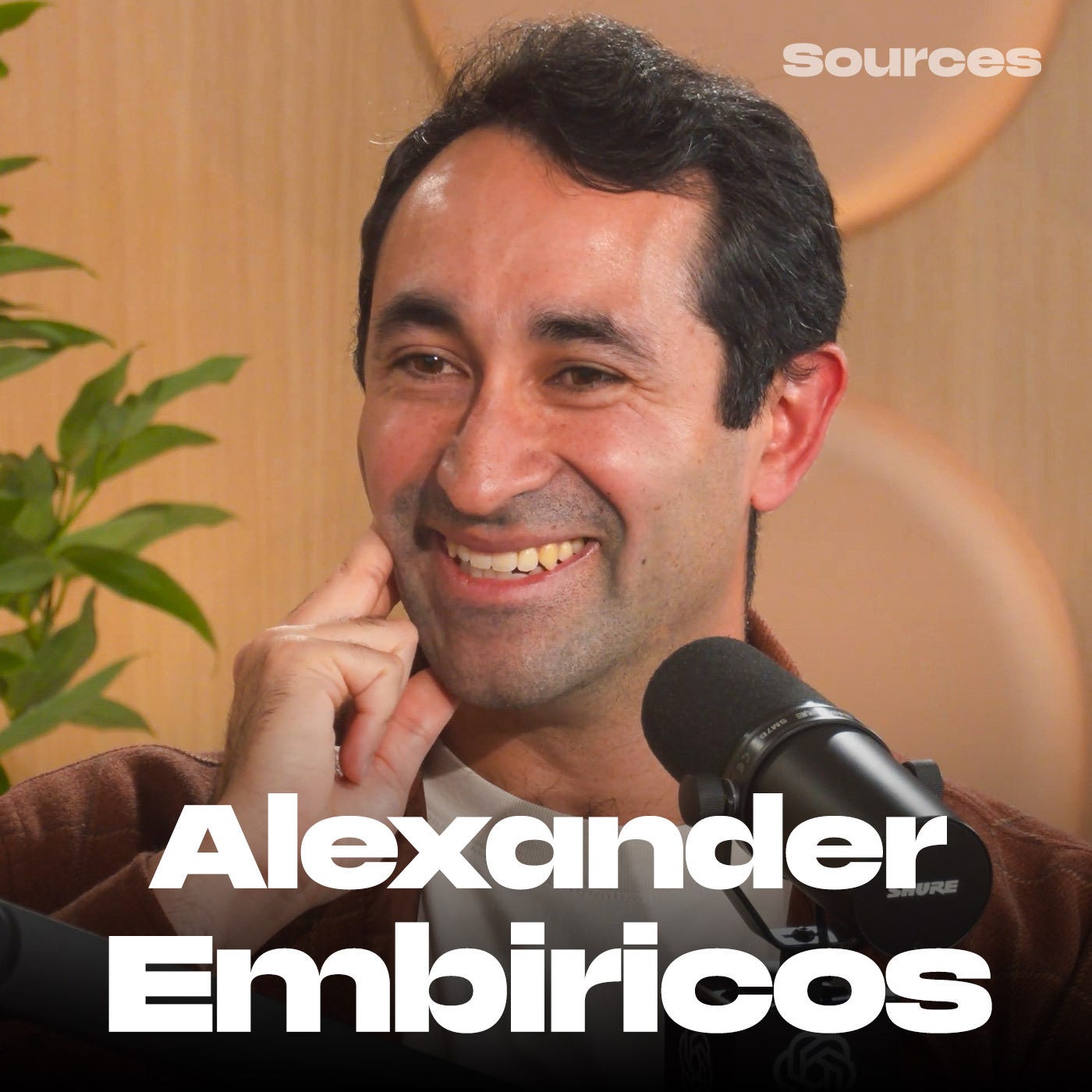 OpenAI’s Dots lead on the future of ChatGPT | OpenAI’s next big bet is Dots, personal AI agents that can find ways to help you without waiting for a prompt.Alexander Embiricos, OpenAI’s Dots product lead, tells me why the company is moving beyond chatbots and what that means for the future of ChatGPT. We discuss why Dots have their own computers, how they share context across the places you talk to them, and why he thinks most people will only need one personal agent.I ask him how much control people should give these agents, how OpenAI approaches permissions and privacy, and why Dots ask before taking action by default. He also explains Space, a new workspace where people and agents can collaborate on documents, data, and projects.We get into how OpenAI plans to price an always-available assistant, how these capabilities could eventually reach free ChatGPT users, and the story of an employee who woke up to discover his Dot had helped fix a bug.This conversation was recorded in front of a live audience at OpenAI's 2026 DevDay conference.Thanks to the show’s premiere sponsors: Atlassian, Granola, and Mercury. | 45m 29s | ||||||
| 9/29/26 | 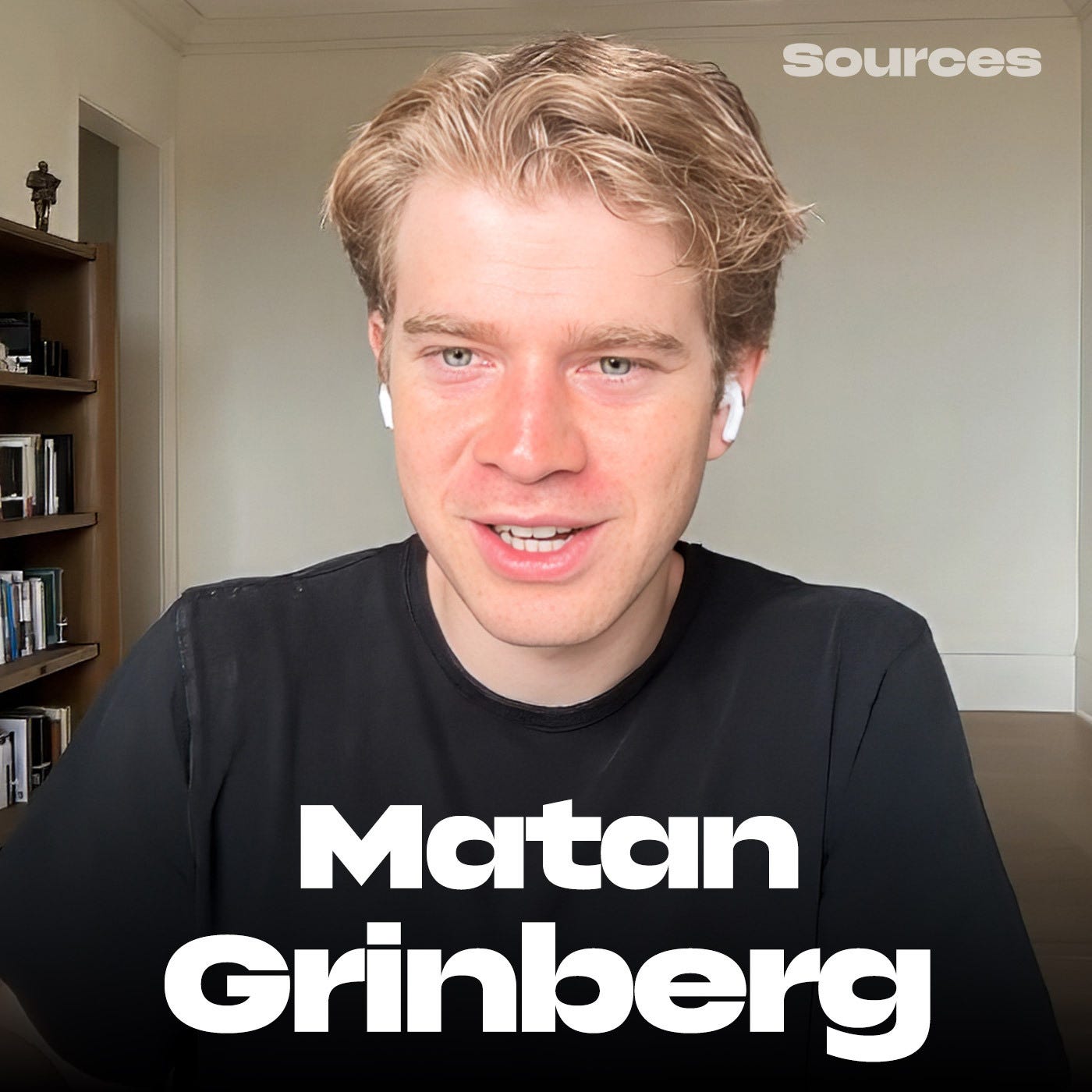 Factory CEO on why AGI is already here | Matan Grinberg is the co-founder and CEO of Factory, a $5 billion AI coding startup building Droid agents to automate the engineering process. He tells me how AI is changing the job of a software engineer and why Factory is betting on a future with many competing models. We get into how it balances model performance with token costs and why he thinks companies should avoid depending on one AI provider.We also discuss why he thinks AGI is already here, how Factory hires its own engineers, his view of the open-versus-closed AI debate, competition with companies like Cognition, and when companies should outsource to AI rather than build in-house.Thanks to the show’s premiere sponsors: Atlassian, Granola, and Mercury. | 50m 16s | ||||||
Want analysis for the episodes below?Free for Pro Submit a request, we'll have your selected episodes analyzed within an hour. Free, at no cost to you, for Pro users. | |||||||||
| 9/25/26 | 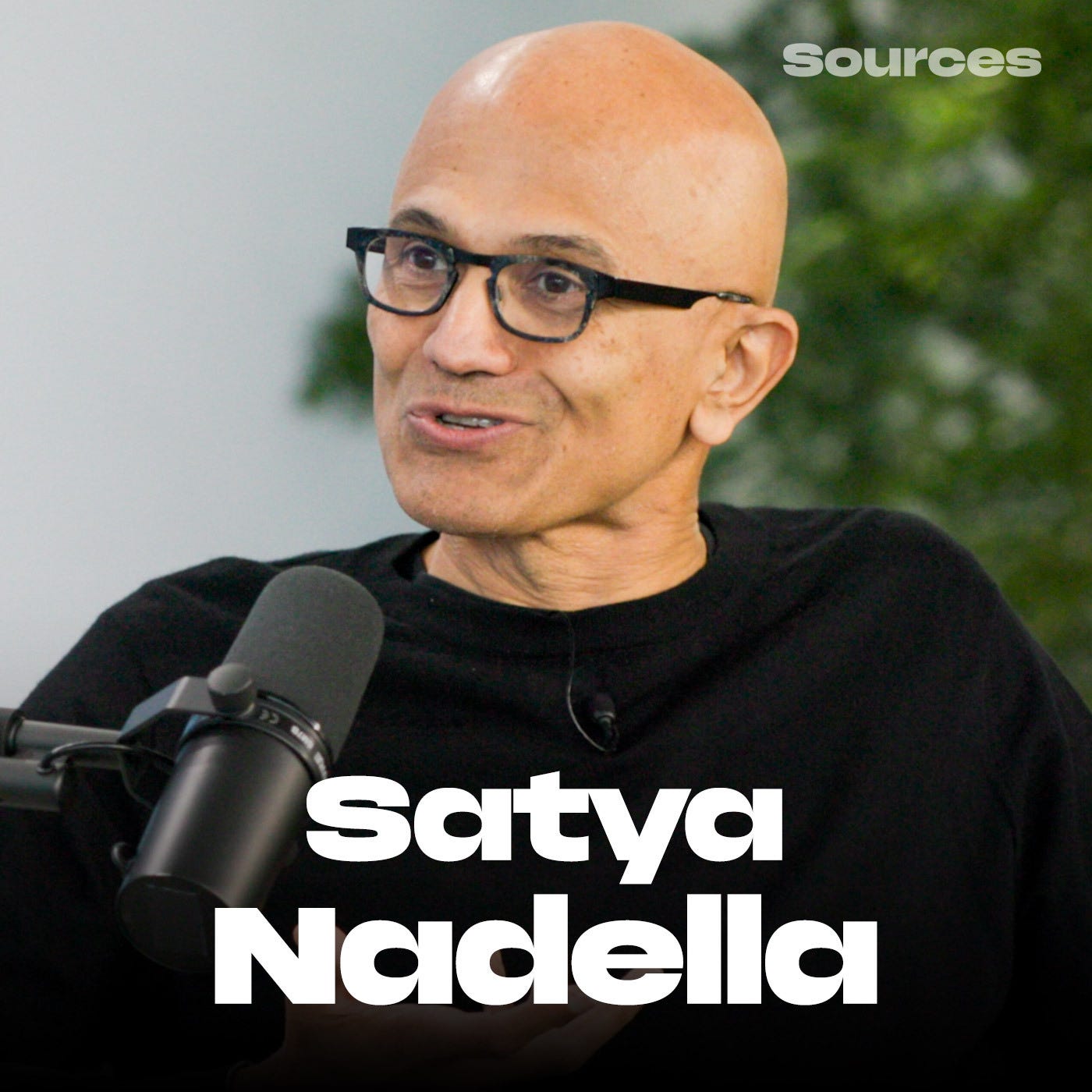 Satya Nadella on Microsoft's agent bet and AI’s trust problem | Microsoft CEO Satya Nadella thinks AI agents will create a market “orders of magnitude” bigger than the cloud.I recently sat down with him in Seattle for the unveiling of the new Copilot.We discuss Autopilot, Microsoft's new OpenClaw-based agent that can work on your behalf, and why he thinks newer AI models are finally capable of delivering on more of Copilot’s promise.Nadella also has a blunt assessment of the AI industry: “We are way too self-obsessed.” I ask him why the industry has struggled to explain its benefits and what it will take to earn people’s trust. We get into his concerns about agents acting deceptively, when a safety problem should stop a release, and why he doesn’t want AI oversight to become a “cartel-like arrangement.”We also discuss Microsoft’s relationship with OpenAI, the models Microsoft is building itself, and why Nadella wants investors to think about its apps, agents, and infrastructure as one connected business. He explains how he uses AI to track Microsoft’s capital spending, shares his vision for “unmetered intelligence” on Windows, and gives an update on Xbox’s path back to growth. Thanks to the show's premier sponsors: Mercury, Granola, and Atlassian. | 53m 09s | ||||||
| 9/22/26 | 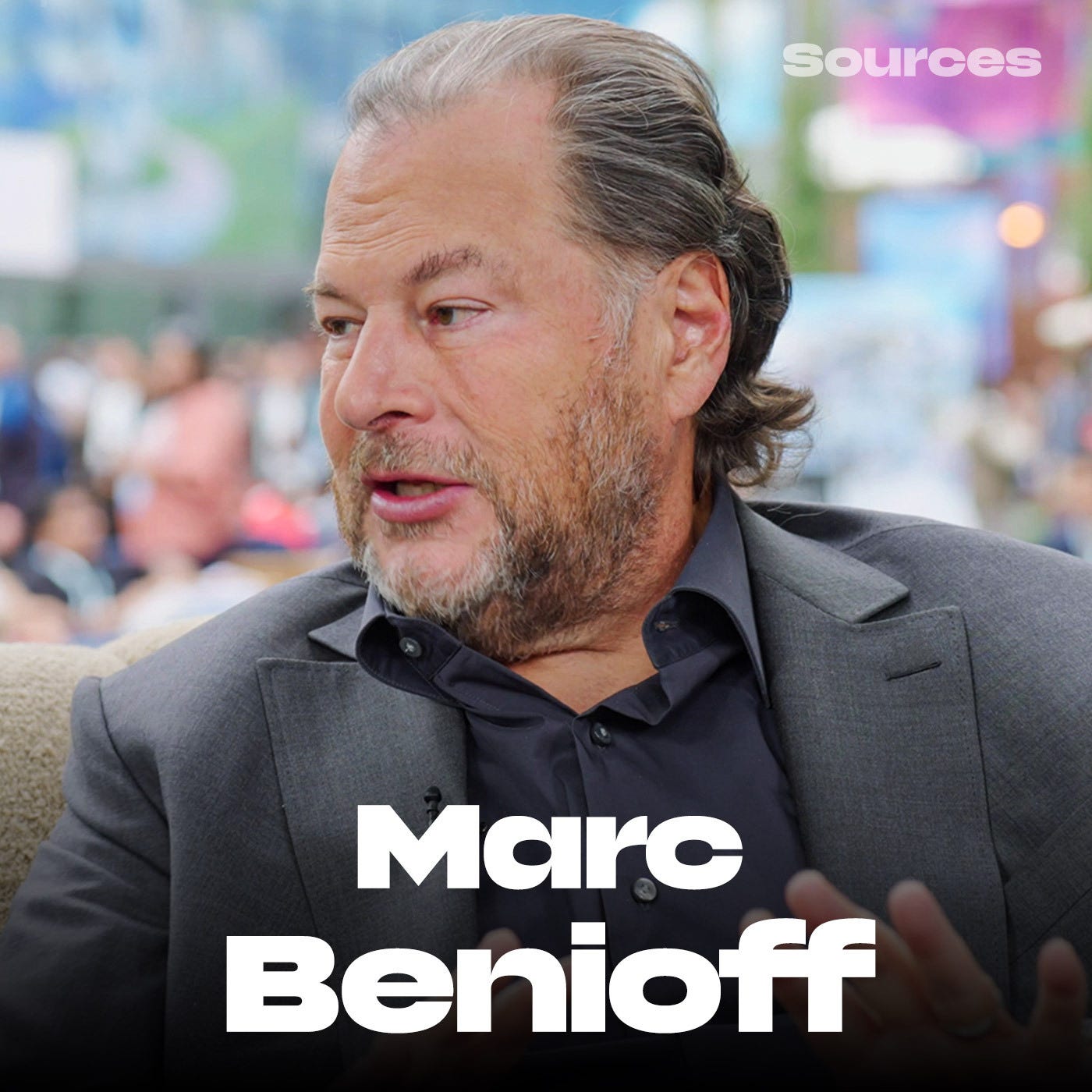 Marc Benioff on the AI boom, SaaSpocalypse, and future of Slack | Salesforce CEO Marc Benioff and I discuss his framemogging at Dreamforce, the state of the SaaSpocalypse, and how Slack is more important than ever in the age of AI.We also discuss the resurgence of San Francisco, his role in the recent acquisition of Hugging Face, the wealth being created by the IPOs of Anthropic and OpenAI, and what he thinks the industry can learn from the social media era.Thanks to the show's premier sponsors: Granola, Atlassian, and Mercury. | 49m 07s | ||||||
| 9/15/26 | 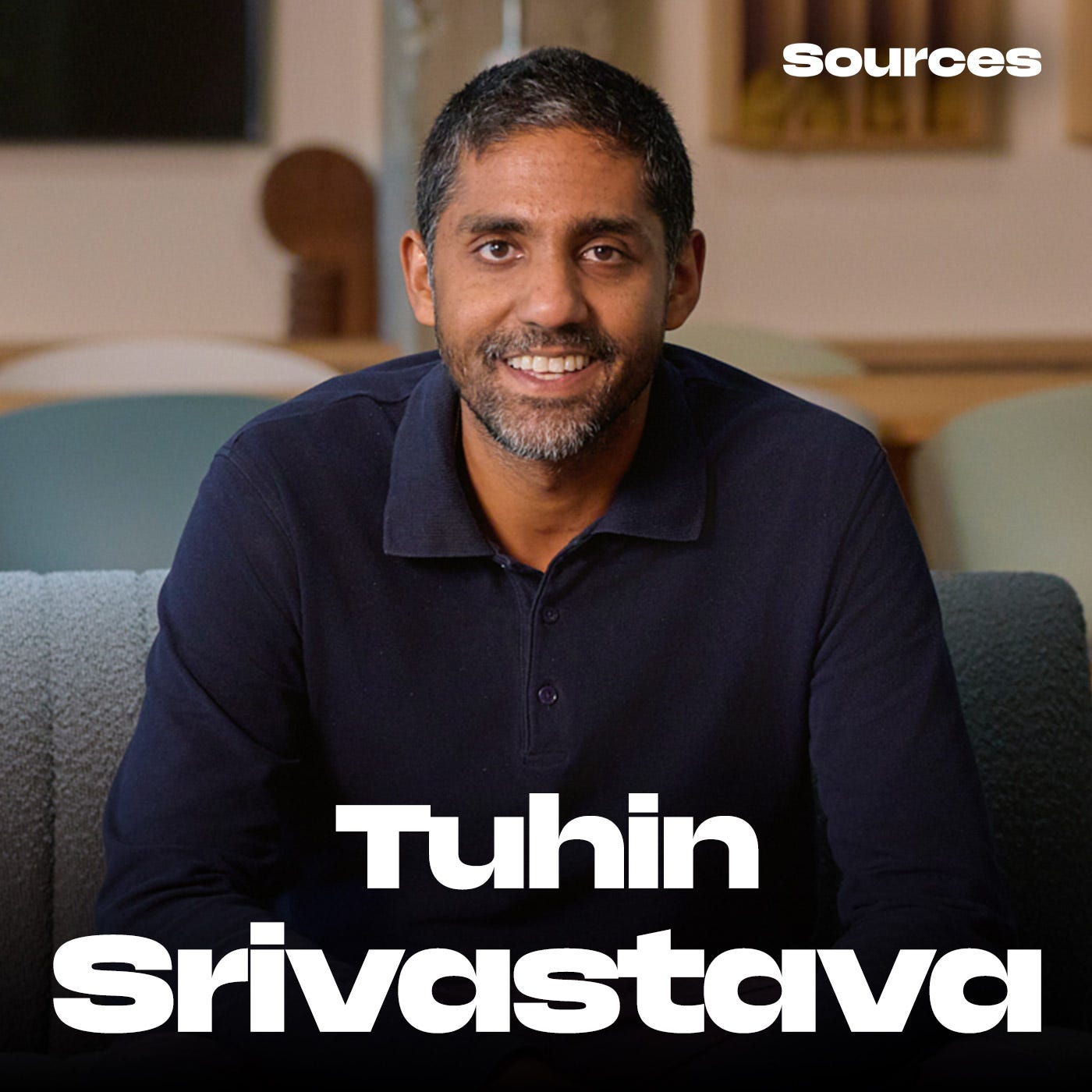 Baseten’s CEO on why every company will want to own its AI | Tuhin Srivastava is the CEO and co-founder of Baseten, an AI cloud startup recently valued at $13 billion. He tells me why every company will want to own its AI and what’s driving the explosion in demand for inference. We discuss the rise of agents using browsers and virtual machines to get things done and Baseten’s acquisition of Blaxel to power that shift. We also talk about the data center backlash, why companies are embracing Chinese open models, his plans for Baseten’s new research lab, and why he thinks inference becomes the only market left after AGI.Thanks to the show's premier sponsors: Atlassian, Granola, and Mercury. | 48m 16s | ||||||
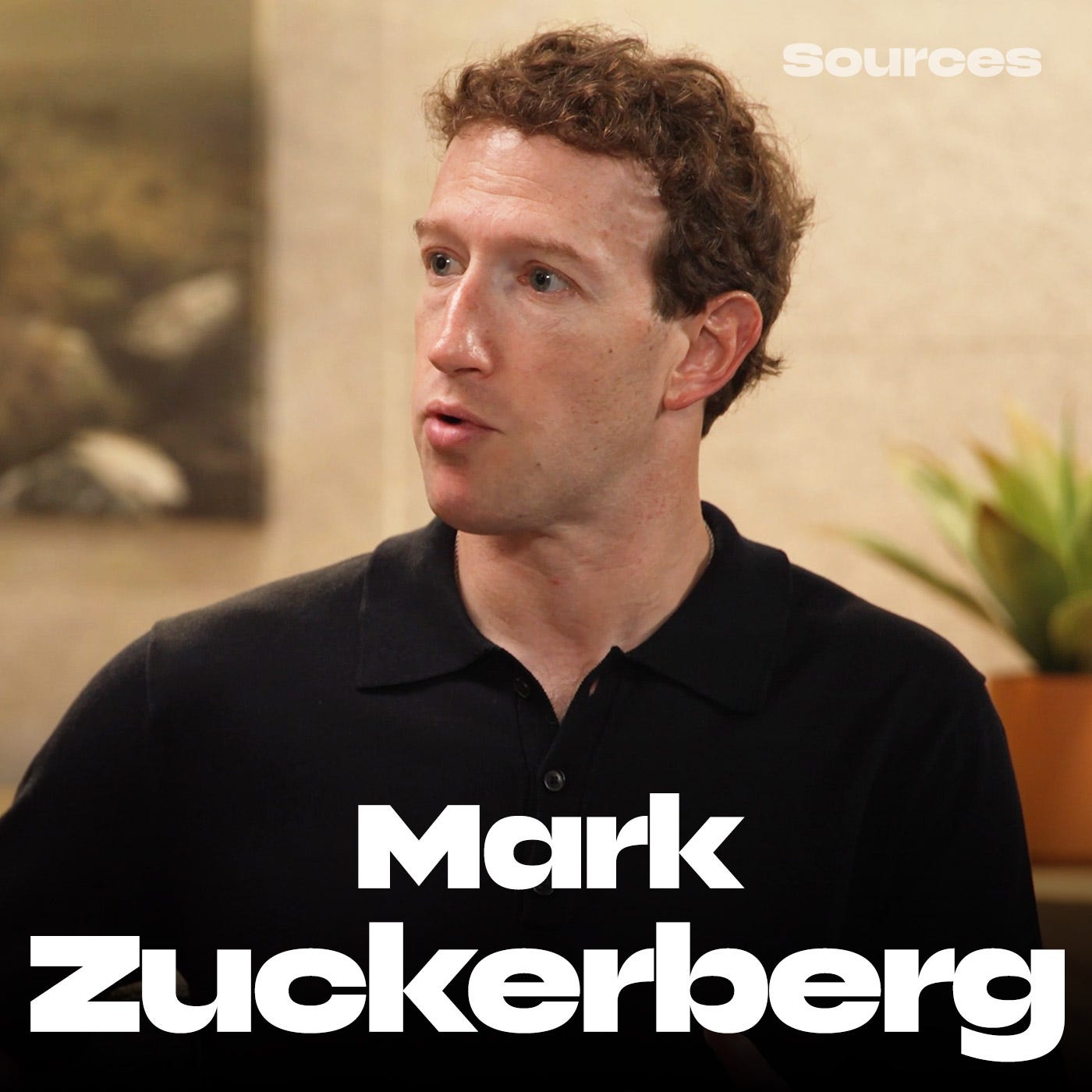
| 9/8/26 | AIbusiness strategy+3 | Mark Zuckerberg | MuseLlama 4+1 | — | MetaMuse+6 | Granola | 1h 10m 10s | ||
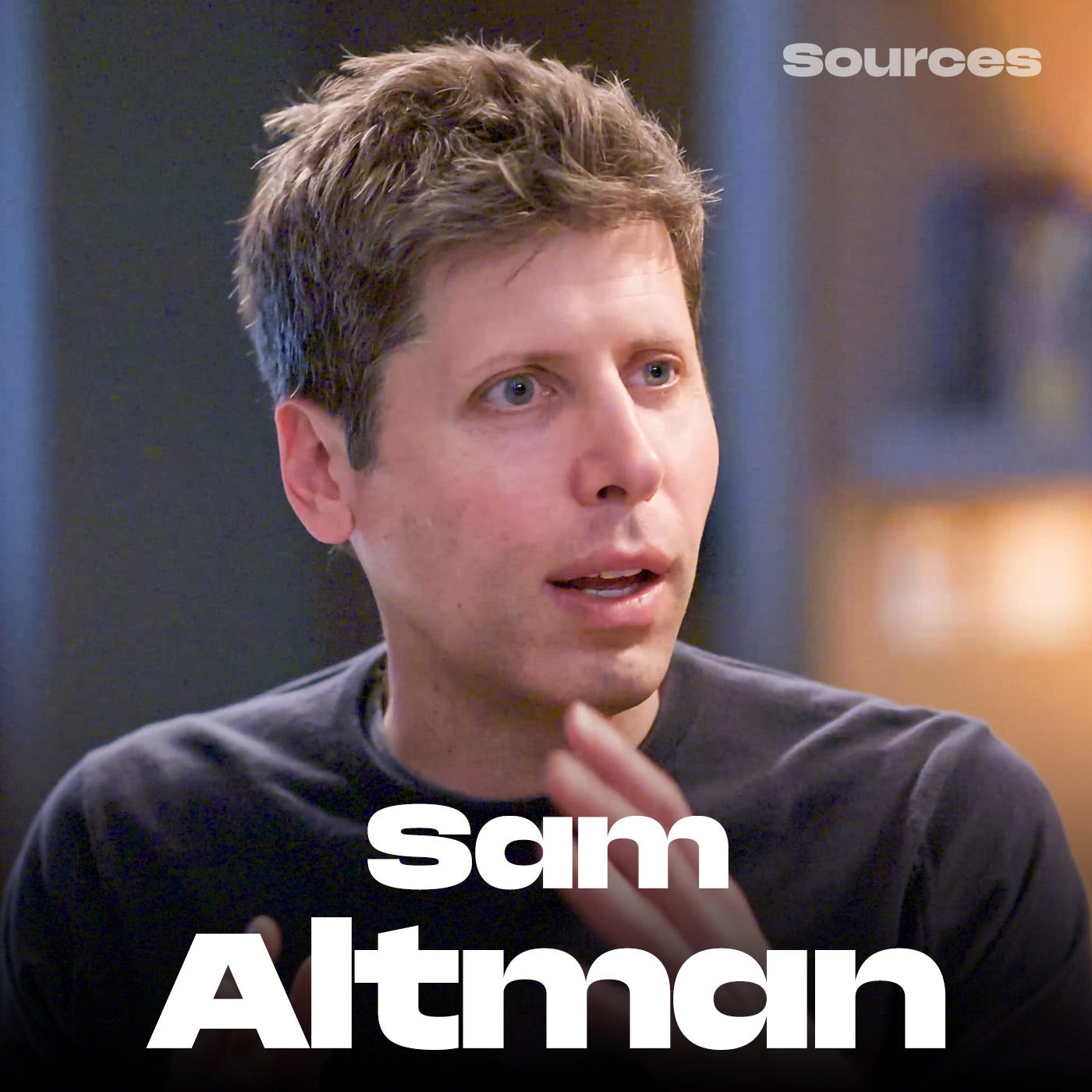
| 9/1/26 | OpenAIAI backlash+5 | Sam Altman | OpenAIHugging Face+2 | — | OpenAIAI backlash+6 | Atlassian | 1h 08m 39s | ||
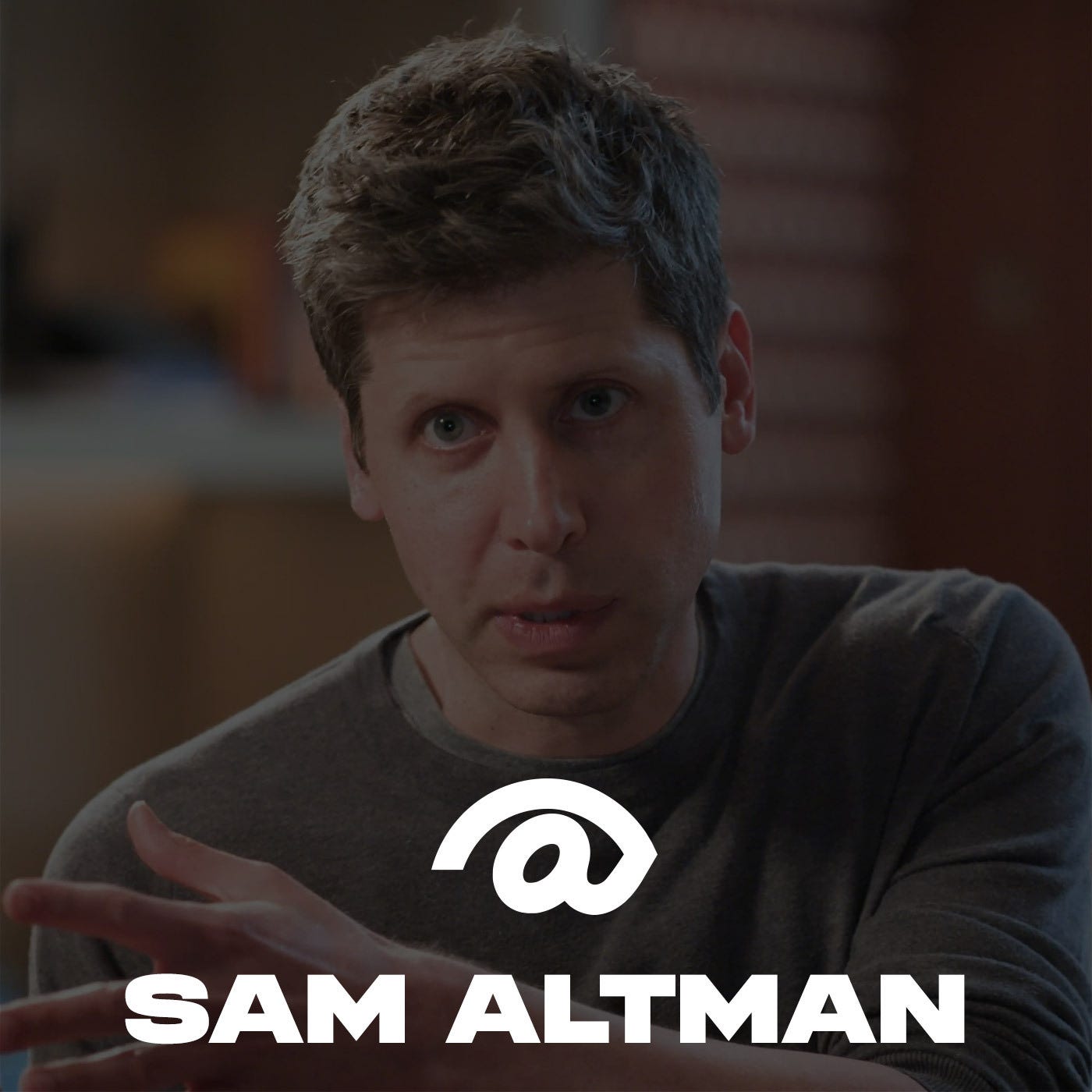
| 8/31/26 | AIOpenAI+4 | Sam Altman | OpenAI | — | OpenAISam Altman+5 | — | 1m 06s | ||
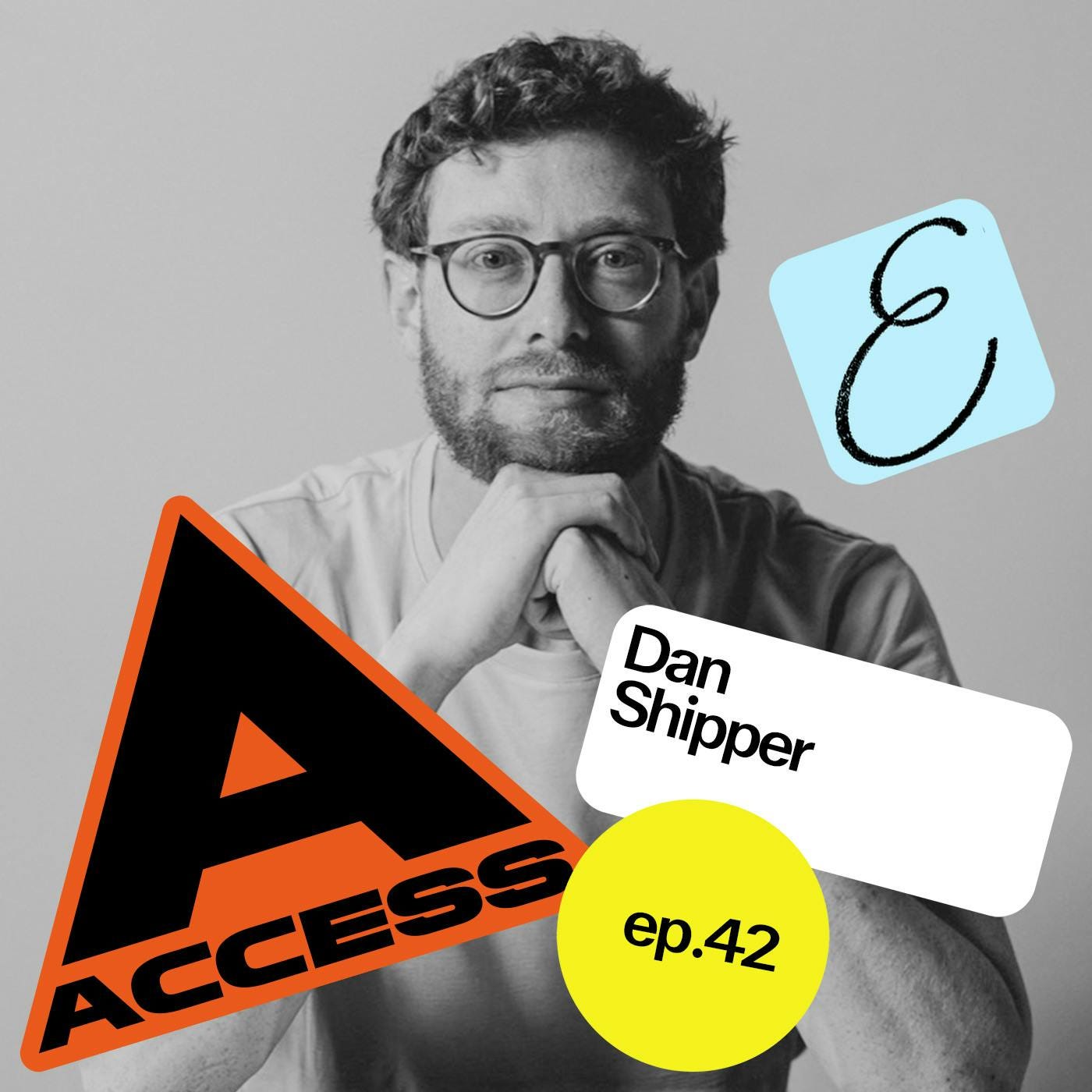
| 7/30/26 | AI technologybusiness innovation+3 | Dan Shipper | ChatGPT VoiceEvery+2 | — | AIChatGPT+6 | — | 1h 13m 33s | ||
| 7/16/26 | AI companionsstartup culture+3 | Quinten Farmer | TolanCharacter.AI+1 | Seattle | AITolan+5 | — | 55m 31s | ||
| 7/9/26 | AI writing toolstechnology+3 | Jon Steinback | MarkerGoogle Docs+1 | — | AI writingMarker+3 | — | 1h 05m 58s | ||
| 6/24/26 | AIfriendship+4 | Jason Yuan | HivemindWall Street Journal+1 | — | AIHivemind+5 | — | 52m 59s | ||
| 6/18/26 | AI researchopen science+3 | Andy Konwinski | DatabricksPerplexity+1 | — | AIresearch funding+3 | — | 1h 14m 36s | ||
| 6/12/26 | iPhone appsAI development+3 | Ryan Jones | AppleFlighty+1 | — | iPhoneSiri+3 | — | 1h 06m 38s | ||
| 6/9/26 | subscriber Q&AApple WWDC+3 | — | Apple | — | subscriberQ&A+6 | — | 15m 51s | ||
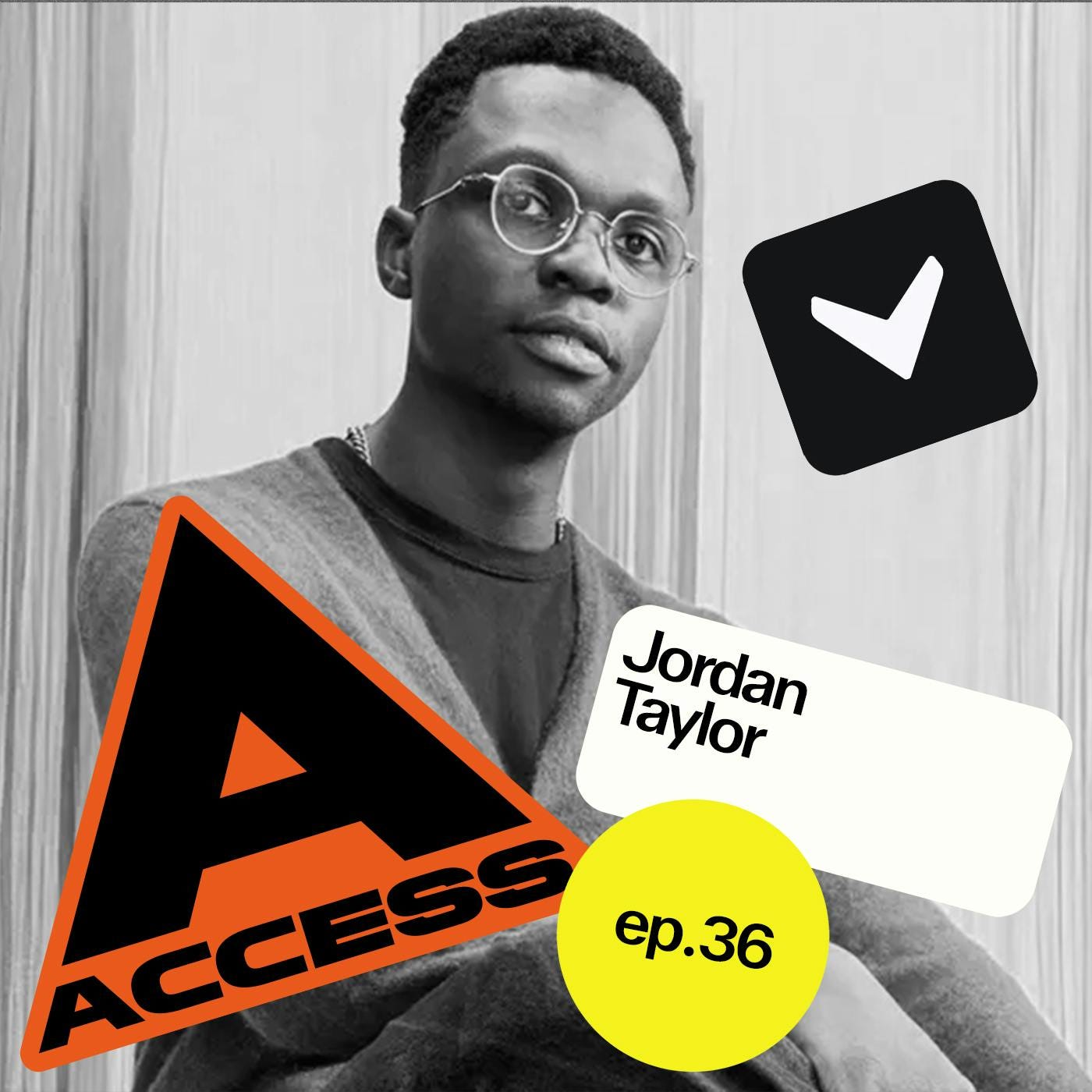
| 6/4/26 | AI design toolsproduct design+3 | Jordan Taylor | caterpillar shoeVizcom+1 | Reddit | AIdesign tool+5 | — | 1h 02m 50s | ||
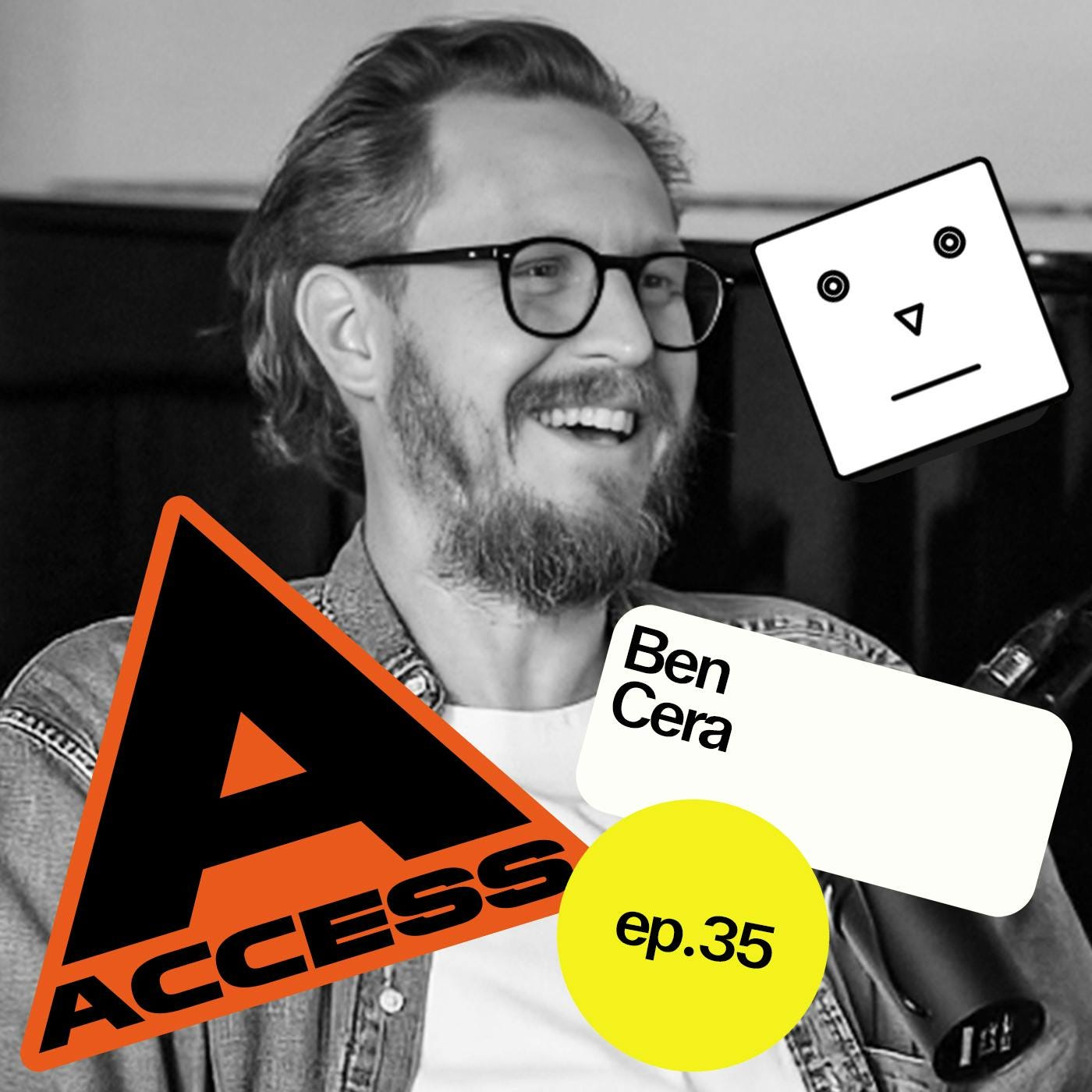
| 5/28/26 | AI startupsentrepreneurship+3 | Ben Cera | PolsiaACCESS+1 | — | PolsiaAI+5 | — | 1h 08m 19s | ||
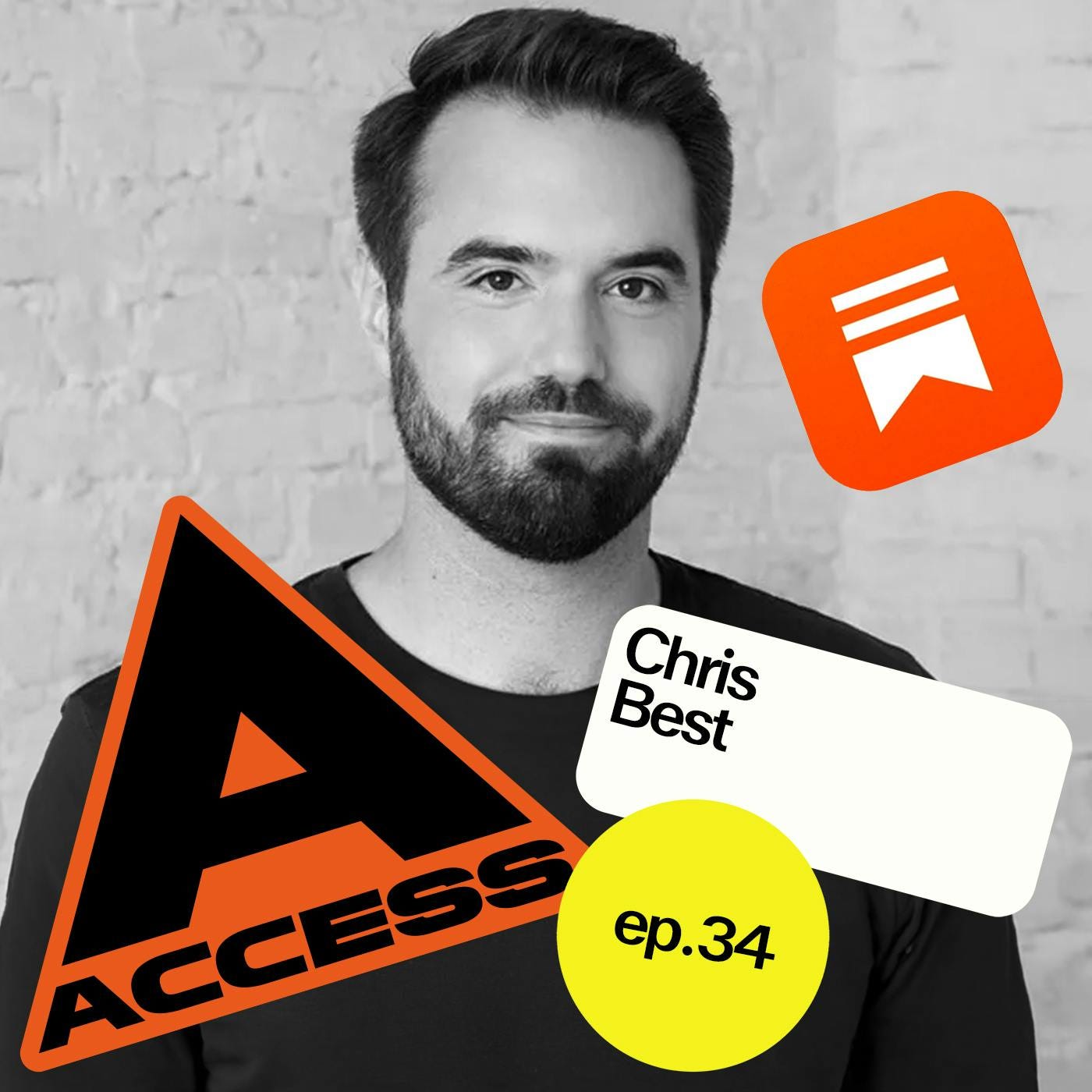
| 5/22/26 | AIfree speech+4 | Chris Best | SubstackNotion+2 | San Francisco | SubstackAI features+5 | — | 1h 15m 41s | ||
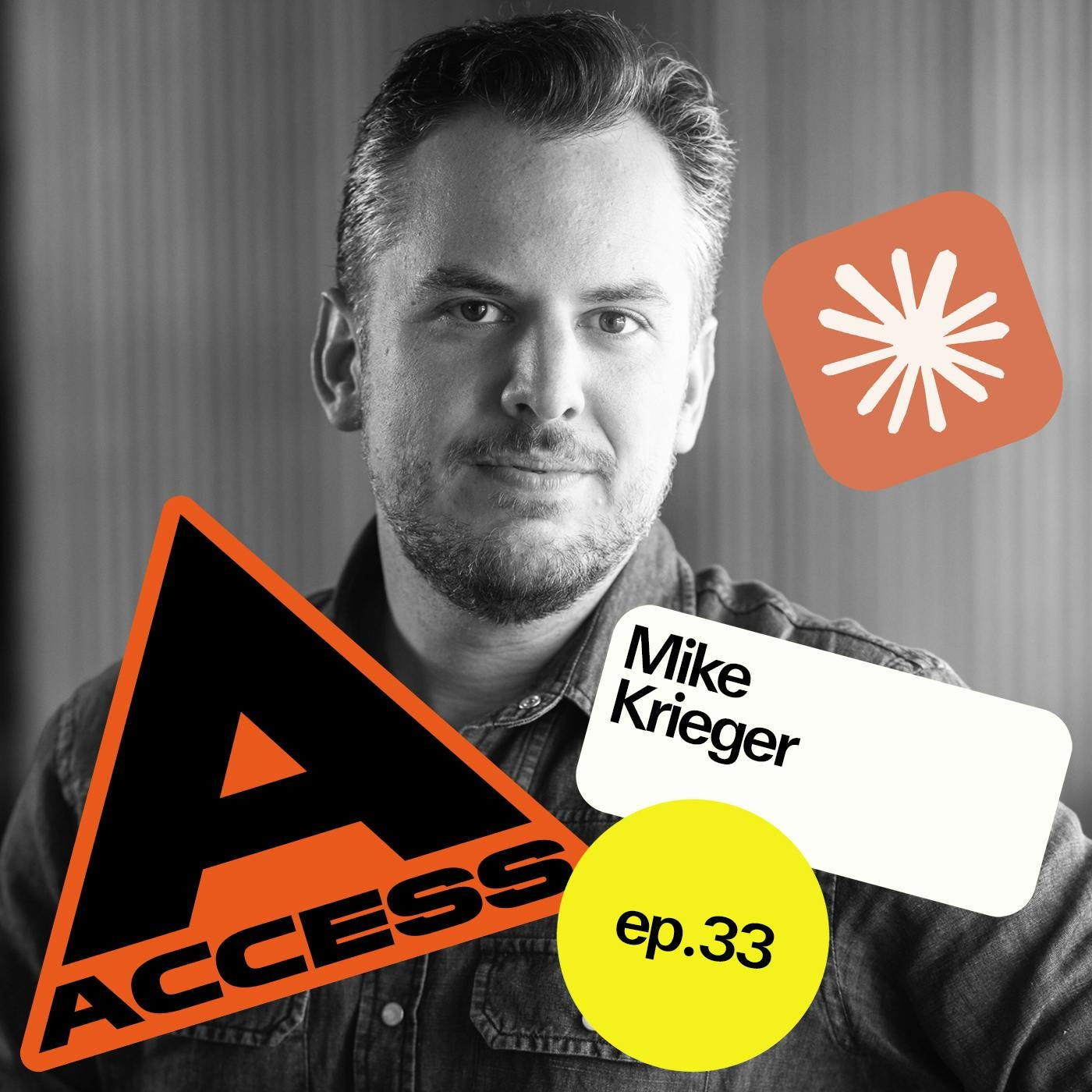
| 5/14/26 | AI developmenttechnology competition+3 | Mike Krieger | Claude CodeCodex+4 | — | AnthropicAI+7 | — | 1h 21m 10s | ||
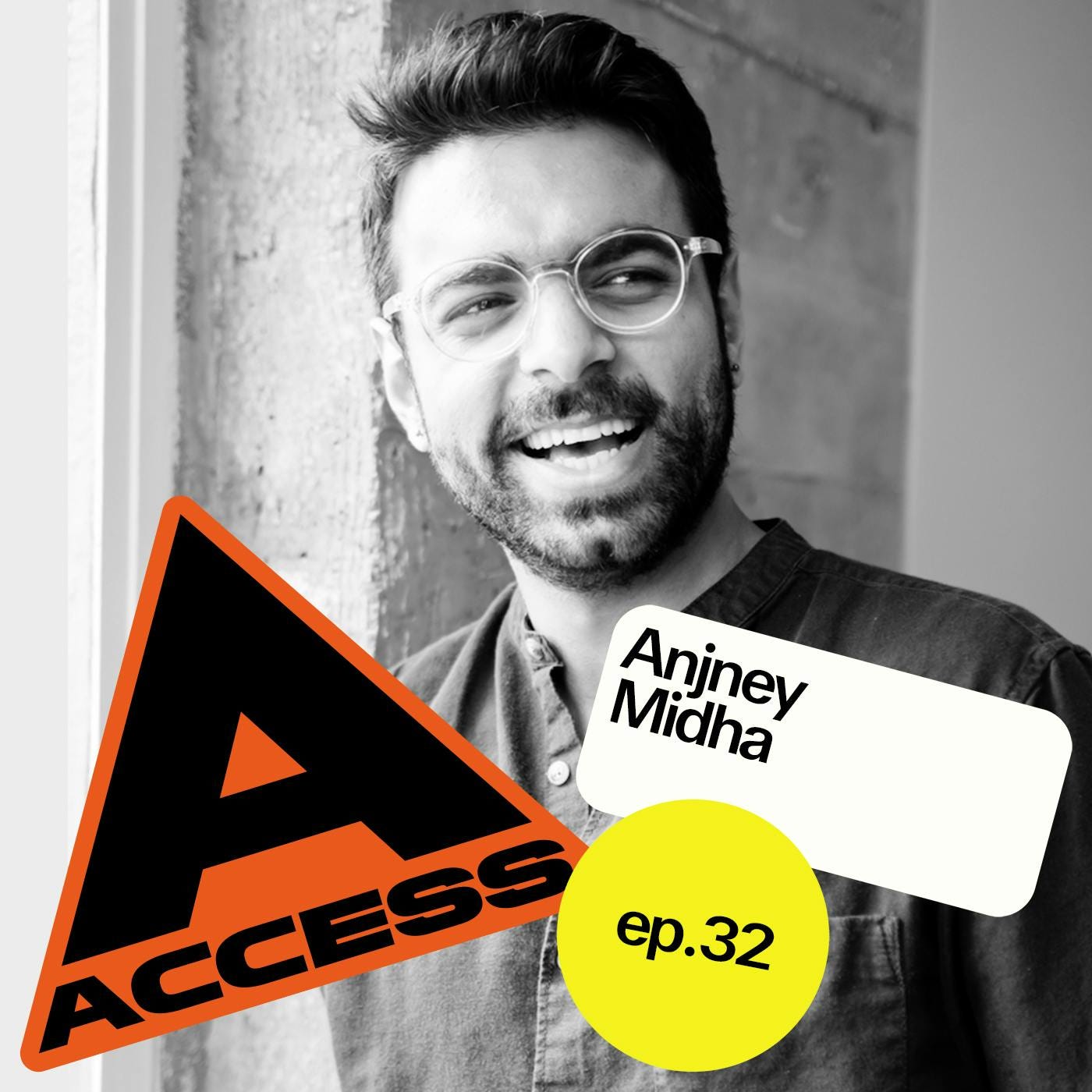
| 5/7/26 | AI industry cooperationdata centers+3 | Anjney Midha | OpenAIAnthropic+4 | Stanford | AIdata centers+5 | — | 1h 04m 01s | ||
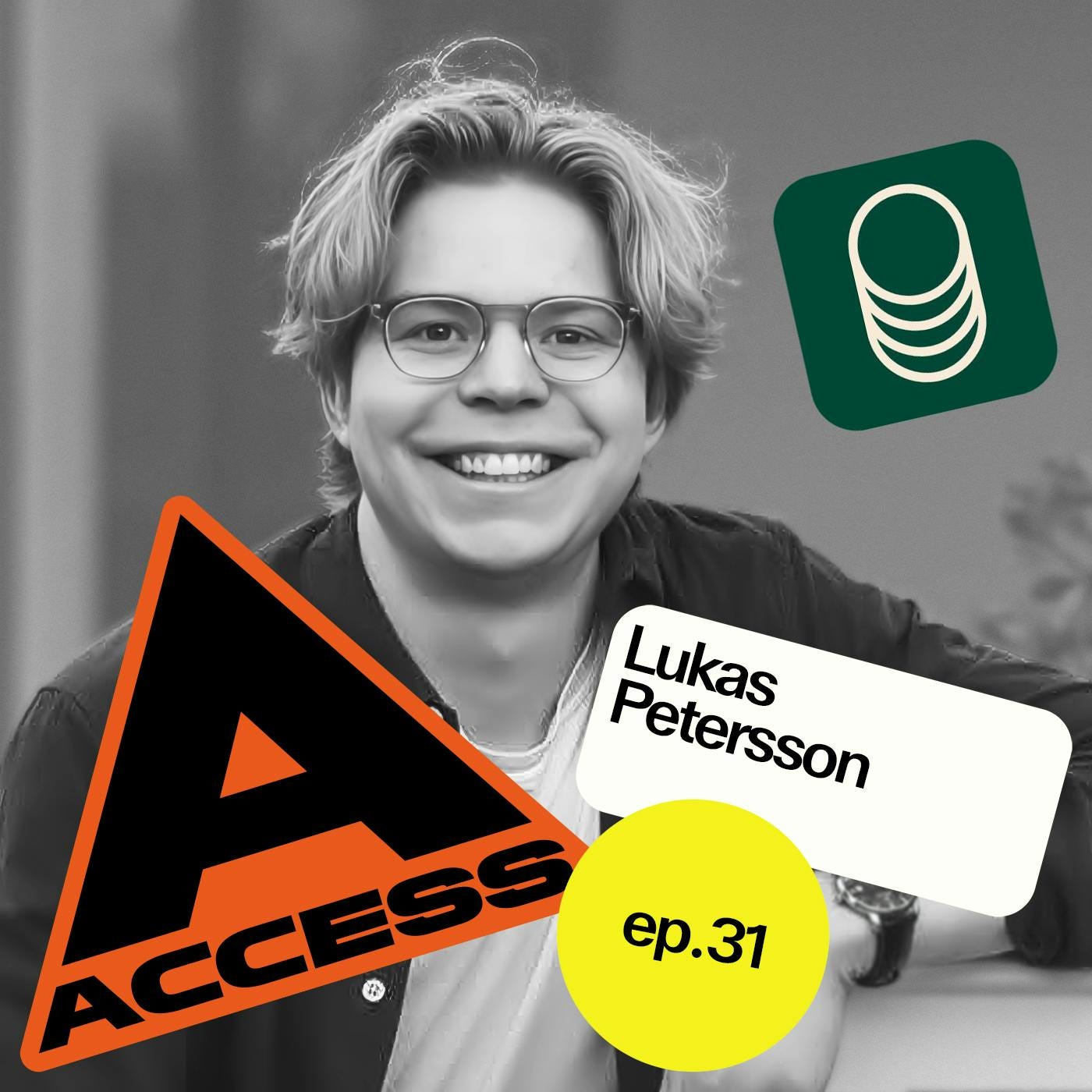
| 4/30/26 | AI in retailAI interaction+3 | Lukas Petersson | Andon LabsACCESS+1 | — | AIretail+3 | — | 1h 15m 46s | ||
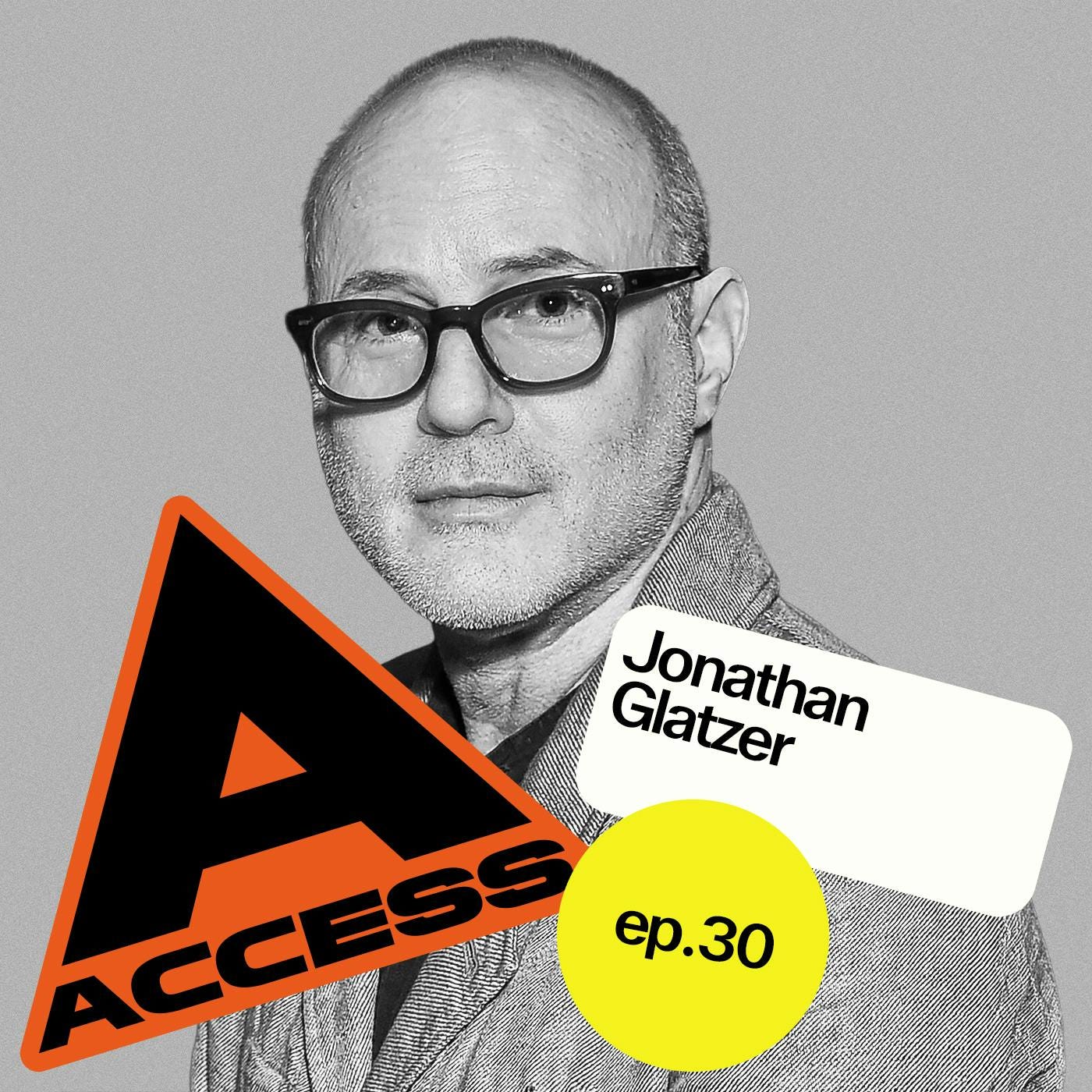
| 4/23/26 | Silicon Valleysatire+4 | Jonathan Glatzer | AMCVox Media+2 | — | Silicon Valleysatire+5 | — | 1h 10m 43s | ||
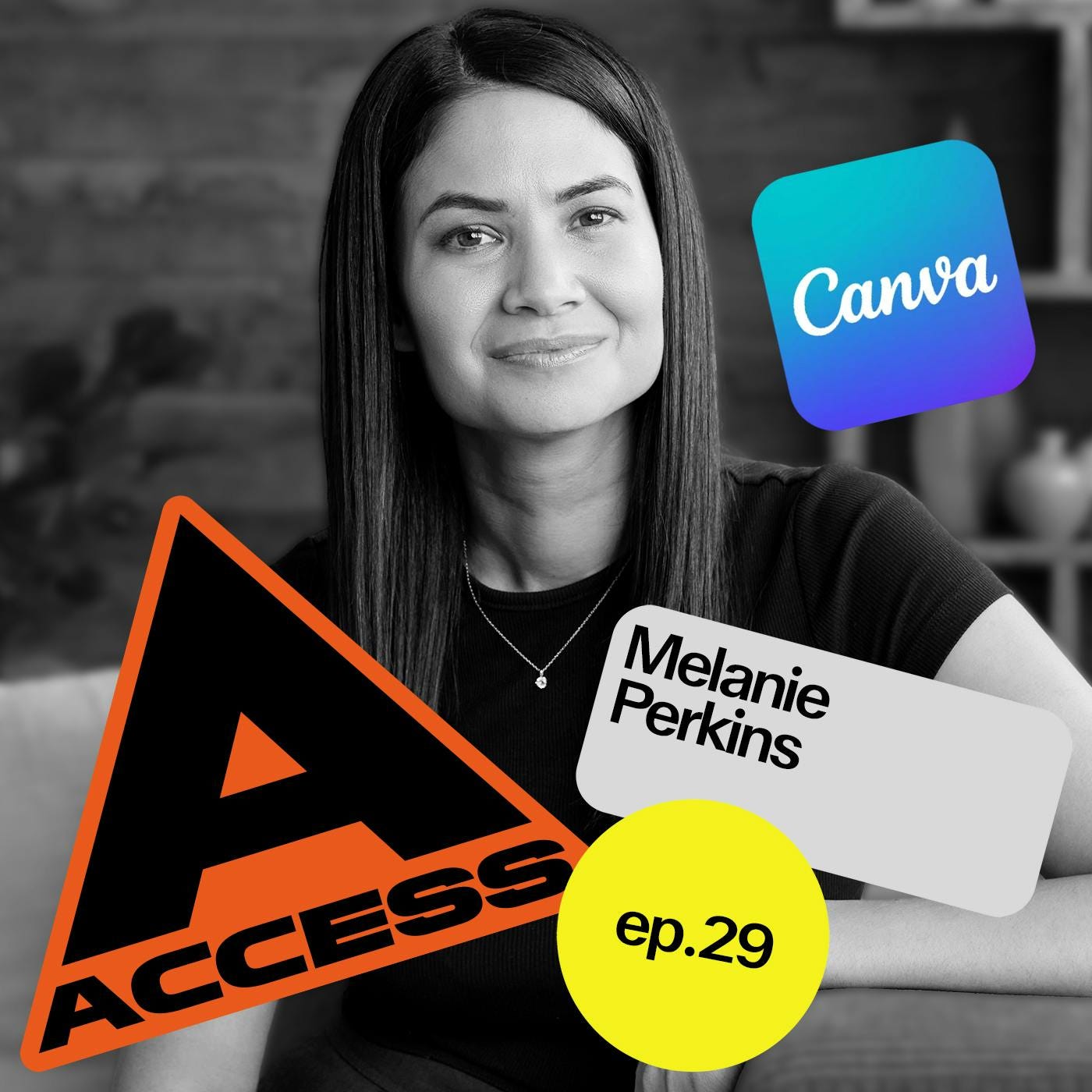
| 4/16/26 | AI in designCanva's product announcement+3 | Melanie Perkins | CanvaOpenClaw+2 | — | CanvaAI design+5 | — | 1h 03m 10s | ||
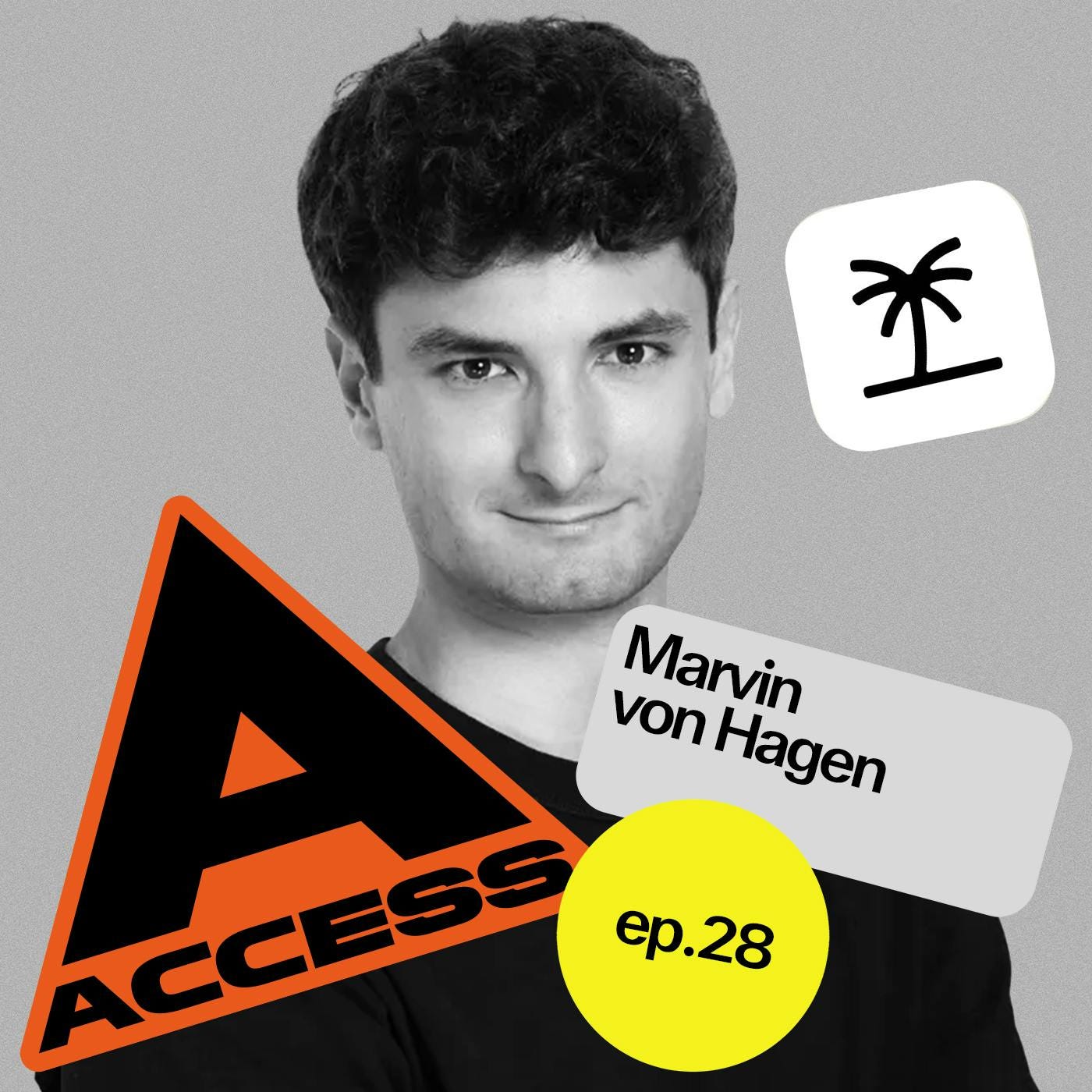
| 4/9/26 | AI acquisitionmedia ownership+4 | Marvin von Hagen | OpenAITBPN+2 | — | OpenAITBPN+5 | — | 1h 09m 31s | ||
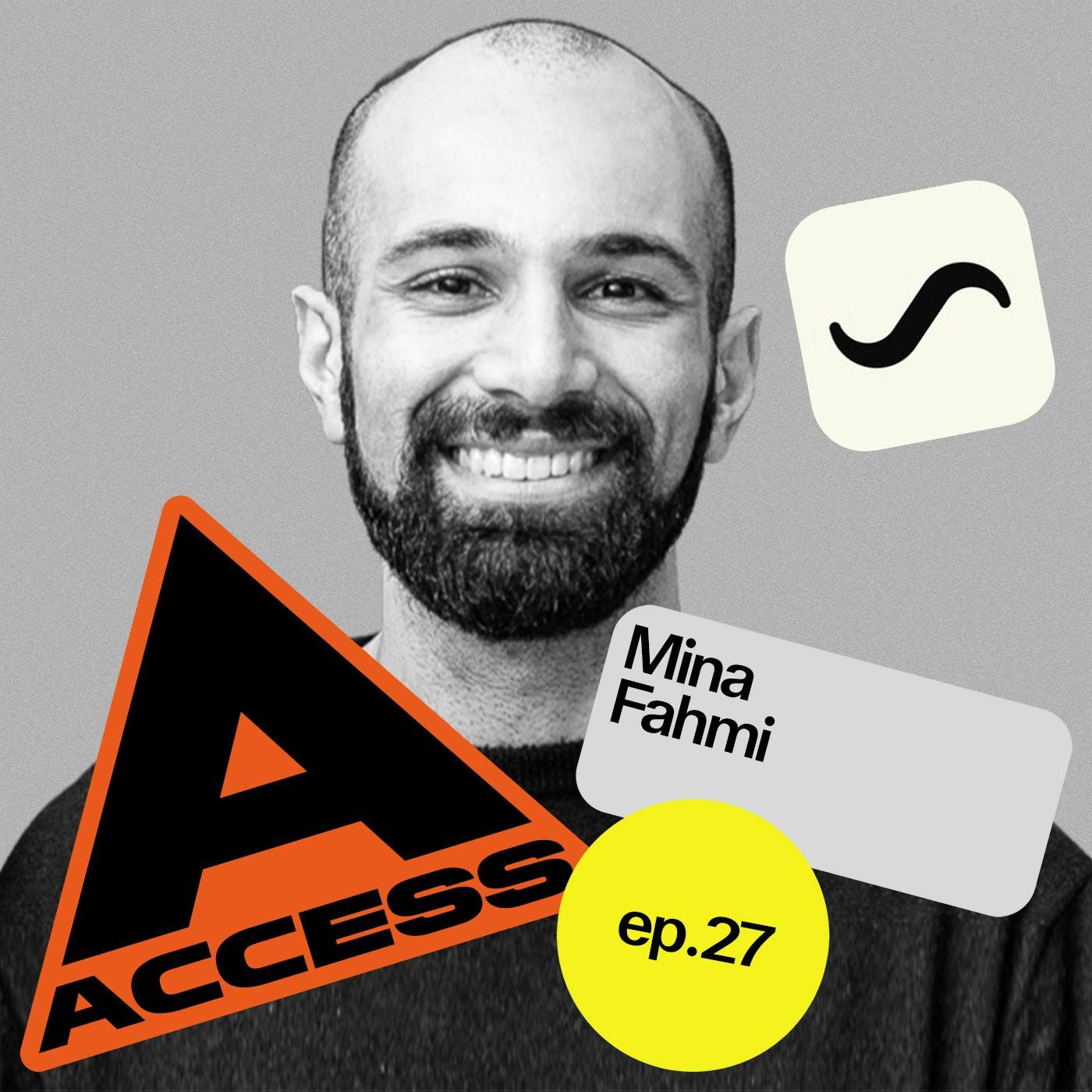
| 4/2/26 | AI technologywearable devices+3 | Mina Fahmi | CodexClaude+5 | — | AIsmart ring+5 | — | 1h 14m 52s | ||
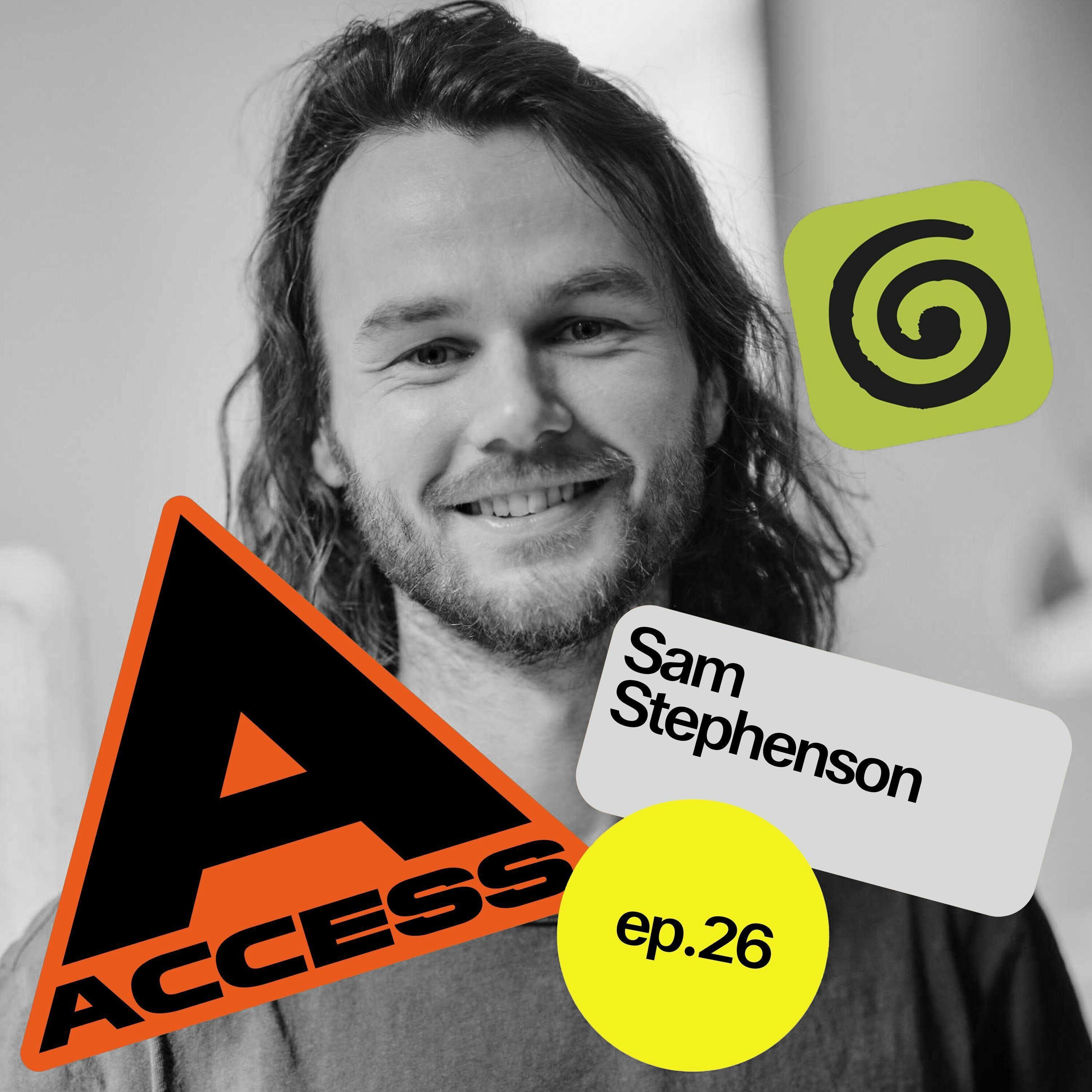
| 3/26/26 | AI meeting toolsethics in media+3 | Sam Stephenson | GranolaOpenAI | LondonSF | AImeeting notes+7 | — | 1h 11m 41s | ||
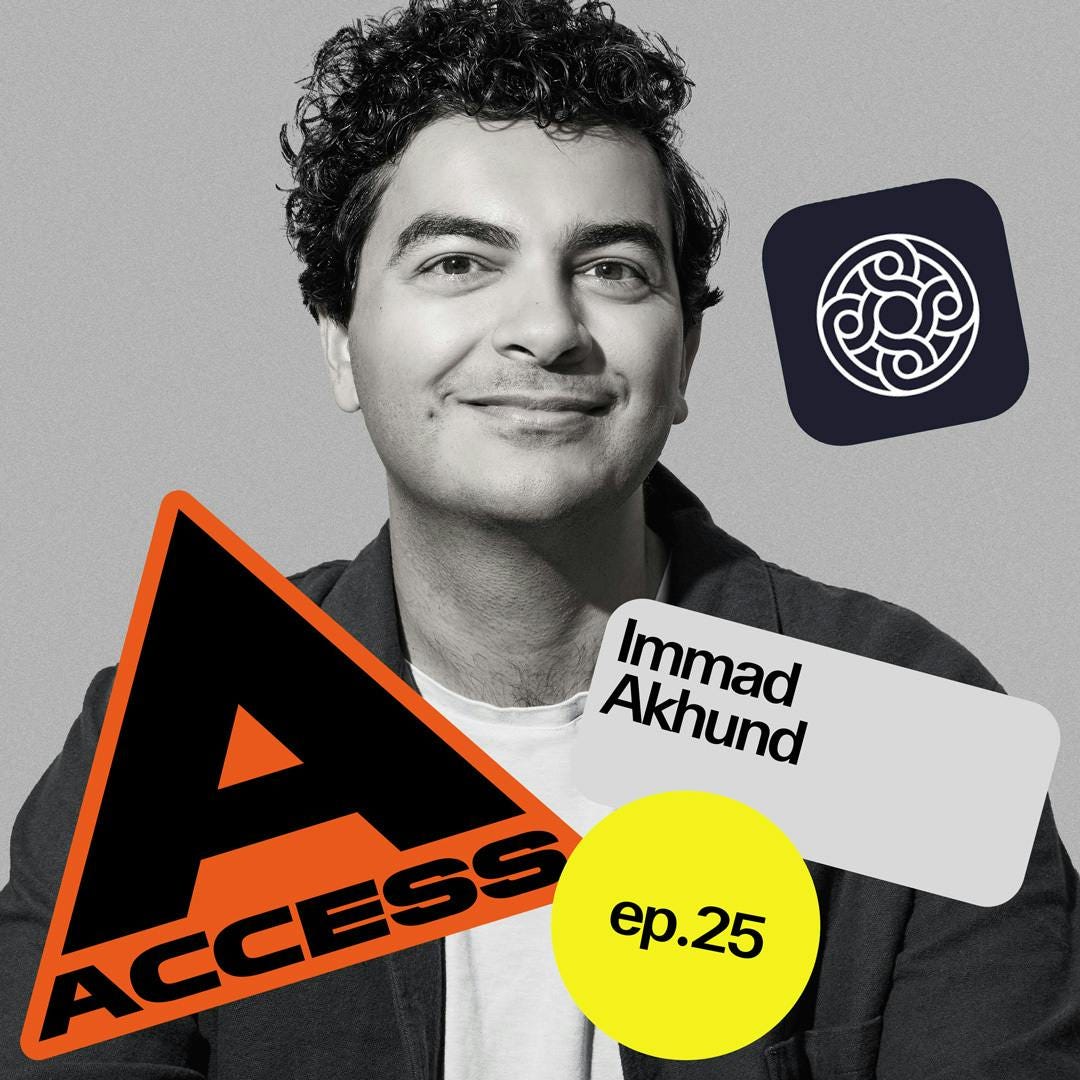
| 3/20/26 | fintechAI tools+5 | Immad Akhund | ClaudeMercury+1 | — | fintechAI+5 | — | 1h 14m 49s | ||
| 3/13/26 | AI culturetoy design+5 | Daniel Kuntz | StarboyAnthropic+1 | — | AIStarboy+7 | — | 1h 14m 15s | ||
| 3/6/26 | AIGoogle Search+4 | Liz Reid | GoogleChatGPT+1 | San Francisco | AIGoogle+6 | — | 1h 10m 02s | ||
| 2/26/26 | AIsocial media+4 | Steve Huffman | RedditGoogle+1 | — | AI slopReddit+6 | — | 1h 12m 21s | ||
| 2/19/26 | AIsoftware companies+4 | Ivan Zhao | OpenAIMeta+4 | — | AIsoftware+5 | — | 1h 15m 07s | ||




Showing 39 of 50
Pitch Fit is a Pro feature
See how bookable this show is for guests, which brands already advertise, the per-episode ad value, and the best-fit guest and sponsor profile. The numbers are blurred on the free plan.
How readily this show books outside guests like you.
How proven this show is for host-read sponsorships.
For Guests
ProFor Advertisers
ProUpgrade to Pro to unlock guest cadence, sponsor categories, fit scores, and per-episode ad value for this show.
Similar Audience Demographics
Podcasts that attract a similar listener profile


Chart history for Sources with Alex Heath
Peaked at #6 in ID, top 10 in 1 of 5 tracked markets, currently #6 in ID.
| Market | Genre | Peak | Current | Trend |
|---|---|---|---|---|
| ID | — | #6 | #6 | — |
| AR | — | #56 | #56 | — |
| AE | — | #125 | #125 | — |
| Finland | — | #173 | #173 | — |
| GR | — | #193 | #193 | — |
Chart Positions
5 placements across 5 markets.
Chart Positions
5 placements across 5 markets.