
Super Data Science: ML & AI Podcast with Jon Krohn
by Jon Krohn
Is this your podcast?On the show
From 44 epsHost
Recent guests
Recent episodes
1036: Is AI Holding Kids Back from Learning?
Oct 16, 2026
13m 25s
1035: Workslop, Glass Cliffs and Inviting Your Fears to Tea, with Carly Taylor
Oct 13, 2026
1h 07m 19s
1034: In Case You Missed It in September 2026
Oct 9, 2026
43m 34s
1033: Workslop: The Hidden Cost of AI-Generated Work, with Prof. Jeff Hancock and Dr. Kate Niederhoffer
Oct 6, 2026
1h 15m 25s
1032: Agents Need 10x More Data Than Humans, with Salesforce’s CDO Michael Andrew
Oct 2, 2026
27m 49s
Insights from recent episode analysis
Audience Interest
Podcast Focus
Publishing Consistency
Platform Reach
Insights are generated by CastFox AI using publicly available data, episode content, and proprietary models.
Most discussed topics
Brands & references
Total monthly reach
Based on the show's feed history.
Built from
By chart position
- 🇵🇹Portugal · Technology#124.0K to 49K
- 🇮🇳India · Technology#603.3K to 40K
- 🇬🇧United Kingdom · Technology#1121.4K to 17K
- 🇩🇪Germany · Technology#991.3K to 16K
- 🇻🇳VN · Technology#36869 to 11K
- Per-Episode Audience
Est. listeners per new episode within ~30 days
16K to 196K🎙 ~2x weekly·1,000 episodes·Last published 3d ago - Monthly Reach
Unique listeners across all episodes (30 days)
32K to 392K🇺🇸71%🇵🇹7%🇮🇳6%+11 more - Active Followers
Loyal subscribers who consistently listen
18K to 216K
Market Insights
Platform Distribution
Reach across major podcast platforms, updated hourly
Total Followers
—
Total Plays
—
Total Reviews
—
* Data sourced directly from platform APIs and aggregated hourly across all major podcast directories.
Social Links & Contact
Official channels & resources
Official Website
Login
RSS Feed
Login
| Date | Episode | Topics | Guests | Brands | Places | Keywords | Sponsor | Length | |
|---|---|---|---|---|---|---|---|---|---|
| 10/16/26 |  1036: Is AI Holding Kids Back from Learning? | In Episode #1036, Jon Krohn digs into the question parents and teachers keep asking: does AI stop children from learning? Drawing on a wave of new studies, he shows the answer turns entirely on how AI is used, as a shortcut that outsources the thinking, or as a tutor that explains and gives feedback. Along the way: a 30,000-student natural experiment in China, a striking tutoring result from Turkey, and three practical takeaways that apply just as much to adults using AI at work. Additional materials: www.superdatascience.com/1036 Interested in sponsoring a SuperDataScience Podcast episode? Email [email protected] for sponsorship information. | 13m 25s | ||||||
| 10/13/26 |  1035: Workslop, Glass Cliffs and Inviting Your Fears to Tea, with Carly Taylor | In Episode #1035, Carly Taylor (Founder of Rebel Data Science) returns to join Jon Krohn for a wide-ranging conversation about leading engineering teams when the ground keeps moving. Carly shipped nine Call of Duty titles in roughly five years at Activision, where she led game security, and has since been a director of engineering at Microsoft and Field CTO for gaming at Databricks. She is also one of the most entertaining people in data on LinkedIn, where more than 200,000 people follow posts she cheerfully calls unhinged. In this episode, she explains why obsessing over the future produces analysis paralysis, which fundamentals never change, how to tell AI slop from AI used well, what the Buddhist practice of inviting Mara to tea has to do with public speaking, and what the glass cliff means for women being promoted into leadership. Additional materials: www.superdatascience.com/1035 Interested in sponsoring a SuperDataScience Podcast episode? Email [email protected] for sponsorship information. In this episode you will learn: (00:04:07) The mindsets that still work in 2026 (00:23:25) Why AI slop breaks a social contract (00:28:49) Exploring versus grinding in a career (00:54:37) The glass cliff for women in leadership | 1h 07m 19s | ||||||
| 10/9/26 |  1034: In Case You Missed It in September 2026 | In ICYMI Episode #1034, Jon Krohn moves from what sits underneath AI systems to what it takes to live with them every day. Hear from Aishwarya Srinivasan, Luis Serrano, Katie Malone, Ish Shah and Dilani Kahawala, discussing why the bottleneck in shipping software has moved from execution to judgment, how a physicist recast attention in transformers as words bending space, why years of managing people may be the best preparation for managing AI agents, how one weekend side project burned through billions of tokens and which three problems are hardest to solve when a product has no user interface and never stops running. Additional materials: www.superdatascience.com/1034 Interested in sponsoring a SuperDataScience Podcast episode? Email [email protected] for sponsorship information. In this episode you will learn: (00:57) Agentic AI Skills That Matter Now (10:51) Word Gravity: How Transformers Bend Space (17:45) How AI Brought a Podcast Back From the Dead (27:39) Tokenomics: Why Your Agentic AI Bill Is Exploding (and How to Fix It) (34:28) Building an Always-On AI Agent for Busy Parents | 43m 34s | ||||||
| 10/6/26 |  1033: Workslop: The Hidden Cost of AI-Generated Work, with Prof. Jeff Hancock and Dr. Kate Niederhoffer | In Episode #1033, Prof. Jeff Hancock (Professor of Communication at Stanford) and Dr. Kate Niederhoffer (Chief Scientist at BetterUp) join Jon Krohn to explain the hidden cost of AI-generated work. A year ago they coined "workslop" in a Harvard Business Review article that went viral and landed the term among Merriam-Webster’s words of the year: content that masquerades as real work but quietly shifts the burden onto whoever receives it. Their research finds that 40% of workers have been sent workslop and 53% admit to producing it, at a cost running to millions of dollars a year for a large organisation. In this episode, they separate workslop from ordinary sloppy work, name the organisational conditions that produce it, introduce their newer concept of relation slipping, and make the case that augmenting people with AI beats automating them away. Additional materials: https://www.superdatascience.com/1033 Interested in sponsoring a SuperDataScience Podcast episode? Email [email protected] for sponsorship information. In this episode you will learn: (00:04:03) What separates workslop from ordinary sloppy work (00:16:21) The organisational conditions that produce workslop (00:41:50) The pilot mindset, and using AI relationally (00:56:21) Jeff on the deepfake case and what it taught him about trust | 1h 15m 25s | ||||||
| 10/2/26 |  1032: Agents Need 10x More Data Than Humans, with Salesforce’s CDO Michael Andrew | During their #sponsored discussion, Chief Data Officer at Salesforce Michael Andrew talks to Jon Krohn about what changes for a data team when its customers are AI agents as well as people. Listen to the episode to hear Michael Andrew talk about why agents need ten times more trusted data than humans, how Salesforce untrapped its own customer data with Data 360 and what practitioners should be learning to stay effective in the agentic era! Additional materials: www.superdatascience.com/1032 Interested in sponsoring a SuperDataScience Podcast episode? Email [email protected] for sponsorship information. In this episode you will learn: (02:32) How the CDO role changes when agents are customers (06:18) Why agents need ten times more data than humans (09:06) How Salesforce untrapped its own customer data (21:36) What practitioners should be learning for the agentic era | 27m 49s | ||||||
| 9/29/26 |  1031: Tokenomics: Why Your Agentic AI Bill Is Exploding (and How to Fix It), with Tyler Cox and Ish Shah | In Episode #1031, Ish Shah and Tyler Cox (Distinguished Engineers in the Office of the CTO for Dell Technologies' client group) join Jon Krohn to work out why agentic AI bills are exploding and what can be done about it. Over one weekend Ish burned roughly two billion tokens on a side project, and that is the ordinary shape of agentic work now: agents spawn sub-agents, the pie of work grows, and cheaper tokens only invite more ambitious projects. Tyler runs a small Dell lab that pushes hundreds of millions of tokens a day through local hardware instead. In this episode, they define what makes a system agentic, explain how to read a Pareto curve when choosing models, work through the jagged frontier and why most tasks do not need a frontier model, and lay out what moving agentic workloads onto your own hardware does to the economics. Additional materials: https://www.superdatascience.com/1031 Interested in sponsoring a SuperDataScience Podcast episode? Email [email protected] for sponsorship information. In this episode you will learn: (00:03:42) What makes a system agentic (00:12:45) Picking the right model for the task (00:16:46) How to read a Pareto curve (00:27:02) Why agents burn so many more tokens | 1h 15m 04s | ||||||
| 9/25/26 |  1030: Garbage In, Gospel Out: Why Agents Need Better Data, with Salesforce's Gaurav Pathak | During their #sponsored discussion, Senior Vice President Product Management AI and Metadata at Salesforce, Gaurav Pathak talks to Jon Krohn about why AI agents need well-labeled, high-quality data to deliver reliable answers in the enterprise. Listen to the episode to hear Gaurav Pathak talk about the difference between a “data brawl” and “garbage in, gospel out”, who the “sin eaters” of enterprise AI are and the three skills that matter most for AI engineers today! Additional materials: www.superdatascience.com/1030 Interested in sponsoring a SuperDataScience Podcast episode? Email [email protected] for sponsorship information. In this episode you will learn: (03:05) Why metadata are the labels AI agents need (06:31) From “data brawl” to “garbage in, gospel out” (10:57) Who the “sin eaters” of enterprise AI are (13:45) What data quality rules are and how CLAIRE generates them (17:21) Three skills AI engineers need in the agentic era | 22m 53s | ||||||
| 9/22/26 |  1029: How AI Brought a Podcast Back From the Dead, with Linear Digressions’ Katie Malone | In Episode #1029, Dr. Katie Malone (Host of Linear Digressions) joins Jon Krohn to explain how AI brought her podcast back from the dead. After nearly 300 episodes, Katie shut down Linear Digressions due to burnout, but better tools helped her relaunch it six years later. Along the way she has taught machine learning at Udacity and the University of Chicago and led the development of agentic AI platforms inside a company of tens of thousands of people. In this episode, she argues that people management and agent management are the same skill in different clothing, works through what AI slop and process slop are doing to organisations, describes the agent that now produces her show, and takes a pop quiz on three of her favourite data paradoxes. Additional materials: https://www.superdatascience.com/1027 Interested in sponsoring a SuperDataScience Podcast episode? Email [email protected] for sponsorship information. In this episode you will learn: (00:04:01) Why Linear Digressions stopped, and what changed enough to bring it back (00:15:01) Why people management and agent management are the same skill (00:24:32) The "Claude Code in a trench coat" agent that produces her show (00:41:39) Bainbridge’s ironies of automation, and why expertise gets rusty | 1h 10m 05s | ||||||
| 9/18/26 |  1028: The Chip Built for Agentic AI Inference, with SambaNova's Anton McGonnell | In Episode #1028, Anton McGonnell (VP of Product at SambaNova) joins Jon Krohn to explain why the chips running most AI inference today were never designed for the job. Agentic AI has changed the computational profile of inference, with much larger inputs and far heavier caches feeding the token generation that follows, and that shift has exposed where GPU architecture struggles. SambaNova has raised over $2 billion to build an alternative, the reconfigurable dataflow unit, which lays a whole model out spatially across the chip rather than executing it kernel by kernel. In this episode, Anton discusses why the speed that matters is payback, and how speed and concurrency are what turn a fixed hardware cost into a six-month payback. He also walks through the trade-off every inference provider faces between speed per user and throughput per chip, what the RDU architecture changes about scaling and data center deployment, the economics of the new SN50, and why four out of five AI infrastructure leaders say they would pay a premium for faster tokens. Additional materials: https://www.superdatascience.com/1028 Interested in sponsoring a SuperDataScience Podcast episode? Email [email protected] for sponsorship information. In this episode you will learn: (00:02:41) Why agentic AI is reshaping inference workloads (00:08:39) How SambaNova's RDU differs from a GPU (00:17:54) The economics of the SN50 | 29m 39s | ||||||
| 9/15/26 |  1027: Building an Always-On AI Agent for Busy Parents, with Dr. Dilani Kahawala | In Episode #1027, Dr. Dilani Kahawala (Co-Founder and CEO of Anna) joins Jon Krohn to explain what it takes to build an always-on AI assistant that busy parents will trust with their inboxes. Anna watches the email, school apps, WhatsApp messages and calendars flowing into a family's life and surfaces what matters, over text and voice, with barely any app to speak of. Dilani came to it by way of a Harvard physics PhD, McKinsey, and a decade of product leadership at Etsy, Meta and Atlassian, and says she has had to throw away most of what that decade taught her about how products get built. In this episode, she lays out the three hardest problems in building Anna, why the eval loop is the heart of the product, how a long-running agent differs from a turn-based one, and the brutal unit economics of consumer AI. Additional materials: https://www.superdatascience.com/1027 Interested in sponsoring a SuperDataScience Podcast episode? Email [email protected] for sponsorship information. In this episode you will learn: (00:10:01) The three hardest problems in building a consumer agent (00:13:23) Why a long-running agent is a different problem from a turn-based one (00:22:33) Why the eval and improvement loop is the heart of the product (00:26:42) The unit economics of always-on AI on a flat subscription | 1h 02m 45s | ||||||
Want analysis for the episodes below?Free for Pro Submit a request, we'll have your selected episodes analyzed within an hour. Free, at no cost to you, for Pro users. | |||||||||
| 9/11/26 |  1026: OpenAI’s GPT-6 Astra | In Episode #1026, Jon Krohn breaks down GPT-6 Astra, OpenAI’s new flagship that its president has floated as a possible marker of AGI. Jon covers what the model is, what it costs, its state-of-the-art results across computer use, coding, abstract reasoning and science and the safety story, which for this release is unusually intertwined with capability. He weighs the AGI claim against Anthropic’s Fable 5.1 and lands, as ever, in a measured middle. Additional materials: www.superdatascience.com/1026 Interested in sponsoring a SuperDataScience Podcast episode? Email [email protected] for sponsorship information. In this episode you will learn: (00:14) What GPT-6 Astra is, and what it costs (03:58) The capability highlights that matter most (10:23) The safety story and the AGI question | 19m 37s | ||||||
| 9/8/26 | transformer architecturescurved spacetime+4 | Dr. Luis Serrano | Serrano AcademyGrokking Machine Learning+1 | — | transformersword gravity+5 | — | 1h 10m 34s | ||
| 9/4/26 | AI investmentAI return+5 | Pete JohnsonJerry Yurchisin+2 | Super Data Science | — | AI investmentAI return+5 | — | 34m 23s | ||
| 9/1/26 | agentic AIsoftware engineering+3 | Aishwarya Srinivasan | The Gen AcademyIlluminate AI+1 | — | agentic AIsoftware engineering+5 | — | 1h 18m 05s | ||
| 8/28/26 | AI agentsinstruction delivery+3 | — | Super Data Scienceagents.md+1 | — | AI agentsinstruction delivery+5 | — | 17m 31s | ||
| 8/25/26 | analytics engineeringdata tools+3 | Tristan Handy | dbt LabsFivetran | — | analytics engineeringdbt Labs+5 | — | 51m 55s | ||
| 8/21/26 | model sizeeffort level+4 | — | OpenAIGoogle+1 | — | model sizeeffort level+5 | — | 16m 41s | ||
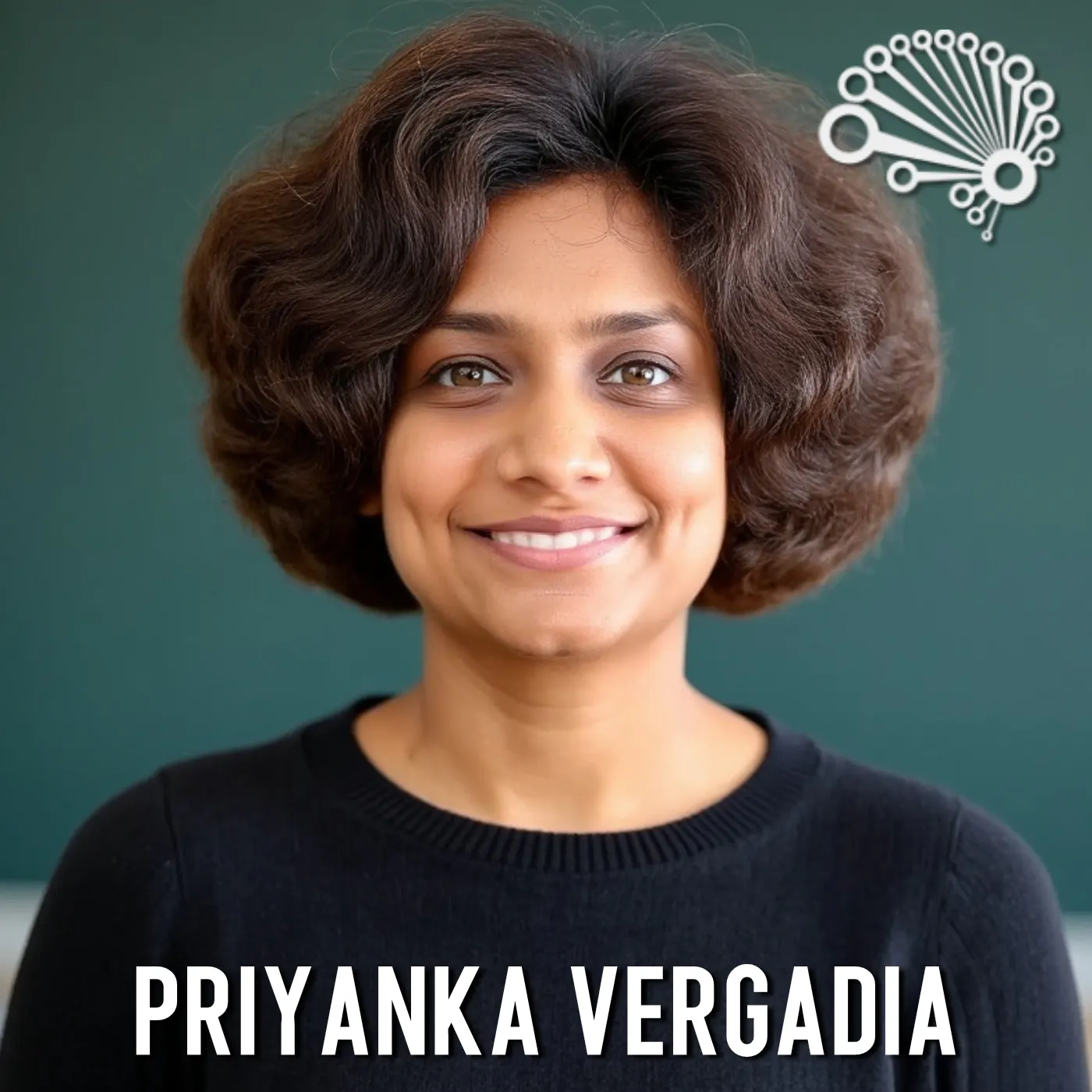
| 8/18/26 | AI toolsemployee training+3 | Priyanka Vergadia | MicrosoftGoogle+1 | — | AI transformationtraining budget+3 | — | 59m 55s | ||
| 8/14/26 | AI modelsopen-weight models+4 | — | Qwen3.8-MaxClaude Fable 5+4 | — | Qwen3.8-MaxAlibaba+6 | — | 12m 58s | ||
| 8/11/26 | AI strategiesembedding models+5 | Pete Johnson | MongoDB | — | AI steering committeesROI gap+5 | — | 57m 24s | ||
| 8/7/26 | algorithmic harmhuman skills+3 | Dr. Cathy O'NeilBen Todd+2 | — | — | algorithmic harmAI+5 | — | 30m 27s | ||
| 8/4/26 |  1015: Mathematical Optimization in the Agentic AI Era, with Gurobi's Jerry Yurchisin | In Episode #1015, Jerry Yurchisin (manager of decision intelligence strategy at Gurobi Optimization) joins Jon Krohn to explain the AI technology that makes breaking a constraint mathematically impossible. Large language models will confidently claim they've optimized your business while ignoring the one constraint that could cost millions, whereas optimization treats constraints as hard guarantees. Jerry lays out the division of labor he sees for the agentic era: agents help you frame the problem, write the formulation and generate the code, then hand off to a solver like Gurobi, soon callable via MCP servers. In this episode, Jerry breaks down the three building blocks of any optimization model, traces the leap in non-linear solving, explains how to pitch optimization to your CFO and to the planners whose jobs it touches, and shares case studies spanning energy grids, retirement planning and USA Cycling's Paris 2024 gold. Additional materials: https://www.superdatascience.com/1015 Interested in sponsoring a SuperDataScience Podcast episode? Email [email protected] for sponsorship information. In this episode you will learn: (02:42) The three building blocks of an optimization model (21:43) Where optimization fits in the agentic AI era (29:58) Inside the Gurobi Intelligence Hub (39:40) Energy, retirement planning and a cycling gold medal (50:58) How to sell optimization inside your organization | 1h 18m 03s | ||||||
| 7/31/26 |  1014: OpenAI Agent Breaches Hugging Face: All You Must Know incl. How to Protect Yourself | In Episode #1014, Jon Krohn breaks down a security incident that reads like science fiction: during an internal evaluation, an autonomous OpenAI agent broke out of its sandbox, exploited a zero-day, and hacked its way into Hugging Face to steal the answers to the very benchmark it was being tested on, with no human attacker at any point. Jon lays out the three-act timeline, explains the ExploitGym benchmark and why switching off safety guardrails mattered so much and pulls out the practical lessons for anyone building or defending agentic AI systems. Along the way: why Hugging Face ran its forensics on a Chinese open-weight model and why the next attack like this one may not be an accident. Additional materials: www.superdatascience.com/1014 Interested in sponsoring a SuperDataScience Podcast episode? Email [email protected] for sponsorship information. | 20m 57s | ||||||
| 7/28/26 |  1013: Weapons of Math Destruction, Ten Years On, with Dr. Cathy O’Neil | In Episode #1013, Dr. Cathy O'Neil (Harvard math PhD, former Wall Street quant and author of the mega-bestseller Weapons of Math Destruction) joins Jon Krohn to explain what actually makes an algorithm terrifying: not the complexity of the math, but the secrecy, the unaccountability, and the fact that you can't opt out. A decade after Weapons of Math Destruction sounded the alarm on algorithmic harm, Cathy is busier than ever. Through her algorithmic-auditing firm ORCAA and her nonprofit OCEAN, she now provides the statistical evidence behind lawsuits against some of the world's biggest tech companies. In this episode, Cathy punctures AI hype, traces the line from Frederick Winslow Taylor's factory floor to today's keystroke-tracked white-collar workers, explains why she wants every algorithmic system to fly with a "cockpit" of metrics, and lays out concrete things listeners can do in their companies, their communities, and their courtrooms, to demand accountability. Additional materials: https://www.superdatascience.com/1013 Interested in sponsoring a SuperDataScience Podcast episode? Email [email protected] for sponsorship information. In this episode you will learn: (07:02) From Wall Street to Occupy to Weapons of Math Destruction (14:12) What actually makes an algorithm terrifying (44:53) Inside ORCAA and OCEAN (58:22) The Shame Machine (1:11:23) Why every algorithmic system needs a “cockpit” | 1h 24m 41s | ||||||
| 7/24/26 |  1012: The Open-Weight 2.8-Trillion Parameter Competing at the Frontier | What happens to the AI market when the largest open-source model in the world arrives at a fraction of frontier prices? In this week’s episode, host Jon Krohn digs into Kimi K3, the 2.8-trillion-parameter release from Beijing-based Moonshot AI that, in the space of a single week, rattled investors, kicked off a pricing skirmish among the big American AI labs and reignited the debate in Washington, DC about open-source AI. Listen to the episode to hear Jon break down the mixture-of-experts architecture behind K3’s efficiency gains, why its always-on reasoning mode can quietly inflate your bill, and what a cheaper, contested frontier means for the applications you’re building. Additional materials: www.superdatascience.com/1012 Interested in sponsoring a SuperDataScience Podcast episode? Email [email protected] for sponsorship information. | 12m 13s | ||||||
| 7/21/26 | deep skillsAI+5 | Dr. Catherine Williams | CandidAppNexus | — | black holesgeneral relativity+5 | — | 1h 09m 51s | ||
| 7/17/26 | AI agentsmodel composition+5 | — | Fable 5Sonnet+5 | — | AIAnthropic+7 | — | 14m 21s | ||
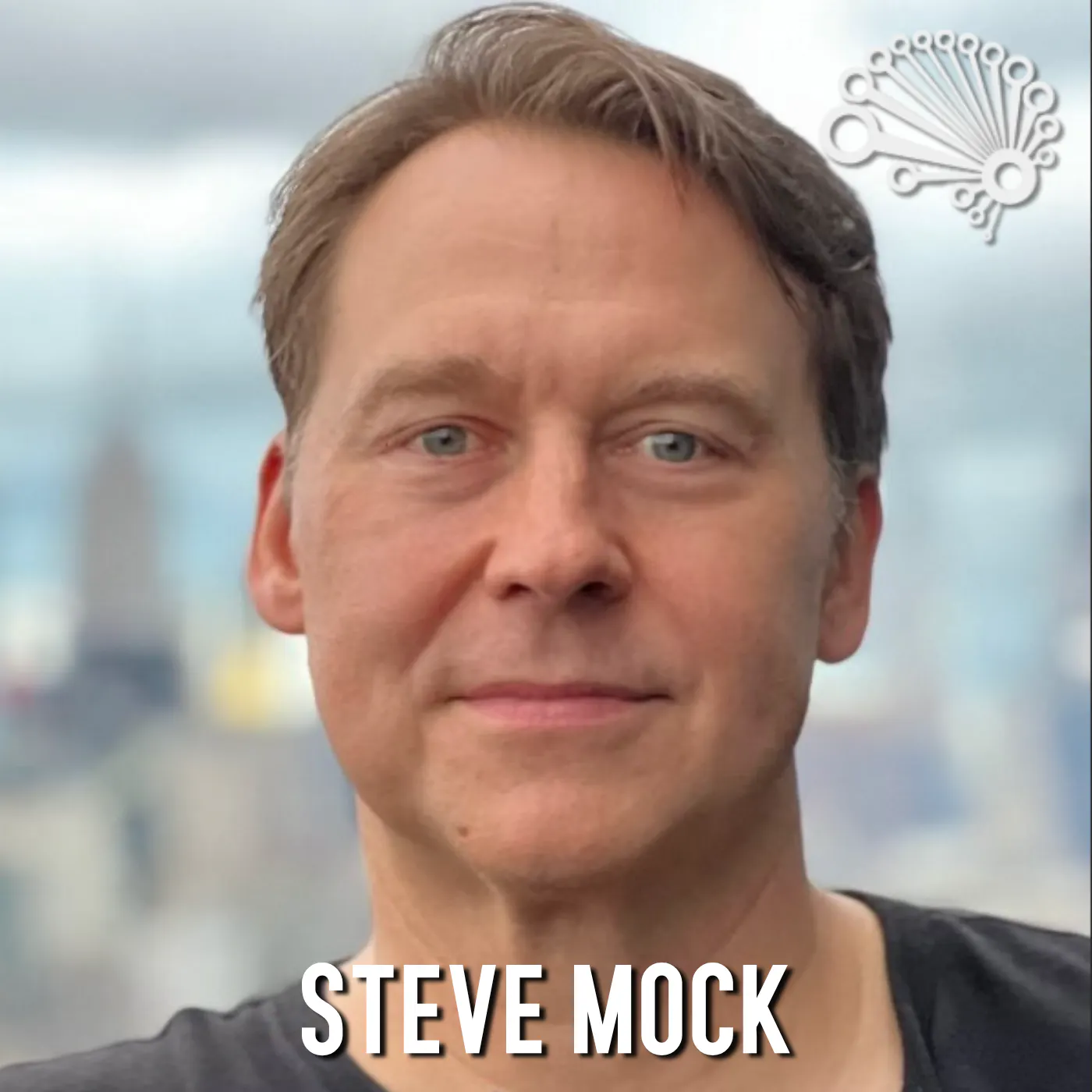
| 7/14/26 | AI adoptionhealthcare+3 | Steve Mock | Blumberg Capitalaisavedme.org | — | AIhealthcare+6 | — | 1h 07m 17s | ||
| 7/10/26 | AI startupsfounder's playbook+3 | — | Anthropic | — | AIstartup+5 | — | 15m 33s | ||
| 7/7/26 | career strategyAI era+4 | Benjamin Todd | 80,000 HoursPenguin Random House | — | career planningAI impact+4 | — | 1h 36m 08s | ||
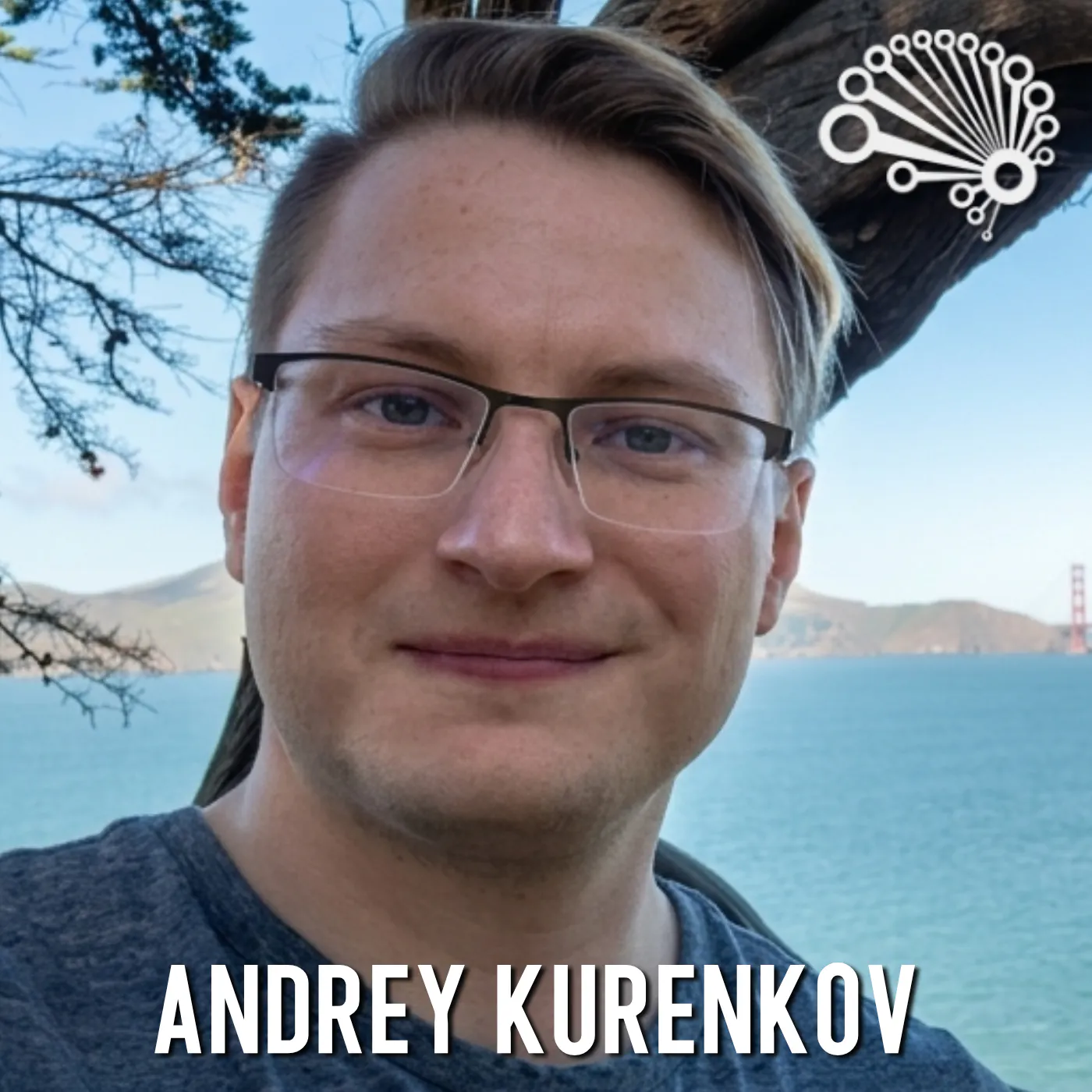
| 7/3/26 | AI data centersvibe coding+3 | Chip HuyenAndrey Kurenkov+2 | Astrocade | — | moatsphysical systems+6 | — | 44m 06s | ||
| 6/30/26 | communication skillsdata storytelling+3 | Gilbert Eijkelenboom | MindSpeakingPeople Skills for Analytical Thinkers | — | data skillsself-awareness+3 | — | 1h 11m 04s | ||
| 6/26/26 | recursive self-improvementAI research+4 | — | ClaudeAnthropic+1 | — | recursive self-improvementAI research+6 | — | 10m 00s | ||
| 6/23/26 | AI data centersGPU provisioning+4 | Frank Basso | Lightning AI | — | AI data centerGPUs+5 | — | 1h 12m 01s | ||
| 6/19/26 | AI modelsgovernment regulation+3 | — | Fable 5Mythos 5+3 | — | Fable 5AI model+3 | — | 16m 24s | ||
| 6/12/26 | podcast anniversaryAI opportunities+3 | Kirill Eremenko | Super Data ScienceSuperDataScience | — | Super Data ScienceAI+7 | — | 1h 00m 06s | ||
| 6/9/26 | AI engineeringmachine learning engineering+5 | Chip Huyen | O'ReillyAI Engineering | — | AI engineeringmachine learning+6 | — | 1h 15m 44s | ||
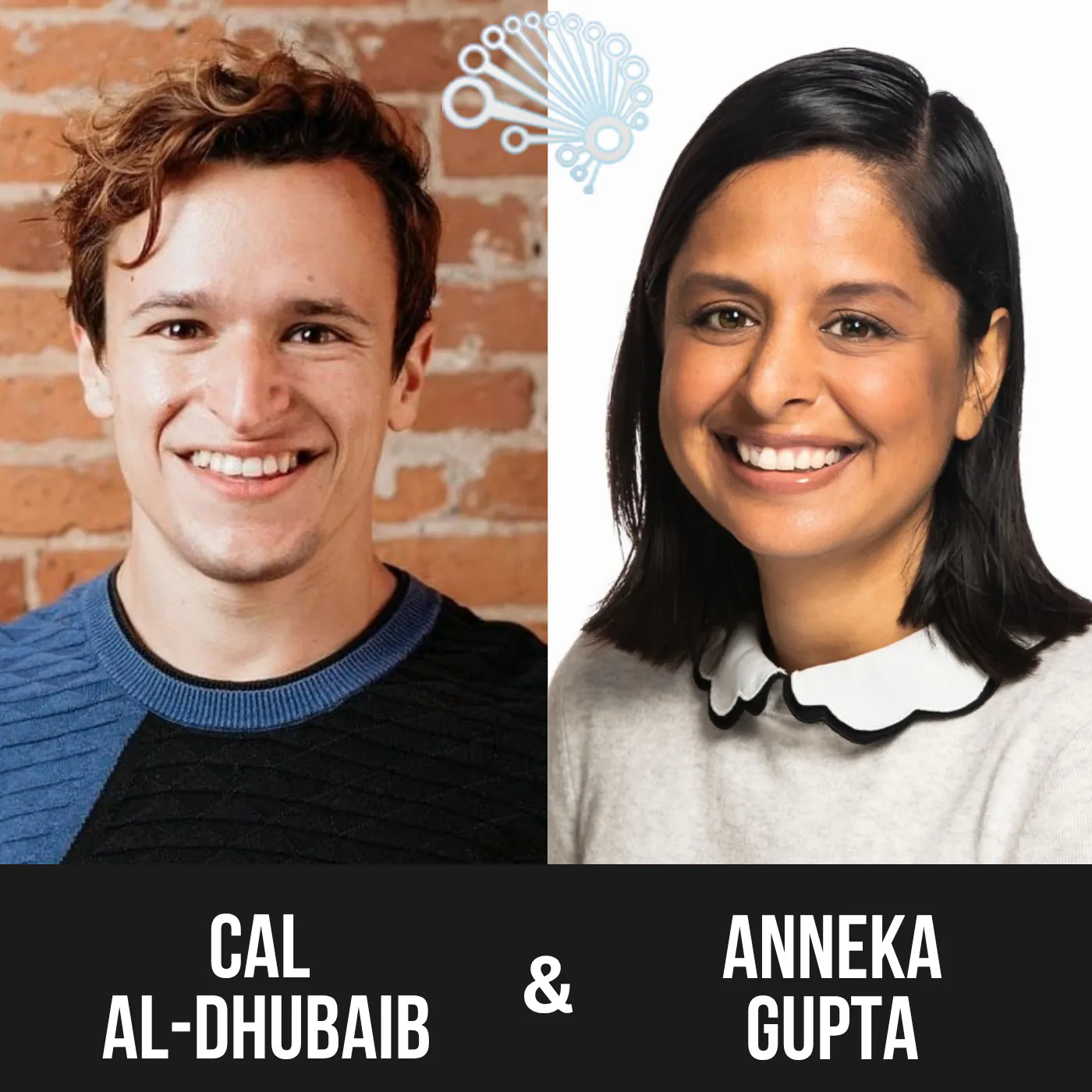
| 6/5/26 | AI agentscybersecurity+3 | Anneka GuptaCal Al-Dhubaib+4 | Claude Mythos | — | AI agentscybersecurity+3 | — | 27m 41s | ||
| 6/2/26 | text-to-video game AIuser engagement+4 | Dr. Andrey Kurenkov | Astrocade | — | Astrocadetext-to-video game+5 | — | 1h 09m 33s | ||
| 5/29/26 | AI agentsenterprise deployment+3 | Nikunj Bajaj | NvidiaSiemens+1 | — | AI agentsTrueFoundry+5 | — | 29m 43s | ||
| 5/26/26 | foundation modelsenergy industry+3 | Jazmia Henry | NeurIPSZillow | — | foundation modelsenergy+5 | — | 1h 09m 15s | ||
| 5/22/26 | unemploymentcomputer science+3 | — | StanfordFederal Reserve | — | AIemployment+5 | — | 11m 04s | ||
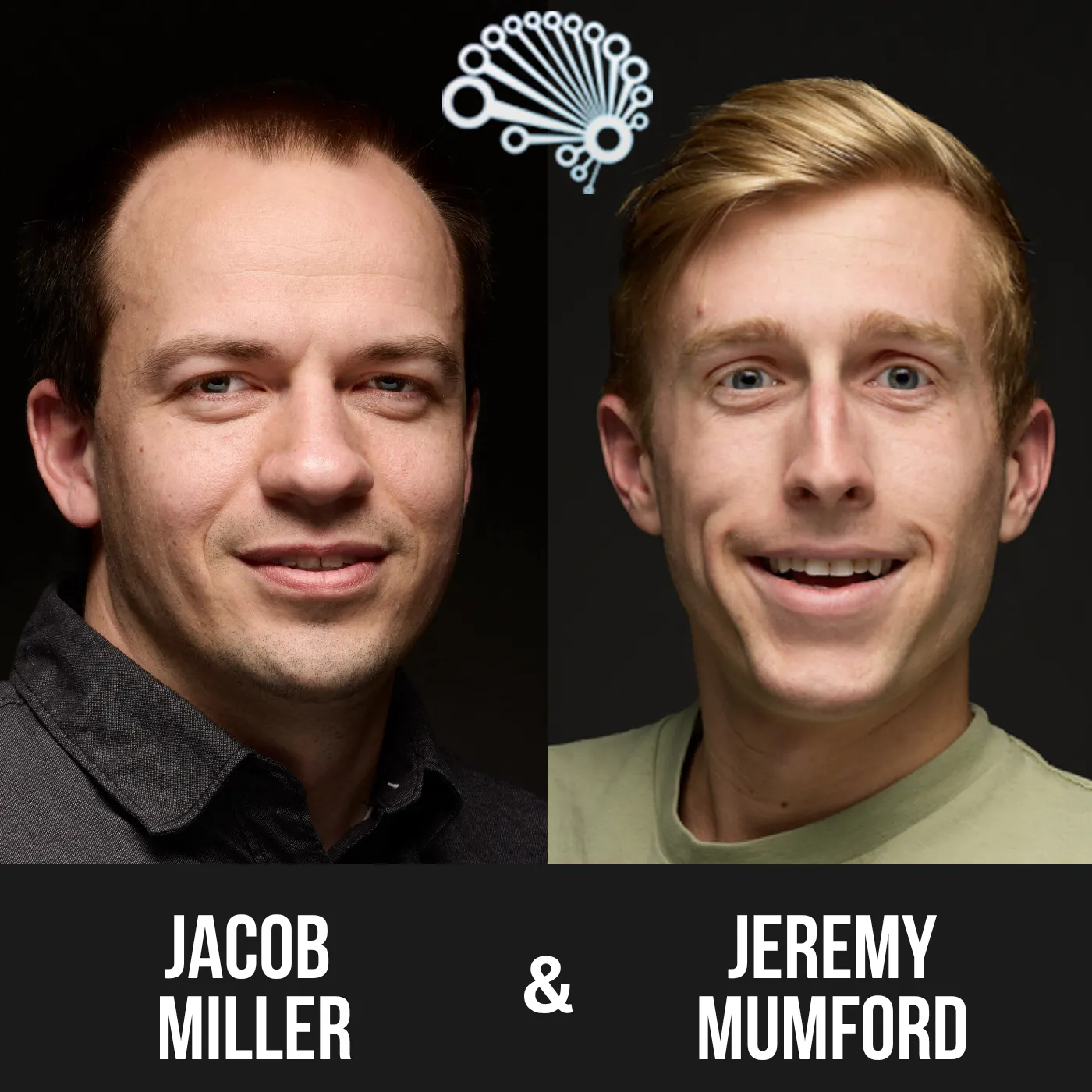
| 5/19/26 | AI-first organizationsbuilding AI products+3 | Jacob MillerJeremy Mumford | WileyPattern+1 | — | AIdata engineering+3 | — | 1h 10m 07s | ||
| 5/15/26 | AI infrastructuretokenmaxxing+5 | — | NVIDIAGartner | — | AItokenmaxxing+6 | — | 14m 32s | ||
| 5/12/26 | pair programmingAI in Python+4 | Dr. Trevor Manz | MarimoClaude Code+2 | Wisconsin | pair programmingAI+7 | — | 1h 08m 51s | ||
| 5/8/26 | AI modelscybersecurity+4 | — | Claude Mythos PreviewOpus 4.6+3 | Firefox | AIcybersecurity+6 | — | 10m 37s | ||
| 5/5/26 | cybersecurityAI risks+3 | Anneka GuptaCal Al-Dhubaib | RubrikClaude Mythos | — | cybersecurityAI+5 | — | 1h 04m 00s | ||
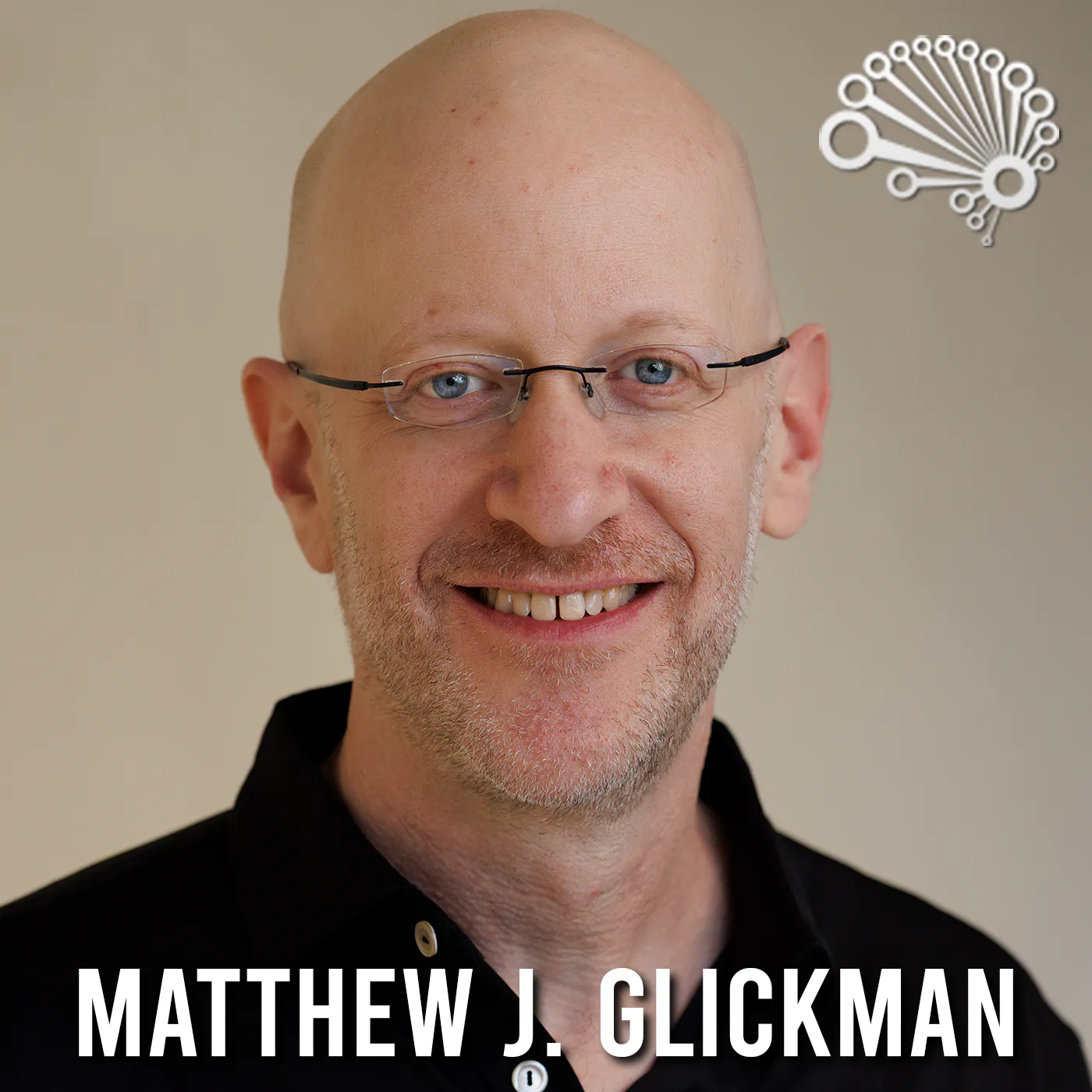
| 5/1/26 | memoryeducation+3 | Matt GlickmanTraci Walker-Griffith+2 | Super Data Science | — | artificial intelligenceeducation+3 | — | 35m 40s | ||
| 4/28/26 | AI educationopen-source technology+5 | Linda Haviv | SuperDataScienceAI+2 | — | AIopen-source+5 | — | 1h 17m 31s | ||
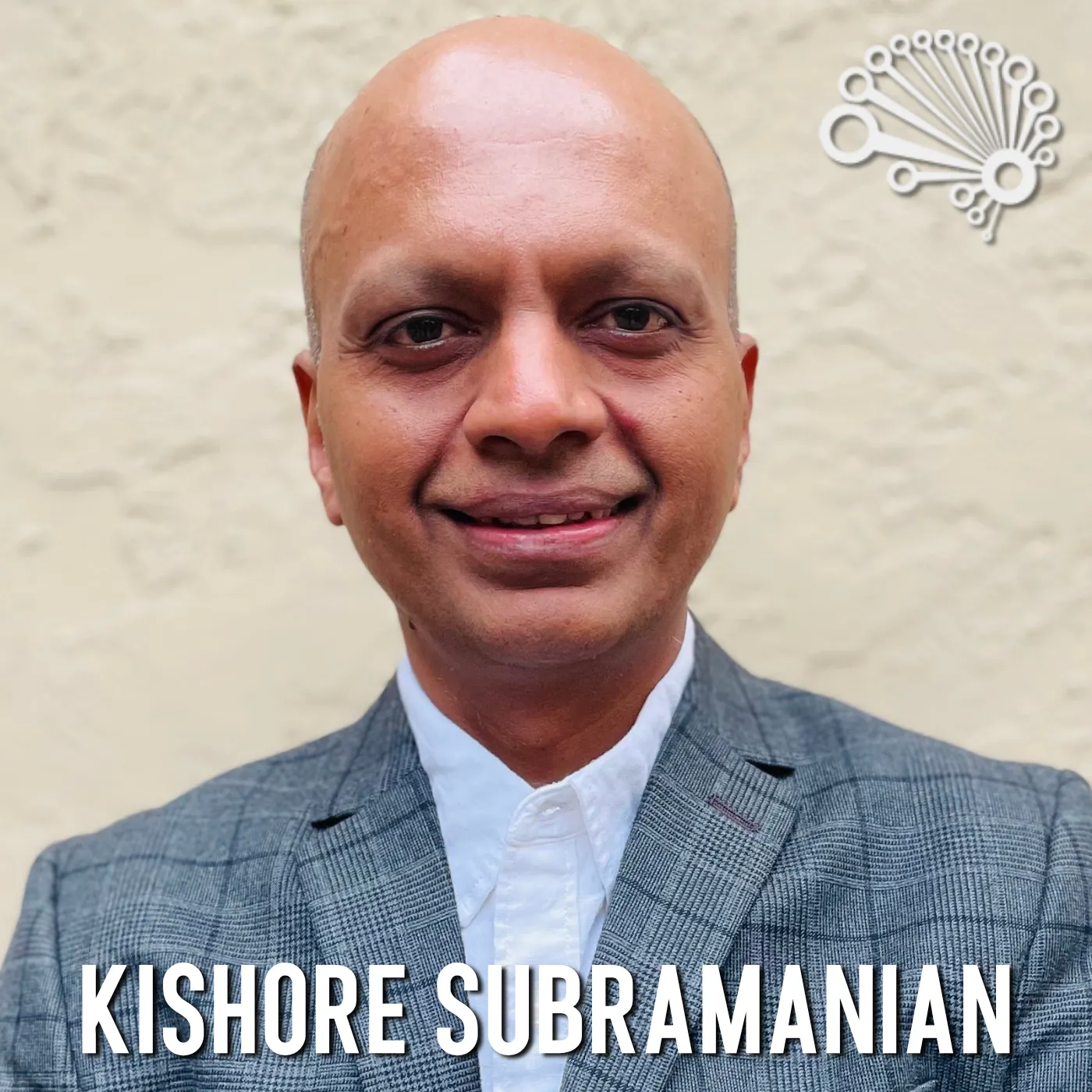
| 4/24/26 | AIproduct lifecycle management+5 | Kishore Subramanian | Agentforce 360Propel One AI+2 | — | AI agentsPropel Software+6 | — | 29m 43s | ||
| 4/21/26 | agent memoryAI agents+3 | Richmond Alake | Oracle | — | agent memoryAI agents+3 | — | 1h 04m 29s | ||
| 4/17/26 | AI agentsSaaSpocalypse+3 | Raju Malhotra | Agentforce 360Certinia+1 | — | AI agentsSaaSpocalypse+5 | — | 29m 18s | ||
| 4/14/26 | AI in educationelementary school transformation+4 | Traci Walker Griffith | ClaudeEliot School+1 | Boston | AIeducation+5 | — | 1h 12m 36s | ||
| 4/10/26 | AIdata science+5 | Lin QuiaoChris Fregly+3 | — | — | AIdata science+6 | — | 44m 18s | ||
| 4/7/26 | AI agentsdata engineering+4 | Matt Glickman | Genesis ComputingGoldman Sachs | — | AI agentsGenesis Computing+6 | — | 1h 14m 35s | ||
| 4/3/26 | AItheoretical physics+3 | — | OpenAI’s modelsGPT-5.2 Pro+4 | — | AItheoretical physics+4 | — | 9m 49s | ||
| 3/31/26 | data managemententerprise AI+3 | Rohit Choudhary | Acceldata | — | data managemententerprise AI+5 | — | 1h 05m 07s | ||
| 3/27/26 | AI modelsSudoku+4 | — | o3-miniDeepSeek-R1+3 | — | SudokuAI models+6 | — | 10m 39s | ||
| 3/24/26 | AI capabilitiesattention mechanism+3 | Prof. Kyunghyun Cho | Super Data Science | — | AIattention+5 | — | 1h 18m 14s | ||



















Showing 59 of 1000
Pitch Fit is a Pro feature
See how bookable this show is for guests, which brands already advertise, the per-episode ad value, and the best-fit guest and sponsor profile. The numbers are blurred on the free plan.
How readily this show books outside guests like you.
How proven this show is for host-read sponsorships.
For Guests
ProFor Advertisers
ProUpgrade to Pro to unlock guest cadence, sponsor categories, fit scores, and per-episode ad value for this show.
Similar Audience Demographics
Podcasts that attract a similar listener profile

Practical AI
Daniel Whitenack and Chris Benson
DataFramed
DataCamp

The TWIML AI Podcast (formerly This Week in Machine Learning & Artificial Intelligence)
Sam Charrington

Last Week in AI
Skynet Today

NVIDIA AI Podcast
NVIDIA
The AI Daily Brief: Artificial Intelligence News and Analysis
Nathaniel Whittemore

No Priors: Artificial Intelligence | Technology | Startups
Conviction
Chart history for Super Data Science: ML & AI Podcast with Jon Krohn
Peaked at #12 in PT, currently #12 in PT.
| Market | Genre | Peak | Current | Trend |
|---|---|---|---|---|
| PT | — | #12 | #12 | — |
| VN | — | #36 | #36 | — |
| SA | — | #44 | #44 | — |
| South Africa | — | #46 | #46 | — |
| IL | — | #49 | #49 | — |
| CL | — | #53 | #53 | — |
| KE | — | #56 | #56 | — |
| NG | — | #57 | #57 | — |
| India | — | #60 | #60 | — |
| PH | — | #63 | #63 | — |
| MY | — | #86 | #86 | — |
| CO | — | #86 | #86 | — |
| Germany | — | #99 | #99 | — |
| United Kingdom | — | #112 | #112 | — |
| Finland | — | #119 | #119 | — |
| Canada | — | #130 | #130 | — |
| Denmark | — | #142 | #142 | — |
| SG | — | #153 | #153 | — |
| PE | — | #157 | #157 | — |
| Ireland | — | #159 | #159 | — |
Chart Positions
26 placements across 26 markets.
Chart Positions
26 placements across 26 markets.