The Heart of Healthcare | A Digital Health Podcast
by Massively Better Healthcare
Is this your podcast?Insights from recent episode analysis
Audience Interest
Podcast Focus
Publishing Consistency
Platform Reach
Insights are generated by CastFox AI using publicly available data, episode content, and proprietary models.
Most discussed topics
Brands & references
Total monthly reach
Estimated from 7 chart positions in 7 markets.
By chart position
- 🇮🇳IN · Entrepreneurship#9310K to 30K
- 🇰🇷KR · Entrepreneurship#1461K to 10K
- 🇮🇩ID · Entrepreneurship#783K to 10K
- 🇰🇪KE · Entrepreneurship#803K to 10K
- 🇩🇰DK · Entrepreneurship#833K to 10K
- Per-Episode Audience
Est. listeners per new episode within ~30 days
7.0K to 25K🎙 Daily cadence·218 episodes·Last published 5d ago - Monthly Reach
Unique listeners across all episodes (30 days)
24K to 83K🇮🇳36%🇰🇷12%🇮🇩12%+4 more - Active Followers
Loyal subscribers who consistently listen
7.0K to 25K
Market Insights
Platform Distribution
Reach across major podcast platforms, updated hourly
Total Followers
—
Total Plays
—
Total Reviews
—
* Data sourced directly from platform APIs and aggregated hourly across all major podcast directories.
On the show
From 17 epsHosts
Recent guests
Recent episodes
📣 Digital Health Download: September 2026
Aug 31, 2026
Unknown duration
From Early Struggles to Billion+ Exit | SmarterDx Founders Michael Gao & Joshua Geleris
Aug 24, 2026
Unknown duration
Training Doctors for the Next 40 Years | Stanford Medical School Dean Dr. Lloyd Minor
Aug 17, 2026
Unknown duration
Can Oura Become the Doctor in Your Pocket? | Oura CEO Tom Hale
Aug 10, 2026
Unknown duration
📣 Digital Health Download: August 2026
Aug 3, 2026
Unknown duration
Social Links & Contact
Official channels & resources
Official Website
Login
RSS Feed
Login
| Date | Episode | Topics | Guests | Brands | Places | Keywords | Sponsor | Length | |
|---|---|---|---|---|---|---|---|---|---|
| 8/31/26 |  📣 Digital Health Download: September 2026 | It's our monthly Digital Health Download, and September's stories all circle the same tension: technology keeps promising to fix healthcare's problems, but just as often it moves them somewhere else, or creates new ones entirely. This week, Halle unpacks a news-heavy month, weighing who actually benefits as markets, algorithms, and AI get closer to our health decisions.We cover:Americans can now bet on clinical trials and FDA regulatory reviews - but do we want that?Meta's massive settlement over harming childrenThe surprising reason AI might be making healthcare more expensive instead of lessA new study on the biggest lever we're not pulling to bend the healthcare cost curveTwo lawsuits rattling a popular wearable and a celebrity-backed mental health startupWhat a widely used drug class reveals about bias in hiring, and the uncomfortable questions that raises⸺📍 Connect with us:Heart of Healthcare websiteLinkedInYouTubeSee Privacy Policy at https://art19.com/privacy and California Privacy Notice at https://art19.com/privacy#do-not-sell-my-info. | — | ||||||
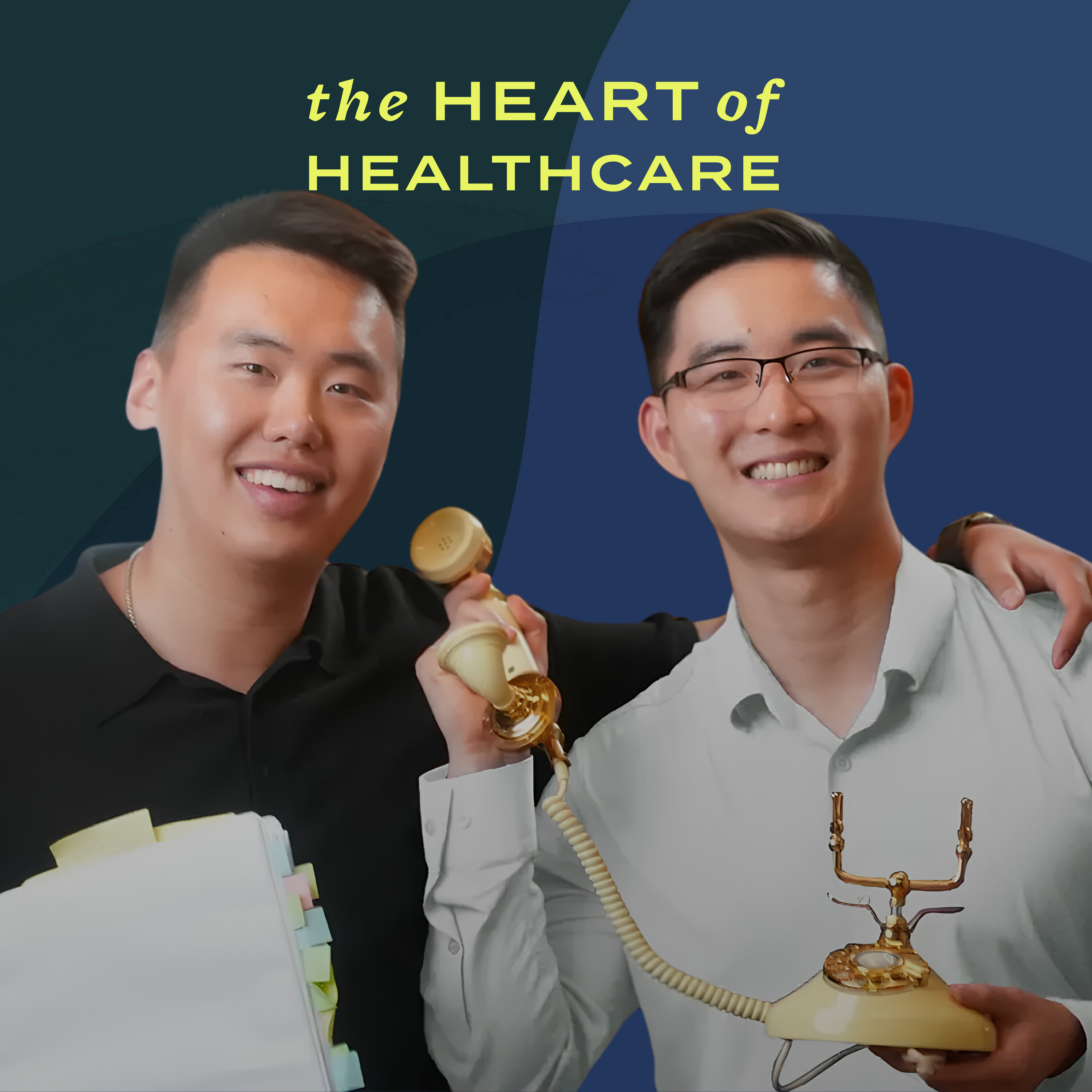
| 8/24/26 | 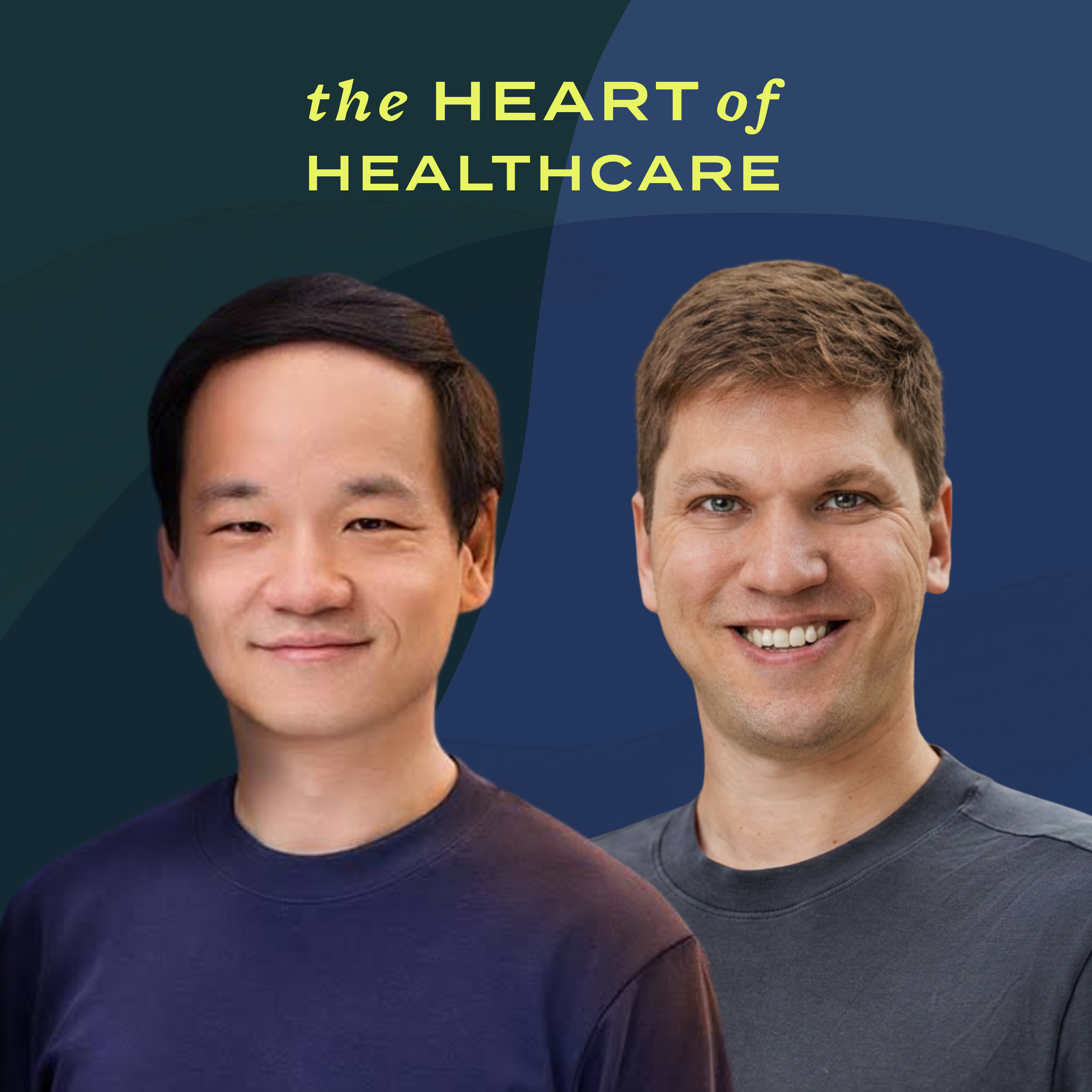 From Early Struggles to Billion+ Exit | SmarterDx Founders Michael Gao & Joshua Geleris | We don't talk enough about how hard it actually is to build a healthcare startup. Behind SmarterDx's story, now one of the biggest health AI exits to date, were 18 months without a single customer, a pivot that seemed to make no product sense, and two co-founders who went back to working as hospitalists just to get by.In this episode, Steve gets the real story from Dr. Michael Gao and Dr. Joshua Geleris about the challenges they faced and what ultimately unlocked real growth and led to their billion+ acquisition by New Mountain Capital.We cover:Why their first product idea failed and what customer objections actually taught them to build insteadThe counterintuitive workflow that made contingency pricing possibleHow AI translation of clinical notes into billing codes now outperforms the average human, and what that means for coders and nursesWhy "moat" is the wrong metaphor and what a flywheel looks like insteadWhat they'd do differently in the acquisition processAbout our guests:Michael Gao, MD, the CEO and co-founder of SmarterDx. Prior to founding SmarterDx, Dr. Gao was the Medical Director for Transformation at NewYork-Presbyterian, where he led applied AI development, implementation, and strategy for the health system. Dr. Gao holds faculty positions at the Icahn School of Medicine at Mount Sinai and Weill Cornell Medicine. Dr. Gao completed his internship and residency in Internal Medicine at NewYork-Presbyterian.. He received his M.D. from the University of Michigan and a B.S from the University of California Los Angeles.Josh Geleris, MD, is the Head of Product and co-founder of SmarterDx. Prior to SmarterDx, he was Assistant Professor of Medicine at Columbia University, where he was funded by the National Institutes of Health and the Department of Defense for clinical informatics and data science, and led implementation of Epic for providers. Dr. Geleris completed his MD at the Technion-Israeli Institute of Technology and his Internal Medicine internship and residency at NewYork-Presbyterian. ⸺📍 Connect with us:Heart of Healthcare websiteLinkedInYouTube See Privacy Policy at https://art19.com/privacy and California Privacy Notice at https://art19.com/privacy#do-not-sell-my-info. | — | ||||||
| 8/17/26 | 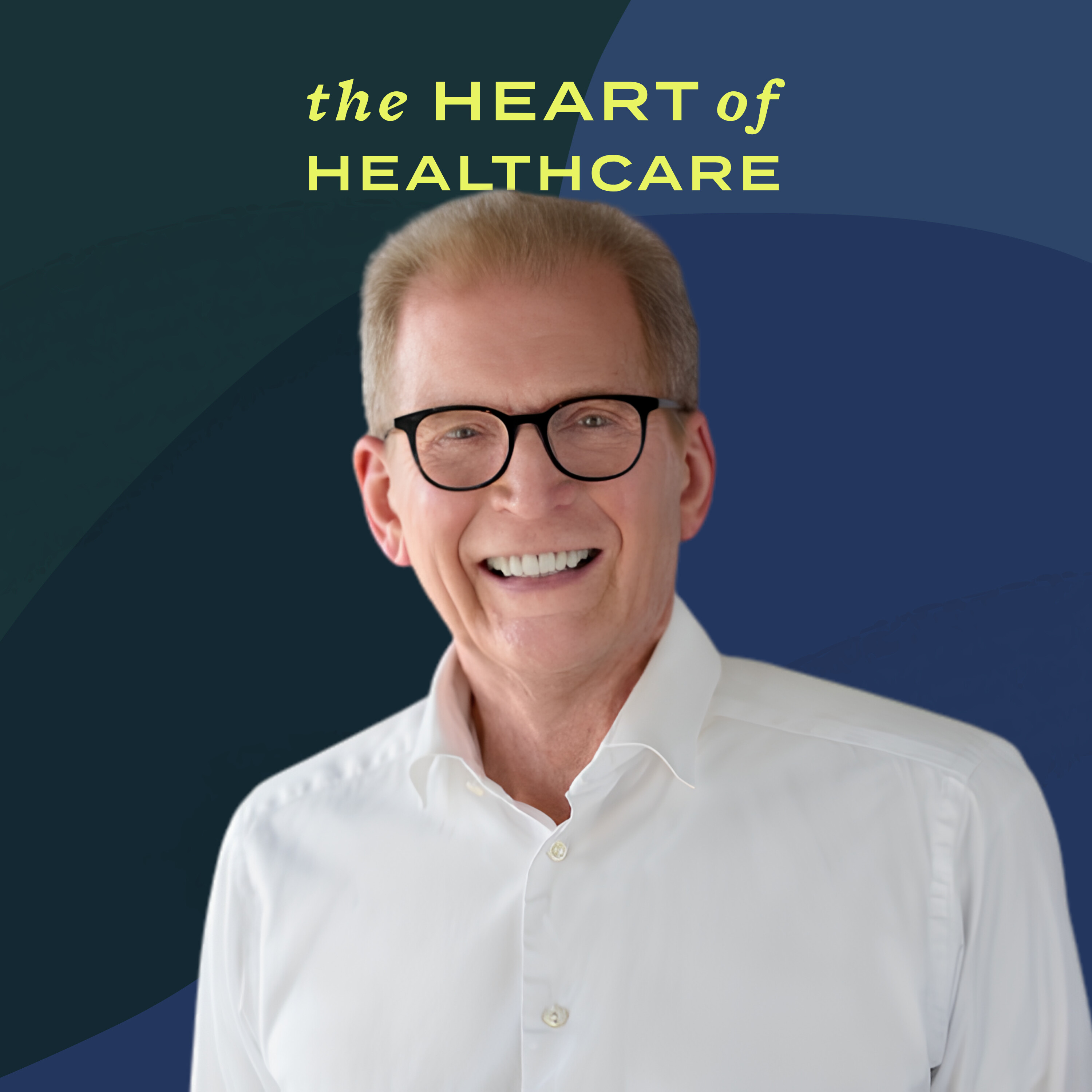 Training Doctors for the Next 40 Years | Stanford Medical School Dean Dr. Lloyd Minor | It's back-to-school szn, and while some kids are stressing over earlier wake-ups, this year's incoming medical students have a bigger question to answer: how do you train for a career that could still have you practicing medicine in the 2070s, when the tools of medicine are changing so rapidly?For our back-to-school episode, we sat down with Stanford University School of Medicine Dean Dr. Lloyd Minor to talk about how AI is already reshaping what future doctors learn and how they're taught, as well as what's still not working in American healthcare.We cover:What medical students are actually being taught about AI, and where Stanford still draws the lineWhy Stanford's tumor boards no longer start with humansThe surprising way Dr. Minor thinks AI could level the playing field in healthcare accessWhy the same AI tools helping patients feel more informed are also making them more anxiousThe counterintuitive reason new medical technology gets more expensive before it gets cheaperWhat's still standing in the way of a vision for precision medicine that's been decades in the makingAbout our guest:Lloyd B. Minor, MD, is a scientist, surgeon, and academic leader. He is the Carl and Elizabeth Naumann Dean of the Stanford University School of Medicine and Vice President for Medical Affairs at Stanford University. Dr. Minor also is a professor of Otolaryngology–Head and Neck Surgery and a professor of Bioengineering and of Neurobiology, by courtesy, at Stanford University.As dean, Dr. Minor has had an integral role in setting strategy for the clinical enterprise of Stanford Medicine, an academic medical center that includes the Stanford University School of Medicine, Stanford Health Care, and Stanford Medicine Children’s Health. With his leadership, Stanford Medicine leads the biomedical revolution in Precision Health. His book, “Discovering Precision Health,” describes this shift to more preventive, personalized health care and highlights how biomedical advances are dramatically improving our ability to treat and cure complex diseases. In 2021, Dr. Minor articulated and began realizing a bold vision to transform the future of life sciences at Stanford University and beyond – a multi-decade journey enabled by Precision Health.In August 2023, Dr. Minor was appointed Vice President for Medical Affairs to lead all matters related to health and medicine at Stanford University.Before Stanford, Dr. Minor was provost and senior vice president for academic affairs of Johns Hopkins University. Prior to this appointment in 2009, Dr. Minor served as the Andelot Professor and director (chair) of the Department of Otolaryngology–Head and Neck Surgery in the Johns Hopkins University School of Medicine and otolaryngologist-in-chief of The Johns Hopkins Hospital.With more than 160 published articles and chapters, Dr. Minor is an expert in balance and inner ear disorders perhaps best known for discovering superior canal dehiscence syndrome, a debilitating disorder characterized by sound- or pressure-induced dizziness. He subsequently developed a surgical procedure that corrects the problem and alleviates symptoms.In 2012, Dr. Minor was elected to the National Academy of Medicine.—📍 Connect with us:Heart of Healthcare websiteLinkedInYouTube See Privacy Policy at https://art19.com/privacy and California Privacy Notice at https://art19.com/privacy#do-not-sell-my-info. | — | ||||||
| 8/10/26 | 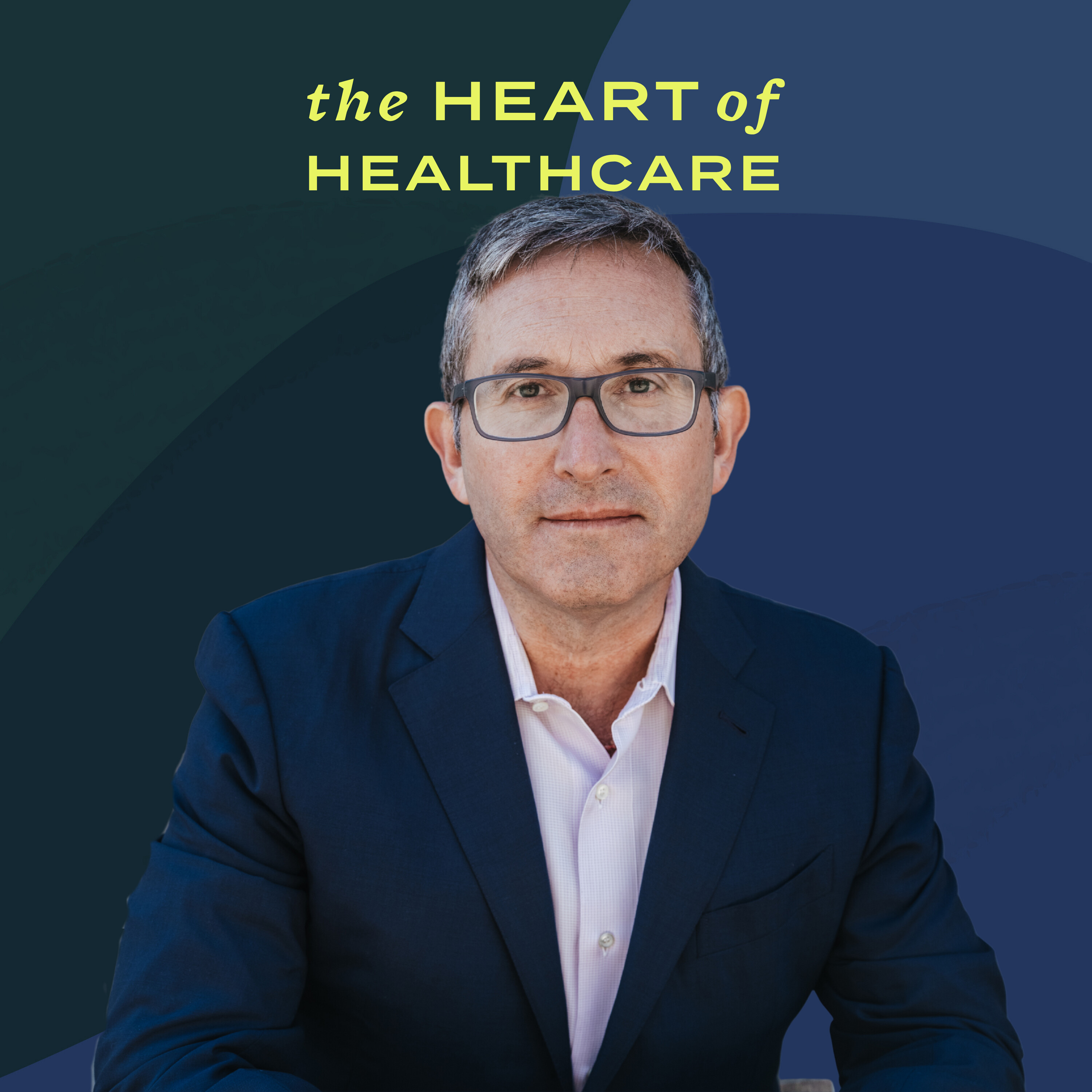 Can Oura Become the Doctor in Your Pocket? | Oura CEO Tom Hale | We're on summer break and replaying one of our favorite episodes. This episode originally aired on September 22, 2025.A wearable can collect endless data, but it only matters if people trust it enough to change their behavior.In this replay, Oura CEO Tom Hale joins Steve and Michael to explain how the company combines clinical-grade accuracy with a consumer-friendly product. They discuss why the ring’s form factor makes overnight tracking so powerful, how Oura turns physiological signals into useful guidance, and why the company is being pulled faster than expected into traditional healthcare.We cover:Why sleep data can reveal changes in the body before symptoms appearHow Oura designed a health product that supports users without judging or nagging themWhy accuracy is the foundation for trust, predictions, and behavior changeHow Oura navigates the boundary between wellness products and regulated medical devicesThe company’s expansion into Medicare Advantage, women’s health, metabolic health, and clinical care—About our guest:Tom Hale is the Chief Executive Officer at ŌURA and a member of its board. As the CEO he sets the company’s business strategy and vision to make health a daily practice for members all over the world. He has over 30 years of experience across the technology and consumer product industry.Before joining ŌURA, Hale was president of Momentive where he drove B2B strategy and led product growth. During his time there he was instrumental in taking the company public in 2018, leading the team in key acquisitions, and driving the evolution and rebranding of the company into a multiple SAAS business. Previously, he held leadership roles at HomeAway and Linden Lab as the Chief Operating Officer and Chief Product Officer, respectively, and held executive roles at Macromedia and Adobe.Hale has a Bachelor of Arts from Harvard University and sits on the boards of Cars.com, RocketReach, and NoiseAware.—If you're enjoying the show, we would so appreciate it if you left us a review!—📍 Connect with us:Heart of Healthcare websiteLinkedInInstagramYouTubeTikTok See Privacy Policy at https://art19.com/privacy and California Privacy Notice at https://art19.com/privacy#do-not-sell-my-info. | — | ||||||
| 8/3/26 |  📣 Digital Health Download: August 2026 | This month is about the gap between what a system offers and what people actually get from it: drugs that work better with support nobody's paying for, AI that's already answering more medical questions than most doctors ever will, and a labor market where staying healthy can mean staying stuck. Halle and Michael break down the stories reshaping digital health in August.We cover:Why GLP-1 funding is shifting from prescribing platforms into "companion" ecosystemsThe FDA panel vote that opens a legal pathway for six unapproved peptides, and what this could meanOur thoughts on OpenAI's new ChatGPT Health product, now available to every US adultThe Florida pastor's lawsuit against OpenAIWhy nearly one in four US workers are staying in jobs they'd rather leave, just to keep their health insuranceThe healthcare argument buried inside the bill to make daylight saving time permanentLinks:Rock Health, H1 2026 digital health funding recapHalle's research piece, Virtual GLP-1 startups: Pill mills or the future of obesity care?RAPS, FDA advisory committee backs six peptides for compounding listTechCrunch, OpenAI makes ChatGPT Health available to all US usersCBS News, ChatGPT's medical advice nearly killed a Florida man, lawsuit claimsGallup, One in four US employees locked in jobs for health insuranceThe Hill, House passes Sunshine Protection Act— 📍 Connect with us:Heart of Healthcare websiteLinkedInYouTube See Privacy Policy at https://art19.com/privacy and California Privacy Notice at https://art19.com/privacy#do-not-sell-my-info. | — | ||||||
| 7/27/26 | 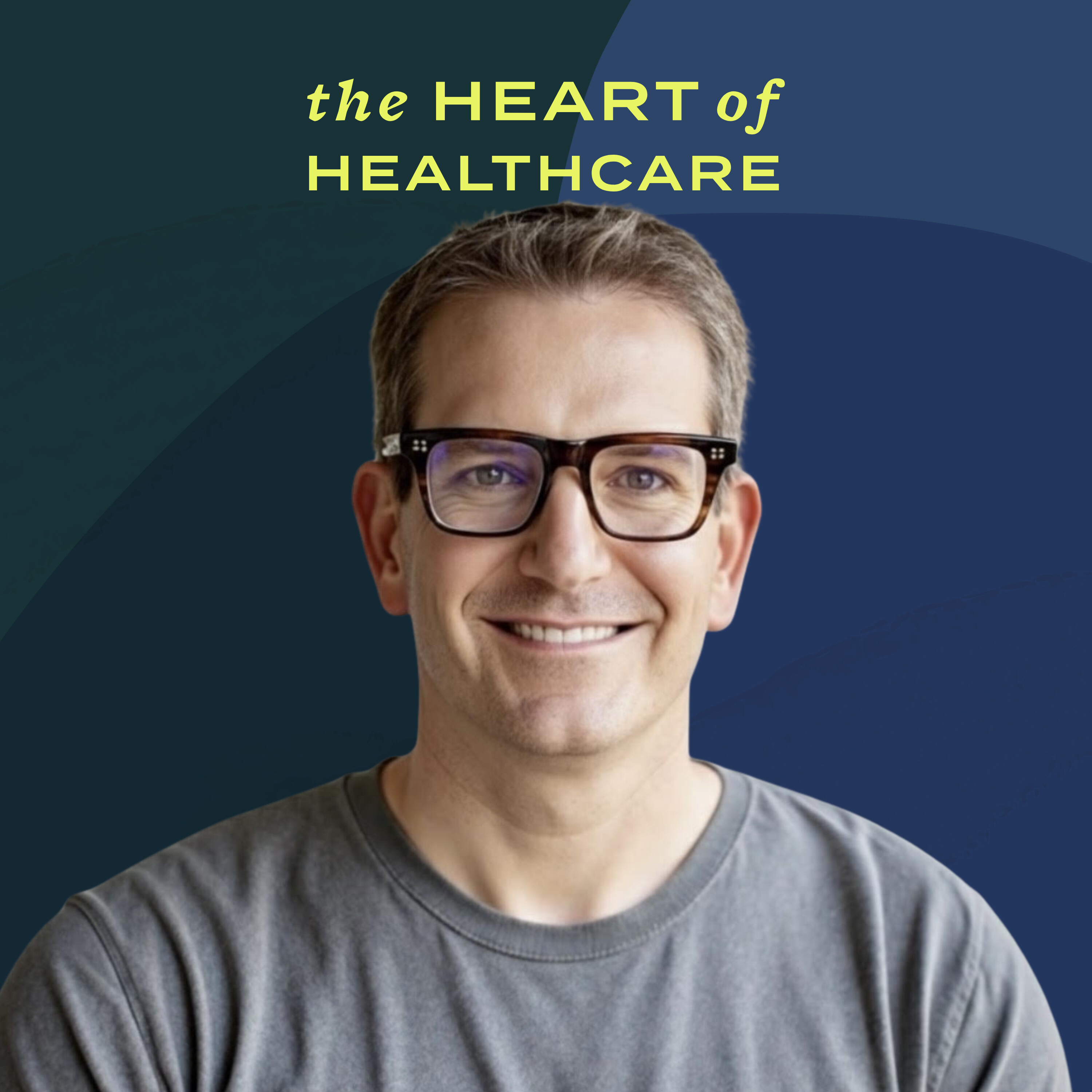 Why We Demand Perfect Machines Yet Tolerate Human Carnage | Dr. Jonathan Slotkin | Every day, roughly 100 Americans die in crashes caused by human drivers. Yet when a self-driving car hesitates at an intersection or makes the news for an unusual mistake, public trust can evaporate.In this special episode, Dr. Jonathan Slotkin reads his latest Noema essay exploring why we demand perfection from machines while accepting human error as inevitable. Drawing on lessons from medicine, psychology, and autonomous vehicles, he argues that the biggest barrier to safer technology is trust.You'll learn:Why humans judge machine mistakes differently than human mistakesWhat healthcare learned about the difference between being safe and feeling safeWhy autonomous vehicles may already be far safer than human driversHow public perception can slow the adoption of life-saving technologyWhat every AI company should learn about transparency and trust —About our guest:Dr. Jonathan Slotkin is Chief Medical Officer for Strategy & Growth at Geisinger, where he drives growth at the intersection of care delivery, insurance, and digital transformation. A practicing neurosurgeon, he previously served as Geisinger's associate chief medical informatics officer.Jon's current research and writing examine safety, trust, and adoption of autonomous systems in public life. His New York Times guest essay on self-driving car safety was entered into the Congressional Record. His writing regularly appears in Harvard Business Review, STAT, and Noema Magazine. He has authored more than 70 peer-reviewed scientific publications.Previously, as co-founder and chief medical officer of Contigo Health, he partnered with the nation's largest employers to reimagine care for their associates. He co-founded Scrub Capital, a clinician-powered venture capital firm, where he serves as a Partner. He completed neurosurgery residency at The Brigham and Women's Hospital, Harvard Medical School, where he served as chief resident.—This piece was commissioned, edited, and published by Noema Magazine. Noema publishes longform journalism exploring fresh ideas. To read this piece and others, head to noemamag.com.—📍 Connect with us:Heart of Healthcare websiteLinkedInYouTubeSee Privacy Policy at https://art19.com/privacy and California Privacy Notice at https://art19.com/privacy#do-not-sell-my-info. | — | ||||||
| 7/20/26 | shareholder primacycorporate governance+4 | Eric Ries | Novo NordiskThe Long-Term Stock Exchange+5 | — | healthcare companiesshareholder primacy+6 | — | 41m 37s | ||
| 7/13/26 | AI in healthcarepharmaceutical industry+3 | Ben Liu | Formation BioOxford+1 | — | AIpharmaceutical company+3 | — | 43m 56s | ||
| 7/6/26 | healthcare AIstartup growth+4 | Jeffery LiuJon Wang | Assort Health | — | healthcare unicornAI models+4 | — | 41m 56s | ||
| 6/29/26 | digital health fundingAI in healthcare+3 | — | The Heart of HealthcareNature+4 | Utah | digital healthAI+5 | — | 34m 19s | ||
Want analysis for the episodes below?Free for Pro Submit a request, we'll have your selected episodes analyzed within an hour. Free, at no cost to you, for Pro users. | |||||||||
| 6/22/26 | AI in healthcarelistener Q&A+3 | Eric Larsen | Healthcare's Oppenheimer Moment | — | healthcareAI revolution+3 | — | 46m 00s | ||
| 6/15/26 | AI in healthcarefundraising+3 | Halle | Massively Better Healthcare | — | healthcare AIfunding+5 | — | 30m 34s | ||
| 6/8/26 | AI in healthcareautonomous vehicles+4 | Justin Norden | Qualified HealthStanford+3 | — | AIhealthcare+7 | — | 34m 42s | ||
| 6/1/26 | digital healthhealthcare jobs+5 | — | WhoopOura+5 | — | digital healthhealthcare jobs+5 | — | 42m 34s | ||
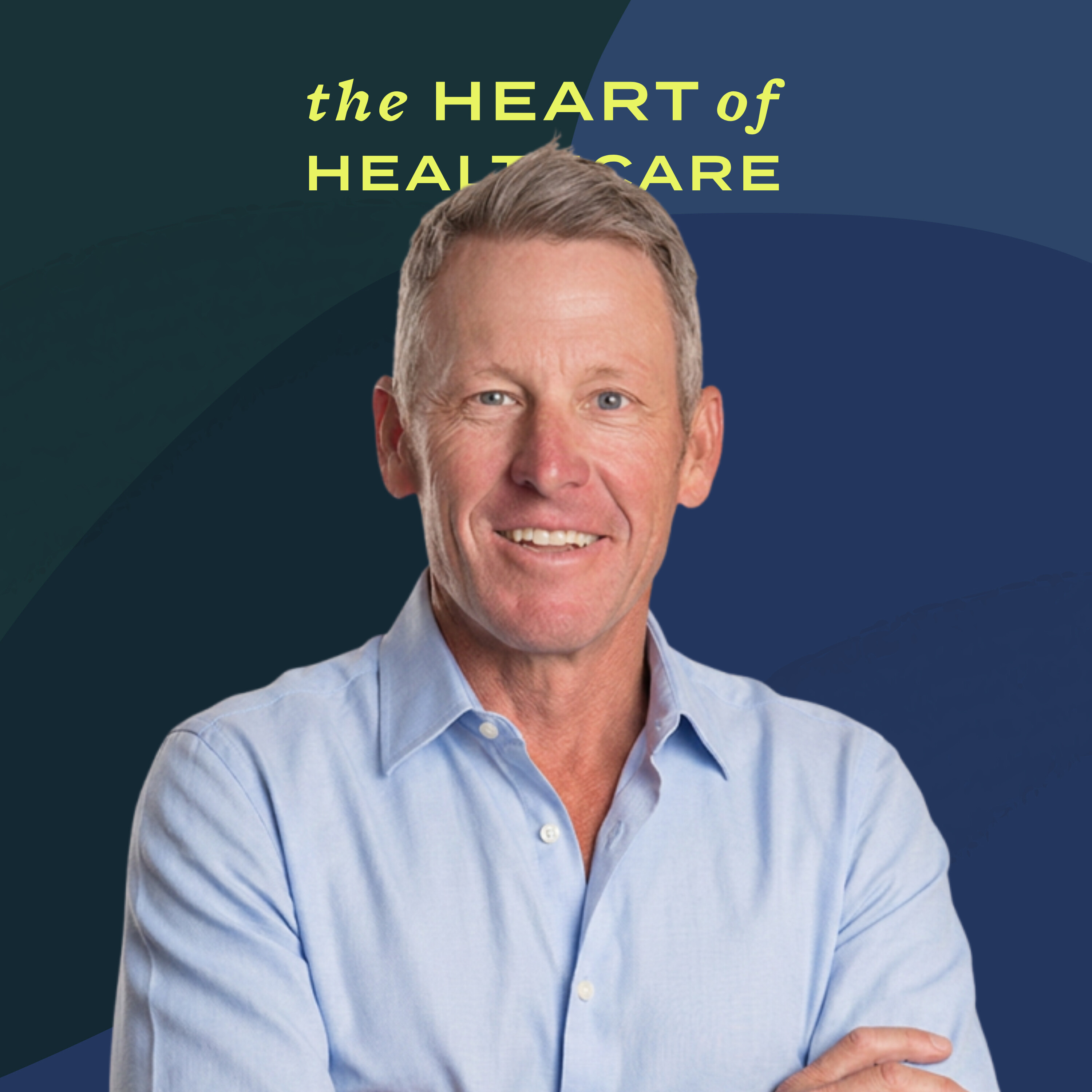
| 5/25/26 | whole person careventure capital+3 | Lance Armstrong | Next VenturesLivestrong+3 | — | Lance Armstrongwhole person health+3 | — | 34m 57s | ||
| 5/18/26 | AI in healthcaredeflationary healthcare+4 | Eric Larsen | TowerBrook AdvisorsWebby | — | AIhealthcare+8 | — | 59m 44s | ||
| 5/11/26 | AI in healthcarescaling care+4 | Prashant Samant | Akido LabsUSC’s Digital Health Lab+2 | Greater Los Angelesmulti-state | AIhealthcare+6 | — | 39m 33s | ||
| 5/4/26 | AI in healthcaredigital health funding+5 | — | MedviRock Health+8 | — | AIhealthcare+6 | — | 38m 54s | ||
| 4/27/26 | AI in healthcaredigital health tools+4 | Nate Gross, MD | ChatGPTChatGPT for Clinicians+4 | — | ChatGPThealth app+6 | — | 46m 30s | ||
| 4/20/26 | drug pricingpatient affordability+4 | Wendy Barnes | GoodRxRxBenefits+1 | — | drug pricingGoodRx+5 | — | 39m 35s | ||
| 4/13/26 | customer-centric healthcarehealth system transformation+3 | Pete McCanna | Baylor Scott & White Health | — | healthcarecustomer+5 | — | 41m 49s | ||
| 4/6/26 | health techPBMs+3 | — | Rock HealthHeart of Healthcare | United States | health techPBMs+5 | — | 22m 58s | ||
| 3/30/26 | independent pharmaciespharmacy benefit managers+4 | Alec Ginsberg | C.O. BigelowPharmacy Benefit Managers+4 | United StatesNew York City | independent pharmacyC.O. Bigelow+6 | — | 44m 03s | ||
| 3/23/26 |  Where Healthcare Policy Is Headed | Chief Counselor at HHS, Chris Klomp | Chris Klomp, Director of Medicare and Deputy Administrator of CMS, and Senior Advisor to HHS Secretary RFK Jr., has big ambitions to reshape how healthcare works in the United States.This week, Steve sits down with Klomp to discuss how his experience as a digital health entrepreneur is guiding his current role overseeing a roughly $2 trillion department. Klomp shares the government's strategy for restoring trust between providers and payers, driving down costs, and addressing a system where approximately 90% of healthcare dollars are still spent in a fee-for-service arrangement. We cover:Why 90% of US healthcare remains fee-for-service after two decades of reform.The intentional design of the new Access model to be deflationary and fuel entrepreneurship among insurgents.The commitment from the payer industry to make prior authorization invisible to patients and providers by 2027.CMS's aggressive stance on data interoperability and funding enforcement against data blocking.How the Most Favored Nation policy is re-wiring global prescription drug supply to lower prices without compromising innovation.—About our guest: Chris Klomp is the Director of Medicare and Deputy Administrator of CMS, and Senior Advisor to HHS Secretary Robert F. Kennedy Jr. With extensive experience in healthcare payment reform and data sharing, he built and led Collective Medical, the largest U.S. real-time care collaboration data network, acquired by PointClickCare in 2020. There, he partnered with health systems, plans, providers, post-acutes, and state governments to advance value-based care through enhanced data access and insights.Chris has driven healthcare reform at state and federal levels, focusing on value-based care and interoperable health technology. Through Endurance Companies, a San Francisco-based multi-family office he co-founded with Stanford classmates, he has co-founded, invested in, advised, and served on the board of many innovative healthcare organizations, including Nomi Health, Maven Clinic, InnovaCare Health, and Health Joy. He also served as a Utah Senate-confirmed commissioner of the Utah Digital Health Services Commission, where he focused on leveraging technology for cost-effective, healthier outcomes. Previously, he was Vice President in Bain Capital’s North American Private Equity group and worked at Bain & Company. Recognized as Utah Business’ CEO of the Year and EY’s Mountain Region Entrepreneur of the Year, Chris holds a B.A. with honors in Economics and English from Brigham Young University and an MBA from Stanford.—🙏 Thank you to our show sponsor, Quickstudy PR, story brokers for leading healthcare executives. Learn more about quickstudypr.com.—📍 Connect with us:Heart of Healthcare websiteLinkedInInstagramYoutube See Privacy Policy at https://art19.com/privacy and California Privacy Notice at https://art19.com/privacy#do-not-sell-my-info. | — | ||||||
| 3/16/26 |  Hard Founder Truths in 2026 | Listener Q&A | This week, Halle and Michael sit down for a special in-person listener Q&A to answer a range of founder questions you submitted.Topics include:What investors are prioritizing right now and how first-time founders can stand outHow to think about board seatsWhat to do if your growth has plateauedThings to keep in mind when negotiating a health system contractHow to think about choosing between small funds and mega-VCsWhat “pay to play” really meansHow to handle co-founder equity when someone leaves early—📍 Connect with us:Heart of Healthcare websiteLinkedInInstagramYoutube See Privacy Policy at https://art19.com/privacy and California Privacy Notice at https://art19.com/privacy#do-not-sell-my-info. | — | ||||||







Showing 25 of 238
Pitch Fit is a Pro feature
See how bookable this show is for guests, which brands already advertise, the per-episode ad value, and the best-fit guest and sponsor profile. The numbers are blurred on the free plan.
How readily this show books outside guests like you.
How proven this show is for host-read sponsorships.
For Guests
ProFor Advertisers
ProUpgrade to Pro to unlock guest cadence, sponsor categories, fit scores, and per-episode ad value for this show.
Similar Audience Demographics
Podcasts that attract a similar listener profile


Chart history for The Heart of Healthcare | A Digital Health Podcast
Peaked at #78 in ID, currently #78 in ID.
| Market | Genre | Peak | Current | Trend |
|---|---|---|---|---|
| ID | — | #78 | #78 | — |
| KE | — | #80 | #80 | — |
| Denmark | — | #83 | #83 | — |
| TW | — | #88 | #88 | — |
| India | — | #93 | #93 | — |
| South Korea | — | #146 | #146 | — |
| IL | — | #200 | #200 | — |
Chart Positions
7 placements across 7 markets.
Chart Positions
7 placements across 7 markets.