
The Pragmatic Engineer
by Gergely Orosz
Is this your podcast?On the show
From 25 epsHost
Recent guests
Recent episodes
Uber’s AI infra, from the inside
Oct 14, 2026
1h 33m 18s
Building resilient systems with Sam Newman
Oct 7, 2026
1h 58m 22s
Distributed databases with Peter Mattis
Sep 30, 2026
1h 41m 49s
Design Engineering with Maggie Appleton
Sep 23, 2026
1h 27m 23s
AI Skills with Matt Pocock
Sep 17, 2026
1h 35m 31s
Insights from recent episode analysis
Audience Interest
Podcast Focus
Publishing Consistency
Platform Reach
Insights are generated by CastFox AI using publicly available data, episode content, and proprietary models.
Most discussed topics
Brands & references
Total monthly reach
Based on 1 signal.
Built from
By chart position
- 🇺🇸United States · TechnologyHOME#5748K to 252K
- 🇮🇳India · Technology#1714K to 72K
- 🇬🇧United Kingdom · Technology#376.5K to 34K
- 🇧🇷Brazil · Technology#395.2K to 27K
- 🇫🇮FI · Technology#65.0K to 26K
- Per-Episode Audience
Est. listeners per new episode within ~30 days
113K to 595K🎙 Weekly cadence·73 episodes·Last published 5d ago - Monthly Reach
Unique listeners across all episodes (30 days)
225K to 1.2M🇺🇸42%🇮🇳12%🇬🇧6%+17 more - Active Followers
Loyal subscribers who consistently listen
124K to 655K
Market Insights
Platform Distribution
Reach across major podcast platforms, updated hourly
Total Followers
—
Total Plays
—
Total Reviews
—
* Data sourced directly from platform APIs and aggregated hourly across all major podcast directories.
Social Links & Contact
Official channels & resources
Official Website
Login
RSS Feed
Login
| Date | Episode | Topics | Guests | Brands | Places | Keywords | Sponsor | Length | |
|---|---|---|---|---|---|---|---|---|---|
| 10/14/26 | 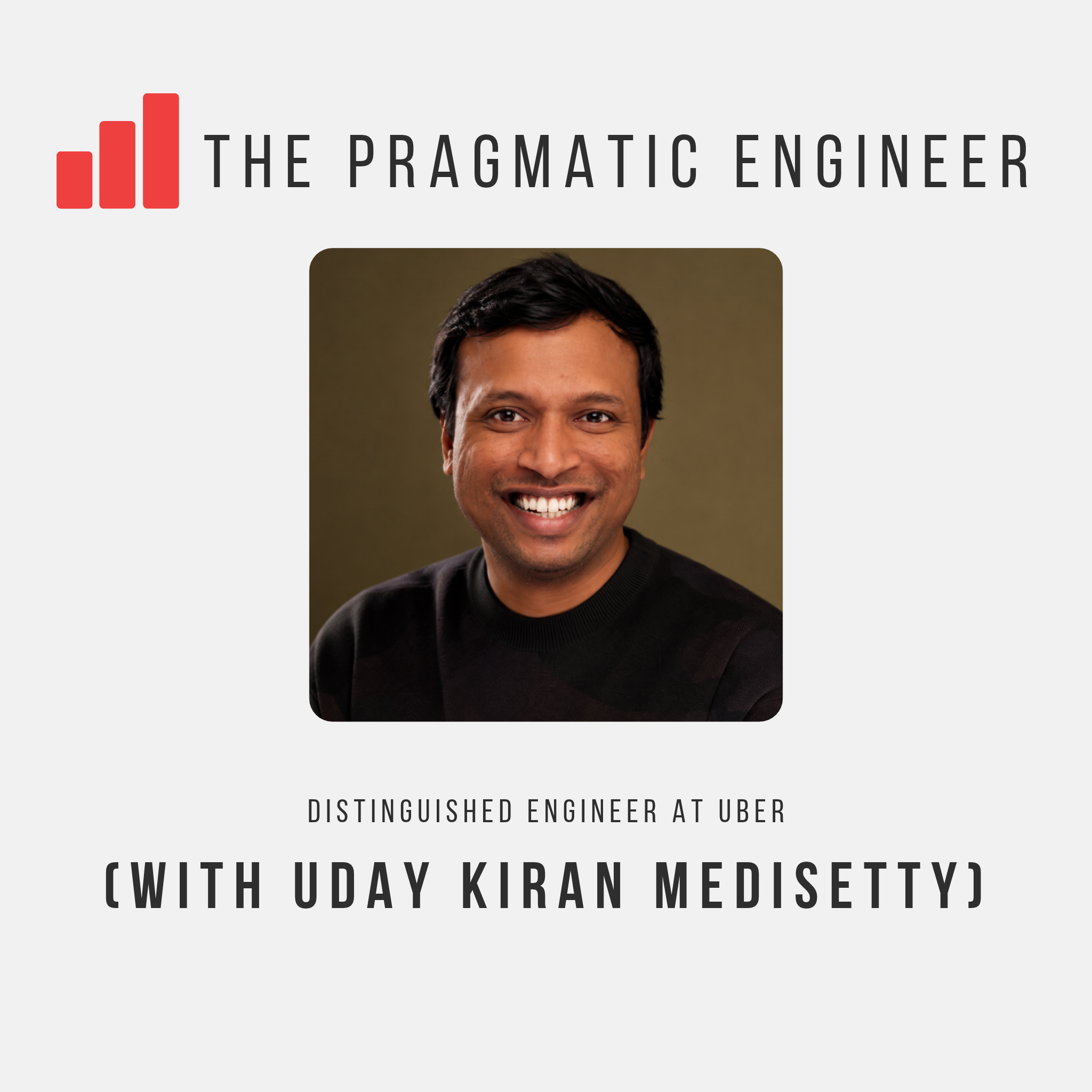 Uber’s AI infra, from the inside | Brought to You By:• turbopuffer – a vector and full-text search engine built on object storage. It’s fast, cheap, and extremely scalable• Linear – the product development system for teams and agents• WorkOS – everything you need to make your app enterprise-ready.—What do developer tools look like inside of Uber, today? They are very different from what you would see at most places. For example, can you guess what service a system called DevPods, Code Inbox, Slate or Wisdom would be providing to engineers?Today’s episode is a deepdive into the day-to-day tools of devs at Uber, our tour guide being on of Uber’s longest-tenured engineers: Uday Kiran Medisetty. Uday is one of the few Distinguished Engineers at the company, and leads much of the work on agentic AI, today.With Uday, we talk through how Uber’s developer infrastructure prepared it for AI agents. We look at the systems Uber built before generative AI and the new tools that connect agents to its code, internal services, and engineering knowledge. Uday explains how engineers use background agents, why tools like Slate make development (and bugfixing!) more efficient, and how code review is changing. We also cover Uber’s approach to token costs and how it measures productivity as the engineer’s role changes.Timestamps00:00 Intro02:48 Uday’s early days at Uber05:40 Uber’s move to microservices07:55 Uber’s engineering team, then and now09:05 Developer tooling before AI16:03 DevPods19:28 Building for AI agents29:27 MCP gateway34:37 Agent Skills repo38:46 The context graph and Cortana47:54 PRD and ERD tool50:45 Minion54:46 Testing and code review with Bazel, Slate, and Capri1:12:26 Edge Gateway, Shepherd, and Wisdom1:21:33 The changing role of engineer and measuring productivity1:30:40 Uday’s favorite new products—The Pragmatic Engineer deepdives relevant for this episode:• How Uber uses AI for development: inside look • Scaling Uber with Thuan Pham (Uber's first CTO) • Inside Uber's move to the Cloud• The Platform and Program Split at Uber • Hypergrowth startups: Uber and CloudKitchens with Charles-Axel Dein• How Uber Built its Observability Platform • How Uber is Measuring Engineering Productivity • Developer Experience at Uber with Gautam Korlam—Production and marketing by https://penname.co/. For inquiries about sponsoring the podcast, email [email protected]. Get full access to The Pragmatic Engineer at newsletter.pragmaticengineer.com/subscribe | 1h 33m 18s | ||||||
| 10/7/26 | 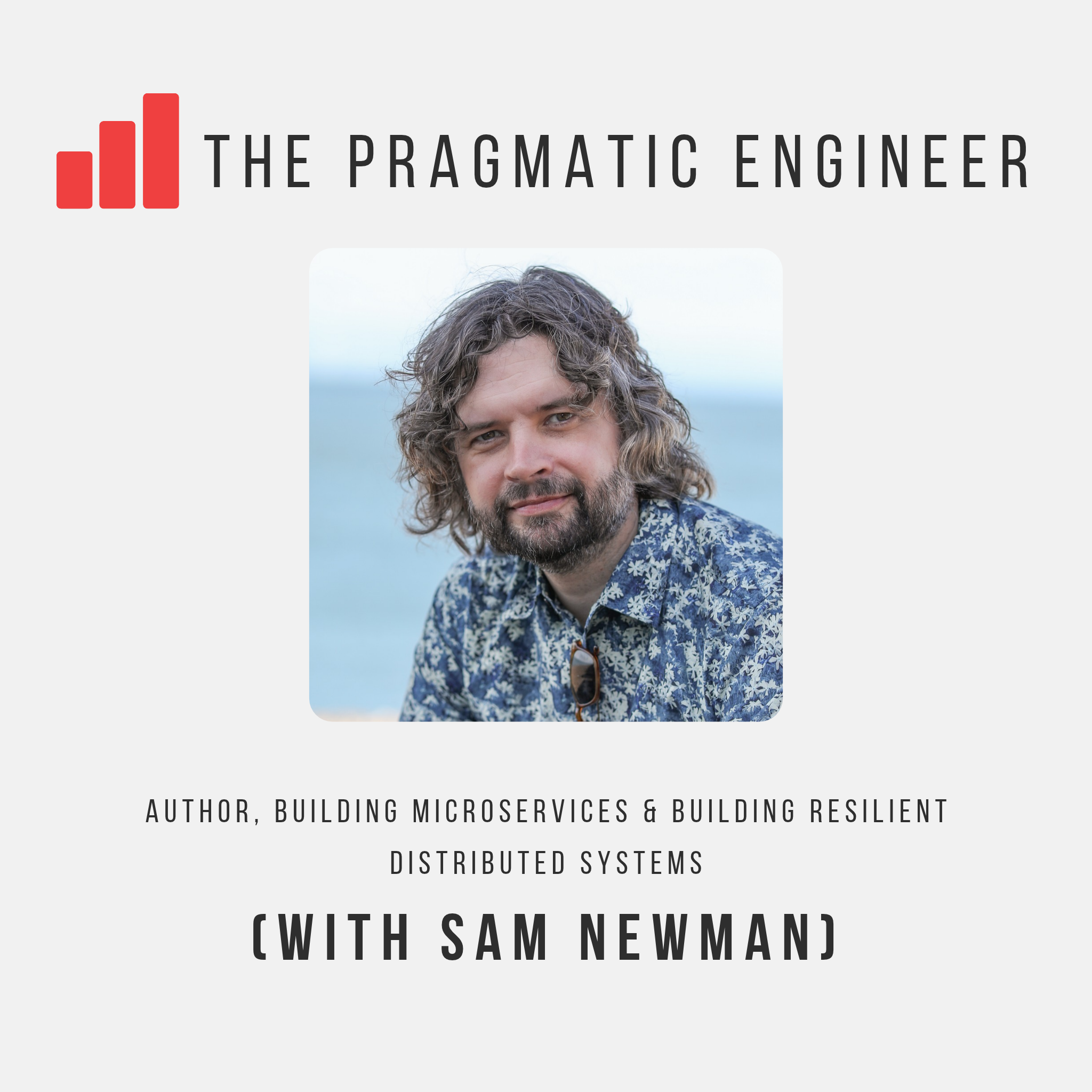 Building resilient systems with Sam Newman | Brought to You By:• turbopuffer – a vector and full-text search engine built on object storage. It’s fast, cheap, and extremely scalable.• Entire – Git hosting, rebuilt for the agentic era. Every agent session, prompt and tool calls: stored in your repo.• Antithesis – verify your system’s correctness without human review or traditional integration tests – and avoid bugs or outages.—Sam Newman wrote one of the most-read books about microservices (“Building Microservices”), but he calls them an architecture of “last resort.”In this episode of the Pragmatic Engineer podcast, Sam explains his thinking on this, and he’s certainly well placed to do so; he was in the room when the term “microservices” was coined. We discuss what teams get wrong when adopting microservices, why independent deployment matters, and how microservices can help teams work more autonomously.We also delve into his new book, ‘Building Resilient Distributed Systems’, and Sam explains his three rules for distributed systems, why observability is essential, and also why it’s vital to take business context into account when deciding whether to fail open or fail closed on errors.We also explore how AI is changing software development, from specs versus code as a source of truth to cognitive debt and cognitive surrender. Sam shares how modular architecture can help teams experiment with AI while maintaining understanding of the systems being built.Timestamps00:00 Intro03:16 Sam’s path into tech09:32 Thoughtworks20:55 The rise of microservices33:37 Are specs becoming more important than code?45:22 Building Resilient Distributed Systems (Sam’s new book)52:35 Three rules of distributed systems56:16 Observability1:02:20 Resilience tradeoffs1:07:54 Idempotency1:15:58 Thundering herds1:21:03 Business context and resilience decisions1:25:51 Resilience engineering: four concepts1:32:42 AI and resilience1:36:26 AI’s limitations and where to use it1:40:06 Cognitive debt and cognitive surrender1:45:02 Modular architecture and AI software factories1:51:53 Resources for learning software architecture1:55:30 Where to find Sam—The Pragmatic Engineer deepdives relevant for this episode:• Scaling Uber with Thuan Pham (Uber’s first CTO)• What is good software architecture at Netflix?• The past and future of modern backend practices• What is reliability engineering, and the history of SRE• How to debug large, distributed systems: Antithesis• Designing Data-intensive Applications with Martin Kleppmann• Building Bluesky: a Distributed Social Network—Production and marketing by https://penname.co/. For inquiries about sponsoring the podcast, email [email protected]. Get full access to The Pragmatic Engineer at newsletter.pragmaticengineer.com/subscribe | 1h 58m 22s | ||||||
| 9/30/26 | 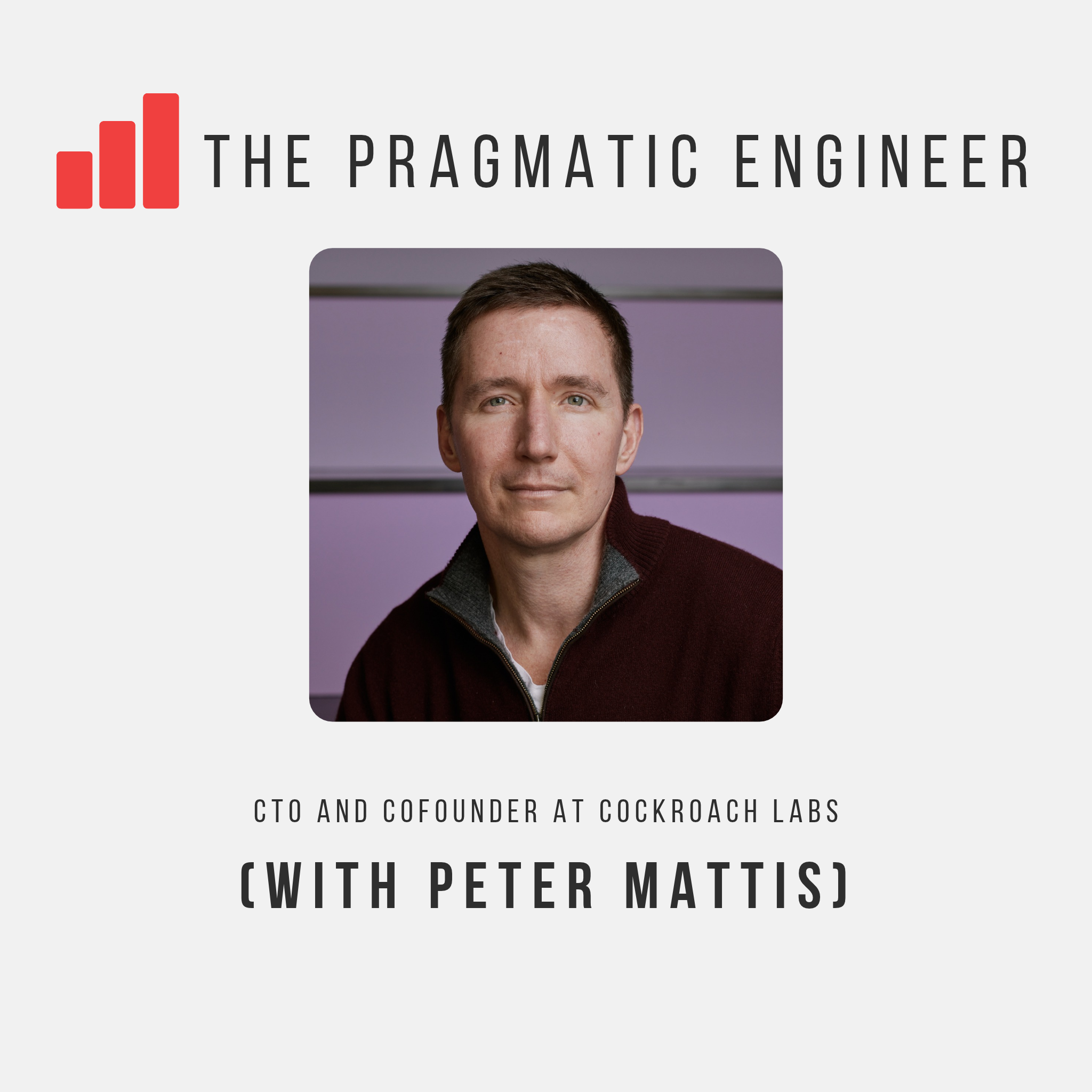 Distributed databases with Peter Mattis | Brought to You By:• turbopuffer – a vector and full-text search engine built on object storage. It’s fast, cheap, and extremely scalable• Linear – the product development system for teams and agents• WorkOS – everything you need to make your app enterprise ready.—How is it that a software veteran who regularly shipped ~100K of database-grade code to production each year, pre-AI, feels like he’s even more productive today, with no drop in quality? Peter Mattis is co-founder and CTO of Cockroach Labs, and an original creator of GIMP. He also worked on Gmail and distributed storage at Google.In this episode, Peter reflects on his journey from open source to Google to founding a database company, and we explore how to keep systems fast, reliable, and correct at scale, from Gmail’s early storage challenges to the tradeoffs in building distributed databases.Peter tells us how AI has brought him back to writing code after his work shifted toward management, and why he believes AI can improve quality and multiply the impact of domain experts. We also consider the future of code review, and Peter has some advice about how to level up our engineering skills.Timestamps00:00 Intro02:42 Peter’s path into tech04:00 Building GIMP09:30 Working on Gmail at Google14:51 Google’s infra: google3, build files, Bazel, and Colossus21:30 Distributed storage bottlenecks23:59 Latency, throughput, and availability30:04 Contributing to libraries41:52 Google Spanner46:10 CockroachDB52:00 Manual vs. automatic sharding55:28 Consistency models and strong consistency1:00:03 Raft consensus1:06:15 How AI brought Peter back to coding1:19:12 Peter’s tools and agentic workflows1:23:08 How AI can improve quality1:26:39 Code reviews: are they done?1:29:17 100x engineers1:35:33 Peter’s advice for leveling up your engineering skills—The Pragmatic Engineer deepdives relevant for this episode:• Inside Google’s Engineering Culture• Resiliency in distributed systems• How to debug large, distributed systems: Antithesis• Pushing software engineering limits with “napkin math”• Designing Data-intensive Applications with Martin Kleppmann• Formal methods with Hillel Wayne—Production and marketing by https://penname.co/. For inquiries about sponsoring the podcast, email [email protected]. Get full access to The Pragmatic Engineer at newsletter.pragmaticengineer.com/subscribe | 1h 41m 49s | ||||||
| 9/23/26 |  Design Engineering with Maggie Appleton | Brought to You By:• turbopuffer – a vector and full-text search engine built on object storage. It’s fast, cheap, and extremely scalable.• O'Reilly Early Release: Scaling AI Adoption in Engineering – a free book on how to adopt and scale AI in a pragmatic way inside of engineering orgs. Complimentary, thanks to Antithesis.• Entire – every agent prompt, tool call, stored in your repo, and mirrored.—What can everyone else learn from designers and design engineers? As it turns out, there’s plenty, as I discovered when one of the best design engineers in the industry, Maggie Appleton, came onto the Pragmatic Engineer Podcast. She’s a staff research engineer at GitHub Next, where she builds prototypes to explore how software engineers might collaborate with AI in new ways. Maggie is at the intersection of design, anthropology, and web development, and was the first designer hired by AI startup Elicit, and Lead Design engineer at AI startup, Normally.Today’s episode is more visual than usual because Maggie brought her notebook along, so there are peeks inside its pages of prototypes and more:We got into designers’ work and how their design processes are adapting to and changing with AI. We explore why Maggie starts projects with pens and notebooks, what distinguishes design engineers from other designers, and why understanding engineering constraints leads to better collaboration with engineers. We also discuss how Maggie uses jigs to gain more control over AI agents, why human judgment and style still matter when models can generate designs, and how inconsistent AI capabilities can mislead us.Timestamps00:00 Intro03:24 From anthropology to tech10:18 What does a designer do?18:23 How Maggie works24:55 The case for planning with physical tools31:53 Why Maggie is learning woodworking33:13 Design engineers and engineering constraints38:49 How Maggie uses Figma40:30 Design at GitHub Next45:12 How has AI changed design50:37 When models design and why humans are still needed53:30 UX and UI58:29 Capability gaslighting1:00:33 One Developer, Two Dozen Agents, Zero Alignment1:07:21 Craft and AI tells1:14:17 Visual gardens, home-cooked software, and barefoot developers1:21:02 Advice for engineers and lessons from anthropology1:25:34 Book recommendation—The Pragmatic Engineer deepdives relevant for this episode:• What is “loop engineering?”• Design-first software engineering: Craft, with Balint Orosz • Are AI agents actually slowing us down?• Vibe Coding as a software engineer• How Codex is built• How Claude Code is built • From Chrome DevTools to AI Engineering, with Addy Osmani—Production and marketing by https://penname.co/. For inquiries about sponsoring the podcast, email [email protected]. Get full access to The Pragmatic Engineer at newsletter.pragmaticengineer.com/subscribe | 1h 27m 23s | ||||||
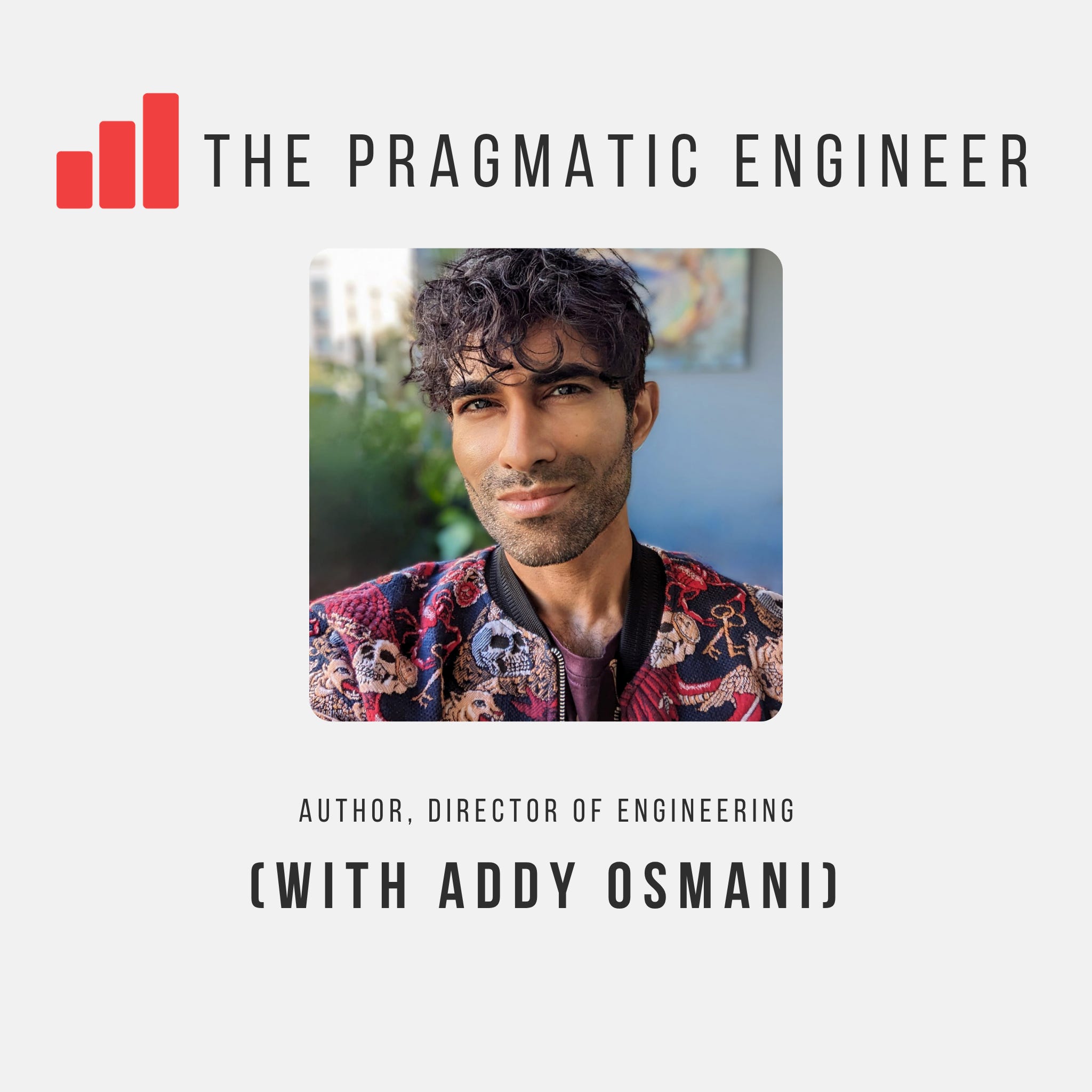
| 9/17/26 |  AI Skills with Matt Pocock | Brought to You By:• turbopuffer – a vector and full-text search engine built on object storage. It’s fast, cheap, and extremely scalable• Linear – the product development system for teams and agents• WorkOS – everything you need to make your app enterprise ready.—Why is the “grill-me” skill so popular, and why does its creator swear by the importance of software fundamentals? Matt Pocock created this widely-used skill – and many others – alongside being an educator, content creator, and engineer. His latest course is AI Hero, and he previously created the Total TypeScript course that generated more than $2.5 million in sales.In this episode, Matt and I discuss his unconventional path from working as a voice teacher to becoming a developer and going all-in on technical education. He reveals how communication skills helped him break into tech, why he took an unusual three-days-a-week contract at Vercel, and how he built Total TypeScript through workshops, courses, and a lot of free content.We also explore “strategic coding,” and how he uses skills like “grill me” and “wayfinder” to plan, delegate, and course-correct with AI agents. Matt explains his “day shift” and “night shift” approach, why splitting context up can keep agents in their “smart zone,” and how concepts from classic software engineering books can guide agents to do better. In this episode, there’s also local versus cloud workflows, whether agents need TDD, how AI is changing the ways that engineers learn the fundamentals, and why humans are still essential in teaching.Timestamps00:00 Intro05:48 How Matt got into tech10:14 How Matt got into open source12:58 Joining Vercel18:39 Total TypeScript23:21 AI’s impact on technical education30:32 Building reusable skills for AI coding agents40:46 The “smart zone” vs the “dumb zone”45:02 The wayfinder skill47:52 Why agents excel at software engineering50:54 “Leading words”1:01:10 Learning the fundamentals1:09:17 Local vs. cloud agents1:12:36 Planning vs. course-correcting1:18:13 TDD and agents1:23:06 Living in the UK1:24:21 Teaching: the human part1:28:36 Advice for junior engineers1:31:07 Gardeners and great engineers1:34:01 Book recommendation—The Pragmatic Engineer deepdives relevant for this episode:• What is "loop engineering?"• The Philosophy of Software Design – with John Ousterhout• Context engineering with Dex Horthy• Are AI agents actually slowing us down?• The AI Engineering Stack• How Codex is built• How Claude Code is built• How Uber uses AI for development: inside look—Production and marketing by https://penname.co/. For inquiries about sponsoring the podcast, email [email protected]. Get full access to The Pragmatic Engineer at newsletter.pragmaticengineer.com/subscribe | 1h 35m 31s | ||||||
| 9/9/26 | AI developmentsoftware engineering+4 | Tibo Sottiaux | CodexOpenAI | — | CodexOpenAI+6 | turbopuffer | 1h 13m 21s | ||
| 8/26/26 | software performanceprogramming+3 | Casey Muratori | Molly RocketHandmade Hero+1 | — | performancesoftware+5 | Antithesis | 1h 52m 59s | ||
| 8/19/26 | AI EngineeringWeb Development+4 | Addy Osmani | GooglejQuery+2 | — | Chrome DevToolsAI developer experience+5 | Antithesis | 1h 31m 35s | ||
| 8/12/26 | AI in software developmentsoftware reliability+4 | Charity Majors | HoneycombObservability Engineering | — | AIsoftware engineering+5 | Antithesis | 1h 25m 32s | ||
| 7/29/26 | formal methodssoftware engineering+4 | Hillel Wayne | Pragmatic Engineer | — | formal verificationTLA++5 | Antithesis | 1h 23m 42s | ||
| 7/15/26 | context engineeringAI-assisted software development+5 | Dex Horthy | HumanLayer | — | context limitationsharness engineering+5 | Antithesis | 1h 32m 24s | ||
| 7/8/26 | software industryAI+5 | Volodymyr Giginiak | Wordsmith AIMeta | EU | software engineeringAI hiring+5 | Antithesis | 1h 18m 21s | ||
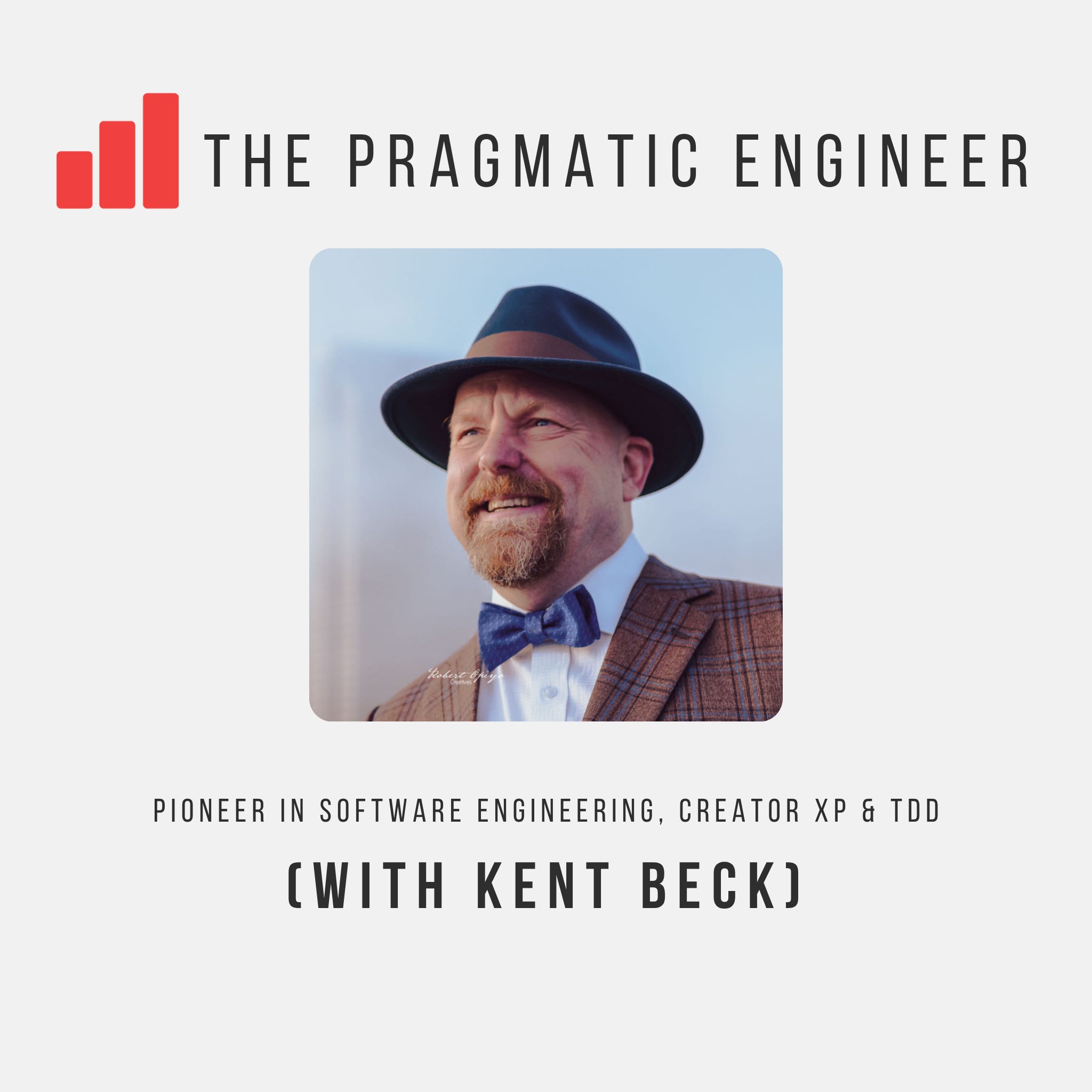
| 7/1/26 | software engineeringtest-driven development+5 | Kent Beck | AppleFacebook+3 | — | Kent Becksoftware engineering+6 | Antithesis | 2h 27m 01s | ||
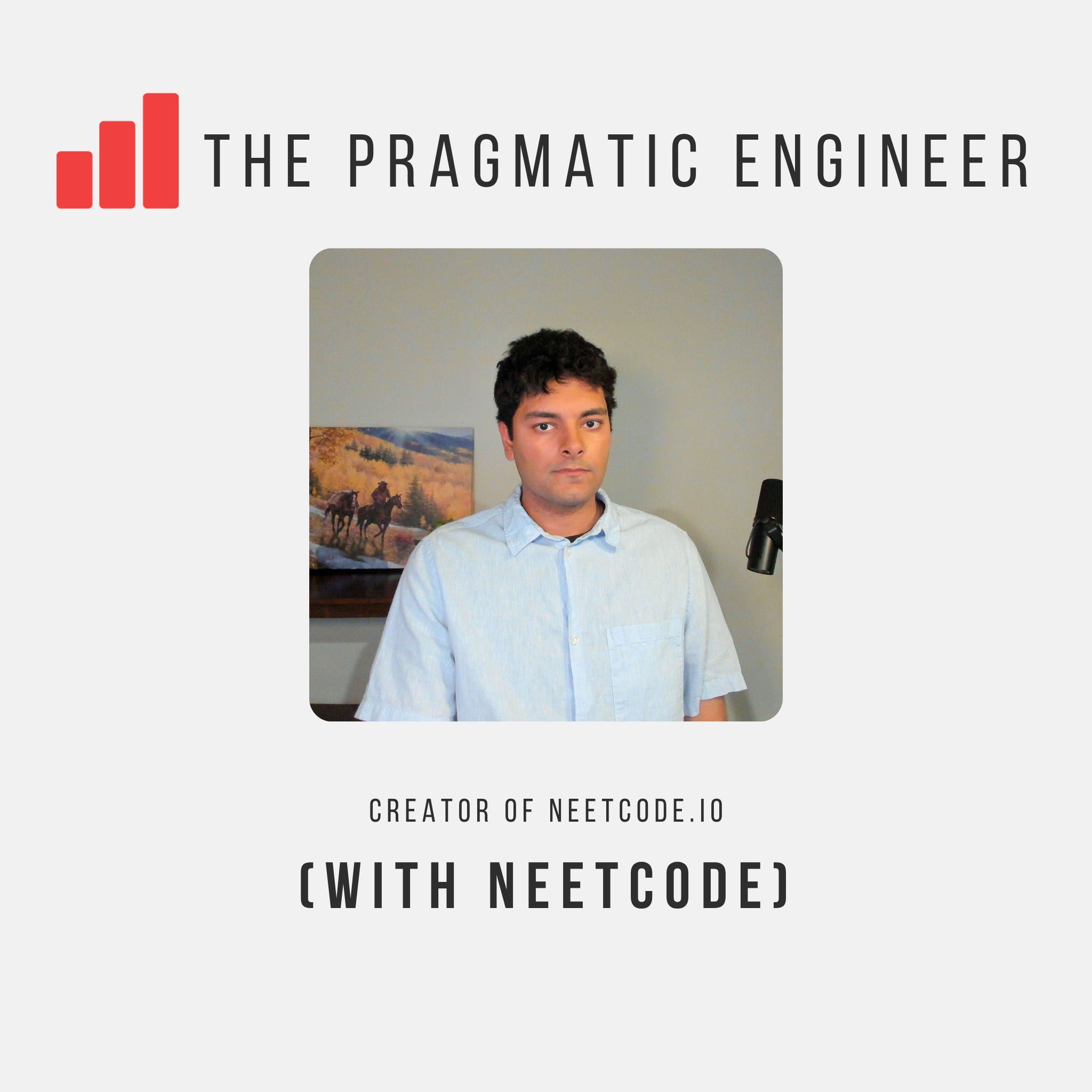
| 6/24/26 | coding interviewssoftware engineering+4 | Navdeep Singh | NeetCodeAmazon+1 | — | NeetCodecoding interviews+6 | Antithesis | 1h 29m 09s | ||
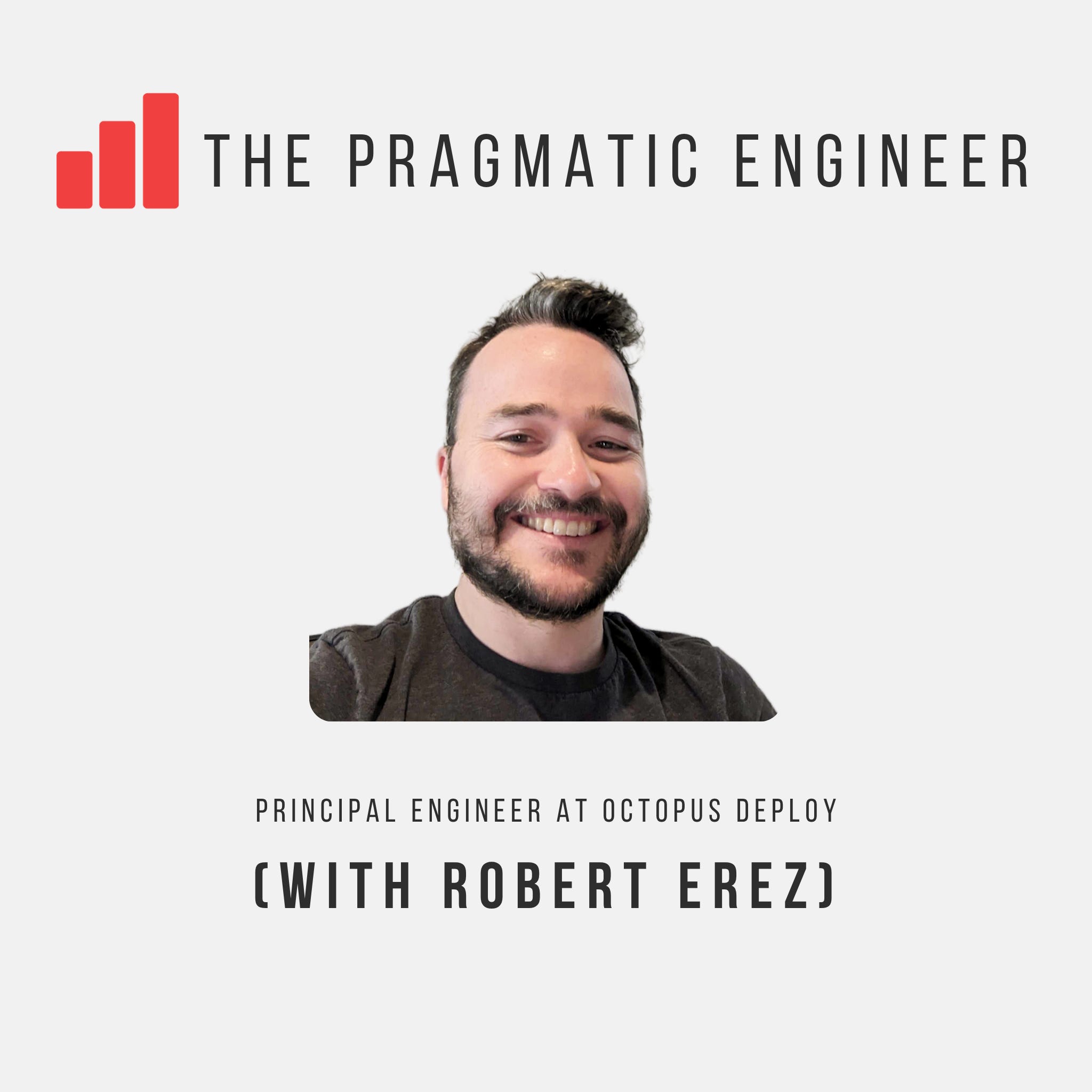
| 6/17/26 | CI/CDsoftware delivery+5 | Robert Erez | KubernetesGitOps+5 | — | CI/CDdeployment systems+5 | Antithesis | 1h 14m 48s | ||
| 6/3/26 | Kubernetescareer development+4 | Kelsey Hightower | GoogleMicrosoft | — | Kubernetescloud computing+4 | Antithesis | 2h 51m 09s | ||
| 5/27/26 | AI developer toolsopen source+4 | Dax Raad | OpenCodeOpenAI+1 | — | OpenCodeAI coding tools+5 | Antithesis | 1h 20m 05s | ||
| 5/20/26 | Rust programming languagememory safety+4 | Alice Ryhl | GoogleTokio+1 | — | Rustmemory safety+7 | Antithesis | 1h 04m 59s | ||
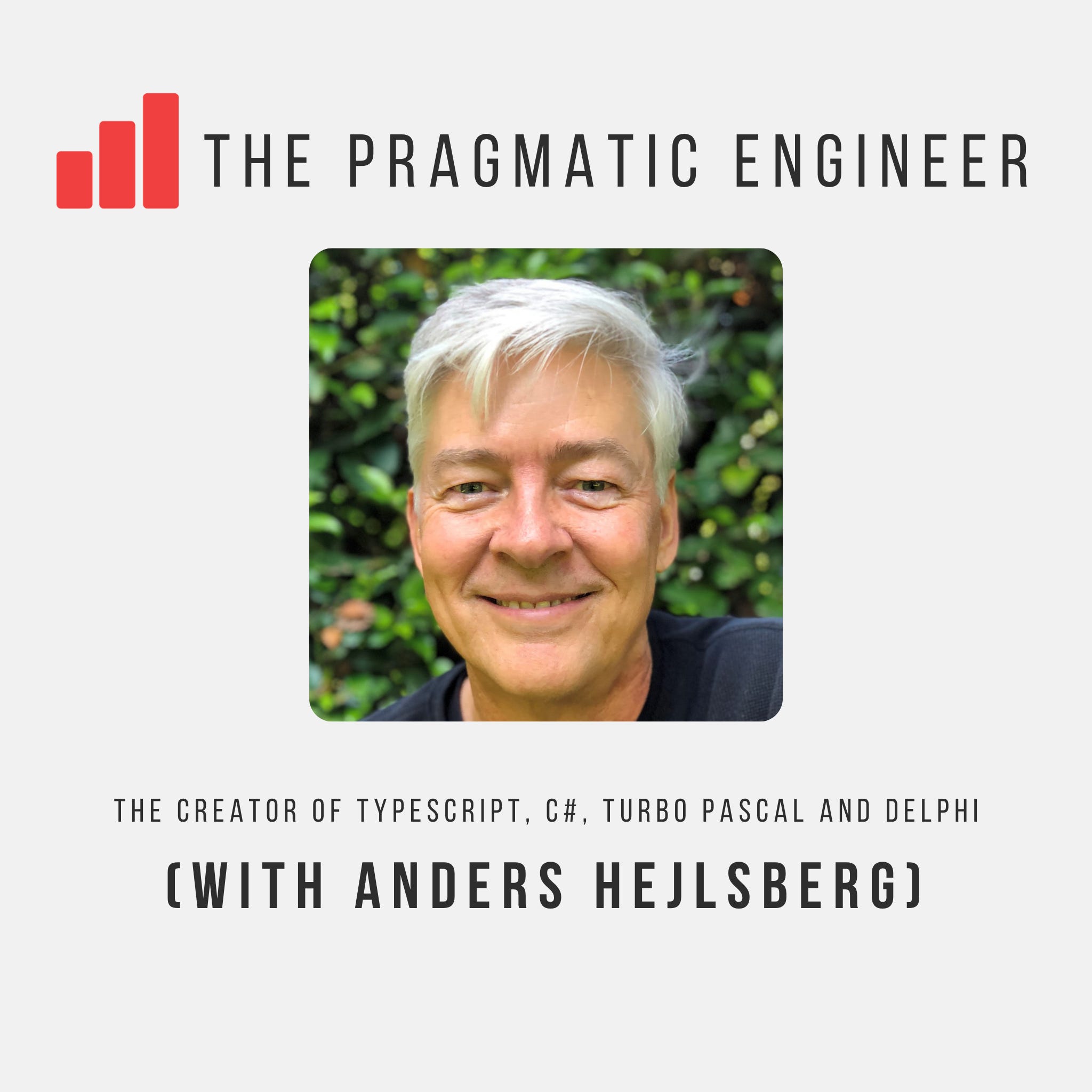
| 5/13/26 | programming languagessoftware development+4 | Anders Hejlsberg | Turbo PascalDelphi+3 | — | programming languagessoftware engineering+5 | Antithesis | 1h 15m 09s | ||
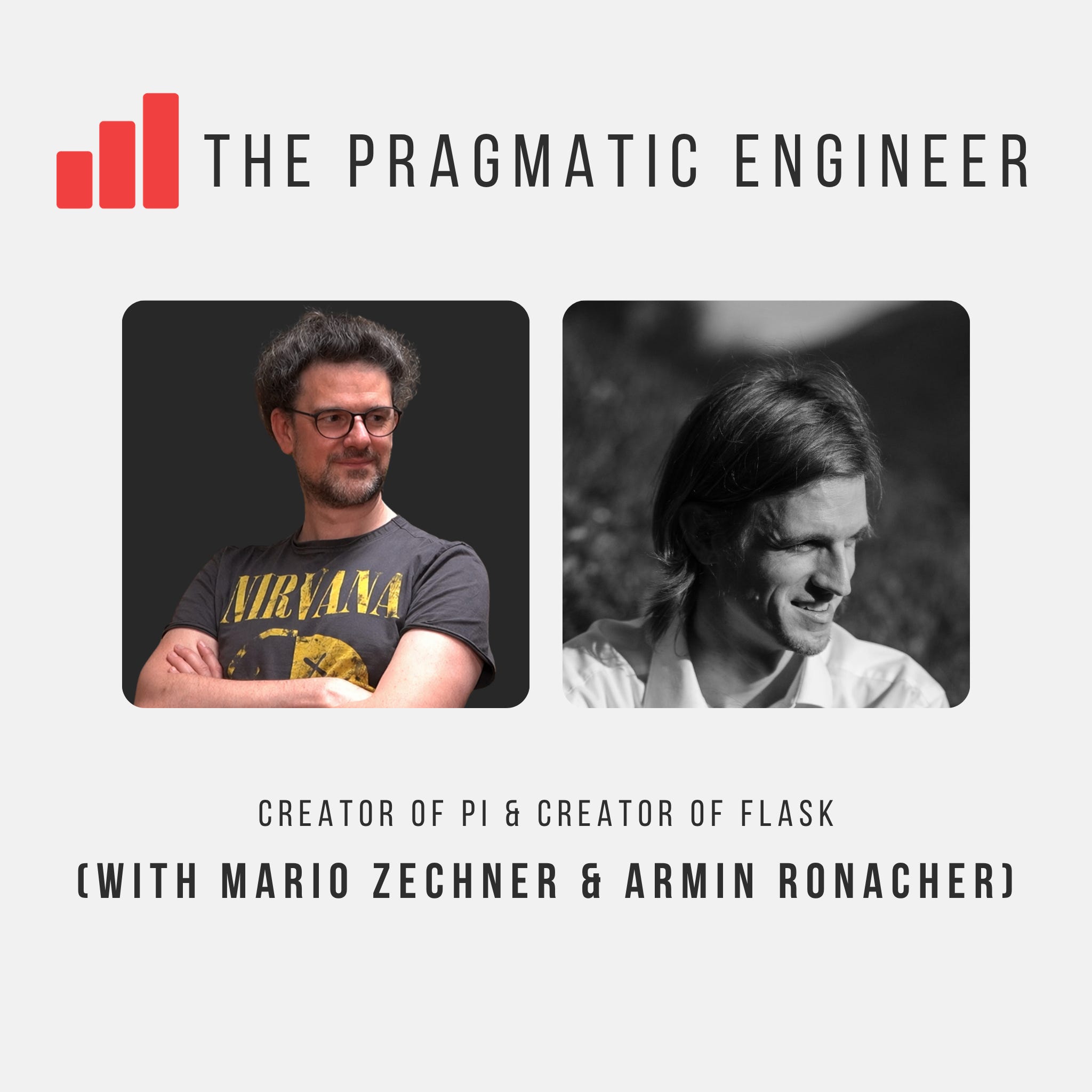
| 4/29/26 | self-modifying softwareAI coding agents+3 | Mario ZechnerArmin Ronacher | PiFlask+1 | — | self-modifying softwareAI+4 | Statsig | 1h 33m 07s | ||
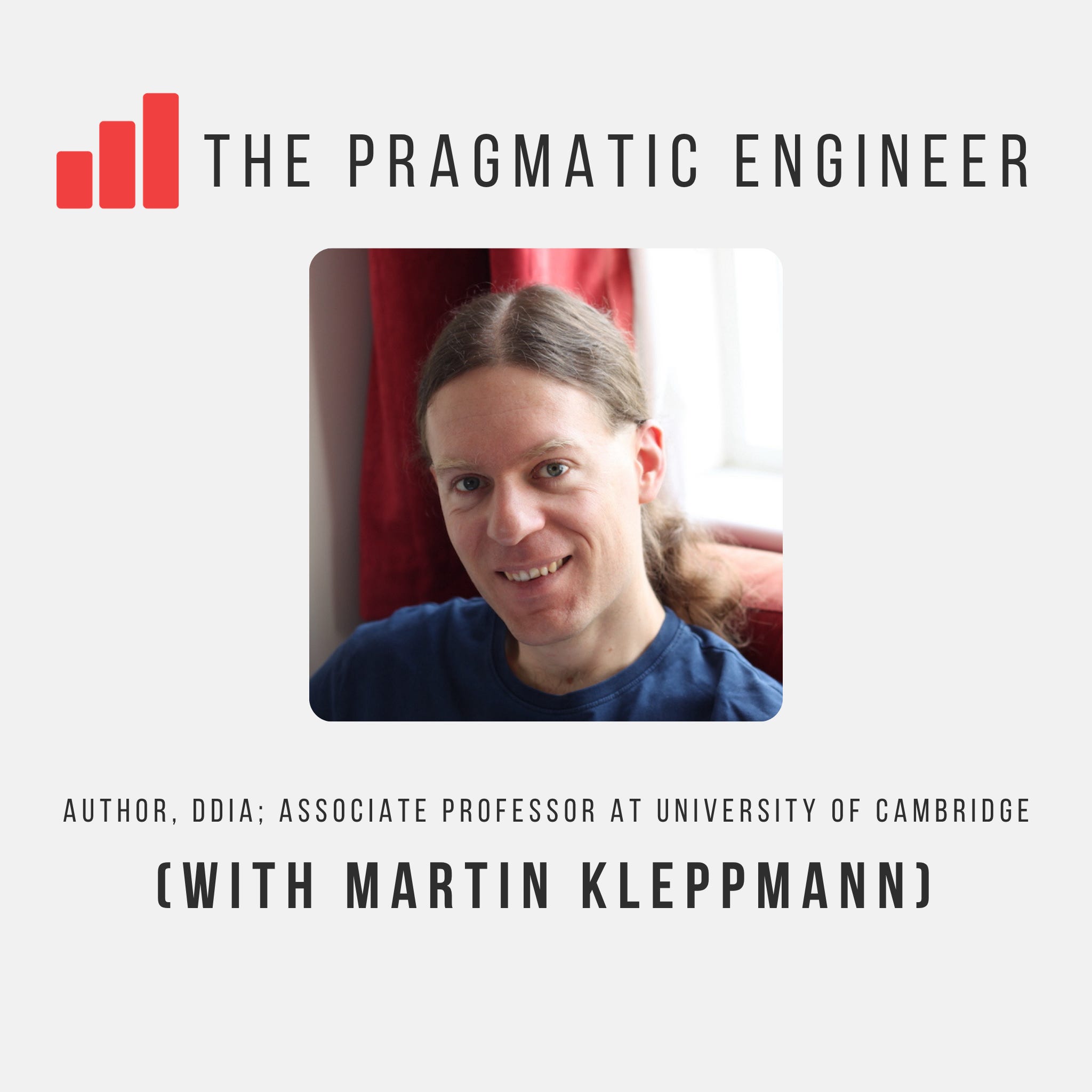
| 4/22/26 | data-intensive applicationsdistributed systems+4 | Martin Kleppmann | LinkedInRapportive+1 | — | data-intensive applicationsdistributed systems+5 | Statsig | 1h 25m 00s | ||
| 4/8/26 | software developmentAI in coding+3 | David Heinemeier Hansson | Ruby on RailsOmarchy+4 | — | codingAI tools+5 | Statsig | 1h 46m 14s | ||
| 4/1/26 | scaling engineering organizationsmicroservices+3 | Thuan Pham | UberFaire | — | UberThuan Pham+6 | Statsig | 1h 38m 55s | ||
| 3/18/26 | WhatsAppengineering+4 | Jean Lee | WhatsAppFacebook+1 | — | WhatsAppJean Lee+6 | Statsig | 1h 10m 37s | ||
| 3/11/26 | AI in engineeringsoftware development+3 | Steve Yegge | Vibe CodingGas Town+2 | — | AI agentssoftware engineering+3 | Statsig | 1h 31m 17s | ||
| 3/4/26 | Claude Codeengineering workflow+4 | Boris Cherny | Claude CodeProgramming TypeScript+2 | — | Claude CodeBoris Cherny+7 | Statsig | 1h 37m 01s | ||
| 2/25/26 | AI tools in software engineeringHashiCorp history+4 | Mitchell Hashimoto | HashiCorpGhostty+3 | — | Mitchell HashimotoHashiCorp+6 | Statsig | 1h 57m 36s | ||
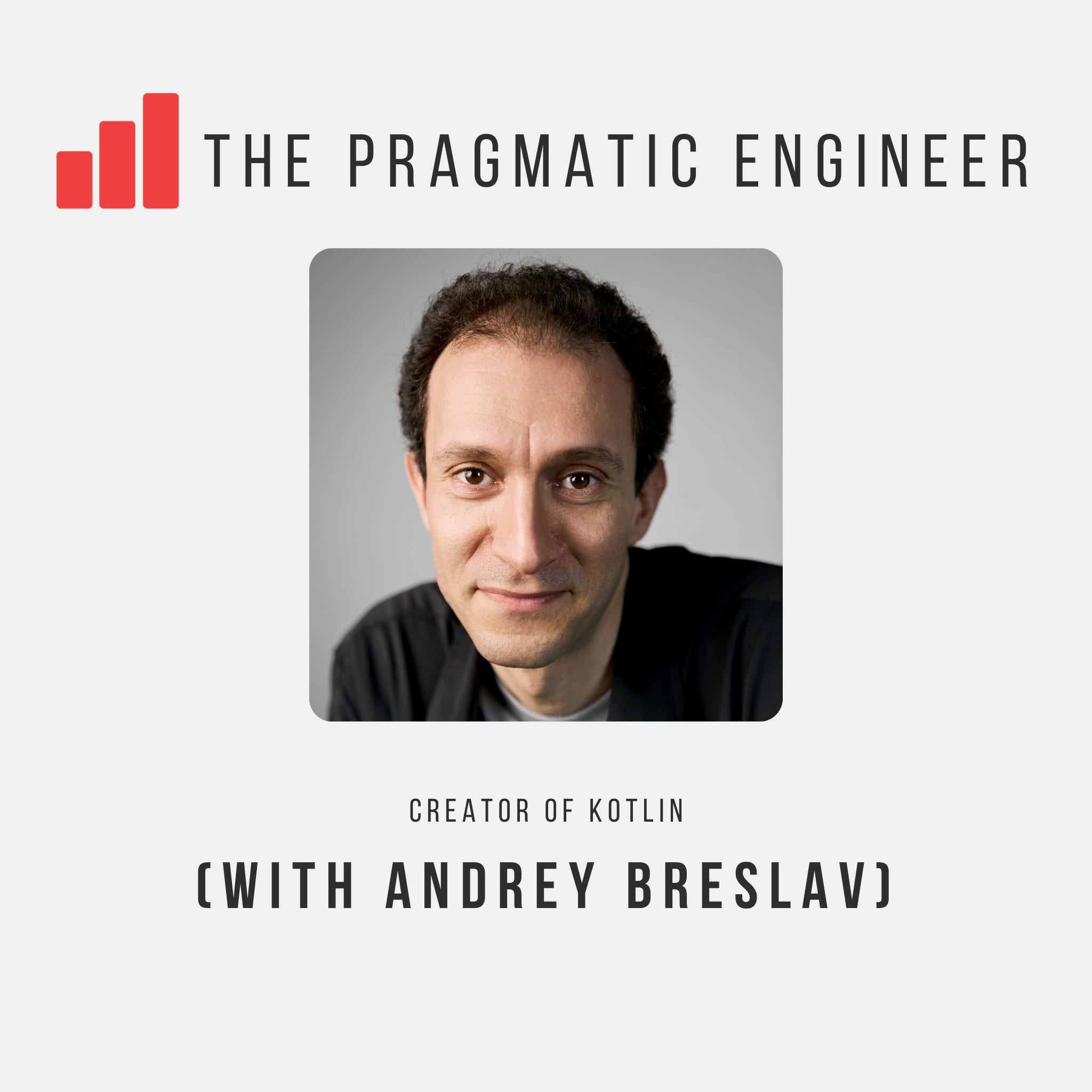
| 2/12/26 | programming languagesKotlin+3 | Andrey Breslav | KotlinJetBrains+1 | — | KotlinCodeSpeak+5 | StatsigCODE | 1h 44m 10s | ||
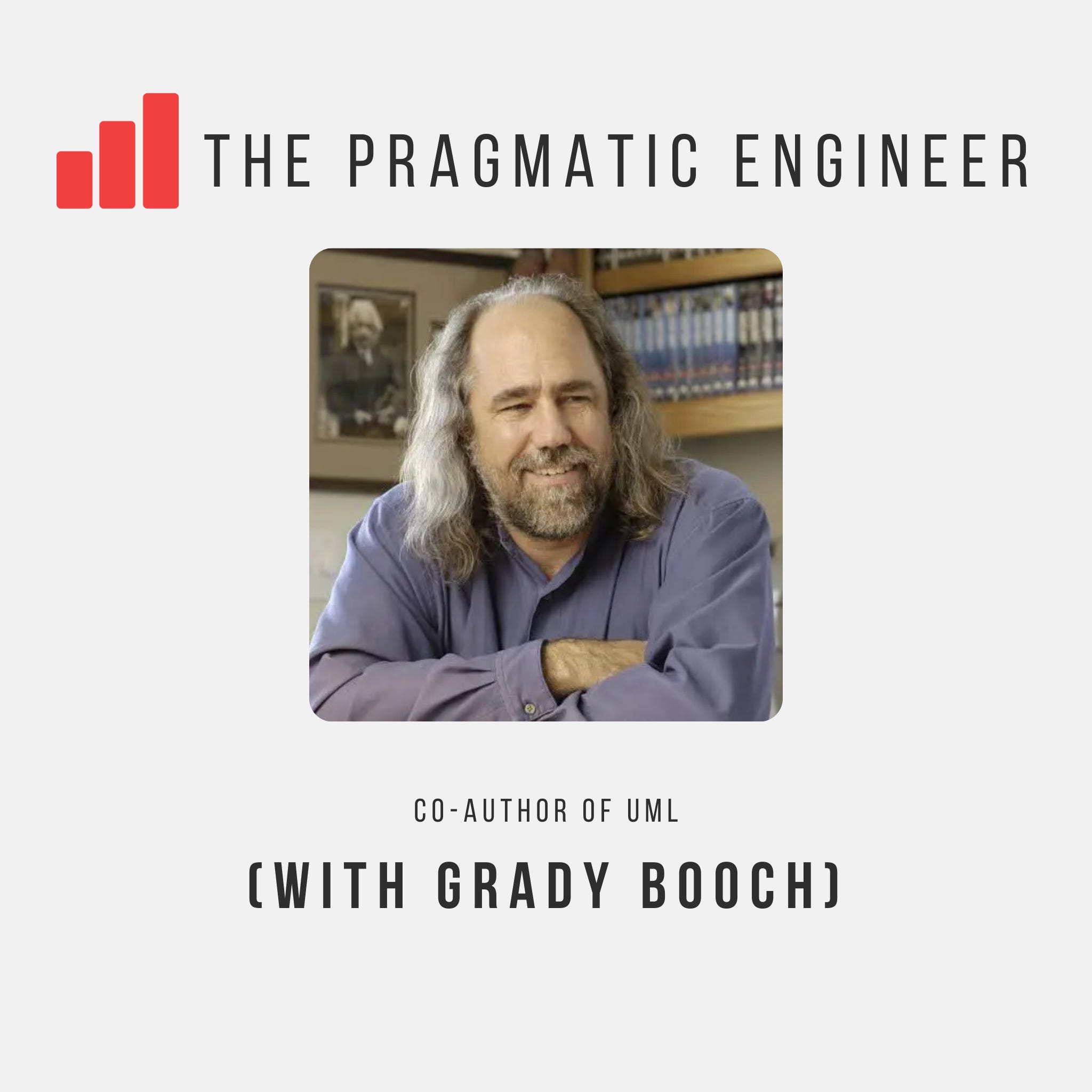
| 2/4/26 | software engineeringAI+4 | Grady Booch | IBM | — | golden agesoftware engineering+5 | Statsig | 1h 17m 05s | ||
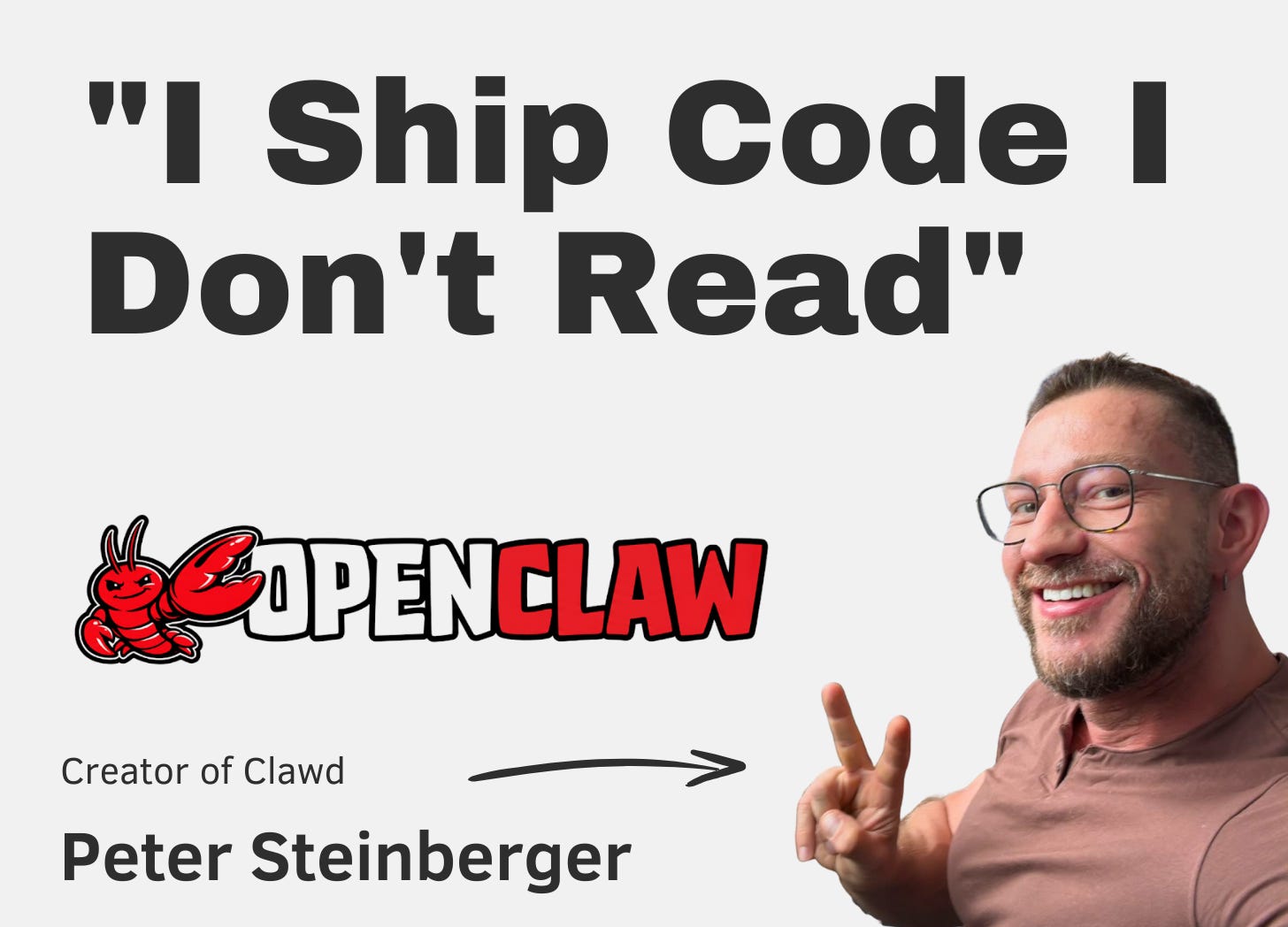
| 1/28/26 | AI toolssoftware development+4 | Peter Steinberger | ClawdbotMoltbot+3 | — | AIsoftware engineering+5 | Statsig | 1h 54m 04s | ||















Showing 30 of 73
Pitch Fit is a Pro feature
See how bookable this show is for guests, which brands already advertise, the per-episode ad value, and the best-fit guest and sponsor profile. The numbers are blurred on the free plan.
How readily this show books outside guests like you.
How proven this show is for host-read sponsorships.
For Guests
ProFor Advertisers
ProUpgrade to Pro to unlock guest cadence, sponsor categories, fit scores, and per-episode ad value for this show.
Similar Audience Demographics
Podcasts that attract a similar listener profile

The Peterman Pod
Ryan Peterman

Software Engineering Radio - the podcast for professional software developers
[email protected] (SE-Radio Team)

Syntax - Tasty Web Development Treats
Wes Bos & Scott Tolinski - Full Stack JavaScript Web Developers

Oxide and Friends
Oxide Computer Company

Thoughtworks Technology Podcast
Thoughtworks

The Stack Overflow Podcast
The Stack Overflow Podcast

Soft Skills Engineering
Jamison Dance and Dave Smith
Chart history for The Pragmatic Engineer
Peaked at #6 in Finland, top 10 in 2 of 43 tracked markets, currently #6 in Finland.
| Market | Genre | Peak | Current | Trend |
|---|---|---|---|---|
| Finland | — | #6 | #6 | — |
| IS | — | #6 | #6 | — |
| India | — | #17 | #17 | — |
| HU | — | #19 | #19 | — |
| Norway | — | #20 | #20 | — |
| Spain | — | #22 | #22 | — |
| BE | — | #23 | #23 | — |
| PH | — | #29 | #29 | — |
| SG | — | #30 | #30 | — |
| CL | — | #30 | #30 | — |
| Netherlands | — | #31 | #31 | — |
| Sweden | — | #31 | #31 | — |
| Denmark | — | #31 | #31 | — |
| GR | — | #32 | #32 | — |
| Canada | — | #33 | #33 | — |
| CZ | — | #34 | #34 | — |
| PE | — | #36 | #36 | — |
| United Kingdom | — | #37 | #37 | — |
| PL | — | #37 | #37 | — |
| RO | — | #39 | #39 | — |
Chart Positions
43 placements across 43 markets.
Chart Positions
43 placements across 43 markets.