
Science Magazine Podcast
by Science Magazine
Is this your podcast?On the show
From 29 epsHosts
Recent guests
Recent episodes
Studying the changing of AI language inside swarms, how orangutans learn to forage, and an astrophysicist talks about loss
Sep 24, 2026
48m 42s
Can ‘assisted migration’ save forests? And the role of philosophy in science
Sep 17, 2026
39m 57s
Psychoactive substances helped spur Andean civilization, and breaking barriers to education
Sep 10, 2026
33m 12s
Sex-reversing frogs, and Europe’s rising rates of a deadly tick-borne disease
Sep 3, 2026
27m 40s
Making drugs in space, the man who fed India, and what narwhals can teach us about changing seas
Aug 27, 2026
49m 46s
Insights from recent episode analysis
Audience Interest
Podcast Focus
Publishing Consistency
Platform Reach
Insights are generated by CastFox AI using publicly available data, episode content, and proprietary models.
Most discussed topics
Brands & references
Total monthly reach
Estimated from 40 chart positions in 40 markets.
By chart position
- 🇺🇸US · Science#6730K to 100K
- 🇨🇦CA · Science#1205K to 30K
- 🇦🇺AU · Science#1255K to 30K
- 🇩🇪DE · Science#1255K to 30K
- 🇬🇧GB · Science#1285K to 30K
- Per-Episode Audience
Est. listeners per new episode within ~30 days
68K to 250K🎙 Daily cadence·658 episodes·Last published 1w ago - Monthly Reach
Unique listeners across all episodes (30 days)
228K to 833K🇺🇸12%🇯🇵12%🇬🇷12%+37 more - Active Followers
Loyal subscribers who consistently listen
125K to 458K
Market Insights
Platform Distribution
Reach across major podcast platforms, updated hourly
Total Followers
—
Total Plays
—
Total Reviews
—
* Data sourced directly from platform APIs and aggregated hourly across all major podcast directories.
Social Links & Contact
Official channels & resources
Official Website
Login
RSS Feed
Login
| Date | Episode | Topics | Guests | Brands | Places | Keywords | Sponsor | Length | |
|---|---|---|---|---|---|---|---|---|---|
| 9/24/26 |  Studying the changing of AI language inside swarms, how orangutans learn to forage, and an astrophysicist talks about loss | First up on the podcast, Staff Reporter Tom Howarth joins host Sarah Crespi to talk about the language artificial intelligence agents evolve inside their swarms. Next on the show, producer Elah Feder talks with Revathe Thillaikumar, a behavioral ecologist and postdoctoral fellow at the Max Planck Institute of Animal Behavior. The two discuss the value of social learning as baby orangutans learn to find their own food over the longest dependency period of any animal, except humans. Finally, from our series on scientific autobiographies, books host Angela Saini talks with astrophysicist Sara Seager about the moving account of life after losing her husband in her book, The Smallest Lights in the Universe. This week’s episode was produced with help from Podigy. About the Science Podcast Image: inkoly/istock Learn more about your ad choices. Visit megaphone.fm/adchoices | 48m 42s | ||||||
| 9/17/26 |  Can ‘assisted migration’ save forests? And the role of philosophy in science | First up on the podcast, as the planet warms and forests burn, can we replant them with new trees that will thrive in the decades ahead? Associate Editor Katie Langin joins host Sarah Crespi to discuss research into “assisted migration” for replenishing forests after wildfires. Next on the show, Susana Monsó, an associate professor in the Department of Logic, History and Philosophy of Science at the Spanish National University of Distance Education, shares her latest Expert Voices column. She discusses how philosophy can play a role in the scientific process—from defining terms to formulating questions. This week’s episode was produced with help from Podigy. Image: Dirk Hobman Learn more about your ad choices. Visit megaphone.fm/adchoices | 39m 57s | ||||||
| 9/10/26 |  Psychoactive substances helped spur Andean civilization, and breaking barriers to education | First up on the podcast, producer Meagan Cantwell and freelance journalist Andrew Lawler discuss how psychoactive drugs might have shaped culture in pre-Inca Andean societies. They chat about how technical advances and an increasingly open research environment have allowed scientists to detect traces of substances such as vilca, which contains dimethyltryptamine, the psychoactive compound also found in ayahuasca. Next on the show, host Sarah Crespi is joined by Noam Angrist, academic director of the What Works Hub for Global Education at the University of Oxford’s Blavatnik School of Government. Angrist wrote a Policy Forum piece on the need to move on from small, controlled trials of education interventions to better address educational needs in lower and middle-income countries. To move forward, he explains, we need to learn how to make sure these interventions work at scale and that governments can readily implement them. This week’s episode was produced with help from Podigy. About the Science Podcast Image credit: John Bigelow Taylor/Division of Anthropology, American Museum of Natural History/Catalog number 41.2/7768 Learn more about your ad choices. Visit megaphone.fm/adchoices | 33m 12s | ||||||
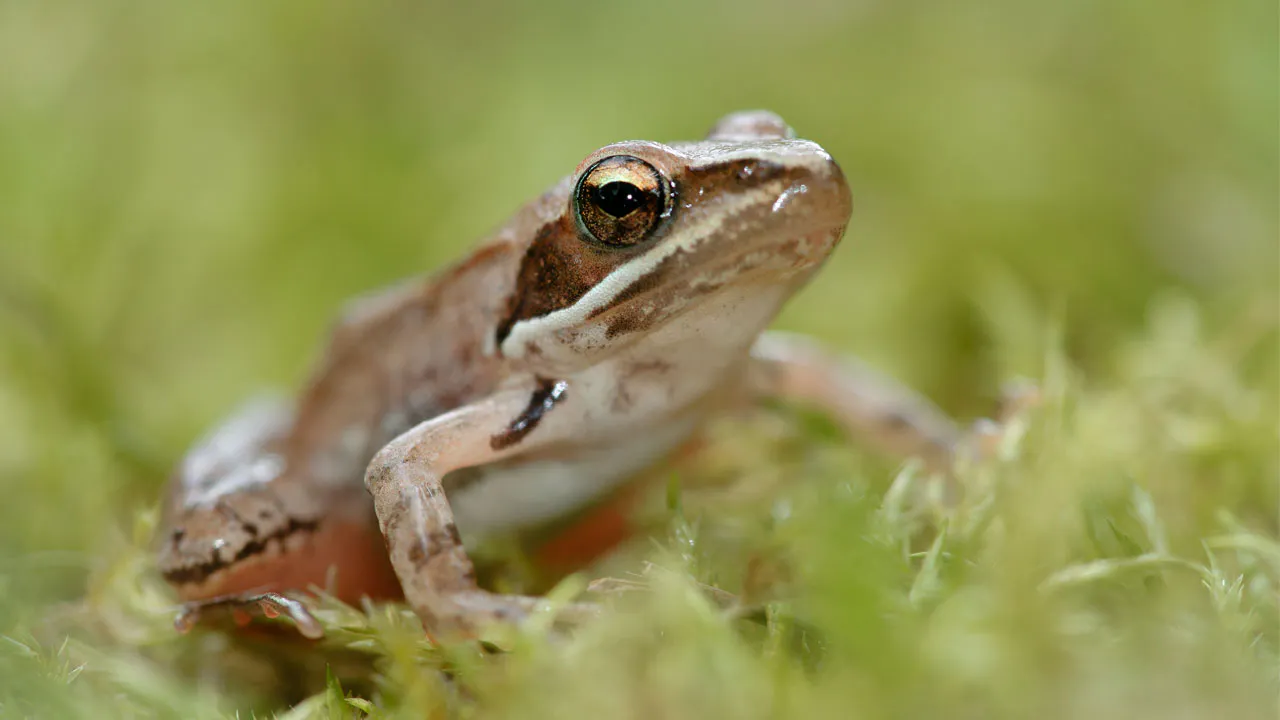
| 9/3/26 | climate changetick-borne disease+5 | Richard Stone | PodigyCenter for Agricultural Science+1 | Kosovo | tick-borne diseaseHyalomma marginatum+5 | — | 27m 40s | ||
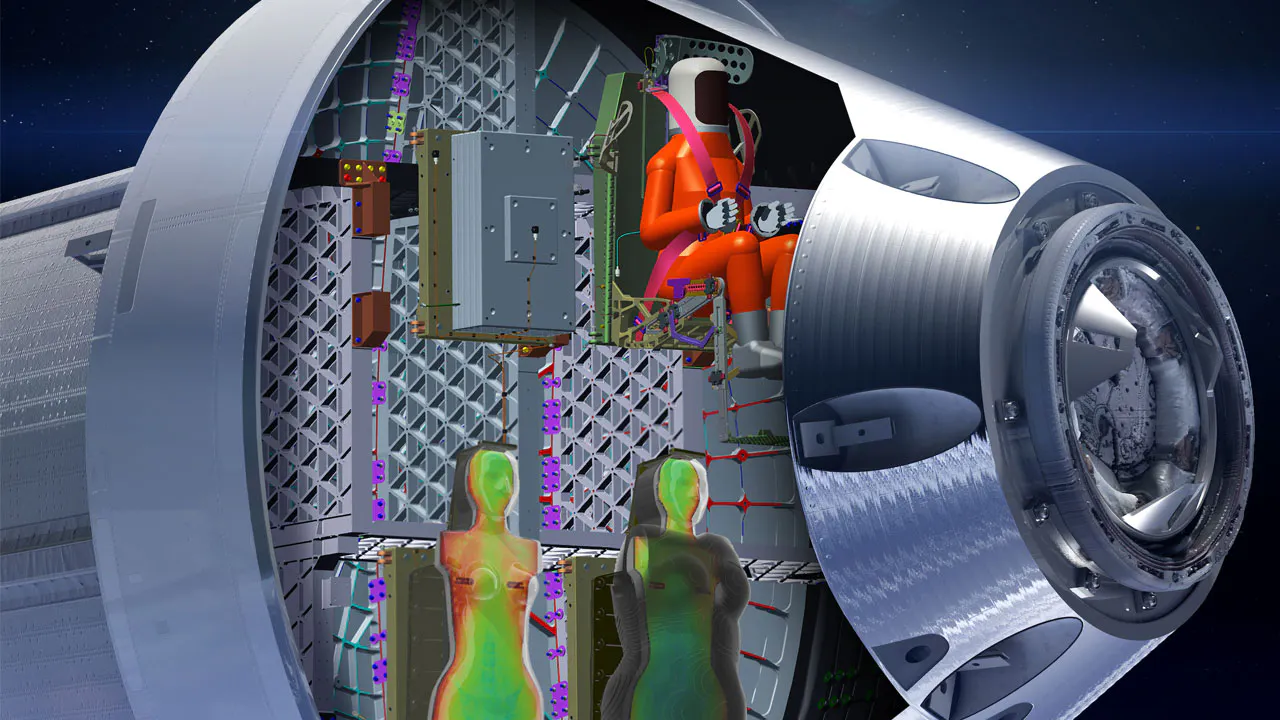
| 8/27/26 | biomanufacturingnarwhals+4 | Julia VazMads Peter Heide-Jørgensen+1 | Greenland Institute of Natural Resources | — | drugsspace+5 | — | 49m 46s | ||
| 8/20/26 | cyclosporiasismicrobiome+3 | Mona PattersonLaura Martín Agudelo+1 | Georgia Institute of TechnologyEmory School of Medicine+1 | — | cyclosporiasismicrobiome+3 | — | 28m 54s | ||
| 8/13/26 | science policyNIH funding+3 | Jocelyn Kaiser | U.S. National Institutes of HealthStemRad+1 | deep spaceEarth | NIH fundingcosmic rays+3 | — | 26m 51s | ||
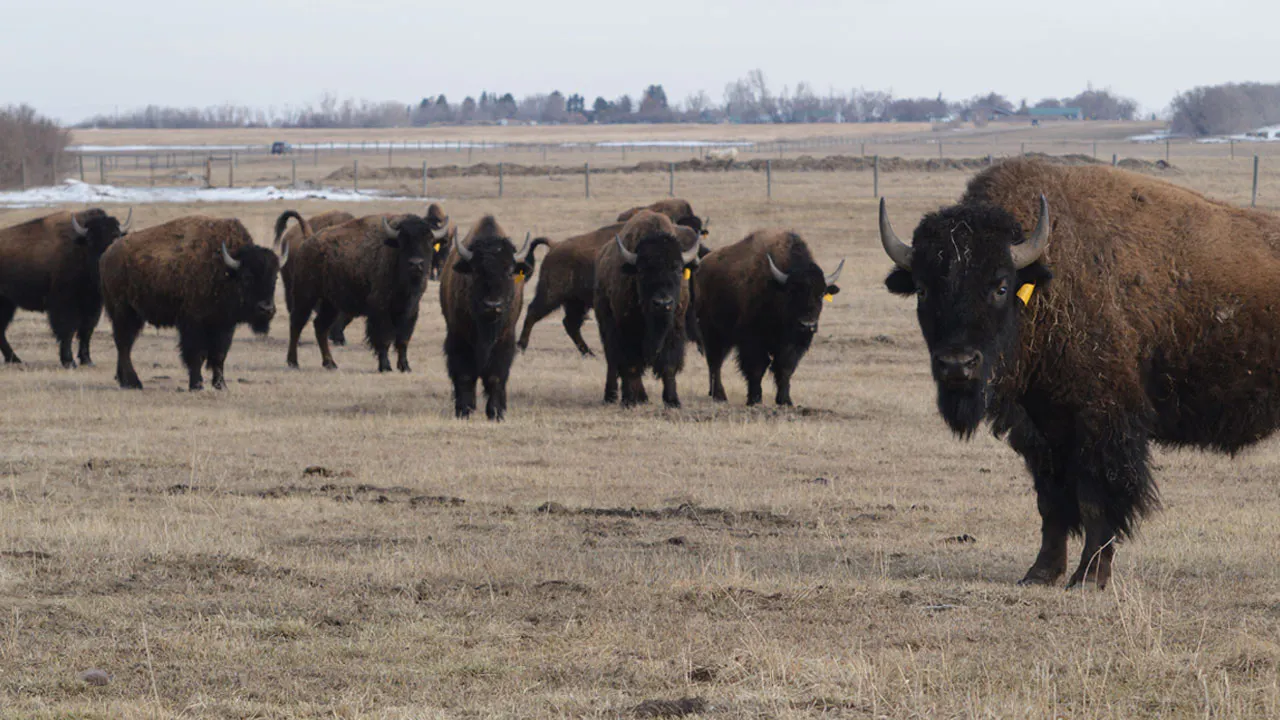
| 8/6/26 | bison conservationancient diet+3 | Michael PriceBeth Shapiro+2 | University of California, Santa CruzParks Canada+3 | — | bisonancient diet+5 | — | 38m 04s | ||
| 7/30/26 | artificial intelligencemuscle measurement+3 | Celina ZhaoChristopher Bird+1 | School of Biomedical SciencesCrick: A Mind in Motion | — | AImuscle force+4 | — | 46m 56s | ||
| 7/23/26 | gene editingclinical trials+4 | Brendan BorrellEvan McKenzie | Retraction WatchScience Fund for Investigative Reporting+2 | — | gene editingclinical trial+5 | — | 37m 24s | ||
| 7/16/26 | health careUSAID+5 | Catherine OffordCollin Cherubim | USAIDHarvard University | MalawiEarth and Planetary Sciences Department+2 | USAIDMalawi+6 | — | 41m 53s | ||
| 7/9/26 | owl conservationimmune system+3 | Warren CornwallSeth Thomas Scanlon | Science Immunology | Northern CaliforniaNorthern spotted owl+1 | Northern spotted owlbarred owls+3 | — | 35m 10s | ||
| 7/2/26 | geopoliticsclimate change+4 | Richard StoneThomas Gernon | University of Southampton | SvalbardAntarctica | geopoliticsclimate change+4 | — | 32m 46s | ||
| 6/25/26 | science policycolor vision+3 | Jocelyn KaiserMichael Funk+1 | ScienceInsiderScience+1 | — | science policycolor vision+5 | Podigy | 45m 06s | ||
| 6/18/26 | wolvesfood safety+3 | Gretchen VogelCarla Bassil | — | — | wolvese-nose+6 | Icahn School of Medicine at Mount Sinai | 46m 56s | ||
| 6/11/26 | Atlantic Meridional Overturning Circulationclimate change+3 | Paul VoosenScott Marek | Mallinckrodt Institute of RadiologyWashington University School of Medicine+1 | — | AMOCglobal warming+5 | — | 31m 32s | ||
| 6/4/26 | artificial intelligenceastronomy+4 | Joshua SokolFaidon Magkos | University of CopenhagenThe Normals | — | AIastronomers+4 | — | 50m 03s | ||
| 5/28/26 | brain researchethics+4 | Sara ReardonSara Miller Jobson+1 | Memorial University of NewfoundlandGalileo’s Fame: Science, Credibility, and Memory in the Seventeenth Century | — | disembodied brainssea cucumber+4 | — | 45m 22s | ||
| 5/21/26 | immune systemsbacteria+5 | Richard StoneDominic Rohner+2 | U.S. Agency for International DevelopmentStanford University | — | USAID cutsviolence+5 | — | 41m 21s | ||
| 5/14/26 | deepfakesbacteria+4 | Kai KupferschmidtTetsuhiro Harimoto | University of California, BerkeleyHarvard University+2 | — | deepfakesHany Farid+5 | — | 31m 54s | ||
| 5/7/26 | conservationnocturnal behavior+3 | Warren CornwallCarlos Camacho+1 | Doñana Biological StationOn Tyranny: Twenty Lessons from the Twentieth Century | — | arapaimamoonlight+5 | — | 53m 53s | ||
| 4/30/26 | spider heartsepigenetics+5 | Adrian ChoJackie Leach Scully+2 | University of New South Wales | — | spider heartsepigenetics+5 | — | 46m 43s | ||
| 4/23/26 | uranium miningenvironmental journalism+4 | Quentin SepterGiulio Ciucci | International Centre for Genetic Engineering and Biotechnology | South Dakota | uranium miningcancer prevention+5 | — | 30m 48s | ||
| 4/21/26 | normal human subjectsresearch history+3 | Laura StarkJill Fisher+1 | Vanderbilt UniversityUniversity of North Carolina at Chapel Hill+4 | — | normal human subjectsresearch ethics+3 | — | 33m 22s | ||
| 4/16/26 | quantum computingpublic health+4 | Zack SavitskyNizan Packin+1 | Zicklin School of Business | — | quantum computerscooling technology+5 | — | 50m 31s | ||
| 4/14/26 | human subjectsmedical research+3 | Laura StarkKen Naas+2 | National Institutes of HealthMennonites+2 | — | NIHnormal human subjects+3 | — | 27m 19s | ||
| 4/9/26 | nuclear propulsionchimpanzee behavior+3 | Hannah RichterAaron Sandel | NASAUniversity of Texas at Austin+2 | — | nuclear spacecraftMars+3 | — | 42m 15s | ||
| 4/7/26 | normalcyhuman research+4 | Laura StarkDale Horst+1 | National Institutes of HealthScience Podcast+1 | — | normal humansNIH+5 | — | 23m 42s | ||
| 4/2/26 | Hubble constantexpanding universe+4 | Daniel CleryElah Feder+1 | Altos LabsScience Magazine | — | Hubble constantexpansion speed+5 | — | 33m 32s | ||
| 3/26/26 | resurrection plantsAI sycophancy+3 | Jill FarrantMyra Cheng+1 | University of Cape TownStanford University+2 | — | resurrection plantsAI+5 | — | 36m 52s | ||
| 3/19/26 | peopling of the Americasarchaeology+4 | Lizzie WadeScott Jasechko | University of California, Santa BarbaraScience | Monte VerdeChile | peopling of the AmericasMonte Verde+5 | — | 33m 28s | ||
| 3/12/26 | coastal erosionancient ice+4 | Evan HowellMatthias-Claudio Loretto+1 | University of Veterinary Medicine ViennaStanford University | Cape Blossom, AlaskaYellowstone National Park | AlaskaYellowstone+5 | — | 42m 50s | ||










Showing 32 of 658
Pitch Fit is a Pro feature
See how bookable this show is for guests, which brands already advertise, the per-episode ad value, and the best-fit guest and sponsor profile. The numbers are blurred on the free plan.
How readily this show books outside guests like you.
How proven this show is for host-read sponsorships.
For Guests
ProFor Advertisers
ProUpgrade to Pro to unlock guest cadence, sponsor categories, fit scores, and per-episode ad value for this show.
Similar Audience Demographics
Podcasts that attract a similar listener profile






Chart history for Science Magazine Podcast
Peaked at #20 in GR, currently #20 in GR.
| Market | Genre | Peak | Current | Trend |
|---|---|---|---|---|
| GR | — | #20 | #20 | — |
| ID | — | #25 | #25 | — |
| Ireland | — | #26 | #26 | — |
| Japan | — | #31 | #31 | — |
| TW | — | #40 | #40 | — |
| HK | — | #42 | #42 | — |
| RO | — | #46 | #46 | — |
| CH | — | #50 | #50 | — |
| TH | — | #52 | #52 | — |
| AR | — | #54 | #54 | — |
| IS | — | #55 | #55 | — |
| South Africa | — | #56 | #56 | — |
| Finland | — | #58 | #58 | — |
| India | — | #66 | #66 | — |
| SG | — | #66 | #66 | — |
| United States | — | #67 | #67 | — |
| South Korea | — | #70 | #70 | — |
| Denmark | — | #71 | #71 | — |
| PH | — | #88 | #88 | — |
| PT | — | #95 | #95 | — |
Chart Positions
40 placements across 40 markets.
Chart Positions
40 placements across 40 markets.