The Addicted Mind Podcast
by Duane Osterlind, LMFT
Is this your podcast?On the show
From 26 epsHosts
Recent guests
Recent episodes
Episode 396: Buprenorphine, Fentanyl and the Opioid Crisis: What Medication for Opioid Use Disorder Really Does with Nick Casale, PharmD
Oct 12, 2026
48m 53s
Episode 395: How Culture Shapes the Way We See Addiction: Stigma, Willpower and Why Environment Matters with Dr. Maria Cichosz
Oct 5, 2026
43m 12s
Episode 394: The 90-Day Benchmark: What 100,000 Patients Teach Us About Lasting Sobriety Joanna Conti
Sep 14, 2026
46m 26s
Episode 393: Lost in Del Valle: How Actor Ned Van Zandt Turned His Darkest Days Into Redemption
Sep 7, 2026
35m 23s
Episode 392: Beyond the Trauma Anchor: How Neuroplasticity Rewires Pain and Anxiety with Dr. David Hanscom
Aug 31, 2026
46m 03s
Insights from recent episode analysis
Audience Interest
Podcast Focus
Publishing Consistency
Platform Reach
Insights are generated by CastFox AI using publicly available data, episode content, and proprietary models.
Most discussed topics
Brands & references
Total monthly reach
Based on 1 signal.
Built from
By chart position
- 🇺🇸United States · Mental HealthHOME#1724.7K to 25K
- 🇵🇹Portugal · Mental Health#30743 to 3.9K
- 🇨🇦Canada · Mental Health#194149 to 791
- 🇷🇴RO · Mental Health#17019 to 103
- 🇬🇷GR · Mental Health#15818 to 95
- Per-Episode Audience
Est. listeners per new episode within ~30 days
5.6K to 30K🎙 ~2x weekly·513 episodes·Last published 1w ago - Monthly Reach
Unique listeners across all episodes (30 days)
11K to 60K🇺🇸83%🇵🇹13%🇨🇦3% - Active Followers
Loyal subscribers who consistently listen
6.2K to 33K
Market Insights
Platform Distribution
Reach across major podcast platforms, updated hourly
Total Followers
—
Total Plays
—
Total Reviews
—
* Data sourced directly from platform APIs and aggregated hourly across all major podcast directories.
Social Links & Contact
Official channels & resources
Official Website
Login
RSS Feed
Login
| Date | Episode | Topics | Guests | Brands | Places | Keywords | Sponsor | Length | |
|---|---|---|---|---|---|---|---|---|---|
| 10/12/26 | Episode 396: Buprenorphine, Fentanyl and the Opioid Crisis: What Medication for Opioid Use Disorder Really Does with Nick Casale, PharmD | Maybe someone you love is starting treatment for opioid use disorder and their doctor mentioned buprenorphine, or a monthly shot, and you're thinking, Wait... isn't that swapping one opioid for another? Or maybe you're the one struggling, and the idea of withdrawal feels so terrifying that treatment doesn't feel possible. Those fears make so much sense. And a lot of what we've been told about these medications is confusing, outdated or wrapped up in stigma.In this episode I sit down with Nick Casale, a pharmacist who has spent the last 15 years in addiction medicine, focused on opioid use disorder. Nick started out in a Pennsylvania Medicaid health plan in the early 2010s, right as the opioid crisis was exploding, and watched firsthand how inconsistent, and sometimes punishing, treatment coverage was. Today he works in medical affairs for a pharmaceutical company, talking with clinicians, researchers, and even sheriffs and jail medical directors about what the evidence shows.Nick breaks down how buprenorphine works in the brain (there's a great musical-chairs metaphor in here), why fentanyl has made opioid use disorder so much harder to treat, and what long-acting injections are changing, especially for people leaving jail. And we talk about the part medication can't do alone: counseling, support, peers who've been there. It's a hard topic. The numbers are heavy. But there's real hope here. Treatment works, access is better than it's ever been, and reaching out is a brave first step.In This EpisodeNick's path from retail pharmacy to a Medicaid health plan to addiction medicine, and why he fell in love with this workWhy insurance coverage for opioid use disorder treatment was "all over the board," and how kicking people off treatment for a failed drug screen made things worseWhat buprenorphine is, in plain language: a partial opioid agonist that holds the receptor, eases withdrawal and cravings, and blocks other opioidsThe three waves of the opioid crisis: prescription opioids, then heroin, then fentanyl and other synthetic opioidsHow fentanyl changes the brain by creating more opioid receptors, and why that makes withdrawal so brutalTablets and films vs. long-acting weekly and monthly injections, and why steady levels matter nowMedication for opioid use disorder in jails and prisons, and why the days after release are so dangerousHow buprenorphine can be misused, and why naloxone was added to some formsWhat real-world research is showing beyond clinical trials: fewer non-fatal overdoses, fewer serious infections, people getting their lives backAccess and cost today, and why so many people still aren't getting treatment.Key TakeawaysMost people who need treatment aren't getting it. Nick shares that roughly 4.8 million U.S. adults live with opioid use disorder, and only about 1 in 5 receive medication for it. He describes the overdose toll as the equivalent of a Boeing 737 crashing every day.Buprenorphine works differently from other opioids. Nick's metaphor: heroin plays musical chairs, jumping on and off the receptor. Buprenorphine sits down and stays. That steadiness helps keep people out of withdrawal and blocks other opioids from taking the seat.Fentanyl has changed the game. According to Nick, the street supply is now dominated by fentanyl and other synthetic opioids. They're so potent the brain grows more opioid receptors, which makes withdrawal harder and treatment more complex.There's no set timeline for treatment. ASAM (the American Society of Addiction Medicine) recommends at least three months, and longer treatment is linked to better outcomes. How long to stay on medication is a decision between you and your provider, much like blood pressure medication.Relapse isn't a reason to be punished. Nick and I agree that setbacks are part of many people's recovery journeys, and treatment should keep the door open.Medication is one piece, not the whole picture. Buprenorphine works "exponentially better," as Nick puts it, alongside counseling, behavioral support and peer mentors."Just be brave, seek out the treatment... just make that first step." — Nick CasaleTIME STAMPS00:15 Nick introduces himself and his work in addiction medicine01:40 From retail pharmacy to a Medicaid health plan in the middle of the opioid crisis08:06 What "transmucosal" means and how buprenorphine treatment has evolved10:47 How buprenorphine works in the brain, and the musical-chairs metaphor16:05 The numbers: 4.8 million adults with opioid use disorder, and 1 in 5 treated17:01 The three waves of the opioid crisis20:02 How fentanyl "upregulates" opioid receptors21:58 How long should treatment last?25:42 Long-acting injections and steady protection28:57 What the research shows, and why abstinence isn't the only measure30:52 Treatment in jails and prisons, and the risk after release33:40 Stigma and pushback in correctional settings36:40 Can buprenorphine be misused?39:36 Why medication works best with therapy and support44:29 Access, insurance and cost47:48 Nick's one message for anyone strugglingAbout Nick Casale, PharmDNick Casale is a pharmacist who has worked in addiction medicine for about 15 years, with a focus on opioid use disorder. He began his career in retail pharmacy before joining a Pennsylvania Medicaid health plan as a clinical pharmacist, where he led the plan's opioid overutilization program and its addiction medicine benefit during the height of the opioid crisis. He then moved into the pharmaceutical industry, first working with Medicaid programs across the country and now leading a medical affairs team. His team shares scientific information with physicians, nurse practitioners and physician assistants, works with leaders in addiction research, and helps jails and prisons understand the evidence for treating opioid use disorder.Connect with NickLinkedIn: search Nick Casale, PharmD Resources MentionedBuprenorphine and buprenorphine/naloxone (tablets and films taken under the tongue)Long-acting injectable buprenorphine (weekly and monthly)Methadone and naltrexone, other medications for opioid use disorderAmerican Society of Addiction Medicine (ASAM)National Commission on Correctional Health Care (NCCHC)SAMHSA National Helpline: 1-800-662-4357, free and confidential, 24/7FindTreatment.gov: find treatment providers near you, including medication for opioid use disorderSupporting ResourcesLooking for a therapist? Medication works best with support around it. Novus Mindful Life offers therapy for addiction, betrayal trauma, anxiety and depression, in person in Garden Grove, CA, and by telehealth in California, Idaho, Virginia, Florida and Texas. → NovusMindfulLife.comHealing after betrayal? Addiction can break trust in a relationship. Shame to Resilience is a guided program for both the betrayed partner and the person who caused the harm. → ShameToResilience.comStay close to the work. Get new episodes, tools you can actually use, and a little hope for the hard days in your inbox. → Subscribe at TheAddictedMind.comListen, Follow and ReviewIf this conversation helped you, or helped you understand someone you love a little better, please follow The Addicted Mind and leave a rating or review. It helps someone else who's struggling find the show.Apple PodcastsSpotifyInstagram: @addictedmindpodcastFacebook: The Addicted Mind Podcast community groupYouTubeLeave Duane a voice messageIf you're struggling with opioids, or loving someone who is, keep reaching out. Help is out there, and you're not alone.Find more episodes and resources at TheAddictedMind.com.Follow and Review: We’d love it even more if you could drop a review or 5-star rating over on Apple Podcasts. Simply select “Ratings and Reviews” and “Write a Review” then a quick line with your favorite part of the episode. It only takes a second and it helps spread the word about the podcast.Supporting Resources:If you live in California and are looking for counseling or therapy please check out Novus Mindful Life Counseling and Recovery CenterNovusMindfulLife.comWe want to hear from you. Leave us a message or ask us a question: https://www.speakpipe.com/addictedmindDisclaimerSee Privacy Policy at https://art19.com/privacy and California Privacy Notice at https://art19.com/privacy#do-not-sell-my-info. | 48m 53s | ||||||
| 10/5/26 | Episode 395: How Culture Shapes the Way We See Addiction: Stigma, Willpower and Why Environment Matters with Dr. Maria Cichosz | Maybe you've watched someone you love do something that makes no sense, something that's clearly hurting them and everyone around them, and you've asked, "Why would anyone choose this?" Or maybe you've asked that question about yourself. It's such a human question. And the answers we come up with, the stories we tell about addiction, end up shaping how we treat people who are struggling... including ourselves.In this episode I sit down with Dr. Maria Cichosz, a writer, critical drug studies scholar and professor of literature and creative writing at Victoria College, University of Toronto. Maria isn't coming from a medical or therapy background. She has a PhD in literary and cultural studies, and she brings her own story: growing up as the child of Polish immigrant parents in a home marked by generational trauma and addiction, and her own relationship with substances over the years. Together we look at how our ideas about addiction have changed over time, from a choice, to a weakness of the will, to a disease of the brain, and what each of those stories gets right and what it misses.It's a big conversation, and Maria doesn't pretend there are easy answers. But there's a lot of hope in it. When you can see that our ideas about addiction haven't always been this way, you can start to imagine they could be different. More compassionate. More human.Key TakeawaysOur ideas about addiction have a history. The idea that addiction is a disease of the brain is only a few decades old. Before that it was seen as a weakness of the will or the soul, and before that, a behavior some people chose. Those stories affect how people get treated today.The brain disease model helps, and it's still only part of the picture. It takes blame out of the equation. But a brain scan is "a brain in a vat," as Maria puts it. It doesn't show poverty, trauma, isolation, overprescribing or punitive drug policy.Environment matters, a lot. In Rat Park, rats who had community, play and stimulation mostly chose not to take the drug. Rats aren't people, but we're social creatures too.Compassion and responsibility can live together. Duane and Maria sit with the hard question of how we hold people accountable for the harm they cause while also understanding the forces that brought them there. Neither of them has a clean answer, and that's okay.Stories can build empathy. Fiction lets us step inside someone else's head and see that they think, feel and struggle much like we do."I wish I could tell you it gets better… We can't always see among the murkiness of where we are in the moment, but there is certainly something on the other side, even if it's a twisting path to get there." — Dr. Maria CichoszTimestamps"00:36 Maria introduces herself and how she became "the drug person" in her academic work06:18 Growing up in a home shaped by generational trauma and addiction12:48 Addiction has a history: why the brain disease model isn't the whole story13:54 From Roman law to "a disease of the will": how our ideas about addiction changed24:01 What the brain disease model gets right, and what it can miss30:37 The Rat Park study and the power of environment33:42 The other side: psychedelics, harm reduction and moving past "good vs. bad"38:54 Set and setting41:30 Maria's novel Middlemen45:35 One thing Maria wants you to knowAbout Dr. Maria CichoszMaria Cichosz is a writer, critical drug studies scholar and professor of literature and creative writing at Victoria College in the University of Toronto, where she also directs the Victoria College Writing Centre. She holds a PhD in Modern Thought & Literature from Stanford University, and her research focuses on post-1945 literature, art and theory, with a particular interest in drug histories and cultures. Her writing has appeared in Critique, the Los Angeles Review of Books, the Literary Review of Canada and American Literature. She's the author of the novels Cam & Beau (2020) and Middlemen (NoN Publishing, fall 2026). On Drugs, part of Biblioasis's Field Notes series, is forthcoming.Connect with MariaWebsite: mariacichosz.comUniversity of Toronto faculty page: vic.utoronto.ca/cichoszAcademia.edu: utoronto.academia.edu/MariaCichoszMiddlemen from NoN Publishing: nonpublishing.com/middlemenToronto launch of Middlemen: Thursday, October 22, 2026, 6:30 PM at Queen Books, 914 Queen Street EastResources MentionedMiddlemen by Maria Cichosz Cam & Beau by Maria Cichosz (2020)Dr. Bruce Alexander's Rat Park studyEve Kosofsky Sedgwick, "Epidemics of the Will"Jacques Derrida, "The Rhetoric of Drugs" Follow and Review: We’d love it even more if you could drop a review or 5-star rating over on Apple Podcasts. Simply select “Ratings and Reviews” and “Write a Review” then a quick line with your favorite part of the episode. It only takes a second and it helps spread the word about the podcast.Supporting Resources:If you live in California and are looking for counseling or therapy please check out Novus Mindful Life Counseling and Recovery CenterNovusMindfulLife.comNovus Mindful Life offers therapy for addiction, betrayal trauma, anxiety and depression, in person in Garden Grove, CA, and by telehealth in California, Idaho, Virginia, Florida and Texas. → NovusMindfulLife.comHealing after betrayal? Shame to Resilience is a guided program for both the betrayed partner and the person who caused the harm. → ShameToResilience.comStay close to the work. Get new episodes, tools you can actually use, and a little hope for the hard days in your inbox. → Subscribe at TheAddictedMind.comWe want to hear from you. Leave us a message or ask us a question: https://www.speakpipe.com/addictedmindDisclaimerSee Privacy Policy at https://art19.com/privacy and California Privacy Notice at https://art19.com/privacy#do-not-sell-my-info. | 43m 12s | ||||||
| 9/14/26 | Episode 394: The 90-Day Benchmark: What 100,000 Patients Teach Us About Lasting Sobriety Joanna Conti | In this episode of The Addicted Mind, host Duane Osterlind is joined by Joanna Conti, founder of Conquer Addiction and the Vista Research Group. Driven by her personal journey navigating her daughter’s severe alcohol addiction, Joanna set out to solve a major gap in the addiction treatment industry: the lack of hard, verifiable outcome data.Joanna shares how her background in software and engineering led her to launch Vista Research Group to track patient progress during and after rehab, as well as Conquer Addiction, a non-profit helping families find evidence-based care. They discuss what the data reveals about long-term recovery, why the 90-day care benchmark is critical, and how real-time patient monitoring can save lives.Key Topics CoveredA Personal Catalyst: Joanna’s harrowing experience with her daughter’s severe alcohol addiction, six years of navigating rehabs, and her daughter's eventual 13-year recovery.Marketing vs. Hard Data: The frustration of encountering unverified success claims (such as "98% success rates") and discovering in 2015 that only five treatment centers nationwide were scientifically tracking and publicly sharing post-treatment outcomes.Launching Vista Research Group: How tracking patient progress during treatment—including cravings, depression, and therapeutic alliance—improves patient outcomes in real time.What the Data Reveals: Insights gathered from monitoring over 100,000 patients in treatment and following up with over 50,000 post-treatment.Factors Influencing Success: How primary substance choice (alcohol vs. fentanyl or meth), age, peer culture, and ongoing support impact recovery rates.Why Industry Data Has Stagnated: Why nationwide 1-year recovery rates have remained around 36% to 37% since 1993, and how systematic measurement can drive outcome leaps similar to those in cancer research.Key Takeaways & Data InsightsThe 90-Day Benchmark: Patients who stay engaged in care across various levels (residential, IOP, outpatient) for at least 90 days are twice as likely to be in recovery one year later compared to those who leave in 20 days or less.Support Networks: Active involvement in recovery communities (such as AA or SMART Recovery) or living in sober housing doubles the likelihood of maintaining long-term recovery.Real-Time Feedback: Self-reported patient surveys often surface critical mental health warning signs—such as hidden suicidal ideation or rising cravings—that patients might hesitate to share face-to-face with clinicians.Hope for Chronic Relapse: Data confirms that individuals with 10 to 15 prior treatment episodes for severe substance use disorders are still fully capable of achieving lasting recovery.Guest Message"Love them and help them find effective treatment. Don't give up." — Joanna ContiResources & LinksConquer Addiction: conquer-addiction.org — Treatment centers with verified, above-average outcome data.Vista Research Group: Data-driven patient progress monitoring and outcome tracking for addiction treatment providers.Follow and Review: We’d love it even more if you could drop a review or 5-star rating over on Apple Podcasts. Simply select “Ratings and Reviews” and “Write a Review” then a quick line with your favorite part of the episode. It only takes a second and it helps spread the word about the podcast.Supporting Resources:If you live in California and are looking for counseling or therapy please check out Novus Mindful Life Counseling and Recovery CenterNovusMindfulLife.comWe want to hear from you. Leave us a message or ask us a question: https://www.speakpipe.com/addictedmindDisclaimerSee Privacy Policy at https://art19.com/privacy and California Privacy Notice at https://art19.com/privacy#do-not-sell-my-info. | 46m 26s | ||||||
| 9/7/26 | addiction recoverypersonal transformation+4 | Ned Van Zandt | NYULost in Del Valle+3 | Chelsea HotelTexas+1 | addictionrecovery+7 | — | 35m 23s | ||
| 8/31/26 | neuroplasticitychronic pain+4 | Dr. David Hanscom | Calm Your Body, Heal Your Mind | — | chronic painanxiety+5 | — | 46m 03s | ||
| 8/24/26 | traumaaddiction+4 | Dr. Frank Spinelli | Boy Scouts | — | traumaaddiction+6 | — | 38m 31s | ||
| 8/17/26 | eating disordersaddiction+4 | Janet Whitney | Licensed Family and Marriage Therapist | — | eating disordersaddiction+5 | — | 32m 03s | ||
| 8/10/26 | addiction recoveryAI in treatment+3 | David Sichel | Sober TransportBlue Shirt Media | — | addictionAI voice agents+3 | — | 33m 19s | ||
| 7/17/26 | boundariesrecovery+4 | Eric Osterlind | — | — | boundariesrecovery journey+7 | — | 15m 49s | ||
| 7/13/26 | addiction recoverypersonal transformation+4 | Christian Struthers | Xanaxpainkillers | — | addictioncar accident+6 | — | 30m 57s | ||
Want analysis for the episodes below?Free for Pro Submit a request, we'll have your selected episodes analyzed within an hour. Free, at no cost to you, for Pro users. | |||||||||
| 7/2/26 | self-disclosurerecovery+4 | — | — | — | self-disclosurerecovery+8 | — | 16m 04s | ||
| 6/29/26 | neuroplasticityaddiction+3 | Dr. Brody Miller | Brain Rescue | — | neuroplasticityaddiction+5 | — | 35m 47s | ||
| 6/22/26 | behavioral changesmall changes+3 | Eric Zimmer | The One You FeedHow a Little Becomes a Lot: The Art of Small Changes for a More Meaningful Life | — | addictionrecovery+3 | — | 40m 59s | ||
| 6/18/26 | boundariesrecovery+3 | — | — | — | boundariesrecovery+5 | — | 17m 31s | ||
| 6/8/26 | women and addictionsubstance abuse treatment+3 | Adina Silvestri | Life Cycles Counseling | Richmond, Virginia | addiction treatmentwomen+5 | — | 23m 56s | ||
| 6/4/26 | criticismgrowth mindset+4 | — | — | — | criticismgrowth mindset+5 | — | 16m 22s | ||
| 5/25/26 | Kratomaddiction+4 | Dr. Muhamad Aly Rifai | Kratom7-OH+2 | — | Kratom7-OH+7 | — | 36m 17s | ||
| 5/21/26 | optimismattention bias+4 | — | — | — | optimismnegative thought spirals+5 | — | 15m 54s | ||
| 5/18/26 | Episode 383: War Flower: Sobriety, Self-Compassion, and Off-Grid Healing with Robert Stark | In this episode of The Addicted Mind, host Duane Osterlind sits down with author, veteran, and off-grid farmer Robert "Bob" Stark. Bob shares his powerful journey of overcoming an 18-year battle with substance abuse, transitioning back to civilian life after parachuting into Iraq during the initial invasion, and deconstructing the rigid constraints of hyper-masculinity.Bob opens up about how he used writing to process unaddressed childhood and combat traumas, moving from anger and blame to deep internal healing. Today, Bob celebrates 11 years of clean and sober living on a 40-acre off-grid farm in the Kenai Peninsula of Alaska, where he is learning to balance strength with the gentleness his family deserves. Tune in to hear an inspiring conversation about resilience, the power of putting pen to paper, and the continuous journey of transformation.Key Takeaways & HighlightsThe Reality of Post-Combat Transition: Bob shares the stark contrast of sleeping with a rifle by his side in Iraq to sleeping in his car just two weeks later, highlighting the hyper-vigilance and isolation many veterans face.Breaking Out of the "Man Box": A deep dive into the societal expectations of male stoicism. Bob discusses the challenge of moving away from the "power through it alone" mentality to embrace emotional vulnerability and gentleness as a father.Writing as a Catalyst for Healing: Bob reveals why he is his most honest self when putting pen to paper. He shares how writing his two books allowed him to reframe his life experiences and process deep traumas without finger-pointing or resentment.Manifesting Dreams Off-Grid: From living with candles, oil lanterns, and no refrigeration to building a thriving 40-acre solar-powered farm with his family, Bob talks about the power of vision boards and relentless action.Action Beats Stagnation: Why thriving in recovery requires a willingness to keep trying new therapies, habits, and paths until something finally sticks.Bob’s One Piece of Advice: If you are feeling lost or stuck, start with the smallest foundational pieces: look at your lifestyle, your routine, your diet, and your sleep habits.Robert Stark (Bob) is an Army veteran who served four and a half years in the military, including a deployment as a paratrooper during the invasion of Iraq. He is the author of two deeply personal books, War Flower and Just Like a Soldier, which chronicle his experiences with trauma, military life, and long-term recovery. Bob has been clean and sober for 11 years and lives off-grid in Alaska with his wife, Savannah, and their four children, where they run their family farm, Secret Garden Alaska.Resources & Links MentionedRobert's Website & Farm: Secret Garden Alaska (Find his books, blog, and products here)Books by Robert Stark: * War FlowerJust Like a SoldierYouTube Channel: Secret Garden Alaska Follow and Review: We’d love it even more if you could drop a review or 5-star rating over on Apple Podcasts. Simply select “Ratings and Reviews” and “Write a Review” then a quick line with your favorite part of the episode. It only takes a second and it helps spread the word about the podcast.Supporting Resources:If you live in California and are looking for counseling or therapy please check out Novus Mindful Life Counseling and Recovery CenterNovusMindfulLife.comWe want to hear from you. Leave us a message or ask us a question: https://www.speakpipe.com/addictedmindDisclaimerSee Privacy Policy at https://art19.com/privacy and California Privacy Notice at https://art19.com/privacy#do-not-sell-my-info. | 33m 12s | ||||||
| 5/11/26 | Episode 382: Revolutionizing Recovery: Using Data to Speed Up Healing With Nawal Roy | In this episode, Duane Osterlind talks with Nawal Roy, the visionary behind Holmusk, the world’s largest clinical data platform for mental health. After a successful career in finance, Nawal pivoted to healthcare, driven by the realization that mental health is one of the most complex, yet least quantified, areas of medicine.They dive deep into how Holmusk has spent 11 years building a "scientific-grade" database of over 42 million patients, shifting mental health care away from "hunches and poetry" toward precision and evidence-based science.Key Discussion PointsThe Data Gap in Mental Health: Historically, mental health treatment has relied on clinician intuition rather than hard data. Nawal explains how Holmusk "normalizes" messy, unstructured electronic health records to create a searchable, scientific database.The 10-Year Wait: Data reveals a heartbreaking reality: the average journey from the onset of symptoms to receiving meaningful care is 8 to 10 years.Ending the Trial-and-Error Cycle: A typical acute patient might cycle through 10 to 12 different medications over 18 months before finding what works. Nawal discusses how large-scale data can help clinicians find the right treatment faster.The Power of Comorbidity: Mental health doesn't exist in a vacuum. Treating depression can significantly improve outcomes for physical conditions like diabetes, yet these are often treated as separate issues.Measurement-Based Care: Nawal argues that "engagement is not outcome." He highlights the desperate need to move toward a system that measures functional improvement (like GAF or CGI scores) rather than just "showing up for therapy."AI and the Future of Psychiatry: How Holmusk is using Natural Language Processing (NLP) to "read" thousands of unstructured doctor's notes and train AI models to provide clinically accurate—not just "nice sounding"—guidance."Mental health is currently closer to poetry than science... we need to bring the level of rigor found in pediatric oncology to the mental health community." — Nawal Roy"You can't improve what you don't measure. If we have data, we can actually make real, significant change to people's lives." — Duane OsterlindBig TakeawaysDemand Data: Patients and stakeholders should demand that mental health be treated with the same clinical rigor as physical health.Outcome over Engagement: Simply attending sessions isn't enough; we must measure whether the patient is actually getting better.The Role of AI: AI has the potential to democratize access to care, but it must be trained on massive, clinically valid datasets to avoid "hallucinations" and provide safe, effective support.Resources MentionedHolmusk: holmusk.comNeuroBlue: Holmusk’s flagship data analytics platform.ACE Study: Referenced by Duane regarding Adverse Childhood Experiences and their long-term health impacts.LinkedIn: Nawal Roy Follow and Review: We’d love it even more if you could drop a review or 5-star rating over on Apple Podcasts. Simply select “Ratings and Reviews” and “Write a Review” then a quick line with your favorite part of the episode. It only takes a second and it helps spread the word about the podcast.Supporting Resources:If you live in California and are looking for counseling or therapy please check out Novus Mindful Life Counseling and Recovery CenterNovusMindfulLife.comWe want to hear from you. Leave us a message or ask us a question: https://www.speakpipe.com/addictedmindDisclaimerSee Privacy Policy at https://art19.com/privacy and California Privacy Notice at https://art19.com/privacy#do-not-sell-my-info. | 34m 49s | ||||||
| 5/7/26 | shameguilt+4 | — | — | — | shameguilt+7 | — | 14m 57s | ||
| 4/27/26 | neurobiology of betrayalrelationship restoration+4 | Dr. Stan Tatkin | PACT | — | betrayaltrust+5 | — | 56m 11s | ||
| 4/23/26 | self-compassionaddiction recovery+5 | — | — | — | self-compassionaddiction+6 | — | 15m 58s | ||
| 4/20/26 | treatment resistanceunprocessed trauma+4 | Noel RihmBill Brady | EMDRpsychedelic therapy+2 | — | treatment resistanceaddiction+5 | — | 37m 46s | ||
| 4/13/26 | Virginia Satirtherapy+4 | Teresa McClellan | — | — | Virginia Satiraddiction recovery+4 | — | 24m 13s | ||
| 4/9/26 | vulnerabilityrecovery+4 | — | — | — | vulnerabilityrecovery+5 | — | 18m 04s | ||
| 4/6/26 | psychology of smoking addictionchildhood wounds+3 | Dr. Judy Rosenberg | Psychological Healing CenterSchick Center | — | smoking addictionpsychology+4 | — | 33m 26s | ||
| 3/26/26 | addiction recoverymindset shifts+3 | — | 5 Crucial Mindset Shifts for Addiction Recovery Worksheet | — | addictionmindset+3 | — | 17m 19s | ||
| 3/23/26 | restorative justicepersonal transformation+4 | Jesse Crosson | Second Chancer FoundationThe Best Part of Prison | — | prisonrestorative justice+6 | — | 35m 58s | ||
| 3/16/26 | leadershipintimacy+3 | Mitchell Osmond | Dad Nation | — | leadershipintimacy+3 | — | 40m 16s | ||
| 3/13/26 | emotional regulationaddiction recovery+3 | — | — | — | emotionsrecovery+6 | — | 14m 06s | ||
Showing 31 of 513
Pitch Fit is a Pro feature
See how bookable this show is for guests, which brands already advertise, the per-episode ad value, and the best-fit guest and sponsor profile. The numbers are blurred on the free plan.
How readily this show books outside guests like you.
How proven this show is for host-read sponsorships.
For Guests
ProFor Advertisers
ProUpgrade to Pro to unlock guest cadence, sponsor categories, fit scores, and per-episode ad value for this show.
Similar Audience Demographics
Podcasts that attract a similar listener profile

Recovery Elevator
Paul Churchill
The One You Feed | Personal Growth, Emotional Resilience & Purpose
Eric Zimmer
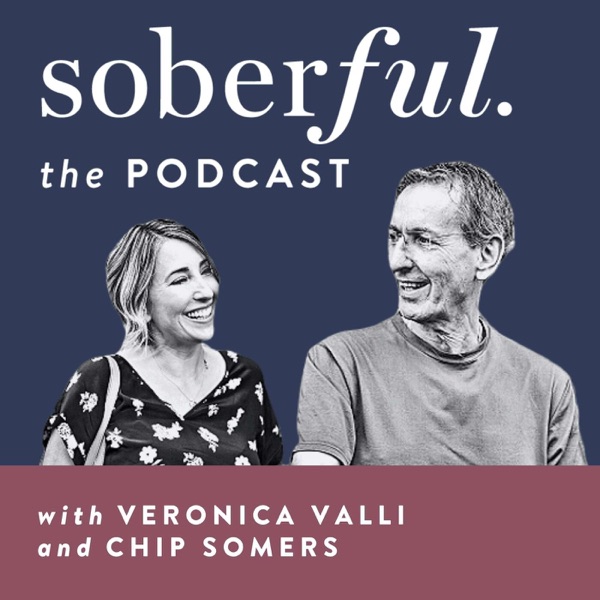
Soberful
Veronica Valli & Chip Somers
Sober Powered: The Neuroscience of Being Sober
Gillian Tietz, MS, CPRC

This Naked Mind Podcast
Annie Grace

10% Happier with Dan Harris
10% Happier
Being Well with Forrest Hanson and Dr. Rick Hanson
Rick Hanson, Ph.D., Forrest Hanson
Chart history for The Addicted Mind Podcast
Peaked at #30 in PT, currently #30 in PT.
| Market | Genre | Peak | Current | Trend |
|---|---|---|---|---|
| PT | — | #30 | #30 | — |
| PT | — | #71 | #71 | — |
| GR | — | #158 | #158 | — |
| RO | — | #170 | #170 | — |
| United States | — | #172 | #172 | — |
| IS | — | #185 | #185 | — |
| Canada | — | #194 | #194 | — |
Chart Positions
7 placements across 6 markets.
Chart Positions
7 placements across 6 markets.