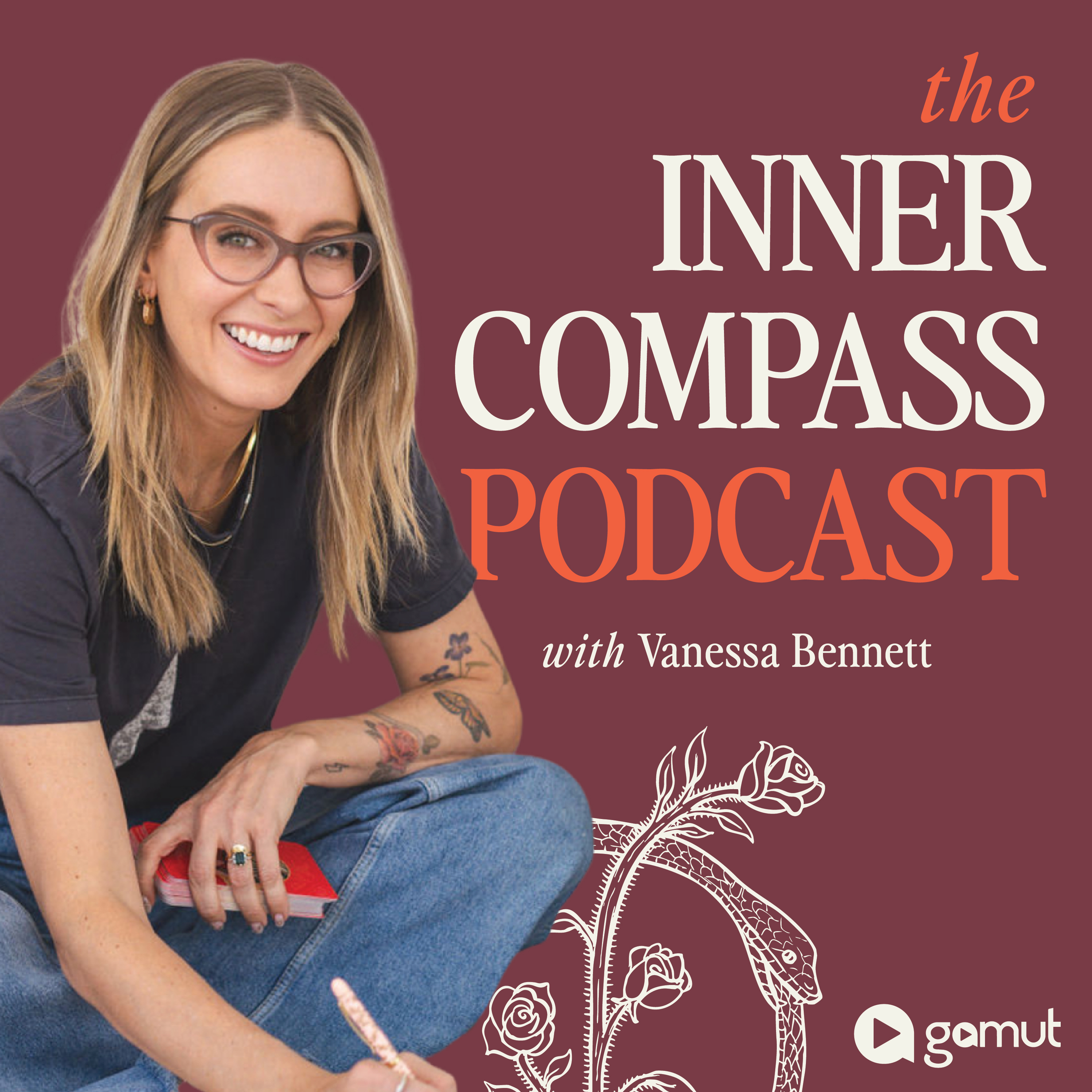
Insights from recent episode analysis
Audience Interest
Podcast Focus
Publishing Consistency
Platform Reach
Insights are generated by CastFox AI using publicly available data, episode content, and proprietary models.
Most discussed topics
Brands & references
Total monthly reach
Estimated from 1 chart position in 1 market.
By chart position
- 🇰🇪KE · Mental Health#723K to 10K
- Per-Episode Audience
Est. listeners per new episode within ~30 days
900 to 3K🎙 Daily cadence·11 episodes·Last published 5d ago - Monthly Reach
Unique listeners across all episodes (30 days)
3K to 10K🇰🇪100% - Active Followers
Loyal subscribers who consistently listen
900 to 3K
Market Insights
Platform Distribution
Reach across major podcast platforms, updated hourly
Total Followers
—
Total Plays
—
Total Reviews
—
* Data sourced directly from platform APIs and aggregated hourly across all major podcast directories.
On the show
From 11 epsHost
Recent guests
Recent episodes
When Betrayal Breaks More Than Trust: How to Heal What the Relationship Broke
Jul 13, 2026
Unknown duration
Re-Nature with Clara Schroeder: Ecotherapy, Climate Grief, and Healing Our Bond with Nature
Jul 6, 2026
Unknown duration
Are You Actually Healing, or Are You Trying to Become More Acceptable?
Jul 1, 2026
Unknown duration
The Sacred Was Never Separate From the Body
Jun 24, 2026
Unknown duration
The Burden of Consciousness: The Exhaustion of Being Self-Aware
Jun 15, 2026
Unknown duration
Social Links & Contact
Official channels & resources
Official Website
Login
RSS Feed
Login
| Date | Episode | Topics | Guests | Brands | Places | Keywords | Sponsor | Length | |
|---|---|---|---|---|---|---|---|---|---|
| 7/13/26 | When Betrayal Breaks More Than Trust: How to Heal What the Relationship Broke | Betrayal doesn’t only break trust in another person; it can also rupture your trust in yourself. In this episode, Vanessa explores why betrayal can feel so psychologically disorganizing, especially when harm comes from someone or something that was supposed to feel safe. We talk about betrayal trauma, betrayal blindness, attachment injury, projection, reality testing, and why not every devastating feeling is the same kind of event. The deeper healing is not becoming harder or more armored, but learning how to grieve specifically, see more clearly, and trust yourself again.Reference Links: Jennifer Freyd — Betrayal Trauma TheoryUse for: Betrayal trauma theory; harm from someone or something a person depends on or trusts.Link: https://dynamic.uoregon.edu/jjf/defineBT.htmlNote: Freyd’s site defines betrayal trauma and includes betrayal blindness.Jennifer Freyd — Betrayal BlindnessUse for: Why people may not fully register betrayal when they depend on the person, institution, or system doing harm.Link: https://dynamic.uoregon.edu/jjf/defineBT.htmlNote: The site describes betrayal blindness as unawareness, not-knowing, and forgetting that can preserve relationships, institutions, or systems people depend on.Jennifer Freyd — Research OverviewUse for: General background on Freyd’s concepts, including betrayal trauma, betrayal blindness, DARVO, institutional betrayal, and institutional courage.Link: https://www.jjfreyd.com/about-researchNote: Helpful author/researcher page for show notes.Sue Johnson / Emotionally Focused Therapy — Attachment InjuryUse for: Attachment injury and emotionally focused therapy as a framework for repairing relational ruptures.Link: https://www.researchgate.net/publication/6644242_Resolving_Attachment_Injuries_in_Couples_Using_Emotionally_Focused_Therapy_Steps_Toward_Forgiveness_and_ReconciliationNote: Makinen and Johnson’s 2006 paper, Resolving Attachment Injuries in Couples Using Emotionally Focused Therapy.Emotionally Focused Therapy / Attachment-Based HealingUse for: Sue Johnson’s attachment-based framework for couples, emotional connection, and secure bonding.Link: https://psychwire.com/free-resources/q-and-a/17qfr27/emotionally-focused-therapy-and-attachment-based-healingNote: Accessible overview of Sue Johnson’s EFT frame.Peter Fonagy / MentalizationUse for: Mentalization as the capacity to understand behavior in terms of mental states: thoughts, feelings, needs, desires, intentions, and motivations.Link: https://pmc.ncbi.nlm.nih.gov/articles/PMC7009316/Note: This article gives a clear definition of mentalization and cites Fonagy/Bateman’s work.ScienceDirect — Mentalization OverviewUse for: Simple definition of mentalization as understanding one’s own and others’ behavior in terms of internal mental states.Link: https://www.sciencedirect.com/topics/psychology/mentalizationNote: Useful if producer wants a quick explanatory reference.John Gottman — Trust MetricUse for: Gottman’s idea that trust can be evaluated and is central to relationship stability.Link: https://www.gottman.com/blog/trust/Note: Gottman Institute article explaining the “trust metric.”John Gottman — Trust and Betrayal MetricsUse for: Trust/betrayal metrics and the idea that small everyday moments can build or erode trust.Link: https://www.gottman.com/blog/what-makes-love-last-inside-the-love-lab/Note: Gottman Institute article referencing both trust and betrayal metrics.John Gottman — Building Trust Through AttunementUse for: Trust as built through awareness, tolerance, turning toward, understanding, non-defensive listening, and empathy.Link: https://www.gottman.com/blog/the-3-phases-of-love/Note: Useful for the part of the episode about trust being built through consistency, attunement, and repair over time.John Bowlby / Attachment Theory OverviewUse for: Secure base, early bonds, and foundational attachment theory.Link: https://pmc.ncbi.nlm.nih.gov/articles/PMC4085672/Note: Broad overview of attachment theory and Bowlby/Ainsworth foundations.Earned Secure AttachmentUse for: Adults with insecure early attachment histories developing more secure attachment through reflective and relational work.Link: https://www.sciencedirect.com/topics/psychology/earned-secure-attachmentNote: Use as a broad reference for earned secure attachment. If producer needs a primary citation, ask for access to the Adult Attachment Interview / Mary Main literature.For educational purposes only. This isn’t therapy.If you want to go deeper, check out the written companion on Substack and explore community + training at https://www.vanessaBennett.com.Additional ResourcesExplore: VanessaBennett.comBook: The Motherhood MythCommunity: Inner Compass CollectiveTraining: Inner Compass AcademyConnect with Inner CompassFollow on InstagramConnect with Vanessa Bennett:Follow on InstagramFollow on TikTokLearn more on SubstackConnect with Vanessa Bennett on LinkedInSee Privacy Policy at https://art19.com/privacy and California Privacy Notice at https://art19.com/privacy#do-not-sell-my-info. | — | ||||||
| 7/6/26 | Re-Nature with Clara Schroeder: Ecotherapy, Climate Grief, and Healing Our Bond with Nature | In this episode, Vanessa sits down with Clara Schroeder, ecotherapist and author of Re-Nature: How Nature Helps Us Feel Better and Do Better, for a conversation about ecopsychology, climate grief, ritual, and the healing intelligence of the natural world. Together they explore why “we are nature” is not just a poetic idea, but a psychological and spiritual reality - and how separation from the earth mirrors separation from self, body, belonging, and ritual. They also discuss nature as a co-regulating presence, the specific grief that can follow climate or human-caused ecological disasters, and what it means to repair our attachment with the original mother. This is a conversation about remembering that nature is not outside of us; it is one of the oldest relationships we have.For educational purposes only. This isn’t therapy.Resources mentioned:Re-Nature by Clara SchroederUse for: Guest’s book, Re-Nature: How Nature Helps Us Feel Better and Do Better.Link: https://www.claraschroeder.com/bookNote: Clara’s site describes the book as exploring nature connection, mental health, resilience, climate disruption, and sustainable action.Ecopsychology / Theodore RoszakUse for: Defining ecopsychology as the bridge between psychology and ecology / the human psyche and the natural world.Link: https://www.ebsco.com/research-starters/psychology/ecopsychologyNote: Useful general background on ecopsychology and its association with Theodore Roszak’s The Voice of the Earth.Nature exposure and healthUse for: Research support that exposure to natural environments is associated with decreased anxiety, rumination, and other mental health benefits.Link: https://pmc.ncbi.nlm.nih.gov/articles/PMC8125471/Note: Review article on associations between nature exposure and health.Nature relatedness and mental healthUse for: Research support that stronger nature relatedness is associated with fewer symptoms of depression, anxiety, and stress.Link: https://pmc.ncbi.nlm.nih.gov/articles/PMC6069224/Note: Helpful support for the episode’s claim that relationship with nature matters for mental health.Connectedness to Nature ScaleUse for: Research on emotional / experiential connection to the natural world.Link: https://www.researchgate.net/publication/222621038_The_Connectedness_to_Nature_Scale_A_Measure_of_Individuals%27_Feeling_in_Community_with_NatureNote: Mayer and Frantz’s Connectedness to Nature Scale is a common measure in environmental psychology.Andy Goldsworthy quoteUse for: “We often forget that we are nature. Nature is not something separate from us…”Link: https://www.theartstory.org/artist/goldsworthy-andy/Note: This is a cleaner source than Goodreads for the quote used in the episode.Lisa Miller / Spirituality Mind Body InstituteUse for: Lisa Miller’s work on spirituality, psychology, and the science of spiritual awareness.Link: https://www.tc.columbia.edu/faculty/lfm14/Note: This confirms Lisa Miller as Professor of Psychology and Education at Teachers College, Columbia University, and founder of the Spirituality Mind Body Institute.Lisa Miller — The Awakened BrainUse for: Background on spirituality, resilience, and mental health.Link: https://www.lisamillerphd.com/Note: Important: I would not use wording that says Lisa Miller “proved synchronicities are real” unless you have a specific source from her work that says that directly. Safer wording: “Lisa Miller’s work explores the science of spirituality and awakened awareness.”Fractal patterns and stress reductionUse for: Nature’s fractal patterns and stress/mental fatigue reduction.Link: https://pmc.ncbi.nlm.nih.gov/articles/PMC8416160/Note: Supports the episode’s discussion of repeated natural patterns and nervous system regulation.Disaster / climate-related mental healthUse for: Mental health consequences of disasters, including trauma, anxiety, and depression.Link: https://pmc.ncbi.nlm.nih.gov/articles/PMC11430943/Note: Broad support for the climate grief / disaster recovery part of the conversation.Forest therapy after wildfire disasterUse for: Nature-based, community-centered support after wildfire or disaster.Link: https://natureandhealth.uw.edu/publications/forest-therapy-as-a-trauma-informed-approach-to-disaster-recovery-insights-from-a-wildfire-affected-community/Note: Useful support for nature connection as part of disaster recovery.Nature attachment theoryUse for: Nature as an attachment figure / the human-nature bond through an attachment theory lens.Link: https://eresearch.qmu.ac.uk/handle/20.500.12289/14214Note: Useful support for the “Mother Nature / original mother / attachment wound” portion of the episode.Attachment theory overviewUse for: Bowlby, Ainsworth, secure base, attachment needs, and early bonds.Link: https://pmc.ncbi.nlm.nih.gov/articles/PMC4085672/Note: Good general research overview on attachment theory and secure base.Clarissa Pinkola Estés — Women Who Run With the Wolves / life-death-life cycleUse for: Life-death-life cycle, instinctual nature, and the archetypal feminine frame.Link: https://bookshop.org/p/books/women-who-run-with-the-wolves-clarissa-pinkola-estes/9929947Note: The concept is from Estés’s Women Who Run With the Wolves. I did not find a high-quality free source with the full concept explained, so best to cite the book directly rather than a secondary blog.Human evolution / Homo sapiensUse for: Vanessa’s comment that humans have existed far longer than modern attachment theory / nuclear-family assumptions.Link: https://humanorigins.si.edu/evidence/human-fossils/species/homo-sapiensNote: Smithsonian source states Homo sapiens have lived from about 300,000 years ago to the present.Connect with Claire:Clara’s website:https://www.claraschroeder.com/Book page:https://www.claraschroeder.com/bookInstagram:https://www.instagram.com/livingwithclarity/Book Instagram:https://www.instagram.com/ReNatureBook/Substack:https://claraschroeder.substack.com/If you want to go deeper, check out the written companion on Substack and explore community + training at https://www.vanessaBennett.com.Additional ResourcesExplore: VanessaBennett.comBook: The Motherhood MythCommunity: Inner Compass CollectiveTraining: Inner Compass AcademyConnect with Inner CompassFollow on InstagramConnect with Vanessa Bennett:Follow on InstagramFollow on TikTokLearn more on SubstackConnect with Vanessa Bennett on LinkedInSee Privacy Policy at https://art19.com/privacy and California Privacy Notice at https://art19.com/privacy#do-not-sell-my-info. | — | ||||||
| 7/1/26 | Are You Actually Healing, or Are You Trying to Become More Acceptable? | What if some of what we call healing is actually an argument with the Self?In this episode, Vanessa explores the fantasy that enough therapy, coaching, spirituality, or self-development will eventually turn us into someone without friction: endlessly patient, available, social, regulated, and easy to love. Through Jung’s ideas of persona, Self, and shadow, along with research on self-discrepancy, ACT, self-compassion, and self-concept clarity, we look at the grief of realizing the idealized self may never arrive. The invitation is not resignation, but reality contact: meeting the actual self with enough honesty and tenderness to build a life that finally fits.Take the quiz here https://www.vanessabennett.com/space-holder-quizReference Links:• Carl Jung — PersonaUse for: Persona as the social face / adaptation to society.Link: https://iaap.org/jung-analytical-psychology/short-articles-on-analytical-psychology/persona-2/Note: This supports the episode’s distinction between persona/social acceptability and deeper wholeness.• Carl Jung — ShadowUse for: Shadow as hidden or repressed parts of the personality, including not only “dark” material but also instincts, reactions, insights, and creative impulses.Link: https://www.thesap.org.uk/articles-on-jungian-psychology-2/about-analysis-and-therapy/the-shadow/Note: This supports the reframe that the shadow can include disowned sensitivity, need, rest, introversion, and unlived life.• E. Tory Higgins — Self-Discrepancy TheoryUse for: Actual self, ideal self, and ought self; different emotional effects of falling short of the ideal vs ought self.Link: https://www.researchgate.net/publication/19545638_Self-Discrepancy_A_Theory_Relating_Self_and_AffectNote: Original 1987 theory connecting self-discrepancy with affect.• Acceptance and Commitment Therapy / Psychological FlexibilityUse for: Acceptance as reality contact, not resignation; psychological flexibility as staying in contact with the present while moving toward values.Link: https://pmc.ncbi.nlm.nih.gov/articles/PMC3635495/Note: Useful source for ACT and psychological flexibility.• Kristin Neff — Self-CompassionUse for: Self-kindness, common humanity, and mindfulness as the three core components of self-compassion.Link: https://self-compassion.org/what-is-self-compassion/Note: Supports the episode’s point that acceptance without warmth can still become contempt.• D. W. Winnicott — The Capacity to Be AloneUse for: The capacity to be alone as developing through the experience of being alone in the presence of another.Link: https://pep-web.org/search/document/IJP.039.0416ANote: Supports the idea of presence without performance or agenda.• Campbell et al. — Self-Concept ClarityUse for: Self-concept clarity as clear, confident, consistent, and stable self-beliefs.Link: https://www2.psych.ubc.ca/~heine/docs/1996scc.pdfNote: Original 1996 paper on self-concept clarity.• Self-Concept Clarity and Subjective Well-BeingUse for: Research linking self-concept clarity with well-being.Link: https://pmc.ncbi.nlm.nih.gov/articles/PMC10064969/Note: Helpful current/recent support for the wellbeing connection.For educational purposes only. This isn’t therapy.If you want to go deeper, check out the written companion on Substack and explore community + training at https://www.vanessaBennett.com.Additional ResourcesExplore: VanessaBennett.comBook: The Motherhood MythCommunity: Inner Compass CollectiveTraining: Inner Compass AcademyConnect with Inner CompassFollow on InstagramConnect with Vanessa Bennett:Follow on InstagramFollow on TikTokLearn more on SubstackConnect with Vanessa Bennett on LinkedInSee Privacy Policy at https://art19.com/privacy and California Privacy Notice at https://art19.com/privacy#do-not-sell-my-info. | — | ||||||
| 6/24/26 | The Sacred Was Never Separate From the Body | If you say you want to feel more embodied, but what you really mean is “I want my body to calm down enough so I can keep functioning,” this episode is for you. Vanessa explores the body not as a problem to solve or a machine to manage, but as intelligence, using the archetype of Gaia as a map for rhythm, instinct, descent, and embodied truth. We talk about productivity culture, chronic override, interoception, allostatic load, and why the body often interrupts the life the mind keeps trying to defend. The invitation is not to transcend the body, but to become honest enough to let the body tell the truth about the life you’re actually living.For educational purposes only. This isn’t therapy.If you want to go deeper, check out the written companion on Substack and explore community + training at https://www.vanessaBennett.com.Additional ResourcesExplore: VanessaBennett.comBook: The Motherhood MythCommunity: Inner Compass CollectiveTraining: Inner Compass AcademyConnect with Inner CompassFollow on InstagramConnect with Vanessa Bennett:Follow on InstagramFollow on TikTokLearn more on SubstackConnect with Vanessa Bennett on LinkedInSee Privacy Policy at https://art19.com/privacy and California Privacy Notice at https://art19.com/privacy#do-not-sell-my-info. | — | ||||||
| 6/15/26 | The Burden of Consciousness: The Exhaustion of Being Self-Aware | If you can name the pattern in real time—"I’m projecting, I’m shutting down, this is my attachment stuff"—and still feel unable to stop the behavior, this episode is for you. Vanessa explores the burden of consciousness: the exhaustion of being aware when insight has outrun integration, and the nervous system hasn’t caught up to what the mind can explain. We unpack why the observer can become its own persona (or even a defense), how awareness turns into self-surveillance, and why “more insight” isn’t the solution—more capacity is. The shift is when awareness stops being something you do to yourself and becomes something you do for yourself. For educational purposes only. This isn’t therapy.If you want to go deeper, check out the written companion on Substack and explore community + training at https://www.vanessaBennett.com.Additional ResourcesExplore: VanessaBennett.comBook: The Motherhood MythCommunity: Inner Compass CollectiveTraining: Inner Compass AcademyConnect with Inner CompassFollow on InstagramConnect with Vanessa Bennett:Follow on InstagramFollow on TikTokLearn more on SubstackConnect with Vanessa Bennett on LinkedInSee Privacy Policy at https://art19.com/privacy and California Privacy Notice at https://art19.com/privacy#do-not-sell-my-info. | — | ||||||
| 6/8/26 | intuitionanxiety+4 | — | Gamut Podcast NetworkInner Compass Collective+2 | — | intuitionanxiety+5 | — | 25m 00s | ||
| 6/1/26 | self-identitybelonging+4 | — | Inner Compass CollectiveInner Compass Academy+2 | — | authentic selfhoodbelonging+5 | — | 25m 53s | ||
| 5/25/26 | relationshipsemotional capacity+4 | — | Inner Compass CollectiveInner Compass Academy+2 | — | lovecapacity+5 | — | 26m 09s | ||
| 5/18/26 | nervous systemchaos tolerance+5 | — | Inner Compass CollectiveInner Compass Academy+3 | — | chaosresilience+5 | — | 32m 21s | ||
| 5/18/26 | When You Lose Your Capacity for Drama | If you’ve noticed you have far less tolerance lately for chaos, mixed signals, unnecessary drama, or relationships that require constant management, this episode is for you. Vanessa Bennett explores how prolonged upheaval changes the nervous system - why adaptation can keep you functioning, but isn’t the same thing as healing - and how “resilience” can quietly become chronic self-abandonment. We talk about allostatic load, post-crisis clarity, and why losing capacity for avoidable chaos isn’t always hardening - it can be the psyche finally refusing what it once over-accommodated. The invitation is to treat your life force as precious and rebuild around stability, honesty, and mutuality.For educational purposes only. This isn’t therapy.If you want to go deeper, check out the written companion on Substack and explore community + training at https://www.vanessaBennett.com.Additional ResourcesExplore: VanessaBennett.comBook: The Motherhood MythCommunity: Inner Compass CollectiveTraining: Inner Compass AcademyConnect with Inner CompassFollow on InstagramConnect with Vanessa Bennett:Follow on InstagramFollow on TikTokLearn more on SubstackConnect with Vanessa Bennett on LinkedInSee Privacy Policy at https://art19.com/privacy and California Privacy Notice at https://art19.com/privacy#do-not-sell-my-info. | — | ||||||
Want analysis for the episodes below?Free for Pro Submit a request, we'll have your selected episodes analyzed within an hour. Free, at no cost to you, for Pro users. | |||||||||
| 5/11/26 | griefclosure+4 | — | Gamut Podcast NetworkInner Compass Collective+6 | — | griefclosure+6 | — | 31m 15s | ||
| 5/4/26 | attachment theoryearned security+3 | — | Gamut Podcast NetworkInner Compass Collective+2 | — | attachmentanxious+5 | — | 32m 30s | ||
| 4/27/26 | loveprojection+4 | — | Gamut Podcast NetworkInner Compass Collective+2 | — | emotional fusionMagical Other+3 | — | 38m 16s | ||
| 4/20/26 | apologizingshame+3 | — | Gamut Podcast Network | — | apologyshame+3 | — | 27m 10s | ||
| 4/13/26 | hard conversationsself-regulation+3 | — | Gamut Podcast NetworkInner Compass Collective+2 | — | hard conversationsself-protection+3 | — | 27m 57s | ||
| 4/6/26 | codependencycultural adaptation+3 | Madeleine Downey | Gamut Podcast NetworkInner Compass Collective+3 | — | codependencyshame+5 | — | 59m 35s | ||
| 3/30/26 | women's painpatriarchy+5 | — | Gamut Podcast Network | — | witch woundsister wound+6 | — | 43m 54s | ||
| 3/23/26 | Assumptions in Relationships: The Codependency Loop That Keeps You Stuck | Assumptions are one of the most common ways we manage anxiety in relationships, but they also keep us stuck in the very patterns we’re trying to heal. In this episode, Vanessa Bennett, LMFT is joined by Madeleine Downey, RCC to unpack how mind-reading, overfunctioning, and “being the bad guy in someone’s story” often come from early beliefs rooted in shame. They walk through a practical loop you can use in real time—belief → assumption → behavior → confirmation—and why bringing “the story I’m telling myself is…” into the light can diffuse conflict and deepen intimacy. This is a relational invitation to stop living inside imagined certainty and start choosing clarity, vulnerability, and responsibility.Additional ResourcesExplore: VanessaBennett.comBook: The Motherhood MythCommunity: Inner Compass CollectiveTraining: Inner Compass AcademyConnect with Inner CompassFollow on InstagramConnect with Vanessa Bennett:Follow on InstagramFollow on TikTokLearn more on SubstackConnect with Vanessa Bennett on LinkedInSee Privacy Policy at https://art19.com/privacy and California Privacy Notice at https://art19.com/privacy#do-not-sell-my-info. | — | ||||||
| 3/15/26 | The Friendships That Hold Us When Life Falls Apart: What Support Looks Like | Friendship gets tested in crisis, and sometimes the hardest grief isn’t just what happened, it’s what gets revealed about who can actually stay with you. In this episode, Vanessa Bennett, LMFT sits down with her friend Lena to talk about friendship through trauma after both of them lost their homes in the LA fires, and what real support looks like when your life falls apart. We unpack the difference between being witnessed and being fixed, why small practical help matters more than perfect words, and how adult friendships change when roles, distance, and capacity shift. If you’ve been grieving friendships, struggling to receive, or trying to rebuild community after a rupture, this conversation is for you.Additional ResourcesExplore: VanessaBennett.comBook: The Motherhood MythCommunity: Inner Compass CollectiveTraining: Inner Compass AcademyConnect with Inner CompassFollow on InstagramConnect with Vanessa Bennett:Follow on InstagramFollow on TikTokLearn more on SubstackConnect with Vanessa Bennett on LinkedInSee Privacy Policy at https://art19.com/privacy and California Privacy Notice at https://art19.com/privacy#do-not-sell-my-info. | — | ||||||
| 3/8/26 | Not Surprised Anymore: Collective Trauma, Recognition, and the Body | We’re carrying a lot of emotion right now, but not much surprise, and that matters because surprise is what you feel when your system expects safety, predictability, and repair. In this episode, Vanessa Bennett, LMFT explores the difference between shock and recognition, how collective and generational trauma live in the body, and why so many women experience harm as familiarity rather than disbelief. We also name why “not all men” is so activating, how the “good guy” archetype can turn defensiveness into avoidance, and why allyship isn’t enough anymore. The invitation now is intervention: choosing repair over exemption, and being willing to risk comfort and privilege to protect women and children.Additional ResourcesExplore: VanessaBennett.comBook: The Motherhood MythCommunity: Inner Compass CollectiveTraining: Inner Compass AcademyConnect with Inner CompassFollow on InstagramConnect with Vanessa Bennett:Follow on InstagramFollow on TikTokLearn more on SubstackConnect with Vanessa Bennett on LinkedInSee Privacy Policy at https://art19.com/privacy and California Privacy Notice at https://art19.com/privacy#do-not-sell-my-info. | — | ||||||
| 3/1/26 | The Infantilized Adult: Why We Keep Handing Our Power to Partners, Groups, and Gurus | We’re in a radical shift in how we understand relationships, and it’s bigger than romance: the same reflex lives everywhere we attach, the hope that if you do it right, someone will keep you safe, approve of you, choose you, or tell you who to be. In this episode, Vanessa explores how we outsource our center to partners, groups, institutions, and algorithms, and why certainty becomes addictive when the world feels chaotic. This new model of intimacy isn’t rescue, it’s witness, and it asks for personal responsibility, self-regulation, and the capacity to stay in truth even when you’re afraid. Take this question with you: What do you want someone else to provide for you right now that you’re avoiding providing for yourself?Additional ResourcesExplore: VanessaBennett.comBook: The Motherhood MythCommunity: Inner Compass CollectiveTraining: Inner Compass AcademyConnect with Inner CompassFollow on InstagramConnect with Vanessa Bennett:Follow on InstagramFollow on TikTokLearn more on SubstackConnect with Vanessa Bennett on LinkedInSee Privacy Policy at https://art19.com/privacy and California Privacy Notice at https://art19.com/privacy#do-not-sell-my-info. | — | ||||||
| 2/23/26 | Codependency in Chaotic Times: How to Hold Yourself in the Storm | When the world feels like it’s on fire, codependency can look like “staying informed,” “staying useful,” and carrying everyone else’s feelings, but it’s often just overfunctioning in the face of chaos. And collapsing doesn’t make you more compassionate.In Episode 3, Vanessa Bennett, LMFT offers a grounding reset for anxious times: you are not required to carry the whole world to prove your goodness, your compassion, or your worth. You’re allowed to pause, breathe, hydrate, sleep, laugh, and step away from doomscrolling long enough to come back intact. Recovery isn’t disengagement. It’s learning how to hold yourself in the storm so you can act from integrity instead of urgency, and show up for others from a rooted place.If this landed, follow the show, share it, and leave a rating or review.Additional ResourcesExplore: VanessaBennett.comBook: The Motherhood MythCommunity: Inner Compass CollectiveTraining: Inner Compass AcademyConnect with Inner CompassFollow on InstagramConnect with Vanessa Bennett:Follow on InstagramFollow on TikTokLearn more on SubstackConnect with Vanessa Bennett on LinkedInSee Privacy Policy at https://art19.com/privacy and California Privacy Notice at https://art19.com/privacy#do-not-sell-my-info. | — | ||||||
| 2/16/26 | Shame and the Performance of Love: When Belonging Becomes Conditional | There’s a version of love many of us were trained into: the kind you earn. Be agreeable, be impressive, don’t need too much, don’t make waves. When belonging becomes conditional, love becomes performance, and shame becomes the inner enforcer that keeps you “good,” useful, and exhausted.In Episode 2, Vanessa Bennett, LMFT explores how conditional belonging turns intimacy into obedience and management, why being “low maintenance” is often a survival strategy, and how over-attunement (often mislabeled as being an “empath”) can be a trauma response rooted in vigilance. You’ll learn the difference between healthy empathy vs trauma empathy, how to spot the somatic signs you’re performing safety, and two experiments to move from performance to presence: the pause and one honest sentence.If this landed, follow the show, share it, and leave a rating or review.Additional ResourcesExplore: VanessaBennett.comBook: The Motherhood MythCommunity: Inner Compass CollectiveTraining: Inner Compass AcademyConnect with Inner CompassFollow on InstagramConnect with Vanessa Bennett:Follow on InstagramFollow on TikTokLearn more on SubstackConnect with Vanessa Bennett on LinkedInSee Privacy Policy at https://art19.com/privacy and California Privacy Notice at https://art19.com/privacy#do-not-sell-my-info. | — | ||||||
| 2/10/26 | The Invisible Contract: When Working on Yourself Becomes Self-Abandonment | Most of us were raised inside an invisible contract: if you try hard enough, improve yourself enough, and play your role well enough, you’ll be loved, safe, and chosen. So we become diligent students of “better.” Better habits. Better productivity. Better mindset. Better communication.But when that contract stops working, it’s not a personal failure. It’s often the psyche refusing to keep participating. In Episode 1, Vanessa Bennett, LMFT explores the difference between growth and self-optimization as a survival strategy, how people-pleasing and overfunctioning once kept you attached, and why your anxiety, burnout, or identity unraveling may be a threshold into something more honest. You’ll leave with prompts and one “micro-moment” practice to start rebuilding an inner compass you can trust.If this landed, follow the show, share it, and leave a rating or review.Additional ResourcesExplore: VanessaBennett.comBook: The Motherhood MythCommunity: Inner Compass CollectiveTraining: Inner Compass AcademyConnect with Inner CompassFollow on InstagramConnect with Vanessa Bennett:Follow on InstagramFollow on TikTokSee Privacy Policy at https://art19.com/privacy and California Privacy Notice at https://art19.com/privacy#do-not-sell-my-info. | — | ||||||
| 2/10/26 | Welcome to the Inner Compass Podcast | Inner Compass is a depth psychology and relationships podcast with Vanessa Bennett, LMFT, for people who are tired of self-improvement that leaves their lives unchanged.Each episode explores codependency, attachment, boundaries, intimacy, shame, desire, resentment, and nervous system patterns - alongside the cultural myths shaping love, worth, womanhood, and power.Grounded, direct, and reflective, Inner Compass bridges depth psychology, lived experience, and cultural analysis without reducing healing to “tools and tips.” This is a space for honest inquiry, not performance - and for rebuilding an inner compass you can actually trust.Follow the show to receive new episodes weekly.For educational purposes only. This podcast is not therapy.See Privacy Policy at https://art19.com/privacy and California Privacy Notice at https://art19.com/privacy#do-not-sell-my-info. | — | ||||||
Showing 25 of 24
Pitch Fit is a Pro feature
See how bookable this show is for guests, which brands already advertise, the per-episode ad value, and the best-fit guest and sponsor profile. The numbers are blurred on the free plan.
How readily this show books outside guests like you.
How proven this show is for host-read sponsorships.
For Guests
ProFor Advertisers
ProUpgrade to Pro to unlock guest cadence, sponsor categories, fit scores, and per-episode ad value for this show.
Similar Audience Demographics
Podcasts that attract a similar listener profile
Chart history for The Inner Compass Podcast with Vanessa Bennett
Peaked at #72 in KE, currently #72 in KE.
| Market | Genre | Peak | Current | Trend |
|---|---|---|---|---|
| KE | — | #72 | #72 | — |
| KE | — | #167 | #167 | — |
Chart Positions
2 placements across 1 market.
Chart Positions
2 placements across 1 market.