Sex and Psychology Podcast
by Dr. Justin Lehmiller
Is this your podcast?Dr. Justin Lehmiller is a renowned researcher associated with the Kinsey Institute, specializing in the psychology of sex and relationships. He is recognized for his insightful exploration of sexuality and has contributed significantly to p…
On the show
From 33 epsHost
Recent guests
Recent episodes
Episode 545: A Couples' Guide To Exploring Fetishes
Oct 16, 2026
33m 26s
Episode 544: Where Do Fetishes Come From?
Oct 13, 2026
35m 52s
Episode 543: How Aftercare Makes Sex Better
Oct 9, 2026
30m 16s
Episode 542: How To Talk Sexy Without Feeling Awkward
Oct 6, 2026
32m 36s
Episode 541: How to Calm Attachment Anxiety
Oct 2, 2026
31m 20s
Insights from recent episode analysis
Audience Interest
- psychology of sex
- relationships advice
Podcast Focus
- sex education
- psychological insights
Publishing Consistency
- weekly episodes
- active for six years
Platform Reach
- available on podcast platforms
- potential blog integration
Insights are generated by CastFox AI using publicly available data, episode content, and proprietary models.
Most discussed topics
Brands & references
Total monthly reach
Based on 3 signals.
Built from
By chart position
- 🇺🇸United States · SexualityHOME#1839K to 208K
- 🇬🇧United Kingdom · Sexuality#124.8K to 26K
- 🇨🇦Canada · Sexuality#94.5K to 24K
- 🇮🇪Ireland · Sexuality#31.8K to 9.7K
- 🇮🇳India · Sexuality#231.4K to 7.4K
- Per-Episode Audience
Est. listeners per new episode within ~30 days
60K to 316K🎙 ~2x weekly·492 episodes·Last published 4d ago - Monthly Reach
Unique listeners across all episodes (30 days)
120K to 633K🇺🇸66%🇬🇧8%🇨🇦7%+10 more - Active Followers
Loyal subscribers who consistently listen
66K to 348K2.9K real followers tracked across platforms
Market Insights
Platform Distribution
Reach across major podcast platforms, updated hourly
Total Followers
—
Total Plays
—
Total Reviews
—
* Data sourced directly from platform APIs and aggregated hourly across all major podcast directories.
Social Links & Contact
Official channels & resources
Official Website
Login
RSS Feed
Login
| Date | Episode | Topics | Guests | Brands | Places | Keywords | Sponsor | Length | |
|---|---|---|---|---|---|---|---|---|---|
| 10/16/26 |  Episode 545: A Couples' Guide To Exploring Fetishes | Disclosing a fetish to a partner can feel incredibly vulnerable. You might worry about being judged, rejected, or misunderstood. But keeping your desires hidden can create challenges, too. So when and how should you bring up a fetish? And what happens if your partner doesn't share your interests? In this episode, we’ll explore how to navigate fetish disclosure, respond when a partner opens up to you, and manage differences in sexual desires.I am joined once again by Niki Davis-Fainbloom, a New York- and New Orleans-based sex educator, writer, researcher, and coach. She has facilitated hundreds of sexuality education workshops, and her writing has been featured in several major media outlets. She is the author of the new book Fetish: Smash Taboos and Celebrate What Turns You On.Some of the specific topics we cover include:Why is self-acceptance important before disclosing a fetish to a partner?Is there a right time to disclose a fetish?How should you respond when a partner reveals a fetish that surprises you?Should you ever participate in a partner’s fetish if it doesn’t personally turn you on?How can partners find creative compromises when their desires don’t align?You can check out Niki's website to learn more about her work.Got a sex question? Send me a podcast voicemail to have it answered on a future episode at speakpipe.com/sexandpsychology.***Thank you to our sponsors! For a limited time, get 20% off your entire order at loveunlimited.com/justin with code JUSTIN. 90 day love it guarantee on every order.Born from over 10 years of longevity research, OneSkin is helping you unlock your healthiest skin now and as you age. Get 15% off OneSkin with the code JUSTIN at https://www.oneskin.co/justinAttached Therapy offers personalized therapy for individuals and couples navigating infidelity, sexual disconnection, relationship strain, and other complex intimacy concerns. Founder Jason Powell, LMFT and AASECT Certified Sex Therapist, offers in-person sessions in Manhattan and Brooklyn Heights, as well as virtual therapy in multiple states. Learn more at https://www.attachedtherapy.com/Passionate about building a career in sexuality? Check out the Sexual Health Alliance. With SHA, you’ll connect with world-class experts and join an engaged community of sexuality professionals from around the world. Visit SexualHealthAlliance.com and start building the sexuality career of your dreams today.***Want to learn more about Sex and Psychology? Click here for previous articles or follow the blog on Facebook, Twitter, or Bluesky to receive updates. You can also follow Dr. Lehmiller on YouTube and Instagram.Listen and stream all episodes on Apple, Spotify, or Amazon. Subscribe to automatically receive new episodes and please rate and review the podcast!Credits: Precision Podcasting (Podcast editing) and Shutterstock/Florian (Music). Image created with Canva; photos used with permission of guest. | 33m 26s | ||||||
| 10/13/26 |  Episode 544: Where Do Fetishes Come From? | Why are some people sexually aroused by things like balloons, orthopedic casts, or even sneezing—things that most people don’t see as sexual at all? Fetishes can develop around an astonishing range of objects, body parts, and sensations. In this episode, we’re going to explore the psychology behind fetishes. We’ll talk about what it actually means to have a fetish, clear up some common misconceptions, and look at different theories for how fetishes develop.My guest is Niki Davis-Fainbloom, a New York- and New Orleans-based sex educator, writer, researcher, and coach. She has facilitated hundreds of sexuality education workshops, and her writing has been featured in several major media outlets. She is the author of the new book Fetish: Smash Taboos and Celebrate What Turns You On.Some of the specific topics we cover include:What's the difference between a kink and a fetish?Are fetishes exclusive requirements for arousal, or can they simply be enhancers?What does research tell us about where fetishes come from?How can things like media, porn, and culture influence the types of fetishes people develop?Is it possible to change or get rid of a fetish you don't want?You can check out Niki's website to learn more about her work.Got a sex question? Send me a podcast voicemail to have it answered on a future episode at speakpipe.com/sexandpsychology.***Thank you to our sponsors! Born from over 10 years of longevity research, OneSkin is helping you unlock your healthiest skin now and as you age. Get 15% off OneSkin with the code JUSTIN at https://www.oneskin.co/justinIf you’re ready to make passion a priority, see what Arya can do for you. Right now, Arya is offering our listeners $10 off your first month at getarya.com/JUSTIN. This offer is only for our podcast listeners so use my link to get this discount.For a limited time, get 20% off your entire order at loveunlimited.com/justin with code JUSTIN. 90 day love it guarantee on every order.The Kinsey Institute is where the world turns to understand sex and relationships. You can help continue its expert-led research by donating to the Kinsey Institute Research Fund. Learn more and make a donation here: https://give.myiu.org/centers-institutes/I380010749.html ***Want to learn more about Sex and Psychology? Click here for previous articles or follow the blog on Facebook, Twitter, or Bluesky to receive updates. You can also follow Dr. Lehmiller on YouTube and Instagram.Listen and stream all episodes on Apple, Spotify, or Amazon. Subscribe to automatically receive new episodes and please rate and review the podcast!Credits: Precision Podcasting (Podcast editing) and Shutterstock/Florian (Music). Image created with Canva; photos used with permission of guest. | 35m 52s | ||||||
| 10/9/26 |  Episode 543: How Aftercare Makes Sex Better | What happens after an intense sexual experience can be just as important as what happens during it. In the kink world, this is where “aftercare” comes in. But aftercare is about much more than cuddling, and it isn’t just for submissive partners. In this episode, we’ll explore what good aftercare looks like, how it can make kink even hotter, and how everyone can benefit from it whether they're kinky or not.I am joined once again by Midori, an internationally recognized sexologist, kink educator, and author with over 30 years of experience in the field. She is the founder of Rope Dojo, and the author of The Seductive Art of Japanese Bondage, which was the first English-language book on Shibari. She is also author of Wild Side Sex: The Book of Kink.Some of the specific topics we cover include:Why is aftercare important in kink?What does aftercare look like in practice?How can you identify your own and your partner’s aftercare needs?How might aftercare differ for dominant and submissive partners?You can visit Midori's Linktree to check out everything she's working on.Got a sex question? Send me a podcast voicemail to have it answered on a future episode at speakpipe.com/sexandpsychology.***Thank you to our sponsors! If you're ready to ditch the shady stuff and choose a libido supplement that’s effective and that you can feel confident about, it's time to check out Soaking Wet. Visit vb.health and use code JUSTIN for 10% off. Passionate about building a career in sexuality? Check out the Sexual Health Alliance. With SHA, you’ll connect with world-class experts and join an engaged community of sexuality professionals from around the world. Visit SexualHealthAlliance.com and start building the sexuality career of your dreams today.I***Want to learn more about Sex and Psychology? Click here for previous articles or follow the blog on Facebook, Twitter, or Bluesky to receive updates. You can also follow Dr. Lehmiller on YouTube and Instagram.Listen and stream all episodes on Apple, Spotify, or Amazon. Subscribe to automatically receive new episodes and please rate and review the podcast!Credits: Precision Podcasting (Podcast editing) and Shutterstock/Florian (Music). Image created with Canva; photos used with permission of guest. | 30m 16s | ||||||
| 10/6/26 |  Episode 542: How To Talk Sexy Without Feeling Awkward | Talking during sex can be incredibly hot. But for a lot of people, it can also feel awkward, intimidating, or embarrassing. The good news is that sexy talk is a skill you can learn, and it’s about much more than just working up the nerve to say explicit words. In fact, what you say may matter less than how you say it. In this episode, we’re going to explore how to find your own authentic sexy talk style, move past inhibitions, use your voice to build arousal and anticipation, and make conversations about desire feel sexy.My guest is Midori, an internationally recognized sexologist, kink educator, and author with over 30 years of experience in the field. She is the founder of Rope Dojo, and the author of The Seductive Art of Japanese Bondage, which was the first English-language book on Shibari. She is also author of Wild Side Sex: The Book of Kink.Some of the specific topics we cover include:What’s the difference between “sexy talk” and “dirty talk?”What holds people back from finding their sexy talk voice?How can you find an erotic persona that feels authentic?How can pacing and tone make ordinary words sound sexy?How can you practice and get better at sexy talk on your own?You can visit Midori's Linktree to check out everything she's working on.Got a sex question? Send me a podcast voicemail to have it answered on a future episode at speakpipe.com/sexandpsychology.***Thank you to our sponsors! If you're ready to ditch the shady stuff and choose a libido supplement that’s effective and that you can feel confident about, it's time to check out Soaking Wet. Visit vb.health and use code JUSTIN for 10% off. If you're looking to gain a broad understanding of human sexuality or refresh your knowledge, check out the upcoming Human Sexuality Intensive courses at the Kinsey Institute: https://kinseyinstitute.org/learning/human-sexuality-intensive.html ***Want to learn more about Sex and Psychology? Click here for previous articles or follow the blog on Facebook, Twitter, or Bluesky to receive updates. You can also follow Dr. Lehmiller on YouTube and Instagram.Listen and stream all episodes on Apple, Spotify, or Amazon. Subscribe to automatically receive new episodes and please rate and review the podcast!Credits: Precision Podcasting (Podcast editing) and Shutterstock/Florian (Music). Image created with Canva; photos used with permission of guest. | 32m 36s | ||||||
| 10/2/26 |  Episode 541: How to Calm Attachment Anxiety | For some people, relationships can bring a lot of anxiety and uncertainty. They might question whether their partner really loves them, become highly sensitive to signs of rejection or distance, or constantly seek reassurance. But where does this anxiety come from, and what can we do about it? In this episode, we’re exploring why some people are especially sensitive to disconnection, how anxiety shapes communication and conflict, and how to feel more secure in your relationships.I am joined once again by Diane Poole Heller, PhD, an expert in attachment theory, trauma resolution, and integrative healing techniques. She created the professional training program Dynamic Attachment Repatterning experience (DARe) and is the author of the book The Power of Attachment, as well as the new book The Attachment Workbook: Practical Exercises to Understand Your Patterns, Strengthen Connection, and Build Secure Relationships.Some of the specific topics we cover include:How does anxious attachment develop?How can anxious partners express their needs in healthy ways?What are the relationship strengths of anxious attachment?What’s a quick, hands-on exercise for calming anxiety?What does secure attachment look like for someone with anxious tendencies?You can check out Diane's website to learn more about her work and follow her on the socials @traumaattachmenttraining.Got a sex question? Send me a podcast voicemail to have it answered on a future episode at speakpipe.com/sexandpsychology.***Thank you to our sponsors! If you’re ready to make passion a priority, see what Arya can do for you. Right now, Arya is offering our listeners $10 off your first month at getarya.com/JUSTIN. This offer is only for our podcast listeners so use my link to get this discount.Passionate about building a career in sexuality? Check out the Sexual Health Alliance. With SHA, you’ll connect with world-class experts and join an engaged community of sexuality professionals from around the world. Visit SexualHealthAlliance.com and start building the sexuality career of your dreams today.***Want to learn more about Sex and Psychology? Click here for previous articles or follow the blog on Facebook, Twitter, or Bluesky to receive updates. You can also follow Dr. Lehmiller on YouTube and Instagram.Listen and stream all episodes on Apple, Spotify, or Amazon. Subscribe to automatically receive new episodes and please rate and review the podcast!Credits: Precision Podcasting (Podcast editing) and Shutterstock/Florian (Music). Image created with Canva; photos used with permission of guest (photo credit Amy K. Wright). | 31m 20s | ||||||
| 9/29/26 |  Episode 540: Why You Pull Away When Relationships Get Close | When relationships start to feel too close, some people instinctively pull away. They might shut down emotionally, avoid difficult conversations, crave more space, or convince themselves they’re better off on their own. But where does this tendency come from, and what is it protecting us from? In this episode, we’re taking a deep dive into attachment avoidance. We’ll explore why some people become uncomfortable with closeness, the subtle ways avoidance can show up, and more.My guest is Diane Poole Heller, PhD, an expert in attachment theory, trauma resolution, and integrative healing techniques. She created the professional training program Dynamic Attachment Repatterning experience (DARe) and is the author of the book The Power of Attachment, as well as the new book The Attachment Workbook: Practical Exercises to Understand Your Patterns, Strengthen Connection, and Build Secure Relationships.Some of the specific topics we cover include:Why do avoidant attachment patterns develop?What happens when intimacy starts to feel overwhelming?How can avoidant individuals become more comfortable with closeness?What are some of the strengths associated with avoidant attachment?How can you build a deeper connection with an avoidant partner?You can check out Diane's website to learn more about her work and follow her on the socials @traumaattachmenttraining.Got a sex question? Send me a podcast voicemail to have it answered on a future episode at speakpipe.com/sexandpsychology.***Thank you to our sponsors! Attached Therapy offers personalized therapy for individuals and couples navigating infidelity, sexual disconnection, relationship strain, and other complex intimacy concerns. Founder Jason Powell, LMFT and AASECT Certified Sex Therapist, offers in-person sessions in Manhattan and Brooklyn Heights, as well as virtual therapy in multiple states. Learn more at https://www.attachedtherapy.com/If you're looking to gain a broad understanding of human sexuality or refresh your knowledge, check out the upcoming Human Sexuality Intensive courses at the Kinsey Institute: https://kinseyinstitute.org/learning/human-sexuality-intensive.html ***Want to learn more about Sex and Psychology? Click here for previous articles or follow the blog on Facebook, Twitter, or Bluesky to receive updates. You can also follow Dr. Lehmiller on YouTube and Instagram.Listen and stream all episodes on Apple, Spotify, or Amazon. Subscribe to automatically receive new episodes and please rate and review the podcast!Credits: Precision Podcasting (Podcast editing) and Shutterstock/Florian (Music). Image created with Canva; photos used with permission of guest (photo credit Amy K. Wright). | 32m 16s | ||||||
| 9/25/26 |  Episode 539: The Most Common Questions Sex Therapists Get Asked | What are the most common questions that come up in sex therapy? In this episode, we're revisiting an important conversation from the archives that dives into five questions that come up over and over again. We’re also going to address when you should consider seeing out professional help for a sex problem and explore a few tips for maintaining happy, healthy, and exciting sex lives for the long haul.My guest is Rachel Zar, a Licensed Marriage and Family Therapist and AASECT-Certified Sex Therapist. She holds a Master’s of Science in Marriage and Family Therapy from The Family Institute at Northwestern University, a PhD in Clinical Sexology, and certificates in sex therapy and sexuality education from the University of Michigan. Dr. Zar is a clinical supervisor at Avid Intimacy, a sex and relationship therapy private practice in Chicago.Some of the questions we answer include:What if I can’t orgasm during sex?What if my partner wants more sex than I do?How do I ask my partner to try something new?We’re having less sex than we used to. Is something wrong?Are my sexual fantasies normal?You can check out Rachel's website to learn more about her work and follow her on the socials @rachelzartherapy.Got a sex question? Send me a podcast voicemail to have it answered on a future episode at speakpipe.com/sexandpsychology.***Thank you to our sponsors! If you're ready to ditch the shady stuff and choose a libido supplement that’s effective and that you can feel confident about, it's time to check out Drive Boost. Visit vb.health and use code JUSTIN for 10% off. Passionate about building a career in sexuality? Check out the Sexual Health Alliance. With SHA, you’ll connect with world-class experts and join an engaged community of sexuality professionals from around the world. Visit SexualHealthAlliance.com and start building the sexuality career of your dreams today.***Want to learn more about Sex and Psychology? Click here for previous articles or follow the blog on Facebook, Twitter, or Bluesky to receive updates. You can also follow Dr. Lehmiller on YouTube and Instagram.Listen and stream all episodes on Apple, Spotify, or Amazon. Subscribe to automatically receive new episodes and please rate and review the podcast!Credits: Precision Podcasting (Podcast editing) and Shutterstock/Florian (Music). Image created with Canva; photos used with permission of guest. | 33m 09s | ||||||
| 9/22/26 |  Episode 538: How To Get Out Of Your Head During Sex | Your brain really is your biggest sex organ. And if you want to have more (and better) sex, getting into the right headspace can make all the difference. The problem is that many of us have a hard time getting there. So how can we quiet the mental noise and become more present during sex? In this episode, we’re revisiting a classic episode from the archives on how changing your mindset can change your sex life for the better.My guest is Dr. Kelly Casperson, a urologist, sex educator, author, and podcaster whose mission is empowering women to live their best love lives. She combines education, humor, and candor in her podcast. Kelly is also author of the books You Are Not Broken and The Menopause Moment: Mindset, Hormones, and Science for Optimal Longevity.Some of the specific topics we cover include:Why mindset matters so much when it comes to sex.Where to start if you want to change your sexual mindset.How your motivations for having sex can shape the experience.Why there’s no better time to start making changes than now.How to identify your sexual “accelerators” and “brakes.”You can check out Kelly's website to learn more about her work.Got a sex question? Send me a podcast voicemail to have it answered on a future episode at speakpipe.com/sexandpsychology.***Thank you to our sponsors! If you're ready to ditch the shady stuff and choose a libido supplement that’s effective and that you can feel confident about, it's time to check out Drive Boost. Visit vb.health and use code JUSTIN for 10% off. If you're looking to gain a broad understanding of human sexuality or refresh your knowledge, check out the upcoming Human Sexuality Intensive courses at the Kinsey Institute: https://kinseyinstitute.org/learning/human-sexuality-intensive.html ***Want to learn more about Sex and Psychology? Click here for previous articles or follow the blog on Facebook, Twitter, or Bluesky to receive updates. You can also follow Dr. Lehmiller on YouTube and Instagram.Listen and stream all episodes on Apple, Spotify, or Amazon. Subscribe to automatically receive new episodes and please rate and review the podcast!Credits: Precision Podcasting (Podcast editing) and Shutterstock/Florian (Music). Image created with Canva; photos used with permission of guest. | 34m 09s | ||||||
| 9/18/26 |  Episode 537: The Sex History You Were Never Taught | We often assume that people in the past were far more sexually conservative than we are today, and that things like sex toys, pornography, and masturbation are largely modern phenomena. But when you dig into the history of sex, you quickly discover that human beings have been remarkably creative in their pursuit of pleasure for a very long time. In this episode, we’re going to explore some of the strangest and most surprising chapters in the history of sex.I am joined once again by Dr. Kate Lister, a historian specializing in the history of sex and sexuality. She is host of the award-winning History Hit podcast Betwixt the Sheets: The History of Sex, Scandal & Society. Kate is also author of A Curious History of Sex, Harlots, Whores & Hackabouts: A History of Sex for Sale, and the new book, FLICK: The Story of Female Pleasure.Some of the specific topics we cover include:Is is true that people were more sexually conservative in the past than we are now?What are some "modern" sexual behaviors that have deep historical roots?How long have humans been using sex toys?What are some things we think we know about sex that aren't entirely true?You can check out Kate's website to explore more of her work and follow her on social media @drkatelister.Got a sex question? Send me a podcast voicemail to have it answered on a future episode at speakpipe.com/sexandpsychology.***Thank you to our sponsors! Level-up your bedroom skills with Beducated. Featuring more than 150 online courses taught by the experts, Beducated brings pleasure-based sex ed directly into your bedroom. Kick off your journey by taking Beducated’s Quiz to get your personalized roadmap to sexual happiness at https://beduc.at/pd2638-lehmillerIf you’re 21 or older, get 30% OFF your first order with IndaCloud with code JUSTIN at https://indacloud.co #indacloudpodIf you're looking to gain a broad understanding of human sexuality or refresh your knowledge, check out the upcoming Human Sexuality Intensive courses at the Kinsey Institute: https://kinseyinstitute.org/learning/human-sexuality-intensive.html ***Want to learn more about Sex and Psychology? Click here for previous articles or follow the blog on Facebook, Twitter, or Bluesky to receive updates. You can also follow Dr. Lehmiller on YouTube and Instagram.Listen and stream all episodes on Apple, Spotify, or Amazon. Subscribe to automatically receive new episodes and please rate and review the podcast!Credits: Precision Podcasting (Podcast editing) and Shutterstock/Florian (Music). Image created with Canva; photos used with permission of guest. | 33m 29s | ||||||
| 9/15/26 |  Episode 536: Was The Bridgerton Era As Sexy As We Think? | Shows like Bridgerton invite us to imagine the past as a time of elaborate courtship, forbidden desire, and passionate romance. But was the past really as sexy as we like to think it was? In today’s show, we’re going to separate fact from fantasy when it comes to sex in the Bridgerton era and discuss what dating, courtship, marriage, and sexual relationships actually looked like at the time.My guest is Dr. Kate Lister, a historian specializing in the history of sex and sexuality. She is host of the award-winning History Hit podcast Betwixt the Sheets: The History of Sex, Scandal & Society. Kate is also author of A Curious History of Sex, Harlots, Whores & Hackabouts: A History of Sex for Sale, and the new book, FLICK: The Story of Female Pleasure.Some of the specific topics we cover include:How different was the sexual reality of the Bridgerton era from the fantasy we've created around it?What was sex actually like back then, and what were the risks?Why do we have a tendency to romanticize the past? Does this say something about what's missing from modern dating?You can check out Kate's website to explore more of her work and follow her on social media @drkatelister.Got a sex question? Send me a podcast voicemail to have it answered on a future episode at speakpipe.com/sexandpsychology.***Thank you to our sponsors! If you’re 21 or older, get 30% OFF your first order with IndaCloud with code JUSTIN at https://indacloud.co #indacloudpodPassionate about building a career in sexuality? Check out the Sexual Health Alliance. With SHA, you’ll connect with world-class experts and join an engaged community of sexuality professionals from around the world. Visit SexualHealthAlliance.com and start building the sexuality career of your dreams today.***Want to learn more about Sex and Psychology? Click here for previous articles or follow the blog on Facebook, Twitter, or Bluesky to receive updates. You can also follow Dr. Lehmiller on YouTube and Instagram.Listen and stream all episodes on Apple, Spotify, or Amazon. Subscribe to automatically receive new episodes and please rate and review the podcast!Credits: Precision Podcasting (Podcast editing) and Shutterstock/Florian (Music). Image created with Canva; photos used with permission of guest. | 32m 19s | ||||||
Want analysis for the episodes below?Free for Pro Submit a request, we'll have your selected episodes analyzed within an hour. Free, at no cost to you, for Pro users. | |||||||||
| 9/11/26 |  Episode 535: Why Kink Works For Neurodiverse Brains | For many neurodivergent people, BDSM offers something conventional sexual practices often don’t, including clear communication, explicit expectations, structure, and the freedom to tailor experiences to their own needs. In this episode, we’re going to explore why people with ADHD, autism, and other forms of neurodivergence are often drawn to kink, as well as tips on making sex work with your brain instead of against it.I am joined once again by Rebecca Blanton (AKA Auntie Vice,) a writer and kink educator. She runs the award-winning blog LoveLettersToAUnicorn.com and has published several books, including The Big Workbook for Submissives, a finalist for the 2018 Golden Flogger Award. She is also author of the forthcoming book, Kinky & Curious: Navigating BDSM with Mental Illness or Neurodivergence.Some of the specific topics we cover include:What does it mean to be neurodivergent?Why might kink appeal to autistic people?How can ADHD shape what someone enjoys about kink?How can neurodivergent people communicate their kink needs?What happens when partners have conflicting kink needs?You can check our Rebecca's website to learn more about her work.Got a sex question? Send me a podcast voicemail to have it answered on a future episode at speakpipe.com/sexandpsychology.***Thank you to our sponsors! Born from over 10 years of longevity research, OneSkin is helping you unlock your healthiest skin now and as you age. Get 15% off OneSkin with the code JUSTIN at https://www.oneskin.co/justinPassionate about building a career in sexuality? Check out the Sexual Health Alliance. With SHA, you’ll connect with world-class experts and join an engaged community of sexuality professionals from around the world. Visit SexualHealthAlliance.com and start building the sexuality career of your dreams today.If you're ready to ditch the shady stuff and choose a libido supplement that’s effective and that you can feel confident about, it's time to check out Load Boost. Visit vb.health and use code JUSTIN for 10% off. ***Want to learn more about Sex and Psychology? Click here for previous articles or follow the blog on Facebook, Twitter, or Bluesky to receive updates. You can also follow Dr. Lehmiller on YouTube and Instagram.Listen and stream all episodes on Apple, Spotify, or Amazon. Subscribe to automatically receive new episodes and please rate and review the podcast!Credits: Precision Podcasting (Podcast editing) and Shutterstock/Florian (Music). Image created with Canva; photos used with permission of guest. | 34m 25s | ||||||
| 9/8/26 |  Episode 534: The Complicated Relationship Between BDSM And Mental Health | BDSM can be a powerful source of pleasure, connection, and self-expression. But when mental health challenges enter the picture, they can also raise important questions about consent, communication, triggers, and emotional safety. So how can people navigate kink in ways that support their mental health rather than undermine it?My guest is Rebecca Blanton (AKA Auntie Vice,) a writer and kink educator. She runs the award-winning blog LoveLettersToAUnicorn.com and has published several books, including The Big Workbook for Submissives, a finalist for the 2018 Golden Flogger Award. She is also author of the forthcoming book, Kinky & Curious: Navigating BDSM with Mental Illness or Neurodivergence.Some of the specific topics we cover include:How can mental health affect consent in BDSM?Do people have an obligation to disclose mental health conditions to sexual partners?What does research say about the link between trauma and BDSM?What psychiatric medication effects should be considered in BDSM safety planning?You can check our Rebecca's website to learn more about her work.Got a sex question? Send me a podcast voicemail to have it answered on a future episode at speakpipe.com/sexandpsychology.***Thank you to our sponsors! Born from over 10 years of longevity research, OneSkin is helping you unlock your healthiest skin now and as you age. Get 15% off OneSkin with the code JUSTIN at https://www.oneskin.co/justinThe Kinsey Institute is where the world turns to understand sex and relationships. You can help continue its expert-led research by donating to the Kinsey Institute Research Fund. Learn more and make a donation here: https://give.myiu.org/centers-institutes/I380010749.html Load Boost is a supplement designed to improve the taste, volume, and overall health of your semen. If you want to elevate your sexual performance, check out Load Boost from VB Health. Visit vb.health to learn more and save 10% with code JUSTIN.***Want to learn more about Sex and Psychology? Click here for previous articles or follow the blog on Facebook, Twitter, or Bluesky to receive updates. You can also follow Dr. Lehmiller on YouTube and Instagram.Listen and stream all episodes on Apple, Spotify, or Amazon. Subscribe to automatically receive new episodes and please rate and review the podcast!Credits: Precision Podcasting (Podcast editing) and Shutterstock/Florian (Music). Image created with Canva; photos used with permission of guest. | 32m 08s | ||||||
| 9/4/26 |  Episode 533: A Beginner's Guide To Swinging | For some couples, swinging can be a way to bring novelty, excitement, and sexual exploration into their relationship. But opening the door to new experiences can also bring new challenges, from jealousy and boundary-setting to navigating differences in what each partner wants. So why do couples decide to swing, what does it actually look like in practice, and what separates a positive experience from one that creates conflict? In this episode, we’re taking a deep dive into swinging and what it takes to make it work.I am joined once again by Dr. Stephanie Sigler, a licensed professional counselor, certified sex therapist, clinical sexologist, author, educator, and founder of Evolve Your Intimacy. She specializes in helping individuals and couples navigate relationships, intimacy, attachment, trauma, and sexual wellness. She is the author of The Clinician's Guide to Ethical Non-Monogamous Relationships, and host of the Evolve Your Intimacy Podcast.Some of the specific topics we cover include:What distinguishes a swinging relationship from other forms of consensual non-monogamy?What are some of the different forms swinging can take?What are some or the most common challenges couples face when they begin swinging?How should couples approach initial conversations about swinging if they've never tried it before?When partners aren't equally interested in swinging or their interests change, what should you do?You can check out Stephanie's website and follow her on Instagram @evolve_your_intimacy to learn more.Got a sex question? Send me a podcast voicemail to have it answered on a future episode at speakpipe.com/sexandpsychology.***Thank you to our sponsors! If you’re 21 or older, get 30% OFF your first order with IndaCloud with code JUSTIN at https://indacloud.co #indacloudpodAttached Therapy offers personalized therapy for individuals and couples navigating infidelity, sexual disconnection, relationship strain, and other complex intimacy concerns. Founder Jason Powell, LMFT and AASECT Certified Sex Therapist, offers in-person sessions in Manhattan and Brooklyn Heights, as well as virtual therapy in multiple states. Learn more at https://www.attachedtherapy.com/Passionate about building a career in sexuality? Check out the Sexual Health Alliance. With SHA, you’ll connect with world-class experts and join an engaged community of sexuality professionals from around the world. Visit SexualHealthAlliance.com and start building the sexuality career of your dreams today.***Want to learn more about Sex and Psychology? Click here for previous articles or follow the blog on Facebook, Twitter, or Bluesky to receive updates. You can also follow Dr. Lehmiller on YouTube and Instagram.Listen and stream all episodes on Apple, Spotify, or Amazon. Subscribe to automatically receive new episodes and please rate and review the podcast!Credits: Precision Podcasting (Podcast editing) and Shutterstock/Florian (Music). Image created with Canva; photos used with permission of guest. | 36m 56s | ||||||
| 9/1/26 |  Episode 532: Why Jealousy Isn't The Problem | Jealousy is one of the most complicated—and misunderstood—emotions we experience in intimate relationships. We tend to think of jealousy as inherently unhealthy, something we should suppress, overcome, or eliminate altogether. But what if jealousy itself isn’t actually the problem? In this episode, we explore what jealousy is really trying to tell us, why attempts to get rid of it can sometimes backfire, and how we can learn to respond to it in healthier ways.My guest is Dr. Stephanie Sigler, a licensed professional counselor, certified sex therapist, clinical sexologist, author, educator, and founder of Evolve Your Intimacy. She specializes in helping individuals and couples navigate relationships, intimacy, attachment, trauma, and sexual wellness. She is the author of The Clinician's Guide to Ethical Non-Monogamous Relationships, and host of the Evolve Your Intimacy Podcast.Some of the specific topics we cover include:Why is jealousy so misunderstood in relationships?How can separating jealousy from envy or insecurity help us respond more effectively?How do attachment styles shape the way we experience jealousy?What can monogamous couples learn about jealousy from non-monogamous relationships?What does a healthy conversation about jealousy actually look like?You can check Stephanie's website and follow her on Instagram @evolve_your_intimacy to learn more.Got a sex question? Send me a podcast voicemail to have it answered on a future episode at speakpipe.com/sexandpsychology.***Thank you to our sponsors! If you’re 21 or older, get 30% OFF your first order with IndaCloud with code JUSTIN at https://indacloud.co #indacloudpodIf you're looking to gain a broad understanding of human sexuality or refresh your knowledge, check out the upcoming Human Sexuality Intensive courses at the Kinsey Institute: https://kinseyinstitute.org/learning/human-sexuality-intensive.html ***Want to learn more about Sex and Psychology? Click here for previous articles or follow the blog on Facebook, Twitter, or Bluesky to receive updates. You can also follow Dr. Lehmiller on YouTube and Instagram.Listen and stream all episodes on Apple, Spotify, or Amazon. Subscribe to automatically receive new episodes and please rate and review the podcast!Credits: Precision Podcasting (Podcast editing) and Shutterstock/Florian (Music). Image created with Canva; photos used with permission of guest. | 33m 57s | ||||||
| 8/28/26 |  Episode 531: Do Dads Get Postpartum Depression, Too? | Becoming a father doesn’t just change a man’s brain. It can also change his sense of identity, his mental health, and his relationships. Fatherhood can bring profound meaning and connection, but it can also introduce new sources of stress, vulnerability, and conflict that we don’t always talk about. So how does becoming a dad change men psychologically? And what do men stand to gain from being more deeply involved in parenting?I am joined once again by Darby Saxbe, a clinical psychologist and tenured full professor of psychology at the University of Southern California. She has published over eighty scientific articles in peer-reviewed journals. Her research focuses on the transition to parenthood, particularly the neural and hormonal underpinnings of fatherhood. Her latest book is titled Dad Brain: The New Science of Fatherhood and How It Shapes Men’s Lives.Some of the specific topics we cover include:How does becoming a dad transform men psychologically?How common are mental health struggles among new fathers?Why is becoming a parent so challenging for couples?How can engaged fatherhood improve men’s health?You can visit Darby's website to learn more about Dad Brain and follow her on Instagram @darbysaxbephdGot a sex question? Send me a podcast voicemail to have it answered on a future episode at speakpipe.com/sexandpsychology.***Thank you to our sponsors! Born from over 10 years of longevity research, OneSkin is helping you unlock your healthiest skin now and as you age. Get 15% off OneSkin with the code JUSTIN at https://www.oneskin.co/justinAttached Therapy offers personalized therapy for individuals and couples navigating infidelity, sexual disconnection, relationship strain, and other complex intimacy concerns. Founder Jason Powell, LMFT and AASECT Certified Sex Therapist, offers in-person sessions in Manhattan and Brooklyn Heights, as well as virtual therapy in multiple states. Learn more at https://www.attachedtherapy.com/Passionate about building a career in sexuality? Check out the Sexual Health Alliance. With SHA, you’ll connect with world-class experts and join an engaged community of sexuality professionals from around the world. Visit SexualHealthAlliance.com and start building the sexuality career of your dreams today.***Want to learn more about Sex and Psychology? Click here for previous articles or follow the blog on Facebook, Twitter, or Bluesky to receive updates. You can also follow Dr. Lehmiller on YouTube and Instagram.Listen and stream all episodes on Apple, Spotify, or Amazon. Subscribe to automatically receive new episodes and please rate and review the podcast!Credits: Precision Podcasting (Podcast editing) and Shutterstock/Florian (Music). Image created with Canva; photos used with permission of guest. | 29m 08s | ||||||
| 8/25/26 | 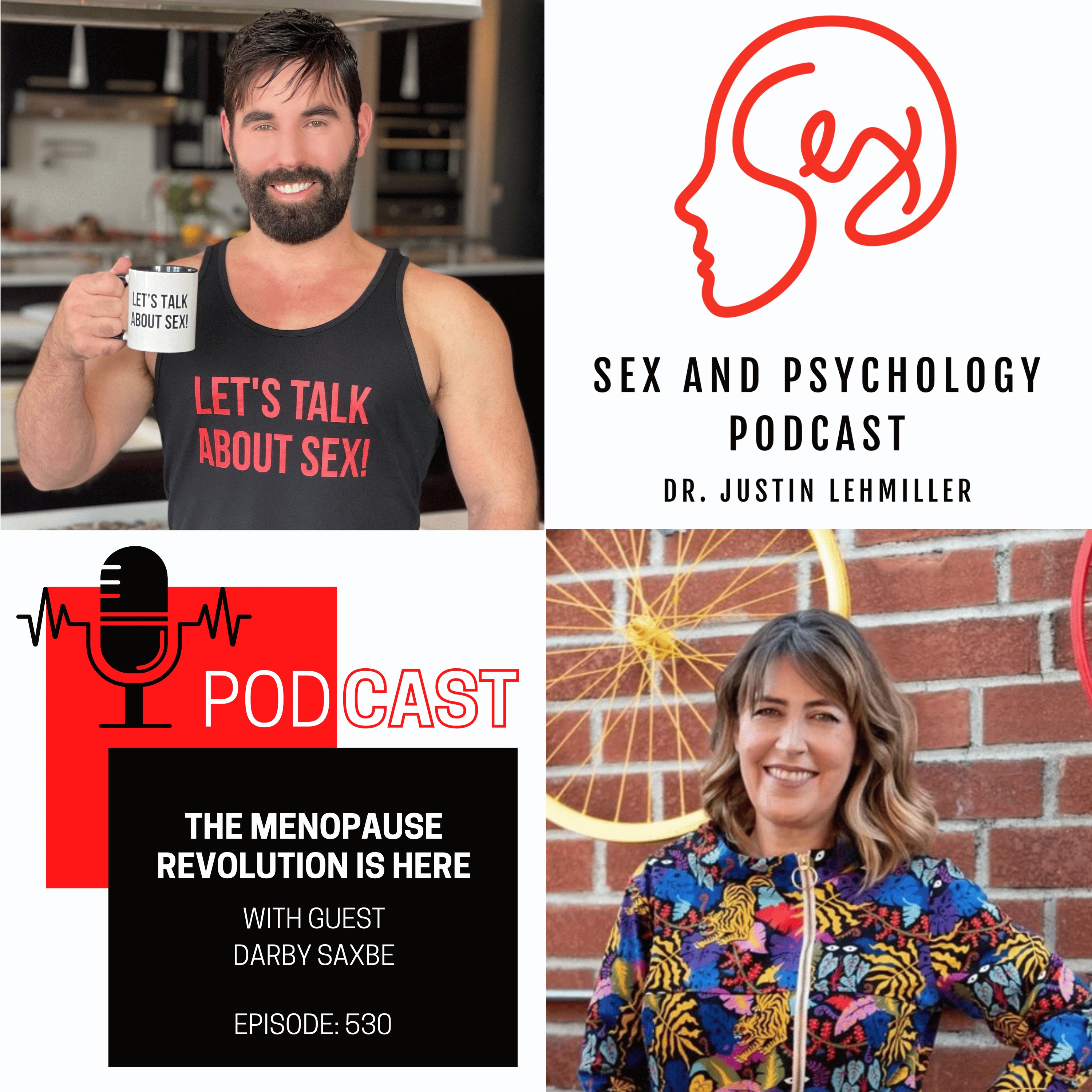 Episode 530: The Surprising Science Of The Dad Brain | Becoming a parent changes just about every aspect of life. But it doesn’t just change your routines, priorities, and relationships—it can actually change your brain and body. And while we’ve long recognized the profound biological transformation that accompanies motherhood, we’re only beginning to understand what happens to men when they become fathers. So what exactly is a “dad brain?” How does fatherhood reshape the male brain, hormones, and even the body?My guest is Darby Saxbe, a clinical psychologist and tenured full professor of psychology at the University of Southern California. She has published over eighty scientific articles in peer-reviewed journals. Her research focuses on the transition to parenthood, particularly the neural and hormonal underpinnings of fatherhood. Her latest book is titled Dad Brain: The New Science of Fatherhood and How It Shapes Men’s Lives.Some of the specific topics we cover include:How (and why) does becoming a parent change the brain?How similar are “dad brain” and “mom brain?"What happens to testosterone when men become fathers?Is there a biological reason for the "dad bod?"You can visit Darby's website to learn more about Dad Brain and follow her on Instagram @darbysaxbephdGot a sex question? Send me a podcast voicemail to have it answered on a future episode at speakpipe.com/sexandpsychology.***Thank you to our sponsors! Cozy Earth’s Labor Day Sale is happening now through September 8th. Head to cozyearth.com and use my code JUSTIN for an exclusive 30% off, the biggest savings of the season. And if you see a post-purchase survey, mention that you heard about Cozy Earth right here!Born from over 10 years of longevity research, OneSkin is helping you unlock your healthiest skin now and as you age. Get 15% off OneSkin with the code JUSTIN at https://www.oneskin.co/justinThe Kinsey Institute is where the world turns to understand sex and relationships. You can help continue its expert-led research by donating to the Kinsey Institute Research Fund. Learn more and make a donation here: https://give.myiu.org/centers-institutes/I380010749.html ***Want to learn more about Sex and Psychology? Click here for previous articles or follow the blog on Facebook, Twitter, or Bluesky to receive updates. You can also follow Dr. Lehmiller on YouTube and Instagram.Listen and stream all episodes on Apple, Spotify, or Amazon. Subscribe to automatically receive new episodes and please rate and review the podcast!Credits: Precision Podcasting (Podcast editing) and Shutterstock/Florian (Music). Image created with Canva; photos used with permission of guest. | 33m 31s | ||||||
| 8/21/26 | 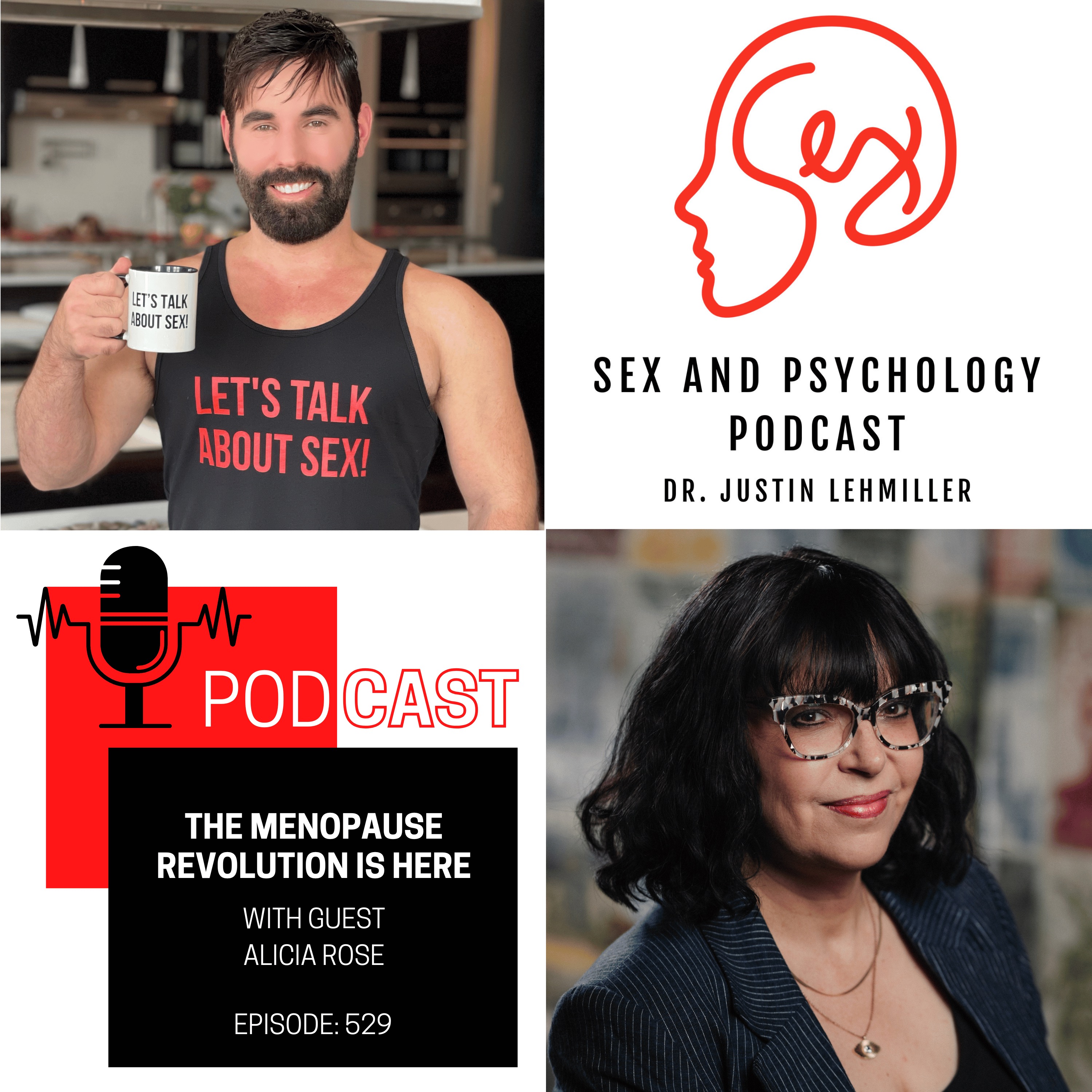 Episode 529: The Menopause Revolution Is Here | Menopause is finally getting the attention it deserves, with growing recognition of its impact on sexual health, relationships, work, and quality of life. At the center of this conversation is hormone therapy, which has been surrounded by fear and confusion since the Women’s Health Initiative study in the early 2000s, which dramatically changed how it was perceived and prescribed. Today, scientists are revisiting that history as a new generation pushes for better information, better care, and greater choice in managing menopause.My guest is Alicia Rose, an award-winning director and the Founder of Menopunks—a documentary, podcast, and activist movement championing hormonal education, access, and reproductive justice. A prolific filmmaker with deep roots as both a musician and indie music industry leader, she has directed more than three dozen music videos for global artists.Some of the specific topics we cover include:What have women missed out on due to fears about hormone therapy?Why is menopause often left out of conversations about bodily autonomy and reproductive justice?What’s driving the recent surge in attention to menopause?Beyond sexual function, how does menopause affect women's lives?You can check out the Menopunks website to learn more about Alicia's work.Got a sex question? Send me a podcast voicemail to have it answered on a future episode at speakpipe.com/sexandpsychology.***Thank you to our sponsors! Passionate about building a career in sexuality? Check out the Sexual Health Alliance. With SHA, you’ll connect with world-class experts and join an engaged community of sexuality professionals from around the world. Visit SexualHealthAlliance.com and start building the sexuality career of your dreams today.If you're ready to ditch the shady stuff and choose a libido supplement that’s effective and that you can feel confident about, it's time to check out Soaking Wet. Visit vb.health and use code JUSTIN for 10% off. ***Want to learn more about Sex and Psychology? Click here for previous articles or follow the blog on Facebook, Twitter, or Bluesky to receive updates. You can also follow Dr. Lehmiller on YouTube and Instagram.Listen and stream all episodes on Apple, Spotify, or Amazon. Subscribe to automatically receive new episodes and please rate and review the podcast!Credits: Precision Podcasting (Podcast editing) and Shutterstock/Florian (Music). Image created with Canva; photos used with permission of guest. | 45m 48s | ||||||
| 8/18/26 | 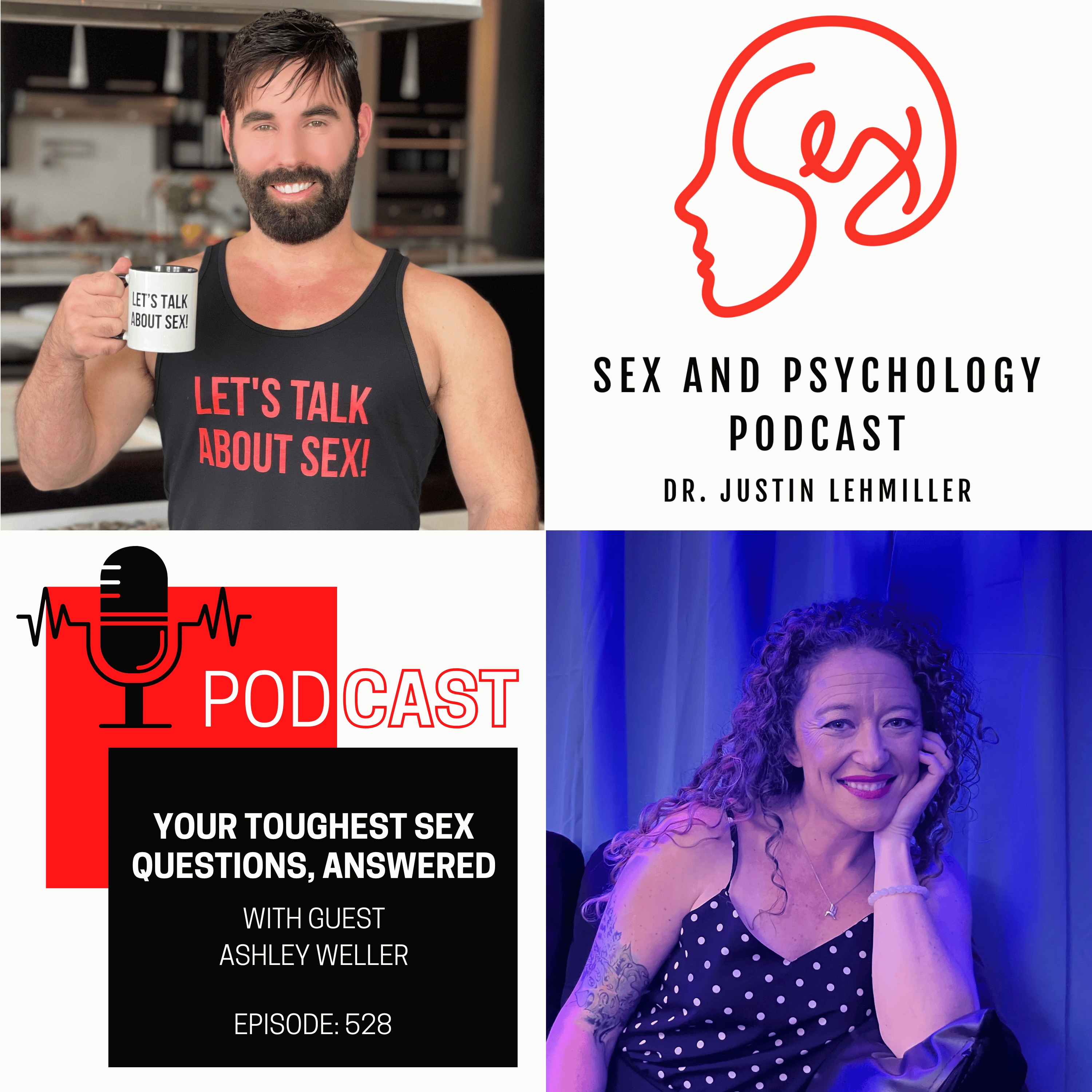 Episode 528: Your Toughest Sex Questions, Answered | What happens when two people in a long-term relationship have dramatically different sex drives? How do couples navigate intimacy when aging or health problems make sex difficult, or even impossible? And why do some people experience a sudden surge in sexual desire after losing a partner, a phenomenon sometimes referred to as “widow’s fire”? In this episode, we're answering more listener sex questions! My guest is Ashley Weller. She is a Human Sexuality and Health Psychology Professor at Chapman University in Southern California. Ashley also works in mental health clinical research and has more than 15 years of experience in sex education. She also has a podcast called What's Your Position which tackles issues surrounding sexuality, relationships, life, and love from a comedic yet educational point of view.Some of the specific topics we cover include:How can couples navigate differences in sexual values?Can non-monogamy help with desire discrepancies?How do couples successfully adapt when one partner develops a sexual difficulty?Why can grief sometimes increase sexual desire?You can check out Ashley's website to learn more about her work.Got a sex question? Send me a podcast voicemail to have it answered on a future episode at speakpipe.com/sexandpsychology.***Thank you to our sponsors! If you're ready to ditch the shady stuff and choose a libido supplement that’s effective and that you can feel confident about, it's time to check out Soaking Wet. Visit vb.health and use code JUSTIN for 10% off. The Kinsey Institute is where the world turns to understand sex and relationships. You can help continue its expert-led research by donating to the Kinsey Institute Research Fund. Learn more and make a donation here: https://give.myiu.org/centers-institutes/I380010749.html Attached Therapy offers personalized therapy for individuals and couples navigating infidelity, sexual disconnection, relationship strain, and other complex intimacy concerns. Founder Jason Powell, LMFT and AASECT Certified Sex Therapist, offers in-person sessions in Manhattan and Brooklyn Heights, as well as virtual therapy in multiple states. Learn more at https://www.attachedtherapy.com/***Want to learn more about Sex and Psychology? Click here for previous articles or follow the blog on Facebook, Twitter, or Bluesky to receive updates. You can also follow Dr. Lehmiller on YouTube and Instagram.Listen and stream all episodes on Apple, Spotify, or Amazon. Subscribe to automatically receive new episodes and please rate and review the podcast!Credits: Precision Podcasting (Podcast editing) and Shutterstock/Florian (Music). Image created with Canva; photos used with permission of guest. | 54m 50s | ||||||
| 8/14/26 | 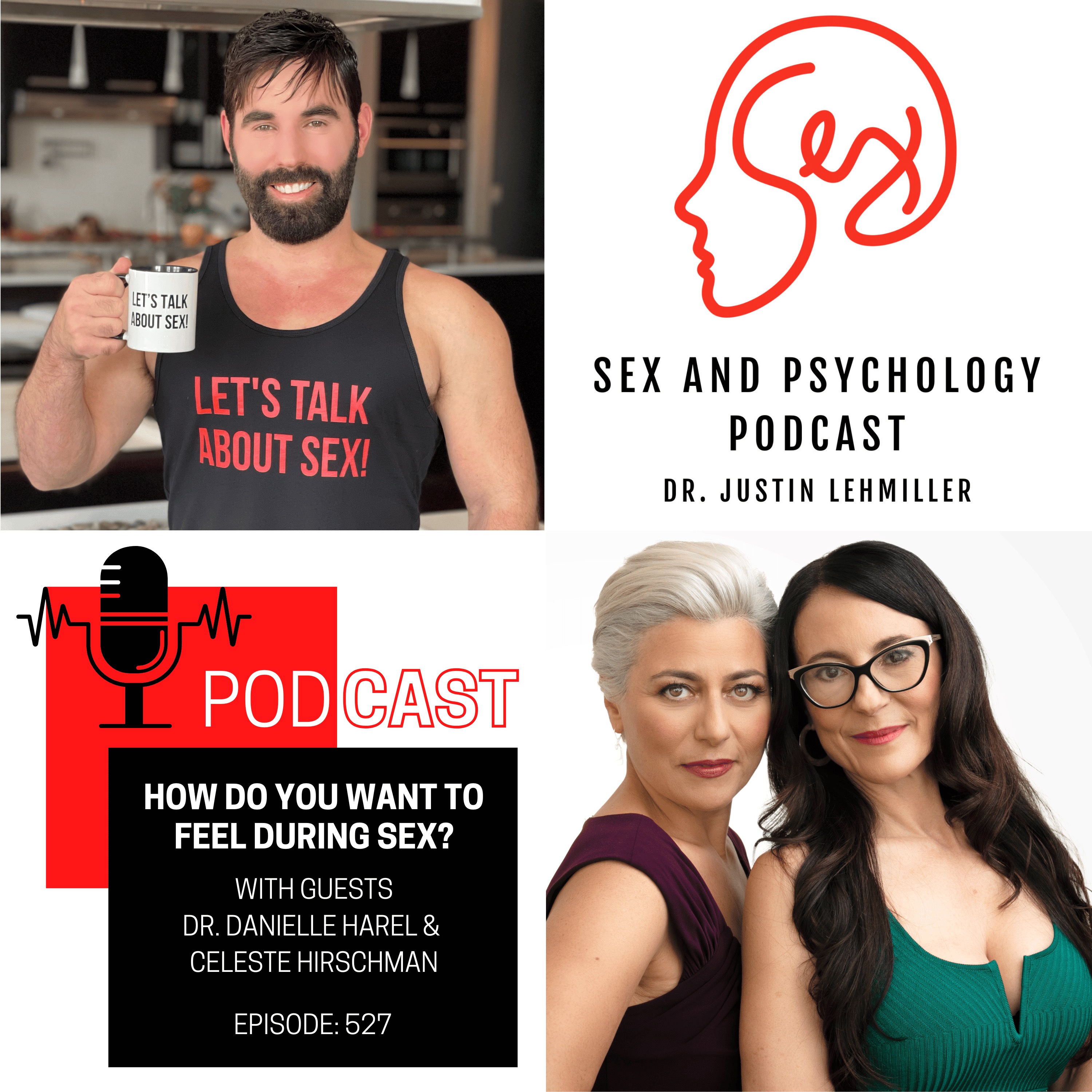 Episode 527: How Do You Want To Feel During Sex? | When we talk about what we want sexually, we usually describe certain behaviors, positions, or roles. But that's only part of the story. Beneath what we want to do is a deeper question: How do we want to feel during sex? Some want to feel adored. Others want to feel powerful, desired, free, or cared for. These emotional experiences reflect our Core Desires, and understanding them can offer a much richer picture of our sexuality than simply cataloging our preferred bedroom activities.I am joined once again by Dr. Danielle Harel and Celeste Hirschman, the co-creators of the Somatica® Method and co-founders of the Somatica Institute, where they have trained coaches around the world in an experiential approach to sex, relationships, and personal transformation. They are the authors of three books and serve as the lead sexologists and co-executive producers of the UK Channel 4 award-winning series Virgin Island. Some of the specific topics we cover include:What are some examples of Core Desires?How are Core Desires different from our attachment style?Are Core Desires the same thing as sexual fantasies?How can someone figure out their Core Desires?What are some tips for couples looking to explore their Core Desires together?You can visit celesteanddanielle.com to learn more about their work and take their Core Desires quiz at https://somatica.com/quizGot a sex question? Send me a podcast voicemail to have it answered on a future episode at speakpipe.com/sexandpsychology.***Thank you to our sponsors! Passionate about building a career in sexuality? Check out the Sexual Health Alliance. With SHA, you’ll connect with world-class experts and join an engaged community of sexuality professionals from around the world. Visit SexualHealthAlliance.com and start building the sexuality career of your dreams today. Level-up your bedroom skills with Beducated. Featuring more than 150 online courses taught by the experts, Beducated brings pleasure-based sex ed directly into your bedroom. Kick off your journey by taking Beducated’s Quiz to get your personalized roadmap to sexual happiness at https://beduc.at/pd2633-lehmiller***Want to learn more about Sex and Psychology? Click here for previous articles or follow the blog on Facebook, Twitter, or Bluesky to receive updates. You can also follow Dr. Lehmiller on YouTube and Instagram.Listen and stream all episodes on Apple, Spotify, or Amazon. Subscribe to automatically receive new episodes and please rate and review the podcast!Credits: Precision Podcasting (Podcast editing) and Shutterstock/Florian (Music). Image created with Canva; photos used with permission of guest. | 32m 08s | ||||||
| 8/11/26 |  Episode 526: Why More Adults Are Remaining Virgins | More young adults are delaying their sexual debut, with growing numbers reaching their twenties or even thirties without ever having had sex. At the same time, virginity has become increasingly stigmatized, leaving many people feeling ashamed, isolated, or like they’re falling behind. So what’s driving this shift, and what does it tell us about how sex and dating are changing?My guests are Dr. Danielle Harel and Celeste Hirschman, the co-creators of the Somatica® Method and co-founders of the Somatica Institute, where they have trained coaches around the world in an experiential approach to sex, relationships, and personal transformation. They are the authors of three books and serve as the lead sexologists and co-executive producers of the UK Channel 4 award-winning series Virgin Island. Some of the specific topics we cover include:Why are more young adults delaying their sexual debut?What’s driving the rise in adult virginity?Why did virginity become a social liability?What can the TV series Virgin Island teach everyone about building confidence and seeking more meaningful connections?You can visit celesteanddanielle.com to learn more about their work and take their Core Desires quiz at https://somatica.com/quizGot a sex question? Send me a podcast voicemail to have it answered on a future episode at speakpipe.com/sexandpsychology.***Thank you to our sponsors! Oversized, ultra-plush, and completely built for your best summer days, Cozy Earth’s beach towels will be your new poolside essential. Head to cozyearth.com and use my code JUSTIN for an exclusive 20% off. That’s code JUSTIN for an exclusive 20% off. And if you see a post-purchase survey, mention that you heard about Cozy Earth right here!The Kinsey Institute is where the world turns to understand sex and relationships. You can help continue its expert-led research by donating to the Kinsey Institute Research Fund. Learn more and make a donation here: https://give.myiu.org/centers-institutes/I380010749.html ***Want to learn more about Sex and Psychology? Click here for previous articles or follow the blog on Facebook, Twitter, or Bluesky to receive updates. You can also follow Dr. Lehmiller on YouTube and Instagram.Listen and stream all episodes on Apple, Spotify, or Amazon. Subscribe to automatically receive new episodes and please rate and review the podcast!Credits: Precision Podcasting (Podcast editing) and Shutterstock/Florian (Music). Image created with Canva; photos used with permission of guest. | 31m 29s | ||||||
| 8/7/26 |  Episode 525: The ADHD Guide To Better Sex (Essential Listen) | Despite how much we hear about ADHD, its impact on our intimate lives is often overlooked. Research suggests that around 40% of adults with ADHD experience at least one form of sexual dysfunction. ADHD can also contribute to frustration, misunderstanding, and conflict in relationships. In today's show, we’re revisiting a classic episode from the archives that takes a closer look at the intersection of ADHD and sex.My guest is Cate Osborn, a certified sex educator, a mental health advocate, and full-time content creator, with ADHD. As a professional table top role-playing game performer, she is passionate about opening conversations about neurodiversity and accessibility in the gaming and BDSM/kink communities.Some of the specific topics we cover include:How is ADHD related to sexual desire?Why is ADHD linked to both premature orgasm and delayed orgasm?How can medications to treat ADHD affect sex?Are there gender differences in how ADHD relates to sexual difficulties?If you find yourself constantly distracted during sex, what can you do about this?You can check out Cate's website to learn more about her work.Got a sex question? Send me a podcast voicemail to have it answered on a future episode at speakpipe.com/sexandpsychology.***Thank you to our sponsors! Passionate about building a career in sexuality? Check out the Sexual Health Alliance. With SHA, you’ll connect with world-class experts and join an engaged community of sexuality professionals from around the world. Visit SexualHealthAlliance.com and start building the sexuality career of your dreams today.If you're ready to ditch the shady stuff and choose a libido supplement that’s effective and that you can feel confident about, it's time to check out Drive Boost. Visit vb.health and use code JUSTIN for 10% off. ***Want to learn more about Sex and Psychology? Click here for previous articles or follow the blog on Facebook, Twitter, or Bluesky to receive updates. You can also follow Dr. Lehmiller on YouTube and Instagram.Listen and stream all episodes on Apple, Spotify, or Amazon. Subscribe to automatically receive new episodes and please rate and review the podcast!Credits: Precision Podcasting (Podcast editing) and Shutterstock/Florian (Music). Image created with Canva; photos used with permission of guest. | 45m 11s | ||||||
| 8/4/26 |  Episode 524: Essential Sex Advice For Women | Traditional sex education often skips topics like the clitoris, orgasm, sexual pain, and vaginal health, leaving many women to figure these things out all on their own. In this episode, we cover the sex advice every woman should know. We’ll discuss how to make sex more pleasurable, what to do about sexual pain and difficulty reaching orgasm, what you need to know about vaginal health and hygiene products, and more. My guest is Dr. Rena Malik, a board-certified urologist and sexuality educator. With over 300 million views and 2 million subscribers, her YouTube channel @RenaMalikMD has become a go-to destination for frank, evidence-based discussions of taboo topics. With a prolific portfolio boasting over 80 peer-reviewed publications, she has contributed to advancement and innovation in the field of urology. She is also author of the book The Hard Truth: Everything Men Need to Know for Good Health, Great Sex, and Long Life. Some of the specific topics we cover include:The keys to making intercourse more pleasurable.Why sex hurts—and what you can do about it.What really helps when orgasm is difficult.The truth about vaginal taste, smell, and hygiene.Simple ways to prevent vaginal and urinary infections.You can check out Rena's website to learn more about her work.Got a sex question? Send me a podcast voicemail to have it answered on a future episode at speakpipe.com/sexandpsychology.***Thank you to our sponsors! If you're ready to ditch the shady stuff and choose a libido supplement that’s effective and that you can feel confident about, it's time to check out Drive Boost. Visit vb.health and use code JUSTIN for 10% off. The Kinsey Institute is where the world turns to understand sex and relationships. You can help continue its expert-led research by donating to the Kinsey Institute Research Fund. Learn more and make a donation here: https://give.myiu.org/centers-institutes/I380010749.html ***Want to learn more about Sex and Psychology? Click here for previous articles or follow the blog on Facebook, Twitter, or Bluesky to receive updates. You can also follow Dr. Lehmiller on YouTube and Instagram.Listen and stream all episodes on Apple, Spotify, or Amazon. Subscribe to automatically receive new episodes and please rate and review the podcast!Credits: Precision Podcasting (Podcast editing) and Shutterstock/Florian (Music). Image created with Canva; photos used with permission of guest. | 32m 23s | ||||||
| 7/31/26 |  Episode 523: Real Stories of Non-Monogamy | Open relationships, polyamory, and consensual non-monogamy are receiving more attention than ever, yet they’re still surrounded by stereotypes and misconceptions. In her new book, Alyssa Shelasky moves beyond the debate by sharing the real-life stories of people navigating these relationships. In this episode, we explore what draws people to non-monogamy, what these relationships actually look like, and what we can all learn from them.Alyssa Shelasky writes the New York Magazine column Sex Diaries, which was developed into an HBO docuseries with Shelasky producing and starring. She is the author of Apron Anxiety, This Might Be Too Personal, and the new book Sex Diaries: Real Life Stories of Non-Monogamy and Polyamory. Some of the specific topics we explore in this episode include:What do people get wrong about who practices non-monogamy?Why do people open their relationships in the first place?What happens when non-monogamy gets complicated, messy, or doesn’t go as planned?Which real-life stories challenge our biggest assumptions about open relationships?What can monogamous couples learn from people who practice non-monogamy?Check out Alyssa's website to learn more about her work.Got a sex question? Send me a podcast voicemail to have it answered on a future episode at speakpipe.com/sexandpsychology.***Thank you to our sponsors! Passionate about building a career in sexuality? Check out the Sexual Health Alliance. With SHA, you’ll connect with world-class experts and join an engaged community of sexuality professionals from around the world. Visit SexualHealthAlliance.com and start building the sexuality career of your dreams today.Check out Sex Ed with DB here to listen to an episode we love on your favorite podcast platform! ***Want to learn more about Sex and Psychology? Click here for previous articles or follow the blog on Facebook, Twitter, or Bluesky to receive updates. You can also follow Dr. Lehmiller on YouTube and Instagram.Listen and stream all episodes on Apple, Spotify, or Amazon. Subscribe to automatically receive new episodes and please rate and review the podcast!Credits: Precision Podcasting (Podcast editing) and Shutterstock/Florian (Music). Image created with Canva; photos used with permission of guest. | 31m 10s | ||||||
| 7/28/26 | 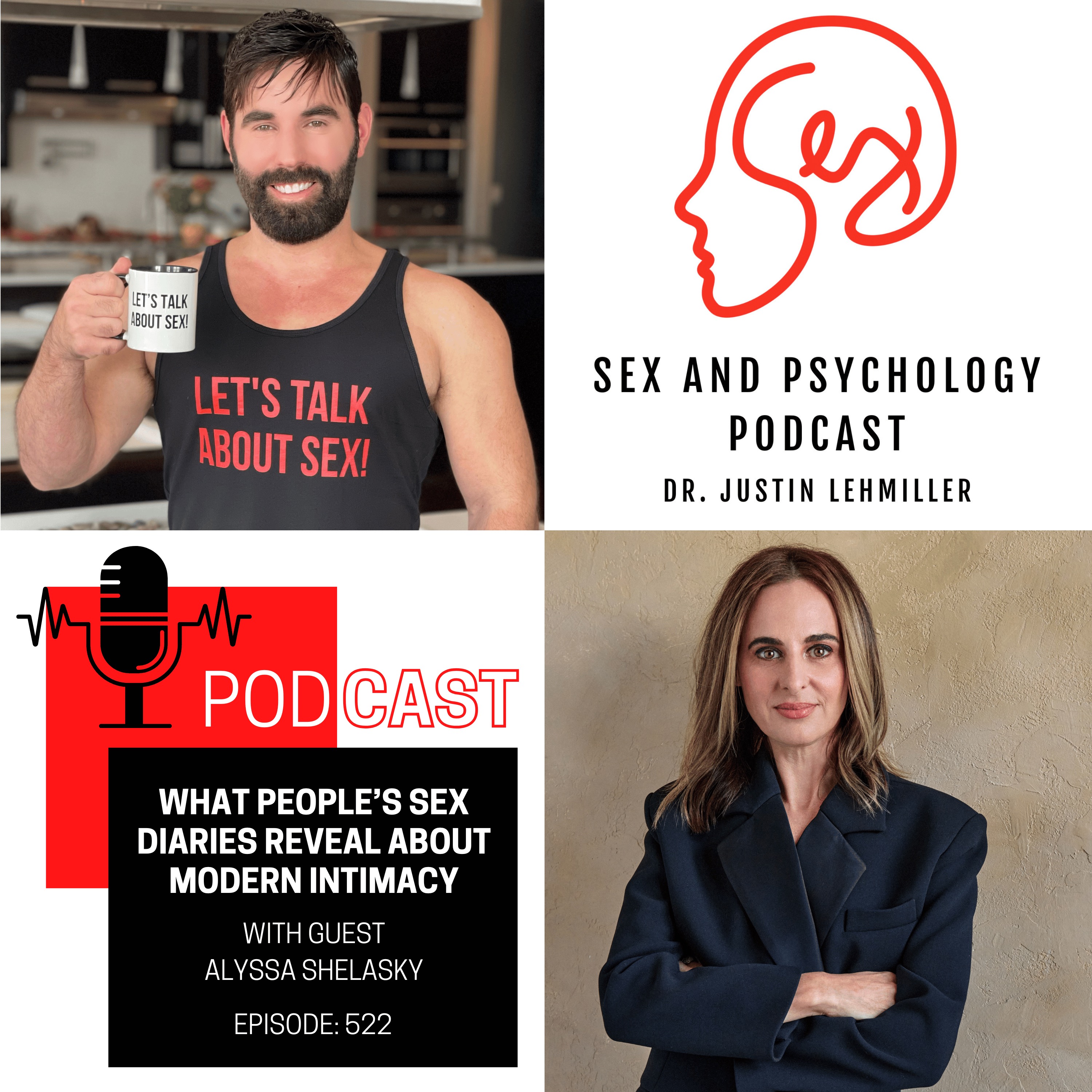 Episode 522: What People’s Sex Diaries Reveal About Modern Intimacy | Most of us only get small glimpses into other people’s sex lives, which can make our own experiences feel more unusual than they really are. But what happens when you spend years hearing the unfiltered truth about people’s desires, insecurities, relationships, and intimate experiences? In this episode, we explore what those stories reveal about modern sex and relationships.My guest is Alyssa Shelasky. Her popular New York Magazine column, Sex Diaries, is widely considered a cultural phenomenon and was developed into an HBO docuseries with Shelasky producing and starring. She is the author of Apron Anxiety, This Might Be Too Personal, and the new book Sex Diaries: Real Life Stories of Non-Monogamy and Polyamory. Some of the specific topics we explore in this episode include:Why are people sometimes more comfortable sharing their deepest sexual secrets with a stranger than with a partner?What do people’s sex stories reveal about the roles sex plays beyond physical pleasure?How have people’s desires, relationships, and intimate lives changed over the years?What has collecting countless intimate stories taught Alyssa about modern intimacy?Check out Alyssa's website to learn more about her work.Got a sex question? Send me a podcast voicemail to have it answered on a future episode at speakpipe.com/sexandpsychology.***Thank you to our sponsors! Level-up your bedroom skills with Beducated. Featuring more than 150 online courses taught by the experts, Beducated brings pleasure-based sex ed directly into your bedroom. Kick off your journey by taking Beducated’s Quiz to get your personalized roadmap to sexual happiness at https://beduc.at/pd2628-lehmillerThe Kinsey Institute is where the world turns to understand sex and relationships. You can help continue its expert-led research by donating to the Kinsey Institute Research Fund. Learn more and make a donation here: https://give.myiu.org/centers-institutes/I380010749.html ***Want to learn more about Sex and Psychology? Click here for previous articles or follow the blog on Facebook, Twitter, or Bluesky to receive updates. You can also follow Dr. Lehmiller on YouTube and Instagram.Listen and stream all episodes on Apple, Spotify, or Amazon. Subscribe to automatically receive new episodes and please rate and review the podcast!Credits: Precision Podcasting (Podcast editing) and Shutterstock/Florian (Music). Image created with Canva; photos used with permission of guest. | 30m 24s | ||||||
| 7/23/26 |  Episode 521: An Intimacy Coordinator’s Tips For Better Sex | In the previous episode, we went behind the scenes of film and television to explore how intimacy coordinators help create authentic, safe, and compelling intimate scenes. But the lessons from this profession extend far beyond Hollywood. In this episode, we’re bringing those lessons into the bedroom to explore how they can help us build healthier, hotter, and more connected sex lives. I am joined once again by Laura Desiree, the creative director of SNCTM, a private members-only erotic society known for its immersive events that blend live performance, fantasy, intimacy and consent-driven exploration. She is a Level II certified intimacy coordinator with years of experience in erotic media and sex-positive storytelling. Through her work with SNCTM, Laura curates experiences that are culturally relevant, artistically elevated and rooted in clear boundaries, consent, and discretion. Some of the specific topics we explore in this episode include: How can planning sex create more intimacy and chemistry? What can intimacy coordinators teach us about consent and communication? How can couples communicate their boundaries more effectively? How can people stay present during sex instead of overthinking? What should people know before recreating a favorite movie sex scene? You can check out Laura’s website to learn more about her work. Got a sex question? Send me a podcast voicemail to have it answered on a future episode at speakpipe.com/sexandpsychology. *** Thank you to our sponsors! Soaking Wet from VB Health is the world’s first probiotic specifically designed for vaginal and vulva health and wellness. It’s a doctor formulated blend of prebiotics, probiotics, and vitamins specifically designed to restore balance and increase lubrication. Visit vb.health and use code JUSTIN for 10% off. *** Want to learn more about Sex and Psychology? Click here for previous articles or follow the blog on Facebook, Twitter, or Bluesky to receive updates. You can also follow Dr. Lehmiller on YouTube and Instagram. Listen and stream all episodes on Apple, Spotify, or Amazon. Subscribe to automatically receive new episodes and please rate and review the podcast! Credits: Precision Podcasting (Podcast editing) and Shutterstock/Florian (Music). Image created with Canva; photos used with permission of guest. | 32m 23s | ||||||
| 7/21/26 | intimacy coordinationfilm production+3 | Laura Desiree | SNCTM | — | intimacy coordinatorfilm+5 | VB HealthSoaking Wet | 34m 06s | ||
| 7/14/26 | dead bedroomssexual health+3 | Dr. Lauren Fogel Mersy | Desire: An Inclusive Guide to Navigating Libido Differences in Relationships | — | dead bedroomssexual problems+3 | Sexual Health Alliance | 30m 48s | ||
| 7/7/26 | AI companionshipemotional support+4 | Bridget Todd | MozillaMacArthur Foundation+4 | — | AIcompanionship+5 | — | 32m 32s | ||
| 7/3/26 | consentpopular culture+3 | Michele Meek, Ph.D. | The Ambiguity of Consent: Consent Puzzles in Film, Television, Public Discourse, and the LawConsent Culture and Teen Films: Adolescent Sexuality in US Movies | — | consentcoercion+5 | Kinsey Institute | 31m 40s | ||
| 6/26/26 | chastity playintimacy+3 | Paul Botto | KINK3D | — | chastityintimate relationships+3 | Kinsey Institute | 27m 59s | ||
| 6/23/26 | chastitysexual desire+4 | Paul Botto | KINK3D | — | chastitysexuality+5 | Sex Ed with DB | 29m 00s | ||
| 6/19/26 | sexual desirearousal architecture+4 | Kayna Cassard | Arousal, Answered: An Expert’s Guide to Authentic Pleasure and Liberating Sex | — | sexual desirearousal architecture+6 | — | 32m 43s | ||
| 6/12/26 | out-of-control sexual behaviorwomen's sexual health+4 | Jess Levith | AASECT | — | sexual behaviorwomen+5 | Beducated | 29m 31s | ||
| 6/9/26 | sexualitycoming out+4 | Jess Levith | — | — | sexuality changescoming out later+5 | Sexual Health Alliance | 31m 51s | ||
| 6/5/26 | non-monogamyrelationships+3 | Kate Loree | Soaking WetOpen Deeply | — | non-monogamyrelationships+5 | VB Health | 29m 49s | ||
| 6/2/26 | trauma-informed non-monogamyattachment+5 | Kate Loree | Open Deeply | — | non-monogamytrauma+5 | VB Health | 30m 52s | ||
| 5/29/26 | meaningful conversationsmall talk+4 | Nicholas Epley | University of Chicago Booth School of BusinessMindwise: How We Understand What Others Think, Believe, Feel, and Want+1 | — | small talkmeaningful connection+3 | Sexual Health Alliance | 29m 58s | ||
| 5/26/26 | social connectionloneliness+5 | Nicholas Epley | University of Chicago Booth School of BusinessMindwise: How We Understand What Others Think, Believe, Feel, and Want+1 | — | connectionloneliness+5 | — | 33m 44s | ||
| 5/22/26 | sexual communicationintimacy+4 | Michelle Fischler | GETSOMEVB Health+1 | — | sexual communicationintimacy+6 | Load Boost | 30m 16s | ||
| 5/19/26 | premature ejaculationnervous system+5 | Michelle Fischler | GETSOMEComing Soon: The Unshaming Guide to Early Ejaculation and Lasting Longer | — | premature ejaculationsexual shame+5 | Feeld | 35m 06s | ||
| 5/15/26 | masturbationself-pleasure+5 | Dr. Eric SprankleMarie Aoyama+4 | TENGA | — | masturbation mythsself-pleasure+5 | Beducated | 32m 14s | ||
| 5/12/26 | sexual pleasureintimacy+5 | Dr. Emily Jamea | AASECTAnatomy of Desire: 5 Secrets to Lasting Intimacy | — | sexpleasure+7 | Feeld | 42m 29s | ||
| 5/8/26 | healing after traumasupportive partnership+4 | Dr. Heather MacIntosh | McGill UniversityHealing Broken Bonds+2 | — | traumarelationships+5 | Drive Boost | 33m 28s | ||
| 5/5/26 | traumarelationships+4 | Dr. Heather MacIntosh | McGill UniversityHealing Broken Bonds: A Couples Workbook for Complex Trauma+1 | — | traumarelationships+5 | Feeld | 36m 06s | ||
| 5/1/26 | breast implantschest surgery+4 | Sarah Thornton | Seven Days in the Art WorldTits Up: The Top Half of Women’s Liberation | — | breast augmentationcosmetic surgery+4 | — | 26m 47s | ||
| 4/28/26 | eroticization of breastscultural history+3 | Sarah Thornton | Seven Days in the Art WorldTits Up: The Top Half of Women’s Liberation | — | breastssexualization+5 | Cozy EarthJUSTIN | 31m 12s | ||
| 4/24/26 | conflict in relationshipshealthy communication+3 | Dr. Sara Nasserzadeh | Love by Design: 6 Ingredients to Build a Lifetime of Love | — | happy couplesconflict avoidance+3 | VB Health | 30m 26s | ||
| 4/21/26 | lasting loverelationship psychology+4 | Dr. Sara Nasserzadeh | Love by Design: 6 Ingredients to Build a Lifetime of Love | — | lasting loverelationship expert+5 | VB Health | 33m 20s | ||
| 4/17/26 | sexual orientationheterosexual men+4 | Kathy Kay | Strictly Anonymous PodcastStrictly Anonymous Confessions: Secret Sex Lives of Total Strangers | — | sexualityheterosexuality+5 | Beducated | 34m 34s | ||
| 4/14/26 | hotwifingsexual fantasies+3 | Kathy Kay | Strictly Anonymous PodcastSexual Health Alliance+1 | — | hotwifingsexual fantasy+5 | Cozy EarthJUSTIN | 36m 42s | ||
| 4/10/26 | disabilitysexual health+5 | Dr. Kirsten Greer | Kinsey Institute | — | disabilitysexual health+5 | Drive BoostJUSTIN | 29m 17s | ||
| 4/7/26 | sexual consentwantedness vs consent+3 | Dr. Kirsten Greer | Kinsey InstituteSexual Health Alliance | — | sexual consentwantedness+3 | Drive BoostJUSTIN | 29m 31s | ||
| 4/3/26 | popperssexual enhancement+3 | Adam Zmith | — | — | popperssexual enhancement+3 | Kinsey Institute | 26m 05s | ||
| 3/31/26 | foot fetishsexual fantasies+3 | Adam Zmith | Tell Me What You WantDeep Sniff: A History of Poppers and Queer Futures+1 | — | foot fetishsexual fantasies+4 | Sexual Health Alliance | 28m 23s | ||
| 3/27/26 | online datingpsychology+4 | Dr. Paul Eastwick | paired.comUC Davis+2 | — | online datingdating apps+5 | PairedJUSTIN | 33m 20s | ||


Showing 55 of 492
Pitch Fit is a Pro feature
See how bookable this show is for guests, which brands already advertise, the per-episode ad value, and the best-fit guest and sponsor profile. The numbers are blurred on the free plan.
How readily this show books outside guests like you.
How proven this show is for host-read sponsorships.
For Guests
ProFor Advertisers
ProUpgrade to Pro to unlock guest cadence, sponsor categories, fit scores, and per-episode ad value for this show.
Similar Audience Demographics
Podcasts that attract a similar listener profile

Sexology
Dr. Nazanin Moali, Ph.D, Psychology of Sex | Couple Therapy | Sex Education

Sex Ed with DB: smart, science-backed sex education
Danielle Bezalel, MPH: Sex Educator | Pleasure Expert

Sex With Emily
Dr. Emily Morse

That's Orgasmic with Sexologist Emily Duncan
Emily Duncan

Multiamory: Rethinking Modern Relationships
Multiamory

Shameless Sex
Amy Baldwin and April Lampert| Pleasure Podcasts

Come Curious
Florence Bark & Reed | QCODE
Distribution & Reach
About the show, platforms, and key insights.
Distribution & Reach
About the show, platforms, and key insights.
Dr. Justin Lehmiller is a renowned researcher associated with the Kinsey Institute, specializing in the psychology of sex and relationships. He is recognized for his insightful exploration of sexuality and has contributed significantly to public understanding of sexual health and intimacy through his research and writing. The Sex and Psychology Podcast stands out as a vital resource for listeners seeking a deeper understanding of sexual topics often overlooked in traditional sex education. With a format that combines expert interviews and practical advice, the show delves into various aspects of sexuality, relationships, and cultural influences on intimate lives. With 492 episodes, it covers a broad spectrum, making complex psychological concepts accessible and relevant. Listeners of the podcast range from individuals seeking to enhance their intimate relationships to professionals in the fields of psychology and sexual health. By offering evidence-based insights and actionable tips, the podcast enriches its audience's understanding of their own sexualities and promotes healthier relationships.
By the numbers
- Total followers: 6.7K
- Total plays: 451K
- Total reviews: 285
Platforms
TuneIn
- Followers: 37
Castbox
- Followers: 2.3K
- Plays: 117K
- Reviews: 8
YouTube
- Subscribers: 3.9K
- Views: 334K
- Videos: 242
Podcast App
- Followers: 305
- Reviews: 277
Podcast Republic
- Followers: 273
Find them online
Audience
adults, professionals
Key insights
What the show covers
- sex education
- psychological insights
- relationship dynamics
- practical intimacy advice
Audience interests
- psychology of sex
- relationships advice
- sexual health tips
- intimacy improvement strategies
Platform reach
- available on podcast platforms
- potential blog integration
- growing online presence
- no specific platforms listed
Publishing consistency
- weekly episodes
- active for six years
- consistent content delivery
- high episode count
Chart history for Sex and Psychology Podcast
Peaked at #2 in KE, top 10 in 5 of 50 tracked markets, currently #2 in KE.
| Market | Genre | Peak | Current | Trend |
|---|---|---|---|---|
| KE | — | #2 | #2 | — |
| Ireland | — | #3 | #3 | — |
| IS | — | #5 | #5 | — |
| Canada | — | #9 | #9 | — |
| TH | — | #9 | #9 | — |
| United Kingdom | — | #12 | #12 | — |
| HU | — | #12 | #12 | — |
| PL | — | #13 | #13 | — |
| Sweden | — | #16 | #16 | — |
| United States | — | #18 | #18 | — |
| PT | — | #18 | #18 | — |
| Norway | — | #18 | #18 | — |
| RO | — | #19 | #19 | — |
| CZ | — | #21 | #21 | — |
| Australia | — | #23 | #23 | — |
| GR | — | #23 | #23 | — |
| India | — | #23 | #23 | — |
| Italy | — | #25 | #25 | — |
| New Zealand | — | #26 | #26 | — |
| Denmark | — | #27 | #27 | — |
Chart Positions
50 placements across 45 markets.
Chart Positions
50 placements across 45 markets.